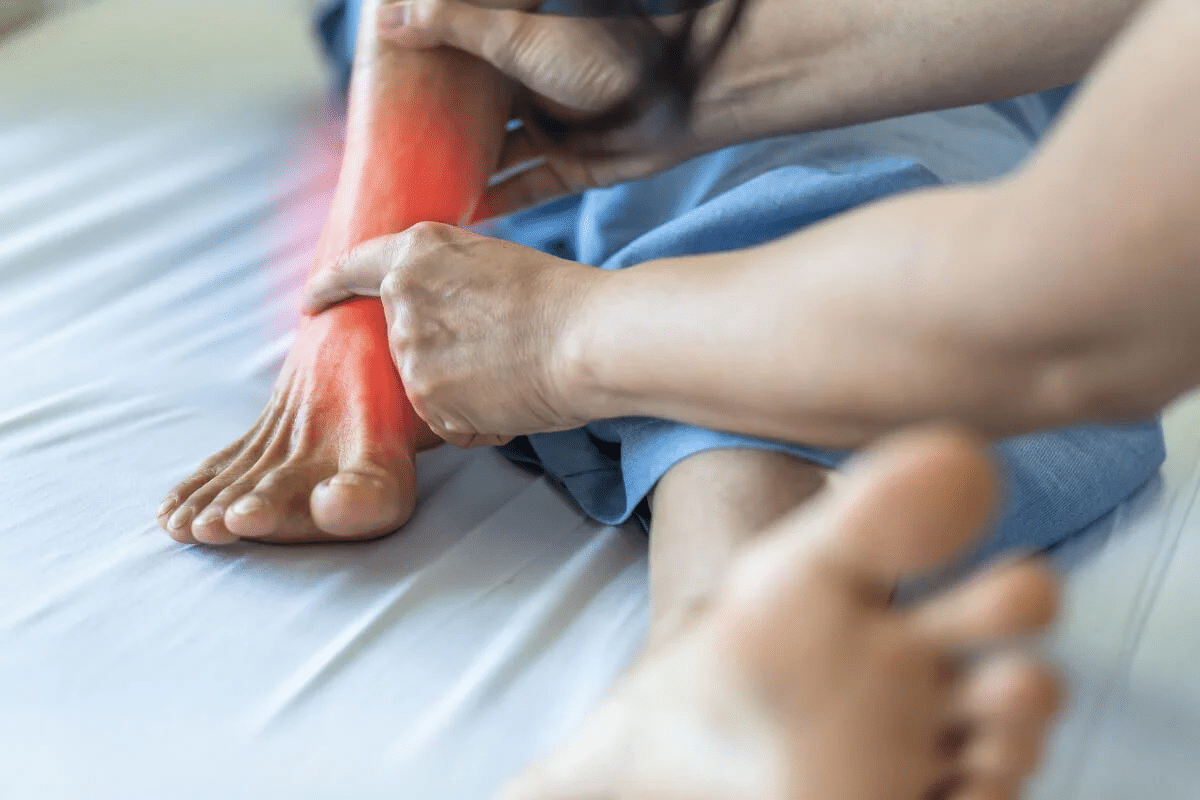
When sudden joint pain hits with intense swelling and inflammation, it’s key to tell gout and pseudogout apart for the right treatment. These two conditions cause similar pain but come from different causes and have different paths is pseudogout worse than gout.
Gout can come on fast, often without warning, and hurts a lot in a joint, like the big toe. Pseudogout is less painful and often affects older adults. Knowing the difference between gout and pseudogout is vital for managing them well.
Gout can be fully treated with the right uric acid management. But pseudogout is a tougher case. We’ll dive into these differences to see if is pseudogout worse than gout.
Key Takeaways
- Gout and pseudogout are distinct forms of arthritis caused by crystal deposits in the joints.
- Gout is characterized by sudden, intense pain, often in the big toe.
- Pseudogout is generally less painful and more common in older adults.
- Understanding the differences between gout and pseudogout is critical for effective treatment.
- Gout can be managed with proper uric acid control, while pseudogout presents a more complex clinical challenge.
Understanding Crystal-Induced Arthropathies
Arthropathies caused by crystal deposition are common in rheumatology. We will look at the types of joint diseases caused by crystals. These include gout and pseudogout, where specific crystals build up in joints.
What Are Crystal-Induced Joint Diseases?
Crystal-induced joint diseases happen when tiny crystals form in joints. This leads to inflammation, pain, and swelling. The most common crystals are monosodium urate in gout and calcium pyrophosphate dihydrate (CPPD) in pseudogout. These crystals can form due to metabolic disorders, genetic factors, and aging.
Common Types and Their Impact on Joint Health
Gout and pseudogout are the most common types of crystal-induced arthropathies. Gout affects the big toe with monosodium urate crystals. Pseudogout, on the other hand, involves CPPD crystals in the knee. The unique crystal shapes help doctors diagnose these conditions.
Gout crystals are needle-shaped and show negative birefringence under polarized light. Pseudogout crystals are rod-like or rhomboid and show positive birefringence.
“Understanding the differences between gout and pseudogout is essential for effective management of these conditions.”
What Is Gout? Causes and Mechanisms

Gout is a type of arthritis that causes sudden, severe pain and swelling. It often hits the joint at the base of the big toe. To understand gout, we need to look at its causes and how it works.
We’ll see how too much uric acid leads to the formation of crystals. These crystals are what cause gout symptoms.
Uric Acid and Monosodium Urate Crystals
Gout happens when monosodium urate crystals build up in joints. This is due to too much uric acid. Normally, uric acid is dissolved in blood and then passed out through urine.
But, if there’s too much uric acid or the kidneys don’t get rid of enough, crystals form. These crystals are sharp and cause pain, inflammation, and swelling.
Risk Factors for Developing Gout
There are several things that can make you more likely to get gout. These include:
- Obesity
- High blood pressure
- Eating foods high in purines (like red meat and seafood)
- Having a family history of gout
- Being a man aged 30 to 50
Knowing these risk factors can help prevent and manage gout.
The Pathophysiology of Gout Attacks
Gout attacks happen when crystals build up in joints. This triggers an inflammatory response. The body’s immune system reacts to these crystals, causing intense pain, redness, and swelling.
The process involves complex interactions between crystals, immune cells, and cytokines. This results in the symptoms we see in gout.
Understanding how gout attacks work is key to finding good treatments.
What Is Pseudogout? Understanding CPPD
Pseudogout is often mistaken for gout but is actually a different form of arthritis. It’s called calcium pyrophosphate deposition disease (CPPD). This condition happens when calcium pyrophosphate crystals build up in joints, causing inflammation and pain.
We’ll dive into the details of CPPD. We’ll look at who’s at risk and why these crystals form. Pseudogout mainly hits older adults, with nearly half of those over 85 getting CPPD.
Calcium Pyrophosphate Deposition Disease Explained
CPPD is when calcium pyrophosphate dihydrate crystals pile up in joint cartilage. This can cause sudden or ongoing joint inflammation, making it seem like other arthritis types, like gout.
The reasons behind CPPD are complex. They involve how the body handles calcium and pyrophosphate. Grasping these reasons is key to diagnosing and treating CPPD well.
Risk Factors for Developing Pseudogout
Several factors increase the chance of getting pseudogout. These include being older, having joint injuries, and certain metabolic issues. Older adults are more at risk because their joints change with age, making it easier for crystals to form.
Other factors include family history and conditions that mess with calcium and phosphate levels, like hyperparathyroidism.
Underlying Mechanisms of Crystal Formation
The creation of calcium pyrophosphate crystals is complex. It’s influenced by both local joint issues and overall health. These crystals cause inflammation, leading to pseudogout symptoms.
Studies are ongoing to understand how CPPD works. They aim to find better ways to treat it by learning more about crystal formation and how the body reacts.
Crystal Composition and Structure: The Fundamental Difference
The crystal structures of gout and pseudogout are very different. This difference is key for making the right diagnosis. Looking at the synovial fluid under a microscope can show if someone has gout or pseudogout.
Gout Crystals: Needle-Shaped and Negatively Birefringent
Gout is marked by monosodium urate crystals. These crystals are needle-shaped and show negative birefringence under polarized light. They form because of too much uric acid in the body.
The needle shape and negative birefringence of gout crystals are key signs. They help tell gout apart from other types of arthritis, like pseudogout.
Pseudogout Crystals: Rod-Like and Positively Birefringent
Pseudogout, or calcium pyrophosphate deposition disease (CPPD), has different crystals. These are rod-like or rhomboid and show positive birefringence under polarized light.
The unique structure of pseudogout crystals is important. It helps doctors tell it apart from gout, which means they can choose the right treatment.
Why Crystal Structure Matters in Diagnosis
Knowing the crystal differences is key for correct diagnosis and treatment. Doctors use a microscope to check the synovial fluid. This is the best way to tell if someone has gout or pseudogout.
Key differences include:
- Shape: Gout crystals are needle-shaped, while pseudogout crystals are rod-like or rhomboid.
- Birefringence: Gout crystals are negatively birefringent, whereas pseudogout crystals are positively birefringent.
Knowing these details helps doctors create better treatment plans. This improves how patients feel and do.
Symptoms and Clinical Presentation Compared
Gout and pseudogout share similar symptoms, but there are important differences. Healthcare providers need to know these to give the right care.
Acute Gout Attacks: What to Expect
Gout attacks start suddenly with intense pain. They often hit the base of the big toe, but other joints can get affected too. The joint swells, turns red, and feels warm.
Many things can trigger these attacks. Diet, alcohol, and some medicines are common culprits.
Pseudogout Flares: Recognizing the Signs
Pseudogout usually strikes the knee. It causes sudden pain and swelling, like gout. But, it’s different because of calcium pyrophosphate dihydrate (CPPD) crystals.
How Symptoms Differ Between Conditions
Both gout and pseudogout cause sudden pain in one joint. But, they differ in how they affect joints and the crystals found in them. Gout often hits the big toe, while pseudogout usually affects the knee.
Knowing these differences is key for diagnosis and treatment. By spotting the unique signs of each, doctors can tailor treatments. This helps manage symptoms and prevent future attacks.
Is Pseudogout Worse Than Gout? Comparing Severity and Impact
To understand if pseudogout is worse than gout, we need to look at several factors. These include pain levels, joint damage, and how each condition affects a person’s life. Both are caused by crystals in the joints, but they impact people differently.
Pain Intensity and Duration Analysis
When comparing pseudogout and gout, pain is a key factor. Studies show both can cause severe pain. But, how long and how often the pain happens can vary a lot.
Gout attacks are known for being sudden and very painful. Pseudogout can also be painful, but its start is a bit different.
Pain management strategies for both conditions aim to reduce inflammation and ease pain. But, the reasons for pain are different because of the unique crystals in each condition.
Joint Damage Over Time
Joint damage is another important aspect to consider. Pseudogout can cause significant damage to joints, mainly in older adults. This damage comes from repeated inflammation and calcium crystals in the joints.
Gout can also damage joints, but in a different way. It can lead to tophi, which are deposits that cause chronic inflammation and damage.
Quality of Life Considerations
The impact on quality of life is a big factor in evaluating these conditions. Both can limit daily activities and affect overall well-being, mainly during attacks. Long-term or frequent episodes can lead to ongoing pain, reduced mobility, and mental distress.
Effective management strategies are key to improving quality of life. This includes making lifestyle changes, using medication, and finding ways to reduce episode frequency and severity.
Comorbidity Associations
Pseudogout and gout are linked to other health issues. Gout is associated with higher risks of heart disease, kidney disease, and metabolic syndrome. Pseudogout is often seen in older people and those with osteoarthritis.
Knowing these associations helps in creating treatment plans that address the whole health picture, not just the symptoms.
Demographic Patterns: Who Gets Each Condition?
Gout and pseudogout affect people differently, showing the need for a detailed look at these conditions. By studying who gets these conditions, we can find better ways to prevent and treat them.
Age and Gender Distribution in Gout
Gout is more common in men, mainly those between 30 and 50. Studies show men get gout more because of higher uric acid levels. Women’s risk goes up after menopause, showing how hormones affect uric acid.
“Men usually get gout between 40 and 50, while women get it later,” research says. This difference shows why we need to think about gender when treating gout.
Age and Gender Distribution in Pseudogout
Pseudogout is more common in older adults, mostly those over 60. It affects men and women about the same, but some studies say women might get it a bit more.
A study found “CPPD disease, which causes pseudogout, gets more common with age, hitting nearly half of people over 85.” This shows we need to watch for pseudogout more in older adults.
Genetic and Environmental Factors
Genetics and environment both play big roles in gout and pseudogout. Having a family history of gout raises your risk. Diet and lifestyle also play a part in getting these conditions.
A
“study on the genetic predisposition to gout found that individuals with a family history are more likely to develop the condition, if they have other risk factors like obesity or hypertension.”
This shows we must look at both genetics and environment when trying to prevent and manage gout and pseudogout.
Understanding who gets gout and pseudogout helps doctors create better prevention and treatment plans. These plans will be more suited to the needs of different patients.
Diagnosis Methods: Identifying Your Condition
Figuring out if you have gout or pseudogout needs a mix of doctor checks and tests. It’s key to get it right because treating them differently is important.
Joint Fluid Analysis and Crystal Identification
Looking at joint fluid is the best way to tell gout from pseudogout. This test checks the fluid in your joints for crystals. Gout has monosodium urate crystals, while pseudogout has calcium pyrophosphate dihydrate (CPPD) crystals.
Crystal identification is key because it tells doctors how to treat you. Finding monosodium urate crystals means you have gout. Finding CPPD crystals means you have pseudogout.
Imaging Studies for Gout and Pseudogout
Tests like X-rays, ultrasound, and dual-energy CT scans help doctors too. They show damage and where crystals are. This helps doctors know what you have.
- X-rays show joint damage and calcifications.
- Ultrasound finds tophi and swollen joints.
- Dual-energy CT scans spot urate crystals.
Laboratory Tests and Biomarkers
Lab tests, like checking uric acid levels and CRP, help doctors too. High uric acid levels often mean gout, but normal levels don’t always mean you’re okay.
|
Test |
Gout |
Pseudogout |
|---|---|---|
|
Serum Uric Acid |
Often elevated |
Usually normal |
|
CRP |
Elevated during flares |
Elevated during flares |
|
Joint Fluid Analysis |
Monosodium urate crystals |
CPPD crystals |
Differential Diagnosis Challenges
It’s hard to tell gout from pseudogout because they can look similar. Other diseases like rheumatoid arthritis and septic arthritis can also confuse things. A good doctor will use tests and careful checks to figure out what you have.
Treatment Approaches for Both Conditions
Managing gout and pseudogout well needs a deep understanding of treatment methods. We will look at how to handle acute flares and prevent them from happening again. We’ll focus on the best treatments available.
Managing Acute Gout Flares
Acute gout flares are usually treated with nonsteroidal anti-inflammatory drugs (NSAIDs) or colchicine. NSAIDs help reduce inflammation and pain. Colchicine is good when NSAIDs can’t be used.
If NSAIDs or colchicine don’t work, corticosteroids are a good option. They can be taken by mouth or injected into the joint.
Managing Acute Pseudogout Attacks
Managing acute pseudogout attacks is similar to gout, with NSAIDs and colchicine as first choices. Sometimes, intra-articular corticosteroid injections are used for quick relief.
Starting treatment early is key to shortening and lessening the attack’s impact. Those with often or severe attacks might need ongoing treatment to stop future episodes.
Long-term Treatment Strategies for Gout
For gout, long-term management aims to lower uric acid levels to prevent flares and joint damage. Urate-lowering therapy (ULT) is key, with allopurinol and febuxostat often prescribed.
Changing your diet and staying hydrated are also important. Patients are told to eat less purines and keep a healthy weight.
Long-term Management of Pseudogout
There’s no cure for pseudogout, but managing it can reduce attack frequency and severity. Colchicine is used to prevent attacks, and NSAIDs at low doses help with chronic inflammation.
In some cases, joint aspiration and corticosteroid injections are done to ease symptoms and improve joint function.
Knowing how to treat gout and pseudogout helps patients and doctors create effective plans. These plans can improve life quality and lower the risk of complications.
Conclusion: Making Informed Decisions About Your Joint Health
It’s important to know the difference between gout and pseudogout for good joint health. Recognizing their unique traits, risks, and treatments helps people make smart choices about their care.
When comparing gout and pseudogout, we see important differences. These differences affect how we diagnose and treat each condition. Knowing these differences helps us understand that both are types of joint problems but need different approaches.
Getting a correct diagnosis is key, whether it’s gout or pseudogout. We stress the need to see a doctor for the right treatment. This way, people can manage their condition better and live a fuller life.
In short, understanding gout and pseudogout helps people take charge of their joint health. We urge readers to stay informed and active in managing their condition.
FAQ
What is the main difference between gout and pseudogout?
Gout has monosodium urate crystals in the joints. Pseudogout has calcium pyrophosphate dihydrate (CPPD) crystals.
How do gout and pseudogout symptoms compare?
Both can cause sudden, severe pain and swelling. Gout often hits the big toe base. Pseudogout usually affects the knee. Pain intensity and duration can differ.
Is pseudogout worse than gout in terms of pain intensity?
Pain from both conditions can be severe. But, how intense it feels can vary. Some say gout pain is worse, others that pseudogout is just as bad.
What are the risk factors for developing gout versus pseudogout?
Gout is linked to high uric acid levels, diet, obesity, and some meds. Pseudogout is tied to aging, joint trauma, and metabolic issues like hyperparathyroidism.
How are gout and pseudogout diagnosed?
Doctors use joint fluid analysis, imaging, and lab tests. They look for crystal types and check uric acid levels.
Can gout and pseudogout be treated with the same medications?
Some treatments are the same, like NSAIDs and colchicine for flares. But, long-term plans differ. Gout focuses on lowering uric acid, while pseudogout addresses metabolic issues.
Are there any demographic differences in the prevalence of gout and pseudogout?
Yes, gout hits men more often and at a younger age. Pseudogout is more common in older adults, with a balanced gender split.
How do genetic and environmental factors influence the development of these conditions?
Genetics play a role in both, with certain genes raising the risk. Diet and lifestyle also impact the risk of getting these conditions.
What are the long-term implications of having gout or pseudogout?
Both can lead to chronic joint damage and lower quality of life. Regular monitoring and treatment are key to avoiding complications.
Can lifestyle changes help manage gout and pseudogout?
Yes, a healthy diet, staying hydrated, managing weight, and avoiding triggers can help reduce flare-ups in both conditions.
References
National Center for Biotechnology Information. Evidence-Based Medical Guidance. Retrieved from https://www.ncbi.nlm.nih.gov/pmc/articles/PMC2902956/



 Departments
 Related Videos
 Our Doctors
 News
News