At Liv Hospital, we know how tough calcium pyrophosphate deposition (CPPD) disease can be. It affects millions, mostly older adults. CPPD happens when calcium pyrophosphate crystals build up around cartilage and joints. This leads to sudden swelling, warmth, and severe pain pseudo gout.
We take a detailed approach to manage CPPD disease. This includes getting the right diagnosis and creating treatment plans that fit each patient. Our rheumatology team uses the latest diagnostic tools and proven treatments to help our patients.
Key Takeaways
- Understanding CPPD disease is key to managing it well.
- Calcium pyrophosphate crystals in joints cause CPPD disease.
- Older adults are often hit hard by this condition.
- Getting a correct diagnosis is essential for a tailored treatment plan.
- Liv Hospital provides full care for managing CPPD disease.
What is Pseudo Gout? Understanding CPPD Disease
Calcium Pyrophosphate Deposition Disease, or CPPD, is a condition where calcium pyrophosphate dihydrate crystals build up in joints. It’s also known as pseudo gout because it looks like gout but has different causes and crystals.
Definition and Prevalence in the United States
CPPD disease happens when calcium pyrophosphate crystals form in joint cartilage, causing arthritis. It’s more common with age, hitting many older people. Up to 50 percent of people in their 80s have calcium deposits seen on X-rays, showing it’s age-related.
Difference Between Gout and Pseudo Gout
Gout and pseudo gout both cause sudden joint pain and swelling. But they have different causes. Gout is linked to uric acid and diet. Pseudo gout is caused by calcium pyrophosphate crystals. Knowing the difference is key to proper treatment.
- Gout is linked to uric acid metabolism.
- Pseudo gout involves calcium pyrophosphate crystals.
- Both conditions need different treatments.
Economic and Quality of Life Impact
CPPD disease not only hurts your quality of life with pain and mobility issues. It also has big economic costs. The cost of managing it, including meds and lost work, is high. Good management is key to reduce these costs.
It’s important for both doctors and patients to understand CPPD disease. This helps in finding the best ways to manage it.
The Science Behind Calcium Pyrophosphate Deposition
Understanding how calcium pyrophosphate deposition works is key to managing pseudo gout. We’ll look into how calcium crystals form in joints and the risks involved.
How Calcium Crystals Form in Joints
Calcium pyrophosphate crystals form in joints when there’s too much calcium pyrophosphate dihydrate in the soft tissues and cartilage. This process involves the NALP3 inflammasome. It leads to high levels of interleukin 1 (IL-1), a pro-inflammatory cytokine.
The exact cause of these crystals is not fully known. But research shows it’s a mix of biochemical and physiological factors. Genetics also play a part, mainly in early-onset cases.
Risk Factors for Crystal Formation
Several factors increase the chance of calcium pyrophosphate crystals forming in joints. These include:
- Age: The risk grows with age.
- Genetic predisposition: Family history is important, more so in early cases.
- Metabolic disorders: Conditions like hyperparathyroidism and hemochromatosis raise the risk.
- Joint trauma or surgery: Past injuries or surgeries can increase the risk.
Knowing these risk factors helps in spotting and managing pseudo gout early.
Clinical Manifestations of Pseudo Gout
It’s important to know how pseudo gout shows up to manage it well. Pseudo gout, or calcium pyrophosphate deposition disease (CPPD), can show up in different ways. This affects patients in different ways.
Acute CPP Crystal Arthritis (Pseudogout Attacks)
Acute CPP crystal arthritis, also known as pseudogout, starts suddenly. It causes joint pain and swelling, along with redness and warmth. Many things can trigger these attacks, like surgery or trauma.
The knee is most often affected, but other joints like the wrist, elbow, and ankle can also get involved.
Chronic CPP Inflammatory Arthritis
Some people have a chronic form of CPPD. This is a long-lasting inflammatory arthritis. It can look like other arthritis types, like rheumatoid arthritis, making it hard to diagnose.
This chronic inflammation can damage joints over time if not treated right.
CPPD with Osteoarthritis
CPPD often goes hand in hand with osteoarthritis (OA). OA is a degenerative joint disease. The presence of CPP crystals in the joint makes OA symptoms worse.
Managing both conditions together is key to improving a patient’s life quality.
Asymptomatic CPPD
In some cases, CPPD doesn’t show symptoms. Even without symptoms, CPP crystals can cause joint damage over time.
Diagnosing Calcium Pyrophosphate Deposition Disease
To diagnose Calcium Pyrophosphate Deposition Disease (CPPD), we use a detailed approach. This includes clinical checks, imaging, and joint fluid analysis. This method helps us accurately spot CPPD and tell it apart from other arthritis types.
Physical Examination Findings
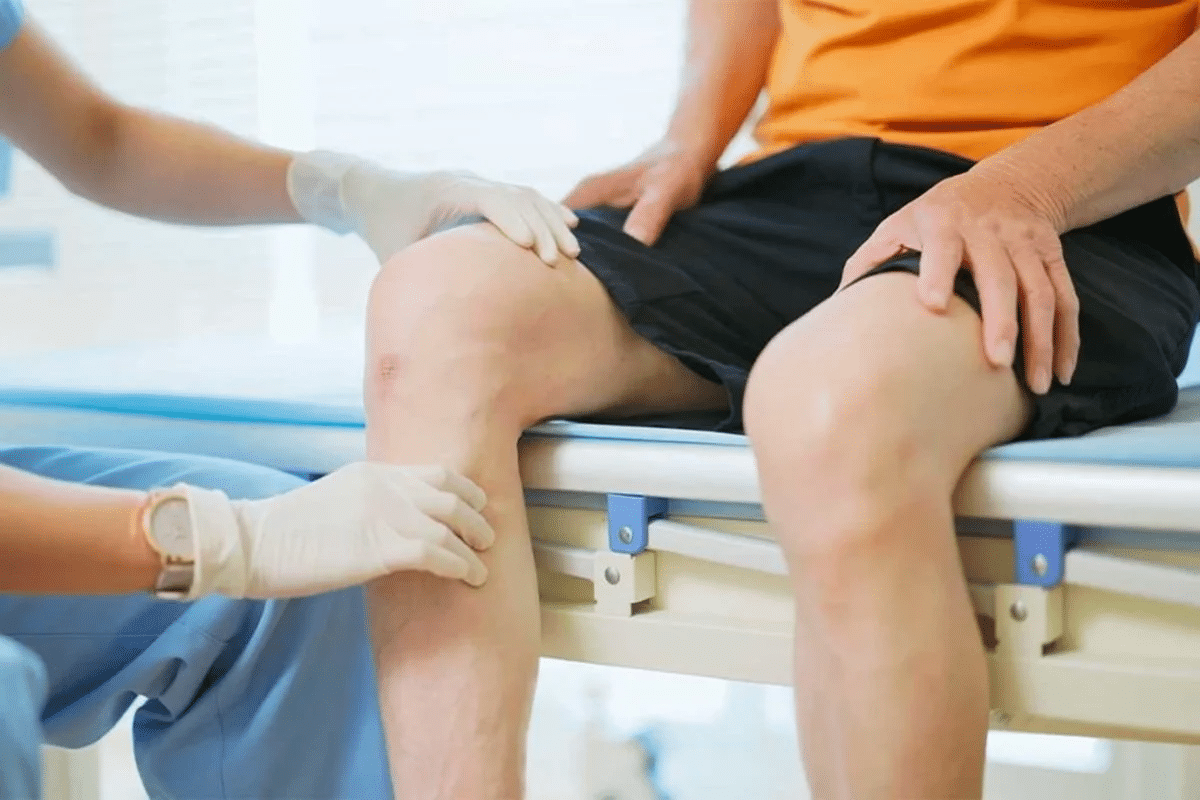
A detailed physical check is key in diagnosing CPPD. We look for signs like swelling, redness, and warmth in joints like the knees, wrists, and hips. Joint effusion and limited movement are also signs. Joint tenderness and pain when moving often point us to CPPD.
Imaging Studies and X-ray Features
Imaging is vital in diagnosing CPPD. X-rays are often the first choice, with a high specificity but lower sensitivity. We look for chondrocalcinosis, which shows as cartilage calcification. Ultrasound and CT scans help find calcium pyrophosphate crystals and check for joint damage.
Joint Fluid Analysis and Crystal Identification
Joint fluid analysis is the top method for diagnosing CPPD. We check the synovial fluid for calcium pyrophosphate dihydrate crystals. These crystals are usually rhomboid or rod-shaped and show weak positive birefringence under polarized light. This test is key for confirming the diagnosis and ruling out other arthritis causes.
Differential Diagnosis Considerations
When diagnosing CPPD, we must think of other arthritis types that might look similar. These include osteoarthritis, gout, and septic arthritis. A full diagnostic process, including clinical checks, imaging, and lab tests, helps us tell CPPD apart. Differential diagnosis is critical for the right treatment.
Medical Treatment Options for Pseudo Gout
Understanding how to manage pseudo gout is key. We’ll look at treatment options for both acute attacks and long-term care. This will help you know how to handle calcium pyrophosphate deposition disease (CPPD).
Managing Acute Attacks
Acute attacks of pseudo gout can be very painful. Colchicine and prednisone are often used to treat these flares. They help reduce inflammation and ease pain.
Nonsteroidal anti-inflammatory drugs (NSAIDs) might also be given. But, it’s important to watch out for side effects.
Working with your doctor is vital. They will help find the best treatment for you. This depends on your health and how bad your symptoms are.
Long-term Management Strategies
For managing CPPD over time, several methods can be used. One way is to block crystal formation. This can stop future attacks.
Another method is to dissolve crystals that have already formed. But, this is more complex and not used often.
New treatments are being researched. This could lead to better ways to manage CPPD in the future. Stay updated and talk to your doctor about new options.
When to Seek Emergency Medical Care
Knowing when to get emergency care is important. Severe symptoms like intense pain or swelling need quick attention. So does fever.
If symptoms get worse or you’re worried about your treatment, call your doctor. Quick action can prevent serious problems and improve your health.
Lifestyle Modifications to Manage CPPD Disease
Managing CPPD disease can be greatly improved with lifestyle changes. These changes can help control symptoms and improve life quality.
Joint Protection Techniques
It’s important to protect your joints with CPPD disease. Avoid activities that strain your joints too much. Use proper body mechanics and keep a healthy weight to lessen joint pressure.
Specific techniques include using ergonomic furniture, resting joints regularly, and using assistive devices to lessen strain.
Exercise and Physical Therapy Approaches
Gentle exercises and physical therapy help keep joints mobile and strong. Aquatic therapy is great because it lets you move without putting too much strain on your joints.
It’s best to talk to a healthcare professional about an exercise plan that fits your needs and limitations.
Diet and Nutrition Considerations
Eating a balanced diet with anti-inflammatory foods can help manage CPPD symptoms. Include lots of fruits, vegetables, whole grains, and lean proteins in your diet.
Drinking plenty of water is also key, as dehydration can make symptoms worse.
Assistive Devices and Home Modifications
Using assistive devices like canes, walkers, or orthotics can help reduce joint strain. Making home modifications, like installing grab bars or non-slip mats, can also improve safety and mobility.
By making these lifestyle changes, people with CPPD disease can manage their symptoms better and enjoy a better quality of life.
Prevention Strategies for Calcium Pyrophosphate Arthritis
To prevent calcium pyrophosphate deposition disease (CPPD), we need a few steps. These include managing health conditions and making lifestyle changes. We also need medical treatments and preventive care.
Managing Underlying Medical Conditions
It’s important to manage health conditions to prevent CPPD. Conditions like osteoarthritis and hyperparathyroidism can lead to CPPD. Early treatment of these conditions can lower the risk of CPPD.
For example, managing osteoarthritis well can help prevent CPPD. This includes physical therapy, weight control, and the right medication. Treating metabolic disorders like hyperparathyroidism also helps prevent CPPD.
Monitoring and Preventive Care
Regular check-ups and preventive care are key in managing CPPD. These visits help monitor joint health and overall well-being. Imaging studies, like X-rays, can spot early signs of CPPD, leading to timely action.
Preventive care also means making lifestyle changes. This includes staying at a healthy weight, exercising regularly, and not drinking too much alcohol. These steps can lower the risk of CPPD and improve health.
“Early intervention is key to preventing the progression of CPPD disease and improving the quality of life for affected individuals.”
Early Intervention Approaches
Early action is vital in managing CPPD. This might include using medicines to control symptoms and stop more crystals from forming. NSAIDs and colchicine are often used to treat CPPD attacks.
In some cases, draining the joint and injecting it with corticosteroids may be needed. This helps reduce inflammation and pain. By being proactive in managing CPPD, people can avoid complications and live better lives.
Emerging Treatments and Research for Crystal Deposition Arthritis
New research brings hope to those with calcium pyrophosphate crystal arthritis. Studies aim to find better ways to treat symptoms and improve life quality.
New Pharmaceutical Approaches
Scientists are looking into new medicines for calcium pyrophosphate deposition disease. Tocilizumab and anakinra biologics show promise in fighting inflammation and easing symptoms.
Targeted Therapies Under Investigation
New therapies are being tested to tackle the root causes of crystal arthritis. These aim to stop crystals from forming and sticking in joints.
Clinical Trials and Future Directions
Clinical trials are checking if new treatments work and are safe. The goal is to create more precise and effective treatments.
Complementary and Alternative Medicine Research
Research on alternative treatments like dietary supplements and acupuncture is also happening. While the evidence is growing, these options might help patients more.
Here’s a summary of emerging treatments and research in a tabular format:
|
Treatment Approach |
Description |
Current Status |
|---|---|---|
|
Biologics (e.g., tocilizumab, anakinra) |
Reduces inflammation and manages symptoms |
Ongoing clinical trials |
|
Targeted Therapies |
Addresses underlying causes, reduces crystal formation |
Under investigation |
|
Complementary and Alternative Medicine |
Dietary supplements, acupuncture |
Emerging evidence |
Conclusion: Living Well with Pseudo Gout
Living with pseudo gout, or calcium pyrophosphate deposition disease (CPPD), can be tough. But, with a good management plan, people can live better. This plan includes medical care, lifestyle changes, and ways to prevent calcium buildup in joints.
Managing pseudo gout attacks and long-term strategies can help. Changes in lifestyle, like protecting joints and eating right, are key. Also, keeping up with new treatments and research offers hope.
It’s vital to work with doctors to create a personal plan. This way, people with pseudo gout can enjoy life fully. With the right steps, the effects of calcium pyrophosphate can be lessened, and overall health can be kept up.
FAQ
What is the difference between pseudo gout and gout?
Pseudo gout, also known as calcium pyrophosphate deposition (CPPD) disease, causes joint pain and swelling like gout. But, it’s caused by calcium pyrophosphate crystals, not urate crystals like in gout.
What are the symptoms of pseudo gout?
Symptoms of pseudo gout include sudden joint pain and swelling, often in the knee or wrist. Some people have chronic pain and stiffness, while others may not show symptoms at all.
How is pseudo gout diagnosed?
Diagnosing pseudo gout involves a physical exam, imaging studies, and joint fluid analysis. A healthcare professional might do a joint aspiration to check for calcium pyrophosphate crystals.
What are the treatment options for pseudo gout?
Treatment for pseudo gout includes managing acute attacks with NSAIDs or colchicine. Long-term strategies and lifestyle changes can also help manage the condition.
Can pseudo gout be prevented?
Preventing pseudo gout is not guaranteed, but managing health conditions and a healthy lifestyle can reduce the risk.
What is the role of diet in managing pseudo gout?
Eating a balanced diet rich in fruits, vegetables, and whole grains can help manage pseudo gout. Omega-3 fatty acids may also reduce inflammation.
Are there any new treatments being developed for pseudo gout?
Yes, researchers are exploring new treatments for pseudo gout. Clinical trials are ongoing to test their safety and effectiveness.
How can I manage pseudo gout and improve my quality of life?
Working with a healthcare professional to create a treatment plan is key. Making lifestyle changes and staying updated on research can also help manage pseudo gout and improve quality of life.
What is calcium pyrophosphate deposition disease?
Calcium pyrophosphate deposition (CPPD) disease is a condition where calcium pyrophosphate crystals build up in joints, causing pain and swelling.
How does CPPD disease affect the joints?
CPPD disease can damage joints and cause inflammation, leading to pain, stiffness, and limited mobility. It also increases the risk of osteoarthritis.
References
Government Health Resource. Evidence-Based Medical Guidance. Retrieved from https://www.explorationpub.com/Journals/emd/Article/100756