
Explaining the mechanisms of SLE and discussing the long-term prognosis of lupus erythematosus, focusing on organ involvement.
Systemic lupus erythematosus (SLE) is a complex autoimmune disease affecting millions globally. It involves a mix of genetic, immunological, and environmental factors. Knowing SLE pathophysiology is key for doctors to care for their patients well. We will look at the seven main ways this condition works.
At Liv Hospital, we focus on top-notch healthcare by studying lupus pathophysiology deeply. By understanding SLE’s core mechanisms, we hope to better treat the disease and improve patient results.
Key Takeaways
- Understanding SLE pathophysiology is key for the best patient care.
- Seven main mechanisms make SLE complex.
- Liv Hospital is committed to top healthcare through deep understanding.
- SLE is a disease caused by genetics, immune system, and environment.
- Improving treatment needs a thorough study of SLE’s mechanisms.
The Global Burden of Systemic Lupus Erythematosus
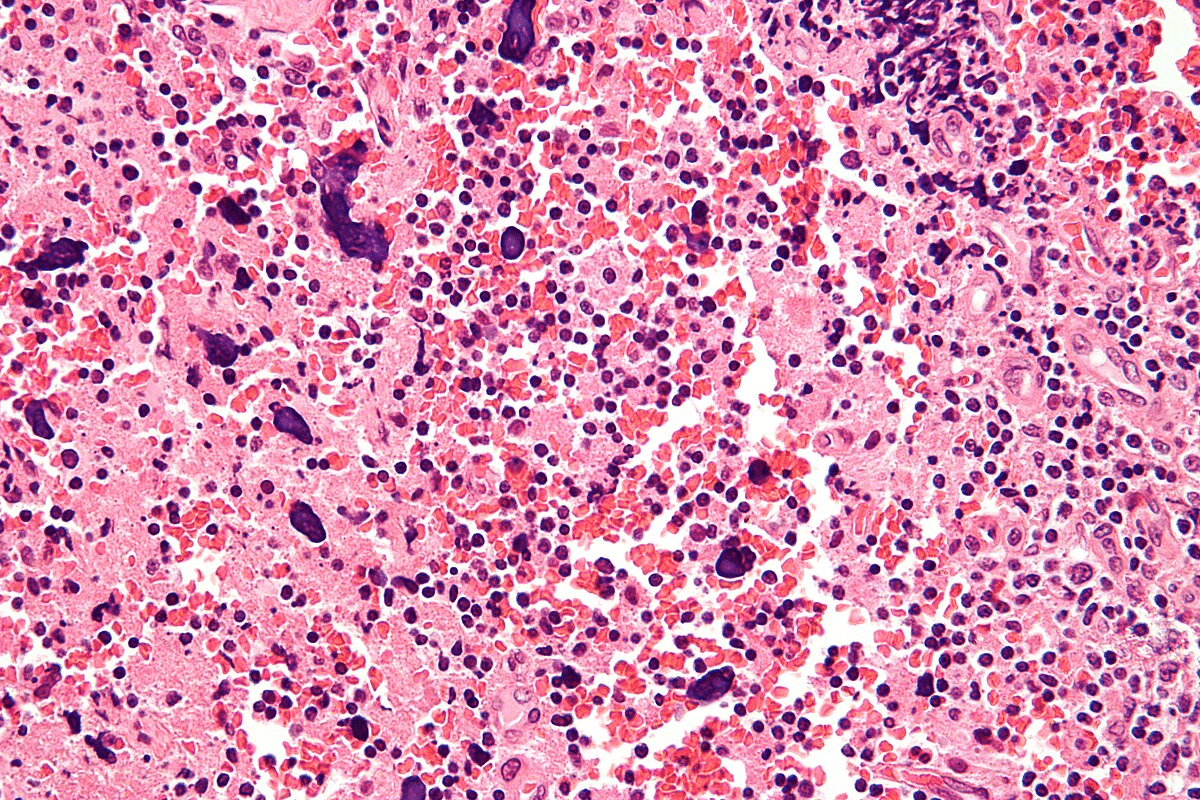
Systemic lupus erythematosus (SLE) is a chronic autoimmune disease that affects millions worldwide. It presents a significant global health burden. Understanding its global impact is key to developing effective management strategies.
Epidemiology: 3.4 Million Cases Worldwide
The epidemiology of SLE shows a staggering number of cases globally. Studies indicate that about 3.4 million people worldwide are affected by SLE. This number shows the disease’s wide reach across different populations.
A study in a reputable medical journal noted, “The global prevalence of SLE is estimated to be around 3.4 million cases. There’s a significant variation in prevalence rates across different ethnic and geographical groups.”
“The global prevalence of SLE is estimated to be around 3.4 million cases, with a significant variation in prevalence rates across different ethnic and geographical groups.”
Annual Incidence: 400,000 New Diagnoses
The annual incidence of SLE is also noteworthy. About 400,000 new diagnoses occur each year. This rate highlights the ongoing challenge of diagnosing and managing SLE.
|
Region |
Estimated Prevalence |
Annual Incidence |
|---|---|---|
|
North America |
1.2 million |
120,000 |
|
Europe |
1.0 million |
100,000 |
|
Asia |
800,000 |
80,000 |
Demographics and Risk Factors
Understanding the demographics and risk factors of SLE is vital. SLE predominantly affects women, mainly those of childbearing age. The female-to-male ratio is about 9:1, showing a significant gender disparity.
The risk factors for SLE include genetic predisposition, environmental triggers, and hormonal influences. People with a family history of SLE are at higher risk.
As we explore SLE’s complexities, a holistic approach is needed to address its global burden. By understanding the epidemiology, demographics, and risk factors, we can improve diagnosis, treatment, and patient outcomes.
Genetic Foundations of SLE Development

Genetic factors are key in SLE’s development. They mix with environmental triggers to create the disease. This mix is what makes SLE so complex.
The 30% Inheritability Factor
Studies show genetics play a big role in SLE, about 30%. This shows how important genes are in causing the disease. People with SLE in their family are more likely to get it too.
Family studies show twins with the same DNA are more likely to both have SLE. This proves genes play a big part in SLE. This genetic link is a key part of how SLE works.
Over 100 Identified Genetic Variants
More than 100 genes have been linked to SLE. These genes affect the immune system, showing how complex SLE’s genetics are. Finding these genes helps us understand SLE better.
“The genetic landscape of SLE is characterized by multiple risk loci, each contributing to the disease’s overall risk.” – Expert in Lupus Research
Gene-Environment Interactions
SLE’s development is a mix of genes and environment. Things like sunlight, infections, and some medicines can start SLE in people who are genetically prone. Knowing how genes and environment work together helps us understand SLE better.
The balance between genes and environment makes SLE very complex. More research is needed to find new treatments.
Mechanism 1: Loss of Immune Tolerance in SLE
One key reason SLE happens is the loss of immune tolerance. This means the immune system can’t tell the difference between self and non-self. As a result, it starts making antibodies against the body’s own tissues.
Immune tolerance is key to avoiding autoimmune diseases. It’s a complex process that keeps the immune system from attacking itself. But in SLE, this balance is broken, causing an autoimmune reaction.
Self-Antigen Recognition Failure
In SLE, the immune system can’t tell self-antigens from non-self. Normally, it knows the difference. But in SLE, this ability is lost.
Why this happens includes:
- Defects in central tolerance, where self-reactive lymphocytes are not eliminated or inactivated well.
- Peripheral tolerance failing to keep self-reactive lymphocytes in check.
Pathogenic Autoantibody Production
Autoantibodies are made because of lost immune tolerance in SLE. These antibodies attack various self-antigens, like nuclear components and proteins.
These autoantibodies can harm tissues in several ways. They can form immune complexes that cause inflammation. Or they can bind to cell surface antigens, leading to cell death or dysfunction.
|
Autoantibody Type |
Target Antigen |
Clinical Association |
|---|---|---|
|
ANA (Antinuclear Antibodies) |
Nuclear components (DNA, histones) |
Common in SLE, associated with disease activity |
|
Anti-dsDNA |
Double-stranded DNA |
Highly specific for SLE, correlates with disease activity and renal involvement |
|
Anti-Sm |
Smith antigen (small nuclear ribonucleoprotein) |
Specific for SLE, often associated with disease severity |
Understanding how immune tolerance is lost and autoantibodies are made is key to treating SLE. By focusing on these mechanisms, we can improve treatment and management of the disease.
Mechanism 2: T-Cell Abnormalities and Dysfunction
The immune system’s T-cells are key in SLE development. Their problems lead to the disease getting worse. T-cells help control the immune response, and when they don’t work right, it can cause SLE.
Defective T-Cell Signaling Pathways
T-cell signaling is vital for their proper work. In SLE, these pathways often don’t work right. This causes T-cells to act strangely, leading to an unbalanced immune response and more disease activity.
Reduced Interleukin-2 Production
Interleukin-2 (IL-2) is important for T-cell growth and survival. In SLE, IL-2 levels are often low. This hurts T-cell function and leads to immune problems. It also means fewer regulatory T-cells, making the disease worse.
Compromised CD8 Cytotoxicity
CD8+ T-cells help get rid of infected cells and tumors. In SLE, these T-cells don’t work well. This makes it hard to clear infections and can make the disease more severe.
Impaired Regulatory T-Cell Function
Regulatory T-cells (Tregs) keep the immune system in check. In SLE, Tregs don’t work right. This means the body can’t tell the difference between self and foreign, leading to more disease. Fixing Treg function could help manage SLE.
Understanding T-cell problems in SLE is key to finding new treatments. By fixing these issues, we might be able to lessen disease severity. This could greatly improve the lives of SLE patients.
Mechanism 3: B-Cell Hyperactivation Pathways
SLE is marked by B-cell hyperactivation, a key part of its complex immune issues. This hyperactivation is fueled by several pathways. These pathways lead to the creation of autoantibodies and immune complexes, key signs of SLE.
Multiple Immunopathogenic Drivers
Several factors contribute to B-cell hyperactivation in SLE. These include genetic predispositions, environmental triggers, and hormonal influences. Genetic variants linked to SLE can alter B-cell function and regulation, causing hyperactivation.
Abnormal B-Cell Activation Thresholds
In SLE, B cells have abnormal activation thresholds. This makes them more likely to react to self-antigens. This issue stems from defects in the systems that usually control B-cell tolerance and activation.
Autoantibody Production
Hyperactivated B cells make autoantibodies, which are key in SLE’s disease process. These autoantibodies can form immune complexes. These complexes can deposit in tissues, causing inflammation and organ damage.
The B-cell hyperactivation pathways in SLE are complex, involving many drivers and mechanisms. Grasping these pathways is vital for creating targeted treatments. These treatments aim to adjust B-cell function and lessen disease activity.
Mechanism 4: Defective Clearance of Apoptotic Cells
One key way SLE works is through bad clearance of apoptotic cells. This leads to autoimmunity. The buildup of cell parts can start an immune attack on the body’s own cells.
Phagocytosis Defects in SLE
In SLE, phagocytosis doesn’t work well. Phagocytic cells, like macrophages and dendritic cells, can’t clear apoptotic cells properly. This means these cells pile up.
Increased Antigenic Load from Cellular Debris
When apoptotic cells and their parts build up, the immune system sees more self-antigens. This can turn on autoreactive lymphocytes. It makes the autoimmune response worse.
Nuclear Material Exposure and Autoimmunity
Bad clearance of apoptotic cells can spill nuclear stuff into the blood. This can trigger the body to make autoantibodies against nuclear parts. This is a big sign of SLE.
Clearance Pathways as Therapeutic Targets
Improving how apoptotic cells are cleared could help SLE. Working on the ways cells clear apoptotic cells might lessen the disease’s impact. This could help the immune system not attack the body’s own cells so much.
Mechanism 5: Impaired Immune Complex Elimination
The fifth key mechanism in SLE is the poor removal of immune complexes. This leads to tissue damage. Immune complexes form when antibodies bind to antigens. In SLE, the body can’t clear these complexes well, causing inflammation and tissue injury.
Phagocyte Dysfunction in Immune Complex Processing
Phagocytes, like macrophages and neutrophils, are key in removing immune complexes. But in SLE, they don’t work well. This means immune complexes build up in tissues, causing inflammation.
Complement System Abnormalities
The complement system helps clear immune complexes. But in SLE, it doesn’t work right. This can lead to more immune complexes in tissues, causing damage.
Fc Receptor Polymorphisms
Fc receptors help recognize and clear immune complexes. But in SLE, some Fc receptor variations can make this process less effective. This can make the disease worse.
Tissue Damage Mechanisms
When immune complexes build up in tissues, they cause inflammation and damage. This happens because the complement system and Fc receptors on immune cells release pro-inflammatory substances. These substances harm tissues.
|
Mechanism |
Description |
Impact on SLE |
|---|---|---|
|
Phagocyte Dysfunction |
Impaired clearance of immune complexes by phagocytes |
Accumulation of immune complexes, tissue inflammation |
|
Complement System Abnormalities |
Deficiencies or dysfunction in complement proteins |
Impaired clearance, increased disease severity |
|
Fc Receptor Polymorphisms |
Variations in Fc receptors affecting immune complex clearance |
Increased susceptibility and disease severity |
In conclusion, SLE’s pathophysiology includes poor immune complex removal. This involves phagocyte dysfunction, complement system issues, and Fc receptor polymorphisms. Understanding these mechanisms is key to creating better treatments for SLE.
Mechanism 6: Cytokine Dysregulation and NETs Formation
Cytokine imbalance and NETs formation play big roles in SLE’s inflammation. The link between cytokine imbalance and NETs is key to understanding lupus.
The Interferon Signature in Lupus
The interferon (IFN) signature is a hallmark of SLE. It shows up as more IFN-inducible genes being turned on. Interferons are important in the immune system, and their wrong balance helps lupus.
Neutrophil Extracellular Traps (NETs) Formation
NETs are made of DNA and are released by neutrophils. In SLE, they’re made more and help cause disease by making autoantibodies and damaging blood vessels.
Pro-inflammatory Cytokine Cascade
In SLE, a mix of cytokines like TNF-α, IL-6, and IL-17 keeps inflammation going. This cycle of inflammation and damage makes the disease hard to stop. Therapeutic targeting of these cytokines is seen as a good way to fight SLE.
Cytokine-Targeted Therapies
Cytokine-targeted therapies try to calm the immune system by blocking certain cytokines. Belimumab, which blocks BLyS, is a success in SLE treatment. Researchers are looking for more targets in the cytokine world to help lupus patients.
Mechanism 7: Tissue Deposition of Immune Complexes
In SLE, immune complexes in tissues start a chain of inflammatory reactions. This affects many organ systems. It’s key to understanding how lupus impacts different organs and tissues.
Multi-System Inflammatory Patterns
When immune complexes settle in tissues, they activate immune cells. This leads to the release of pro-inflammatory cytokines. As a result, inflammation spreads across multiple organs, like the kidneys, skin, and joints.
Autoantibodies also play a role. They form immune complexes that settle in tissues. This cycle of inflammation and tissue damage makes SLE complex.
Organ-Specific Manifestations
SLE’s effects on different organs vary. For example, kidney problems are a serious issue due to immune complex buildup in the glomeruli.
SLE can also cause skin rashes and lesions, and affect the muscles, leading to arthritis and myositis. The wide range of organ involvement shows the importance of a detailed approach to treating SLE.
Grasping how immune complexes settle in tissues and their effects is vital. It helps in creating effective treatments that address SLE’s root causes.
The Prognosis of Lupus Erythematosus: Connecting Pathophysiology to Outcomes
The outlook for lupus erythematosus depends on understanding its causes and effects. Systemic lupus erythematosus (SLE) is a complex disease with many symptoms. This makes the prognosis different for each patient.
To manage SLE well, we must look at what affects its prognosis. We need to study biomarkers that show disease activity. Also, we should look at how treatments target specific mechanisms to improve survival and quality of life.
Biomarkers Predicting Disease Activity
Biomarkers are key in predicting SLE activity and flare-ups. Important biomarkers include:
- Anti-dsDNA antibodies: High levels are linked to more active disease and kidney problems.
- Complement levels: Low levels of C3 and C4 mean active disease and possible flare-ups.
- Interferon signature: High type I interferon levels are typical in SLE and show disease activity.
By watching these biomarkers, doctors can adjust treatments to better help patients.
Organ-Specific Prognostic Factors
SLE can affect many organs, and the prognosis varies by organ. For example:
- Renal involvement: Lupus nephritis is a big factor in prognosis, with some classes worse than others.
- Cardiovascular involvement: SLE patients face a higher risk of heart problems, affecting survival.
- Neuropsychiatric involvement: Neuropsychiatric SLE can greatly impact quality of life and prognosis.
Knowing these organ-specific factors helps doctors tailor treatments and management plans.
Mechanism-Targeted Treatment Approaches
New insights into SLE have led to targeted therapies. These include:
- Biologics: Targeting specific molecules in SLE, like belimumab, which targets BLyS.
- Small molecule inhibitors: Blocking key signaling pathways, such as JAK inhibitors.
These targeted treatments have shown to improve outcomes by reducing disease activity and organ damage.
Long-term Survival and Quality of Life
Long-term survival and quality of life for SLE patients have greatly improved. But, challenges persist, including:
- Chronic organ damage: Damage over time can affect quality of life.
- Treatment-related complications: Long-term use of corticosteroids and immunosuppressants can cause side effects.
We must find a balance between controlling the disease and avoiding treatment side effects to improve patient outcomes.
Conclusion: The Integrated Understanding of SLE Pathophysiology
Understanding Systemic Lupus Erythematosus (SLE) is key to better treatments. We’ve looked at seven main ways SLE works, from losing immune control to immune complex buildup. Knowing how SLE works shows how genes, immune issues, and outside factors are linked.
This knowledge helps us see why SLE affects people differently. It shows why treating each person as an individual is so important. By learning more about SLE, we can find new ways to help patients. This means doctors can give treatments that really work for each person.
As we learn more about SLE, understanding how it works is more important than ever. This helps doctors improve how they diagnose and treat lupus. It also makes life better for people with lupus. This shows how vital it is to keep studying SLE and lupus to give better care.
FAQ
What is the role of genetic factors in the development of Systemic Lupus Erythematosus (SLE)?
Genetics play a big role in SLE, with a 30% chance of inheriting it. Over 100 genes have been linked to the disease. How genes and environment interact also affects SLE.
How does the loss of immune tolerance contribute to SLE pathophysiology?
Losing immune tolerance means the body can’t tell self-antigens from foreign ones. This leads to harmful autoantibodies, causing SLE.
What are the key T-cell abnormalities in SLE?
In SLE, T-cells have problems with signaling, making less interleukin-2, and not working right. These issues help cause the disease.
How do B-cell hyperactivation pathways contribute to SLE?
B-cells in SLE get overactive, making too many autoantibodies. This is due to many factors and wrong activation levels, leading to SLE.
What is the significance of defective clearance of apoptotic cells in SLE?
Not clearing apoptotic cells well means more antigens and autoimmunity. This makes fixing these pathways a good treatment idea.
How does impaired immune complex elimination contribute to SLE tissue damage?
Not getting rid of immune complexes right can damage tissues. This is because of problems with phagocytes, the complement system, and Fc receptors.
What is the role of cytokine dysregulation in SLE pathophysiology?
Cytokine problems, like the interferon signature and NETs, play a big part in SLE. They’re also targets for new treatments.
How does tissue deposition of immune complexes affect SLE prognosis?
When immune complexes build up in tissues, it causes inflammation and damage. This affects SLE’s outcome and treatment needs.
What biomarkers predict disease activity in SLE?
Biomarkers related to immune complexes and cytokines help predict SLE activity. They guide treatment choices.
How do mechanism-targeted treatment approaches impact SLE outcomes?
Treatments that target SLE’s causes improve survival and quality of life. They’re based on understanding the disease.
References
National Center for Biotechnology Information. Evidence-Based Medical Guidance. Retrieved from https://www.ncbi.nlm.nih.gov/pmc/articles/PMC3508331/



 Departments
 Related Videos
 Our Doctors
 News
News