Heart valve disorders are common worldwide, affecting millions. A big part of these cases come from valvular tissue damage. Studies show that almost 1 in 4 adults over 65 have heart valve disease. Often, they don’t know until symptoms get bad.
We look into what causes heart valve damage. This includes infections, lifestyle choices, and being born with certain conditions. Knowing these heart valve damage factors helps prevent and treat the disease early. What are the crucial factors? Learn what specifically destroys heart valves and the valvular tissue damage causes. Be alert and informed.
Key Takeaways
- Heart valve disease is a big health problem for many older people.
- Many things can damage heart valves, like infections and lifestyle choices.
- Spotting heart valve damage early can improve health outcomes.
- Changing your lifestyle and taking preventive steps can lower heart valve disease risk.
- It’s important to see your doctor regularly to check your heart health.
Understanding Heart Valve Anatomy and Function
It’s important to know how heart valves work and what they’re made of. The heart has four valves. These valves make sure blood moves right through the heart and to the body.
The Four Heart Valves and Their Roles
The heart has four valves: the tricuspid, pulmonary, mitral, and aortic. Each one has its own job: – The tricuspid valve is between the right atrium and ventricle. It makes sure blood moves right from the atrium to the ventricle. – The pulmonary valve is between the right ventricle and the pulmonary artery. It controls blood flow to the lungs. – The mitral valve is between the left atrium and ventricle. It helps blood flow from the atrium to the ventricle. – The aortic valve is between the left ventricle and the aorta. It regulates blood flow to the rest of the body.
|
Valve Name |
Location |
Function |
|---|---|---|
|
Tricuspid Valve |
Right atrium and right ventricle |
Ensures blood flows from right atrium to right ventricle |
|
Pulmonary Valve |
Right ventricle and pulmonary artery |
Controls blood flow to the lungs |
|
Mitral Valve |
Left atrium and left ventricle |
Facilitates blood flow from left atrium to left ventricle |
|
Aortic Valve |
Left ventricle and aorta |
Regulates blood flow to the rest of the body |
Normal Valve Structure and Tissue Composition
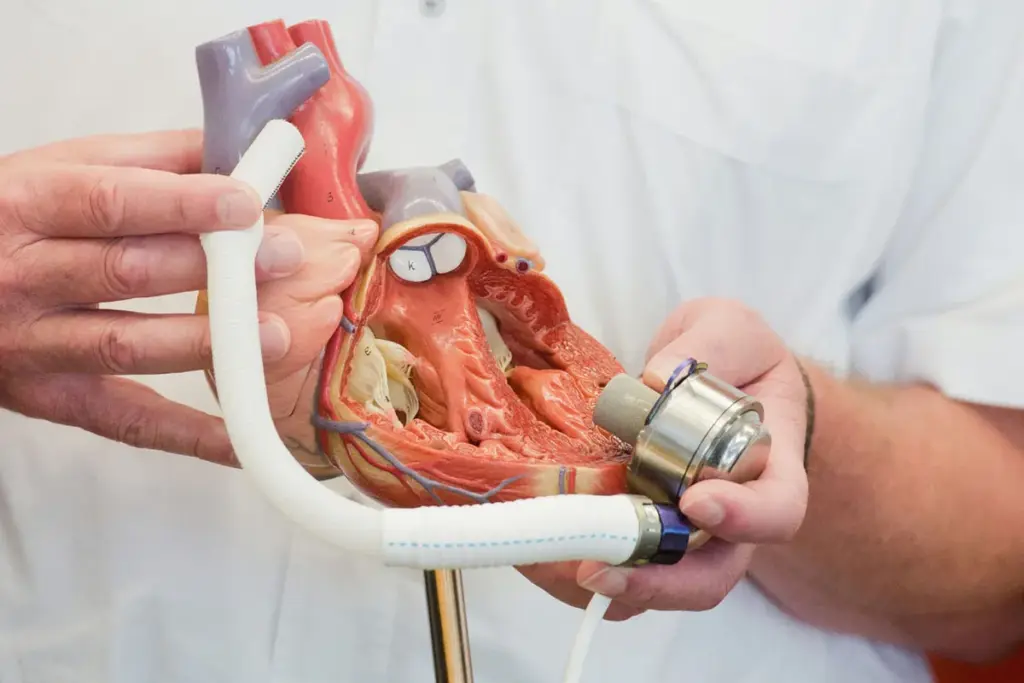
Heart valves are made of strong, flexible tissue. This lets them open and close well. The structure of a normal valve includes:
- Leaflets or Cusps: Thin, fibrous parts that come together to either let or block blood flow.
- Annulus: A ring-like structure that supports the valve leaflets.
- Chordae Tendineae: Fibrous strings that connect the valve leaflets to the papillary muscles. They keep the leaflets from blowing back into the atrium.
How Valves Maintain Proper Blood Flow
The heart valves work together to make sure blood flows in one direction. When a valve opens, blood flows through; when it closes, it stops backflow. This precise action is key for efficient heart function and overall health.
“The proper functioning of heart valves is essential for maintaining the delicate balance of the cardiovascular system, ensuring that oxygenated blood is delivered to tissues and organs throughout the body.”
Knowing how heart valves work normally helps us understand the effects of problems with them. It also shows why keeping the valves healthy is so important.
Common Types of Heart Valve Diseases
It’s important to know about the different heart valve diseases. These diseases can really affect how well your heart works. If not treated, they can lead to serious problems.
Narrowing of Valve Openings: Valve Stenosis
Valve stenosis happens when the valve opening gets too small. This makes it hard for blood to flow from one chamber to another. It puts extra work on the heart and can cause heart failure if not treated.
There are several reasons why valve stenosis can occur. These include:
- Calcification of valve leaflets
- Congenital heart defects
- Rheumatic fever
|
Cause |
Description |
Impact on Valve |
|---|---|---|
|
Calcification |
Deposition of calcium on valve leaflets |
Narrowing of valve opening |
|
Congenital Defects |
Abnormal valve structure from birth |
Restricted blood flow |
|
Rheumatic Fever |
Inflammation due to untreated strep infection |
Scarring and stenosis |
Leaky Valves: Valve Regurgitation
Valve regurgitation, or insufficiency, happens when a valve doesn’t close right. This lets blood leak back. It can make the heart work too hard, leading to enlargement and dysfunction over time.
There are several reasons for valve regurgitation. These include:
- Degenerative changes
- Endocarditis
- Trauma to the chest
When Valves Bulge Backward: Valve Prolapse
Valve prolapse occurs when the valve leaflets bulge back into the previous chamber. Mitral valve prolapse is the most common type, often linked to myxomatous degeneration.
Symptoms of valve prolapse can include:
- Palpitations
- Chest pain
- Shortness of breath
In conclusion, knowing about these heart valve diseases is key to managing them well. By understanding the causes and symptoms, doctors can provide better care and improve patient outcomes.
Congenital Heart Valve Defects
Congenital heart valve defects are problems with heart valves that babies are born with. These issues can make it hard for the valves to work right. They might be too tight, too loose, or not formed correctly.
Bicuspid Aortic Valve and Other Structural Abnormalities
The bicuspid aortic valve is a common defect. It means the aortic valve has only two cusps, not the usual three. This can cause valve stenosis or regurgitation later on. Other problems include pulmonary valve stenosis and tricuspid atresia, each with its own issues.
Genetic Syndromes Affecting Valve Development
Some genetic syndromes can mess with heart valve growth. For example, Marfan syndrome can cause problems with the aortic valve and aorta. Knowing about these genetic factors is key for catching and treating valve defects early.
Long-term Consequences of Congenital Valve Issues
Long-term, congenital heart valve defects can lead to serious problems. These include heart failure, endocarditis, or needing surgery. It’s important to keep an eye on these issues and manage them well to avoid worse outcomes.
Things that can cause damage to heart valves include how bad the defect is, other heart problems, and genetics. Knowing these factors helps doctors create the best treatment plans for each person.
Infectious Causes of Valve Damage
Infectious agents can harm heart valves, leading to serious heart problems. Heart valves are delicate and can be damaged by different pathogens. This damage can have severe effects.
Bacterial Endocarditis: Mechanism and Impact
Bacterial endocarditis is a serious infection of the heart valves. It happens when bacteria enter the bloodstream and settle on the valves. This can cause valve damage, heart failure, and even death if not treated.
Key factors contributing to bacterial endocarditis include:
- Pre-existing heart valve abnormalities
- Intravenous drug use
- Presence of prosthetic heart valves
- Previous history of endocarditis
It’s important to diagnose and treat bacterial endocarditis quickly. This helps prevent long-term damage to the valves.
Rheumatic Fever and Its Effect on Heart Valves
Rheumatic fever is an autoimmune complication of streptococcal infection. It can cause significant damage to heart valves. The condition leads to inflammation and scarring of the valve tissue, resulting in valve stenosis or regurgitation.
“Rheumatic fever is a major cause of acquired heart valve disease worldwide, particularlly in developing countries where access to healthcare is limited.”World Health Organization
The impact of rheumatic fever on heart valves can be long-lasting. It often requires ongoing medical management and may need surgical intervention.
|
Valve Affected |
Common Complications |
Typical Treatment |
|---|---|---|
|
Mitral Valve |
Stenosis, Regurgitation |
Medication, Valve Replacement |
|
Aortic Valve |
Stenosis, Regurgitation |
Medication, Valve Replacement |
Other Infectious Agents That Target Valvular Tissue
Besides bacterial endocarditis and rheumatic fever, other infectious agents can damage heart valves. These include:
- Fungal infections, particularlly in immunocompromised individuals
- Viral infections, such as those causing myocarditis
- Other bacterial infections, like those caused by Staphylococcus aureus
We recognize that different infectious agents target heart valves. This requires a broad approach to diagnosis and treatment.
In conclusion, infectious causes of valve damage are a significant concern in cardiovascular health. Understanding these conditions is key to developing effective prevention and treatment strategies.
Inflammatory Conditions Affecting Heart Valves
Heart valves can get damaged by different inflammatory conditions. These can make the valves work poorly. Sometimes, doctors need to step in to fix the problem.
Myocarditis and Its Impact on Valve Function
Myocarditis is when the heart muscle gets inflamed. This can mess with how the heart valves work. The inflammation can cause problems like regurgitation or stenosis.
Pericarditis and Valvular Inflammation
Pericarditis is when the sac around the heart gets inflamed. It can spread to the heart valves nearby. This can damage or make the valves not work right.
Systemic Inflammatory Responses and Valve Damage
Conditions like sepsis or autoimmune diseases can harm the heart valves. They release substances that can damage the valves. It’s important to understand how this happens to find good treatments.
In summary, inflammation can really hurt heart valve health. Knowing what causes these problems is key to keeping the valves safe.
Age-Related Degeneration of Heart Valves
As we get older, our heart valves can start to deteriorate. This is due to various changes that happen over time. Knowing about these changes helps us manage and possibly prevent heart valve problems.
Calcification Processes in Aging Valves
Calcification is a big change in heart valves as we age. It’s when calcium builds up, making the valves stiff and narrow. This is more common in the aortic valve and can cause valve stenosis, blocking blood flow.
Fibrosis and Tissue Stiffening Over Time
Fibrosis and tissue stiffening also happen with age. Fibrosis makes the valves thicker and less flexible. This can make the valves not open and close right, leading to valve regurgitation, where blood leaks back.
Why Certain Valves Are More Susceptible to Age-Related Changes
Not all heart valves age the same way. The aortic and mitral valves are more prone to damage because of the stress they face. Their location and the pressure they handle make them more susceptible. For example, the aortic valve deals with high pressure as it controls blood flow to the body.
|
Valve |
Common Age-Related Changes |
Potential Consequences |
|---|---|---|
|
Aortic Valve |
Calcification, Fibrosis |
Stenosis, Reduced Blood Flow |
|
Mitral Valve |
Fibrosis, Leaflet Thickening |
Regurgitation, Heart Failure |
|
Tricuspid and Pulmonary Valves |
Less Commonly Affected |
Varies, Often Less Severe |
It’s important to understand how age affects different heart valves. This knowledge helps in early detection and treatment. Regular check-ups and the right medical care can help manage these age-related changes.
Lifestyle Factors Contributing to Valve Deterioration
Our daily habits and lifestyle choices can either help or harm our heart valves. Certain lifestyle choices are key to keeping our heart valves healthy or causing damage.
Impact of Smoking on Valvular Health
Smoking is a major risk for heart disease, including heart valve problems. Smoking damages the cardiovascular system by lowering blood flow and raising blood pressure. This strain can harm heart valves. Smoking also leads to atherosclerosis, a buildup of plaque in arteries, which affects valve function.
Quitting smoking is a powerful way to lower the risk of valve damage. Smoking cessation programs and support groups offer great help for those trying to stop smoking and improve heart health.
Diet and Nutrition Influences on Valve Integrity
Eating a diet full of fruits, vegetables, whole grains, and lean proteins is good for heart valve health. A balanced diet supports heart health by providing important nutrients and fiber. This helps manage cholesterol and blood pressure.
Some nutrients, like omega-3 fatty acids in fish, protect heart health. But, a diet high in saturated fats, sodium, and sugar can harm heart valves. This is because it can lead to high blood pressure and obesity.
Exercise: Both Protective and Risk Factors
Regular exercise is vital for heart health, including valve health. Exercise improves cardiovascular function, lowers blood pressure, and helps manage weight. All these benefits reduce strain on heart valves.
But, the type and intensity of exercise can differ in effects. While moderate exercise is good, high-intensity or competitive sports may be risky for some, like those with heart conditions. It’s important to talk to a healthcare provider to find the right exercise for your heart health.
Valvular Tissue Damage Causes in Metabolic Disorders
Metabolic disorders like diabetes, obesity, and lipid disorders harm heart valves. They can change how heart valves work and their structure. This is a big problem for heart health.
Diabetes and Its Effects on Heart Valve Structure
Diabetes can damage heart valves. High blood sugar causes inflammation and stress. This can harm the valves.
Diabetes increases the risk of aortic valve disease. This is when the valve gets hard and narrows. It makes it hard for blood to flow.
Diabetes-related valve damage is complex. It involves substances that build up and cause inflammation. It also makes the valve harden. Other heart problems like high blood pressure and bad cholesterol make it worse.
Obesity-Related Valve Stress and Damage
Being overweight puts extra stress on the heart. This can damage the valves. It’s because of the extra blood and heart work.
Obesity also causes inflammation and metabolic problems. These can harm the valves. It’s linked to high blood pressure and diabetes, which also harm the valves.
Lipid Disorders and Valve Degeneration
Lipid disorders, like high cholesterol, can cause atherosclerosis. This affects not just arteries but also heart valves. Lipids in the valves cause inflammation and hardening.
The link between cholesterol and valve disease is complex. High LDL cholesterol increases the risk of valve stenosis. But HDL cholesterol might protect the valves.
|
Metabolic Disorder |
Effect on Heart Valves |
Potential Complications |
|---|---|---|
|
Diabetes |
Inflammation, oxidative stress, and calcification |
Calcific aortic valve disease, valve stenosis |
|
Obesity |
Increased hemodynamic stress, chronic inflammation |
Valve dysfunction, heart failure |
|
Lipid Disorders |
Lipid accumulation, inflammation, and calcification |
Aortic valve stenosis, valve degeneration |
Managing metabolic disorders is key to keeping heart valves healthy. We need to understand how these conditions affect the heart. This way, we can prevent and treat valve disease better.
Autoimmune Diseases and Heart Valve Damage
It’s important to know how autoimmune conditions affect heart valves. Autoimmune diseases happen when the body attacks its own tissues. This can cause inflammation and damage, including to the heart valves.
We’ll look at three autoimmune diseases that can harm heart valves: Lupus, Rheumatoid Arthritis, and Antiphospholipid Syndrome. Each disease has its own way of affecting the heart valves.
Lupus and Libman-Sacks Endocarditis
Systemic Lupus Erythematosus (SLE or Lupus) is a chronic disease that can harm many parts of the body, including the heart. It can cause Libman-Sacks Endocarditis, a type of non-bacterial endocarditis. This condition forms sterile vegetations on the heart valves.
Libman-Sacks Endocarditis often affects the mitral and aortic valves. This can lead to valve dysfunction. Studies show that 0.5% to 11% of Lupus patients may develop this condition, depending on the diagnostic methods.
“The presence of antiphospholipid antibodies in Lupus patients is a significant risk factor for developing Libman-Sacks Endocarditis, highlighting the complex interplay between autoimmune factors and valvular pathology.”Source: Expert Review on Lupus and Cardiac Complications
Rheumatoid Arthritis and Valvular Complications
Rheumatoid Arthritis (RA) mainly affects the joints but can also harm the heart. While less common than in Lupus, RA can cause valvular problems.
The inflammation from RA can damage the valves. This can lead to conditions like valve thickening or regurgitation. Early detection and management of RA are key to avoiding long-term heart problems.
|
Valvular Complication |
Prevalence in RA Patients |
Potential Consequences |
|---|---|---|
|
Valve Thickening |
Moderate |
Potential for Valve Stenosis |
|
Valve Regurgitation |
Common |
Heart Failure if Untreated |
Antiphospholipid Syndrome and Valve Thickening
Antiphospholipid Syndrome (APS) is an autoimmune disorder with antiphospholipid antibodies. These antibodies can cause thrombosis and pregnancy issues. APS can also damage the heart valves, causing thickening and dysfunction.
The mitral valve is most often affected by APS, followed by the aortic valve. Valve thickening can lead to stenosis or regurgitation. This may require close monitoring and possibly surgery.
In conclusion, autoimmune diseases like Lupus, Rheumatoid Arthritis, and Antiphospholipid Syndrome can harm heart valves. Understanding these conditions and their effects on the heart is vital for proper care of affected patients.
Medications and Treatments That Can Harm Valves
Certain medicines and treatments can harm heart valves. These treatments are often needed and helpful. But, it’s important to know how they might affect valve function.
Certain Diet Drugs and Valve Damage
Some diet drugs, like those from the 1990s, can damage heart valves. For example, “fen-phen” was taken off the market because it caused heart valve disease. This happens because the drug affects serotonin levels, leading to valve problems.
- Fenfluramine: This drug was part of the “fen-phen” combo and has been directly linked to valvular damage.
- Phentermine: While not solely responsible, its mix with fenfluramine increased the risk.
Chemotherapy Agents and Valvular Toxicity
Chemotherapy saves lives but can harm heart valves. Some chemotherapy drugs can damage valves directly or stress the heart.
Some chemotherapy drugs that may harm valves include:
- Anthracyclines: Known for their heart damage, which can include valve problems.
- Tyrosine kinase inhibitors: Some drugs in this class can lead to heart issues, including valve problems.
Radiation Therapy Effects on Heart Valves
Radiation therapy, when aimed at the chest, can harm heart valves. It can cause fibrosis and calcification, leading to valve dysfunction over time.
- High radiation doses: The higher the dose, the greater the risk to heart valves.
- Young age at exposure: Younger individuals are at higher risk due to the long-term effects of radiation.
It’s key to manage patients who have had or will have these treatments. Their heart health should be closely watched.
Trauma and Injury to Heart Valves
Heart valves can get damaged from various traumas, like blunt chest injuries. These injuries might happen from car accidents, falls, or sports injuries. They can cause serious damage to the valves.
Blunt Chest Trauma and Valve Rupture
Blunt chest trauma can severely harm heart valves. The impact can cause a valve to rupture or lead to severe regurgitation. For example, studies show about 5% of patients with blunt chest trauma have heart valve injuries.
The way a valve ruptures is complex. It involves the force of the trauma and how strong the valve is. The aortic valve is at high risk because of its location and the forces it faces.
- Valve rupture can cause acute heart failure.
- Emergency surgery is often needed.
- Quick diagnosis is key for good treatment.
Iatrogenic Valve Injuries During Medical Procedures
Medical procedures can also harm heart valves. For example, transcatheter aortic valve replacement (TAVR) or other surgeries can damage valves.
Complications include:
- Valve leaflet injury during TAVR.
- Paravalvular leak after the procedure.
- Infection or endocarditis after valve surgery.
Knowing these risks helps in better patient care.
Recovery and Healing After Valve Trauma
Recovering from valve trauma needs careful medical care and sometimes surgery. The aim is to fix the valve and avoid more problems.
Important parts of recovery are:
- Watching for heart failure signs.
- Managing pain and discomfort.
- Rehab to get back physical strength.
A team effort is vital in treating valve trauma. This includes cardiologists, surgeons, and rehab specialists.
Diagnosing Heart Valve Damage
Getting a correct diagnosis for heart valve issues is key for good treatment and care. We use a mix of physical checks, advanced imaging, and lab tests to find out if a valve is damaged.
Physical Examination: Heart Murmurs and Other Signs
First, we do a detailed physical check to spot heart valve problems. We listen for heart murmurs, which are odd sounds when we use a stethoscope. These sounds can mean blood is flowing wrong or leaking through a valve.
We also look for other signs like abnormal pulses, odd heart rhythms, or symptoms like breathing hard and feeling tired. These can point to valve issues.
During the check, we also search for heart failure signs. This includes swelling in the legs or belly, which happens if the heart can’t pump well because of valve damage.
Imaging Techniques for Valve Assessment
Imaging is vital for checking how heart valves work and look. Echocardiography uses sound waves to make heart images. It shows the heart’s size, valve leaflet movement, and any problems with valve function.
We also use cardiac MRI or CT scans for more detailed views. These tests help us find out why the valve is not working right and help decide how to treat it.
Laboratory Tests for Underlying Causes
Labs are key for finding out why heart valves might be failing. Blood tests can spot infections or inflammation that harm valves.
Lab tests also check the patient’s overall health, like kidney and liver function. This helps us choose the best treatment for valve damage.
By combining physical checks, imaging, and lab tests, we can accurately find out why heart valves are failing. Then, we can plan a good treatment.
Preventing Heart Valve Deterioration
To prevent heart valve damage, we need to make lifestyle changes and manage health conditions. Understanding what causes valve damage helps us take action. We’ll look at how to keep our heart valves healthy.
Lifestyle Modifications for Valve Health
Keeping a healthy lifestyle is key to avoiding heart valve problems. This means regular exercise, eating a balanced diet, and avoiding smoking. Exercise keeps the heart strong, while a good diet supports heart health. Quitting smoking is also vital, as it lowers heart disease risk.
Also, staying at a healthy weight and managing stress are important. Being overweight strains the heart, and stress can harm the heart. By making these lifestyle changes, we can lower our risk of heart valve issues.
Managing Underlying Conditions
It’s important to manage health conditions like hypertension, diabetes, and high cholesterol. These can harm heart valves if not controlled. Working with doctors to manage these conditions through medication and lifestyle changes can prevent valve damage.
A cardiologist says, “Controlling conditions like hypertension is key to avoiding valve disease. Keeping hypertension in check can greatly lower valve problem risk.”
“The key to preventing heart valve disease lies in understanding the risk factors and taking proactive steps to mitigate them.”
Prophylactic Measures for High-Risk Individuals
Those at high risk of heart valve disease may need special care. This includes antibiotic prophylaxis before certain procedures to prevent valve damage. High-risk people should talk to their doctors about the best preventive steps for them.
A study found that preventive care is very important for those at high risk. It said that “the right preventive care can greatly lower the risk of valve problems in high-risk individuals.”
By making lifestyle changes, managing health conditions, and taking preventive steps, we can lower our risk of heart valve problems. It’s important to work with doctors to create a plan that’s right for us.
Treatment Options for Damaged Heart Valves
Treating damaged heart valves involves different methods, from medicine to surgery. It’s key to know what caused the damage, like infections or aging. This helps in choosing the right treatment.
Heart valve damage can really affect a person’s life. We’ll look at the treatments available, including medicines, surgeries, and replacing valves.
Medication-Based Approaches
For some, medicine is the first step. Doctors might prescribe drugs to ease symptoms or slow the disease. These can help control blood pressure or prevent clots.
Surgical Valve Repair Techniques
For serious damage, surgery is often needed. Surgeons try to fix the valve without replacing it. They might repair the valve leaflets or the valve ring.
Valve Replacement Options: Mechanical vs. Biological
If repair isn’t possible, replacing the valve is the next step. There are two main types: mechanical and biological. Mechanical valves last long but need lifelong blood thinners. Biological valves are made from animal tissue and work more naturally but may need to be replaced.
Minimally Invasive and Catheter-Based Procedures
New technologies have brought less invasive treatments for heart valve damage. Procedures like TAVR are less risky and can help patients recover faster.
In summary, treating damaged heart valves needs a detailed plan. It’s important to consider the cause and the patient’s needs. This way, doctors can find the best treatment and help patients get better.
Research and Future Directions in Valve Protection
The future of heart valve protection is being shaped by cutting-edge research and emerging therapies. New treatments and prevention methods are being explored as we learn more about valvular heart disease.
Emerging Therapies for Valve Regeneration
Valve regeneration is a promising area of research. Scientists are looking into using stem cells and other regenerative techniques to repair or replace damaged valve tissue. This could change how we treat valvular heart disease, making it less invasive.
Key areas of focus include:
- Stem cell therapy to regenerate valve tissue
- Biomaterials for valve repair and replacement
- Tissue engineering to create functional valve substitutes
Genetic Approaches to Prevent Valve Disease
Genetic research is key to understanding valve disease. Scientists are finding genetic markers linked to valve disease. This could lead to early tests and preventive strategies.
“The integration of genetic information into clinical practice has the potential to transform our approach to valve disease management.” – A Cardiologist
Some genetic approaches being explored include:
|
Approach |
Description |
Potential Benefit |
|---|---|---|
|
Genetic Screening |
Identifying individuals with genetic predispositions to valve disease |
Early intervention and preventive care |
|
Gene Therapy |
Correcting genetic defects that contribute to valve disease |
Potential cure for certain valve conditions |
|
Personalized Medicine |
Tailoring treatment to an individual’s genetic profile |
More effective and targeted therapies |
Tissue Engineering and Artificial Valve Innovations
Tissue engineering and artificial valve innovations are leading research areas. They aim to create better valve replacements that work well with the body’s cardiovascular system.
Some innovations include:
- Bioengineered valves that can grow and adapt
- Advanced materials for valve prosthetics that reduce complications
- Minimally invasive delivery systems for valve replacements
As research advances, we can expect better treatments for valvular heart disease. These new therapies and technologies promise to improve patient outcomes and quality of life.
Conclusion: Protecting Your Heart Valves
Knowing why heart valves get damaged is key to keeping your heart healthy. We’ve looked at many reasons, like birth defects, infections, and lifestyle choices. By understanding these, we can take steps to protect our heart valves.
Keeping your heart valves healthy means preventing problems, finding issues early, and treating them well. This includes managing health conditions, living a healthy lifestyle, and knowing about medication risks. These steps help lower the chance of valve damage and keep your heart strong for years to come.
Medical research and new treatments are bringing hope for fixing damaged valves. It’s important to stay up-to-date with these advancements. Taking care of your heart valves is a team effort. Working with doctors helps us keep our hearts in top shape.
FAQ
What are the main causes of valvular tissue damage?
Several factors can damage heart valves. These include infections, inflammation, aging, lifestyle choices, and metabolic disorders. Autoimmune diseases, certain medications, and injuries also play a role.
How do infectious agents cause valve damage?
Bacteria can lead to bacterial endocarditis. This condition directly harms the valves. It can cause problems like leakage or narrowing of the valves.
Can lifestyle factors contribute to valvular deterioration?
Yes, lifestyle choices can affect heart valves. Smoking, for example, increases disease risk. A healthy diet and regular exercise can help keep valves strong.
What role do metabolic disorders play in valvular tissue damage?
Disorders like diabetes and obesity can harm heart valves. They can change the valve’s structure and function, leading to damage and disease.
How do autoimmune diseases affect heart valves?
Diseases like lupus can damage heart valves. The immune system’s response can cause thickening and damage to the valves.
Can certain medications harm heart valves?
Yes, some medications can damage heart valves. This includes certain diet drugs and chemotherapy agents. It’s important to monitor their use carefully.
What are the diagnostic approaches for heart valve damage?
Doctors use several methods to diagnose valve damage. These include physical exams, echocardiography, and lab tests. They help find the cause and assess the damage.
How can heart valve deterioration be prevented?
Preventing valve damage requires lifestyle changes and managing conditions. High-risk individuals should take preventive measures. Early care is key to maintaining valve health.
What are the treatment options for damaged heart valves?
Treatments vary based on the damage. They include medications, surgical repairs, and replacements. There are also minimally invasive options available.
What future directions are being explored in valve protection?
New treatments are being researched. These include valve regeneration and genetic prevention. Innovations in tissue engineering and artificial valves are also being explored.
References
National Center for Biotechnology Information. Evidence-Based Medical Insight. Retrieved from https://pmc.ncbi.nlm.nih.gov/articles/PMC5810582/