Acne is a big problem worldwide, affecting many people’s lives. A surprising 85% of teenagers experience some form of acne. This makes it a big worry for many during their teenage years.what age is acne the worstIdiopathic Thrombocytopenia: Essential Protocols for Optimal Care
But, acne isn’t just for teens. It can also start or keep going in adulthood. Studies show that acne can affect people well into their 30s, 40s, and even 50s. This shows we need good ways to manage it at all ages.
We’ll look at how common acne is at different ages. We’ll also talk about the best ways to handle it.
Key Takeaways
- Acne is a widespread skin condition affecting various age groups.
- The prevalence of acne peaks during adolescence, but it can persist or start in adulthood.
- Understanding the causes and management strategies is key for controlling acne.
- Different age groups need their own ways to manage acne.
- Acne can have a big impact on someone’s quality of life.
Understanding Acne: A Brief Overview
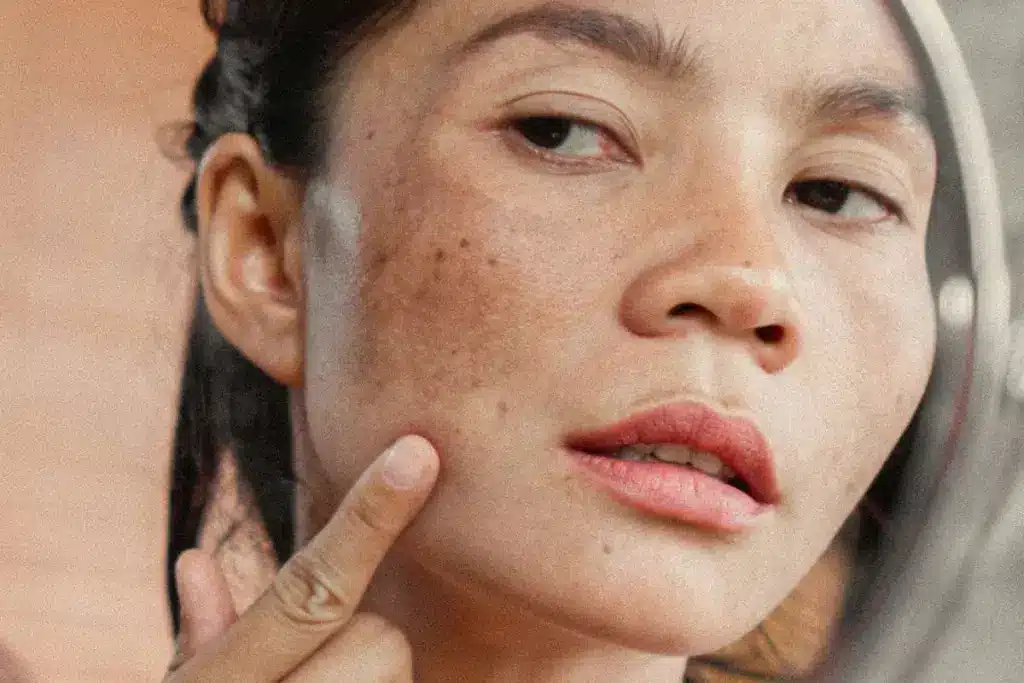
To tackle acne effectively, it’s important to know what it is, its types, and what causes it.
What Is Acne?
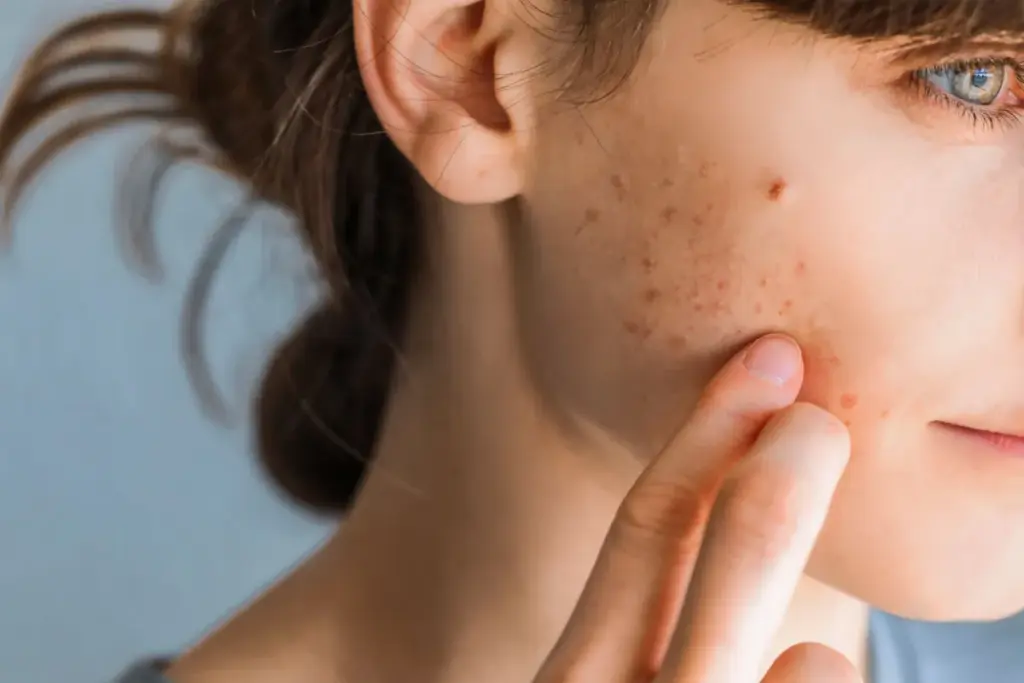
Acne happens when pores on the skin get blocked. This blockage is caused by oil, dead skin cells, and bacteria. It leads to inflammation, causing pimples, blackheads, and whiteheads.
Types of Acne
Acne isn’t just one condition. It’s a range of conditions with different levels of severity. The main types are:
- Comedonal Acne: This type shows as blackheads and whiteheads because of clogged pores.
- Inflammatory Acne: This includes red and swollen papules and pustules.
- Cystic Acne: The most severe, with large, painful cysts that can cause scarring.
Causes of Acne
Acne has many causes, including hormonal, genetic, and environmental factors.
|
Cause |
Description |
|---|---|
|
Hormonal Changes |
Changes in hormone levels, like during puberty or menstruation, can cause more oil and acne. |
|
Genetics |
People with a family history of acne are more likely to get it, showing a genetic link. |
|
Environmental Factors |
Things like pollution, chemicals in products, diet, and stress can also cause acne. |
Knowing these causes helps in finding the right treatments and ways to prevent acne.
The Teenage Years: Acne Peaks
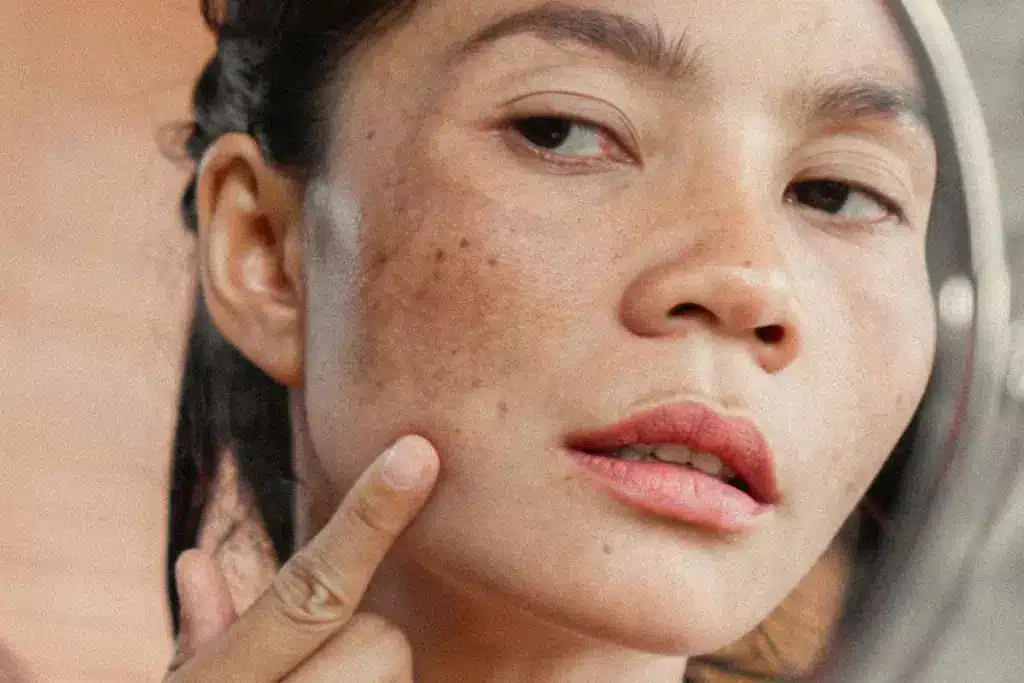
Puberty is a big change for teenagers, and for many, it brings acne. The body changes a lot, affecting the skin. Hormonal shifts, skin care, and social pressures all play a part in acne during this time.
Hormonal Changes
Hormonal changes are a big reason for acne in teens. The rise in androgens, like testosterone, makes more sebum. This can clog pores and cause acne.
Androgens make sebaceous glands produce more sebum. They also change how skin cells shed, leading to clogged pores. Hormonal changes can also cause inflammation, making acne worse and possibly leading to scars.
Skin Care Habits
How teens take care of their skin is also important. Many don’t know the right way to care for their skin. This can lead to using harsh or wrong products, making acne worse. A study found that nearly 60% of teens use the wrong products for their skin, causing more irritation and acne.
To fight acne, teens need a gentle yet effective skin care routine. This means using a mild cleanser, not picking or popping pimples, and using non-comedogenic products. The right skin care can really help control acne.
Social Factors
Social factors also affect acne in teens. The emotional ups and downs of adolescence, along with beauty standards, can make acne hard to deal with. Teens may feel embarrassed about their skin, leading to feeling isolated and low self-esteem.
It’s important to understand the emotional side of acne. By creating a supportive environment, we can help teens feel more at ease talking about their skin issues. The American Academy of Dermatology says, “Acne is not just a skin condition; it can have a profound impact on a person’s quality of life.”
In summary, acne in teens is influenced by hormonal changes, skin care, and social factors. By knowing these factors and using good skin care, we can help manage acne and improve teens’ lives.
Adult Acne: Why It Happens
Many adults deal with acne, caused by hormonal changes, stress, and bad skincare. It’s not just a carryover from teenage years. It can start anew due to different reasons.
Hormonal Fluctuations in Women
Hormonal shifts are a big reason for adult acne in women. These changes happen during the menstrual cycle, pregnancy, or menopause.
Women often get acne before their period due to rising progesterone. The right skincare and medical help can help manage these hormonal changes and reduce acne.
Stress and Its Impact
Stress is another big factor in adult acne. Stress makes our body produce more cortisol, a hormone that increases skin oil. This can lead to clogged pores and acne. Stress management techniques like meditation, yoga, or deep breathing can lower cortisol and help with acne.
- Practice stress-reducing activities regularly
- Ensure adequate sleep to help regulate stress hormones
- Maintain a balanced diet rich in fruits, vegetables, and whole grains
Skincare Choices
The products we use can greatly affect our skin. Using non-comedogenic products labeled “oil-free” or “acne-friendly” can prevent clogged pores. But, harsh products can strip our skin of natural oils, causing more oil and acne.
By knowing why adult acne happens and choosing the right skincare, we can manage it better. This improves our skin health.
The Role of Genetics in Acne
Genetics are key in figuring out who might get acne. If your family has a history of acne, you’re more likely to get it too. This shows that genes can really affect how bad acne gets.
Family History of Acne
Research shows that if your family had acne, you might get it too. This is because genes can mess with your skin’s oil glands. If your parents had acne when they were young, you might get it too.
Here are some stats to show how family history affects acne:
|
Family History |
Likelihood of Acne |
|---|---|
|
No family history |
8% |
|
One parent with acne |
25% |
|
Both parents with acne |
50% |
Genetic Predisposition
Genetic predisposition means your genes might make you more likely to get acne. Some genes can mess with your skin’s oil, inflammation, and dead skin cell shedding. These issues can lead to acne.
For example, genes that control male hormones can affect oil production. If these genes vary, you might produce more oil and get acne.
Influence of Ethnicity
Ethnicity also affects acne. Different groups might have different genetic risks because of their skin and genes. For instance, some groups might be more likely to get keloid scars from acne.
Knowing about these genetic and ethnic factors helps us find better treatments for acne. By understanding how genetics play a part, we can help those with acne more effectively.
Factors That Influence Acne Severity
Knowing what affects acne severity is key to managing it well. Age is a factor, but diet, environment, and lifestyle also play big roles. These elements can change how severe acne is.
Diet and Nutrition
Diet is very important for acne. Foods high in sugar, dairy, and fats can make acne worse. Eating fruits, veggies, and whole grains can help, experts say.
Some nutrients, like omega-3s, zinc, and vitamin A, are good for the skin. But foods that cause inflammation or raise androgen hormones can make acne worse. Paying attention to how food affects your skin is important.
Environment and Pollution
Environmental factors, like pollution, can really impact acne. Pollutants can cause inflammation and stress, making acne worse. People living in polluted cities might face more severe acne.
To fight pollution’s effects, use skincare with antioxidants and wear protective clothes outside. Keeping your space clean and well-ventilated can also help.
Lifestyle Choices
Lifestyle choices, like managing stress, sleeping well, and staying clean, affect acne. Stress can raise hormones like cortisol, which can lead to acne.
Living a healthy lifestyle, with exercise, enough sleep, and good hygiene, can help control acne. Stress-reducing activities like meditation and yoga can also help, health experts say. Try to make these habits part of your daily life.
Acne at Different Ages: A Comparison
Acne can happen at any age, affecting teens, adults, and different genders in various ways. By looking at how acne differs across these groups, we can grasp its complexities better. This helps us find effective ways to tackle it.
Teens vs. Adults
Teens often get acne due to hormonal changes, like the rise in androgens during puberty. This leads to more sebum, clogged pores, and acne. Adult acne, on the other hand, can be caused by hormonal shifts, stress, and certain skincare products.
Key differences between teenage and adult acne include:
- Severity and Persistence: Teenage acne tends to be more severe and long-lasting because of big hormonal changes.
- Causes: Hormonal changes are common in both, but adults may also face acne from stress and environmental factors.
- Impact: The emotional toll of acne can differ, with teens often feeling more stressed due to social and emotional changes.
Male vs. Female
Both males and females can get acne, but it shows up differently. Boys tend to have more severe acne during puberty because of higher androgens. Girls may have acne that lasts longer and is affected by hormonal changes during their cycle, pregnancy, or menopause.
“Hormonal changes are key in acne, and knowing these changes is vital for managing it well.” – Dermatology Expert
Skin Type Differences
Acne can also vary based on skin type. People with oily skin are more likely to get acne because of more sebum. Those with dry or sensitive skin may find it harder to treat acne because common treatments can irritate their skin.
Considerations for different skin types include:
- Oily Skin: Needs products that control oil without drying out the skin too much.
- Dry or Sensitive Skin: Requires gentle, non-comedogenic products to avoid irritation.
- Combination Skin: May need a mix of products for different face areas.
Understanding these differences helps us tailor our acne management. This ensures we meet the unique needs of different ages and groups.
Treatment Options for Acne
Acne treatment varies a lot. It ranges from over-the-counter remedies to prescription medications and natural therapies. The right treatment depends on how bad the acne is, the patient’s age, and their skin type.
Over-the-Counter Remedies
For mild to moderate acne, over-the-counter (OTC) treatments are often the first choice. These include products with benzoyl peroxide, salicylic acid, or sulfur. They help by killing bacteria, drying up pimples, and preventing pores from clogging.
Key OTC Ingredients:
- Benzoyl Peroxide: Kills bacteria that cause acne.
- Salicylic Acid: Helps prevent pores from clogging.
- Sulfur: Dries up pimples and helps reduce sebum production.
Prescription Treatments
For more severe cases of acne, or when OTC treatments don’t work, prescription medications are needed. These include topical retinoids, antibiotics (both topical and oral), and hormonal treatments for acne related to hormonal imbalances.
Notable Prescription Treatments:
- Topical Retinoids: Derivatives of vitamin A that prevent clogged pores.
- Oral Antibiotics: Reduce bacteria and inflammation.
- Hormonal Treatments: For acne caused by hormonal fluctuations, mainly in women.
Natural Treatments
Some people prefer natural or alternative treatments for acne. This includes dietary changes, herbal remedies, and lifestyle adjustments. While not as tested as conventional treatments, they can help with mild acne or as a complement to other treatments.
“Dietary changes, such as reducing dairy and sugar intake, can have a significant impact on acne severity.” –
A dermatological expert
Comparison of Treatment Options:
|
Treatment Type |
Effectiveness |
Side Effects |
|---|---|---|
|
OTC Remedies |
Moderate |
Dryness, irritation |
|
Prescription Treatments |
High |
Varies (e.g., antibiotics can cause gut issues) |
|
Natural Treatments |
Variable |
Few, but can include allergic reactions |
We recommend talking to a dermatologist to find the best treatment plan. It should match individual needs and acne severity.
Skincare Routines for Acne-Prone Skin
Managing acne-prone skin needs a careful skincare routine. We know that people with acne need help to prevent breakouts and manage current acne. This is key to caring for their skin effectively.
Cleansing Techniques
Cleansing is vital for acne-prone skin. Use a gentle cleanser that removes dirt and oil without drying out your skin. Look for cleansers with salicylic acid or benzoyl peroxide for their acne-fighting benefits.
Cleanse your skin twice a day. Over-cleansing can cause irritation and dryness, making acne worse. Use lukewarm water and a gentle massaging motion. Then, pat dry with a clean towel.
Moisturizing Strategies
Moisturizing is essential, even for acne-prone skin. Choose a non-comedogenic moisturizer to keep your skin hydrated without clogging pores. Apply moisturizer right after cleansing, when your skin is damp.
For acne-prone skin, avoid heavy or oily moisturizers. Instead, use lightweight, water-based products labeled “oil-free” or “non-acnegenic.”
Avoiding Irritants
Staying away from irritants is critical for managing acne-prone skin. Steer clear of harsh products with alcohol, astringents, or exfoliating beads as they can irritate your skin and cause more acne. Always patch test new products on a small area before adding them to your routine.
|
Product Type |
Recommended Ingredients |
Ingredients to Avoid |
|---|---|---|
|
Cleansers |
Salicylic acid, Benzoyl peroxide |
Alcohol, harsh abrasives |
|
Moisturizers |
Hyaluronic acid, Glycerin |
Heavy oils, fragrances |
|
Exfoliants |
Glycolic acid, Lactic acid |
Physical exfoliants (beads, walnut shells) |
By following a skincare routine with gentle cleansing, proper moisturizing, and avoiding irritants, you can manage acne-prone skin better. This helps reduce acne flare-ups.
How to Manage Acne Scars
Dealing with acne scars can be as tough as the acne itself. Scars can affect your skin and how you feel about yourself. It’s important to find ways to handle this issue well.
Scars happen when your body tries to heal acne. The kind and how bad the scarring is can differ a lot from person to person.
Types of Scarring
There are many kinds of acne scars, including:
- Atrophic Scars: These are depressed scars that occur when the skin is unable to regenerate tissue.
- Hypertrophic Scars: Raised scars that form when the body produces too much collagen.
- Post-Inflammatory Hyperpigmentation (PIH): Not a true scar, but a discoloration that can occur after acne has healed.
Treatment Options
There are many ways to deal with acne scars, from simple to more complex methods.
- Topical Treatments: Creams and gels that can help reduce the appearance of scars.
- Chemical Peels: A solution is applied to remove the top layers of the skin, helping to reduce scarring.
- Microneedling: A minimally invasive treatment that stimulates collagen production to improve skin texture.
- Laser Therapy: Lasers can be used to resurface the skin, reducing the appearance of scars.
Prevention Strategies
Preventing acne scarring is just as key as treating it. Here are some tips:
- Avoiding picking or popping pimples, which can lead to further inflammation and scarring.
- Using sunscreen to protect the skin from UV damage, which can worsen the appearance of scars.
- Maintaining a consistent skincare routine that includes gentle cleansing and moisturizing.
- Seeking early treatment for acne to reduce the risk of scarring.
Knowing about the different types of acne scars and using the right treatments and prevention methods can help. This way, you can manage acne scarring and improve your skin’s look.
The Psychological Impact of Acne
Acne’s impact on our minds is as big as its effects on our skin. It can hurt how we feel about ourselves and how we interact with others. Acne is more than a skin problem; it’s a source of worry that can change our lives.
Acne hits people in different ways at different times. The teenage years are tough because of all the changes happening at once. Puberty, when acne is usually at its worst, can make us feel really insecure.
Self-Esteem Issues
Acne can really knock our self-confidence. It makes us feel embarrassed, ashamed, and worried. Because acne is visible, it’s always on our minds, affecting how we see ourselves and how we think others see us.
Research shows that acne can lead to depression, anxiety, and feeling left out. The emotional pain of acne is deep, affecting not just the person but also their loved ones.
Social Withdrawal
Many people with acne pull back from social events because they’re worried about how they look. This can make them feel isolated, which makes the emotional pain of acne even worse.
We know that acne’s social effects are just as tough as its physical symptoms. By understanding this, we can help people deal with their acne better and feel better overall.
Seeking Support
Getting help is key to handling acne’s emotional side. This might mean talking to a dermatologist for treatment or finding emotional support from family, friends, or groups.
We urge people to ask for help, whether it’s professional counseling or joining a support group. This way, they can face acne’s emotional challenges and live a better life.
|
Age Group |
Common Psychological Effects |
Support Strategies |
|---|---|---|
|
Teenagers |
Low self-esteem, anxiety, depression |
Counseling, support groups, family support |
|
Adults |
Stress, anxiety, feelings of embarrassment |
Dermatological treatments, stress management techniques, emotional support |
Preventive Measures for Acne
Preventing acne needs a mix of lifestyle changes, a good skincare routine, and expert advice. By using a full plan, people can cut down on acne and its effects on their lives.
Healthy Lifestyle Changes
Choosing a healthy lifestyle is key to avoiding acne. Eating a diet full of fruits, veggies, and whole grains can help. Avoiding foods high in sugar and dairy is also good, as they can cause hormonal changes and more oil.
Exercising regularly is also important. It helps lower stress and boosts health. Stress management techniques like meditation or yoga can also help by reducing cortisol levels.
Skin Care Regimen
A good skincare plan is vital for preventing acne. Start by cleansing your skin gently twice a day with a mild cleanser. This removes dirt and extra oil without drying out your skin. Use non-comedogenic products to avoid clogged pores.
Moisturizing is also key, even for oily skin. It keeps your skin’s barrier strong. Pick a light, oil-free moisturizer to stay hydrated without making acne worse.
Importance of Regular Check-ups
Seeing a dermatologist regularly is essential for acne prevention and management. They offer personalized advice, diagnose underlying issues, and suggest treatments. Early intervention can stop severe acne and prevent scarring.
By combining healthy habits, a consistent skincare routine, and expert advice, you can prevent acne and keep your skin clear.
Conclusion: Navigating Acne Through the Ages
Understanding acne and its impact across different age groups is key. We’ve looked at how hormonal changes, genetics, and lifestyle choices affect acne.
Key Takeaways
Acne can hit anyone, but its severity changes with age. Knowing when acne is usually at its worst helps in planning treatment.
Managing acne needs a full approach. This includes understanding the condition, using the right treatments, and preventing it. Healthy habits, a good skincare routine, and professional advice can help reduce acne.
Seeking Support
If you’re dealing with acne, remember you’re not alone. There are many resources to help, from treatments to support groups. Knowing when acne worsens and how to fight it is important. By staying informed and getting the right help, you can manage acne and feel better.
FAQ
What age is acne the worst?
Acne often hits hard during the teenage years, between 14 and 19. This is due to hormonal changes. But, it can also affect adults in their 30s, 40s, and beyond.
At what age does acne peak?
Acne usually peaks in the mid-to-late teens, around 16 or 17. This is because of big hormonal shifts during puberty.
Is acne more severe in teens or adults?
Acne is common in teens, but adults can have severe cases too. The causes and severity can differ, influenced by hormones, stress, and skincare choices.
Can genetics influence acne severity?
Yes, genetics can greatly affect your risk of acne. If your family has a history of acne, you might be more likely to get it. Genetics can also influence how severe it is.
How do lifestyle choices affect acne?
Your lifestyle, including diet, environment, and stress, can impact acne. Eating too much processed food and sugar, pollution, and stress can make acne worse.
What are the best treatment options for acne?
The best treatments depend on the type and severity of acne, and your skin type. You can try over-the-counter products, prescription treatments, or natural remedies. Often, a mix of these works best.
How can I manage acne-prone skin?
To manage acne-prone skin, start with a good skincare routine. Use gentle cleansers, moisturize right, and avoid things that can make acne worse.
What are the psychological effects of acne?
Acne can really affect your mental health, causing low self-esteem, social withdrawal, and less confidence. It’s important to talk to healthcare professionals, family, and friends for support.
How can acne scarring be prevented or treated?
To prevent scarring, treat acne early and well, and use skincare that helps avoid scars. For scars, there are treatments like topical creams, chemical peels, and laser therapy.
What preventive measures can be taken against acne?
To prevent acne, live a healthy lifestyle, stick to a skincare routine, and see a dermatologist regularly. This helps catch and manage acne early.
National Center for Biotechnology Information. Evidence-Based Medical Insight. Retrieved from https://pubmed.ncbi.nlm.nih.gov/19496792/