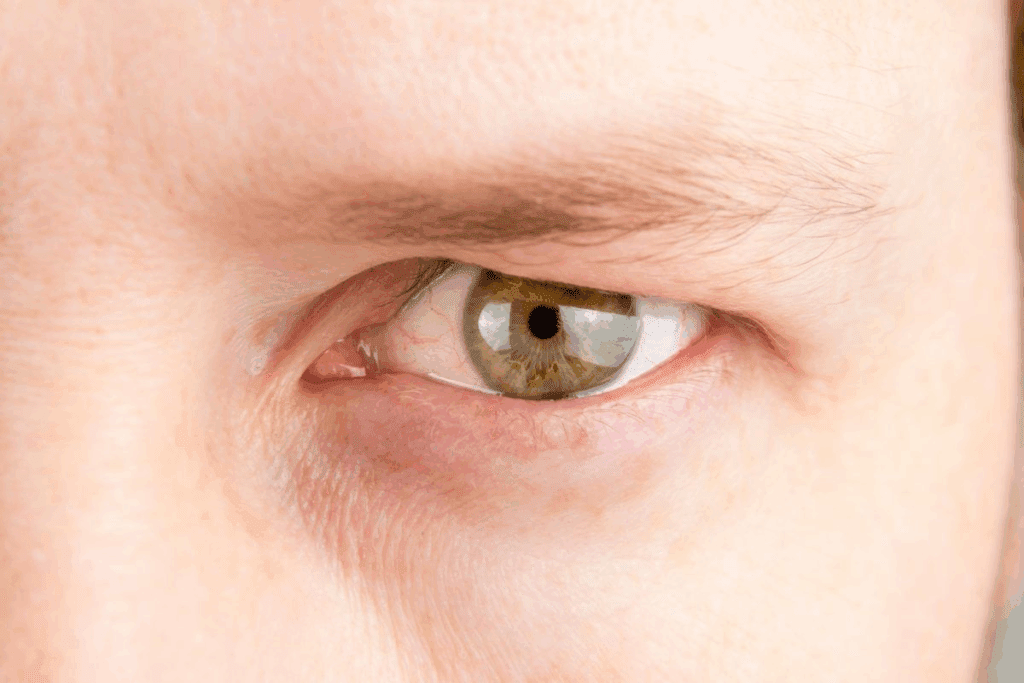
Seeing a bright red patch on your eye can be scary. But knowing why it happens can make you feel better. A burst blood vessel, or subconjunctival hemorrhage, happens when tiny vessels under the conjunctiva break and leak. This causes the red color you see.Understand the causes and risks associated with a burst or leaking blood vessel in eye (subconjunctival hemorrhage).
At Liv Hospital, we offer trusted help and care for this issue. We check it out carefully to see if it’s just a simple case or if there’s something more serious. This way, we make sure you get the right treatment.
Most of the time, a burst blood vessel in the eye is not a big deal and will heal by itself. But, it’s good to know why it happens and to get a doctor’s opinion. This can help you feel more at ease and make sure there’s nothing else going on that needs attention.
Key Takeaways
- A subconjunctival hemorrhage is caused by the rupture of tiny blood vessels beneath the conjunctiva.
- This condition is typically harmless and resolves independently.
- Professional evaluation is key to tell if it’s just a simple case or if there’s something more serious.
- Liv Hospital offers detailed checks and care that focuses on you.
- Knowing the reasons and getting a doctor’s opinion can give you peace of mind.
Understanding Subconjunctival Hemorrhage
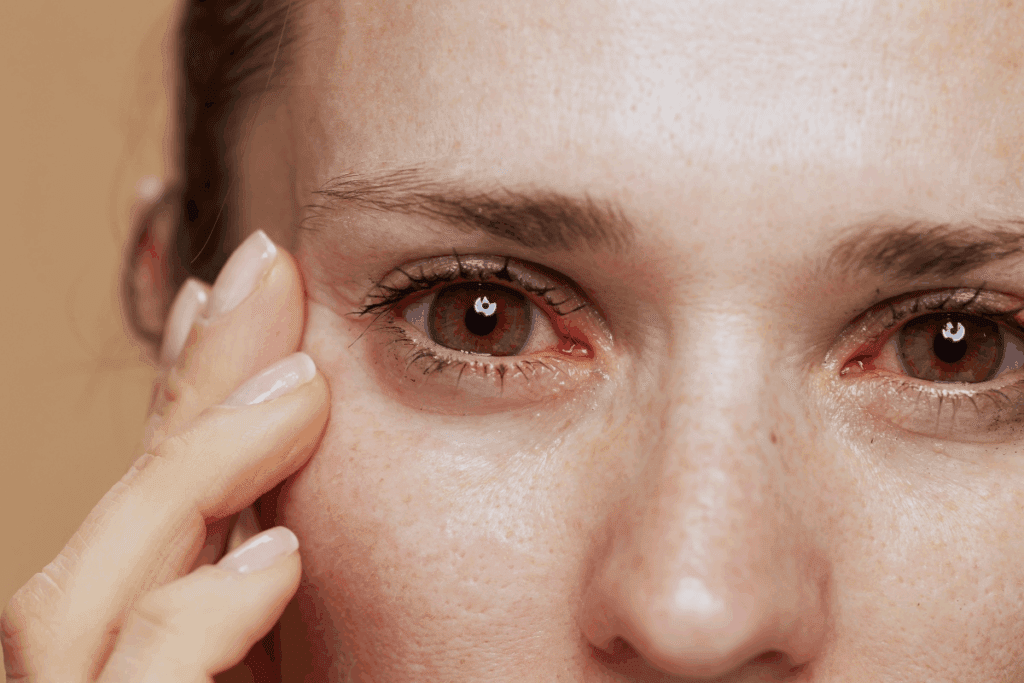
A subconjunctival hemorrhage occurs when a small blood vessel under the conjunctiva bursts. This leads to blood leaking into the space between the conjunctiva and the sclera. It shows up as a bright red patch on the white part of the eye.
Seeing blood in your eye can be scary, but most of the time, it’s not serious. These hemorrhages usually heal on their own in a couple of weeks. Knowing what causes them can help ease your worries.
What Happens When a Blood Vessel Bursts in Your Eye
When a blood vessel in the conjunctiva bursts, the blood doesn’t get absorbed right away. It leaks into the space between the conjunctiva and the sclera. This creates the look of a hemorrhage. It can happen due to sudden pressure, eye trauma, or vigorous eye rubbing.
The body starts to absorb the blood naturally, which takes about two weeks. During this time, the hemorrhage may change color as the blood is absorbed.
Anatomy of Eye Blood Vessels
The eye has a network of blood vessels that are vital for its health. The conjunctiva, a thin membrane covering the white part of the eye, has many small blood vessels. These vessels can burst under certain conditions.
Causes | Description | Effect |
Sudden Pressure Increase | Coughing, sneezing, or straining | Rupture of blood vessels |
Eye Trauma | Direct injury to the eye | Blood vessel rupture |
Vigorous Eye Rubbing | Excessive rubbing of the eyes | Increased risk of vessel rupture |
Knowing about the eye’s blood vessels and what can cause them to burst is key. While most subconjunctival hemorrhages are harmless, it’s good to know the causes. If you have recurring hemorrhages or other symptoms, see a doctor.
Identifying a Leaking Blood Vessel in Eye: Signs and Symptoms
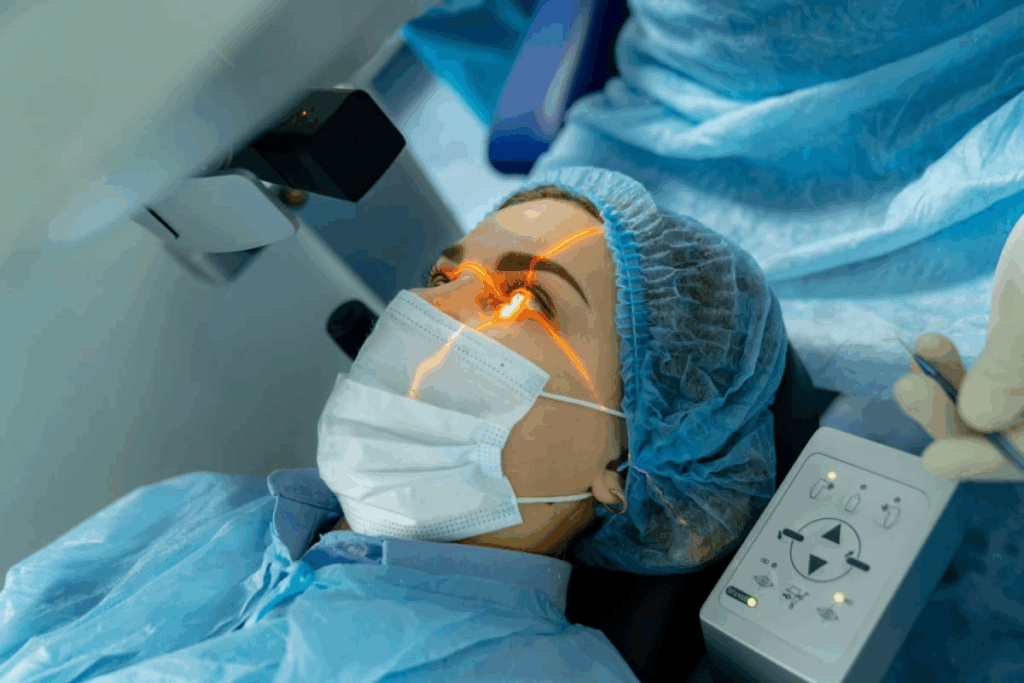
A bright red patch on the white part of the eye is a sign of a leaking blood vessel. This is called subconjunctival hemorrhage. It can look scary because it appears suddenly and is very red.
Visual Appearance of Eye Hemorrhages
A subconjunctival hemorrhage looks worse than it is. The bright red color is very noticeable, covering a lot of the white part of the eye. Sometimes, the whole white area turns red or has patchy spots.
The hemorrhage doesn’t touch the colored part of the eye (iris) or the pupil. So, your vision stays the same. The redness only shows up on the white area, making it stand out.
Associated Symptoms to Watch For
While the main sign is the red patch, you might feel some discomfort. Common symptoms include:
- Mild irritation or itching
- A feeling of grittiness in the eye
- A sensation of fullness or pressure
These symptoms are usually mild and short-lived. Remember, there should be no discharge, pain, or vision changes with a subconjunctival hemorrhage.
Pain vs. Painless Hemorrhages
Subconjunctival hemorrhages are painless. The lack of pain helps tell it apart from other eye problems. If you feel pain or discomfort with the redness, it could mean something else is wrong and needs a doctor’s attention.
In short, a leaking blood vessel in the eye, causing a subconjunctival hemorrhage, is usually just red and doesn’t hurt. If you keep getting these red patches or notice other symptoms like easy bruising or bleeding, see a doctor.
Common Physical Triggers for Eye Hemorrhages
Several physical triggers can cause eye hemorrhages. It’s important to know them to prevent and manage these issues. Eye hemorrhages, like subconjunctival hemorrhages, happen when small blood vessels in the eye burst.
Sudden Pressure Increases
Activities like sneezing, coughing, or lifting heavy objects can increase body pressure suddenly. This pressure can burst the small blood vessels in the eye, causing a hemorrhage. The force from these actions can be strong enough to break the delicate vessels, leading to bleeding under the conjunctiva.
Medical experts say sudden increases in venous pressure, like from heavy lifting, can rupture small blood vessels. This shows the need to be mindful of the risks in everyday activities.
“The key to preventing eye hemorrhages lies in understanding and managing the physical triggers that can cause them.”
Medical Expert
Eye Trauma and Injury
Eye trauma or injury is a major cause of eye hemorrhages. Accidental trauma, such as being hit in the eye or poked while putting on makeup, can damage blood vessels. Even minor injuries can sometimes cause significant bleeding because of the eye’s delicate vessels.
Rubbing your eyes hard, even with clean hands, can also harm these vessels. It’s important to be gentle with the eye area to avoid such damage.
Type of Eye Trauma | Potential Consequences |
Blunt Injury | Bleeding under the conjunctiva, potentially leading to a subconjunctival hemorrhage |
Penetrating Injury | More severe damage, potentially affecting deeper structures of the eye |
Chemical Injury | Damage to the conjunctiva and cornea, potentially leading to long-term vision problems |
Contact Lens Complications
Wearing contact lenses can sometimes lead to eye complications, including hemorrhages, if not managed properly. Improper use or poorly fitting lenses can irritate the eye and damage the blood vessels. It’s important to follow proper hygiene and usage guidelines to avoid such complications.
Regular check-ups with an eye care professional can help identify issues before they become serious. This proactive approach can significantly reduce the risk of eye hemorrhages associated with contact lens use.
Lifestyle Factors That Contribute to Eye Vessel Ruptures
Our daily habits and lifestyle choices greatly affect our eye health. Some factors we can’t control, but knowing what contributes to eye vessel fragility helps us take action. This can help prevent eye vessel ruptures.
Vigorous Eye Rubbing
Rubbing our eyes hard is common, often due to dry air, allergens, or too much screen time. This action puts a lot of pressure on our eyes’ blood vessels. Avoiding vigorous eye rubbing and using gentle methods or artificial tears can lower this risk.
Sleep Deprivation and Eye Health
Sleep is key for eye health. It gives our eyes a break from the day’s strain. Sleep deprivation can cause eye strain and weaken blood vessels, making them more likely to rupture. Getting enough sleep is vital for eye health.
- Establish a regular sleep schedule
- Create a sleep-conducive environment
- Avoid screens before bedtime
Dehydration Effects on Blood Vessels
Dehydration weakens our blood vessels, including those in our eyes. Drinking enough water keeps these vessels healthy and prevents issues like subconjunctival hemorrhages.
Key hydration tips:
- Drink at least 8-10 glasses of water a day
- Monitor urine color to gauge hydration levels
- Avoid excessive caffeine and alcohol
By paying attention to these lifestyle factors and making smart choices, we can lower our risk of eye vessel ruptures. This promotes better eye health overall.
Chronic Health Conditions and Eye Vessel Fragility
Some chronic health conditions can harm the blood vessels in our eyes. These conditions make the vessels weak and more likely to break, causing bleeding.
Hypertension and Blood Vessel Health
Hypertension, or high blood pressure, is a big risk for eye vessel weakness. The high pressure can weaken the vessel walls over time. Uncontrolled hypertension can lead to vessel rupture, causing a subconjunctival hemorrhage.
Controlling hypertension through lifestyle changes and medication can lower the risk of eye vessel damage. It’s important for people with hypertension to regularly check their blood pressure to avoid complications.
Diabetes and Eye Complications
Diabetes also affects eye health. High blood sugar can damage the blood vessels in the retina, leading to diabetic retinopathy. This can cause vessels to leak or bleed, potentially leading to vision loss if not treated.
Diabetic retinopathy treatment includes managing blood sugar, regular eye exams, and sometimes laser surgery or injections. Understanding the risks of retinal diabetes helps individuals protect their vision.
Blood Disorders Affecting Vessel Integrity
Certain blood disorders, like bleeding disorders or conditions affecting blood clotting, also raise the risk of eye vessel rupture. These disorders can make it hard for the body to stop bleeding once a vessel has ruptured.
People with blood disorders should be aware of the risks to their eye health. They should work closely with their healthcare providers to manage their condition. This may include regular eye exams and precautions to avoid injuries that could cause hemorrhages.
Some key factors to consider include:
- Managing underlying health conditions through medication and lifestyle changes
- Regular eye exams to monitor eye health
- Avoiding activities that could increase the risk of eye injury
Medications That Increase Risk of Eye Hemorrhages
Certain medications can raise the risk of eye hemorrhages. These drugs can make it harder for blood to clot or for blood vessels to stay strong. This makes it more likely for a blood vessel in the eye to burst.
Blood Thinners and Anticoagulants
Blood thinners and anticoagulants help prevent blood clots. They are important for people at risk of stroke or deep vein thrombosis. But, they can also increase the risk of bleeding, including eye hemorrhages. Examples include warfarin, heparin, and newer drugs like dabigatran and rivaroxaban.
It’s important to know the risks and watch for bleeding signs when taking these drugs. Regular visits to your healthcare provider can help manage these risks.
Nonsteroidal Anti-inflammatory Drugs (NSAIDs)
NSAIDs are used to ease pain and reduce inflammation. They are generally safe but can affect platelet function and increase bleeding risk. Common NSAIDs include ibuprofen, naproxen, and diclofenac.
It’s key to follow the recommended dosage and talk to your healthcare provider about any concerns about NSAIDs and eye health.
Aspirin and Related Medications
Aspirin can also raise the risk of eye hemorrhages. It works by stopping platelets from clumping together, which can prevent clots but also increase bleeding risk. People taking aspirin or products with aspirin should be aware of this risk and talk to their healthcare provider.
Some important points about medications and eye hemorrhage risk:
- Medication Interaction: Be aware of possible interactions between medications that could increase bleeding risk.
- Dose Management: Stick to the recommended dosage for any medication to reduce risks.
- Regular Monitoring: Regular check-ups with your healthcare provider can help manage risks related to medications.
By knowing which medications can increase eye hemorrhage risk, people can take steps to manage their health. If you notice any unusual symptoms, seek medical attention right away.
The Healing Process: What to Expect
Exploring the healing of subconjunctival hemorrhage is key. It’s a burst blood vessel in the eye that worries many. Yet, it often heals without major issues.
Typical Timeline for Recovery
Most subconjunctival hemorrhages heal in one to three weeks. The body absorbs the blood naturally. This makes the hemorrhage disappear.
How the Body Absorbs Blood
The body breaks down blood components naturally. This process fades the hemorrhage’s signs. It’s usually painless and doesn’t need medical help.
Color Changes During Healing
The hemorrhage’s red color fades over time. It might turn yellowish as it breaks down. These changes show the body is healing.
Good eye care is vital during healing. Regular eye checks are important. This is true for those needing ret physical therapy or with eye health issues.
Knowing how subconjunctival hemorrhage heals helps ease worries. Understanding the healing process and timeline helps patients manage their condition better.
When to Seek Medical Attention for Eye Hemorrhages
A burst blood vessel in the eye can be scary. But knowing when to get help is key. A subconjunctival hemorrhage, or a broken blood vessel in the eye, is usually not serious and heals by itself. Yet, some situations need a doctor’s check to make sure there’s no serious problem.
Warning Signs That Require Immediate Care
If you notice any of these, get medical help right away:
- Pain with the hemorrhage
- Vision changes, like blurred or double vision
- Severe headache or nausea
- Eye hemorrhages keep happening
- Eye trauma
These signs might mean a serious issue that needs quick attention. For example, pain or vision problems could be a sign of something serious.
Recurrent Hemorrhages: What They Mean
Seeing eye hemorrhages again and again could mean a health problem. High blood pressure, diabetes, or blood disorders can make blood vessels weak. This makes them more likely to break.
Condition | Possible Impact on Eye Vessels |
Hypertension | Increased pressure on blood vessels, making them more prone to rupture |
Diabetes | Damage to blood vessels due to high blood sugar levels |
Blood Disorders | Affects the blood’s ability to clot, increasing the risk of hemorrhage |
Accompanying Vision Changes
If your vision changes with the hemorrhage, like blurred vision or light sensitivity, see a doctor. These vision changes could mean a problem or a condition that needs medical help.
Knowing when to get medical help for a broken blood vessel in the eye is important for your eye health. If you’re not sure about your symptoms or see any warning signs, get in touch with a healthcare professional.
What Causes a Blood Vessel to Burst in Your Eye?
Seeing a bright red patch on your eye can be scary. But knowing why it happens can make you feel better. A burst blood vessel, known as subconjunctival hemorrhage, happens when tiny vessels under the conjunctiva break and spill blood. This is what makes the eye turn red.
At Liv Hospital, we offer trusted advice and care for this issue. Things like sneezing, coughing, or straining can cause it. Also, eye trauma or rubbing your eyes too hard can lead to it.
We know that most of the time, a burst blood vessel in the eye is not serious. It usually gets better on its own. But we check carefully to make sure it’s just a simple case. This way, we make sure you get the right help.
Key Takeaways
- A subconjunctival hemorrhage occurs when tiny vessels beneath the conjunctiva break and leak.
- Common causes include sudden increases in head or neck pressure and eye trauma.
- Liv Hospital provides thorough checks to tell if it’s just a simple case or something more serious.
- A subconjunctival hemorrhage is usually harmless and gets better on its own.
- Our care focuses on you, making sure you get the right treatment and support.
Understanding Subconjunctival Hemorrhage
Subconjunctival hemorrhage is when blood shows up under the clear membrane of the eye. This is often scary because it looks so vivid and happens suddenly. But, it’s usually not a big deal.
The clear membrane of the eye has tiny blood vessels. If one of these bursts, blood leaks out. This makes a bright red or dark patch on the eye.
What Happens When a Blood Vessel Bursts in Your Eye
When a blood vessel in the eye bursts, blood leaks into the space between the membrane and the white of the eye. This blood shows up as a discoloration. The size of the spot can vary, from small to covering a lot of the eye.
Many things can cause a blood vessel to burst, like sudden pressure changes or eye trauma. Hypertension and diabetes can also make blood vessels more fragile.
Anatomy of Eye Blood Vessels
The eye has many blood vessels to keep it healthy. The conjunctiva, a vascular membrane, has lots of small blood vessels. These vessels are fragile and can easily break.
Knowing how the eye’s blood vessels work helps us understand subconjunctival hemorrhages. The vessels in the conjunctiva are close to the surface, making them more likely to get hurt.
In summary, subconjunctival hemorrhage is a common issue. It can be caused by many things, including physical injuries and health problems. Even though it looks scary, it’s usually not a serious issue.
Identifying a Leaking Blood Vessel in Eye: Signs and Symptoms
A bright red patch on the white part of the eye often means a subconjunctival hemorrhage. This happens when a blood vessel bursts and leaks blood into the space between the conjunctiva and the sclera. A subconjunctival hemorrhage looks worse than it actually is, and in most cases, it does not affect vision or cause significant discomfort.
Visual Appearance of Eye Hemorrhages
The visual appearance of a subconjunctival hemorrhage is a bright red or sometimes purple patch on the white of the eye. The size of the patch can vary, ranging from a small spot to a large area covering most of the white part of the eye. Despite its alarming appearance, the hemorrhage is usually painless and resolves on its own.
Associated Symptoms to Watch For
While the hemorrhage itself is typically painless, some individuals may experience mild discomfort, such as itching or a sensation of irritation in the affected eye. It’s essential to note that there should be no discharge, significant pain, or change in vision associated with a simple subconjunctival hemorrhage. If any of these symptoms are present, further evaluation may be necessary.
Pain vs. Painless Hemorrhages
Most subconjunctival hemorrhages are painless. The absence of pain is a key characteristic that distinguishes a simple subconjunctival hemorrhage from other potentially more serious conditions. If you experience persistent pain, vision changes, or recurrent hemorrhages, it is important to see a healthcare professional. They can rule out underlying conditions that may need medical attention.
If you have subconjunctival hemorrhages frequently or experience other easy bruising or bleeding, it’s advisable to discuss this with your healthcare professional. They can help identify any underlying issues.
Common Physical Triggers for Eye Hemorrhages
The blood vessels in our eyes are very delicate. They can break from sudden pressure or eye injuries. Knowing what causes these breaks can help prevent and manage eye hemorrhages.
Sudden Pressure Increases
Activities like sneezing, coughing, or lifting heavy objects can burst a blood vessel in the eye. These actions are often unavoidable, but being aware of them can help in taking preventive measures.
Straining during bowel movements or bending over can also increase eye pressure. While these activities are normal, people prone to eye hemorrhages should be careful and take precautions.
Eye Trauma and Injury
Eye injuries, like being struck in the eye or poked while applying makeup, can cause hemorrhages. It’s essential to handle such incidents with care and seek medical attention if the injury is severe.
Rubbing your eyes, even gently, can damage small blood vessels. We recommend being gentle and keeping your hands clean to reduce the risk.
Contact Lens Complications
Wearing contact lenses incorrectly can irritate the eyes and increase the risk of hemorrhage. Proper fitting and hygiene practices can help avoid this risk.
People who wear contact lenses should follow their eye care professional’s advice. They should also report any discomfort or vision changes right away.
Physical Trigger | Description | Prevention Tips |
Sudden Pressure Increases | Sneezing, coughing, lifting heavy objects | Be cautious during strenuous activities |
Eye Trauma and Injury | Being struck in the eye, poked during makeup | Handle incidents with care, maintain hygiene |
Contact Lens Complications | Improper lens fitting, poor hygiene | Follow eye care professional’s instructions, report discomfort |
Lifestyle Factors That Contribute to Eye Vessel Ruptures
Our daily habits and lifestyle choices can greatly affect the risk of eye vessel ruptures. Factors like vigorous eye rubbing, sleep deprivation, and dehydration weaken blood vessels. This makes them more likely to burst.
Vigorous Eye Rubbing
Rubbing your eyes hard is a common habit that can cause eye vessel ruptures. This action increases blood vessel pressure, leading to bursts. People with allergies or dry eye syndrome often rub their eyes more.
Factors that increase the likelihood of vigorous eye rubbing include:
- Dry air or allergens that irritate the eyes
- Prolonged screen time without adequate breaks
- Exposure to irritants like smoke or dust
Sleep Deprivation and Eye Health
Sleep deprivation harms eye health. It can cause dry eyes, increased eye strain, and weaken blood vessels. Without enough sleep, our eyes don’t rest properly, making conditions like ruptures worse.
To mitigate the effects of sleep deprivation on eye health:
- Ensure you get 7-8 hours of sleep per night
- Maintain a consistent sleep schedule
- Avoid screens for at least an hour before bedtime
Dehydration Effects on Blood Vessels
Dehydration weakens blood vessels, making them more prone to rupture. Drinking enough water is key to keeping blood vessels healthy in our eyes.
Tips for staying hydrated:
- Drink at least 8 glasses of water per day
- Avoid excessive caffeine and alcohol, which can dehydrate the body
- Include hydrating foods in your diet, such as watermelon and cucumbers
Chronic Health Conditions and Eye Vessel Fragility
Chronic health conditions can harm our eye’s blood vessels. High blood pressure, diabetes, and some blood disorders raise the risk of vessel rupture and bleeding.
Hypertension and Blood Vessel Health
Hypertension, or high blood pressure, weakens eye vessels. The high pressure makes them more likely to burst. Controlling blood pressure through diet, exercise, and medicine helps prevent this.
Key factors to consider:
- Monitoring blood pressure regularly
- Maintaining a healthy diet and exercise routine
- Adhering to prescribed medication regimens
Diabetes and Eye Complications
Diabetes damages blood vessels in the eyes. High blood sugar can cause diabetic retinopathy. This condition makes tiny blood vessels in the retina leak or bleed. Diabetic retinopathy treatment includes managing blood sugar, eye exams, and sometimes laser therapy or injections.
The connection between retinal diabetes and vision loss is clear. Regular eye exams are vital for people with diabetes. Early treatment can prevent serious vision loss.
Blood Disorders Affecting Vessel Integrity
Blood disorders like bleeding disorders or those affecting blood clotting increase eye vessel rupture risk. These conditions make bleeding more likely.
Management strategies include:
- Regular monitoring by a healthcare provider
- Adjusting medications as necessary
- Lifestyle adjustments to minimize injury risk
Knowing the medical definition of retinopathy is key for those with diabetes or other chronic conditions. Effective management of these conditions can lower eye complication risks and protect our vision.
Medications That Increase Risk of Eye Hemorrhages
Some medicines can make eye hemorrhages more likely. These drugs affect blood vessels and can lead to bleeding. This includes subconjunctival hemorrhages.
Blood Thinners and Anticoagulants
Blood thinners and anticoagulants stop blood clots from forming or growing. They help prevent strokes and heart problems. But, they can also raise the chance of bleeding, including in the eyes. Examples include warfarin, heparin, and dabigatran and rivaroxaban.
Table: Common Blood Thinners and Anticoagulants
Medication | Use | Risk of Bleeding |
Warfarin | Prevents blood clots | High |
Dabigatran | Prevents stroke in atrial fibrillation | Moderate |
Rivaroxaban | Prevents and treats deep vein thrombosis | Moderate |
Nonsteroidal Anti-inflammatory Drugs (NSAIDs)
NSAIDs reduce inflammation and pain. But, they can also make bleeding more likely. Examples include ibuprofen and naproxen. The risk is lower than with blood thinners, but it’s important to know.
Aspirin and Related Medications
Aspirin can also increase bleeding risk because it affects platelets. It’s used in low doses to prevent heart attacks and strokes. But, higher doses or with other medications, the risk of bleeding, including eye hemorrhages, goes up. It’s key to talk to your doctor about this.
Knowing the risks of these medicines can help you avoid eye hemorrhages. Always talk to your doctor about your medications and any concerns you have.
The Healing Process: What to Expect
The body usually heals subconjunctival hemorrhages in one to three weeks. During this time, the blood under the conjunctiva is absorbed. The hemorrhage’s appearance changes as it heals.
Typical Timeline for Recovery
Most people see their subconjunctival hemorrhage clear up in a couple of weeks. The healing process happens naturally, with the body absorbing the blood. It’s important to let the body heal on its own.
How the Body Absorbs Blood
The body breaks down blood through a natural process. This involves the breakdown of hemoglobin and other blood parts. As the blood is absorbed, the hemorrhage’s color fades, becoming less intense.
Color Changes During Healing
As the hemorrhage heals, the red color fades, sometimes turning yellowish. This is a normal part of healing. Most subconjunctival hemorrhages don’t affect vision or eye health long-term.
People with conditions like mild diabetic retinopathy should watch their eye health closely. But for most, these hemorrhages are a minor issue that heals with time.
When to Seek Medical Attention for Eye Hemorrhages
It’s important to know when to get medical help for eye hemorrhages. Many eye hemorrhages get better on their own. But, some cases need quick medical check-ups.
Warning Signs That Require Immediate Care
Look out for these signs that mean you should see a doctor right away:
- Pain or discomfort in the eye
- Changes in vision, such as blurriness or double vision
- Headache or nausea with the hemorrhage
- Recurring episodes of eye hemorrhages
If you often get eye hemorrhages or easily bruise, talk to your doctor about it.
Recurrent Hemorrhages: What They Mean
Seeing eye hemorrhages more than once might mean there’s a bigger health issue. Recurrent hemorrhages could point to a blood disorder or high blood pressure.
Condition | Possible Causes | Recommended Action |
Recurrent Eye Hemorrhages | Blood disorders, hypertension, diabetes | Consult a healthcare professional |
Vision Changes | Underlying eye conditions, neurological issues | Seek immediate medical attention |
Accompanying Vision Changes
Any vision changes with an eye hemorrhage are serious. If you see blurriness, double vision, or loss of vision, get medical help fast. These signs could mean a serious eye or health problem.
Keep an eye on your eye health and get advice if you’re worried. Knowing the signs and acting quickly can help your eyes stay healthy.
Diagnostic Approaches for Eye Vessel Ruptures
Healthcare professionals use different methods to diagnose eye vessel ruptures. A subconjunctival hemorrhage, or a burst blood vessel in the eye, needs a careful diagnosis. This is to find any underlying health issues.
Physical Examination Procedures
A thorough eye examination is key to diagnose the cause of a subconjunctival hemorrhage. We check the eye’s health, looking for trauma, infection, or other conditions that might have caused the hemorrhage.
Key components of the physical examination include:
- Visual acuity testing to assess any changes in vision
- External examination of the eye to look for signs of trauma or infection
- Slit-lamp examination to examine the eye’s structures in detail
Medical History Assessment
Looking at a patient’s medical history is important to find the cause of a subconjunctival hemorrhage. We ask about any previous eye hemorrhages and systemic conditions like hypertension or diabetes.
“Understanding a patient’s medical history helps us identify risk factors and underlying conditions that may be contributing to the eye vessel rupture.”
Advanced Diagnostic Testing for Recurring Cases
For cases where subconjunctival hemorrhages keep happening, we might need more tests. These tests help rule out conditions like diabetic retinopathy. Some tests include:
Diagnostic Test | Purpose |
Fundus Fluorescein Angiography | To visualize the blood vessels in the retina and detect any abnormalities |
Optical Coherence Tomography (OCT) | To obtain detailed images of the retina and detect any structural changes |
By using these diagnostic methods, we can find the cause of an eye vessel rupture. Then, we can plan the right treatment.
Prevention Strategies for Eye Blood Vessel Ruptures
To prevent eye blood vessel ruptures, we need to tackle health conditions, daily habits, and medication use. Understanding and managing these areas can lower the risk of subconjunctival hemorrhage.
Managing Underlying Health Conditions
Health issues like hypertension and diabetes can harm blood vessels in the eyes. Managing these conditions through lifestyle changes and medication can help prevent vessel rupture. Keeping blood pressure in check is key to avoiding vessel strain.
Diabetes control means monitoring blood sugar, eating right, and taking meds as prescribed. This helps prevent eye problems, including subconjunctival hemorrhages.
Proper Eye Care Practices
Good eye hygiene is vital to prevent irritation and reduce rupture risk. Avoid vigorous eye rubbing to avoid straining blood vessels. When handling contact lenses, use a clean, gentle method to avoid irritation.
Regular eye exams are also key. They help catch issues early, allowing for timely action to prevent complications.
Medication Management
Some meds, like blood thinners and anticoagulants, raise eye hemorrhage risk. Talking to a healthcare provider about these risks and benefits is essential. Adjusting or changing meds might be needed to lower hemorrhage risk.
Knowing the side effects of over-the-counter meds, like NSAIDs and aspirin, is also important. While safe when used right, misuse can increase bleeding risk.
Conclusion: Understanding and Managing Eye Vessel Ruptures
It’s key to know what causes subconjunctival hemorrhage to prevent and manage it. A bleeding eye can scare you, but most times, it’s not serious and heals by itself.
But, it’s important to watch for signs that mean you need to see a doctor, like if you have diabetes. This is because diabetes can cause eye bleeding. Taking care of your health and eyes can help avoid these problems.
Don’t hesitate to get help when you need it. If you keep getting eye bleeds, see changes in your vision, or have other concerns, talk to a doctor. They can help figure out what’s going on and guide you.
FAQ
What is a subconjunctival hemorrhage?
A subconjunctival hemorrhage happens when tiny blood vessels under the conjunctiva break. This causes a bright red patch on the eye’s white part.
Is a subconjunctival hemorrhage painful?
A subconjunctival hemorrhage is usually painless. But, some people might feel mild irritation or a scratchy sensation.
What causes blood vessels to break in the eye?
Many things can cause blood vessels to break in the eye. These include sudden pressure changes, eye trauma, and vigorous eye rubbing. High blood pressure, diabetes, and certain medications like blood thinners also play a role.
How long does it take for a subconjunctival hemorrhage to heal?
Most subconjunctival hemorrhages heal on their own in one to three weeks. The redness will gradually fade.
Can a subconjunctival hemorrhage affect vision?
Usually, a subconjunctival hemorrhage doesn’t affect vision. But, if you notice vision changes, you should see a doctor.
Are there any treatments for subconjunctival hemorrhage?
In most cases, no treatment is needed. But, if you have recurrent hemorrhages or other symptoms, see a healthcare professional.
Can diabetes cause eye hemorrhages?
Yes, diabetes can increase the risk of eye hemorrhages, including subconjunctival hemorrhages. This is because diabetes affects blood vessel health.
How can I prevent eye blood vessel ruptures?
Managing health conditions and practicing good eye care can help prevent eye blood vessel ruptures. Being mindful of medication use is also important.
When should I seek medical attention for an eye hemorrhage?
Seek medical attention if you have severe pain, vision changes, or recurrent hemorrhages. Also, if the hemorrhage is accompanied by other concerning symptoms, seek help.
Can contact lens use cause eye hemorrhages?
Yes, contact lens complications can cause eye hemorrhages. It’s vital to follow proper lens care and usage guidelines.
Are there any medications that can increase the risk of eye hemorrhages?
Yes, certain medications like blood thinners, NSAIDs, and aspirin can increase the risk of eye hemorrhages. They affect blood vessel integrity.
How are eye vessel ruptures diagnosed?
Diagnosis involves a physical exam, medical history assessment, and sometimes advanced testing. This helps find the underlying cause.
References
National Center for Biotechnology Information. Evidence-Based Medical Guidance. Retrieved from https://www.ncbi.nlm.nih.gov/pmc/articles/PMC3702240/