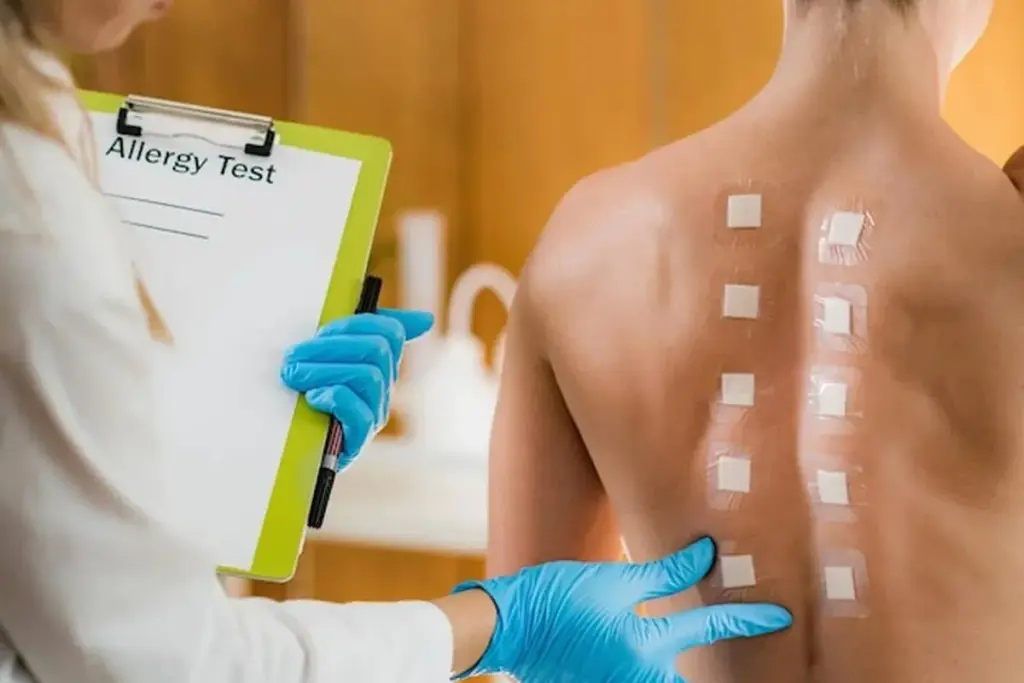
Allergic contact dermatitis is a common problem worldwide. It causes skin irritation and discomfort. A patch test helps find out what causes it.Essential guidelines on what not to do during a patch test, including avoiding water, sweat, and movement of the back.
Getting accurate results from a patch test is key. Some actions can mess up the test. This might lead to wrong or unclear results.
Knowing what to avoid is important. It helps get the right diagnosis and find the cause of allergic contact dermatitis.
Key Takeaways
- Understand the purpose of a patch test
- Avoid certain actions during the test period
- Follow guidelines for accurate results
- Identify common allergens
- Take steps to prevent allergic contact dermatitis
Understanding Patch Tests and Their Importance
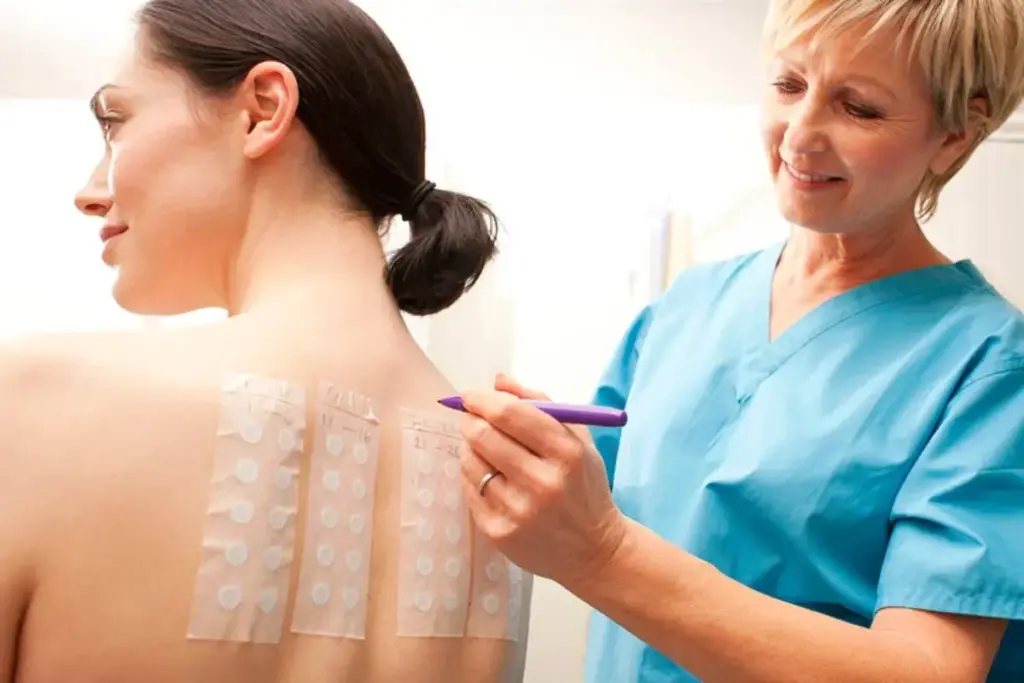
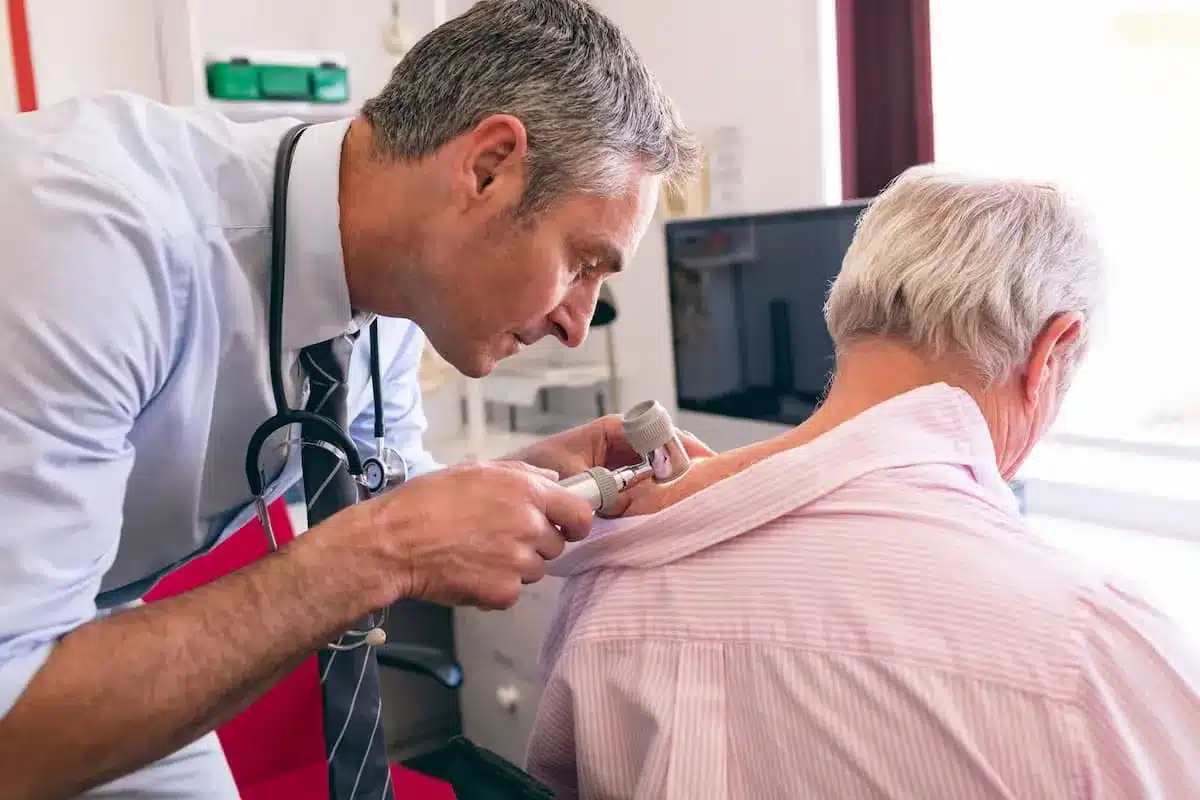
A patch test is a simple way to check if a substance causes skin allergies. It’s used in dermatology clinics to find out what causes skin allergies. This helps doctors understand and treat them better.
During a patch test, different substances are put on the skin and taped in place. The skin’s reaction is watched over a few days. This helps see if an allergic reaction happens.
What Is a Patch Test?
A patch test applies small amounts of possible allergens to the skin, usually on the back. These are put on with adhesive patches. The patches stay on for 48 to 72 hours. During this time, the skin is checked for signs of an allergic reaction.
The results of a patch test help doctors find out what causes allergic reactions. This lets them create specific treatment plans.
Common Allergens Identified Through Patch Testing
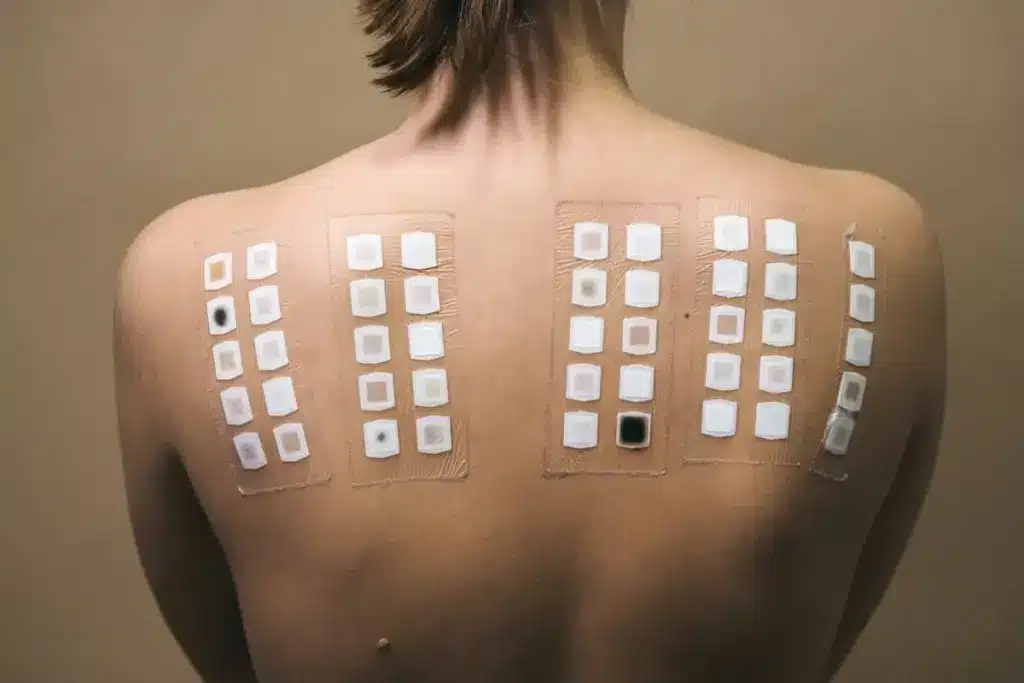
Patch testing can find many common allergens. These include things in cosmetics, soaps, chemicals, and metals. Some common ones are:
|
Allergen Category |
Common Examples |
|---|---|
|
Metals |
Nickel, Cobalt, Chromium |
|
Cosmetic Ingredients |
Fragrances, Preservatives, Dyes |
|
Chemicals |
Formaldehyde, Latex |
Knowing about these common allergens helps people avoid them. This can lower the chance of getting an allergic reaction.
Preparing for Your Patch Test: Common Mistakes to Avoid
The key to a true patch test is in the preparation. Certain steps are taken to make sure the results are accurate.
Before your patch test, it’s important to know common mistakes. These mistakes can affect the test’s results. Knowing about medications and skincare products that might interfere is key.
Medication Restrictions Before Testing
Certain medicines can change your patch test results. It’s best to stop using topical medicines on your back or test areas for at least a week before. This helps avoid any test result interference.
“Avoiding certain medications before a patch test is key for accurate results.”
A Dermatologist
Skincare Products to Discontinue
Some skincare products can also impact your patch test results. It’s wise to stop using these products for a while before the test. This prevents any false results.
|
Product Type |
Recommended Discontinuation Period |
|---|---|
|
Topical Steroids |
2 weeks |
|
Moisturizers on test area |
1 week |
Sun Exposure Considerations
Another important step is avoiding sun exposure. Try to limit sun exposure for 1 to 2 weeks before the test. Too much sun can change your skin and affect the test results.
By paying attention to these details and taking the right steps, you can get accurate results from your patch test. This helps in diagnosing any patch test allergy.
Don’t Ignore Pre-Test Instructions From Your Dermatologist
To get reliable results from your patch test, following your dermatologist’s instructions is key. The success of allergy patch testing greatly depends on what you do before the test.
The Importance of Medical History Disclosure
Telling your doctor about your medical history is a must before a patch test. Some medications and health issues can change how the test works. For example, drugs like prednisone or methotrexate can affect the results. Make sure to tell your doctor about any medications you’re taking at least a week before your visit.
When you share your medical history, include:
- All current medications and their dosages
- Any known allergies or sensitivities
- Experiences with patch tests or other allergy tests in the past
Following Specific Preparation Guidelines
It’s important to follow the specific steps your dermatologist tells you to take before the test. These might include not using certain skincare products, staying out of the sun, and other steps.
|
Preparation Guidelines |
Description |
|---|---|
|
Medication Restrictions |
Avoid certain medications like prednisone or methotrexate at least one week prior to the test. |
|
Skincare Product Avoidance |
Stop using certain skincare products as your dermatologist advises. |
|
Sun Exposure Limitations |
Keep sun exposure to the test area to a minimum, as your dermatologist suggests. |
By following these guidelines and sharing your full medical history, you can make sure your patch test is accurate. This helps find out what might be causing your skin problems.
Behaviors to Avoid During the Patch Test Application
To get accurate results, it’s key to avoid certain actions during a patch test. The patches and test area marked with ink must stay dry. Also, don’t apply anything to the test area.
Communicating Discomfort Appropriately
If you feel discomfort or itching, tell your healthcare provider. But, don’t scratch or touch the patches. This can cause irritation or change the test results. Telling your provider about discomfort lets them guide you without messing up the test.
Staying STILL During Application
It’s important to stay as calm as possible when the patches are applied. Moving around can make the patches move, leading to wrong results. Your healthcare provider will show you how to sit or stand for the best results. This way, the patches stick well to your skin, giving a true picture of any reactions.
Questions You Should Ask Your Provider
Before and during the test, ask your healthcare provider any questions. You might want to know how to take care of the test area, what to expect, or how to spot allergic reactions. Knowing this can help you feel more ready and less worried about the test.
By paying attention to these tips and following your provider’s advice, you can make sure your patch test results are right. This helps find out if you have skin allergies or conditions. Then, you can get the right treatment.
Critical Mistakes That Can Compromise Your Patch Test Results
When you do a skin patch test, it’s important to avoid mistakes. This test helps find out if you’re allergic to certain things. But, it only works if done right and without any problems.
Keeping the Test Area Dry
Keeping the test area dry is key. Moisture can mess with the patches and change the test results. Try not to do things that make the area wet, like taking a bath or swimming, while the test is on.
Avoiding Physical Activities That Cause Excessive Sweating
Too much sweat can make the patches fall off early. To prevent this, cut down on activities that make you sweat a lot during the test. This keeps the patches in place and gives accurate results.
Resisting the Urge to Scratch or Peek
It’s hard not to want to scratch or look at the patches. But, it’s very important not to. Scratching can remove the patches, and looking can let in germs. Letting the patches stay put is essential for getting good test results.
Bathing and Hygiene Restrictions During Your Patch Test
When you’re doing a patch test, it’s important to follow certain rules for bathing and hygiene. This is to make sure the test results are right. The skin needs to be free from things that could mess with the test.
Keeping the test area clean is key, but you can’t let it get in the way of the test. You want to keep the patches and your skin safe from outside influences.
Showering Techniques That Won’t Compromise Results
Try not to get the patches wet during the test. Avoid showering or soaking in a bath while the patches are on. If you must clean, use a damp cloth to wipe around the test area without getting the patches wet.
If you really need to shower, try to keep the water away from the test area. Be gentle and don’t use hot water on the patches. Keep the test area dry to help the patches stick to your skin.
Products to Avoid on and Around the Test Area
Some products can mess with the patch test results. Avoid applying creams, lotions, or oils on or around the test area. These can change how your skin reacts to the patch test allergens. Also, don’t use harsh soaps or exfoliating products that could irritate the skin or remove the patches.
Stay away from tight clothing that could rub against the test area. This could dislodge the patches. By watching out for these things, you can make sure your patch test results are accurate.
Why You Shouldn’t Remove the Patch Test Early
It’s important to keep the patches on for the whole test time, usually 2 days. This is to get accurate results about any allergies.
The Importance of Complete Testing Duration
Removing the patches too soon can give wrong or incomplete results. The full test time lets your doctor check for all possible allergens. This way, they can give you a correct diagnosis.
Key reasons to complete the full testing duration:
- Accurate identification of allergens
- Comprehensive assessment of skin reactions
- Reliable diagnosis and treatment plan
What to Do If Patches Begin to Peel
If a patch starts to peel or falls off, tell your doctor right away. They can help you figure out what to do next. This keeps the test results valid.
Dermatologists say, “The patch test must stay intact for good results. Any problems with the patches need quick attention from your doctor.”
“The integrity of the patch test is critical for accurate results. Any issues with the patches should be addressed promptly with your healthcare provider.”
Dermatological Expert
|
Action |
Recommendation |
|---|---|
|
If a patch falls off |
Notify your healthcare provider |
|
If patches begin to peel |
Seek guidance from your provider |
Understanding the need for a full patch test and knowing what to do with any problems helps. This ensures your test results are both accurate and reliable.
Common Reasons for False Results in Patch Testing
Knowing why patch tests can give false results is key to getting a correct diagnosis. Patch testing helps find out what causes contact dermatitis. But, many things can affect how accurate these results are.
False Positives: Causes and Prevention
False positives happen when a test shows an allergy that isn’t there. Several things can lead to these false positives, including:
- Irritant reactions: Some substances can irritate the skin instead of causing an allergic reaction, leading to false positives.
- Skin conditions: Conditions like eczema or psoriasis can mess with the test results.
- Medications: Some medicines, like corticosteroids, can change how the skin reacts to allergens.
To avoid false positives, it’s important to:
- Tell your dermatologist about any medicines you’re taking.
- Follow the pre-test instructions carefully to avoid substances that might mess with the test.
False Negatives: Why Allergens Might Be Missed
False negatives happen when a test misses an actual allergy. Several factors can lead to false negatives, including:
|
Cause |
Description |
Prevention |
|---|---|---|
|
Insufficient allergen concentration |
The amount of allergen used might be too low to provoke a reaction. |
Ensure the correct concentration of allergens is used. |
|
Inadequate test duration |
The test might not be left on for a sufficient amount of time to detect the allergy. |
Follow the recommended testing duration. |
|
Skin barrier disruption |
Disruption of the skin barrier, such as through excessive sweating or irritation, can affect test results. |
Avoid activities that cause excessive sweating during the test. |
To lower the chance of false negatives, it’s important to follow your dermatologist’s instructions. Also, avoid activities that might mess with your skin during the test.
By understanding why false positives and negatives happen, you can take steps to make sure your patch test results are accurate. This includes following pre-test instructions, telling your dermatologist about any medicines or skin conditions, and sticking to the recommended testing protocol.
What to Do If You Experience an Allergic Reaction to the Patch Test
Getting an allergic reaction from a patch test can be scary. But knowing how to act is key. It’s common to have an allergic reaction to a patch test. Knowing how to handle it can greatly improve your experience and the test’s results.
Normal vs. Severe Reactions
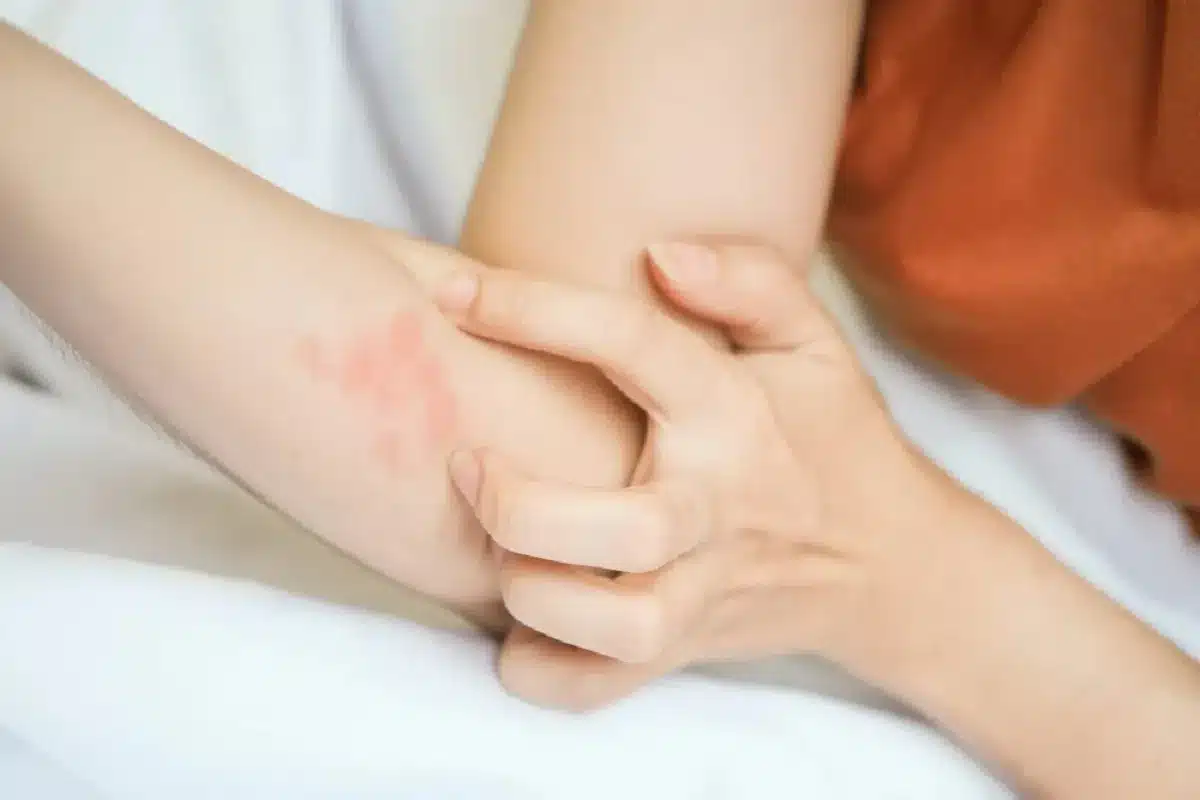
It’s important to tell the difference between a normal and severe reaction. A normal reaction might be a bit of redness or itchiness at the patch test site. This is usually not serious and goes away quickly.
A severe reaction, though, is much worse. It can cause intense itching, big red areas, swelling, or even blisters. Severe reactions need immediate medical help to avoid more problems.
If you see widespread redness, big swelling, or blisters outside the patch test area, it’s a severe reaction. In these cases, your healthcare provider’s advice is essential for handling the reaction.
When to Contact Your Healthcare Provider
If you have a severe reaction or are not sure about your reaction, call your healthcare provider. They can guide you on how to deal with the reaction and might change your treatment plan. Make sure you have your healthcare provider’s contact info ready for quick access if needed.
When you call your healthcare provider, be ready to share your symptoms. Tell them when they started and what you’ve done to try to fix them. This info will help your provider give you the best advice.
Conclusion: Ensuring Accurate Patch Test Results
Getting accurate patch test results is key to finding out what causes skin allergies. It helps in creating a good treatment plan. It’s important to follow what your dermatologist or healthcare provider tells you.
Preparation is key. You should avoid certain medicines and skincare products before the test. Also, don’t go out in the sun too much. And, make sure not to remove the patches too early or mess with the test area.
A well-done patch test can really help understand your skin sensitivities. This way, you can get better treatments and improve your skin health. By following these steps and working with your healthcare provider, you can get more accurate results. This is a big step towards solving your skin problems.
FAQ
What is a patch test, and why is it used?
A patch test helps find out if a substance causes skin allergies. It’s used to figure out what causes allergic contact dermatitis. This is a skin reaction from touching something you’re allergic to.
What are some common allergens identified through patch testing?
Common allergens found through patch testing include things in cosmetics, soaps, chemicals, and metals.
What should I avoid before a patch test?
Before a patch test, stay out of the sun and avoid some medicines. Also, stop using certain skincare products that might mess up the test.
How should I prepare for a patch test?
To get ready for a patch test, tell your doctor about your health history. Follow their prep instructions, like telling them about your medicines.
What should I avoid during the patch test application?
When applying the patch test, don’t put any products on the test area. Stay calm and let the doctor know if you feel any discomfort.
How can I maintain hygiene during the patch test without compromising the results?
To keep clean during the test, follow the right showering steps. Avoid using certain products near the test area.
Can I remove the patch test early?
Removing the patch test too soon can mess up the results. Always wait for the full testing time. Know what to do if the patches start to peel.
What causes false results in patch testing?
False results can happen for many reasons, like some medicines or skin conditions. Knowing why they happen helps prevent them.
What should I do if I experience an allergic reaction during or after the patch test?
If you have an allergic reaction during or after the test, know the difference between mild and severe reactions. Know when to call your doctor.
How can I ensure accurate patch test results?
To get accurate results, prepare well, follow the test guidelines, and know how to handle any reactions.
References
National Center for Biotechnology Information. Evidence-Based Medical Insight. Retrieved from https://pubmed.ncbi.nlm.nih.gov/37415917/