Having red, painful eyes that are sensitive to light can really upset you. It can also make your daily life harder. This problem, called photophobia with ocular redness, needs to be checked by a doctor right away. They can find out why it’s happening and start treating it red painful eye sensitive to light.
At Liv Hospital, we care about your comfort and eye health. Our team uses proven methods to help you. We look into why your eye might be red and light-sensitive. It could be something simple or something more serious.
Key Takeaways
- Photophobia with ocular redness is a symptom complex that requires prompt evaluation.
- Red eyes accompanied by pain or vision changes can indicate a serious condition.
- Liv Hospital’s patient-centered approach prioritizes comfort and vision health.
- Evidence-based diagnostic and therapeutic interventions are delivered by experienced professionals.
- Understanding the causes of red, light-sensitive eyes can protect your vision and address underlying conditions.
The Connection Between Eye Redness and Light Sensitivity

Red eyes and light sensitivity can come from many things, from small problems to serious health issues. It’s important to know how they are connected to get the right care.
Defining Ocular Redness
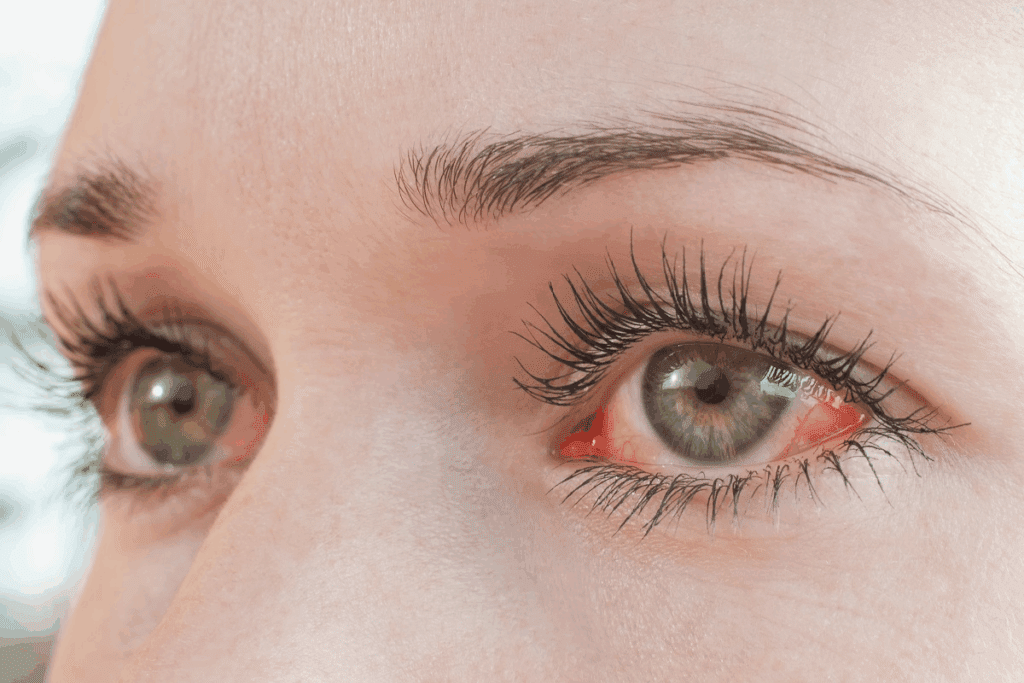
Ocular redness, or conjunctival injection, happens when the eye’s surface blood vessels get big and show. This makes the eye look red or bloodshot. It can be caused by irritation, infection, or inflammation.
Many things can cause ocular redness, like:
- Allergies
- Infections (bacterial or viral)
- Dry eye syndrome
- Environmental irritants (dust, smoke, chemicals)
Understanding Photophobia (Light Sensitivity)
Photophobia, or light sensitivity, makes the eyes very sensitive to light. It can hurt or cause pain. It’s linked to things like migraines, eye injuries, or neurological disorders.
“Photophobia is not just about being sensitive to light; it’s a complex symptom that can be related to various underlying conditions.”
Some common reasons for photophobia include:
- Migraines and headaches
- Eye injuries or surgeries
- Infections or inflammatory conditions
- Neurological disorders
How These Symptoms Typically Present Together
When eye redness and light sensitivity happen together, it usually means there’s a problem that needs a doctor. These symptoms together can show up in conditions like conjunctivitis, uveitis, or keratitis.
Condition | Characteristics | Associated Symptoms |
Conjunctivitis | Inflammation of the conjunctiva | Redness, discharge, itching |
Uveitis | Inflammation of the uvea | Pain, light sensitivity, blurred vision |
Keratitis | Inflammation of the cornea | Pain, redness, light sensitivity, discharge |
It’s key to understand the link between eye redness and light sensitivity to find the cause and get the right treatment. If you have these symptoms, seeing a doctor is important for a correct diagnosis and treatment plan.
Recognizing Symptoms That Accompany Red, Light-Sensitive Eyes

Redness and sensitivity to light in the eye often come with other symptoms. These can include pain, tearing, discharge, vision changes, and feeling like something is in your eye. These signs can help figure out what’s causing the problem.
Pain and Discomfort Levels
Pain can range from mild to severe. Pain is a key sign of what’s wrong, like a minor scratch or a serious inflammation. It’s important to know if the pain is sharp, dull, constant, or comes and goes.
Tearing, Discharge, and Crusting
Tearing can be a sign of irritation or trying to get rid of something. Discharge, which can be clear, yellow, or greenish, often means there’s an infection. Crusting on the eyelashes can happen when there’s discharge. These symptoms can really affect how comfortable and how the eye looks.
Vision Changes and Blurriness
Vision changes, like blurriness or sensitivity to light, can be caused by many things. These can range from corneal abrasions to serious conditions like uveitis. Blurry vision is a serious symptom that needs a detailed check-up.
Sensation of Foreign Body or Grittiness
Feeling like there’s something in your eye or grittiness is very uncomfortable. This can be from a minor irritant, dry eye, or a serious issue like a corneal ulcer. Knowing what this feels like can help find out what’s wrong.
Symptom | Possible Causes | Common Conditions |
Pain and Discomfort | Irritation, Infection, Inflammation | Corneal abrasion, Conjunctivitis |
Tearing and Discharge | Foreign body, Infection, Allergies | Conjunctivitis, Dry Eye Syndrome |
Vision Changes | Corneal issues, Inflammatory conditions | Uveitis, Keratitis |
Foreign Body Sensation | Minor irritants, Dry Eye, Corneal issues | Dry Eye Syndrome, Corneal abrasion |
Dry Eye Syndrome: A Common Culprit
Dry eye syndrome affects millions worldwide, causing eye discomfort and light sensitivity. It happens when the eyes don’t make enough tears or when the tears are not good. This leads to eye redness and other symptoms.
Mechanisms of Dry Eye-Induced Redness and Photophobia
The eyes need enough tears to stay moist and comfortable. Without enough tears, dry spots can form, causing irritation and inflammation. This inflammation can make the eyes red and more sensitive to light, or photophobia. The quality and quantity of tears are key for eye health, and any imbalance can cause dry eye symptoms.
Risk Factors and Contributing Conditions
Several factors can lead to dry eye syndrome. These include:
- Age: Dry eye syndrome is more common among older adults.
- Environmental factors: Dry air, wind, and screen time can make dry eye worse.
- Medical conditions: Conditions like Sjögren’s syndrome, rheumatoid arthritis, and diabetes can raise the risk.
- Medications: Some medications, such as antihistamines and decongestants, can reduce tear production.
Knowing these risk factors is key to managing and preventing dry eye syndrome.
Treatment Options and Management Strategies
There are many ways to treat and manage dry eye syndrome. These include:
- Artificial tears: Over-the-counter eye drops can help supplement natural tears.
- Prescription medications: In some cases, medications like cyclosporine or lifitegrast may be prescribed to reduce inflammation and increase tear production.
- Lifestyle changes: Avoiding dry environments, taking regular breaks from screens, and using humidifiers can help alleviate symptoms.
- Punctal plugs: These are small devices inserted into the tear ducts to block drainage and retain tears.
By understanding the causes and using the right management strategies, individuals can find relief from dry eye syndrome and reduce their sensitivity to light and eye redness.
Conjunctivitis (Pink Eye): Types and Treatments
Conjunctivitis is an inflammation of the conjunctiva, leading to redness and light sensitivity. It’s often called “pink eye.” It can be caused by viruses, bacteria, or allergies. Knowing the types and treatments is key to easing symptoms and stopping the spread.
Bacterial Conjunctivitis: Symptoms and Care
Bacterial conjunctivitis has a thick, yellow or green discharge. It makes eyelids stick together, mainly after sleep. Symptoms include redness, itching, and a gritty feeling in the eyes. Treatment involves antibiotic eye drops or ointment to fight the infection.
Viral Conjunctivitis: Characteristics and Management
Viral conjunctivitis is contagious and often comes with a cold. It has watery discharge, redness, and light sensitivity. It doesn’t need antibiotics and usually gets better in a week or two. The focus is on easing symptoms and stopping the spread.
Allergic Conjunctivitis: Triggers and Relief
Allergic conjunctivitis happens when the conjunctiva reacts to allergens like pollen. Symptoms include itching, redness, and watery discharge. Treatment involves avoiding allergens, using eye drops, and sometimes antihistamines or mast cell stabilizers.
Recovery Timeline and Expectations
The recovery time for conjunctivitis depends on the cause. Bacterial conjunctivitis starts to get better in a few days with antibiotics. Viral conjunctivitis takes up to two weeks to clear up. Allergic conjunctivitis lasts as long as the person is exposed to the allergen.
Here’s a quick look at the types of conjunctivitis and how long they take to recover:
Type of Conjunctivitis | Typical Symptoms | Treatment | Recovery Timeline |
Bacterial | Thick discharge, redness, itching | Antibiotic eye drops or ointment | Improves within a few days of treatment |
Viral | Watery discharge, redness, sensitivity to light | Supportive care, symptom relief | Resolves within 1-2 weeks |
Allergic | Itching, redness, watery discharge | Avoiding allergen, anti-allergic eye drops | Depends on exposure to allergen |
Corneal Abrasions and Surface Injuries
Surface injuries to the cornea can cause a lot of pain and discomfort. They often make the eye red and sensitive to light. The cornea is the clear outer layer at the front of the eye. It’s key for our vision. Damage to it can really impact our daily lives.
Causes of Corneal Damage
Corneal abrasions can happen for many reasons. Some common causes include:
- Foreign bodies in the eye, such as dust or metal particles
- Trauma or injury to the eye
- Improper use or removal of contact lenses
- UV exposure
Knowing what causes these injuries can help prevent them. For example, wearing protective eyewear can lower the risk of corneal abrasions.
Symptoms of Corneal Injuries
The symptoms of corneal injuries vary but often include:
- Redness and inflammation
- Pain or discomfort
- Increased sensitivity to light
- Blurred vision
- Sensation of having something in the eye
These symptoms can be very distressing. They often need immediate medical attention to avoid further problems.
Diagnostic Approaches
Diagnosing a corneal abrasion involves a detailed examination by an eye care professional. They might use:
- Fluorescein staining to see the abrasion
- Slit-lamp examination to check the injury’s extent
These tools help figure out how severe the abrasion is and guide treatment.
Treatment and Healing Process
Treatment for corneal abrasions aims to heal the eye, reduce pain, and prevent infection. This might include:
Treatment | Description |
Antibiotic eye drops | To prevent infection |
Pain relief medication | To manage pain and discomfort |
Rest | Avoiding strenuous activities to allow healing |
Most corneal abrasions heal in a few days. But, it’s important to follow the treatment plan and go to follow-up appointments. This ensures proper healing and catches any complications early.
“Prompt and proper treatment of corneal abrasions is essential to prevent complications and ensure a speedy recovery.”
Eye Care Professional
Understanding Red Painful Eye Sensitive to Light in Inflammatory Conditions
When the eye gets inflamed, it can turn red, hurt, and be very sensitive to light. This might mean you have uveitis or scleritis. It’s important to get a proper diagnosis quickly to manage symptoms and avoid serious problems.
Uveitis: Inflammation of the Middle Eye Layer
Uveitis is when the middle layer of the eye wall gets inflamed. It makes the eye red, hurts, and is very sensitive to light. It can happen because of infection, injury, or disease. Getting checked right away is key to stop vision loss.
Symptoms of uveitis include eye redness, pain, and light sensitivity. Sometimes, vision gets blurry. We’ll talk about how to treat it later.
Iritis: Anterior Eye Inflammation
Iritis is a type of uveitis that affects the iris, the eye’s colored part. It causes pain, redness, light sensitivity, and vision problems. It might be linked to autoimmune diseases or infections.
Iritis symptoms are very uncomfortable. They include severe eye pain, redness, and light sensitivity. If you have these, you need to see a doctor.
Scleritis: Inflammation of the Eye’s White Portion
Scleritis is a serious disease that makes the eye’s white outer wall inflamed. It causes a lot of pain, redness, and light sensitivity. It’s often linked to autoimmune diseases.
The pain from scleritis is very bad and can spread to the face. You might also see redness and tenderness in the eye. Getting diagnosed early is very important to treat it well.
Treatment Approaches for Inflammatory Eye Conditions
Treatment for uveitis, iritis, and scleritis depends on the cause and how bad it is. Doctors often use anti-inflammatory drugs, antibiotics for infections, and drugs to fight autoimmune diseases.
- Corticosteroids to reduce inflammation
- Antibiotics or antivirals if the cause is infectious
- Immunosuppressive therapy for associated autoimmune diseases
- Pain management medications
We stress the need to see a doctor if you have symptoms of these eye conditions. Early treatment can greatly improve your outcome and prevent serious issues.
Contact Lens Complications and Solutions
Wearing contact lenses the wrong way can lead to eye problems. These can range from mild irritation to serious infections. It’s important for those who wear contact lenses to know about these risks and how to avoid them.
Overwear Syndrome and Corneal Hypoxia
Overwear syndrome happens when you wear contact lenses for too long. This can cause your cornea to lack oxygen, leading to redness, discomfort, and a higher chance of infection. Corneal hypoxia is a serious issue that can damage your cornea if not treated quickly.
To prevent overwear syndrome, stick to the wearing schedule your eye doctor recommends. Regular eye exams are key to keeping your eyes healthy and avoiding problems.
Contact Lens-Associated Infections
Infections linked to contact lenses are a big concern. These infections can be mild or severe, including keratitis, which is inflammation of the cornea. Keeping your lenses clean and following proper hygiene is essential to avoid these infections.
- Always wash your hands before handling contact lenses.
- Use a clean lens case and replace it regularly.
- Follow the recommended cleaning and disinfection procedures for your lenses.
Proper Care and Handling Practices
Proper care and handling of contact lenses are key to avoiding problems. This means cleaning and disinfecting your lenses as directed, storing them in a clean case, and not sharing lenses or lens care products.
Care Practice | Description | Benefit |
Hand Hygiene | Wash hands thoroughly before handling lenses. | Reduces risk of transferring bacteria to lenses. |
Lens Cleaning | Clean lenses with recommended solution. | Removes debris and reduces infection risk. |
Case Maintenance | Regularly clean and replace lens case. | Prevents bacterial growth and contamination. |
When to Consider a Contact Lens Break
If you’re feeling persistent discomfort, redness, or vision issues while wearing lenses, it might be time for a break. Or maybe it’s time to switch to a different type of lens. Talking to an eye care professional can help figure out the best move for your eye health.
Serious Eye Conditions That Cause Redness and Light Sensitivity
Many serious eye conditions can make your eyes red and sensitive to light. These need quick diagnosis and treatment. If not treated, they can cause serious problems, like losing your vision. We’ll talk about these conditions and why you should see a doctor fast.
Acute Angle-Closure Glaucoma
Acute angle-closure glaucoma is a serious eye problem. It happens when the eye’s drainage gets blocked, raising pressure. You might feel a lot of pain, have red eyes, be very sensitive to light, see blurry, and feel sick. Seeing a doctor right away is key to saving your sight.
Keratitis: Corneal Inflammation
Keratitis is when the cornea gets inflamed. This can be from an infection, injury, or other issues. You might notice your eyes are red, hurt, are sensitive to light, and have discharge. Getting treatment quickly with medicines is important to heal and avoid more problems.
Optic Neuritis: Inflammation of the Optic Nerve
Optic neuritis is when the optic nerve gets inflamed. It can cause vision loss, eye pain, and light sensitivity. It might be linked to diseases like multiple sclerosis. Getting a diagnosis and treatment early can help manage symptoms and improve your vision.
Endophthalmitis: Internal Eye Infection
Endophthalmitis is a severe eye infection inside the eye. It can happen after surgery or from an injury. You might feel eye pain, have red eyes, be light sensitive, and see poorly. Getting medical help right away is vital to treat the infection and save your vision.
In summary, red eyes and light sensitivity can mean serious eye problems. It’s important to see a doctor quickly. This can help avoid serious issues.
Systemic Diseases With Ocular Manifestations
Systemic diseases often show up in the eyes, causing redness and sensitivity to light. These issues can make the eyes uncomfortable and may lead to serious problems.
Autoimmune Conditions Affecting the Eyes
Autoimmune diseases happen when the body attacks its own tissues. Several of these diseases can harm the eyes, causing discomfort and pain.
- Rheumatoid Arthritis: This condition can cause dry eyes, scleritis, and uveitis, leading to redness and pain.
- Lupus: Systemic lupus erythematosus can result in various eye symptoms, including dryness, inflammation, and sensitivity to light.
- Multiple Sclerosis: This neurological autoimmune disease can cause optic neuritis, leading to vision problems and pain.
Neurological Disorders and Visual Symptoms
Neurological disorders can greatly affect the eyes and vision. Conditions such as:
- Multiple Sclerosis: As mentioned, this can cause optic neuritis.
- Parkinson’s Disease: Can lead to visual disturbances, including blurred vision and difficulty with eye movements.
- Stroke: May result in visual field defects or loss of vision.
Infectious Diseases With Eye Involvement
Infectious diseases can also affect the eyes. For example:
- Lyme Disease: Caused by a tick bite, Lyme disease can lead to uveitis and other eye inflammations.
- Toxoplasmosis: This parasitic infection can cause retinochoroiditis, potentially leading to vision loss.
- HIV/AIDS: Can result in various ocular complications, including retinitis and optic neuritis.
Metabolic Disorders and Ocular Health
Metabolic disorders can significantly impact eye health. For instance:
- Diabetes: Can cause diabetic retinopathy, leading to vision loss if not properly managed.
- Thyroid Disorders: Conditions like Graves’ disease can result in exophthalmos (bulging eyes) and other ocular symptoms.
It’s important to understand these diseases and their effects on the eyes. If you have persistent or severe eye symptoms, seek medical help right away.
Effective Home Remedies and Self-Care Strategies
Red, light-sensitive eyes can be uncomfortable. The right home remedies and self-care can help. It’s important to find ways that not only ease symptoms but also improve eye health.
Cold Compresses and Rest Techniques
A cold compress can reduce inflammation and ease eye discomfort. To make one, wet a cloth with cold water, wring it out, and apply it to your closed eyes for a few minutes. Doing this several times a day can help a lot.
Rest is also key. Make sure you get enough sleep and take breaks from tasks that strain your eyes. This helps your eyes recover.
Over-the-Counter Eye Drops and Medications
Over-the-counter (OTC) eye drops can help with red, light-sensitive eyes. Lubricating drops can moisturize dry eyes, making them feel better. Antihistamine drops are good for allergy-related symptoms.
It’s important to pick the right eye drops for your problem. Talking to a healthcare professional can help you choose the best OTC medication.
Environmental Modifications for Comfort
Changing your environment can make a big difference. Using a humidifier keeps the air moist, which helps with dry eyes. Avoiding smoke and other irritants is also important to prevent eye redness and sensitivity.
Adjusting the lighting in your home or workspace can also help. It reduces eye strain.
Digital Screen Usage and Eye Strain Prevention
The 20-20-20 rule can prevent eye strain from screens: look away from your screen every 20 minutes and focus on something 20 feet away for 20 seconds. Setting your screen’s brightness and contrast to comfortable levels can also help.
Wearing blue light filtering glasses or using apps that filter out blue light can reduce eye strain even more.
Remedy | Description | Benefits |
Cold Compress | Apply a cold, wet cloth to closed eyes | Reduces inflammation, eases discomfort |
Lubricating Eye Drops | Moisturizes dry eyes | Reduces redness, discomfort |
Humidifier | Maintains air moisture | Reduces dry eye symptoms |
Blue Light Filtering | Filters blue light from screens | Reduces eye strain |
Prevention Strategies for Recurring Eye Problems
To prevent eye problems, we need to take a few steps. This includes keeping our eyes clean, wearing protective gear, and living a healthy lifestyle. By doing these things, we can lower the chance of having red, painful eyes that are sensitive to light.
Proper Eye Hygiene Practices
Good eye hygiene is key to avoiding infections and irritation. Always wash your hands before touching your eyes. Don’t share makeup or makeup tools. Clean your eyeglasses or contact lenses as the maker says.
If you wear contact lenses, take care of them well. Clean and disinfect them as you should. Replace them when needed and don’t wear them too long. Store and handle lenses carefully to avoid infections.
Protective Eyewear for Various Activities
Wearing protective eyewear is a simple way to keep your eyes safe. Wear sunglasses with UV protection outside. Use safety glasses during sports or work that might hurt your eyes. Wear goggles when working with chemicals or when there’s a lot of debris.
Nutrition and Hydration for Eye Health
Eating foods good for your eyes can help prevent problems. Eat foods rich in omega-3s, lutein, and vitamins C and E. Drinking enough water also keeps your eyes moist and comfy.
- Eat leafy greens like spinach and kale.
- Enjoy nuts and seeds for healthy fats and antioxidants.
- Drink lots of water all day.
Regular Eye Examinations and Screenings
Getting regular eye exams is important. They help find problems early, when they’re easier to fix. Even if you don’t need glasses or contacts, screenings are good. Talk to your eye doctor about your risks and any worries to get a plan just for you.
By following these steps, we can lower our risk of eye problems. This helps us keep our eyes healthy for a long time.
When to Seek Immediate Medical Attention
Knowing when to get urgent eye care can save your vision. Some conditions need quick treatment to avoid serious problems.
Red Flag Symptoms Requiring Emergency Care
Some symptoms mean you need to see a doctor right away. These include:
- Severe eye pain or discomfort
- Sudden vision changes or blurriness
- Eye redness with discharge or tearing
- Sensitivity to light
- Headache with eye pain
Spotting these symptoms early is key to avoiding worse problems. The American Academy of Ophthalmology says, “Quick evaluation and treatment are vital for acute eye symptoms.”
What to Expect During an Urgent Eye Examination
Your doctor will do a detailed check to find out what’s wrong. This might include:
- A detailed medical history
- Visual acuity tests
- Checking the eye’s outside and inside parts
- Measuring eye pressure
Being ready for these tests can make the visit smoother.
Common Diagnostic Tests for Eye Emergencies
Your doctor might do extra tests to confirm the diagnosis. These can be:
Test | Purpose |
Optical Coherence Tomography (OCT) | To image the retina and other internal eye structures |
Ultrasound | To evaluate the eye’s internal structures when other tests are not possible |
Preparing for Your Doctor’s Visit
To get the most from your doctor’s visit, consider:
- Writing down your symptoms and when they started
- Telling about any medicines you’re taking
- Sharing your medical history, including eye issues
Being ready can help your doctor help you better.
Conclusion
Red painful eye sensitive to light can mean many things. It could be a small issue or a serious problem. In this article, we looked at the reasons and signs of red, light-sensitive eyes.
Knowing why your eyes are red and sensitive is key. We talked about common issues like dry eye and infections. We also covered serious eye problems and diseases that can cause these symptoms.
Seeing a doctor when your eyes hurt is important. It helps avoid more problems. You can also try home remedies and take care of your eyes to feel better.
In short, taking care of your eyes is very important. If your symptoms don’t go away, see a doctor. They can help you feel better and keep your eyes healthy.
FAQ
What are the common causes of a red, light-sensitive eye?
Dry eye syndrome, conjunctivitis, and corneal abrasions are common causes. Inflammatory conditions like uveitis and scleritis also cause redness. Contact lens problems and serious eye issues like glaucoma and keratitis are other reasons.
How can I differentiate between the causes of eye redness and light sensitivity?
To tell the difference, look at symptoms like pain and tearing. Also, check for vision changes and a feeling of something in your eye. A detailed eye check is key to figuring out what’s wrong.
What is dry eye syndrome, and how is it treated?
Dry eye happens when your eyes don’t make enough tears or the tears aren’t good. It makes your eyes feel dry, red, and light-sensitive. Treatment includes artificial tears and changing your lifestyle. You might also need to fix any underlying issues.
What are the types of conjunctivitis, and how are they managed?
Conjunctivitis, or pink eye, comes in three types: bacterial, viral, and allergic. Bacterial pink eye needs antibiotics. Viral types usually get better on their own. Allergic pink eye is treated by avoiding allergens and using special medications.
How are corneal abrasions diagnosed and treated?
Doctors use a special stain to find corneal abrasions. Treatment includes pain relief, antibiotics, and protecting the eye to help it heal.
What are the symptoms of inflammatory eye conditions like uveitis and scleritis?
Symptoms include redness, pain, and sensitivity to light. You might also see blurred vision or floaters. Seeing a doctor quickly is important to avoid vision loss.
How can contact lens wearers prevent complications?
To avoid problems, take good care of your lenses and see an eye doctor regularly. Don’t wear them too long and watch for signs of trouble like redness or vision changes.
What are the serious eye conditions that require immediate medical attention?
Serious issues like glaucoma, keratitis, optic neuritis, and endophthalmitis need fast care. Look out for severe pain, sudden vision loss, and intense redness or light sensitivity.
Can systemic diseases affect the eyes?
Yes, many diseases can affect your eyes. This includes autoimmune, neurological, infectious, and metabolic disorders. Treating these diseases often involves a team of doctors.
What home remedies can help alleviate red, light-sensitive eyes?
Cold compresses and over-the-counter eye drops can help. Also, try to reduce irritants and keep your eyes clean.
How can I prevent recurring eye problems?
Keep your eyes clean and wear protective eyewear. Eat well, stay hydrated, and get regular eye exams to prevent problems.
When should I seek immediate medical attention for eye symptoms?
Get help right away for severe pain, sudden vision changes, intense redness, or light sensitivity. Any red flag symptoms need quick medical attention.
References
Government Health Resource. Red, Blurry Eyes: Causes and Solutions. Retrieved from https://www.aafp.org/pubs/afp/issues/2010/0115/p137.html