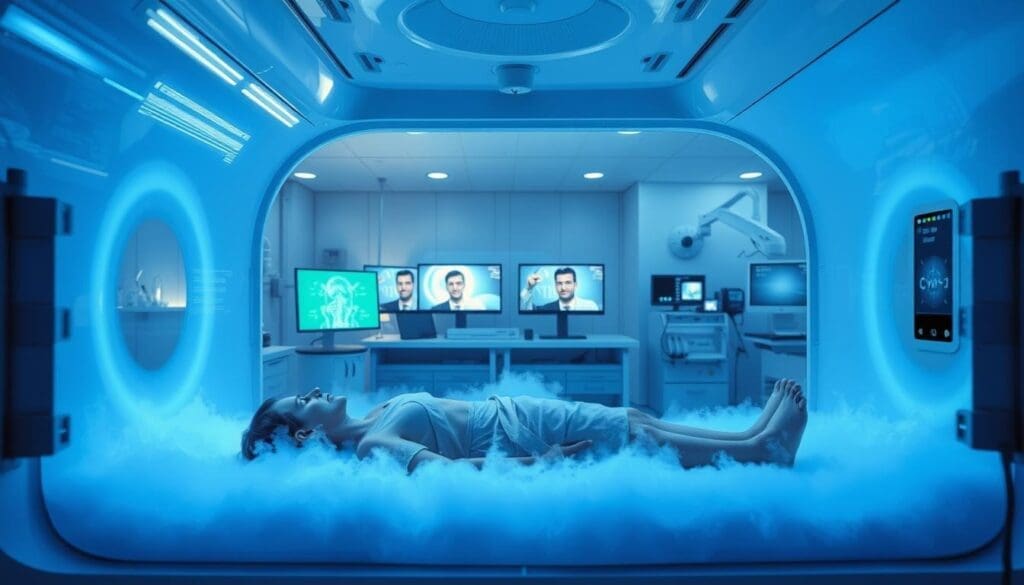
At Liv Hospital, we aim to offer top-notch healthcare. We also provide full support and guidance to international patients. Cryosurgery, or cryogenic surgery, is a new way to treat cancer. It uses extreme cold to kill cancer cells. Discover what cryotherapy and cancer treatment involves, its benefits, and potential side effects for patients.
In cryosurgery, thin metal probes are inserted into the cancer area. They use cold from liquid nitrogen or argon gas to freeze and kill the cells. This method is changing how we treat cancer.
Key Takeaways
- Cryosurgery is a minimally invasive treatment for various types of cancer.
- It uses extreme cold to freeze and destroy malignant cells.
- Thin metal probes are placed into the area where the cancer is located.
- Liv Hospital provides full support and guidance to international patients.
- Cryosurgery is an innovative approach to cancer care and treatment.
The Fundamentals of Cryosurgery in Oncology
Cryosurgery, also known as cryotherapy or cryoablation, is a key treatment in oncology. It uses extreme cold to kill cancer cells. This method is getting more attention for being less invasive than traditional surgery.
Definition and Core Principles
Cryosurgery uses very low temperatures to kill cancer cells and tissues. The main idea is to freeze the area quickly. This causes damage through ice crystals and dehydration.
The process uses cryoprobes, guided by images, to reach the tumor. These probes send cold agents like liquid nitrogen or argon gas. This ensures the cancer is destroyed while keeping healthy tissue safe.
Key Principles of Cryosurgery:
- Precise targeting of cancerous tissues
- Minimally invasive procedure
- Preservation of surrounding healthy tissue
- Rapid recovery times
Historical Evolution of Cryosurgical Techniques
Cryosurgery started in the 19th century with cold treatments. But, it became a cancer treatment in the mid-20th century.
Improvements in imaging and cryoprobe design have advanced cryosurgery. Now, it uses real-time images for better accuracy and results.
| Era | Advancements in Cryosurgery |
| 19th Century | Initial use of cold temperatures for medical treatments |
| Mid-20th Century | Development of cryosurgery as a cancer treatment |
| Late 20th Century to Present | Advancements in imaging technologies and cryoprobe design |
Cryosurgery is growing in oncology, giving hope to cancer patients. Knowing its basics helps us see its value in fighting cancer.
How Cryotherapy and Cancer Treatment Intersect
Cryotherapy is a new hope for cancer patients. It uses very low temperatures to kill cancer cells. This method is used in many ways to treat cancer.
Mechanism of Action: Cellular Destruction Through Freezing
Cryotherapy works by freezing cancer cells. It uses liquid nitrogen or compressed argon gas to do this. The freezing causes ice crystals in the cells, damaging them and leading to death.
The applicator used in cryotherapy contains a type of very cold gas. This gas is key for freezing the tissue. When the tissue thaws, the cancer cells die, shrinking or disappearing the tumor. This cycle is vital for destroying cells.
The Critical Role of Freeze-Thaw Cycles
Freeze-thaw cycles are key to cryotherapy’s success. They increase damage to cancer cells with each cycle. This makes it a strong treatment for some cancers.
Cryotherapy shows how far medical tech has come. It freezes cancer cells, killing them. This is a good option for patients who can’t have traditional surgery.
As we keep exploring cryotherapy, it’s clear it’s a big part of fighting cancer. It offers new ways to treat cancer and helps patients more.
Cancer Types Effectively Treated with Cryosurgery
Cryosurgery is a promising treatment for many cancers. We’ll look at the cancers it can treat well.
Dermatological Cancers
Cryosurgery works well for some skin cancers like basal cell and squamous cell carcinoma. These cancers are easy to reach and can be targeted precisely. Freezing the cancer cells kills them.
The benefits of cryosurgery for these cancers include:
- Minimal scarring
- Reduced risk of infection
- Less damage to surrounding tissue
Early-Stage Prostate Cancer
Cryosurgery treats early-stage prostate cancer by freezing the prostate gland. It’s for those who can’t have surgery or radiation.
It has many benefits, such as:
- Preservation of urinary function
- Reduced risk of complications
- Potential for repeat treatment if necessary
Primary and Metastatic Liver Tumors
Cryosurgery treats primary and metastatic liver tumors. A cryoprobe is inserted into the tumor under imaging, freezing the cells.
Its benefits include:
- Minimally invasive approach
- Reduced risk of damage to surrounding liver tissue
- Potential for combination with other treatments
Bone Lesions and Emerging Applications
Cryosurgery treats bone lesions and metastatic bone disease. It’s also being explored for cancers like kidney and lung cancer.
Cryosurgery is a valuable option for many cancers. As technology improves, it will likely be used more in cancer treatment.
Patient Selection and Preparation for Cryosurgery
Cryosurgery works best when the right patients are chosen and well-prepared. It’s important to pick the right people and get them ready for this new cancer treatment.
Ideal Candidates: Who Benefits Most
Not every patient is right for cryosurgery. Ideal candidates have cancer that’s just starting and can be reached easily with cryoprobes. Those who can’t have surgery, chemo, or radiation might also benefit.
We look at each patient carefully. We consider the cancer type, stage, overall health, and past treatments. This helps us decide if cryosurgery is the best choice.
Pre-procedure Evaluation and Planning
After finding the right patient, we do lots of tests to plan the procedure. Imaging tests are key. They show us the tumor’s size, where it is, and how it affects nearby tissues.
These tests include ultrasound, CT, or MRI. They help us place cryoprobes correctly. This ensures the freezing targets the tumor well.
We also check the patient’s health and possible risks during planning. This detailed approach helps us customize the treatment. It makes the treatment more effective and safer for each patient.
By choosing the right patients and preparing them well, we can improve treatment results. Our aim is to offer a safe and effective treatment. It gives hope to those fighting cancer.
The Cryosurgical Procedure Step by Step
We will guide you through the cryosurgical procedure. It’s a treatment that uses extreme cold to destroy cancer cells. This method is precise and planned carefully to ensure it works well and is safe for the patient.
Anesthesia and Initial Setup
The first step is giving anesthesia to reduce discomfort. The type of anesthesia depends on the tumor’s location and size, and the patient’s health. We watch the patient’s vital signs closely to keep them comfortable and safe.
After the anesthesia takes effect, we set up the equipment. This includes the cryoprobes, thin metal probes filled with a gas that freezes tissue. We also prepare the imaging technology to guide the probes accurately.
Cryoprobe Application and Monitoring
With the patient ready, we insert the cryoprobes into the tumor. Imaging technologies like ultrasound or MRI help us target the cancer without harming healthy tissue. We then freeze the area using liquid nitrogen or argon gas.
We watch the freezing process closely. This ensures the cancerous tissue is being destroyed. We use real-time imaging and temperature monitoring to confirm this.
Completion and Immediate Post-procedure Care
Once the freezing is done, we remove the cryoprobes and check the area. The patient is then taken to a recovery area for monitoring. Here, we watch for any immediate side effects or complications.
Aftercare includes managing any pain or discomfort. We also watch for signs of complications. We give instructions on what to do after the procedure and schedule follow-up appointments to check on the patient’s recovery and treatment success.
Technology Behind Modern Cryosurgery
Modern cryosurgery has made big strides, thanks to new tech. We use special agents and high-tech imaging to treat cancer safely and precisely.
Cryogenic Agents: Liquid Nitrogen and Argon Gas
Cryosurgery uses cold agents to kill cancer cells. The main agents are liquid nitrogen and argon gas. These are in cryoprobes, placed in tumors.
Liquid nitrogen is popular for its low temperatures. Argon gas is also used, where its benefits are needed.
Advanced Imaging for Precise Targeting
Advanced imaging is key to cryosurgery’s success. We use ultrasound, MRI, or CT scans for real-time guidance. This helps us place cryoprobes exactly and watch the freezing.
| Imaging Modality | Advantages | Applications in Cryosurgery |
| Ultrasound | Real-time imaging, non-invasive | Guiding cryoprobes, monitoring freeze-thaw cycles |
| MRI | High-resolution images, excellent soft tissue contrast | Precise targeting, monitoring treatment effects |
| CT Scan | Detailed cross-sectional images, useful for complex anatomy | Guiding cryoprobes, assessing treatment response |
By mixing cryogenic agents with advanced imaging, we treat tumors well. We also protect healthy tissue around them.
Advantages of Choosing Cryosurgery for Cancer Treatment
Cryosurgery is a minimally invasive method for treating cancer. It’s known for targeting and destroying cancer cells with less harm to healthy tissue. This makes it a good choice for those looking for effective treatment with fewer side effects.
Minimally Invasive Approach with Reduced Hospitalization
Cryosurgery uses thin probes inserted through the skin to reach tumors. Imaging like ultrasound guides them. This method avoids big cuts, reducing tissue damage and patient discomfort.
This approach offers many benefits. Patients often spend less time in the hospital, feel less pain, and recover faster. It also leads to fewer complications than traditional surgery, making it a good option for some cancers.
| Benefits | Cryosurgery | Traditional Surgery |
| Hospital Stay | Often outpatient or short stay | Typically requires longer hospitalization |
| Recovery Time | Generally quicker recovery | Can take several weeks to recover |
| Pain and Discomfort | Less post-operative pain | More significant post-operative pain |
Preservation of Surrounding Healthy Tissue
Cryosurgery is precise in targeting cancer cells while saving healthy tissue. Advanced imaging helps guide the probes to the tumor. This precision is key.
Keeping healthy tissue intact is vital for organ function and quality of life. This is critical when cancer is near important structures or in sensitive areas.
Applicability in Medically Compromised Patients
Cryosurgery is suitable for patients who can’t have traditional surgery. It’s less risky for those with health issues or are older. This makes it a good option for them.
Cryosurgery offers a less invasive yet effective treatment. It opens up more options for patients with limited choices due to their health or other factors.
Managing Risks and Side Effects
Cryosurgery, like any medical procedure, comes with risks and side effects. We know that facing cancer treatment can be scary. Knowing about possible problems can help ease some worries.
Common Post-procedure Complications
Patients might face various complications after cryosurgery. Some can be serious. Here are a few common ones:
- Bleeding or hemorrhage at the site of the cryoprobe insertion
- Infection, which can be managed with antibiotics but may require hospitalization in severe cases
- Blood clots, which can be dangerous if they travel to vital organs
- Damage to surrounding tissues or organs, depending on the location of the tumor
- Post-ablation syndrome, characterized by fever, nausea, and general malaise, typically resolving within a few days
It’s vital for patients to follow post-procedure instructions carefully to minimize the risk of these complications. Our medical team is dedicated to providing thorough care and support during recovery.
Long-term Considerations and Follow-up Care
While cryosurgery is generally safe, there are long-term things to consider. These include:
- Recurrence of the cancer, which necessitates regular follow-up appointments
- Changes in organ function, depending on the location and size of the treated tumor
- Potential long-term side effects, such as numbness or pain at the site of the procedure
Follow-up care is a critical component of cryosurgery treatment, allowing us to monitor for any signs of recurrence or complications and address them promptly. We work closely with patients to develop a personalized follow-up plan tailored to their specific needs.
By understanding the possible risks and side effects of cryosurgery and taking proactive steps to manage them, patients can make informed decisions about their care. Our team is committed to providing the highest level of support and guidance throughout the treatment process.
Comparing Cryosurgery with Conventional Cancer Treatments
When it comes to cancer treatment, cryosurgery is a topic of interest. It’s a method that offers benefits and has its own set of challenges. Let’s dive into how it stacks up against traditional treatments.
Efficacy Across Different Cancer Types
Cryosurgery, or cryoablation, works differently for various cancers. For some, like early-stage prostate cancer and certain skin cancers, it’s very effective. It can even outperform traditional treatments in these cases.
For early-stage prostate cancer, cryosurgery is a good choice. It controls cancer well and has fewer side effects. It also works well for some skin cancers, leaving little to no scar.
- Prostate Cancer: Cryosurgery is a good option for localized prostate cancer. It’s less invasive than surgery or radiation.
- Dermatological Cancers: It’s a simple and effective treatment for some skin cancers, with minimal scarring.
- Liver Tumors: Cryosurgery can treat liver tumors, even when surgery isn’t possible.
Quality of Life Outcomes and Recovery Timelines
Cryosurgery is known for its benefits in quality of life and recovery. It’s a minimally invasive procedure. This means less damage and trauma compared to traditional surgery.
Patients usually recover faster and face fewer complications. This is a big plus, making it a good choice for those who can’t handle more invasive treatments.
| Treatment Type | Recovery Time | Complications |
| Cryosurgery | Typically shorter | Fewer complications |
| Conventional Surgery | Often longer | More possible complications |
As cryosurgery improves, it’s becoming a more viable option for cancer treatment. It offers patients more choices and better results. Understanding its benefits and limitations helps both patients and doctors make better decisions.
Conclusion: Emerging Trends and the Future of Cryosurgery
Cryosurgery is on the rise in oncology, showing great promise. It’s being used more to treat different cancers. New research and tech are making it even more effective.
Now, we’re seeing treatments that are more precise and less invasive. Cryosurgery is leading the way. It uses advanced imaging and cool agents like liquid nitrogen and argon gas. This makes it even better at fighting cancer.
The outlook for cryosurgery in cancer treatment is bright. It could be used in even more ways soon. As doctors keep improving it, cryosurgery will become a key part of cancer care. It’s a safe and effective way to treat cancer without harming too much of the body.
FAQ
What is cryosurgery?
Cryosurgery, also known as cryotherapy or cryogenic surgery, is a treatment for cancer. It uses extreme cold to kill cancer cells.
How does cryosurgery work?
It works by freezing cancer cells with extreme cold. This causes them to die. The freezing and thawing cycles help destroy the cells.
What types of cancer can be treated with cryosurgery?
It can treat many cancers. This includes skin cancers, early prostate cancer, liver tumors, and bone lesions.
What are the advantages of cryosurgery?
Its benefits include being minimally invasive. It also reduces hospital time and saves healthy tissue. It’s good for patients with health issues.
What are the risks and side effects of cryosurgery?
Risks include common side effects and long-term issues. But, these can be managed with proper care.
How is cryosurgery performed?
It’s done by applying cryoprobes to the tumor. Advanced imaging guides the process. The freeze-thaw cycles ensure the cells are destroyed.
What is the role of imaging tests in cryosurgery?
Imaging tests are key for planning and guiding the procedure. They help target the tumor accurately.
Can cryosurgery be used in combination with other cancer treatments?
Yes, it can be used with other treatments. Its success varies depending on the cancer type.
What is the recovery time after cryosurgery?
Recovery is usually quick. Most patients have little downtime compared to traditional surgery.
Is cryosurgery available at Liv Hospital?
Yes, Liv Hospital offers cryosurgery. We provide top-notch care and support for international patients.
Reference
- National Cancer Institute. (2005). Cryosurgery to treat cancer.
https://www.cancer.gov/about-cancer/treatment/types/surgery/cryosurgery