Getting a CT scan with barium sulfate contrast is key to diagnosing digestive issues. At Liv Hospital, we know you might worry about adverse reactions. We aim to give you all the info you need to get ready and know what’s coming.Learn ct barium side effects, common reactions, and how to manage symptoms after CT scan using barium contrast.
CT scans use barium sulfate to show the digestive tract better. It’s usually safe, but some might feel stomach cramps, diarrhea, nausea, vomiting, or constipation after. Knowing the risks and benefits of barium CT scans helps make your diagnostic journey smoother.
Key Takeaways
- Understand the role of barium sulfate in CT scans
- Learn about common and rare adverse reactions
- Discover how to prepare for a barium CT scan
- Find out what to expect during and after the procedure
- Explore Liv Hospital’s patient-centered expertise for a smooth diagnostic journey
Understanding Barium Contrast in CT Imaging
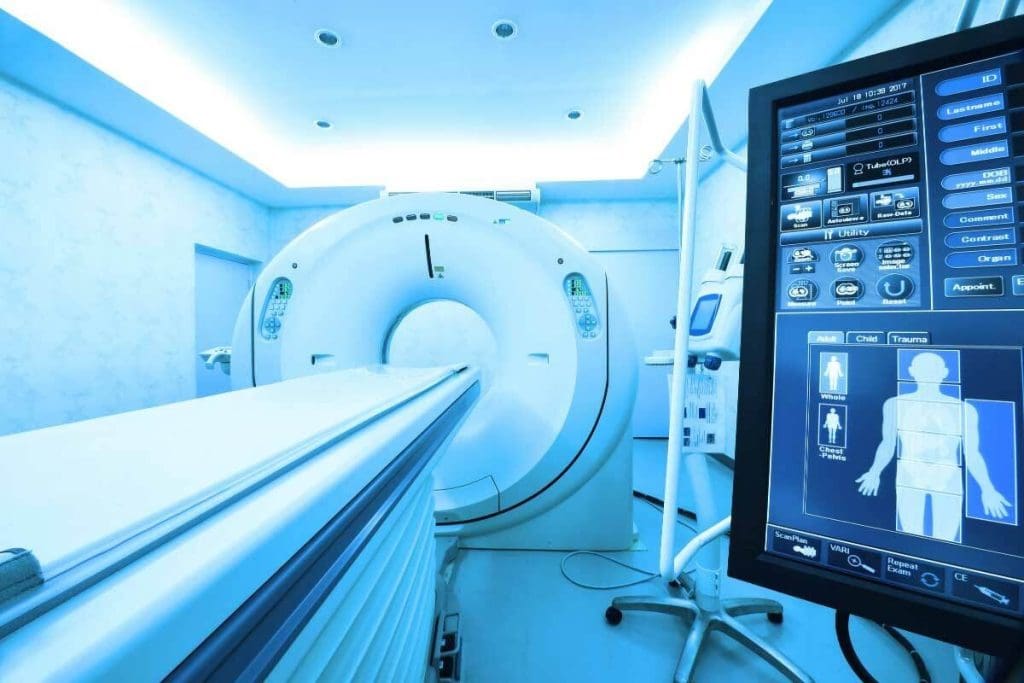
CT scans often use barium sulfate contrast to show the digestive tract’s details. This agent is key for doctors to see the digestive system clearly.
What is Barium Sulfate Contrast?
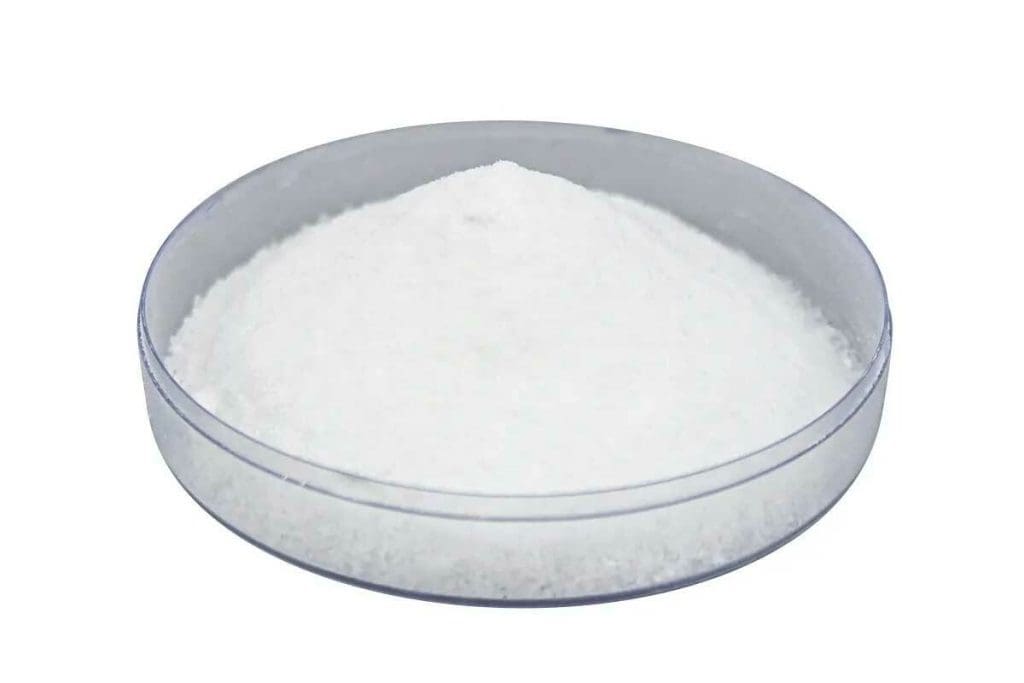
Barium sulfate is a white powder mixed with water for medical imaging. It coats the digestive tract when swallowed, making it visible on a CT scan. Medical News Today says it’s safe because it’s not absorbed by the body.
How Barium Enhances Digestive Tract Visualization
The barium sulfate suspension blocks X-rays, making the digestive tract stand out. This makes CT scan images clearer, helping doctors diagnose digestive issues better. It’s great for seeing the esophagus, stomach, and intestines.
Different Forms of Barium Preparations
Barium sulfate is available in liquids, pastes, and granules. The type used depends on the diagnostic needs and the area of the digestive tract. For example, a liquid might be used for some scans, while a paste is better for others.
- Enhanced visualization of the digestive tract
- Improved diagnostic accuracy for various gastrointestinal conditions
- Safety due to its inert nature and lack of absorption by the body
Knowing how barium sulfate works in CT scans helps patients prepare better. It shows the importance of this agent in their medical care.
Key Fact #1: The Purpose and Benefits of Barium CT Scans

Barium CT scans have changed how we see the digestive tract. They give us clear images of the inside of the body. This helps doctors find and treat many health problems.
Diagnostic Advantages of Barium-Enhanced Imaging
Barium sulfate makes the digestive tract show up better on CT scans. It coats the inside of organs, making them easy to see. This helps doctors spot problems and make accurate diagnoses.
- Improved detection of structural abnormalities
- Enhanced visualization of tumors and lesions
- Better assessment of inflammatory conditions
- More accurate diagnosis of gastrointestinal disorders
A study in the Journal of Clinical Gastroenterology found that arium sulfate helps find small bowel tumors better.
Conditions That Typically Require Barium Contrast
Barium CT scans are great for diagnosing digestive tract issues. They’re used for:
| Condition | Description | Diagnostic Benefit |
| Gastroesophageal Reflux Disease (GERD) | A chronic condition where stomach acid flows back into the esophagus | Barium CT scans help assess the severity of GERD and its complications |
| Esophageal Cancer | A malignant tumor of the esophagus | Barium-enhanced CT scans aid in staging and assessing tumor extent |
| Small Bowel Obstruction | A blockage of the small intestine | Barium CT scans help identify the location and cause of obstruction |
Comparison to Other Imaging Techniques
Barium CT scans have many benefits over other methods. They give a full view of the digestive tract, unlike endoscopy. They’re also less invasive and more comfortable for patients than a colonoscopy.
A Famous medical expert, a gastroenterologist, says, “Barium CT scans are a key tool for us. They offer great detail and comfort for patients.”
“The use of barium sulfate in CT scans represents a significant advancement in our ability to diagnose and manage gastrointestinal disorders.”
In summary, barium CT scans are very helpful in diagnosing and treating digestive issues. Their ability to show detailed images and diagnose many conditions makes them a valuable tool in medicine.
Key Fact #2: Common CT Barium Side Effects You Should Anticipate
Barium CT scans are usually safe, but they can cause some side effects. We want to help you know what to expect. This way, you can be better prepared for your scan.
Temporary Gastrointestinal Discomfort
One common side effect is temporary discomfort in your stomach. You might feel bloated or like your stomach is full. Drinking plenty of water can help with these feelings.
Stomach Cramps and Abdominal Pain
Some people might get stomach cramps or pain after the scan. These symptoms are usually mild and don’t last long. They can go away in a few hours or days. For more info on managing these,
Normal Duration of Expected Side Effects
How long side effects last can vary. But most go away in 24 to 48 hours. Here’s a table showing common side effects and how long they usually last:
| Side Effect | Typical Duration |
| Gastrointestinal Discomfort | 24-48 hours |
| Stomach Cramps | A few hours to 24 hours |
| Abdominal Pain | 24-48 hours |
Knowing about these side effects and how long they last can help you prepare. Always follow your doctor’s instructions after the scan. And don’t hesitate to reach out if you have any worries.
Key Fact #3: Does Barium Sulfate Cause Diarrhea?
Patients often worry about diarrhea when they have a CT scan with barium sulfate. This worry is normal, as everyone wants to feel comfortable during the test. We’ll look into whether barium sulfate can cause diarrhea and how to handle any bowel changes after the test.
Mechanisms Behind Barium-Induced Diarrhea
Barium sulfate might irritate the bowel lining, causing changes in bowel habits. This could lead to diarrhea in some people. The chance of getting diarrhea depends on how much barium sulfate is used, how sensitive you are, and any health issues you might have.
Constipation: The More Common Outcome
Constipation is more common than diarrhea after a barium CT scan. The barium sulfate can make the intestines solid, causing constipation. This usually goes away once the body gets rid of the barium.
Managing Bowel Changes Post-Procedure
To handle bowel changes after a barium CT scan, stay hydrated and eat well. Drinking water helps get rid of the barium, reducing constipation. Eating foods high in fiber can also help with regular bowel movements. Sometimes, a mild laxative is suggested to help clear the barium.
Key Fact #4: Nausea and Vomiting After Barium Contrast
Some people may feel nauseous or vomit after a barium CT scan. These symptoms are not common but can worry those who experience them. We will look at why these side effects happen and how to handle them.
Risk Factors That Increase the Likelihood of Nausea
There are a few reasons why nausea might happen after a barium CT scan. These include:
- A history of motion sickness or gastrointestinal issues
- Anxiety or stress related to the procedure
- The volume and taste of the barium sulfate contrast
Knowing these risk factors can help you get ready for your scan. It’s also good to talk about any worries with your healthcare provider.
When Symptoms Typically Appear and Resolve
Nausea and vomiting can start a few hours after the scan. They usually go away within 24 hours. But how long it takes can depend on how much barium was used and your health.
| Symptom Onset | Typical Duration |
| Within a few hours post-procedure | Resolves within 24 hours |
Effective Relief Strategies for Digestive Discomfort
If you’re feeling nauseous or vomiting after a barium CT scan, there are ways to feel better. Drinking plenty of water, resting, and taking over-the-counter anti-nausea meds can help. Just make sure to follow what your healthcare provider says.
Hydration Tips:
- Drink clear fluids like water or electrolyte-rich beverages
- Avoid heavy meals for a few hours post-procedure
- Gradually return to a normal diet as symptoms improve
Key Fact #5: Rare but Serious Adverse Reactions to Watch For
Though rare, serious side effects from barium sulfate can happen. It’s key to know what to look out for. We work hard to make sure patients are ready for their CT scans. But knowing about these reactions is vital for safety.
Signs of Allergic Responses to Barium Sulfate
Some people might have an allergic reaction to barium sulfate. This can show in different ways. Common signs include:
- Hives or itchy skin
- Swelling of the face, lips, or tongue
- Difficulty breathing
If you notice any of these, get medical help right away.
Respiratory Complications and Throat Tightness
Barium sulfate can sometimes cause breathing problems, like throat tightness. This is a big worry for those with breathing issues. If you have trouble breathing or feel your throat is tight after a scan, get emergency care.
Emergency Situations Requiring Immediate Care
Severe reactions are rare but serious. Knowing the signs for quick medical help is important. These include:
- Severe abdominal pain
- Vomiting blood or feeling very sick
- Signs of an allergic reaction, as mentioned before
We stress that while these reactions are rare, knowing about them is key to your safety during and after the scan.
Key Fact #6: High-Risk Groups for Barium CT Complications
Barium CT scans are usually safe. But certain groups face higher risks. Knowing these groups helps us keep barium sulfate safe for everyone.
Cystic Fibrosis Patients and Special Considerations
People with cystic fibrosis are at higher risk with barium CT scans. Their thick secretions can mix with barium, causing problems like bowel blockage. We must prepare these patients carefully and watch them closely during and after the scan.
Dangers for Patients with Bowel Obstruction
Those with bowel obstruction are also at risk. Barium can make the blockage worse, leading to severe constipation or even a hole in the bowel. We must check for bowel obstruction before using barium. If there’s a big risk, we might choose a different imaging method.
Risks Associated with Severe Dehydration
Severe dehydration also raises risks with barium CT scans. It can make barium too concentrated, causing blockages. Keeping patients hydrated before, during, and after the scan helps avoid these problems. Drinking enough water is a simple way to lower these risks.
To summarize the risks for these high-risk groups, we’ve put together a table:
| High-Risk Group | Potential Complications | Precautions |
| Cystic Fibrosis Patients | Bowel obstruction, impaction | Thorough bowel preparation, close monitoring |
| Patients with Bowel Obstruction | Exacerbation of obstruction, bowel perforation | Careful evaluation, consider alternative imaging |
| Severely Dehydrated Patients | Bowel obstruction, impaction | Adequate hydration before, during, and after the procedure |
By knowing these high-risk groups and taking the right steps, we can lower the risks of barium CT scans. This ensures a safe and effective test for all patients.
Key Fact #7: Safety Profile of Modern Barium CT Procedures
Modern barium CT scans are safer thanks to new medical technology. We’ve made big steps to make sure these scans are safe and work well for patients.
Statistical Safety of Barium Contrast Procedures
Research shows barium CT scans are very safe. The chance of bad side effects is low. This makes barium sulfate a good choice for scans.
Here are some important safety facts about barium CT scans:
- Less than 1% serious complication rate
- Most common side effects are mild and temporary
- Severe allergic reactions are extremely rare
Recent Research on Adverse Events
New studies aim to find and lower the risks of barium CT scans. A study in a top radiology journal found that 0.4% of patients had bad side effects. Most were mild and went away on their own.
Experts keep looking for ways to make scans even safer. They’re working on new barium sulfate formulas and better ways to check who might have problems.
Quality Control in Contrast Agent Production
It’s key to make sure barium sulfate is of high quality. This keeps barium CT scans safe. Manufacturers follow strict rules, including:
- Rigorous testing of raw materials
- Advanced production techniques to ensure consistency
- Regular audits and compliance with regulatory standards
We stress the need for top-notch barium contrast agents. This helps avoid bad side effects and gets the best results from scans.
Preparing for Your Barium CT Scan Experience
Getting ready for a barium CT scan is important. It makes the process easier and more comfortable. Knowing what to expect and how to prepare helps a lot.
Pre-Scan Dietary Guidelines and Restrictions
Before your scan, you need to follow certain diet rules. Usually, you’ll be told not to eat or drink for a few hours before. Your doctor will give you all the details. But, you might need to:
- Fast for 4-8 hours before the procedure
- Avoid certain foods or medications that could interfere with the scan
- Follow a specific diet the day before the scan, which might include a low-fiber diet
It’s very important to stick to these rules. This helps your body get ready for the barium contrast.
Hydration Recommendations Before and After
Drinking water is key before and after your scan. Drinking lots of water helps get rid of the barium contrast faster. Before the scan, drink water as usual unless your doctor tells you not to. After the scan, make sure to:
| Hydration Tips | Benefits |
| Drink at least 8-10 glasses of water | Helps flush out barium contrast |
| Avoid caffeinated beverages immediately after the scan | Reduces possible dehydration |
| Consider increasing fluid intake if you’re physically active | Enhances barium elimination |
One patient said, “Drinking lots of water after my barium CT scan made me feel better and helped me recover faster.”
“Proper hydration is key to minimizing possible side effects and ensuring a smooth recovery after a barium CT scan.”
What to Bring to Your Appointment
To make your scan experience smooth, bring a few things:
- Your identification and insurance information
- A list of any medications you’re currently taking
- Any relevant medical records or previous imaging results
- Comfortable clothing without metal fasteners
- A friend or family member for support, if needed
By following these tips and being prepared, you can make your barium CT scan a success. Always listen to your healthcare provider’s specific instructions. They might have extra needs based on your situation.
The Barium Administration Process Explained
Learning about the barium administration process can ease worries about CT scans. We’ll explain how barium contrast is given for a CT scan. This includes the barium drink’s characteristics and when the scan happens.
Taste, Texture, and Temperature of Barium Drinks
The barium sulfate drink for CT scans tastes and feels different. It’s often chilled to make it easier to drink. But it might taste metallic or chalky, which can be uncomfortable.
It’s best to drink the barium quickly. This way, it’s more bearable than sipping it slowly.
Timing Between Contrast Administration and Scanning
After drinking the barium sulfate for cat scan, you’ll wait before the CT scan starts. This wait is important. It lets the barium cover the digestive tract well, making it easier to see during the scan.
The wait time can change based on the scan’s needs and your health.
Duration of the Complete Procedure
The whole process, from drinking the barium to finishing the CT scan, takes 30 minutes to an hour. But it can take longer if the scan is complex or if drinking the barium is hard.
In summary, knowing about the barium administration process can make the barium CT scan less scary. By understanding the taste, texture, and timing, patients can handle this diagnosis better.
Managing and Minimizing CT Barium Side Effects
To reduce discomfort after a CT barium scan, several strategies can help. We know the experience can be unsettling. Our goal is to give you practical advice to ease any side effects.
Post-Scan Hydration Strategies
Drinking plenty of water is key after a barium CT scan. Drinking lots of water helps get rid of barium sulfate. This reduces the chance of constipation and other stomach problems. We suggest drinking at least 8-10 glasses of water in the 24 hours after your scan.
You can also try clear broths or electrolyte-rich drinks to replace lost salts and fluids. But it’s wise to avoid caffeinated or carbonated drinks as they can upset your stomach.
Dietary Recommendations for Faster Recovery
Your diet is important for recovering from a barium CT scan. Increasing your fiber intake helps move barium through your system. Foods high in fiber include fruits, vegetables, and whole grains.
- Fresh fruits like bananas and apples
- Leafy green vegetables such as spinach
- Whole-grain cereals and bread
Avoiding heavy, fatty, or spicy foods for a day or two can also ease discomfort.
Over-the-Counter Remedies for Discomfort
For any lingering discomfort, over-the-counter laxatives or stool softeners can help with constipation caused by barium. But always check with your healthcare provider before taking any medication.
| Remedy | Purpose |
| Laxatives | Stimulate bowel movement |
| Stool Softeners | Increase the weight in the tool |
By following these tips, you can manage and lessen the side effects of CT barium scans. If symptoms persist or worsen, it’s important to reach out to your healthcare provider for advice.
Conclusion: Balancing Benefits and Side Effects of Barium CT Scans
Barium CT scans are very useful for diagnosing health issues. But it’s important to know about the possible CT barium side effects. Understanding the benefits and risks helps patients make better choices about their health.
To avoid bad reactions to barium sulfate CT scan, follow your doctor’s advice. This includes how to prepare and what to do after the scan. This way, you can have a safe and successful barium for a CT scan experience.
Even though barium CT scans are mostly safe, knowing the risks is key. This knowledge lets patients and doctors work together. Together, they can get the best results for everyone.
FAQ
What is barium sulfate contrast used for in CT scans?
Barium sulfate contrast helps see the digestive tract better in CT scans. It helps doctors make accurate diagnoses of stomach and bowel problems.
Does barium sulfate cause diarrhea?
Barium sulfate might change how you go to the bathroom. But it’s more likely to make you constipated than give you diarrhea. Everyone reacts differently.
What are the common side effects of barium CT scans?
You might feel some stomach discomfort, cramps, or pain after a scan. These symptoms are usually mild and go away quickly.
How can I manage bowel changes after a barium CT scan?
Drink plenty of water and eat well to manage bowel changes. If needed, try over-the-counter remedies. Always talk to your doctor for advice.
What are the signs of an allergic reaction to barium sulfate?
Look out for trouble breathing, tia ght throat, and severe rash. If you see these signs, get help right away.
Are there any high-risk groups for barium CT complications?
Yes, people with cystic fibrosis, bowel blockages, and severe dehydration are at higher risk. They need extra care and attention.
How can I prepare for a barium CT scan?
Follow your doctor’s diet advice and stay hydrated. Bring what you need for your visit. Your doctor will give you all the details.
What can I expect during the barium administration process?
You’ll drink a barium solution, then wait for the scan. The whole process is usually quick.
How can I minimize CT barium side effects?
Drink lots of water after the scan and follow your diet. If needed, try over-the-counter remedies. Always ask your doctor for advice.
Is barium contrast safe?
Barium contrast is safe today, thanks to quality checks. But, like any test, it has risks and benefits to consider.
Can I undergo a barium CT scan if I have a bowel obstruction?
People with bowel obstructions are at high risk. Your doctor will decide if it’s safe for you.
How long do the side effects of barium CT scans typically last?
Side effects vary, but most are short-lived. If you’re worried, talk to your doctor.
References
- MedlinePlus. (2016, July 14). Barium Sulfate: MedlinePlus Drug Information. U.S. National Library of Medicine. https://medlineplus.gov/druginfo/meds/a606010.html