

Choosing the right contrast agent is key in medical imaging. At Liv Hospital, we focus on using top-notch iodine-based contrast agents for CT scans. These agents help make tissues and organs more visible, leading to better diagnoses.
We use seven main iodine-based contrast agents: iohexol, iopromide, iodixanol, iopamidol, iomeprol, ioversol, and iobitridol. Given through an IV, these iodinated contrast agents improve how well we can see tissues and organs.
Key Takeaways
- Iodine-based contrast agents are vital for better CT scan diagnoses.
- Seven common agents are used: iohexol, iopromide, iodixanol, iopamidol, iomeprol, ioversol, and iobitridol.
- These agents are given intravenously to enhance tissue visibility.
- Liv Hospital prioritizes high-quality contrast agents for the best patient care.
- The right contrast agent greatly affects diagnosis and patient safety.
The Role of Contrast Media in CT Imaging
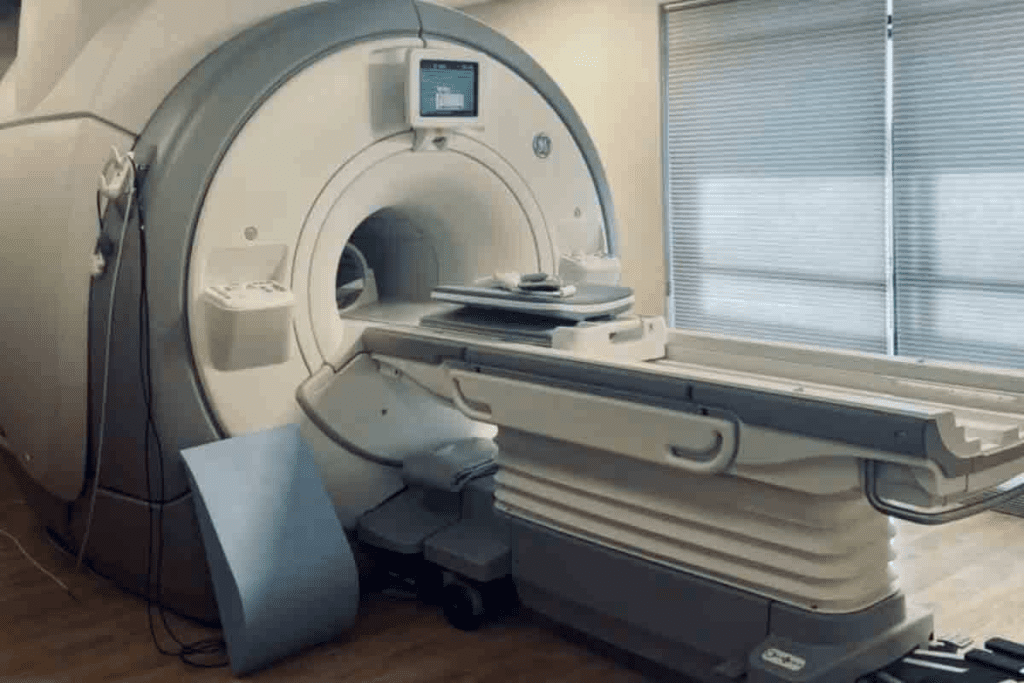
Contrast agents in CT scans make soft tissues and blood vessels more visible. This helps doctors make more accurate diagnoses. The agents contain iodine, which is key to showing differences in the body in medical images. Common ct contrast names include iohexol, iopamidol, iodixanol, and iopromide, which are iodine-based compounds widely used for enhancing CT imaging. Research shows that contrast media are essential for CT imaging.
How Contrast Enhances Diagnostic Accuracy
Contrast media make it easier to see differences between tissues and structures. “The use of contrast agents is vital in CT imaging,” medical literature says. It helps a lot in finding and understanding tumors in cancer patients.
Contrast media work by absorbing X-rays, making them visible against softer tissues. This is key for CT angiography, which shows blood vessels.
Types of CT Examinations Requiring Contrast
Many CT scans need contrast media, including:
- CT angiography to see blood vessels and diagnose vascular issues.
- Abdominal CT scans to check on organs like the liver, pancreas, and kidneys.
- Pelvic CT scans are used to look at reproductive organs and find problems.
These scans get better results with iodine-based contrast agents. This leads to more accurate diagnoses and better treatment plans.
Understanding CT Contrast Name Classifications and Terminology

CT contrast agents have different names, including generic and brand names, concentrations, and formulations. It’s key for healthcare pros to know these to give and read CT scans correctly.
Generic vs. Brand Names in Contrast Media
CT contrast agents have both generic and brand names. Generic names show the chemical makeup, like iohexol or iopamidol. Brand names are what manufacturers call them, and they can differ a lot. For example, iohexol is known as Omnipaque.
It’s important to know both names to avoid mix-ups in medical work.
Some generic contrast agents have many brand names, which can get confusing. For example, iohexol is also called Omnipaque, and iopamidol is known as Isovue. Knowing both helps in making better choices.
Concentration and Formulation Designations
Concentration and formulation are key in picking the right contrast agent for a CT scan. Concentrations are shown in milligrams of iodine per milliliter (mgI/mL). Different ones are made for different CT scans, like head, body, or vascular studies.
For example, a higher iodinated contrast concentration might be needed for vascular studies to get better images. Knowing this helps pick the best contrast for the job.
Regulatory Naming Conventions
Agencies like the FDA set rules for naming CT contrast agents. These rules make sure names are the same everywhere, which helps avoid mistakes in medical work.
We must follow these rules to keep patients safe and ensure clear communication among healthcare workers. Using the same names for contrast agents makes records accurate and easy to understand.
The Science Behind Iodine-Based Contrast Agents
Iodine-based contrast agents work by making CT images clearer. Iodine is great at absorbing X-rays because of its high atomic number. This makes it perfect for use in CT scans.
Atomic Properties of Iodine for Imaging
Iodine’s atomic properties make it a top choice for contrast agents. Its high atomic number (Z=53) and electron density help it block X-rays well. When used in the body, iodine shows up in places like blood vessels and tumors, making them stand out in CT scans.
Mechanism of Action in Body Tissues
Iodine-based contrast agents work by spreading through the body’s tissues. They move through the blood and build up in different tissues. How much they build up depends on blood flow, tissue perfusion, and the contrast agent’s design.
Understanding how these agents work is key. The more iodine in an area, the clearer the image. This is vital for diagnostic imaging, where clear images help doctors make better decisions.
Pharmacokinetics and Distribution
The way iodine-based contrast agents move through the body is called pharmacokinetics. They are given through an IV and quickly spread through the blood and tissues. They are not broken down by the body and are mainly removed through the kidneys.
Knowing how these agents move through the body is important. It helps doctors figure out the best time and amount to use. This ensures the best possible images for diagnosis.
| Property | Description | Impact on Imaging |
| Atomic Number | High atomic number (Z=53) | Effective x-ray attenuation |
| Distribution | Extracellular or specific tissue targeting | Variable accumulation in tissues |
| Excretion | Primarily renal excretion | Influences contrast duration and safety |
Ionic vs. Non-Ionic Iodinated Contrast: Key Differences
In CT imaging, choosing between ionic and non-ionic iodinated contrast agents is key. It affects how well we can diagnose and how safe we keep patients. Knowing these differences helps us improve care.
Historical Development and Evolution
Ionic iodinated contrast agents were the first used in medical imaging. But they caused more side effects. Non-ionic agents came later and were safer and better tolerated.
Now, we mostly use non-ionic agents because they are less likely to cause problems. This change is thanks to new chemical formulas and understanding how these agents work in the body.
Chemical Structure Comparison
The main difference is in their chemical makeup. Ionic agents break down into charged particles, while non-ionic ones stay uncharged. This affects how they interact with the body and their concentration.
Non-ionic agents, like iohexol and iopamidol, are safer because they are less concentrated. Their structure makes them more tolerable and safer for patients.
Safety Profile and Patient Tolerance
Non-ionic iodinated contrast agents are safer than ionic ones. They cause fewer side effects, making them the top choice for CT scans.
- Lower risk of adverse reactions: Non-ionic agents are less likely to cause allergic reactions and other side effects.
- Better patient tolerance: Their lower concentration makes patients more comfortable during and after the scan.
- Improved safety for high-risk patients: Patients with health issues or at risk for kidney problems benefit from non-ionic agents.
We suggest using non-ionic iodinated contrast agents for most CT scans. They offer better safety and patient comfort.
Iohexol: Properties and Clinical Applications
Iohexol is a common contrast agent used in CT scans. It is known for being safe and effective. As a contrast iodine agent, iohexol helps improve the quality of CT images.
Chemical Composition and Characteristics
Iohexol’s chemical makeup is designed for the best contrast iodine in imaging. Its non-ionic nature lowers the chance of bad reactions. This makes it a top choice for CT scans.
- Non-ionic iodinated contrast agent
- Low osmolality
- High diagnostic efficacy
Brand Names and Market Availability
Iohexol is sold under names like Omnipaque. It comes in various concentrations, making it flexible for different CT scans.
- Available in multiple concentrations (e.g., 240, 300, 350 mg I/mL)
- Marketed by different pharmaceutical companies
- Widely used in hospitals and diagnostic centers
Optimal Clinical Uses and Protocols
Iohexol is used in CT scan iodine contrast for many medical needs. This includes:
- Head and neck imaging
- Thoracic and abdominal scans
- Peripheral angiography
Knowing about iohexol’s properties and uses helps doctors choose the right CT imaging. This improves patient care and diagnostic results.
Iopromide: Features and Usage in Modern CT Imaging
Iopromide is a key non-ionic iodinated contrast agent in CT imaging today. It’s used in many CT scans because it enhances contrast well and is safe. As an iodine-based contrast media, it helps see body structures clearly.
Molecular Structure and Physical Properties
Iopromide’s molecular design boosts its iodinated contrast abilities while cutting down on bad reactions. Its non-ionic form makes it less likely to cause problems compared to ionic contrasts. The physical traits of iopromide, like its viscosity and osmolality, affect how it’s injected and how comfortable it makes patients.
Commercial Formulations and Concentrations
Iopromide comes in different forms and strengths for various CT scan needs. The usual strengths are 300 I/mL and 370 mg I/mL. We pick the right one based on the scan’s purpose and the patient’s health.
Evidence-Based Clinical Applications
Research backs up iopromide’s use in CT scans. It’s shown to improve contrast in many scans, like:
- Head and neck imaging
- Thoracic and abdominal scans
- Peripheral angiography
Iopromide is a trusted CT contrast name for CT scans. We keep up with the latest research to use iopromide wisely in our work.
Iodixanol: The Iso-Osmolar Advantage
Iodixanol is a big step forward in CT contrast media because it’s iso-osmolar. It’s made from iodine and is designed to lower the risk of bad reactions during CT scans.
Unique Osmolality Properties
Iodixanol is special because it’s iso-osmolar. This means it has the same osmolality as human blood. This could help reduce bad reactions. Its molecular structure makes it a better choice for CT scans with iodinated contrast.
- Iso-osmolar properties reduce the risk of certain adverse reactions
- Molecular structure designed to mimic human blood osmolality
- More comfortable for patients undergoing CT scans with iodinated contrast
Patient Selection Criteria
Choosing the right patients for iodixanol is key. Those who have had bad reactions to contrast, have kidney problems, or have certain health issues might do better with iodixanol. It’s safer for them.
- Patients with a history of adverse reactions to contrast media
- Individuals with renal impairment
- Patients with certain medical conditions that may be exacerbated by non-iso-osmolar contrast agents
- Patients undergoing CT scans require high doses of contrast media
Clinical Outcomes and Research Findings
Many studies have looked into how iodixanol works in CT scans. They found it might cause fewer bad reactions and make patients more comfortable.
| Study | Findings |
| Study A | Reduced incidence of adverse reactions compared to non-iso-osmolar contrast agents |
| Study B | Improved patient comfort during CT scans |
| Study C | Comparable diagnostic efficacy to other iodinated contrast agents |
These studies show iodixanol is a safe and effective contrast dye for CT scans. It’s best for patients who need its iso-osmolar benefits.
Iopamidol, Iomeprol, and Ioversol: Comparative Analysis
Iopamidol, iomeprol, and ioversol are key in CT contrast media. They are used to make CT scans clearer. Knowing their differences helps doctors choose the right one.
Chemical and Physical Property Comparison
These contrast agents are non-ionic but vary in structure and properties. Their osmolality and viscosity impact how they are given and how patients react.
- Iopamidol: It has low osmolality, making it versatile for many CT scans.
- Iomeprol: Its high concentration is best for angiographic studies.
- Ioversol: It has low viscosity, allowing for quicker injections.
Clinical Performance Differences
The performance of these agents depends on their properties. Their ability to improve image quality and safety is key.
| Contrast Agent | Image Quality Enhancement | Safety Profile |
| Iopamidol | High | Generally well-tolerated |
| Iomeprol | Excellent for high-concentration needs | Low risk of adverse reactions |
| Ioversol | Good for rapid injections | Favorable safety profile |
Cost-Effectiveness Considerations
The cost-effectiveness of these agents depends on their price, usefulness, and the cost of managing side effects.
Iopamidol and iomeprol might cost the same, but ioversol could be worth it in some cases, even if it’s pricier.
Iobitridol: Characteristics and Specialized Applications
Iobitridol is a non-ionic iodinated contrast medium. It is known for being safe and effective in many CT exams. Its special molecular structure helps it work well in different clinical situations.
Molecular Design and Pharmacology
Iobitridol’s design focuses on its non-ionic structure. This makes it less likely to cause bad reactions and improves how well patients can handle it. The pharmacological profile of iobitridol lets it spread and get removed quickly, mainly through the kidneys.
The low osmolality of iobitridol also makes it more comfortable and safe to use. It causes less pain and discomfort at the injection site than high-osmolality contrast media.
Global Availability and Formulations
Iobitridol comes in various forms and strengths to fit different medical needs. It’s available worldwide, making it a flexible choice for doctors everywhere. Different concentrations help tailor doses for better image quality and safety.
- Available in multiple concentrations for various CT protocols
- Formulations designed to meet specific clinical requirements
- Global distribution ensuring accessibility for diverse patient populations
Niche Clinical Applications
Iobitridol is great for certain special uses in CT imaging. Its low osmolality and non-ionic structure are good for patients with special needs or sensitivities.
In real-world use, doctors often pick iobitridol for patients needing a safe contrast agent. Its pharmacokinetic properties help it work well in many diagnostic tests, improving CT scan quality.
IV Iodinated Contrast Administration: Protocols and Best Practices
Administering IV iodinated contrast needs careful thought to keep patients safe and get the best images. We’ll cover the key steps and best ways to do it.
Pre-Examination Patient Assessment
Before giving IV iodinated contrast, a detailed patient check is key. Look at their medical history, any past reactions to contrast, and their kidney function and hydration. Those with allergies or kidney issues might need extra care or a different contrast. For more on contrast safety.
Injection Techniques and Equipment
The way you inject IV iodinated contrast affects the CT scan’s quality. Use a high-pressure injector to get the contrast at the right speed. Adjust the rate and amount based on the exam and patient. Keeping the equipment in good shape and checking its quality is also vital to avoid problems and get clear images.
Post-Administration Monitoring
After giving IV iodinated contrast, watch for any bad reactions, like allergies or kidney issues. Be ready to act fast if something goes wrong. Drinking water to help flush out the contrast is part of the care. By sticking to these steps, we can lower risks and get the most from IV iodinated contrast.
Conclusion: Current Trends and Future Developments in CT Contrast Media
The world of CT contrast media is changing fast. New tech and a better understanding of patient needs are driving these changes. We’ve seen how iodine-based contrast agents like iohexol, iopromide, and iodixanol are key in CT scans. Each has its own strengths and uses.
Now, we’re moving towards safer and better contrast agents. Iodinated contrast agents are at the heart of CT imaging, giving doctors vital information. New CT contrast name formulas will likely shape the future of radiology.
New tech and iodine contrast CT agents are being explored. They aim to improve image quality and cut down on side effects. As things progress, we’ll see more focus on what patients need. And we’ll see advanced iodinated contrast media for different medical needs.
FAQ
What are the most common iodine-based contrast agents used in CT scans?
The most common iodine-based contrast agents in CT scans are iohexol, iopromide, and iodixanol. Others include iopamidol, iomeprol, ioversol, and iobitridol. These agents help make structures more visible, improving diagnosis accuracy.
What is the role of contrast media in CT imaging?
Contrast media enhance CT imaging by making structures more visible. This helps us make more accurate diagnoses. They highlight tissue differences, making it easier to spot abnormalities.
What is the difference between ionic and non-ionic iodinated contrast agents?
Ionic and non-ionic iodinated contrast agents differ in safety and structure. Non-ionic agents are safer and better tolerated by patients, reducing adverse reactions.
What are the benefits of using iohexol as a contrast agent?
Iohexol is versatile and suitable for many CT procedures. Its optimal uses and protocols make it effective for various diagnostic needs.
How is iopromide used in modern CT imaging?
Iopromide is widely used for its high diagnostic accuracy. Its proven clinical applications show its effectiveness in CT procedures.
What is the advantage of using iodixanol as a contrast agent?
Iodixanol is iso-osmolar, making it safe for certain patients. Its unique properties make it a good choice for specific clinical needs.
How do iopamidol, iomeprol, and ioversol compare as contrast agents?
Iopamidol, iomeprol, and ioversol are effective but differ in properties. We consider their performance and cost when choosing procedures.
What are the specialized applications of iobitridol?
Iobitridol is designed for niche applications due to its unique molecular design. Its availability and formulations expand its uses.
What are the best practices for administering IV iodinated contrast?
We follow strict protocols for IV iodinated contrast administration. This includes patient assessment, proper injection, and monitoring after administration.
What is the significance of regulatory naming conventions for CT contrast agents?
Naming conventions ensure safe and effective use of CT contrast agents. They help avoid confusion and ensure understanding of agent properties.
What are the current trends and future developments in CT contrast media?
The field of CT contrast media is evolving with new technologies and agents. We stay updated to provide the best care for our patients.
References
- Parillo, M., et al. (2023). The role of iodinated contrast media in computed tomography imaging. Contrast Media & Molecular Imaging. https://www.ncbi.nlm.nih.gov/pmc/articles/PMC10644138/