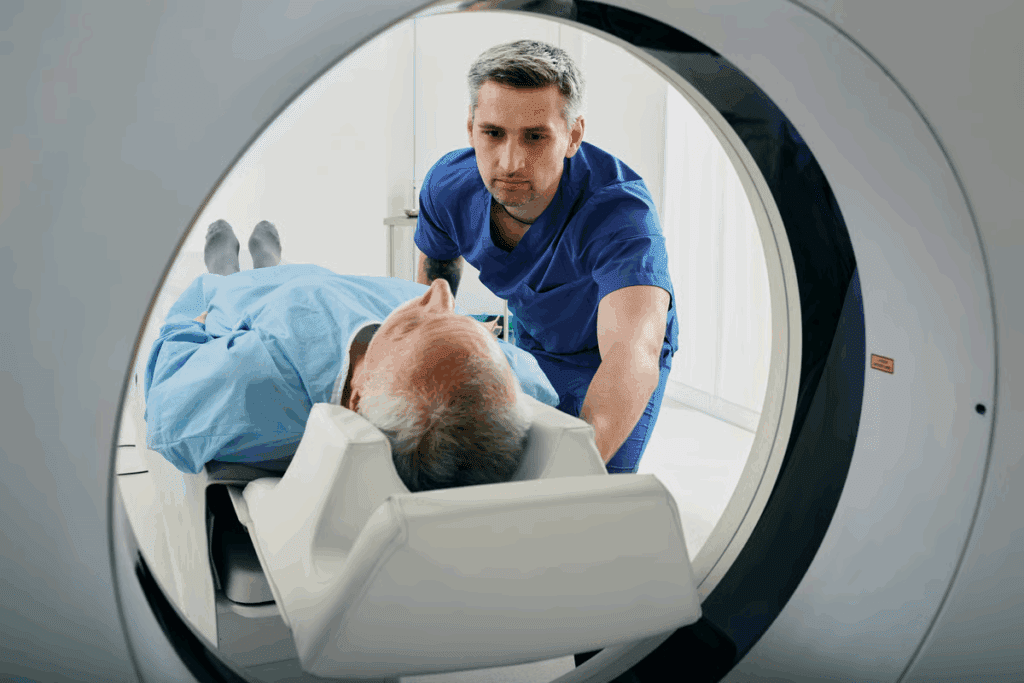
At Liv Hospital, we help doctors diagnose and treat with top international standards. We use CT guided biopsy to do this. This method uses a CT scan to guide a needle into the area we need to check. It helps us get tissue samples. Discover ct guidance essentials, learn step-by-step biopsy techniques, and understand how ct guidance improves biopsy accuracy.
We use real-time visualization for accurate targeting during biopsies. This approach gives us over 90% accurate results and quick recovery times. Our team combines medical skill with care and understanding. We focus on trust and well-being in our CT scans and biopsy work.
Key Takeaways
- CT guided biopsy provides precise targeting during biopsy procedures.
- Real-time visualization ensures high diagnostic yield.
- Faster recovery is associated with CT guided biopsy.
- Liv Hospital provides world-class expertise in guided CT scans and biopsy procedures.
- International standards of safety, comfort, and accuracy are maintained.
The Fundamentals of CT Guidance in Modern Biopsy Procedures
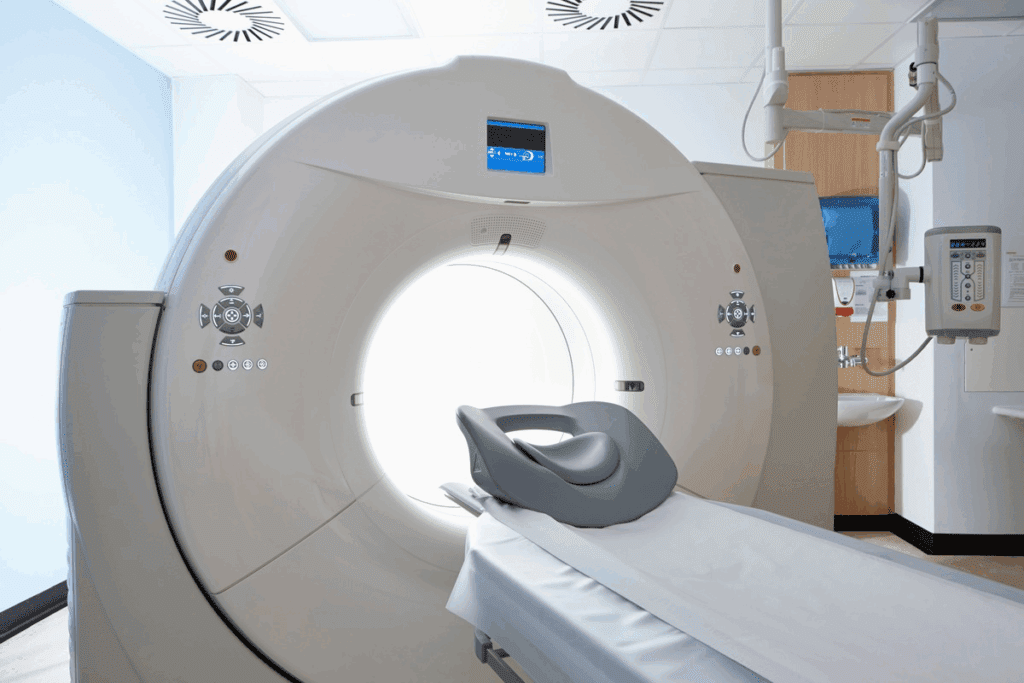
Advanced imaging, like CT guidance, has changed interventional radiology a lot. CT guidance is now key in biopsies, making them more precise and safe.
The Evolution of CT Guidance in Interventional Radiology
CT guidance in interventional radiology has grown a lot. At first, CT scans were just for looking at images. But now, they’re vital in many procedures, like biopsies.
A top expert said, “CT guidance has changed how we do complex procedures. It gives us real-time images and makes patients safer.” This shows how important CT guidance is today.
How CT Guidance Achieves Precision Targeting
CT guidance is great at showing detailed images of inside the body. This helps doctors find and reach the right spot without causing harm.
- Real-time images help place needles exactly.
- Advanced software helps plan the best path.
- Doctors can make changes during the procedure.
Real-Time Visualization Capabilities and Benefits
CT guidance is also good because it shows what’s happening in real-time. This lets doctors watch and adjust the biopsy as it happens.
The main benefits are:
- It makes it easier to hit the right spot.
- It lowers the chance of problems.
- It leads to better results for patients.
Using CT guided needle biopsy helps doctors get accurate results while keeping patients safe.
Clinical Applications and Patient Selection for CT Guided Biopsies
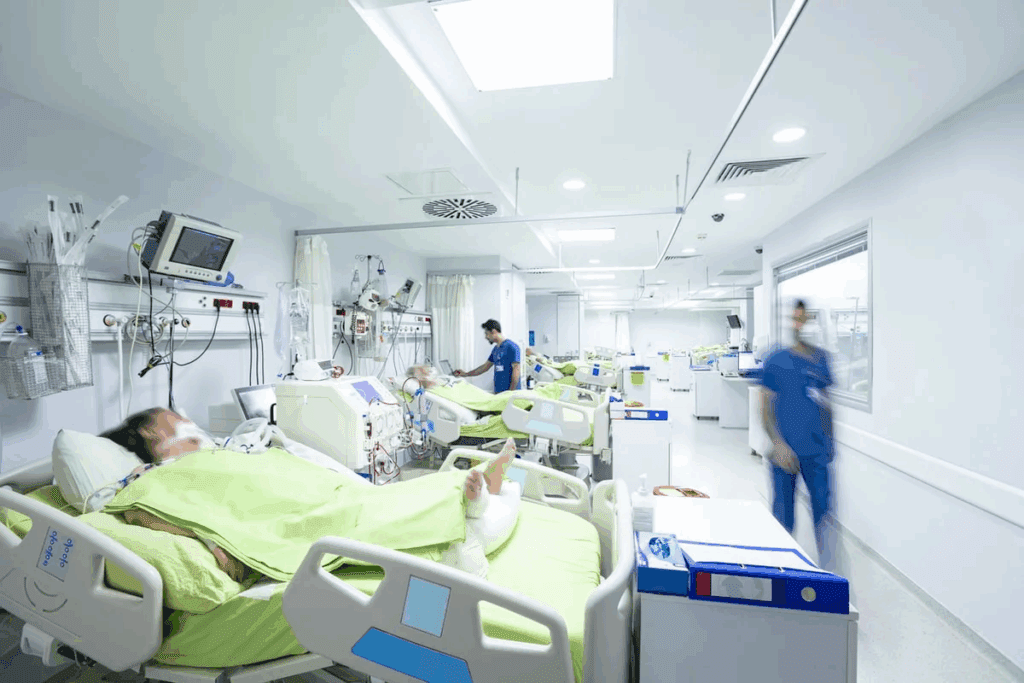
CT-guided biopsy procedures are now more common. They are known for their accuracy and are less invasive. We use them to check for lung lesions, bone and muscle problems, and abdominal masses.
Lung Lesion Biopsy Indications and Approaches
CT-guided biopsy is key for lung lesions that are hard to reach. CT guidance allows for precise targeting, making it safer. We look at the size, location, and history of each patient to choose the best method.
Bone and Musculoskeletal Biopsy Applications
CT-guided biopsy is also great for bone and muscle issues. It lets us get tissue from hard-to-reach spots. This helps us plan the right treatment.
Abdominal Mass Sampling Techniques
For abdominal masses, CT-guided biopsy is a safe way to get tissue samples. We use different methods based on where the mass is and the patient’s body. This ensures we get the sample we need.
Contraindications and Risk Assessment
Even though CT-guided biopsy is mostly safe, there are risks and things we can’t do. We check each patient’s health, like if they have bleeding problems or lung disease. This helps us lower the risks.
| Clinical Application | Indications | Benefits |
| Lung Lesion Biopsy | Suspicious lung nodules or masses | Precise targeting, reduced risk of complications |
| Bone and Musculoskeletal Biopsy | Suspicious bone or soft tissue lesions | Accurate diagnosis, aids in treatment planning |
| Abdominal Mass Sampling | Suspicious abdominal masses | Safe and effective tissue sampling |
Pre-Procedure Planning and Patient Preparation
A CT-guided biopsy’s success depends on careful planning and patient prep. Good planning ensures the patient and medical team are ready for the procedure.
Required Laboratory Tests and Imaging Review
Several tests are done before a CT-guided biopsy to check the patient’s health. These tests include:
- Complete Blood Count (CBC): To check blood cell counts and look for any issues.
- Coagulation Studies: To see if the blood can clot properly and avoid bleeding.
- Blood Chemistry Tests: To check how well the kidneys and liver are working.
Reviewing the patient’s past imaging studies is also key. This helps us:
- Find the best spot for the biopsy.
- Plan the safest and most effective way to do it.
- Get ready for any challenges during the procedure.
Patient Education and Informed Consent Process
Teaching patients about the procedure is very important. We make sure they know:
- What the CT-guided biopsy is and why it’s needed.
- The possible risks and benefits.
- Other ways to diagnose problems.
- What to expect during and after the procedure.
The informed consent process is a detailed talk with the patient. We answer any questions or concerns they have. This helps patients make informed decisions about their care.
Medication Management and Sedation Considerations
Managing medications is a big part of pre-procedure planning. We look at the patient’s current meds to see if any need to be changed or stopped before the procedure. We pay special attention to:
- Anticoagulant medications: These might need to be stopped to avoid bleeding.
- Sedatives and anxiolytics: We decide if sedation is needed and talk about options with the patient.
Thinking about sedation is also important for the patient’s comfort during the procedure. We look at the patient’s anxiety and medical history to choose the best sedation plan.
Equipment and Materials Essential for CT Guided Biopsy
The success of a CT-guided biopsy depends on the right tools and materials. We use specialized equipment to make sure the procedure is precise and safe.
CT Scanner Specifications and Optimal Settings
A top-notch CT scanner is key for a successful biopsy. We need a scanner with advanced imaging and quick scan times. The best settings vary based on the procedure and patient needs, like the lesion’s location and size.
Key CT scanner specifications include:
- High-resolution imaging capabilities
- Rapid acquisition times
- Advanced image reconstruction algorithms
Biopsy Needle Selection and Sampling Devices
Choosing the right biopsy needle is vital for getting accurate samples. We pick needles based on the lesion type, location, and patient anatomy. There are different types of needles, like fine-needle aspiration and core biopsy needles.
The selection criteria for biopsy needles include:
- Needle gauge and length
- Needle tip design (e.g., beveled, pencil-point)
- Sampling device compatibility
Sterile Field Setup and Safety Equipment
Keeping the area clean is essential to avoid infections during CT-guided biopsies. We follow strict protocols for setting up a sterile field and using safety gear, like gloves, gowns, and masks.
Safety equipment used includes:
- Sterile gloves and gowns
- Masks and eye protection
- Sterile drapes and equipment covers
By using advanced CT scanning, the right biopsy needles, and a clean environment, we ensure safety and accurate diagnoses in CT-guided biopsies.
Step-by-Step CT Scan Biopsy Procedure Technique
We will walk you through the CT scan biopsy procedure step by step. This ensures clarity and precision. The process includes several key stages, from patient positioning to needle insertion. Each stage is vital for getting accurate diagnostic results.
Patient Positioning and Initial Scanning Protocol
The first step is to position the patient correctly. We make sure the patient is comfortable and aligned with the CT scanner. This makes it easier to access the target lesion. The initial scan helps us locate the lesion and plan the best approach.
Key considerations for patient positioning include:
- Ensuring patient comfort to minimize movement
- Aligning the patient to allow easy access to the target area
- Using immobilization devices if necessary
Target Lesion Localization and Approach Planning
After positioning, we focus on localizing the target lesion. We use the CT scanner to pinpoint the lesion’s exact location and depth. Then, we plan the safest and most direct route to it.
The goal is to achieve precise targeting while minimizing the risk of complications. Our team uses advanced imaging software to simulate the biopsy trajectory. This helps us determine the best needle entry point.
Needle Insertion Technique with Real-Time Visualization
With the plan in place, we move to the needle insertion stage. We use real-time CT guidance to insert the biopsy needle. This allows us to monitor its progress and make adjustments as needed.
The following table summarizes the key steps and considerations during the needle insertion technique:
| Step | Description | Considerations |
| 1. Needle Selection | Choosing the appropriate biopsy needle based on the lesion’s characteristics | Needle size, type, and length |
| 2. Initial Insertion | Inserting the needle under CT guidance | Angle, depth, and trajectory |
| 3. Real-Time Adjustment | Adjusting the needle based on real-time CT images | Monitoring needle tip position |
| 4. Sampling | Obtaining tissue samples from the lesion | Ensuring adequate sample size and quality |
By following this step-by-step CT scan biopsy procedure technique, we ensure a safe and effective diagnostic process. This provides accurate results that guide further treatment.
Achieving Over 90% Diagnostic Accuracy with CT Guidance
CT guided biopsies are a precise tool for diagnosis, leading to better patient care. They allow for accurate targeting of lesions. This reduces the chance of errors in sampling.
Tissue Sampling Optimization Strategies
To get accurate results, we focus on optimizing tissue sampling. We use several methods to make sure the samples are good for diagnosis.
- Using CT guidance to precisely target the lesion
- Employing appropriate needle sizes and types for the specific tissue
- Obtaining multiple samples to account for possible differences in the lesion
A study in the Journal of Radiology found that CT guidance boosts biopsy accuracy. This is true for small or hard-to-reach lesions.
“CT-guided biopsy is a safe and effective method for diagnosing various conditions, with high accuracy rates.”
Specimen Handling and Preservation Protocols
Handling and preserving specimens right is key for accurate tests. We follow strict rules to keep specimens safe from the start.
| Protocol | Description |
| Immediate Fixation | Specimens are fixed in formalin right away to keep cells intact |
| Labeling and Documentation | Specimens are labeled and documented well to track them |
| Transport to Laboratory | Specimens are sent to the lab quickly and safely |
Quality Assessment of Obtained Samples
Checking the quality of samples is vital for good diagnosis. We look at size, cell representation, and key features.
By improving tissue sampling, handling, and quality checks, we hit over 90% accuracy with CT guidance. This helps in making better treatment plans and improves patient care.
Post-Procedure Care and Patient Monitoring
We focus on patient care after CT-guided biopsies to get the best results. Good post-procedure care helps patients recover smoothly. It includes several important steps.
Immediate Post-Biopsy Observation Protocol
Right after the biopsy, patients go to a recovery area for watchful eyes. Our medical team checks for any quick problems, like bleeding or reactions to the contrast agent. They keep an eye on blood pressure, heart rate, and oxygen levels.
“Watching patients closely after the procedure is key to spotting and fixing any issues early,” says our team.
Discharge Instructions and Recovery Timeline
Before leaving, patients get clear instructions for home care. They learn about wound care, staying active, and warning signs to look out for. We tell them what to expect during recovery.
We also give them our support team’s contact info for any questions or worries. It’s important for patients to know how to take care of themselves after the procedure.
Follow-up Care and Results Communication
Follow-up care is a big part of the biopsy process. We set up follow-up visits to check on recovery and talk about biopsy results. Our team makes sure patients get their results quickly and understand what they mean.
Good communication during this time helps lower patient stress. It also makes sure they get the right care next steps. As we always say, “Clear communication and caring for others are at the core of what we do.”
By focusing on post-procedure care and watching patients closely, we aim for the best results for our patients after CT-guided biopsies.
Managing Complications in CT Guided Biopsies
CT-guided biopsies are usually safe but can have complications. It’s key to know the risks and take steps to avoid them.
Common Complications and Their Management
Common issues include bleeding, infection, and pneumothorax. Bleeding might need transfusions or other treatments. Infection is stopped with antibiotics, but if it happens, more treatment is needed. Pneumothorax, more common in lung biopsies, might need a chest tube.
| Complication | Management Strategy |
| Bleeding | Conservative measures, transfusion, or intervention |
| Infection | Prophylactic antibiotics, antimicrobial therapy |
| Pneumothorax | Chest tube placement |
Emergency Protocols for Severe Adverse Events
For severe issues during a CT-guided biopsy, having emergency plans is vital. These should include quick team alerts, emergency system activation, and readiness for CPR.
Minimizing Risks Through Proper Technique
To lower risks, use the right technique, check patients well, and plan carefully. Making sure the needle is in the right spot and sampling is precise can cut down on complications.
Knowing the possible problems and having plans to deal with them makes CT-guided biopsies safer and more effective.
Conclusion: Advancing Patient Care Through Minimally Invasive Diagnostic Techniques
CT guidance is a cutting-edge imaging method. It helps doctors target areas during biopsies with great precision. This technique has become a key part of modern medicine, thanks to its high accuracy and fewer complications.
Using CT guidance, we can pinpoint lesions more accurately. This lowers the chance of mistakes and boosts patient results. It has changed the game in interventional radiology, making our care better for patients.
The advantages of CT-guided biopsy are many. It improves how well we can diagnose, cuts down on complications, and makes patients more comfortable. As we keep pushing the boundaries of medical care, CT guidance will stay a vital part of our work.
In short, CT-guided biopsy is a vital tool in today’s medicine. It offers a safe way to get tissue samples. We will keep using it to improve patient care and results.
FAQ
What is a CT-guided biopsy?
A CT-guided biopsy is a procedure that uses CT scans to guide a needle into the body. It collects tissue or fluid samples for tests.
How does CT guidance improve biopsy accuracy?
CT guidance shows internal structures in real-time. This allows for precise targeting of the area of interest. It greatly improves the accuracy of the biopsy.
What are the benefits of CT-guided biopsy compared to other biopsy methods?
CT-guided biopsy has many benefits. It has a high success rate, quick recovery, and fewer complications. This makes it a top choice for many patients.
What types of lesions can be biopsied using CT guidance?
CT-guided biopsy can sample various lesions. This includes lung, bone, and abdominal masses.
Are there any contraindications for CT-guided biopsy?
Yes, some conditions may not be suitable for CT-guided biopsy. This includes severe bleeding disorders or difficulty cooperating during the procedure. Careful patient selection is key.
How is the patient prepared for a CT-guided biopsy?
Preparation involves lab tests, imaging review, and patient education. Informed consent and medication management are also important. This ensures a safe procedure.
What equipment is used for CT-guided biopsy?
The needed equipment includes a CT scanner, biopsy needles, and sampling devices. A sterile setup and safety equipment are also used to reduce risks.
How is the diagnostic accuracy of CT-guided biopsy ensured?
Accuracy is ensured through proper tissue sampling and specimen handling. Quality assessment of samples is also important.
What are the possible complications of CT-guided biopsy?
Complications can include bleeding, infection, and damage to surrounding structures. Careful planning and execution are vital to minimize these risks.
How is post-procedure care managed after a CT-guided biopsy?
Post-procedure care includes immediate observation and discharge instructions. A recovery timeline and follow-up care are also provided. This ensures timely and proper care.
What is the role of CT guidance in managing complications during biopsy?
CT guidance allows for real-time monitoring. This enables prompt detection and management of complications. Emergency protocols are in place for severe events.
How does CT-guided needle biopsy differ from other biopsy methods?
CT-guided needle biopsy uses CT scans for precise targeting. This real-time visualization sets it apart from other methods.
Can CT-guided biopsy be used for patients with certain medical conditions?
The suitability of CT-guided biopsy for patients with certain conditions depends on individual assessment. A careful evaluation of risks and benefits is necessary.
Reference
- National Center for Biotechnology Information. (2018). CT-guided procedures: an initial experience. https://www.ncbi.nlm.nih.gov/pmc/articles/PMC6296730