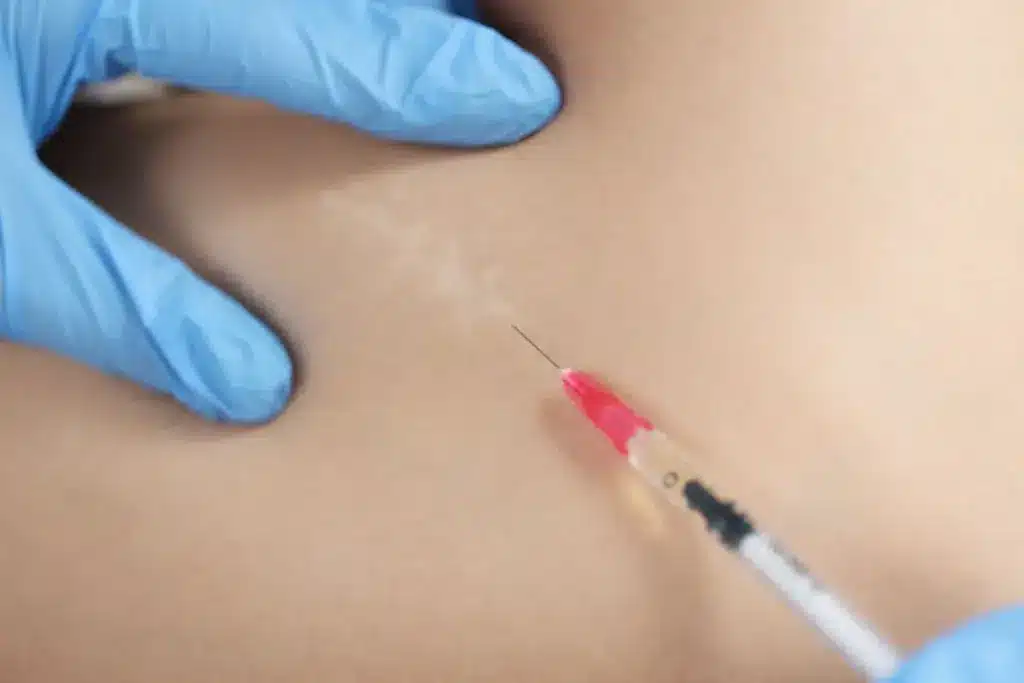
Getting a CT-guided injection is a big step in managing pain. But, it’s important to think about the risks of driving after. Studies and hospital rules say to be careful because of side effects like numbness, dizziness, and blurred vision. These can make driving unsafe.
Key Takeaways
- Driving is not recommended for at least 24 hours after a CT-guided injection due to possible side effects.
- Numbness, dizziness, and blurred vision are common risks that can affect driving safety.
- Specialized medical transportation services can provide a safe and reliable alternative.
- Patient care and safety are top priorities after medical procedures.
- Comprehensive support, including transportation, is key for patient well-being.
Understanding CT-Guided Injections

CT-guided injections are a big step forward in medical imaging. They let doctors do precise tests and treatments. This is thanks to the use of computed tomography (CT) scans and injections.
What is a CT-Guided Injection?
A CT-guided injection is a special medical procedure. It uses CT scans to guide a needle for injecting medicine into the body. This method is great for treating conditions that need the medicine to go exactly where it’s needed.
Common Types of CT-Guided Injections
There are many kinds of CT-guided injections, each with its own purpose:
- Diagnostic Injections: They help find the cause of pain or identify certain conditions.
- Therapeutic Injections: They give medicine directly to the problem area to lessen inflammation or pain.
Why CT Guidance is Used for Injections
CT scans are used for injections because they give a clear view of inside the body. This helps place the needle exactly right. This accuracy is key for the treatment to work well and to avoid problems.
|
Imaging Guidance |
Accuracy |
Real-time Imaging |
Soft Tissue Visibility |
|---|---|---|---|
|
CT Guidance |
High |
No |
Excellent |
|
Fluoroscopy |
Moderate |
Yes |
Poor |
|
Ultrasound |
High |
Yes |
Good |
Learning about CT-guided injections helps patients see the care and precision in these medical steps. It’s all about understanding the types and why CT scans are used.
The CT Injection Procedure Explained
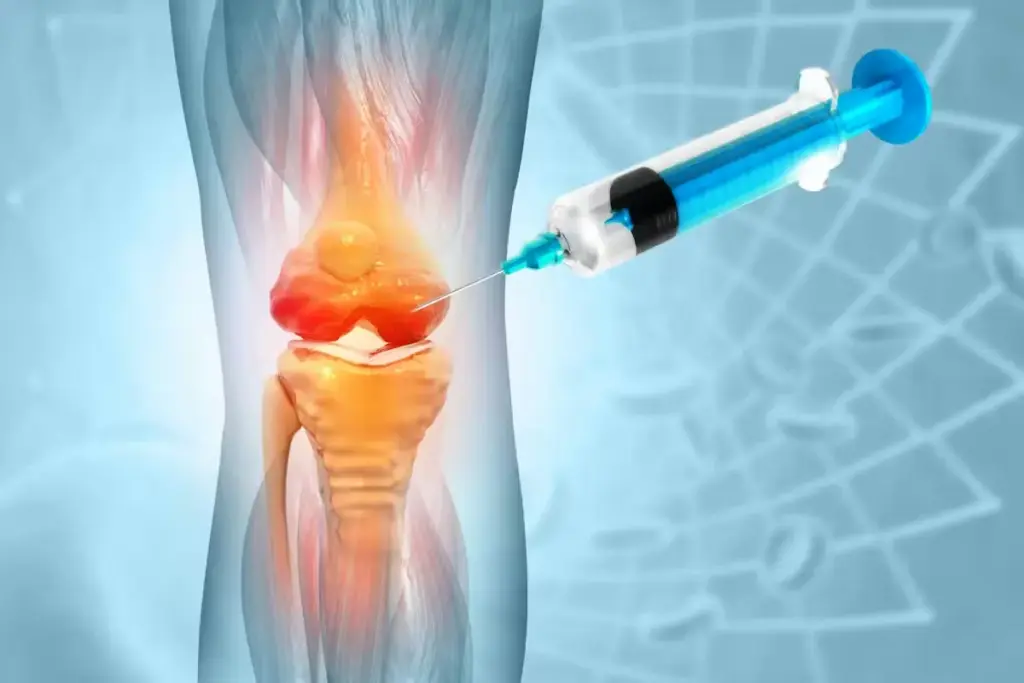
The CT injection procedure uses advanced imaging and contrast agents. It’s important to know the steps involved for a successful treatment.
Before the Procedure: Preparation Steps
Before a CT-guided injection, patients go through several steps. Preparation is key for a smooth and safe procedure. These steps include:
- Stopping certain medications that could interfere with the procedure
- Fasting for a few hours before the procedure
- Arranging for someone to drive you home after the procedure
- Signing an informed consent form after discussing the procedure with your doctor
Telling your doctor about any allergies or medical conditions is also important.
During the Procedure: What to Expect
During the procedure, you’ll lie on a table that slides into a CT scanner. Here’s what happens next:
- The area where the injection will be given is cleaned and sterilized.
- A local anesthetic may be administered to numb the area.
- Using CT guidance, the doctor inserts a needle into the targeted area.
- A contrast agent may be used to enhance the images and ensure accurate placement of the injection.
- The medication is then injected through the needle.
The whole procedure takes 15 to 60 minutes. This depends on the complexity and the number of injections.
Contrast Agents Used in CT-Guided Procedures
Contrast agents are key in CT-guided procedures. They make the targeted area more visible. Contrast agents help differentiate between body tissues and structures. In CT-guided injections, they are used to:
- Guide the needle to the correct location
- Confirm the spread of the injected medication
- Enhance the overall accuracy of the procedure
While contrast agents are safe, there’s a small risk of allergic reactions. Your doctor will talk about the risks and benefits with you.
Immediate Effects After a CT-Guided Injection
The time right after a CT-guided injection is key. Patients might feel different physical sensations and side effects. Knowing these immediate effects helps us care for our patients better.
Physical Sensations Following the Procedure
Patients may feel a range of sensations after the injection. Some might feel a slight sting or discomfort at the site. Others might notice numbness or tingling, depending on the injection type and area treated.
These feelings are usually short-lived and go away by themselves.
Common physical sensations include:
- Mild pain or discomfort
- Numbness or tingling
- Slight swelling or redness at the injection site
Common Immediate Side Effects
While CT-guided injections are safe, some patients might have immediate side effects. These can be mild to moderate and usually go away quickly. Common side effects include dizziness, headache, or nausea, but not everyone will experience them.
It’s important for patients to know about these possible side effects. They should tell their healthcare provider if they notice anything unusual.
Recovery Room Monitoring
Patients are usually watched in a recovery room after the procedure. This lets our team check for any bad reactions and make sure the patient is okay before they leave. During this time, patients are closely watched, and their vital signs are checked.
We aim to make the recovery room a safe and comfy place for our patients after their CT-guided injection.
Research on Driving Safety After CT Injections
Recent studies have shed light on the safety of driving after undergoing CT-guided injections. As medical technology advances, understanding the impact on driving ability is key.
Clinical Studies on Post-Injection Driving Ability
Several clinical studies have looked into the effects of CT-guided injections on driving. They assess factors like reaction time, cognitive function, and physical coordination. For example, a study found that patients showed no significant driving skill impairment shortly after the procedure.
But, it’s important to remember that everyone reacts differently. The type of injection, medications used, and the patient’s health can all affect driving ability after the procedure. We’ll dive into these factors more below.
Brake Response Time Research Findings
Brake response time is a key measure of driving safety. Research has shown that some patients may have a delay in brake response time after CT-guided injections. A study found that brake response times were slightly longer in patients who had just had the procedure.
The study noted that while the difference was statistically significant, it wasn’t clinically significant for most patients. This suggests caution when driving immediately after the procedure.
- Key findings from brake response time research include:
- A slight increase in brake response time post-procedure
- Variability in response times among different patient groups
- The need for personalized advice based on individual patient factors
Gaps in Current Research
While existing research offers valuable insights, there are gaps in our understanding. For example, there’s limited data on the long-term effects of repeated CT-guided injections on driving ability.
More research is needed to understand how different types of CT-guided injections affect driving safety. Addressing these gaps is essential for developing guidelines for patients and healthcare providers.
As we continue to explore driving safety after medical procedures, a nuanced approach is necessary. By considering the latest research and individual patient factors, we can offer the best guidance for those undergoing CT-guided injections.
Medical Guidelines on Driving After CT Injections
Deciding to drive after a CT-guided injection should follow medical guidelines. These rules help keep patients safe. They make sure patients don’t put themselves or others at risk.
Official Recommendations from Medical Associations
Groups like the Radiological Society of North America (RSNA) and the American College of Radiology (ACR) give advice. They say patients should not drive themselves home. This is because of possible side effects from the injection or contrast agent.
Key recommendations include:
- Having a responsible adult accompany the patient home
- Avoiding driving or operating heavy machinery for a specified period
- Following specific post-procedure instructions provided by the healthcare team
Hospital Discharge Policies
Hospitals have different rules for driving after CT-guided injections. But, most follow the big medical groups’ guidelines. They make sure patients are safe after the procedure.
|
Hospital Policy |
Description |
|---|---|
|
Accompaniment Requirement |
Patients are required to have a responsible adult with them when they leave the hospital. |
|
Post-Procedure Instructions |
Patients are given detailed instructions on post-procedure care, including when it’s safe to resume driving. |
|
Driving Restrictions |
Patients are advised on the duration for which they should avoid driving. |
Why Guidelines Recommend Waiting to Drive
Guidelines say wait to drive because of possible side effects. These can include dizziness, drowsiness, or numbness/tingling. These can make it hard to drive safely.
Factors influencing the decision to drive include:
- The type of injection and medications used
- The patient’s overall health and response to the procedure
- The presence of any side effects that could impair driving ability
By following these guidelines and hospital rules, patients can stay safe. This ensures their safety and the safety of others on the road.
Medications Used in CT Injection Procedures
It’s important to know about the medicines used in CT-guided injections. This helps us understand how they might affect our daily tasks, like driving. Different medicines are given to make sure patients are comfortable and the procedure goes well.
Local Anesthetics and Their Effects
Local anesthetics are often used to numb the area for the injection. They block nerve signals, which helps reduce pain and discomfort. But, they can make you feel numb or tingle, which might affect your ability to drive.
Steroids and Other Anti-Inflammatory Agents
Steroids and other anti-inflammatory agents help reduce swelling and inflammation. They can give patients a lot of relief during CT-guided injections. But, they usually don’t make it hard to drive because they don’t make you sleepy.
How Different Medications Affect Driving Ability
The medicines used in CT-guided injections can affect driving in different ways. Local anesthetics might make you feel numb or tingle, but steroids and anti-inflammatory agents usually don’t. It’s key to listen to your doctor’s advice about driving after the procedure. Everyone reacts differently to medicines.
Potential Side Effects That May Impair Driving
After a CT-guided injection, patients might feel some side effects. These could make it hard to drive safely. Knowing about these effects is key for staying safe.
Numbness and Tingling Sensations
Numbness and tingling are common after a CT-guided injection. They happen because the injection is close to nerves. This can disrupt nerve function temporarily.
While not usually serious, these feelings can make it hard to drive. It’s important to be careful on the road.
Drowsiness and Sedation Effects
Drowsiness is another side effect, caused by the medicines used during the procedure. Sedation can slow down reaction times and judgment. This makes driving risky.
We tell patients to wait until the sedation wears off before driving. It’s safer that way.
Dizziness and Balance Issues
Dizziness and balance problems can also happen. These issues come from the injection’s effect on the inner ear or balance structures. If you’re dizzy, don’t drive until you feel better.
Temporary Weakness and Coordination Problems
Some people might feel weak or have coordination problems after the injection. This could be because of the injection site or the medicine’s effects. Such problems can really affect your ability to drive.
They make it hard to react fast and control the vehicle. It’s important to be aware of these side effects and plan ahead.
We suggest finding other ways to get around after the procedure. Talk to your doctor about any worries you have.
Duration of Side Effects from CT Injections
The time it takes for side effects from CT injections to go away can vary a lot. Some people might feel better right away, while others might take longer to recover.
Typical Timeline for Side Effect Resolution
Most side effects from CT injections don’t last long and go away in a few days. For example, feeling numb or tingly usually goes away in 24 to 48 hours. But, feeling drowsy or dizzy might take up to 72 hours to get better.
How long side effects last can depend on how your body reacts to the injection and the medicine. Things like the type of medicine, your health, and how sensitive you are to it all play a big part.
Factors That Influence Recovery Time
Several things can affect how fast side effects go away:
- Type of Medication: Different medicines work at different speeds in the body.
- Individual Health: People with certain health issues or taking certain medicines might process drugs differently.
- Age: Older people might take longer to recover because of slower metabolism and other age-related factors.
When to Be Concerned About Prolonged Effects
While most side effects don’t last long, sometimes they can last too long. If you’re feeling side effects that don’t go away, you should talk to your doctor. They can check if the side effects are from the CT injection or if there’s something else going on.
Knowing what to expect and following your doctor’s advice can make recovery easier. Always listen to your healthcare team’s instructions to get the best results.
Rare Complications That Affect Driving Safety
CT-guided injections are usually safe, but rare complications can affect driving. Knowing these risks is key to staying safe on the road.
Serious Adverse Reactions
Life-threatening reactions to CT-guided injections are rare, happening in about 1 in 170,000 cases. These can make driving unsafe. It’s vital to know the signs to get help fast.
Recognizing Warning Signs
Spotting warning signs of serious reactions is important. Look out for:
- Severe allergic reactions, such as trouble breathing or swallowing
- Increased heart rate or palpitations
- Dizziness or fainting spells
- Severe pain or swelling at the injection site
If you see these symptoms, get medical help right away.
When to Seek Emergency Care
If you notice any warning signs after a CT-guided injection, get emergency care. Quick medical help can make a big difference in serious cases.
In an emergency, call your local emergency number or have someone take you to the nearest ER. It’s safer to be cautious with your health.
Discussing Driving Concerns With Your Healthcare Provider
Talking to your healthcare provider about driving after a CT-guided injection is key. This chat helps clear up any worries you have. It also makes sure you’re ready for the procedure and what comes after.
Questions to Ask Before Your Procedure
It’s important to ask the right questions before a CT-guided injection. Find out what medicine will be used and how it might affect your driving. Also, ask about the procedure’s length and how long you’ll need to rest.
- What medications will be used during the procedure?
- How long does the procedure typically take?
- What are the common side effects, and how long do they last?
- Are there any specific post-procedure instructions I should follow?
Getting Clear Post-Procedure Instructions
Following your healthcare provider’s post-procedure instructions is critical. These steps help avoid problems and aid in your recovery. Make sure you know what you can and can’t do, including driving.
Clear instructions might cover how to handle side effects like pain or dizziness. You’ll also get advice on rest and when to start driving again.
Documentation for Work or Legal Purposes
You might need paperwork for work or legal reasons after your injection. Your healthcare provider can help with this. They can write a letter explaining your situation and any driving restrictions.
Talking to your healthcare provider about driving after a CT-guided injection is essential. It helps you understand the procedure’s effects. This way, you can make safe choices for yourself and others on the road.
Alternative Transportation Options
Getting to and from medical appointments can be tough. That’s why looking into other ways to get there is key after a CT-guided injection. Planning your ride can lower stress and keep you safe.
Planning Ahead for Your Procedure
Make sure someone will drive you home before your CT-guided injection. The procedure and any sedation can make it risky to drive. It’s safer to have someone else behind the wheel.
- Book your ride early to avoid last-minute problems.
- Think about the time and traffic when planning your trip.
- Have the rideshare app ready if you’re using it.
Rideshare and Taxi Services
Rideshare and taxi services are great for getting to and from medical visits. They’re easy and often cheaper than driving yourself.
Benefits of using rideshare services include:
- It’s easy: Just tap on your phone to book a ride.
- They’re flexible: Available 24/7.
- It’s cost-effective: Can be cheaper than taxis.
Family and Friend Support Networks
Having a family member or friend drive you home is a great option. It keeps you safe and offers emotional support during recovery.
“Having a loved one by your side after a medical procedure can make a significant difference in your recovery experience. It’s not just about the ride home; it’s about having someone to care for you in the hours that follow.”
To get the most from this option, remember to:
- Tell your driver what you need.
- Have a backup plan if your first choice can’t make it.
- Thank them for their help and support.
By planning ahead and using other transportation options, you can focus on getting better. You’ll know your ride is taken care of.
When It’s Safe to Resume Driving
Before you start driving again after a CT-guided injection, it’s important to check if you’re ready. This time can be tough, but making sure you’re safe is key for everyone on the road.
Self-Assessment Before Getting Behind the Wheel
Checking yourself is the first step to knowing when you can drive safely. Think about these points:
- Have your physical sensations returned to normal, or are you feeling numb, tingling, or dizzy?
- Are you alert and focused, or do you feel sleepy or sedated?
- Have you fully recovered from any immediate side effects of the procedure?
Signs You’re Ready to Drive Again
Knowing when you’re ready to drive again is important. Look for these signs:
|
Signs |
Description |
|---|---|
|
Full Recovery from Immediate Side Effects |
You no longer feel dizzy, numb, or sleepy. |
|
Normal Physical Sensations |
You can feel the pedals and steering wheel like normal. |
|
Mental Alertness |
You’re alert, focused, and ready to react to driving situations. |
Gradual Return to Driving
When you’re ready to drive, start slow. Begin in a quiet, low-traffic area. This helps you get used to driving again. As you feel more comfortable, you can drive more.
Deciding to drive again after a CT-guided injection is up to you. Assess your readiness and drive gradually. This way, you can safely get back to driving.
Conclusion
CT-guided injections are important for both diagnosis and treatment. But, they can affect our ability to drive. It’s key to think about how these procedures might impact our driving skills.
Looking at the effects of CT-guided injections helps us know when it’s okay to drive again. Medical rules and studies help us make smart choices about driving. Keeping everyone safe on the road is very important.
Deciding to drive after a CT-guided injection needs careful thought and doctor’s advice. This way, patients can stay safe and recover well. Good care means help before, during, and after the treatment.
FAQ
What is a CT-guided injection?
A CT-guided injection is a medical procedure. It involves injecting medication into a specific body area. This is done using CT imaging to guide the needle.
Why is CT guidance used for injections?
CT guidance ensures the needle and medication are placed accurately. This reduces complications and improves treatment effectiveness.
What are the common types of CT-guided injections?
Common types include steroid injections, nerve blocks, and joint injections. They treat pain, inflammation, and arthritis.
Can I drive myself home after a CT-guided injection?
No, it’s not safe to drive yourself home. The procedure and medications may affect your ability to drive safely.
How long do the effects of a CT-guided injection last?
The effects can last from a few hours to several days or weeks. This depends on the medication and individual factors.
What are the possible side effects that may affect driving?
Possible side effects include numbness, drowsiness, dizziness, and balance issues. These can impair your reaction time and judgment.
How can I plan for transportation after a CT-guided injection?
You can plan by arranging for a friend or family member to drive you. You can also use a rideshare service or take a taxi.
When can I resume driving after a CT-guided injection?
You can resume driving when you feel comfortable and confident. Also, when your healthcare provider advises it’s safe.
What should I discuss with my healthcare provider regarding driving after a CT-guided injection?
Discuss your concerns and questions with your healthcare provider. Include medications used, side effects, and post-procedure instructions.
Are there any rare complications that can affect driving safety after a CT-guided injection?
Yes, rare but serious complications can occur. These include severe allergic reactions or nerve damage. They can affect driving safety and require immediate medical attention.
How can I assess my ability to drive safely after a CT-guided injection?
Evaluate your physical and mental condition. Check your reaction time, judgment, and ability to focus on the road.