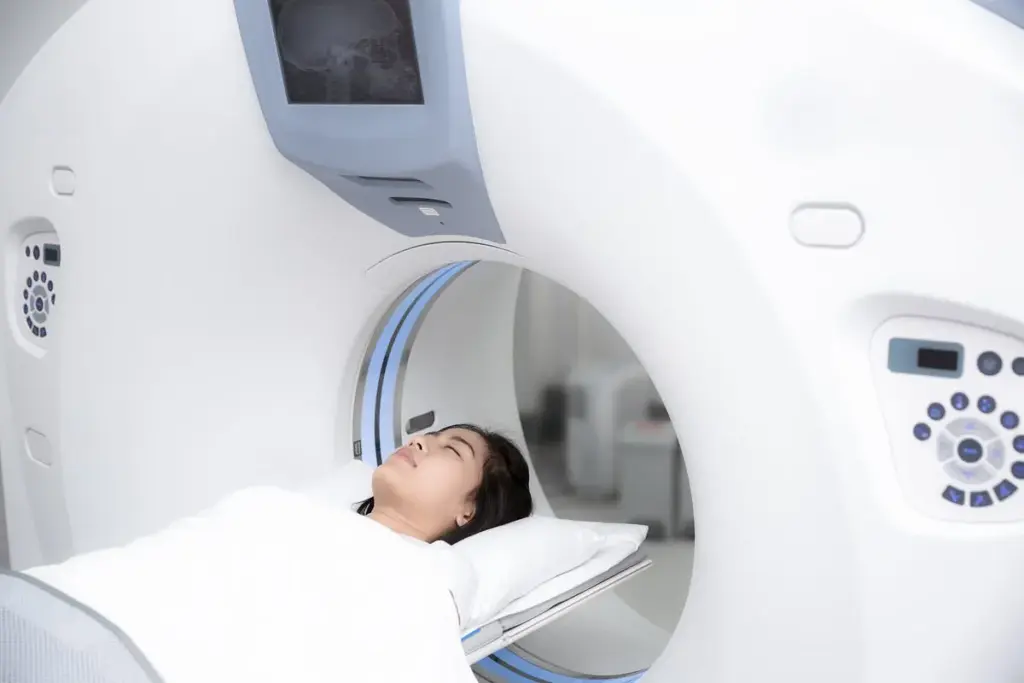
Waiting for computed tomography (CT) results can be stressful for patients. Our top-notch hospital network works hard to give quick, quality care. We aim to get results to our patients fast.
Most CT scan results come in 1–3 days. But, in some cases, we can report them the same day. Our goal is to offer world-class care while focusing on our patients.
Key Takeaways
- Average CT scan result timeframe is 1-3 days.
- Same-day reporting is available in select cases.
- Our hospital network prioritizes rapid and accurate diagnoses.
- Patient-centric care is our top priority.
- We strive to deliver internationally competitive outcomes.
What You Need to Know About CT Scan
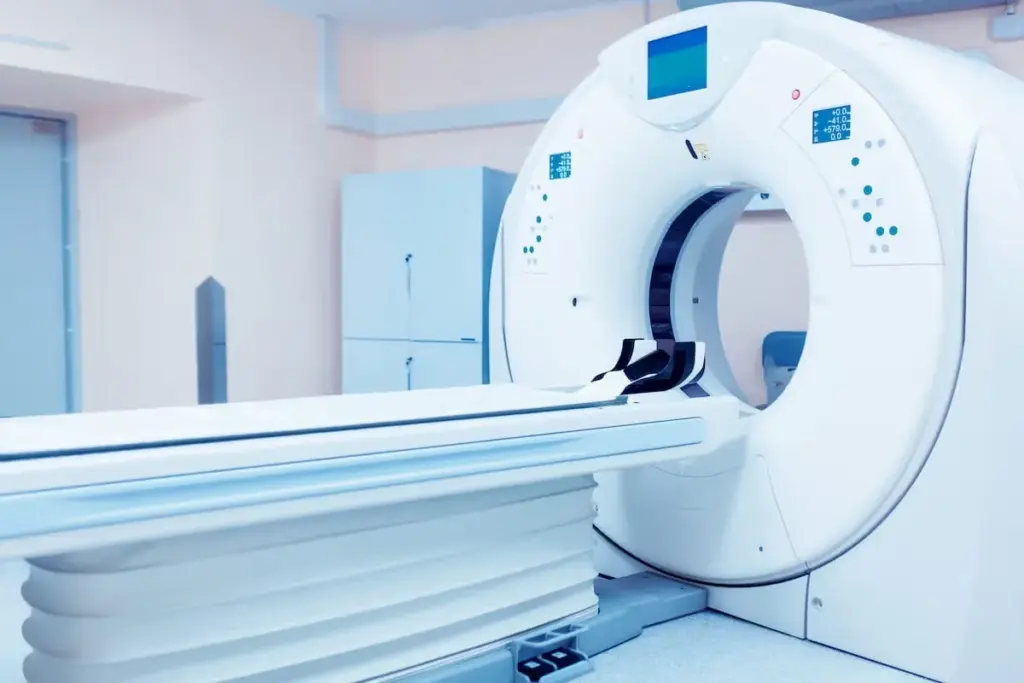
CT scans are key in modern radiology, giving us deep insights. They help us diagnose and keep track of many health issues.
Definition and Technology Behind CT Imaging
Computed Tomography (CT) scans combine X-rays from different angles. This creates detailed pictures of the body’s inside. We can see organs, bones, and soft tissues clearly.
Key technological features of CT scans include:
- High-resolution imaging
- Rapid scan times
- Ability to image complex areas of the body
Common Medical Applications of CT Scans
CT scans are used in diagnostic imaging for many things:
- Detecting and monitoring cancers
- Diagnosing vascular diseases
- Guiding interventional procedures
- Assessing injuries from trauma
These tests are vital in many medical fields. They play a big role in patient care.
The Complete CT Scan Process Timeline
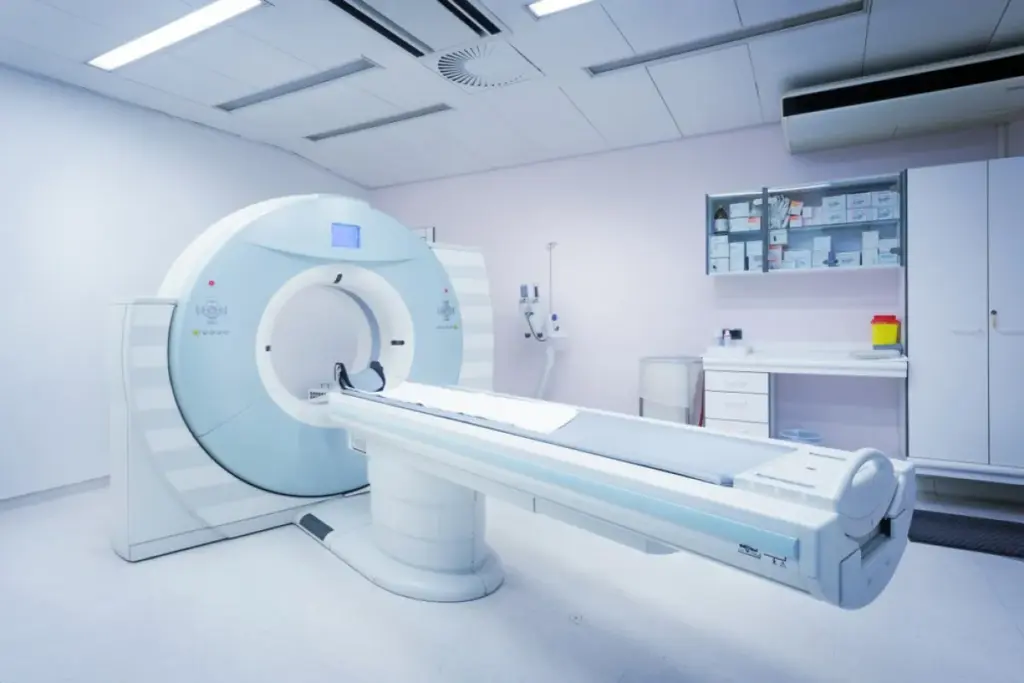
Learning about the CT scan process can make patients feel less anxious. We’ll guide you through everything, from getting ready before the scan to seeing the images after. This will help you know what to expect.
Pre-Scan Preparations and Scheduling
Before a CT scan, patients must remove metal items like jewelry and glasses. They might need to wear a hospital gown. Scheduling happens through a doctor’s office or hospital department. Patients will get instructions, like fasting or arriving early.
What Happens During the CT Scan Procedure
During the CT scan procedure, patients lie on a table that slides into a big, doughnut-shaped machine. The machine moves around the patient, taking X-ray images from different angles. The whole process is usually quick, lasting between 10 to 30 minutes.
Post-Scan Image Processing Requirements
After the scan, the images are analyzed by a radiologist. The time needed for this can vary based on the scan’s complexity and the facility’s workload. The CT scan cost also depends on the scan’s complexity and the technology used.
|
Stage |
Time Required |
Description |
|---|---|---|
|
Pre-Scan Preparation |
15-30 minutes |
Removing metal objects, wearing a hospital gown |
|
CT Scan Procedure |
10-30 minutes |
Lying on a table, X-ray images taken |
|
Post-Scan Image Processing |
Varies |
Image analysis by a radiologist |
Standard Timeframes for CT Scan Results
Many patients wonder how long it takes to get CT scan results. We aim to answer this question. Knowing the typical time for results helps manage expectations and plan next steps.
The 1-3 Day Average Reporting Window
Usually, it takes 1 to 3 days to get CT scan results. A UK dataset from January 2025 shows the median time is 1 day. This shows our commitment to quick results. The time can change based on the scan’s complexity, the radiology department’s workload, and the healthcare facility’s protocols.
Knowing the benefits of CT scans helps patients see the value of quick results. These scans provide detailed images of internal structures.
Same-Day Reporting Scenarios
Some CT scans have results available the same day. Our data shows 37% of UK CT scans are reported on the same day. This is great for patients needing quick diagnosis and treatment planning. Facilities with advanced systems and efficient workflows often achieve same-day reporting.
Different types of CT scans, like contrast-enhanced and multi-phase studies, may take longer. This is because they are more complex.
Several things help make CT scan result reporting efficient:
- Advanced radiology software
- Efficient workflow protocols
- Experienced radiology staff
Healthcare facilities can significantly reduce result delivery time by using these factors.
Emergency Department CT Result Timelines
In emergency departments, getting CT scan results fast is key for quick patient care. The fast pace of these places means workflows must be smooth. This ensures patients get the right treatment fast.
The 108-Minute US Emergency Department Average
A study in U.S. emergency departments showed a median time of 108 minutes from CT order to scan finish. This time frame shows the tough balance emergency departments face. They need to diagnose fast but CT scans are complex.
STAT CT Scans: When Minutes Matter
Critical cases get STAT CT scans to speed up diagnosis. These scans are a priority, cutting down wait times for results. The table below shows the difference in wait times for standard and STAT scans.
|
Scan Type |
Median Time to Completion |
|---|---|
|
Standard CT Scan |
108 minutes |
|
STAT CT Scan |
45 minutes |
STAT CT scans show the need for flexible emergency department rules. They allow for quick changes in patient care based on urgent needs.
Factors That Affect CT Result Delivery Times
Knowing what affects CT result delivery times is key for patients and healthcare teams. Several things can cause delays in getting CT results. This can slow down diagnosis and treatment.
Patient-Related Variables
How complex a patient’s condition is can affect CT result delivery times. If a patient’s condition is complex, more detailed imaging and analysis are needed. This can take longer to get results.
Also, patients with complex medical histories might need more detailed analysis. This can slow down the reporting process.
The urgency of the CT scan also plays a role. Emergency scans get priority, which can delay results for non-emergency scans.
Facility and Staffing Considerations
The capabilities and workload of the radiology department or diagnostic imaging facility matter a lot. Facilities with advanced radiology equipment and experienced staff can usually process and report on CT scans faster.
How many staff members are available, including radiologists and support staff, affects turnaround times. If there’s a staff shortage, getting CT results can take longer.
Using efficient workflow processes and technology, like artificial intelligence in radiology, can help. It can make interpreting and reporting CT scans faster, reducing delivery times.
How Radiologists Process and Report CT Scan Images
Radiologists are key in reading CT scan images. They use their skills and knowledge to interpret these images and write reports.
The Image Interpretation Workflow
Radiologists start by looking at CT scan images on special software. They check each slice carefully. They use their knowledge of the body and diseases to spot any issues.
Key steps in image interpretation include:
- Reviewing patient history and clinical information
- Analyzing images for signs of disease or injury
- Comparing current images with previous scans (if available)
- Identifying and documenting findings
Report Generation, Verification, and Distribution
After looking at the images, radiologists write a detailed report. They check the report for mistakes and make sure it’s complete. Then, they send it to the doctor who ordered the scan.
|
Step |
Description |
Responsibility |
|---|---|---|
|
1 |
Image Interpretation |
Radiologist |
|
2 |
Report Generation |
Radiologist |
|
3 |
Report Verification |
Radiologist/Peer Review |
|
4 |
Report Distribution |
Radiology Department |
Understanding how radiologists work helps us see the effort they put into reading CT scans. They make sure patients and doctors get accurate results.
United States CT Result Timeframes by Setting
CT scan results in the United States vary a lot. This is because of many factors. These include the type of healthcare place, how urgent the scan is, and when radiology services are available.
Hospital Inpatient vs. Outpatient Imaging Centers
Inpatient CT scans get priority because they are urgent. Results are usually ready in a few hours. This is because the radiology team works fast with the hospital team.
On the other hand, outpatient imaging centers have different times for results. This can be from a few hours to a couple of days. It depends on how busy the center is and how many staff they have.
- Inpatient settings: Priority given to urgent cases, often resulting in faster turnaround times.
- Outpatient imaging centers: Result timeframes can vary, influenced by factors like staffing and workload.
Urban vs. Rural Access Disparities
Urban areas have better access to advanced imaging and specialists. This means they often get CT results faster. But, rural areas face challenges like longer travel times and fewer specialists. This can make getting results take longer.
Key differences include:
- Urban areas: Generally have quicker access to CT scan results due to better resource availability.
- Rural areas: May experience delays due to limited access to healthcare resources and specialists.
It’s important to understand these differences to improve healthcare. By knowing what affects CT result times, we can make things better for all patients. This is true no matter where they are or what kind of healthcare they get.
European CT Result Waiting Times
In Europe, how long it takes to get CT scan results varies a lot. This is because of different healthcare setups. Some places can give results quickly, while others take longer, sometimes weeks.
About 8% of patients get their CT scan results the same day. This shows some healthcare systems work fast. But, around 20% of patients have to wait up to three weeks. This big difference shows how complex healthcare is in Europe.
The 8% Same-Day and 20% Three-Week Wait Phenomenon
Getting results the same day is possible for 8% of patients. This means some healthcare systems can diagnose and plan treatment quickly. But, 20% of patients wait three weeks, showing challenges in other systems. These might include too many patients or not enough resources.
Country-Specific Healthcare System Variations
European countries have different healthcare systems, affecting CT scan waiting times. Places with good teleradiology services and quick reporting tend to have shorter waits. This shows how important good healthcare technology and systems are for quicker results.
It’s key for patients and healthcare providers to understand these differences. This helps make better choices about where to get care. As healthcare keeps improving, we might see faster and more focused care for everyone.
UK National Health Service CT Reporting Standards
The UK’s National Health Service (NHS) has been leading the way in better CT scan reporting. We’ll look at the big steps they’ve taken, like reaching a median 1-day reporting period in 2025.
2025 Data: Median 1-Day Reporting Period
The NHS has made a big leap in how fast they report CT scans. A median reporting period of 1 day shows their hard work and commitment. This means patients get their scan results sooner, helping them get diagnosed and treated faster.
NHS Improvement Initiatives for Faster Results
To get results faster, the NHS has started several new projects. They’ve improved radiology workflows and used new tech like artificial intelligence. These steps help the NHS keep improving care and making patients happier.
Timely CT scan reporting is key to top-notch patient care. The NHS’s effort to better reporting shows their strong commitment to excellent healthcare.
Methods of CT Result Communication to Patients
Sharing CT scan results with patients is key for their care and treatment. We know that getting these results quickly and clearly is vital. It makes patients happier and helps their health outcomes.
Digital Patient Portals and Electronic Delivery
Today, many places use digital patient portals to send CT scan results online. This way, patients can see their results safely and easily. Electronic delivery makes it faster for patients to get their results.
Follow-up Consultations with Referring Physicians
Meeting with doctors after getting CT scan results is also important. These meetings help patients fully understand their results and what comes next. Our doctors work well with other doctors to make sure patients get the best care.
|
Method |
Benefits |
Patient Impact |
|---|---|---|
|
Digital Patient Portals |
Convenient, secure, timely |
Quick access to results |
|
Follow-up Consultations |
Comprehensive understanding, coordinated care |
Enhanced patient satisfaction and outcomes |
Using digital patient portals and follow-up meetings, we make sure patients get their CT scan results well. This approach is both quick and caring.
How to Potentially Expedite Your CT Scan Results
Patients can take steps to get their CT scan results faster. Talking to healthcare providers and choosing quick facilities are important. These steps can help you get your results sooner.
Effective Communication Strategies with Providers
Talking clearly and on time with your doctor can speed up getting your CT scan results. Tell your doctor your concerns and ask about wait times. This helps you know what to expect.
Also, ask how you’ll get your results. Some places use digital patient portals. This can make getting your results faster.
|
Communication Method |
Typical Delivery Time |
|---|---|
|
Digital Patient Portal |
Same Day |
|
|
1-3 Days |
|
Phone Call |
1-2 Days |
Selecting Facilities with Rapid Reporting Capabilities
The imaging facility you choose can affect how fast you get your results. Places with the latest technology and a team focused on reporting can be quicker.
Look into facilities and their reporting times. Some offer STAT CT scans for urgent cases. These can give you results much faster.
Advanced Technologies Improving CT Result Turnaround
New technologies like artificial intelligence and teleradiology are changing radiology. They make CT scan results faster and more accurate.
Artificial Intelligence in Radiology Reporting
Artificial intelligence (AI) is being used more in radiology. It helps radiologists by pointing out important findings. This makes reporting quicker and more precise.
Teleradiology’s Impact on 24/7 Reporting Capabilities
Teleradiology lets radiologists read CT scans from anywhere. This means hospitals can report results 24/7. They don’t need radiologists on site all the time.
These technologies are changing radiology for the better. They help patients get faster and more accurate diagnoses. As we keep improving these tools, CT scan results will get even better.
Special Considerations for Complex CT Scan Protocols
Complex CT scan protocols need a deep understanding of many factors. These factors affect how fast results come back. When the scans are more detailed, it can take longer to get the results.
Contrast-Enhanced and Multi-Phase Studies
Contrast-enhanced and multi-phase CT scans are complex. They use special agents to show certain body parts. They also do multiple scans to catch different stages of enhancement.
These complex scans take longer because they need careful analysis. A study showed complex scans take much longer to report than simple ones.
|
CT Scan Type |
Average Reporting Time |
|---|---|
|
Standard CT Scan |
1-3 days |
|
Complex CT Scan (Contrast-Enhanced) |
3-5 days |
|
Multi-Phase CT Scan |
4-7 days |
Specialized CT Scans Requiring Additional Analysis
Some CT scans, like cardiac or perfusion studies, need extra analysis. They use advanced techniques and often need expert opinions for correct interpretation.
It’s important to understand these complexities to manage expectations. Knowing why complex scans take longer helps healthcare providers talk better with patients and plan ahead.
Understanding and Addressing CT Result Delays
CT scan result delays can come from many sources. These include technical problems and administrative hold-ups. Knowing what causes these delays is key to getting results faster.
Technical and Equipment-Related Issues
Technical problems, like broken equipment or software bugs, can slow down CT scan results. Regular maintenance and updates of imaging gear are vital to avoid these delays. Also, complex scans, like those with contrast, take longer to process and understand.
Administrative and Communication Bottlenecks
Delays can also happen due to administrative and communication problems. Inadequate staffing or slow workflows in radiology can cause delays. Also, poor communication between doctors and patients can slow down follow-up actions.
To fix these issues, hospitals can use streamlined communication protocols. They can also invest in advanced technologies like artificial intelligence. This can make CT scan result processing and delivery faster.
Patient Rights and Advocacy for Timely CT Results
Patients have the right to get their CT scan results quickly. It’s important to know the rules about getting these results and how to speak up if there’s a delay.
Legal Frameworks Governing Result Timeframes
Many laws and guidelines set how fast CT scan results should be given to patients. Healthcare providers must share results quickly. But, how fast can change based on where you are and the situation.
How to Effectively Follow Up on Delayed Results
If your CT scan results are late, you should talk to your doctor. Keep track of your talks and ask about usual wait times. You might also ask to see your results online or by calling the radiology department.
Conclusion: Setting Realistic Expectations for Your CT Results
Knowing what affects CT scan result times is key to having the right expectations. We’ve looked at many things that can change how fast you get your results.
Patients can guess when they’ll get their CT scan results better. Doctors can also work to give better care faster. Most CT scan results come in one to three days. But, this time can change based on where you get the scan and other details.
It’s important to understand the challenges in getting CT scan results. Things like how the patient feels, the staff at the facility, and new tech like AI all impact how fast results come.
Knowing about the CT scan process helps patients deal with it better. This knowledge lets people ask the right questions and choose places that give results quickly.
FAQ
How long does it typically take to receive CT scan results?
CT scan results usually take 1-3 days to arrive. But, in some cases, you might get them the same day. About 37% of CT scans in the UK are reported on the same day.
What factors can affect the delivery time of CT scan results?
Several things can slow down getting your CT scan results. These include how you feel, the team at the facility, and the equipment used. Also, how well the facility communicates with you can play a role.
How can I potentially expedite my CT scan results?
To get your CT scan results faster, talk clearly with your healthcare team. Choose a place known for quick reporting.
What are the benefits of same-day CT scan reporting?
Getting your CT scan results the same day is very helpful in emergencies. It’s also good for your peace of mind because you get answers quicker.
How do radiologists interpret CT scan images and generate reports?
Radiologists have a special process for reading CT scans. They interpret the images, write the report, check it, and then send it to you. This ensures you get accurate and quick results.
What is the role of artificial intelligence in radiology reporting?
Artificial intelligence helps in reading CT scans. It spots problems and makes the reporting process faster. This could make getting your results quicker.
How are CT scan results typically communicated to patients?
You can get your CT scan results through online portals, email, or in person. This way, you can easily follow up with your doctor and get the care you need.
What are the patient rights regarding timely CT scan results?
You have the right to get your CT scan results on time. There are laws that say how fast results should be given. If you’re waiting too long, you can ask for an update.
How do complex CT scan protocols impact result delivery times?
More detailed CT scans take longer to analyze. This means you might have to wait a bit longer for your results. It’s because they need more work to get right.
What is the difference in CT result timeframes between hospital inpatient and outpatient imaging centers?
The time it takes to get CT scan results can vary. Hospitals and outpatient centers have different rules and staff levels. This affects how fast you get your results.
How do urban vs. rural access disparities affect CT result delivery times?
Places in the city and countryside have different access to healthcare. Rural areas often have to wait longer for CT scan results. This is because they have fewer doctors and facilities.
What are the NHS improvement initiatives for faster CT scan results?
The NHS is working hard to get CT scan results to you faster. They aim to report results in 1 day by 2025. This shows their dedication to better patient care.
How does teleradiology impact CT result turnaround times?
Teleradiology helps by allowing doctors to report results 24/7. This means you can get your diagnosis and treatment faster. It’s a big help for getting quick results.



 Departments
 Related Videos
 Our Doctors
 News
News