
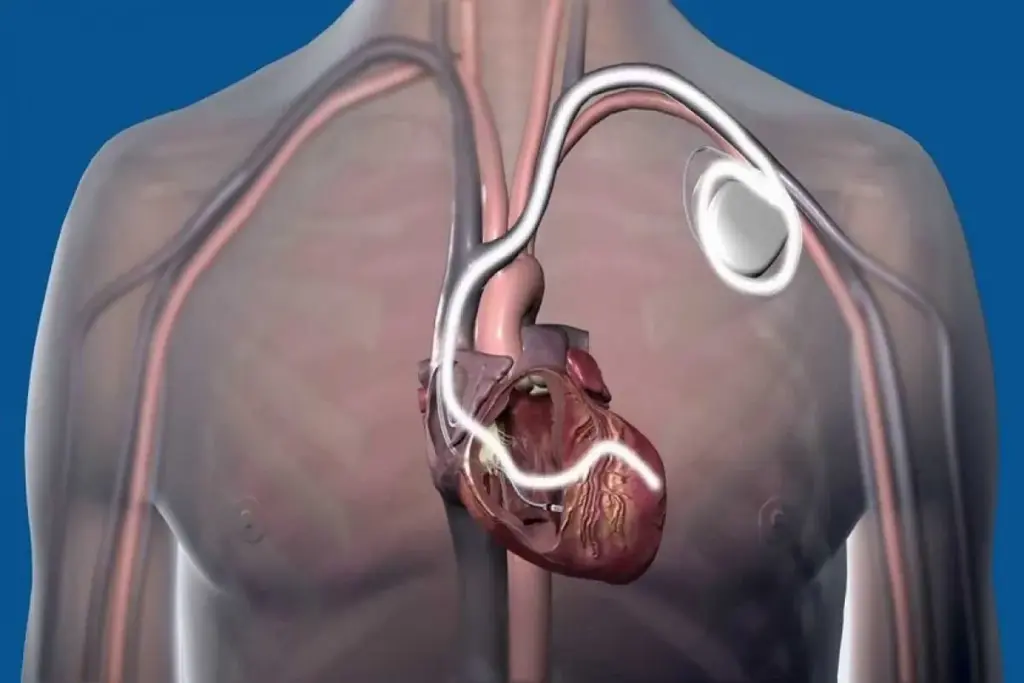
Nearly 1 in 5 adults in the United States get some heart test each year. Cardiac CT scans are getting more popular for checking the heart.
Eating rules? CT scan best cardiac fasting rule tips. Empty stomach prevents nausea from contrast. Follow these steps for a safe scan.
When getting ready for a cardiac CT, many wonder: do you have to fast? Preparation is key for good results and a smooth test.
We’ll help you understand what you need for a cardiac CT. This includes fasting and other important steps before the test.
Key Takeaways
- Cardiac CT scans are a key tool for checking heart health.
- Fasting might be needed for a cardiac CT, but it varies by procedure.
- Knowing what to prepare can make the experience smoother.
- Medication and medical history also play a role in the test.
- Talking to a healthcare professional is vital for personalized advice.
Understanding Cardiac CT Scans
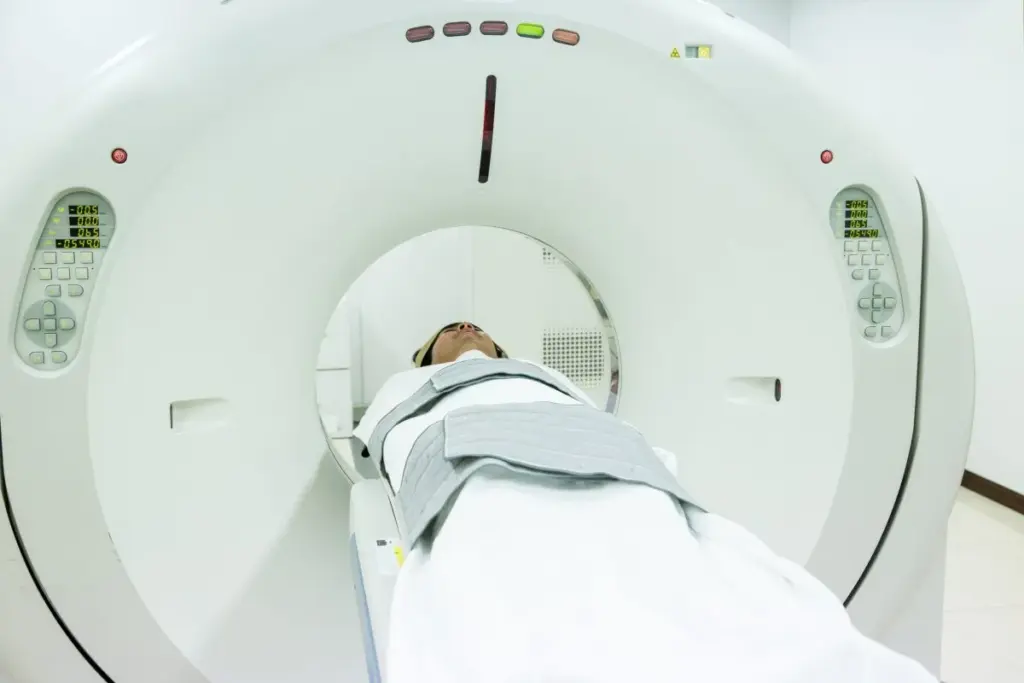
Cardiac CT scans offer deep insights into heart health. They are a key tool in cardiology, changing how we diagnose heart issues.
What is a Cardiac CT Scan?
A cardiac CT scan uses X-rays to show detailed pictures of the heart and blood vessels. It’s a non-invasive test that helps find and track heart disease. Cardiac CT scans give a clear view of the heart’s structure, helping doctors spot problems early.
How Does a Cardiac CT Work?
Cardiac CT scan technology uses a CT scanner that moves around the body. It takes images of the heart from different angles. These images are then put together into a detailed 3D picture of the heart. The whole process is fast, usually taking just a few minutes. Advanced CT scan technology lets us get clear images, even when the heart is moving.
Common Uses of Cardiac CT
Cardiac CT scans serve many purposes, including:
- Diagnosing coronary artery disease
- Evaluating the heart’s structure and function
- Assessing the risk of heart disease
- Monitoring the progression of heart disease
- Guiding interventions in the cath lab
Cardiac CT scans give detailed images of the heart. This helps doctors make better decisions for patient care. The info from a cardiac CT scan is key in diagnosing and treating heart disease.
Importance of Preparing for a Cardiac CT
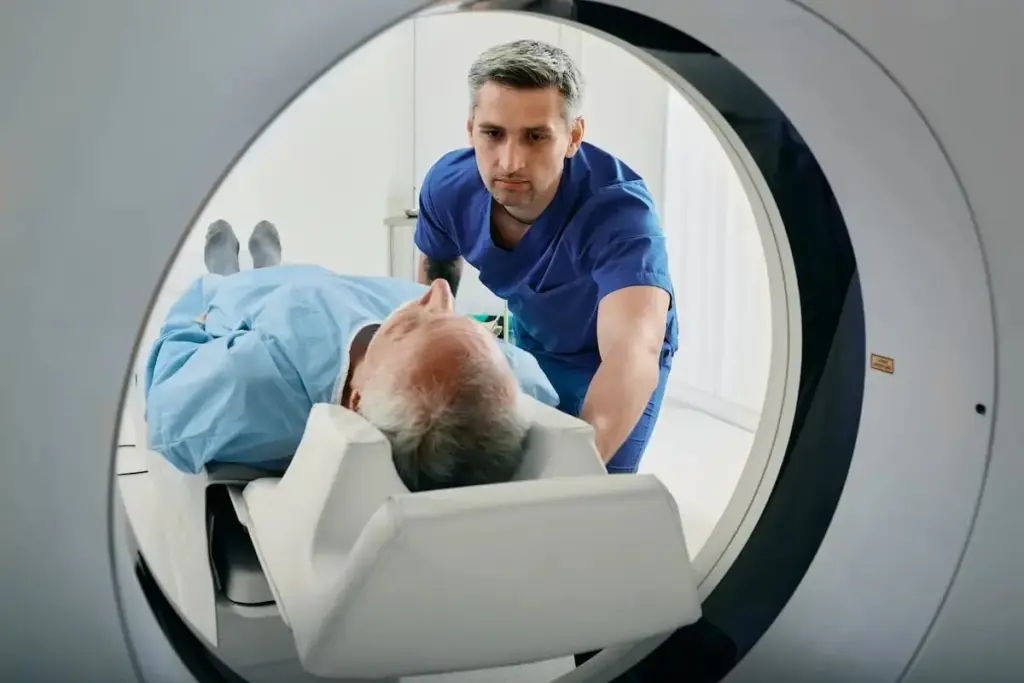
Knowing how to prepare for a cardiac CT scan is key. It’s not just a formality; it’s essential for getting accurate results. Proper preparation ensures the scan works well.
Why Preparation Matters
Getting ready for a cardiac CT scan is critical. It affects how clear the images will be. When you’re well-prepared, you avoid complications and extra scans.
Accurate diagnosis depends on clear images. Anything that messes with image quality, like food in your stomach, can lead to wrong results.
Effects of Food and Drink on Results
Eating or drinking before a cardiac CT scan can harm the results. Some foods and drinks make your digestive system active, causing blurry images. Also, certain nutrients can change how the scan is read.
“The quality of the cardiac CT images is directly related to the patient’s preparation. Ensuring that patients understand and follow preparation instructions is critical for accurate diagnosis.”
A leading cardiologist
To show how food and drink can affect scans, here’s a table:
|
Food/Drink Item |
Potential Effect on Scan |
|---|---|
|
Caffeine |
Can cause heart rate variability, potentially affecting image quality. |
|
Heavy Meals |
Can lead to discomfort during the scan and potentially cause artifacts. |
|
Contrast Agent Interference |
Certain foods can interact with contrast agents, affecting their distribution and the clarity of the images. |
Fasting Guidelines for Cardiac CT
To get a clear cardiac CT scan, patients must follow fasting rules. Fasting helps make sure the scan images are clear. This lets doctors make the right diagnosis.
General Fasting Recommendations
Patients usually need to fast for a few hours before a cardiac CT scan. The fasting time is between 4 to 12 hours. This depends on the scan type and the patient’s health. During fasting, patients can drink water but must avoid food and other drinks.
- Avoid eating heavy meals or consuming caffeine before the scan.
- Inform your doctor about any medications you are taking and whether you should continue taking them as usual.
- Follow any specific instructions provided by your healthcare provider regarding fasting and preparation.
Special Considerations for Diabetic Patients
Diabetic patients need special care when fasting for a cardiac CT scan. It’s important to talk to your healthcare provider about managing your diabetes during fasting. You might need to adjust your medication to avoid blood sugar problems.
- Discuss your diabetes management plan with your doctor, including any medications you are taking.
- Monitor your blood sugar levels closely before and after the scan.
- Have a plan in place for managing your blood sugar if it becomes too low or too high during the fasting period.
By following these guidelines and talking to your healthcare provider, you can have a safe and successful cardiac CT scan. If you have any fasting or diabetes concerns, don’t hesitate to ask your medical team for help.
Alternative Preparation Methods
There are ways to prepare for a Cardiac CT scan other than fasting. We know fasting can be hard for some. So, other methods can make the experience easier.
Use of Contrast Agents
Preparing for a Cardiac CT scan involves using contrast agents. These substances make body structures or fluids stand out in medical images. For Cardiac CT scans, they help see the coronary arteries and heart structures better.
Types of Contrast Agents: There are many contrast agents for Cardiac CT scans. Iodinated contrast agents are often used because they give clear images.
Alternatives to Fasting
If fasting is tough, there are other ways to prepare. Some places offer different plans that don’t need fasting. It’s key to talk to your doctor about these options.
Potential Alternatives: Options include eating a light meal or scheduling the scan at a better time. This can fit your schedule and needs.
It is important to consult your healthcare provider to determine the best way to prepare for your cardiac CT scan. This way, you can have a more comfortable and tailored experience with your Cardiac CT scan.
Risks Associated with Not Fasting
Not fasting before a cardiac CT scan can lead to serious issues. One major concern is how it affects the scan’s accuracy.
Potential for Inaccurate Results
Food and drink in the stomach can cause inaccurate results. This might mean a second scan is needed. This delay can slow down getting a diagnosis and treatment.
Food before a scan can also mess up the images. Some foods and drinks can create artifacts or distortions. This makes it hard for doctors to read the results right.
Impact of Food on the Imaging Process
Food in the system can complicate the imaging process. A full stomach or recent caffeine or sugar can change blood flow or heart rate. This can make the scan less accurate.
Not fasting might mean more procedures or changes during the scan. This could include using more contrast agents. This adds to the risk of bad reactions to the contrast.
Following fasting guidelines helps make the cardiac CT scan safe and effective. It gives doctors the clearest images to diagnose and treat your condition.
Timing the Fast: How Long Should You Fast?
To get the best results from your cardiac CT scan, knowing the fasting time is key. Fasting is important to get clear images during the scan.
Standard Fasting Duration
For a cardiac CT scan, fasting for 4 to 6 hours is usually enough. This time lets your stomach empty out. It helps avoid blurry images from food or drink.
Always listen to your healthcare provider’s fasting advice. They might give different instructions based on your health and the scan type.
|
Fasting Duration |
Guideline |
Notes |
|---|---|---|
|
4-6 hours |
Standard for most cardiac CT scans |
Ensures an empty stomach to minimize image artifacts |
|
Less than 4 hours |
May be acceptable in certain cases |
Consult your healthcare provider for specific guidance |
|
More than 6 hours |
Typically not required unless specified |
May be necessary for specific types of scans or patient conditions |
Adjustments for Different Scenarios
Some people might need to adjust their fasting time. This could be due to diabetes or the contrast agent used in the scan.
If you have diabetes, talk to your doctor about fasting. They can help figure out the best fasting plan for you.
Also, if you’ll get a contrast agent, your doctor might give special fasting and hydration instructions. This is to keep you safe and ensure the scan goes well.
Key Considerations:
- Diabetic patients should consult their healthcare provider about managing their condition while fasting.
- Patients using certain medications may need to adjust their fasting schedule.
- Always follow the specific instructions provided by your healthcare provider regarding fasting and any other preparation requirements.
By knowing and following the fasting guidelines, you help make your cardiac CT scan safe and successful.
Preparing for Your Appointment
Getting ready for your cardiac CT appointment is key to a smooth experience. We know medical procedures can be scary. But being prepared can help you feel less anxious and get better results.
What to Bring
There are a few things you should bring to your cardiac CT appointment. These items help make your visit more productive:
- Identification and Insurance Documents: Bring a valid ID and your insurance cards for the registration.
- Medical Records and Test Results: Bring any medical records and test results that are relevant.
- List of Medications: Have a list of your current medications ready to share with your doctor.
- Comfortable Clothing: Wear loose, comfy clothes that are easy to remove if needed. You might need to change into a gown.
Questions to Ask Your Healthcare Provider
It’s a good idea to prepare questions for your healthcare provider. Here are some examples:
- What are the possible risks and complications of the cardiac CT scan?
- How will you tell me the results, and how long will it take?
- Are there any special instructions I should follow before or after the scan?
- Do I need someone to come with me, or can I drive myself home?
By being prepared and asking the right questions, you can make sure your cardiac CT appointment goes well. And you’ll get the best care possible.
Understanding the Cardiac CT Procedure
The cardiac CT procedure is a non-invasive test that takes detailed pictures of the heart. It uses advanced imaging to help doctors diagnose and track heart issues.
Step-by-Step Overview of the Process
The cardiac CT scan involves several steps:
- Preparation: Patients lie on a table that moves into the CT scanner. Electrodes might be put on the chest to watch the heart.
- Breath-Holding: Patients hold their breath for a few seconds to get clear images.
- Scanning: The CT scanner moves around the body, taking detailed pictures of the heart.
- Contrast Agent (if used): A contrast dye might be given through an IV to make images better.
This whole process usually takes just a few minutes. But the whole visit might take longer because of getting ready and talking about the results.
What to Expect During the Scan
When you have a cardiac CT scan, you can expect:
- A comfortable, open-air space inside the CT scanner.
- Little discomfort, but some might feel a bit warm if a contrast agent is used.
- The medical team will keep watching you to make sure you’re safe and comfortable.
It’s important to listen to the healthcare team’s instructions. This helps the scan go smoothly and work well.
Post-Scan Care and Recommendations
After a Cardiac CT scan, it’s key to follow certain care steps for a smooth recovery. The time right after your scan is very important. Following these tips can greatly improve your experience.
Post-Procedure Instructions
Most patients can go back to their usual activities right after the scan, unless told not to by their doctor. But, there are a few important things to remember:
- Hydration: Drink lots of water to clear out the contrast agent used in the scan.
- Monitoring: Watch the injection site for any redness, swelling, or pain.
- Medication: Keep taking your medicines as your doctor told you to.
If you felt any discomfort or symptoms during the scan, like an allergic reaction to the dye, tell your doctor.
When to Contact Your Doctor
While serious problems from a Cardiac CT scan are rare, it’s important to know when to call for help. Reach out to your doctor if you notice:
- Severe symptoms: Trouble breathing, a fast heartbeat, or severe chest pain.
- Infection signs: Redness, swelling, or drainage from the injection site.
- Allergic reactions: Hives, itching, or swelling of the face, lips, tongue, or throat.
We care about your health and well-being. If you have any worries or questions after your scan, don’t hesitate to contact your healthcare provider for advice and support.
Interpreting Your Cardiac CT Results
Understanding your Cardiac CT results is key to knowing what to do next for your heart health. After the scan, a radiologist or cardiologist will look at the images. They will check for any possible heart problems.
How Results Are Analyzed
Cardiac CT results are analyzed by closely examining the heart. This includes the coronary arteries, chambers, and tissues around them. We use special software to make the images clearer. This helps us spot even small problems that might mean you have a health issue.
The doctor will search for signs of heart disease, like plaque or calcium in the arteries. They also look for other heart problems, like tumors or unusual structures. The aim is to give you a clear view of your heart’s health. This helps decide what to do next or what tests you might need.
Common Findings and Follow-Up Steps
Cardiac CT scans often show signs of heart disease, like plaque or calcium. If we find big plaque or blockages, we might suggest more tests or talk about treatments. This could be changing your lifestyle or starting medication.
In some cases, the scan might show you need a more serious procedure. We will talk with you about what the results mean. We’ll work together to make a plan that fits your needs.
Frequently Asked Questions About Cardiac CT
Getting ready for a cardiac CT scan can feel overwhelming. We’re here to answer some common questions. Knowing what to expect can help you feel less anxious and make the process easier.
Do I Always Need to Fast?
Fasting rules for a cardiac CT scan depend on your doctor’s advice. Usually, fasting is needed to get accurate results. This is because eating or drinking some things can mess with the scan.
But, sometimes fasting isn’t needed, like if no contrast agent is used. Always listen to your doctor’s specific fasting instructions. They’re made just for you and your scan type.
Can I Drink Water Before My Appointment?
It’s good to stay hydrated, and often, drinking water is okay before a cardiac CT scan. But, you should check with your doctor about what liquids are okay and how much. Usually, plain water is fine, but other drinks might not be.
|
Preparation Requirement |
Guideline |
|---|---|
|
Fasting |
Usually required, but check with your healthcare provider for specific instructions |
|
Drinking Water |
Often allowed, but confirm with your healthcare provider |
|
Other Beverages |
May be restricted; consult your healthcare provider |
By knowing these guidelines and talking to your doctor, you can get ready for your cardiac CT scan right. This helps get better results and makes the test go smoothly.
Conclusion: The Importance of Proper Preparation
Getting ready for a cardiac CT scan is key to success. We’ve covered how to prepare, like fasting rules and what to do if you can’t fast. We also talked about the dangers of skipping fasting.
Key Takeaways
To get accurate results, follow the fasting advice and tell your doctor about health issues or meds. Knowing what the scan is about can make you feel better and make the process easier.
Maintaining Open Communication
Talking openly with your doctor is important for a good cardiac CT scan. We suggest asking questions, sharing worries, and following their advice for the best results.
Being well-prepared and talking openly with your doctor helps make the scan safe and useful. This way, your doctor can make the right diagnosis and plan the best treatment for you.
FAQ
What is a cardiac CT scan?
A cardiac CT scan is a non-invasive test. It uses X-rays to show detailed images of the heart and blood vessels.
Why is fasting required before a cardiac CT scan?
Fasting is needed to get clear images. Food and drink can mess with the imaging process.
Can I drink water before my cardiac CT appointment?
It depends on your doctor’s instructions. Some might say it’s okay to drink clear liquids like water. Others might want you to fast completely.
How long should I fast before a cardiac CT scan?
The fasting time varies. It’s usually between 4 to 12 hours. Your doctor will tell you exactly how long.
Are there any special considerations for diabetic patients?
Yes, diabetic patients need to adjust their fasting and medication. It’s important to follow your doctor’s advice closely.
What are the risks of not fasting before a cardiac CT scan?
Not fasting can cause bad results or need for another scan. Food and drink can ruin the image quality.
What should I bring to my cardiac CT appointment?
Bring any medical records, a list of your medications, and any other information your doctor asks for.
What happens during a cardiac CT scan?
You’ll lie on a table that slides into a CT scanner. It takes X-ray images of your heart. You might get contrast dye to show blood vessels better.
How are cardiac CT results analyzed?
A radiologist looks at the images and writes a report. Your doctor will talk to you about the findings.
What are common findings from a cardiac CT scan?
You might see signs of coronary artery disease, calcium deposits, or other heart issues. Your doctor will explain what it means for you.
What should I do after a cardiac CT scan?
You can usually go back to normal activities unless your doctor says not to. Follow any instructions they give you after the scan.
Reference
National Center for Biotechnology Information. Evidence-Based Medical Insight. Retrieved from https://pubmed.ncbi.nlm.nih.gov/34000091/