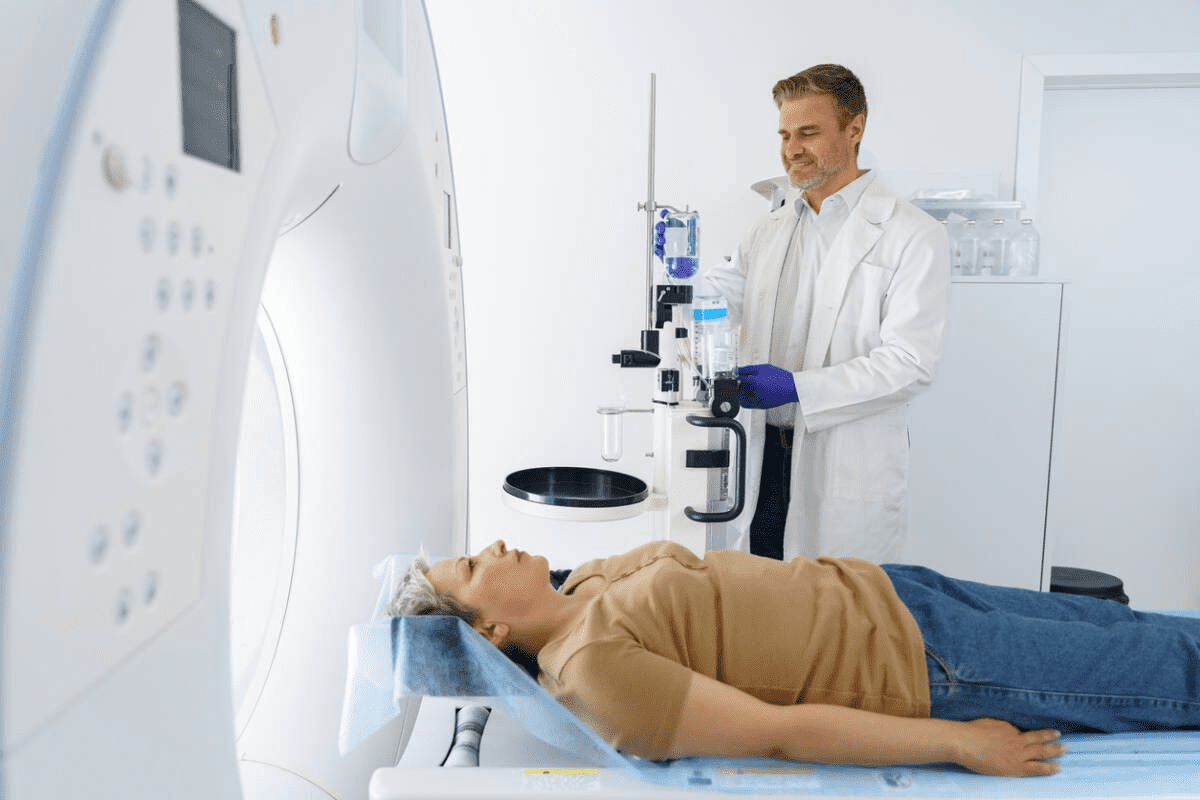
Medical imaging is key in diagnosing and treating health issues. At Liv Hospital, we use contrast dye to make internal organs, tissues, and blood vessels clearer. This iodine-based compound is vital for accurate diagnoses.ct scan contrast dye side effectsCT Contrast Side Effects: Crucial & Alarming Post-Scan Tiredness
While safe, injected dye for CT scans can cause side effects. We’ll look at possible reactions, from mild symptoms like itching and nausea to severe issues like shortness of breath. Knowing these after effects of CT scan dye helps in making better medical choices.
Key Takeaways
- Contrast dye is used to enhance visibility during medical imaging.
- Potential side effects range from mild to severe reactions.
- Mild reactions may include itching and nausea.
- Severe reactions can involve shortness of breath.
- Understanding side effects is key for informed decision-making.
Understanding CT Scan Contrast Dye

To understand the impact of CT scan contrast dye, we first need to grasp what contrast media is. Contrast agents are substances used in medical imaging. They make structures or fluids in the body stand out against the surrounding tissue. This is key for diagnosing and treating various medical conditions.
What Is Contrast Media?
Contrast media, also known as contrast agents, are substances introduced into the body. They improve the visibility of internal structures during medical imaging procedures. These agents temporarily change how the body part or tissue appears on images. This makes it easier for healthcare professionals to diagnose conditions.
The most commonly used contrast media in CT scans are iodine-based compounds and barium sulfate. Iodine-based contrast agents are typically used for imaging blood vessels, organs, and other structures. Barium sulfate is often used for imaging the digestive tract.
Types of CT Contrast Agents
There are several types of CT contrast agents, each with its own characteristics and uses:
- Iodinated Contrast Agents: These are the most commonly used contrast agents in CT scans. They contain iodine, which absorbs x-rays and appears bright on CT images.
- Barium Sulfate: Used mainly for imaging the gastrointestinal tract, barium sulfate is not suitable for all patients. It is usually used for specific diagnostic purposes.
- Gadololinium-Based Contrast Agents (GBCAs): Though more commonly associated with MRI, some GBCAs are used in certain CT scans. This is when iodine-based agents are not suitable.
Understanding the different types of contrast agents is essential. It’s important for both healthcare providers and patients. This ensures safe and effective use during CT scans.
How CT Scan Contrast Dye Works
[Add image here]
CT scan contrast dye is key in making internal structures visible during medical imaging. It’s used to highlight certain body areas during a CT scan. This makes it easier for doctors to diagnose and treat different health issues.
The Role of Iodinated Benzene Rings
The contrast media in CT scans have iodinated benzene rings. These are important for blocking or limiting x-ray penetration. This makes specific body structures stand out on the imaging results.
The iodine atoms in the dye absorb x-rays. This increases the contrast between different tissues and structures in the body.
Enhancing Visibility in Medical Imaging
The main job of CT scan contrast dye is to enhance visibility in medical images. It highlights the differences between various tissues and structures. This helps doctors spot abnormalities like tumors, injuries, or vascular diseases more clearly.
This clear visibility is key for making the right treatment decisions. It ensures patients get the care they need.
Administration Methods
There are different ways to give CT scan contrast dye, like intravenous and oral routes. The choice depends on the CT scan’s needs and the body area being imaged. For example, intravenous dye is often used for blood vessels and certain organs. Oral dye is used for the gastrointestinal tract.
CT Scan Contrast Dye Side Effects: An Overview
CT scan contrast dye is a common tool in medical imaging. It’s important to know the possible side effects it can cause. While it’s usually safe, some patients may react differently.
Prevalence of Adverse Reactions
Most patients get through CT scans with contrast dye without major issues. But, it’s key to know about the possible side effects. Mild reactions are common, while severe ones are rare.
Severity of Reaction | Frequency |
Mild | Up to 30% |
Moderate | 1-5% |
Severe | Less than 1% |
Classification of Side Effects
Side effects from CT scan contrast dye fall into different categories. These include immediate mild reactions, allergic reactions, delayed skin reactions, and kidney problems caused by the dye. Knowing these categories helps in managing risks.
“The classification of side effects is key for prevention and treatment. Understanding the types of reactions helps healthcare providers take better care of patients.” – Medical Expert
We’ll explore these categories further. This will give a full view of the possible side effects and how to handle them.
Immediate Mild Side Effects
Many people experience mild side effects right after getting a CT scan with contrast dye. These effects are usually short and don’t cause long-term harm. Knowing what might happen can make patients feel better and more prepared.
Metallic Taste Sensation
A common side effect is a metallic taste. This happens because of the iodine in the dye. The taste usually goes away within a few minutes.
Warmth and Flushing
Some people might feel warm or flushed during or right after the scan. This is because of the dye. It’s a mild reaction that goes away quickly without needing any treatment.
Nausea and Vomiting
Nausea and vomiting can also happen. These symptoms are usually mild and don’t last long. If they’re bad, doctors might give medicine to help.
Doctors say nausea and vomiting are common but usually not serious. Drinking lots of water and following pre-medication plans can help lessen these symptoms.
Headache and Dizziness
Headaches and dizziness are other mild side effects. These symptoms are usually short and not a sign of a big problem.
It’s important for patients to tell their doctors about any allergies or past reactions to dye. This helps doctors take steps to keep patients safe during the scan.
In summary, while mild side effects can happen with CT scan dye, they are usually not serious and go away fast. Knowing about these effects can help patients feel more ready and informed.
Allergic Reactions to Contrast Media
Contrast media make CT scan images clearer. But, they can cause allergic reactions. This happens when the body sees the media as a foreign substance.
Symptoms of Allergic Response
The symptoms of an allergic reaction to contrast media can vary. Mild reactions might include:
- Itching or hives
- Mild rash
- Sneezing or runny nose
More severe reactions can be:
- Swelling of the face, lips, tongue, or throat
- Difficulty breathing
- Rapid heartbeat
Anaphylactic Reactions
In rare cases, the reaction can be severe and life-threatening, known as anaphylaxis. Anaphylaxis needs immediate medical help. Symptoms include:
- Constriction of the airways
- Rapid or weak pulse
- Dizziness or fainting
- Confusion or loss of consciousness
It’s important for patients to tell their healthcare providers about any allergies before a CT scan with contrast media. This helps take the right precautions.
Reaction Type | Symptoms | Severity |
Mild Allergic Reaction | Itching, hives, mild rash | Low |
Moderate Allergic Reaction | Swelling, difficulty breathing | Moderate |
Anaphylactic Reaction | Constriction of airways, rapid heartbeat, dizziness | High |
Delayed Cutaneous Reactions
CT scan contrast dye can cause delayed skin reactions. This is something we need to look at closely. These reactions happen after the dye is given, affecting many patients.
Types of Skin Reactions
Delayed cutaneous reactions show up in different ways. They can be mild, like rashes and hives, or more serious, like maculopapular eruptions.
Common skin reactions include:
- Mild rashes
- Urticaria
- Maculopapular eruptions
Statistical Prevalence
Research shows that about 14.3 percent of patients get delayed cutaneous reactions from contrast media like iohexol. This is much higher than the 2.5 percent seen with other agents.
Contrast Agent | Prevalence of Delayed Cutaneous Reactions |
Iohexol | 14.3% |
Other Contrast Agents | 2.5% |
Timeframe and Duration
These reactions usually start a few hours to a few days after the dye is given. How long they last can vary. Some get better in a few days, while others can last longer.
Treatment Approaches
There are several ways to manage delayed cutaneous reactions. For mild cases, antihistamines or topical corticosteroids can help. For more serious cases, systemic corticosteroids or other treatments might be needed.
Treatment options include:
- Antihistamines for symptomatic relief
- Topical corticosteroids for localized reactions
- Systemic corticosteroids for severe reactions
It’s key to watch patients closely after CT scans with contrast dye. This way, we can quickly and properly treat any reactions that come up.
Contrast-Induced Nephropathy
Contrast-Induced Nephropathy (CIN) is a kidney damage that happens in some after getting contrast dye in a CT scan. We will look into how it happens, the risks, and how to prevent it.
Mechanism of Kidney Damage
The exact cause of CIN is complex. It’s thought that the dye reduces blood flow to the kidneys, harming the cells. This can lead to a decrease in kidney function, which might be temporary or permanent.
Risk Assessment
Not everyone is at the same risk for CIN. Factors like kidney disease, diabetes, and some medications increase the risk. It’s important to check these before using contrast dye to protect high-risk patients.
Incidence Rates
The rate of CIN varies. In high-risk groups, it can reach up to 11%. Knowing this helps us prepare and take steps to prevent it.
Prevention Strategies
To prevent CIN, we use hydration before and after the procedure. Choosing the right contrast agent is also key. For high-risk patients, we might look for imaging methods that don’t use dye.
Risk Factor | Incidence Rate of CIN |
Pre-existing Kidney Disease | Higher than 10% |
Diabetes | Up to 8% |
No Risk Factors | Less than 2% |
By understanding the risks and taking steps ahead of time, we can lower the chance of CIN. This makes medical imaging safer for everyone.
Risk Factors for Adverse Reactions
Several key risk factors can increase the chance of bad reactions to CT scan contrast dye. Healthcare providers must look at these factors to manage and lessen possible problems.
Pre-existing Kidney Disease
People with kidney disease before getting a CT scan are at a higher risk. This is because the dye can make kidney problems worse. Pre-existing kidney disease is a big risk because it can harm kidney function more.
History of Allergies
Having allergies, like to iodine or other contrast media, raises the risk of an allergic reaction. It’s important to check a patient’s allergy history to avoid allergic problems.
Age and General Health Considerations
Age and health also matter when it comes to risks. Older people or those with health issues are more likely to have problems with the dye. Careful consideration of a patient’s health is key.
Medication Interactions
Some medicines can react badly with the dye, making problems worse. We must check a patient’s medicines to find and fix any issues.
Knowing these risks helps healthcare providers take steps to make CT scans safer. This way, they can protect patients from bad reactions.
Alternatives and Preventive Measures
Alternatives and preventive measures are key to lowering the risk of bad reactions to CT scan contrast dye. These steps help make patients safer and improve test results.
Low-Osmolality Contrast Agents
Low-osmolality contrast agents are a good alternative to traditional ones. They lower the chance of bad reactions, mainly in those at high risk. Research shows they can cut down on kidney problems and other side effects.
Premedication Protocols
Premedication protocols help those at risk of allergic reactions. They use corticosteroids and antihistamines before the CT scan. This can lessen the risk of a bad reaction.
Non-Contrast Imaging Options
In some cases, non-contrast imaging options are better, like for those who’ve had severe reactions. Ultrasound or MRI without contrast can give important info without the risks of dye.
Hydration Strategies
Hydration strategies are vital to prevent kidney problems, mainly in those with kidney issues. Drinking enough water before, during, and after helps protect the kidneys.
By using these alternatives and preventive steps, doctors can meet each patient’s needs better. This makes care safer and more effective.
Conclusion
It’s important to know about the side effects of CT scan contrast dye. This knowledge helps keep it safe to use. We’ve talked about what CT scan contrast dye is, how it’s given, and its possible side effects.
Most side effects from CT scan contrast dye are mild. But, some people can have severe allergic reactions or kidney problems. Knowing the risk factors, like kidney disease or allergies, is key to managing these reactions.
Healthcare providers must take steps to prevent problems. This includes using safer contrast agents and giving premedication. Patients should also understand the risks and benefits of using contrast dye.
By knowing the side effects and taking steps to reduce risks, we can keep CT scans safe and useful. This way, we ensure they remain a valuable tool for diagnosing while keeping patients safe.
FAQ
What is CT scan contrast dye?
CT scan contrast dye, also known as contrast media, is used to improve CT scan images. It contains iodine or barium sulfate compounds. These help highlight specific body areas.
What are the common side effects of CT scan contrast dye?
Common side effects include a metallic taste, warmth, and flushing. You might also feel nauseous, vomit, or dizzy. These effects are usually mild and short-lived.
Can I have an allergic reaction to CT scan contrast dye?
Yes, some people can be allergic to CT scan contrast dye. Symptoms range from mild to severe. They include hives, itching, swelling, and trouble breathing. It’s important to tell your healthcare provider about any allergies.
What is contrast-induced nephropathy?
Contrast-induced nephropathy is kidney damage caused by CT scan contrast dye. It’s more common in people with existing kidney disease.
How can the risk of adverse reactions to CT scan contrast dye be minimized?
To reduce risks, use low-osmolality contrast agents and premedication. Non-contrast imaging and hydration strategies also help.
Are there any alternatives to CT scan contrast dye?
Yes, alternatives include non-contrast CT scans and imaging modalities like MRI or ultrasound. The best choice depends on your medical condition.
What are the risk factors for adverse reactions to CT scan contrast dye?
Risk factors include kidney disease, allergies, age, and general health. Certain medications can also increase risks.
How is contrast-induced nephropathy prevented?
Prevention involves assessing kidney risk, using low-osmolality agents, and ensuring hydration. This is before and after the CT scan.
Can I take my medications before a CT scan with contrast dye?
Always tell your healthcare provider about your medications. They will advise on whether to stop them before the scan.
What should I do if I experience side effects after a CT scan with contrast dye?
Seek medical help for severe side effects like allergic reactions or kidney problems. For mild effects, contact your healthcare provider for advice.
References
National Center for Biotechnology Information. MRI vs. CT Scan: Key Differences in Medical Imaging. Retrieved from https://www.ncbi.nlm.nih.gov/pmc/articles/PMC2773215/



 Departments
 Related Videos
 Our Doctors
 News
News