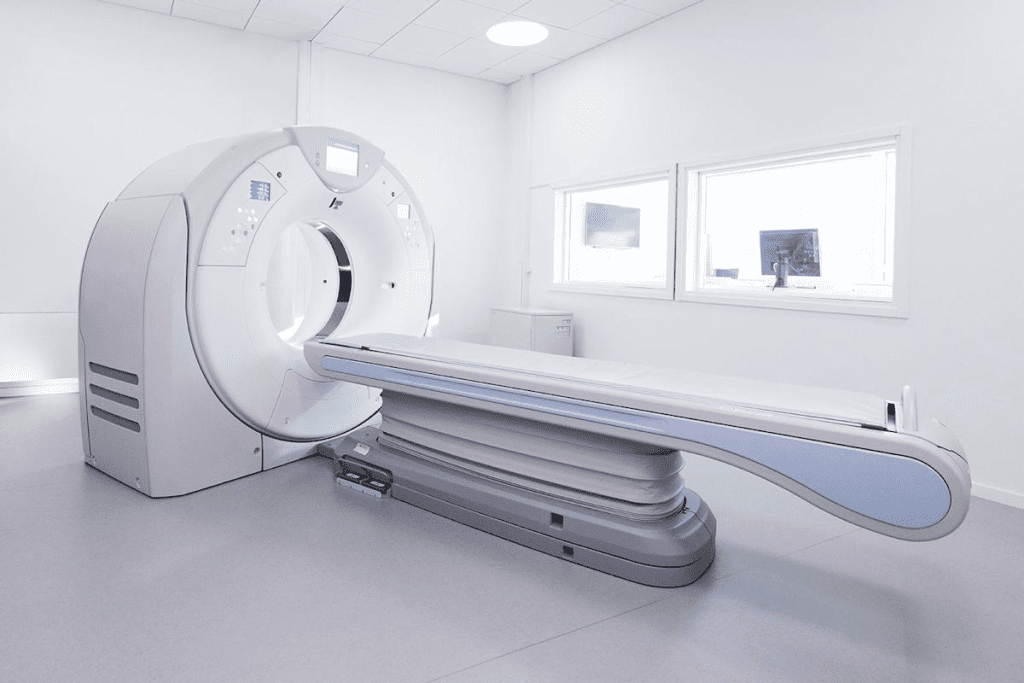
When you get a Computed Tomography (CT) scan, you might get an injection of dye. This dye makes blood vessels, organs, and abnormal tissues show up better on the images. It’s a key part of making sure the scan is as helpful as possible.
Contrast materials, or agents, make some body parts stand out more. By using iodine-based contrast agents, doctors can spot diseases sooner and more accurately. This means better care for you and fewer times you might need more serious tests.
At top healthcare places, using dye in CT scans shows our dedication to the latest, best care. We use this method to help our patients fully and support them every step of the way.
Key Takeaways
- Contrast dye is used in CT scans to enhance image quality.
- Iodine-based contrast agents are commonly used.
- The technique improves diagnostic accuracy.
- It helps in early disease detection.
- Contrast dyes reduce the need for invasive procedures.
What Happens During a CT Scan With Contrast
A CT scan with contrast uses X-rays and a special dye to see inside the body. It helps doctors find and treat many health issues. This method creates detailed images of the body’s inside parts.
Basic Principles of Computed Tomography
CT scans use X-rays to make images of the body’s inside. The machine moves around the body to take pictures from different sides. Then, a computer puts these images together to show detailed views.
Contrast agents make some parts of the body stand out more. This helps doctors spot problems like tumors or inflammation. The National Cancer Institute says these dyes are given by mouth or through a vein. They help doctors see better and avoid more invasive tests.
Types of Contrast Agents Used in Imaging
There are different contrast agents for CT scans, each for a specific use:
- Iodine-based contrast agents: These are given through a vein and work well for blood vessels and some organs.
- Barium-based contrast agents: These are used for the gut and are taken by mouth or rectally.
The right contrast agent depends on what the doctor needs to see and where.
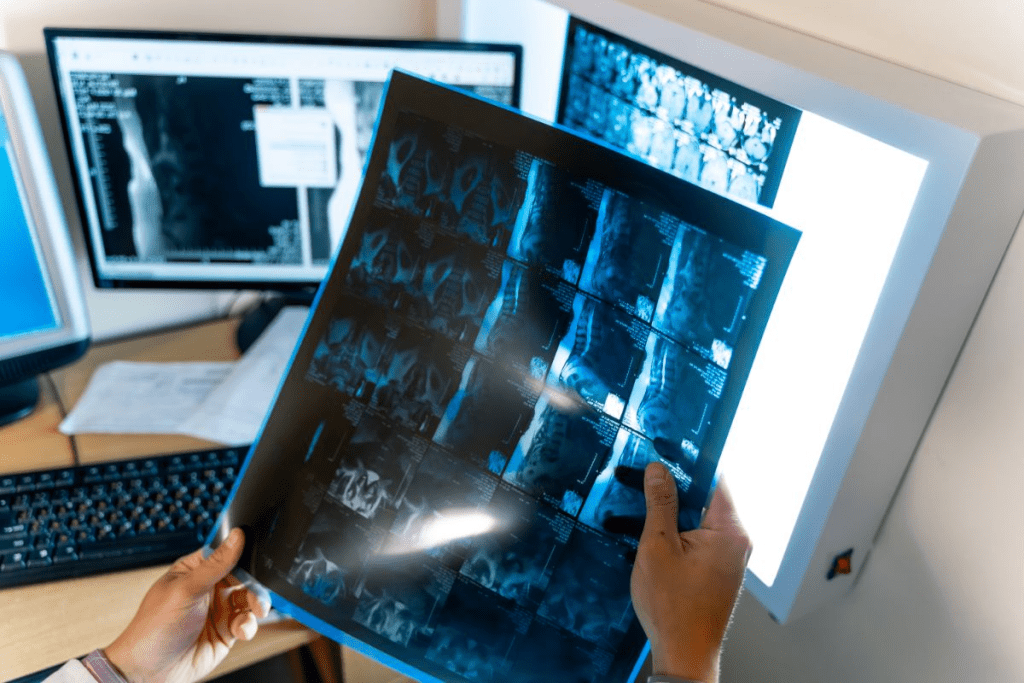
The Patient Experience During Contrast Administration
Here’s what happens during a CT scan with contrast:
- The dye is given based on the scan type and area. For example, iodine is given through a vein, and barium is taken by mouth.
- Patients might feel warm or taste metal when the dye is given, but it’s short-lived.
- The scan itself is fast, usually just a few minutes.
We know CT scans can make patients nervous. Our team works hard to make sure patients are comfortable and supported during the scan.
5 Key Reasons Why Contrast Dye Improves CT Scan Results
Contrast dye makes CT scans much better for doctors to diagnose. Every year, about 70 million CT scans are done in the U.S. This dye helps find cancers, infections, and blood vessel problems up to 30% more often.
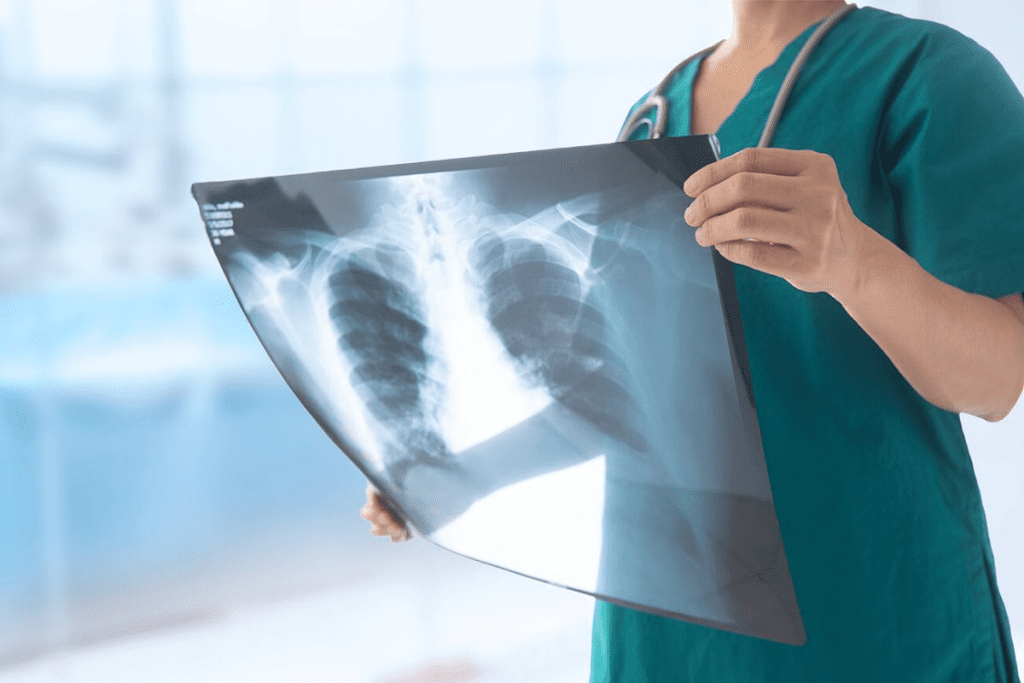
Enhanced Visibility of Blood Vessels and Organs
Contrast dye makes blood vessels and organs show up clearer on CT scans. Doctors can then see them better and spot problems. A top radiologist says, “Contrast agents let us see blood vessels and how organs work better.”
Better Differentiation Between Normal and Abnormal Tissues
The dye helps doctors tell normal from abnormal tissues. Abnormal tissues take the dye differently, making them easier to spot. This is key for making the right diagnosis.
Increased Detection of Tumors and Lesions
CT scans with contrast dye are great for finding tumors and lesions. The dye goes to areas with lots of blood, like tumors. This makes tumors show up on scans, helping doctors find and treat cancer early.
Clarification of Inflammation and Infection Sites
Contrast dye also shows where inflammation and infections are. It highlights areas with more blood flow and changes in blood vessels. This helps doctors find abscesses and infected tissues, guiding treatment.
In short, contrast dye is a key tool in CT scans. It makes images clearer, helps doctors tell tissues apart, finds tumors, and spots inflammation. It’s a big help in healthcare today.
How Contrast Agents Are Administered for CT Scans
Administering contrast agents is key to improving CT scan quality. These materials can be given orally, rectally, or through an IV. The choice depends on the exam type and the body area being scanned.
Intravenous Contrast Injection Process
Intravenous (IV) is the most common way to give contrast agents during a CT scan. We inject the contrast agent into a vein in the patient’s arm or hand, usually through an IV line. The injection is controlled to ensure the right flow rate.
This method is great for seeing blood vessels, organs, and some tumors.
The IV contrast injection process is generally well-tolerated. Patients might feel some discomfort or warmth during the injection. Our medical team is ready to monitor and help with any issues.
Oral Contrast Administration Methods
Oral contrast agents help see the gastrointestinal tract. Patients are asked to drink a contrast solution before the scan. The type and amount depend on the exam and area being scanned.
Timing Considerations for Optimal Imaging
The timing of contrast administration is very important for good imaging results. We plan the timing carefully to make sure the contrast is in the right place during the scan. This means coordinating the contrast with the scan timing.
Proper timing makes the area of interest more visible. This helps in making accurate diagnoses. Our radiologists work with the medical team to optimize the CT scan, including contrast and timing, for the best results.
Medical Conditions That Benefit Most From Contrast-Enhanced CT Scans
Medical imaging has made a big leap with contrast-enhanced CT scans. They help doctors diagnose conditions better. These scans are key for many medical issues, giving vital info for treatment plans.
Vascular Diseases and Angiography
Vascular diseases, like aneurysms and blockages, are diagnosed well with these scans. Angiography, a special CT tech, shows blood vessels in detail. This helps doctors spot problems and plan treatments.
A CT scan with contrast can spotvascular issues by showing blood flow and blockages. This info is key for choosing the right treatment, like surgery or angioplasty.
Cancer Detection and Staging
Contrast-enhanced CT scans improve cancer detection and staging. They find tumors, measure their size, and check if cancer has spread.
- Enhanced tumor visibility: Contrast agents make tumors stand out from healthy tissue.
- Accurate staging: These scans give clear images for cancer staging, vital for treatment planning.
- Monitoring treatment response: They also track how well cancer treatment is working.
Abdominal and Pelvic Pathologies
Abdominal and pelvic issues, like infections and tumors, are checked with these scans. They show how severe these problems are.
For example, a CT scan with contrast can confirm appendicitis and help plan surgery. It’s also good for diagnosing and managing conditions like diverticulitis and inflammatory bowel disease.
Neurological Conditions and Brain Imaging
Contrast-enhanced CT scans help with neurological issues, like stroke and brain tumors. While MRI is often used, CT scans are quicker in emergencies.
“The use of contrast agents in CT scans has revolutionized the field of neuroradiology, enabling rapid and accurate diagnosis of life-threatening conditions.”
” Neuroradiologist
These scans give detailed brain and blood vessel images. This helps doctors make quick, informed decisions, like using clot-busting drugs for stroke or planning brain tumor surgery.
Safety Profile and Risk Considerations of CT Scan Contrast
Understanding the safety of CT scans with contrast is key. Contrast agents make images clearer and more useful. But, they also come with risks and things to consider.
Potential Allergic Reactions and Their Frequency
Allergic reactions to CT scan contrast are a big worry. While serious reactions are rare, they can happen. Allergic reactions can be mild, like hives and itching, or very serious. The chance of a severe reaction is less than 1 in 10,000, studies show.
Kidney Function Concerns and Screening Protocols
Contrast agents can affect kidney function. People with kidney disease are at higher risk. Doctors check kidney function before using contrast. They might use other imaging methods for those at high risk.
Contraindications for Contrast Use
There are times when contrast agents should not be used. Those with severe kidney disease, on certain meds, or with severe allergies are at higher risk. Doctors carefully check these factors before using contrast.
Preparation Guidelines for Patients
Patients get specific instructions before a CT scan with contrast. This includes fasting, avoiding certain meds, and sharing allergy or kidney disease history. Following these steps helps reduce risks.
In summary, while CT scan contrast has risks, careful screening and preparation guidelines help. As technology advances, CT scans with contrast will likely get safer and more effective.
Conclusion: Advancements in Contrast Technology for Safer and More Effective CT Imaging
We are seeing big changes in contrast technology. These changes make CT imaging safer and more effective. New contrast agents and ways to use them are being created. They help doctors make better diagnoses with less risk.
New contrast agents help see blood vessels and organs better during a CT scan. This lets doctors make more accurate diagnoses. As CT scan tech gets better, it’s key to keep up with contrast tech too. This ensures safer and more effective results.
By using the latest protocols and high-quality solutions, we can get top-notch diagnostic results. Contrast technology is getting better all the time. This makes CT scans even more valuable for diagnosing and treating many medical conditions. It’s also important for differentiating from MRI scans.
FAQ
What is a CT scan with contrast, and how does it differ from a standard CT scan?
A CT scan with contrast uses a special dye to highlight body areas. This dye is given through an IV or orally. It’s different from a standard CT scan, which doesn’t use dye.
Why is contrast dye used in CT scans?
Contrast dye makes CT scans more accurate by showing blood vessels and organs better. It helps spot tumors, lesions, and inflammation. This makes it easier to see what’s normal and what’s not.
What are the types of contrast agents used in CT scans?
Iodinated contrast is the most common for CT scans, given through an IV. Oral contrast, like barium, is used for some scans, like the abdomen or pelvis.
How is contrast dye administered for a CT scan?
Contrast dye is usually given through an IV in the arm. It’s injected slowly for the best images. Sometimes, patients drink oral contrast before the scan.
Are there any risks or side effects associated with CT scan contrast?
While safe for most, contrast dye can cause allergic reactions or kidney problems in some. People with kidney disease or allergies should talk to their doctor about precautions.
How can I prepare for a CT scan with contrast?
To prepare, tell your doctor about any health issues, allergies, or medications. You might need to fast or avoid certain foods. Arrive early to fill out paperwork and get ready.
Can I undergo a CT scan with contrast if I have kidney disease?
People with kidney disease should talk to their doctor about contrast dye. The doctor will check kidney function and decide if dye is safe.
What are the benefits of using contrast dye in CT scans for cancer detection?
Contrast dye helps find and stage cancer by showing tumors and lesions. It also checks if treatment is working and if cancer has come back.
Are there any alternative imaging tests that do not use contrast dye?
Yes, MRI or ultrasound can be used instead. But, CT scans with contrast are often the best choice for many conditions, giving clear images and accurate diagnoses.
References
- McDermott, M. C., Wichmann, J. L., Parizel, P. M., et al. (2024). Critical but commonly neglected factors that affect contrast-medium injections and recommendations to improve contrast-enhanced CT imaging. Insights into Imaging, 15(1), Article 50.https://doi.org/10.1186/s13244-024-01750-4
- Parillo, M., Quattrocchi, C. C., Mallio, C. A., & van der Molen, A. J. (2023). The role of iodinated contrast media in computed tomography: clinical reporting guidelines, diagnostic capabilities, and risks. Quantitative Imaging in Medicine and Surgery, 13(10), 5315-5330.https://doi.org/10.21037/qims-23-603
- Kaller, M. O. (2023). Contrast agent toxicity. In StatPearls. StatPearls Publishing.https://www.ncbi.nlm.nih.gov/books/NBK537159/
- Najjar, R., et al. (2024). Clinical applications, safety profiles, and future development of contrast agents for CT imaging. Imaging Research & Diagnostics, 8(2), 95-108. https://doi.org/10.1002/ird3.95