
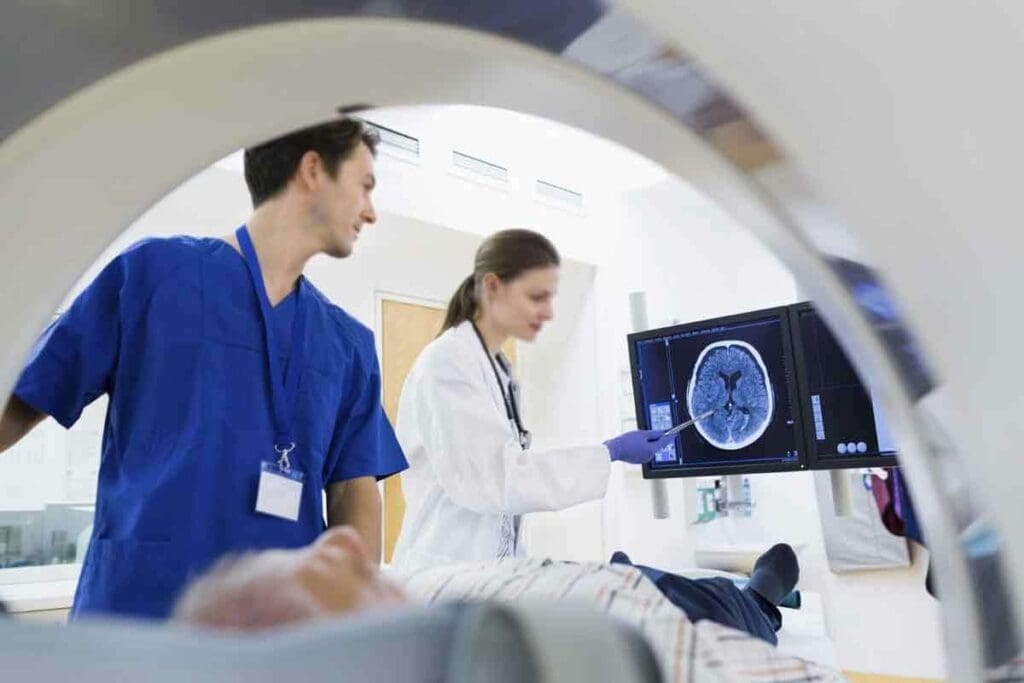
Getting ready for an abdominal CT scan with contrast requires careful preparation. At Liv Hospital, we provide clear guidance to help you feel confident and prepared.
An abdominal CT scan produces detailed images of your organs, blood vessels, and bones. For the best results, you may need to fast for a few hours and consume aCT scan drink before the procedure. This contrast solution helps highlight your internal structures for accurate imaging.
Our team is committed to providing personalized care and evidence-based guidance. We’ll walk you through the 7 key prep tips for your abdominal CT contrast scan, ensuring a smooth and successful experience.
Key Takeaways
- Understand the importance of fasting before an abdominal CT scan with contrast.
- Learn how to properly consume contrast solution to enhance image quality
- Discover the benefits of personalized care and guidance throughout the preparation process
- Find out what to expect during the abdominal CT scan procedure
- Get tips on how to make your scan experience as smooth as possible
Understanding Abdominal CT Scans with Contrast
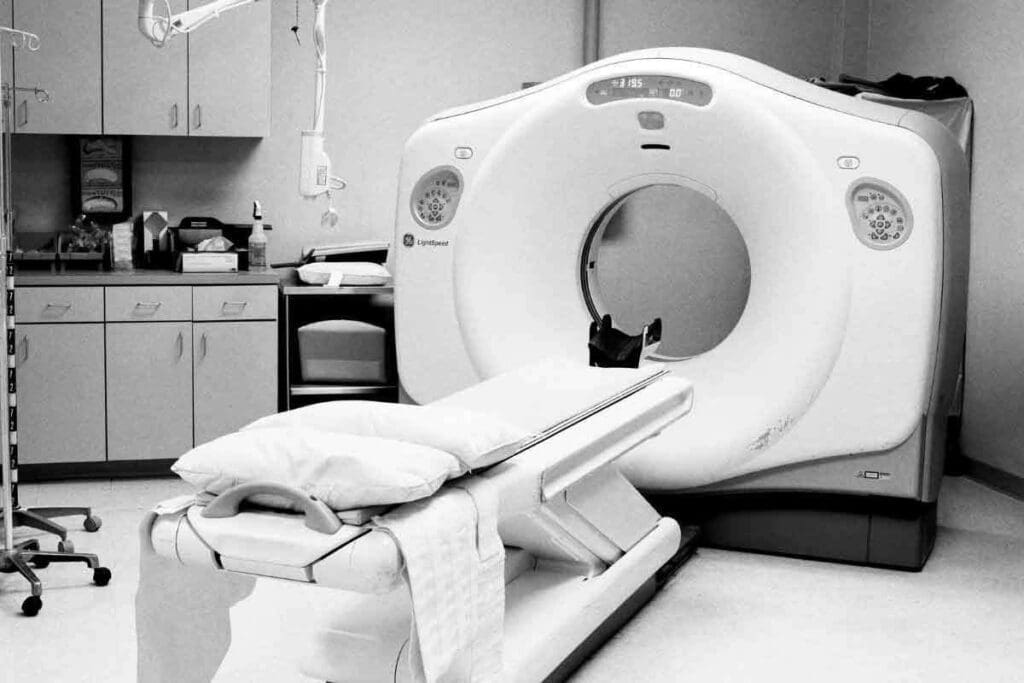
To get the most out of an abdominal CT scan, it’s key to know how contrast agents work. An abdominal CT scan is a detailed diagnostic tool. It shows images of the abdominal organs, blood vessels, and bones. This detail is vital for spotting many conditions, like injuries, cancers, infections, and vascular diseases.
What is an Abdominal CT Scan?
An abdominal CT (Computed Tomography) scan is a non-invasive test. It uses X-rays to make detailed images of the abdomen. This scan is great when a doctor needs more info than a physical exam or lab tests can provide.
Why Contrast Agents Are Used
Contrast agents are substances that make body structures or fluids stand out in medical images. For an abdominal CT scan, they help doctors spot problems more easily. These agents can be taken orally or given through an IV, depending on the scan’s needs.
Types of Contrast: Oral vs. Intravenous
There are two main types of contrast agents for abdominal CT scans: oral and intravenous. Oral contrast is a liquid drink before the scan to light up the digestive tract. Intravenous contrast is injected into a vein to show blood vessels and organs more clearly.
| Contrast Type | Administration Method | Purpose |
| Oral Contrast | Drinking a contrast solution | Highlights the digestive tract |
| Intravenous Contrast | Injection into a vein | Visualizes blood vessels and organs |
Drinking a special contrast solution 60-90 minutes before the test makes the digestive tract clearer. This prep is key to getting accurate images for diagnosis.
What to Crink Before Your Appointment
Drinks before a CT scan are important for good image quality. Knowing what to drink is key to a successful scan.
Types of Contrast Solutions
You might get a contrast solution to drink before your CT scan. This solution makes the digestive tract stand out, helping doctors find problems. It’s usually made of barium or iodine.
Contrast solutions vary for different body parts. Your doctor will tell you what to drink and how much.
Taste and Consistency: Managing Expectations
The taste and feel of contrast solutions differ. Some are thick and chalky, others have a strong taste. It’s important to listen to your healthcare team to get ready.
Water and Clear Liquids: What’s Allowed
You can usually drink clear liquids like water before a CT scan. Clear liquids include water, clear broths, and sports drinks. Always check with your doctor about what you can drink.
Knowing what you can drink helps you stay hydrated and comfortable.
Tip #1: Follow Fasting Guidelines Precisely
To get the most accurate results from your abdominal CT scan, it’s key to follow the fasting guidelines. Fasting reduces the chance of nausea or vomiting from the contrast injection. It also makes sure the stomach and intestines are empty, leading to clearer images.
Standard Fasting Periods
Usually, you need to fast for 2 to 4 hours if contrast is used during your CT scan. We know fasting can be tough, but it’s vital for getting high-quality images.
| Fasting Duration | Contrast Used | Typical Requirement |
| 2-4 hours | Oral or Intravenous | Standard for most CT scans |
| More than 4 hours | Specific cases | As directed by your healthcare provider |
Foods to Avoid Before Your Scan
It’s not just about fasting; it’s also about avoiding certain foods and drinks. High-fat foods, dairy products, and caffeinated beverages should be avoided. They can affect digestion or interact with the contrast agent.
- High-fat foods
- Dairy products
- Caffeinated beverages
Why Proper Fasting Improves Scan Quality
Proper fasting makes sure your stomach and intestines are empty. This is key for clear images during the CT scan. By following the fasting guidelines, you help us get the best diagnostic results. This aids in planning your treatment.
By following these guidelines and understanding the importance of fasting, you play an active role in ensuring the success of your CT scan procedure. If you have any questions or concerns about fasting or any other aspect of your preparation, don’t hesitate to reach out to your healthcare provider.
Tip #2: Timing Your Contrast Consumption Correctly
Drinking contrast for a CT scan at the right time is key for clear images of the digestive tract. The timing of your contrast is very important for accurate results. We’ll show you why timing matters and how it improves your CT scan images.
The 60-90 Minute Rule for Oral Contrast
Usually, you’re told to drink the contrast solution 60-90 minutes before your CT scan. This time, let the contrast move through your digestive tract. It makes the inside structures more visible.
This 60-90 minute rule is a general guide. Your specific scan needs and your doctor’s instructions might change it.
Why Timing Matters for Diagnostic Accuracy
Getting the timing right for contrast is key to top-notch images. If you drink it too soon or too late, it might not highlight the right areas. This could lead to less accurate diagnoses.
Timing is important for how the contrast spreads in your digestive tract. The best timing means the contrast spreads evenly. This gives you clear and detailed images.
What Happens If You Drink Too Early or Too Late
Drinking too early means the contrast might pass through too quickly. It might miss the area you want to see. Drinking too late doesn’t give the contrast enough time to spread. This results in poor images.
| Timing Issue | Potential Impact |
| Drinking contrast too early | Contrast may move beyond the area of interest |
| Drinking too late | Insufficient time for contrast distribution |
By sticking to the recommended timing, you help make sure your CT scan is of high quality. This leads to more accurate diagnoses and better treatment plans.
Tip #3: Optimize Your Hydration Strategy
Hydration is key before, during, and after a CT scan. It affects how well the scan works and your body’s response. We’ll show you why staying hydrated is important.
Pre-Scan Hydration Guidelines
Before your CT scan, follow certain hydration rules. Drinking water helps your body get ready for the contrast media. Drink lots of water before your scan, but listen to your healthcare provider’s advice.
Water Intake to Support Kidney Function
Drinking enough water is vital for your kidneys, more so when contrast media is used. Contrast media can stress your kidneys. Staying hydrated can lessen this stress. Drink water regularly before your scan, unless your doctor tells you not to.
Post-Scan Hydration to Flush Contrast Media
Drink lots of water after your CT scan to get rid of the contrast media. This helps avoid side effects and keeps your kidneys healthy. Drink more water for the rest of the day after your scan.
Optimizing your hydration can make your CT scan go smoothly and aid in recovery. Always talk to your healthcare provider for specific hydration advice.
Tip #4: Prepare for Intravenous Contrast
As you get ready for your CT scan, knowing about intravenous contrast can ease your worries. This contrast is key to a better scan. It makes blood vessels, organs, and more stand out.
How IV Contrast Works
IV contrast agents are special because they absorb X-rays differently from our bodies. When injected into a vein, they highlight internal structures during the scan. This makes the images clearer, helping doctors diagnose many conditions.
The Injection Process and Sensations
The IV contrast is given through an automated injector. You might feel a pinch when the needle goes in. Then, you might feel a warm sensation or flushing as it’s injected. This feeling is usually short and harmless.
Some people might taste something metallic, but this is brief. It’s important to stay calm and not move during the injection. Tell the medical team if you feel any discomfort or unusual feelings.
Common Side Effects and How to Manage Them
While IV contrast is safe, some might have side effects. Common ones include:
- Nausea or vomiting
- Dizziness
- Itching or rash
- Headache
Most side effects are mild and don’t last long. But if you have severe symptoms like trouble breathing or swelling, tell the medical team right away. Drinking lots of water can help with mild side effects by flushing out the contrast agent.
Pre-hydration before your scan can also help. It’s good for people with kidney issues. Your doctor will give advice based on your health history.
Tip #5: Special Preparations for High-Risk Patients
Patients with certain medical conditions need special care before a CT scan. We know that diabetes, kidney disease, or contrast allergies require careful handling. This is to keep you safe during the scan.
Diabetes Management Before CT Scans
Managing diabetes well is key before a CT scan. Talk to your doctor about your diabetes plan if you’re on metformin. You might need to adjust your meds to avoid problems.
Kidney Disease: Modified Protocols
For those with kidney disease, we might change the CT scan plan. This could mean using different contrast agents or adjusting the dose. We’ll watch your kidney health before and after the scan.
Contrast Allergies: Prevention and Alternatives
Those allergic to contrast agents need extra care. We might give you pre-medication to lower allergy risk. Sometimes, we look for other imaging options without contrast.
Medication Adjustments Before Your Scan
Some meds might need to be changed or stopped before your CT scan. It’s important to list all your meds and supplements. Our team will work with your doctor to make any needed changes safely.
By taking these steps and working with our team, we can make your CT scan safe and effective. This is true even with medical conditions.
Tip #6: Create a Day-of-Scan Timeline
Having a day-of-scan timeline can make you feel less stressed and anxious. It helps you prepare for your abdominal CT scan smoothly. A clear plan ensures you’re ready for a successful scan.
Hour-by-Hour Preparation Guide
Creating an hour-by-hour schedule for your scan day is a good idea. Here’s a basic guide to help you:
- 2 hours before the scan: Get to the scanning facility and fill out any needed paperwork.
- 1 hour before the scan: Finish drinking any contrast solution and use the restroom if needed.
- 30 minutes before the scan: Put on the gown provided and remove any metal objects.
- Immediately before the scan: Follow the instructions from the radiology team.
What to Wear and Bring
Wear comfortable, loose clothes on scan day. You might need to change into a gown. Remember to:
- Avoid clothes with metal parts, like zippers or buttons.
- Remove jewelry, glasses, or other metal items.
- Bring your doctor’s referral and insurance cards.
- Leave electronic devices and valuables at home or with someone.
Check-in Procedures and Final Instructions
When you arrive, check in at the reception desk. Let them know you’re there for your CT scan. They will help with paperwork and preparation. Make sure to:
- Confirm your identity and scan details.
- Tell the staff about any allergies or medical conditions.
- Follow the final instructions from the radiology team.
By following this timeline, you’ll be well-prepared for your abdominal CT scan. If you have any questions or concerns, contact your healthcare provider.
Tip #7: Know What to Expect During the Procedure
Knowing what happens during an abdominal CT scan can make you feel less anxious. We’ll cover the main parts of the procedure to make sure you’re informed.
Duration of Abdominal CT Scans
The actual CT scan is quick, lasting between 10 to 30 minutes. But getting ready and the whole process can take longer. The scan itself is the briefest part.
| Procedure Component | Typical Time |
| Preparation | 30-60 minutes |
| Actual Scanning | 10-30 minutes |
| Total Time | 40-90 minutes |
Positioning and Breathing Instructions
You’ll lie on a table that moves into the CT scanner. You must stay very quiet and follow breathing directions for clear pictures.
Key Positioning and Breathing Tips:
- Lie flat on the table, usually on your back.
- Hold your breath for a few seconds when told.
- Listen carefully to the technologist’s instructions.
Common Sensations During Contrast Scans
Some people might feel a warm sensation or a metallic taste during the contrast scan. These feelings are usually short-lived and safe.
It’s good to know that CT scans aim to be as comfortable as they can be. By knowing what to expect, you can prepare better for the experience.
Conclusion: Ensuring a Successful Abdominal CT Scan
Getting ready for an abdominal CT scan is very important. Your healthcare provider will give you all the details you need. This way, your scan will be safe and effective.
We’ve shared 7 essential tips to help you prepare. These include fasting and knowing what happens during the scan. Following these preparation tips for ct scan helps a lot.
By getting ready well, you help make your scan a success. This includes staying hydrated and getting ready for contrast. Each step is important for ensuring successful results.
Being well-prepared is the first step to getting good images. Talk to your healthcare team about any questions. This way, you’ll have a smooth scan and get the right treatment.
FAQ
Do I need to fast before a CT scan of my abdomen?
Usually, you need to fast for 2 to 4 hours if contrast is used. Always follow the fasting guidelines from your healthcare provider for a successful scan.
What can I drink before a CT scan with contrast?
You might be asked to drink a contrast solution for better imaging of your digestive tract. Clear liquids like water are usually okay. Always check with your healthcare provider about what to drink before your scan.
How long before the CT scan should I drink the oral contrast solution?
Drinking the oral contrast solution 60-90 minutes before the scan is best. This timing helps get the best images of your digestive tract.
Can I drink water before a CT scan with contrast?
Yes, drinking water is important before, during, and after your CT scan. It helps keep your kidneys working and flushes out the contrast media.
What are the common side effects of intravenous contrast, and how can I manage them?
Intravenous contrast can cause sensations like warmth or a metallic taste during the injection. Talk to your healthcare provider about any concerns or allergies to manage these side effects.
Do I need to adjust my medication before a CT scan with contrast?
If you have conditions like diabetes or kidney disease, you might need to adjust your medication. Always check with your healthcare provider to make the necessary changes for your condition.
How long does an abdominal CT scan with contrast take?
The scan itself is usually quick. But you should plan to spend some time at the imaging facility for preparation and check-in.
What should I wear and bring to the CT scan appointment?
Wear comfortable, loose-fitting clothes and avoid jewelry or items that might interfere with the scan. Bring any medical records, insurance information, and a list of your medications to the appointment.
Can I eat or drink after the CT scan?
You can usually go back to your normal diet and activities after the scan, unless your healthcare provider says not to. Always follow their advice for your safety and comfort.
References
- RadiologyInfo.org. (2024, March 31). Abdominal and Pelvic CT. Retrieved fromhttps://www.radiologyinfo.org/en/info/abdominct



 Departments
 Related Videos
 Our Doctors
 News
News