Medical imaging is essential in diagnosing and treating many health conditions. Two common methods are CT scans and SPECT scans, but they serve different purposes. When comparing CT scan vs SPECT scan, a CT scan provides detailed structural images of the body, while a SPECT scan shows how blood flows and how tissues and organs are functioning. Together, they give both anatomical and functional insights, helping guide accurate diagnoses and treatments.
CT scans mix X-rays from various angles to show cross-sections of the body. On the other hand, SPECT scans use a camera that moves to catch gamma rays. This helps us see how organs and tissues work.
Key Takeaways
- CT scans provide detailed cross-sectional images using X-ray measurements.
- SPECT scans offer functional information by detecting gamma rays emitted by a radiopharmaceutical.
- Both imaging modalities have distinct applications in medical diagnosis.
- The choice between CT and SPECT scans depends on the specific diagnostic requirements.
- Understanding the differences between CT and SPECT scans is essential for accurate diagnosis and treatment.
Understanding Medical Imaging Technologies
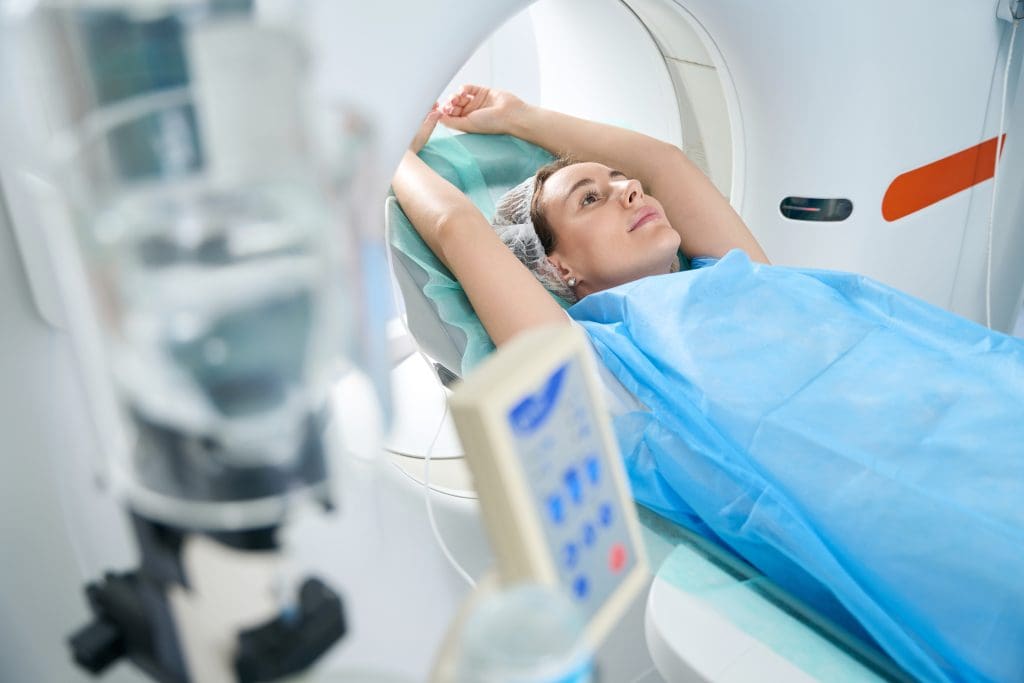
Diagnostic imaging technologies have grown a lot, playing a big role in today’s healthcare. These advancements have greatly helped in diagnosing and planning treatments.
The Evolution of Diagnostic Imaging
Medical imaging has made huge strides, starting with Wilhelm Conrad Röntgen’s discovery of X-rays in 1895. The introduction of CT scans and SPECT scans has been key in medical imaging’s history.
CT scans, introduced in the 1970s, changed the game by showing cross-sections of the body. CT scans use X-rays and computers to create detailed images of inside structures. SPECT scans, using small amounts of radioactive tracers, show how organs or tissues work.
Role of Advanced Imaging in Modern Medicine
Advanced imaging like CT and SPECT scans are essential in today’s medicine. They help diagnose and plan treatments well.
| Imaging Technology | Primary Use | Key Benefits |
| CT Scan | Anatomical imaging, trauma, and cancer diagnosis | High-resolution images, fast scanning time |
| SPECT Scan | Functional imaging, cardiac and bone imaging | Provides functional information, useful for disease monitoring |
Comparing CT and SPECT imaging shows their unique strengths. CT scans give detailed body structure images, while SPECT scans offer insights into how organs function. Knowing the differences between CT and SPECT scans is key for choosing the right imaging for a case.
CT Scan: Basic Principles and Technology
CT scans are a key tool in medicine. They use X-rays to show the body’s inside parts clearly. This helps see organs, bones, and tissues in detail.
How CT Scanning Works
CT scans use X-rays to take pictures from different angles. A CT scanner has an X-ray tube and detectors. The X-rays go through the body, and the detectors catch what’s left.
This info makes detailed images of the body’s inside. The scanner moves around the patient, taking pictures in a spiral. This makes 3D images of the body’s inside. Using many detectors helps scan faster and more efficiently.
Types of CT Scanners
There are many types of CT scanners, each with special features. The main types are:
- Helical CT Scanners: These move in a helical motion for faster scans and better images.
- Cone-Beam CT Scanners: Use a cone-shaped X-ray beam for detailed 3D images.
- High-Speed CT Scanners: Great for quick scans, perfect for emergencies or when patients can’t stay long.
| Type of CT Scanner | Key Features | Applications |
| Helical CT Scanner | Continuous helical motion, fast scanning | General diagnostic imaging, vascular studies |
| Cone-Beam CT Scanner | Cone-shaped X-ray beam, 3D imaging | Dental and maxillofacial imaging, orthopedic imaging |
| High-Speed CT Scanner | Rapid scanning, high temporal resolution | Emergency imaging, cardiac imaging |
Image Reconstruction in CT
Image reconstruction is key in CT scanning. It turns raw data into clear images. This step corrects for errors, improves image quality, and handles patient movement.
Advanced methods like iterative reconstruction boost image quality and cut radiation. They’re great for patients needing many scans or kids.
SPECT Scan: Fundamentals and Mechanism
The SPECT imaging procedure is a complex tool that takes detailed pictures of the body’s inner workings. It uses gamma rays from special medicines to do this. This tech is key in nuclear medicine, giving insights into how our bodies work.
The Science Behind SPECT Imaging
SPECT imaging works by using special medicines that go to certain parts of the body. These medicines send out gamma rays. A camera around the patient catches these rays, making images that show how well the body is working.
The process involves several key steps:
- The administration of a radiopharmaceutical tailored to the specific diagnostic need.
- The gamma camera captures the gamma rays emitted, creating a series of two-dimensional images from multiple angles.
- A computer reconstructs these images into a three-dimensional representation of the area of interest.
Radiopharmaceuticals Used in SPECT
Radiopharmaceuticals are key in SPECT imaging, as they carry the information needed for diagnosis. Different medicines are used for different body functions, like heart health or brain activity. Technetium-99m is often used because it works well and can be attached to many compounds.
“The choice of radiopharmaceutical is critical in SPECT imaging, as it directly impacts the diagnostic accuracy and the ability to assess specific physiological processes.”
SPECT Equipment and Technology
The gear for SPECT imaging includes a gamma camera and advanced computers. Modern systems also have CT tech for better images (SPECT/CT). This combo gives detailed looks at both how the body works and its structure.
The mix of SPECT with other imaging tech is a big step forward. It lets see more clearly and get a fuller picture of what’s going on.
CT vs SPECT Scan Differences: Core Technical Distinctions
CT and SPECT scans have different technical features. These differences affect how they are used in medicine and the quality of their images. Knowing these differences helps us understand their specific roles in medical imaging.
Imaging Principles Comparison
CT scans use X-rays to make detailed pictures of the body’s inside. SPECT scans, on the other hand, use tiny amounts of radioactive tracers to show how the body works.
Key differences in imaging principles:
- CT scans rely on X-ray attenuation to generate images.
- SPECT scans detect gamma rays emitted by radiopharmaceuticals.
Resolution and Image Quality Contrasts
CT and SPECT scans have different image qualities. This is because they use different ways to create images.
CT scans are famous for their clear images. They give detailed views of the body’s structure. SPECT scans, while not as clear, show how the body functions.
Comparison of image quality:
- CT scans provide high-resolution anatomical images.
- SPECT scans offer functional information with lower spatial resolution.
Functional vs. Anatomical Imaging
CT and SPECT scans are used for different types of imaging.
CT scans focus on anatomical imaging. They give detailed views of the body’s structure. SPECT scans, on the other hand, focus on functional imaging. They show how the body works and what it’s doing.
Choosing between CT and SPECT scans depends on what you need to know. CT scans are best for detailed body views. SPECT scans are better for understanding body functions.
Patient Preparation: CT vs SPECT
Knowing what to do before a CT or SPECT scan is important. It helps patients have a better experience during the imaging process.
Pre-Scan Requirements for CT
Before a CT scan, remove metal items like jewelry and glasses. Also, take off clothes with metal parts. This prevents problems with the scan.
Patients might need to fast before the scan. They might also drink a contrast agent to show certain body parts better.
Tell your about any allergies or medical conditions before getting contrast material. Wear loose clothes and leave valuables at home.
Pre-Scan Requirements for SPECT
SPECT scan prep focuses on radiopharmaceuticals. You might need to skip some foods or meds. Follow the nuclear medicine department’s instructions closely, as they can change.
Stay calm and quiet during the scan. It takes time. Wear comfy, loose clothes to help relax.
The Scanning Process: What to Expect
When you’re getting ready for a CT or SPECT scan, knowing what happens can help you feel less nervous. These scans help see inside your body. But they work in different ways.
During a CT Scan Procedure
A CT scan is quick and easy. You’ll lie on a table that slides into a big, ring-shaped machine. The machine moves around you, taking detailed pictures. It all happens in a few minutes, though getting ready and the scan itself might take 15-30 minutes.
Key aspects of a CT scan procedure include:
- Lying on a movable table
- Being positioned within the CT scanner
- Remaining very quiet during the scan
- Possible use of contrast dye to make images clearer
During a SPECT Scan Procedure
A SPECT scan has you lying on a table that moves under a camera. This camera moves around you to take pictures. SPECT scans look at how your body works, like blood flow. They might take longer, sometimes hours, depending on the test.
Key aspects of a SPECT scan procedure include:
- Getting an injection of a special dye
- Lying on a table that moves under the camera
- The camera moving around your body
- Waiting a bit after the injection before scanning
Patient Comfort and Experience Comparison
Both scans are usually okay, but they feel different. CT scans are quicker but might use dye that’s not comfy. SPECT scans are longer but feel more relaxed because you’re not stuck in a tight space.
| Aspect | CT Scan | SPECT Scan |
| Duration | Usually a few minutes | 30 minutes to several hours |
| Use of Contrast/Radiopharmaceutical | Contrast dye may be used | Radiopharmaceutical is injected |
| Patient Experience | Faster, potentially more claustrophobic | Longer, generally more comfortable |
Radiation Exposure Comparison
Radiation exposure is key in medical imaging. Both CT and SPECT scans have different safety levels. Knowing the radiation levels helps us understand their risks and benefits.
CT Scan Radiation Levels and Safety
CT scans use X-rays to create detailed images of the body. The dose depends on the scanner, body part, and protocol. Modern CT scanners aim to reduce radiation while keeping image quality high.
Key factors influencing CT scan radiation levels include:
- Scanner technology and its capabilities
- The specific body part being scanned
- The scanning protocol and adjustments made for patient size
The dose from a typical CT scan ranges from 2 to 10 millisieverts (mSv). This compares to the 3 mSv average background radiation in the U.S. per year.
SPECT Scan Radiation Levels and Safety
SPECT scans use small amounts of radiopharmaceuticals that emit gamma rays. The exposure is generally low. But, it can change based on the radiopharmaceutical type, dosage, and imaging protocol.
Factors affecting SPECT scan radiation levels include:
- The type of radiopharmaceutical administered
- The dosage of the radiopharmaceutical
- The imaging protocol and acquisition parameters
The dose from a SPECT scan is usually a few millisieverts. For example, a cardiac SPECT study might have an effective dose of 9 to 11 mSv. Lower doses and optimized protocols help reduce exposure.
In summary, both CT and SPECT scans involve radiation. But, the levels and safety concerns are different. It’s important to understand these differences for informed imaging choices.
Applications of CT Scans
CT scans are key in many medical fields. They give detailed images of the body’s inside. This makes them a vital tool in many .
Trauma and Emergency Imaging
In emergency rooms, CT scans are essential. They quickly check for injuries inside the body. This helps act fast to save lives.
Cancer Detection and Staging
CT scans are also vital in cancer care. They help find and size tumors. This guides treatment plans like surgery or chemo.
Other Common Diagnostic Uses
CT scans are used for more than just trauma and cancer. They help with:
- Checking lung diseases like pneumonia
- Looking at blood vessel problems
- Helping with procedures like biopsies
- Finding kidney stones or gallbladder issues
The benefits of CT scans include quick and accurate diagnoses. This is key for treating patients right.
The many uses of ct scan applications show their big role in healthcare. They help make accurate diagnoses and plans. This leads to better care for patients.
Applications of SPECT Scans
SPECT imaging is used in many areas. It gives functional information, making it a key diagnostic tool. This is true across different medical fields.
Cardiac Imaging and Diagnosis
SPECT scans are key in heart imaging. They check how well the heart’s blood flow, if it’s working, and its function. Cardiac SPECT helps spot heart disease, see how much damage a heart attack caused, and guide treatment.
Its role in cardiology is strong because it offers vital info about the heart’s function.
Brain and Neurological Applications
SPECT scans are also used in neurology. They help check brain function and diagnose neurological disorders. They’re great for looking at Alzheimer’s, Parkinson’s, and stroke.
Functional brain imaging with SPECT shows how much brain damage there is. It also tracks how neurological diseases progress.
Bone and Other Organ Imaging
SPECT scans are also used for bones and other organs. They’re good at finding bone metastases, checking bone infections, and looking at some cancers. The functional info SPECT gives is very useful.
This info helps in diagnosing and managing diseases in different body parts.
SPECT scans have many uses in medicine today. They provide vital info for diagnosing, planning treatments, and managing many medical conditions.
Advantages and Limitations of CT Imaging
CT scans are key in medical diagnostics, with both good and bad sides. They give clear images to diagnose many health issues accurately.
Benefits of CT Scanning
One big advantage of CT imaging is its ability to show detailed images of the body’s inside. This is very helpful in emergencies when fast diagnosis is needed.
- Rapid scanning time, often taking only a few minutes
- High-resolution images that provide detailed information
- Ability to image a wide range of body parts, including internal organs and bones
- Useful in guiding interventional procedures and surgeries
A study in the Journal of the American College of Radiology says, “CT scans are often the first choice for many acute conditions. This is because they are quick and accurate.”
“The rapid acquisition and high-resolution images of CT scans make them invaluable in emergency medicine and critical care.”
Journal of the American College of Radiology
Drawbacks and Constraints
Even with its benefits, CT imaging has some limitations. A big drawback is the use of ionizing radiation. This can raise the risk of cancer, mainly in younger people.
| Limitation | Description |
| Radiation Exposure | Involves exposure to ionizing radiation, potentially increasing cancer risk |
| Contrast Agent Risks | Some patients may experience allergic reactions or kidney damage from contrast agents |
| Limited Soft Tissue Contrast | While excellent for bone and lung imaging, CT scans may not provide the best soft tissue contrast compared to MRI |
In summary, CT scans have many ct scan advantages like clear images and fast scans. But, they also have ct scan limitations like radiation risks and possible side effects from contrast agents. Knowing these points helps in making better choices for patient care.
Advantages and Limitations of SPECT Imaging
SPECT imaging is a powerful tool for diagnosing. It shows how organs and tissues work. This is very useful for some medical tests.
Benefits of SPECT Scanning
SPECT scanning has many benefits:
- Functional Information: It gives detailed info on organs and tissues. This is key for diagnosing and treating many conditions.
- Diagnostic Versatility: It’s great for many tests, like heart, brain, and bone imaging.
- Early Disease Detection: SPECT scans can spot diseases early. This means can act fast.
Drawbacks and Constraints
But, SPECT imaging also has some downsides:
- Lower Resolution: SPECT scans are not as clear as CT scans. This makes it tough to see small details.
- Radiation Exposure: SPECT uses radioactive materials. This is a safety concern for patients.
- Limited Anatomical Detail: SPECT gives functional info but not as much detail as CT or MRI.
In summary, SPECT imaging is a valuable tool with its own strengths and weaknesses. Knowing these helps decide when to use it.
Hybrid Imaging: SPECT/CT Combined Approach
SPECT/CT hybrid imaging is a powerful tool. It combines the functional info from SPECT with detailed anatomical images from CT.
This approach gives a deeper understanding of diseases. It helps see the whole picture.
Benefits of Integrated Imaging
By combining SPECT and CT, get better at diagnosing and treating patients.
- feel more confident in their diagnoses with both functional and anatomical info.
- They can plan treatments more accurately, knowing exactly where the disease is.
Applications of SPECT/CT
SPECT/CT is used in many areas, like oncology, cardiology, and neurology.
In oncology, it helps find tumors and see how far the disease has spread. In cardiology, it checks how well the heart is working.
Using SPECT/CT helps give better care. It leads to better health outcomes for patients.
When to Choose CT vs SPECT: Decision Making
Choosing between CT and SPECT scans is all about knowing their uses and the situation. It’s about picking the right tool for the job.
Conditions Better Diagnosed with CT
CT scans are great for detailed images of the body. They’re good for trauma injuries, cancer, and vascular diseases. These scans help see how bad an injury or disease is.
- Trauma and emergency situations
- Cancer detection and staging
- Vascular diseases and conditions
Conditions Better Diagnosed with SPECT
SPECT scans are perfect for looking at how organs work. They’re great for cardiac function, brain disorders, and bone diseases. SPECT shows how well organs are functioning, which is key in nuclear medicine.
- Cardiac imaging and diagnosis
- Brain and neurological disorders
- Bone and other organ imaging
Physician Considerations and Referrals
think a lot before choosing CT or SPECT scans. They look at the patient’s history, the question they need to answer, and the risks like radiation. Effective decision-making means picking the best scan for each patient.
The right choice between CT and SPECT depends on the situation and what’s needed for treatment. Knowing the strengths and limits of each helps make the best decisions for their patients.
Conclusion
It’s important to know the differences between CT and SPECT scans for making the right medical decisions. Each has its own strengths and uses, fitting different needs for diagnosis.
When we compare CT and SPECT scans, we see they work in different ways. CT scans give detailed pictures of the body’s structure. On the other hand, SPECT scans show how different parts of the body work. The choice between them depends on what need to know.
In summary, must think about the good and bad of each scan type. This helps them pick the best one for their patients. This way, they can make sure patients get the right treatment.
Choosing between CT and SPECT scans should always consider the patient’s situation. This shows how vital it is to understand these scans well in today’s medicine.
FAQ
How do CT and SPECT scans compare in terms of patient comfort?
How do CT and SPECT scans compare in terms of patient comfort?
What can patients expect during a CT or SPECT scan procedure?
For CT scans, patients lie on a table that moves through the scanner. SPECT scans involve being injected with a drug and then lying on a table.
Are there any specific preparations required for CT or SPECT scans?
Yes, preparation varies. CT scans might need contrast agents, while SPECT scans use special drugs.
What are the benefits of hybrid SPECT/CT imaging?
Hybrid SPECT/CT imaging combines detailed images with functional information. This gives a better understanding of the body’s condition.
How does radiation exposure compare between CT and SPECT scans?
Both scans use radiation, but CT scans use more. This is important for safety.
What is the difference between anatomical and functional imaging?
Anatomical imaging, like CT scans, shows the body’s structure. Functional imaging, like SPECT scans, shows how the body works.
What are SPECT scans typically used for?
SPECT scans are used for heart, brain, and bone imaging. They show how the body works.
How do SPECT scans work?
SPECT scans use special drugs that are absorbed by certain parts of the body. The scanner detects these drugs, showing where they are.
What are the typical applications of CT scans?
CT scans help in emergency situations, find cancer, and diagnose other conditions. They provide detailed images of the body.
How do CT scans work?
CT scans use X-rays to make detailed pictures of the body. The scanner moves around the patient, capturing data to create these images.
What is the main difference between a CT scan and a SPECT scan?
CT scans use X-rays to show body structures. SPECT scans use special drugs to show how the body works.