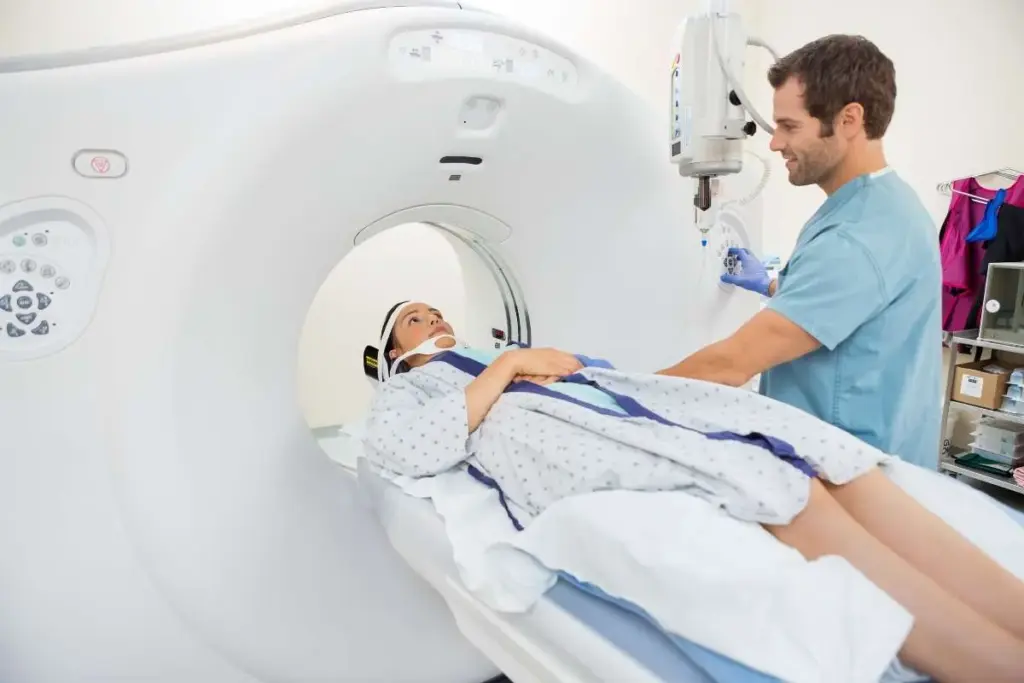
When your ENT specialist suggests a CT scan, they want a better look inside your sinuses. This advanced imaging helps figure out if you have an infection, allergic sinusitis, or other complex issues. These problems can affect your ear, nose, and throat.
At livhospital.com, our ENT teams use the latest tech and methods for accurate diagnoses and treatment plans. Sinus CT scan is key for understanding sinus problems. Studies back up the use of ct sinus imaging for checking paranasal sinuses. This ensures our patients get the best care.
Key Takeaways
- ENT specialists recommend CT scans to diagnose complex sinus conditions accurately.
- A sinus CT scan helps identify infections, allergic sinusitis, and other issues.
- Advanced imaging techniques enable precise diagnoses and effective treatment plans.
- Our ENT teams at livhospital.com use the latest technology for optimal patient care.
- Research supports the importance of ct sinus imaging in medical diagnosis.
The Critical Role of CT Scans in ENT Diagnosis
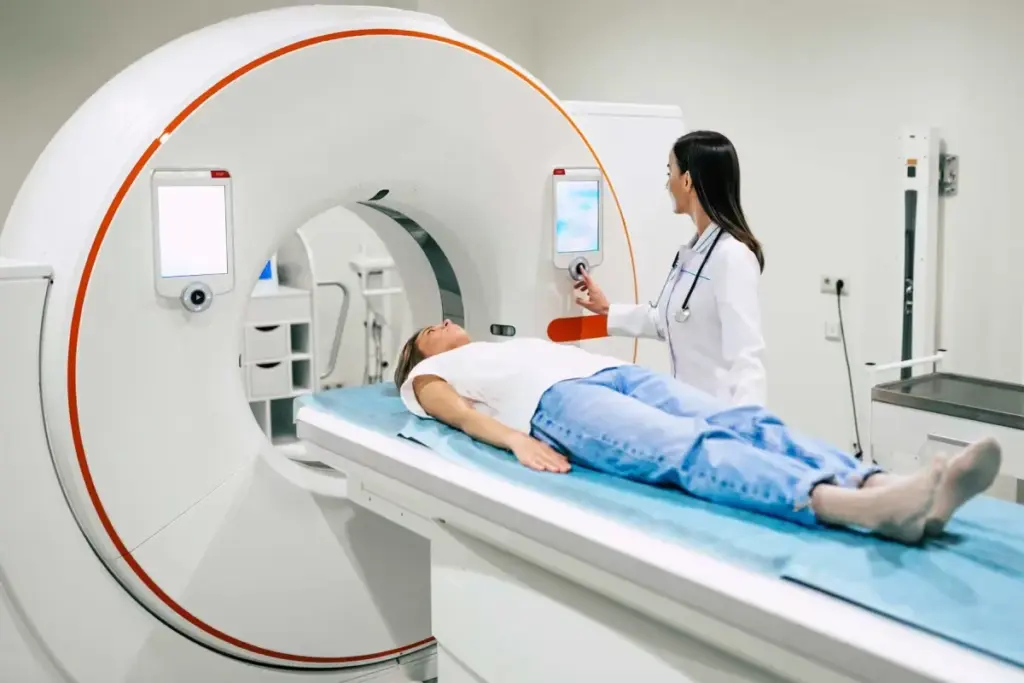
CT scans have changed how we diagnose ENT disorders, mainly in sinus health. CT scans of the sinuses give ENT doctors detailed images. These images are key for accurate diagnosis and treatment plans.
Revolutionizing Sinus Diagnosis with CT Imaging
CT imaging has greatly improved otolaryngology by showing sinus anatomy clearly. A study in the International Journal of Legal Medicine shows CT scans’ wide use, including in forensic anthropology. In sinus diagnosis, CT scans reveal complex issues not seen by other methods.
The use of sinus computed tomography is now common for diagnosing chronic sinusitis and tumors. CT scans give ENTs a clear view of the sinuses. This helps them create treatment plans that fit each patient’s needs.
When Advanced Imaging is Recommended
ENT specialists often suggest CT ENT scans for several reasons. This includes when patients have ongoing sinus symptoms that don’t improve with initial treatments. Advanced imaging is also key for pre-surgical planning. It helps surgeons navigate complex sinus anatomy with more accuracy.
|
Condition |
Why CT Scan is Recommended |
|---|---|
|
Persistent Sinusitis |
To identify underlying anatomical issues or complications |
|
Pre-Surgical Planning |
To provide detailed sinus anatomy for surgical navigation |
|
Suspected Sinus Tumors |
To assess the extent and nature of the tumor |
Understanding CT Scans Sinus Technology

It’s important to know how CT scans work to understand their role in diagnosing sinus issues. CT scans give us detailed images of the sinuses. This helps us find and treat various ENT problems well.
How Computed Tomography Creates Detailed Sinus Images
CT scans combine X-rays and computer tech to show the sinuses in detail. During a nasal CT scan, the patient lies on a table that moves into a CT scanner. The scanner rotates around the patient, taking many X-ray images from different sides.
These images are then put together to make detailed 2D and 3D pictures of the sinuses. This lets doctors see the sinus structures clearly.
This tech is great for seeing the complex sinus anatomy and finding problems that regular X-rays can’t spot.
The Difference Between Standard X-rays and CT Technology
Standard X-rays show the sinuses in a 2D view, which can miss the small details. On the other hand, CT scans of sinuses show much more detail. This helps doctors diagnose conditions more accurately.
For example, a ct scan of healthy sinuses can be used as a reference when diagnosing sinusitis or other sinus problems.
|
Feature |
Standard X-rays |
CT Scans |
|---|---|---|
|
Image Detail |
2D, limited detail |
2D and 3D, high detail |
|
Diagnostic Accuracy |
Lower |
Higher |
|
Ability to Detect Complex Anatomy |
Limited |
Excellent |
Top Medical Reasons ENTs Order Sinus CT Scans
ENTs often order sinus CT scans for several medical reasons. They look for the cause of sinus symptoms to treat them well. A CT scan shows the sinuses in detail, helping diagnose and manage conditions.
Persistent Sinusitis That Doesn’t Respond to Treatment
ENTs use CT scans to check sinusitis that doesn’t get better with treatment. They look for reasons like anatomical issues or chronic inflammation. For example, a CT scan can spot deviated nasal septa or nasal polyps causing symptoms.
Pre-Surgical Planning for Sinus Procedures
CT scans are key for planning sinus surgeries. They give ENTs a clear view of the sinuses, helping plan the best surgery. This is vital for complex surgeries like endoscopic sinus surgery, needing precise anatomy knowledge.
Evaluating Complex Sinus Anatomy
ENTs also use CT scans to check complex sinus anatomy. Patients with unique sinus structures or past surgeries need detailed exams. A CT scan helps identify challenges and plan treatments. For instance, it can show sinus drainage pathways and anatomical variations affecting treatment.
Common Sinus Conditions Diagnosed With CT Imaging
Advanced CT imaging helps doctors spot sinus problems with great detail. This is key for issues like chronic sinusitis, nasal polyps, and abnormal tissue growth. CT scans give a clear view of the sinuses. This helps doctors create treatment plans that fit each patient’s needs.
Chronic Sinusitis and Inflammation Patterns
Chronic sinusitis means the sinuses stay inflamed for a long time. CT scans are vital in spotting this issue. They show where the inflammation is and if there are complications like nasal polyps or fungal infections. The detailed images help doctors choose the right treatment.
The table below shows common sinus problems and what CT scans can reveal:
|
Condition |
Characteristic Features on CT Scan |
Clinical Implications |
|---|---|---|
|
Chronic Sinusitis |
Persistent mucosal thickening, air-fluid levels |
May require antibiotics or surgical intervention |
|
Nasal Polyps |
Soft tissue masses obstructing sinus drainage |
Can cause significant nasal obstruction and loss of smell |
|
Fungal Sinusitis |
High-density material within sinuses, bony erosion |
Requires antifungal treatment, potentially surgery |
|
Abnormal Tissue Growth |
Masses or lesions within the sinuses |
May be benign or malignant, requiring biopsy |
With CT imaging, doctors can accurately diagnose and treat many sinus issues. This improves patients’ lives and outcomes.
What to Expect During Your Sinus CT Scan
When you’re set for a sinus CT scan, you might wonder what it’s like. We get it; medical tests can make you nervous. So, we’re here to walk you through it.
The Step-by-Step Procedure Explained
A sinus CT scan is quick and easy. You’ll sit on a table that slides into a CT scanner, a big, doughnut-shaped machine. The scan takes X-rays from different angles to make detailed images of your sinuses.
Here’s what happens during the scan:
- You’ll lie down and stay as you are for clear images.
- The table will slide into the CT scanner. You’ll be alone, but you can talk to the technician through an intercom.
- The scan only takes a few minutes. You’ll need to stay very quiet and not move.
Duration, Comfort, and Patient Experience
The whole thing, from start to finish, takes about 15 to 30 minutes. The scan itself is painless. You might be asked to hold your breath briefly for better images.
|
Aspect |
Description |
|---|---|
|
Duration |
15 to 30 minutes |
|
Comfort Level |
Painless and non-invasive |
|
Preparation |
May be asked to remove jewelry or other items that could interfere with the scan |
CT Scans vs. Other Diagnostic Tools for Sinus Issues
There are many ways to check for sinus problems. Each method has its own good points and not-so-good points. We use these tools to get clear and detailed info about the sinuses. This helps us decide the best treatment.
When MRI Might Be Preferred Over CT for Sinus Problems
For some sinus issues, MRI might be better than CT scans. MRI is great at showing soft tissues, which is key for finding tumors or fungal sinusitis. But, it’s pricier and not as common as CT scans.
We might pick MRI if we think there’s a problem with soft tissues. Or if we need to see the sinuses’ soft parts in detail. Choosing between MRI and CT depends on what we need to know and the patient’s situation.
Limitations of Nasal Endoscopy Compared to CT Imaging
Nasal endoscopy is good for looking inside the nose and sinuses. But, it can’t compare to CT scans in some ways. It shows the inside of the nose well and can spot problems like polyps. Yet, it misses the big picture of the sinuses and can’t see outside the nose.
CT scans, though, give a full view of the sinuses. They show the bones and tissues around them. This is why CT scans are great for planning surgeries and finding complex sinus problems.
|
Diagnostic Tool |
Strengths |
Limitations |
|---|---|---|
|
CT Scan |
Detailed bony anatomy, quick, widely available |
Radiation exposure, less soft tissue detail |
|
MRI |
Excellent soft tissue detail, no radiation |
Higher cost, less available, longer examination time |
|
Nasal Endoscopy |
Direct visualization of nasal passages, mucosal surfaces |
Limited view of sinus anatomy, invasive |
Interpreting Sinus CT Results: Normal vs. Abnormal
Understanding your sinus CT scan results is key to treating sinus issues. Knowing what to look for helps determine if your sinuses are healthy or if there’s a problem.
What Healthy Sinuses Look Like on CT Scans
A normal sinus CT scan shows sinuses that are well-aerated and free of thickening or masses. The passages are clear, and the bones look normal. Healthy sinuses on a CT scan are clear and show no inflammation or abnormalities.
Common Abnormalities Detected in Sinus CT Scans
Abnormal sinus CT scans can show many issues, like inflammation and infection. Knowing these findings helps doctors choose the right treatment.
Mucosal Thickening and Inflammation Signs
Mucosal thickening is often seen in sinus CT scans, showing chronic or acute sinusitis. Inflammation can show as thickened mucosa, air-fluid levels, or polyps. These signs help doctors decide how to treat sinusitis.
Structural Abnormalities and Anatomical Variations
CT scans can also find structural issues like a deviated septum or concha bullosa. Spotting these problems is key for planning surgery or other treatments. Knowing the specific anatomy helps doctors create better treatment plans.
When is a Sinus CT Scan Absolutely Necessary?
A CT scan is often the top choice for diagnosing sinus problems. But, it’s not always the first step. Understanding when a sinus CT scan is really needed is key.
Red Flags That Warrant Immediate Imaging
Some symptoms and conditions need quick action. A sinus CT scan might be ordered right away for these red flags. For example, severe facial pain, sudden vision changes, or signs of infection that could spread.
If you have severe sinus pressure, fever, and nasal discharge, your ENT might suggest a CT sinus. This is to check for complications like an abscess or invasive fungal sinusitis.
When Your ENT Might Try Other Approaches First
Often, your ENT will suggest other treatments or tests first. For mild to moderate sinusitis, they might give you antibiotics or nasal decongestants. If your symptoms don’t get better or get worse, a CT scan might be next.
We try to use the least invasive tests to help your condition. This way, we can find the best treatment for you.
Preparing for Your Sinus CT Appointment
To make your sinus CT scan smooth, it’s key to know what to expect and prepare. A sinus CT scan gives detailed images of your sinuses. This helps your ENT specialist diagnose and treat your condition well.
Pre-Scan Instructions and Considerations
Before your scan, there are important things to remember. You’ll likely need to remove jewelry or metal objects that could get in the way. Wear loose, comfy clothes. Some places might ask you to avoid makeup or hair products with metal.
Also, tell your healthcare provider about any allergies, like to contrast dye. If you’re scared of tight spaces, talk to your provider. They might offer sedation or other ways to make you feel better during the scan.
|
Pre-Scan Instruction |
Details |
|---|---|
|
Remove Metal Objects |
Jewelry, glasses, and any other metal items |
|
Comfortable Clothing |
Loose clothing without metal parts |
|
Inform About Allergies |
Especially to contrast dye if used |
What to Bring and Discuss With Your Provider
On the day of your scan, bring any important medical records. This includes previous CT scans or MRI results and a list of your current medications. It’s also good to write down any questions or concerns you have.
Talk to your provider about your medical history. This includes any past sinus surgeries or treatments. This info is vital for a correct CT scan and interpretation.
Potential Risks and Safety Considerations of Sinus CT Scans
Sinus CT scans are safe, but they have some risks. Knowing these helps us make better choices. This is key for treating sinus problems well.
Radiation Exposure: Facts vs. Concerns
One big worry is radiation from CT scans. These scans use X-rays to see the sinuses clearly. The dose is measured in millisieverts (mSv).
While CT scans give more radiation than regular X-rays, they’re often needed. Modern scanners try to use less radiation. We aim to keep doses low but keep images clear.
|
Imaging Technique |
Typical Radiation Dose (mSv) |
|---|---|
|
Conventional X-ray |
0.1 |
|
Sinus CT Scan |
0.5-1.5 |
Special Considerations for Pregnant Women and Children
Pregnant women and kids need extra care with CT scans. For pregnant women, we weigh risks and benefits. If needed, we use the least radiation and shield the belly.
For kids, we adjust the scan to use less radiation. Their growing bodies are more sensitive. By knowing these steps, we make CT scans safe and useful.
After Your CT Scan: Treatment Planning and Next Steps
The results of your sinus CT scan guide your ENT specialist in creating a treatment plan just for you. They understand your sinus anatomy and any current conditions. This lets them tailor their approach to meet your specific needs.
How CT Results Guide Personalized Treatment Plans
Your CT scan of sinuses results show the cause of your symptoms. It could be chronic sinusitis, anatomical issues, or other problems. By looking at the ct ent scan images, we find the best treatment for you. This might include medication, surgery, or other treatments.
This custom plan makes sure you get the right care for your condition. It also boosts the chances of a successful outcome.
Follow-up Appointments and Additional Testing
After your sinus CT scan, we’ll set up a follow-up to talk about your results and treatment plan. If needed, more tests might be done to check your sinuses or see how you’re doing with treatment.
In these follow-ups, we’ll answer any questions you have. We want to make sure you’re comfortable with your treatment plan.
Conclusion: Making Informed Decisions About Your Sinus Care
Understanding the role of CT scans in diagnosing sinus conditions is key. We’ve seen how CT sinus imaging gives detailed views of the sinuses. This helps ENTs diagnose and treat conditions well.
A sinus CT scan is often suggested for persistent sinusitis, pre-surgical planning, and complex sinus anatomy. Knowing what to expect during the scan and how results guide treatment plans helps you actively participate in your care.
While CT scans are a valuable tool, it’s important to talk about risks and safety with your healthcare provider. This includes understanding radiation exposure and special considerations for pregnant women and children.
Being informed about the benefits and limitations of ct sinus imaging helps you work closely with your ENT. This ensures you get the best care for your sinus health.
FAQ
Why does my ENT doctor recommend a CT scan for sinus issues?
Your ENT doctor might suggest a CT scan to check for infections or allergies. It shows detailed images of your sinuses. This helps find problems and plan the best treatment.
What is the difference between a standard X-ray and a CT scan for sinus diagnosis?
A CT scan makes detailed images of your sinuses. It’s like a 3D picture. An X-ray, on the other hand, shows a 2D image. CT scans are better for spotting complex sinus issues.
What are the top medical reasons ENTs order sinus CT scans?
ENTs order CT scans for several reasons. They use them for persistent sinusitis, planning surgeries, and checking complex sinus anatomy.
What can a sinus CT scan diagnose?
A sinus CT scan can find chronic sinusitis, nasal polyps, and fungal infections. It spots inflammation and other issues in the sinuses.
What should I expect during a sinus CT scan?
During a sinus CT scan, you’ll follow a few steps. It usually takes a few minutes. You’ll lie on a table that moves into a scanner. Stay very quiet while the images are taken.
How do I prepare for a sinus CT appointment?
To get ready for your CT scan, follow your doctor’s instructions. Remove any metal items and ask any questions you have.
Are there any risks associated with sinus CT scans?
Sinus CT scans use a small amount of radiation. But, the benefits usually outweigh the risks. Pregnant women and children get special care to reduce radiation.
How do CT scan results guide treatment planning?
CT scan results help your doctor plan your treatment. They show detailed images of your sinuses. This helps your doctor understand the problem and plan the best treatment.
What is the difference between a CT scan and an MRI for sinus diagnosis?
CT scans are usually better for sinus diagnosis because they show bone and soft tissue well. MRI might be used for soft tissue evaluation in some cases.
Can a sinus CT scan detect nasal polyps?
Yes, a sinus CT scan can find nasal polyps. They appear as soft tissue masses in the nasal cavity or sinuses.
How long does it take to get the results of a sinus CT scan?
The time to get CT scan results varies. It depends on your doctor and the case’s complexity. Your doctor will discuss the results with you later.
What are the common abnormalities detected in sinus CT scans?
Sinus CT scans often find sinus opacification, mucosal thickening, air-fluid levels, and anatomical variations.
Is a sinus CT scan necessary for everyone with sinus issues?
No, not everyone with sinus issues needs a CT scan. Your doctor will decide based on your symptoms, medical history, and how you respond to treatments.
Reference
National Center for Biotechnology Information. Evidence-Based Medical Insight. Retrieved from https://pmc.ncbi.nlm.nih.gov/articles/PMC9439242/



 Departments
 Related Videos
 Our Doctors
 News
News