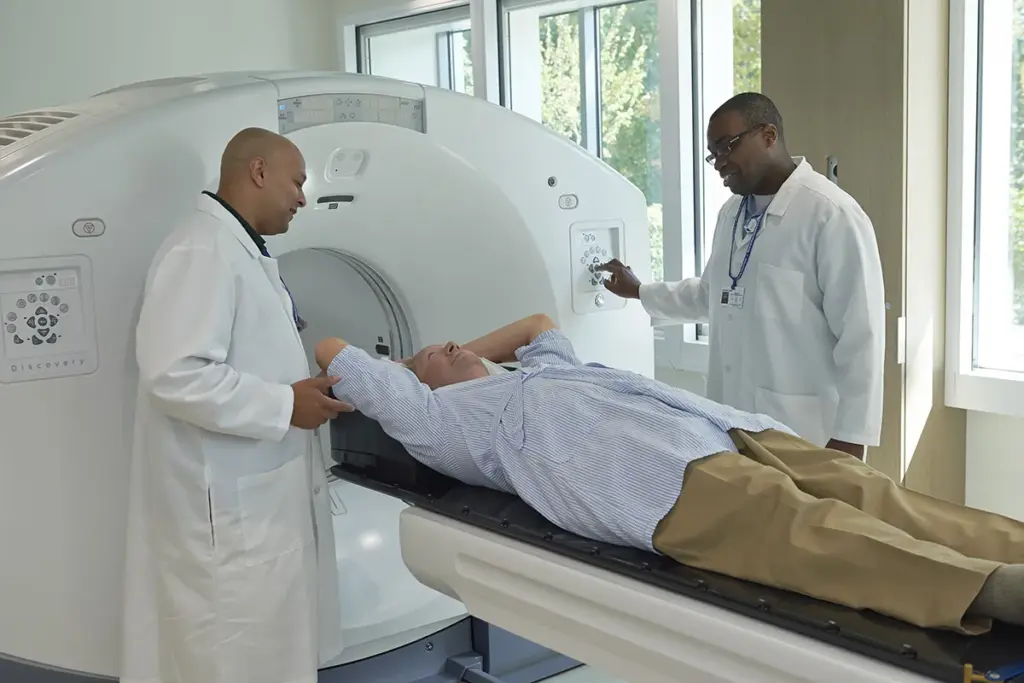
Getting a CT scan of the sinuses can make you nervous. You might be thinking, “How long will it take?”
A CT scan of the sinuses is a test that shows detailed pictures of your sinuses and nasal passages. The scan itself is fast, lasting about 30 seconds. But getting ready and reviewing the images adds another 15 minutes to the total time.
Key Takeaways
- The CT scan process is relatively quick.
- Preparation and review are included in the overall time.
- Detailed images help diagnose sinus issues.
- The scan duration is approximately 30 seconds.
- The entire process typically takes around 15 minutes.
Understanding CT Scans Sinus: What They Are and Why They’re Performed
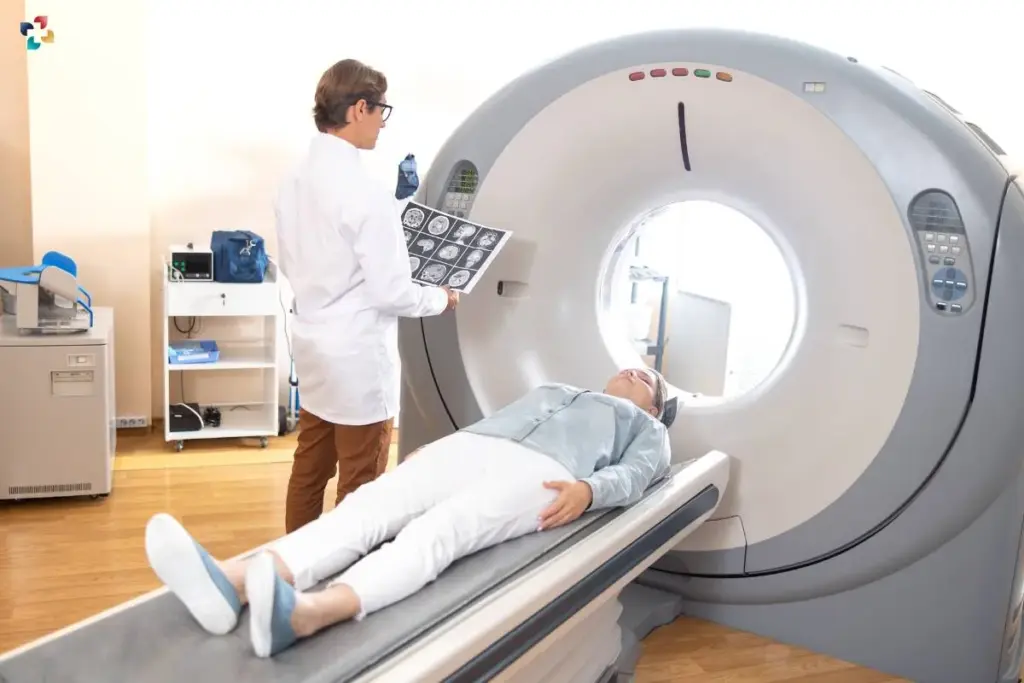
Sinus CT scans are special imaging tests. They give detailed pictures of the nasal passages and sinus cavities in the face. These scans help diagnose and treat sinus problems.
CT scans of the sinuses show the complex anatomy of the sinus area. They include the nasal passages, sinuses, and nearby structures. This info is key for diagnosing and treating sinus issues.
Definition and Purpose of Sinus CT Scans
A CT scan of sinuses is a non-invasive test. It uses X-rays and computer tech to show cross-sectional images of the sinuses. The main goal is to get detailed images of the sinus anatomy. This helps doctors diagnose and manage sinus problems.
According sinus CT scans are great for checking sinus disease extent. They also help spot anatomical variations and complications.
|
Purpose |
Description |
|---|---|
|
Diagnostic |
To diagnose sinusitis, nasal blockages, and other sinus-related conditions |
|
Treatment Planning |
To plan surgical interventions, such as sinus surgery or biopsy |
|
Monitoring |
To monitor the progression of sinus disease or the effectiveness of treatment |
Common Conditions Requiring Sinus Imaging
Sinus CT scans are often used for diagnosing and managing sinus issues. This includes chronic sinus infections, nasal polyps, and structural problems. A nasal CT scan can find the cause of symptoms like nasal congestion, facial pain, and breathing trouble.
“CT scans are very useful for checking sinus disease extent and finding anatomical variations that might cause sinus problems.”
Some common conditions needing sinus imaging are:
- Chronic sinusitis
- Nasal polyps
- Sinus tumors or cysts
- Anatomical variations, such as a deviated septum
The Duration of a Sinus CT Scan: What to Expect
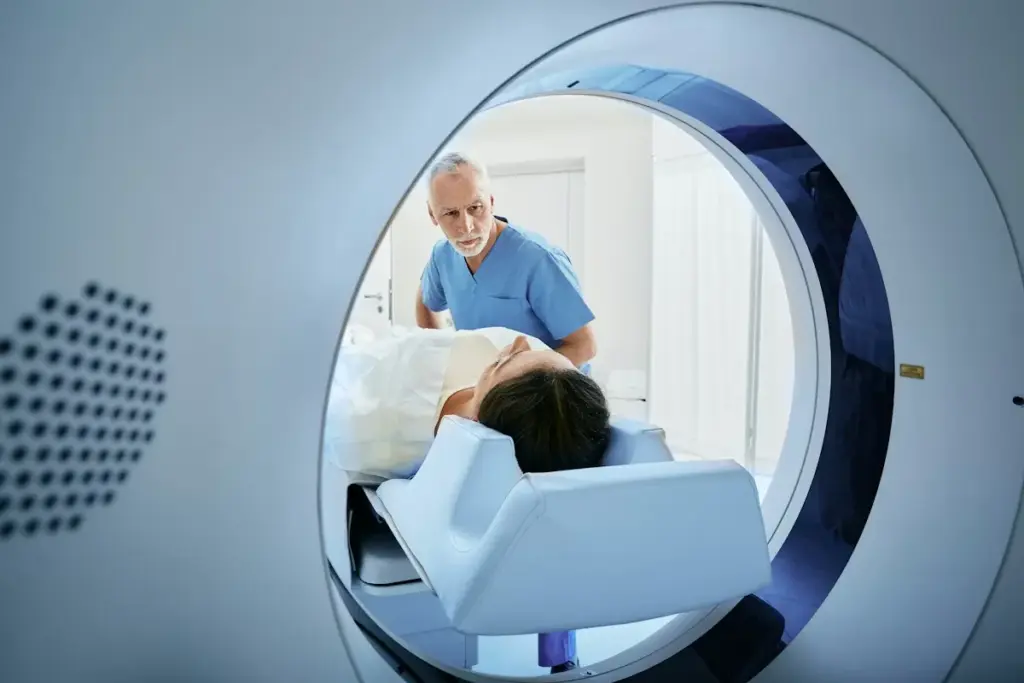
A sinus CT scan usually takes a short time. But, several things can change how long it lasts. We all want to know how much time we’ll spend there.
Actual Scanning Time
The actual scan time is very short. It can be just a few seconds or a few minutes. This quick time is a big plus of CT scans. It means we get our images fast and with little discomfort.
Total Appointment Duration
Even though the scan is quick, the whole visit takes longer. We should plan to spend 30 to 60 minutes there. This includes time for registration, getting ready, and waiting for the radiologist to check the images.
Factors That May Affect Scan Duration
Several things can change how long our scan takes. These include:
- Whether we need contrast material, which can add to prep time
- The scan’s complexity, with more detailed ones taking longer
- The imaging facility’s efficiency and the CT scanner’s availability
- Our own prep, like removing jewelry or metal objects
Knowing these factors helps us prepare better. It also helps us understand how long our sinus CT scan will take.
Preparing for Your Sinus CT Scan
To have a smooth sinus CT scan, being well-prepared is key. Proper preparation helps avoid delays and ensures accurate results. It makes the scan successful.
Pre-Scan Instructions
Before your sinus CT scan, there are steps to take. Wear loose, comfortable clothing and avoid jewelry near your head and neck. This is because jewelry can get in the way of the scan. You might need to wear a hospital gown.
“Arriving prepared is key to a successful CT scan,” says a radiologist with over a decade of experience. “By following simple pre-scan instructions, patients can help ensure their sinus CT scan is both efficient and effective.”
What to Bring to Your Appointment
On the day of your sinus CT scan, please bring any relevant medical records or previous imaging studies. This information is important for your radiologist to make an accurate diagnosis. Also, bring a list of your current medications and any allergies you may have.
- Your doctor’s referral or order for the CT scan
- Insurance cards and identification
- A list of your medications and dosages
- Any relevant medical history
Medication Considerations
Tell your healthcare provider about any medications you’re taking, including if you’re getting contrast material during your sinus CT scan. Certain medications may need to be adjusted or stopped before the scan. Your doctor will guide you based on your medical history and current medications.
By following these guidelines and talking with your healthcare team, you can ensure a successful sinus CT scan. If you have any questions or concerns about preparing for your scan, don’t hesitate to reach out to your healthcare provider.
Step-by-Step: The Sinus CT Scan Procedure
Getting a sinus CT scan might seem scary, but knowing what happens can make you feel better. We’ll take you through each step, from when you arrive to the scan itself. This way, you’ll know exactly what to expect.
Check-in and Registration Process
First, you’ll check in at the desk. Try to get there 15-30 minutes early to fill out any paperwork. You’ll need to show your ID, insurance, and any medical records or scans you’ve had before. Our team will help you with all this.
Positioning in the CT Scanner
After you’re all set, you’ll go to the CT scanning room. You’ll lie on a table that slides into the scanner. The tech will make sure you’re in the right spot, focusing on your sinuses. You might get earplugs or headphones to block out the scanner’s noise.
What Happens During the Scan
The scan starts with the table moving slowly through the scanner. It takes pictures of your sinuses. You’ll need to stay very quiet and might have to hold your breath briefly. The whole scan takes just a few minutes, but the whole visit might take longer.
Knowing what happens during a sinus CT scan can make you feel more at ease. If you have any questions, just ask our staff. They’re here to help and make sure you’re comfortable.
Contrast vs. Non-Contrast CT Scans Sinus
CT scans of the sinuses can be done with or without contrast material. Each method has its own purpose. Contrast material makes certain structures or problems more visible, which is key for a correct diagnosis.
When Contrast Material Is Used
Contrast material is used in sinus CT scans for complex conditions. This includes tumors, abscesses, or certain inflammatory diseases. We give the contrast material through an IV. It helps us see different soft tissue structures in the sinuses.
How Contrast Affects Scan Duration
Using contrast material can make the scan take a bit longer. The actual scan time is short. But, getting ready and giving the contrast adds a few minutes. We make sure the process is smooth and quick.
Potential Reactions to Contrast Material
Some patients might have reactions to the contrast material. These can be mild allergic reactions or more serious ones. We watch patients closely before, during, and after the scan. This is to keep them safe and comfortable.
Common reactions to contrast material include:
- Mild itching or rash
- Nausea or headache
- In rare cases, severe allergic reactions
We talk to our patients about the risks and benefits of contrast material before the scan. This way, they know what to expect and are comfortable with the procedure.
The Patient Experience: What You’ll Feel During a Sinus CT
Getting a sinus CT scan can be scary for many. But knowing what to expect can make you feel better. We aim to ease your worries by explaining what happens during your scan.
Physical Sensations During the Scan
A sinus CT scan is usually painless. You’ll lie on a table that moves into a big, doughnut-shaped machine. You might hear some sounds, but they’re not loud or uncomfortable.
The scan is quick, taking just a few seconds to a few minutes. Some people might feel a bit claustrophobic. But most find it okay, and we’re here to help if you need it. You can talk to the staff through an intercom if you’re feeling uneasy.
Managing Claustrophobia and Anxiety
If you’re worried about claustrophobia or anxiety, we have ways to help. You might want a friend or family member with you for support. We can also talk about using relaxation techniques or mild sedation to help you relax.
Being prepared can also help. Here are some tips to ease your anxiety during the scan:
- Arrive early to fill out paperwork and get ready.
- Communicate with the staff about your concerns.
- Practice relaxation techniques like deep breathing or meditation.
- Listen to calming music or guided recordings if it’s okay.
With the right mindset and support, you can have a smooth sinus CT scan experience.
After Your Sinus CT Scan: Next Steps
Finishing your sinus CT scan is just the start of your journey. Knowing what comes next can ease any worries you might have.
Immediate Post-Scan Activities
You can usually go back to your normal life right after the scan. There’s no need to wait for recovery, so you can carry on with your day.
Typical post-scan activities include:
- Resuming normal daily routines
- Returning to work or other responsibilities
- Engaging in usual activities unless instructed by your healthcare provider
When to Expect Results
How long it takes to get your scan results can vary. Your doctor will tell you when to expect them.
Factors influencing result timing include:
- The urgency of your condition
- The workload of the radiology department
- Whether additional tests are required
Here’s a general idea of when you might get your results:
|
Scenario |
Typical Result Timing |
|---|---|
|
Routine Scan |
Within 24-48 hours |
|
Urgent or Emergency Scan |
Within a few hours |
|
Complex Cases Requiring Additional Tests |
Several days |
It’s important to talk to your doctor about your results. They will explain what they mean and what to do next. They might suggest treatment or more tests.
Interpreting CT Scan Results of Sinuses
Understanding sinus CT scans is key to spotting sinus problems and finding the right treatment. When someone gets a sinus CT scan, the images show a lot about their sinuses’ health.
Normal Sinus CT Scan vs Abnormal Findings
A normal sinus CT scan means the sinuses are healthy with no signs of problems. But, an abnormal scan might show issues like:
- Sinusitis: This is when the sinuses get inflamed or infected.
- Nasal polyps: These are soft, noncancerous growths in the nasal passages or sinuses.
- Structural abnormalities: These are changes in the sinuses’ shape, which could be from birth or happen later.
- Tumors: These are abnormal tissue growths that could be harmless or cancerous.
Knowing the difference between a normal and abnormal scan is important for correct diagnosis and treatment.
How Doctors Use Sinus CT Images for Diagnosis
Doctors use sinus CT images to find and diagnose many sinus issues. They look at the detailed images from the CT scan to:
- Assess the extent of sinusitis: They figure out if it’s a short-term or long-term problem and how bad it is.
- Identify anatomical variations: They see how the patient’s sinus shape might be causing their symptoms.
- Plan surgical interventions: They use the images to plan surgeries like functional endoscopic sinus surgery (FESS).
- Monitor treatment progress: They check how well the treatment is working over time.
By accurately reading sinus CT scan results, doctors can create treatment plans that really meet each patient’s needs.
Comparing Sinus CT Scans to Other Imaging Methods
There are many ways to check for sinus problems. Each method has its own good points and not-so-good points. Knowing these differences helps patients choose the best test for them.
CT Scan vs. MRI for Sinus Evaluation
CT scans and MRI are both advanced imaging tools. But they are used for different things. CT scans are great for seeing the bones in the sinuses and finding issues like infections or tumors.
MRI is better for looking at soft tissues. It can spot problems like infections spreading or tumors growing in soft tissues.
Key differences between CT scans and MRI for sinus evaluation:
- CT scans show bony structures well.
- MRI is better for soft tissues.
- CT scans are quicker and more common.
- MRI doesn’t use radiation.
CT Scan vs. X-Ray for Sinus Problems
X-rays are an older way to check the sinuses. But they can’t compare to CT scans. X-rays give a quick look, but they don’t show as much detail as CT scans.
Comparison of CT scans and X-rays for sinus problems:
|
Imaging Method |
Detail Level |
Radiation Exposure |
Diagnostic Capability |
|---|---|---|---|
|
CT Scan |
High |
Moderate |
Excellent for bony structures and soft tissue |
|
X-Ray |
Low |
Low |
Limited, good for initial overview |
The table shows CT scans are better than X-rays for detailed sinus checks.
Benefits and Risks of Sinus CT Scans
Understanding the benefits and risks of sinus CT scans is key. These scans have changed how we diagnose and treat sinus problems. They give detailed images that help doctors find and fix sinus issues.
Diagnostic Advantages of CT Sinuses
Sinus CT scans have many benefits. They show high-resolution images of the sinuses. This helps doctors spot problems like sinusitis, tumors, and other issues.
The images are so clear that doctors can:
- See how bad the sinus disease is
- Plan surgeries with great accuracy
- Check if treatments are working
The clarity and detail of CT scans are huge pluses. They help doctors make better decisions for their patients.
Radiation Exposure Considerations
But, sinus CT scans also mean exposure to radiation. It’s important to know that CT scans use X-rays. The dose of radiation adds up with each scan.
Even so, the risk from radiation is usually low. This is because the benefits of the scan are so high. Doctors try to keep the radiation dose as low as they can.
Patients should talk to their doctors about radiation worries. Doctors can give advice based on each patient’s needs and medical history.
Special Considerations for Different Patient Groups
Different patients, like kids, pregnant women, and the elderly, have special needs for sinus CT scans. We must tailor our care to meet these unique needs.
Pediatric Sinus CT Scans
Children need extra care when it comes to CT scans. We adjust the scans to reduce radiation. This is important to keep them safe.
We use special protocols for kids. These protocols help get good images while keeping radiation low. This is key for their safety.
Pregnant Patients and CT Scans
Pregnant women face a special challenge with CT scans. There’s a worry about radiation harming the baby. Usually, we look for safer options first.
If a CT scan is needed, we use the least amount of radiation. We also shield the belly when we can. Talking about the risks and benefits is very important.
“The use of CT scans during pregnancy should be justified on a case-by-case basis, weighing the potential benefits against the risks.” – American College of Radiology
Elderly Patients and Special Needs
Elderly patients often have health issues that affect CT scans. We check their health carefully before scanning. This helps us decide the best approach.
We make sure the scan is as comfortable as possible for them. This might mean extra support or sedation.
By focusing on these special needs, we can give the best care for each patient’s sinus condition.
Cost and Insurance Coverage for Sinus CT Scans
Patients often wonder about the cost of a sinus CT scan and if their insurance will cover it. Knowing this can help them plan for their care.
Average Cost in the United States
The cost of a sinus CT scan in the U.S. can vary a lot. This depends on the facility, location, and if contrast material is used. Costs usually range from $300 to $1,500 or more.
- Facility fees: Hospitals and imaging centers charge differently for their facilities and equipment.
- Professional fees: The cost of radiologists’ interpretations and other services adds up.
- Contrast material: Using contrast can make the scan more expensive.
Insurance Coverage and Preauthorization
Insurance coverage for sinus CT scans varies. Many plans cover them when they’re medically necessary.
- Preauthorization: Some insurance needs preauthorization for a CT scan.
- Copays and deductibles: Patients pay copays and deductibles as part of their plan.
- Out-of-network costs: Costs can be much higher if you use an out-of-network provider.
To manage these costs, patients should:
- Check their insurance coverage before scheduling a CT scan.
- Ask about preauthorization requirements.
- Understand their copay and deductible obligations.
Technological Advancements in Sinus CT Imaging
CT scanner technology has changed how we diagnose and treat sinus problems. Medical imaging has grown a lot, with sinus CT scans benefiting greatly.
Modern CT Scanner Technology
Today’s CT scanners use advanced tech for quicker and more accurate scans. They have:
- High-resolution imaging: Shows detailed images of the sinuses.
- Fast scanning times: Shortens the time patients spend in the scanner.
- Advanced reconstruction algorithms: Makes images clearer and reduces errors.
How Technology Has Improved Scan Times
CT scanner tech has made scans for sinus CT imaging much faster. Now, scans can be done in just minutes. This means:
- Enhances patient comfort: Patients are more comfortable because they’re in the scanner less.
- Increases throughput: More patients can be scanned in the same amount of time.
- Improves image quality: Better images because there’s less chance of patient movement.
These tech improvements have made sinus CT scans more efficient. They also help doctors make more accurate diagnoses and care for patients better.
Common Misconceptions About Sinus CT Scans
Many people have wrong ideas about sinus CT scans. These ideas come from not knowing the truth or hearing false information. We want to clear up these myths and give you the right facts.
Myths About Duration and Discomfort
Some think sinus CT scans take a long time and hurt. But, the scan itself only lasts a few minutes. The whole visit might take longer because of getting ready and checking in.
Another wrong idea is that the scan is very painful. Most people say it’s not too bad, with some feeling a bit uncomfortable on the table.
|
Myth |
Reality |
|---|---|
|
Sinus CT scans are lengthy. |
The actual scan takes only a few minutes. |
|
The procedure is painful. |
Most patients find it relatively comfortable. |
Facts vs. Fiction About Radiation Exposure
Many worry about radiation from CT scans. It’s true that CT scans use radiation, but the amount is kept very low for your safety.
The radiation from a sinus CT scan is like a few days of natural background radiation. Today’s CT scanners use the least amount of radiation needed for good images.
Remember, the benefits of a sinus CT scan are often greater than the risks. Your doctor will talk to you about the scan’s need and risks.
Tips for a Smooth and Quick Sinus CT Scan Experience
Being prepared for a sinus CT scan can make a big difference. A smooth experience reduces stress and ensures the scan goes well. Here, we share tips to cut down wait times and talk well with your healthcare team.
Preparation Strategies to Minimize Wait Time
Getting ready for a sinus CT scan is key. Here are ways to cut down wait times:
- Arrive Early: Get there 15-20 minutes before your time. This gives time for check-in and paperwork.
- Bring Necessary Documents: Have your doctor’s referral, insurance, and medical records ready.
- Understand Pre-Scan Instructions: Follow any diet or medication rules given by your doctor.
Communication Tips for Healthcare Providers
Talking well with your healthcare team is important for a good sinus CT scan. Here are tips to improve your communication:
|
Communication Tip |
Description |
|---|---|
|
Inform About Medical History |
Share your full medical history, including allergies, surgeries, and current meds. |
|
Ask Questions |
Feel free to ask about the procedure, what to expect, and any worries. |
|
Discuss Anxiety or Concerns |
If you’re worried or anxious, talk to your doctor. They can help and reassure you. |
Medical experts say clear talk between patients and doctors is key for a good scan. Good communication makes your experience better and helps your doctors do their job well.
“Clear communication between patients and healthcare providers is the cornerstone of a successful diagnostic procedure.”
Medical Professional
By using these tips, you can have a better sinus CT scan experience. Remember, being prepared and talking well are important for a successful scan.
Conclusion: The Efficiency of Modern Sinus CT Scanning
We’ve looked into sinus CT scans, from getting ready to the scan itself. We’ve seen how important they are for checking sinus health. Modern CT scans have changed medical imaging, giving doctors clear images for precise diagnoses.
CT scans show the sinuses in detail fast. Thanks to new technology, scans are quick and easy. This means patients get the info they need for their treatment quickly.
Knowing about sinus CT scans helps patients feel more comfortable during the process. As medical tech keeps improving, CT scans will keep being key in treating sinus issues. They help ensure patients get the best care.
FAQ
How long does a sinus CT scan typically take?
A sinus CT scan usually takes 10-15 minutes. But, you might spend longer because of getting ready and checking in.
What is a sinus CT scan used for?
A sinus CT scan helps find and check on sinus problems. This includes issues like sinusitis, nasal polyps, and tumors.
Do I need to wear anything special for a sinus CT scan?
Wear comfy, loose clothes for your scan. Avoid metal or jewelry to prevent scan issues.
Will I receive contrast material during my sinus CT scan?
Yes, sometimes contrast material is used. It makes certain parts clearer. But, not all scans need it.
Can I experience claustrophobia during a sinus CT scan?
The CT scanner is a closed space. But, we try to make you feel less claustrophobic. Talk to your doctor about it first.
How soon will I receive my sinus CT scan results?
Results time varies. But, usually, your doctor will talk about them with you soon. This could be hours or at a later visit.
Are sinus CT scans safe for everyone?
Mostly, sinus CT scans are safe. But, they do use radiation. We try to keep this low, even for those who might be more sensitive, like pregnant women and kids.
How does a sinus CT scan compare to an MRI or X-ray?
A sinus CT scan shows more detail than an X-ray. It’s often better for sinus checks. But, your doctor will choose the best test for you.
Will my insurance cover the cost of a sinus CT scan?
Insurance coverage can change. Check with your provider to see what’s covered and if you need to get approval first.
Can I minimize wait times for my sinus CT scan?
Yes, you can. Arrive early, bring all needed papers, and talk to your doctor. This can make your visit smoother.
What are the benefits of using modern CT scanner technology for sinus CT scans?
Modern CT scanners are faster and give better images. This means they can help doctors diagnose and treat better, leading to better care for you.
Are there any special considerations for pediatric or elderly patients undergoing a sinus CT scan?
Yes, we consider the special needs of kids and older adults. We adjust our approach to make sure they’re comfortable and safe during the scan.
REFRENCES
National Center for Biotechnology Information. Evidence-Based Medical Insight. Retrieved from https://pubmed.ncbi.nlm.nih.gov/12219670