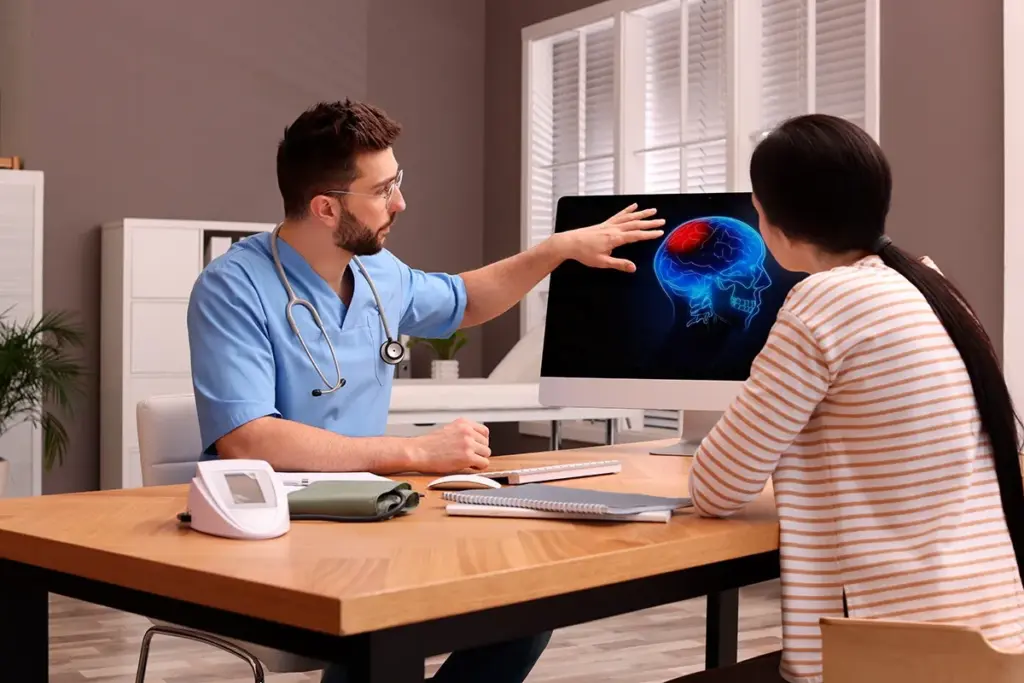
Neurologists use PET scans to check brain activity and how it uses energy. This is key for spotting diseases like Alzheimer’s disease, Parkinson’s disease, and epilepsy. Our team uses PET scans to give precise and new care. They show how the brain works, helping us understand and treat complex brain issues better than CT or MRI scans.
PET imaging can tell us which dementia we’re dealing with and where seizures start. This is vital for making good treatment plans. By knowing the difference between CT and MRI scans and what PET scans do, we can tailor care to meet our patients’ needs.
Key Takeaways
- PET scans assess brain activity and metabolism, aiding in the diagnosis of neurological conditions.
- PET imaging helps differentiate types of dementia and identify seizure onset zones.
- Understanding the differences between CT, MRI, and PET scans is key for accurate diagnosis.
- PET scans give us insights into brain function, unlike CT or MRI which show the brain’s structure.
- Personalized care is developed based on the diagnostic info from PET scans.
The Role of Neuroimaging in Neurological Diagnosis
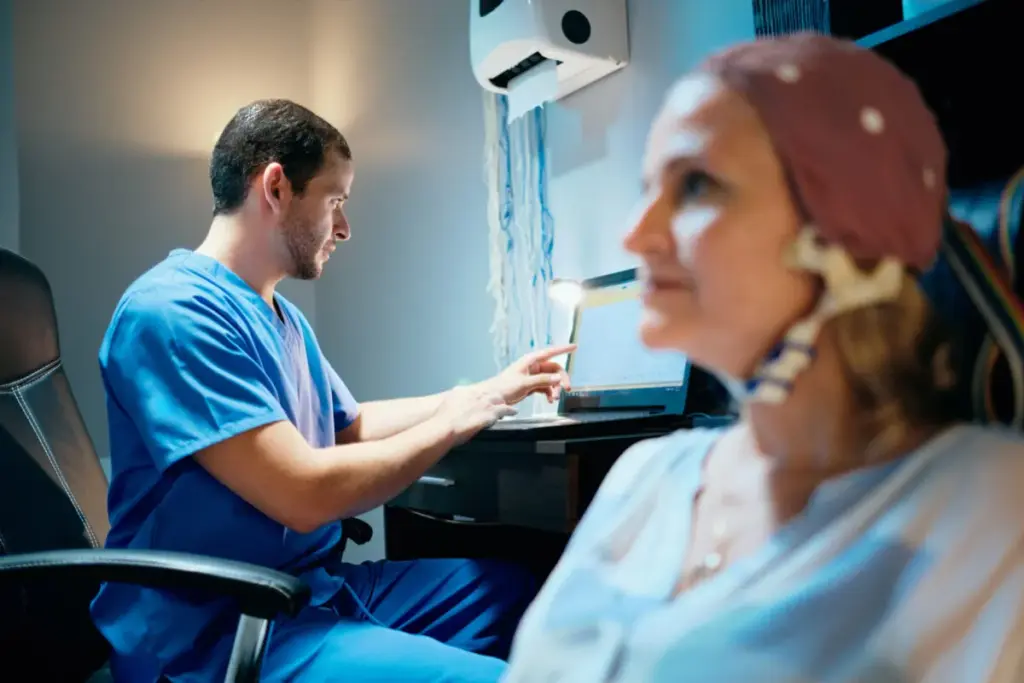
In neurology, imaging tech is key for diagnosing brain disorders. New brain imaging tools help us see the brain’s structure and how it works.
Evolution of Brain Imaging Technologies
Brain imaging has changed a lot, starting with X-rays. CT, MRI, and PET scans have changed how we diagnose brain issues. Each tech has its own strengths, making diagnosis more accurate.
The Diagnostic Toolkit of Modern Neurologists
Today’s neurologists have many tools to diagnose. They use:
- CT scans for quick, detailed brain images.
- MRI scans for detailed soft tissue views.
- PET scans to see brain activity.
Choosing the right imaging tool depends on the patient’s needs.
“The future of neurological diagnosis lies in the combination of structural and functional imaging techniques.”
|
Imaging Modality |
Primary Use |
Key Benefits |
|---|---|---|
|
CT Scan |
Acute injuries, hemorrhage |
Quick, widely available |
|
MRI |
Soft tissue abnormalities |
High resolution, detailed images |
|
PET Scan |
Metabolic activity, tumor detection |
Functional insights, early disease detection |
Neuroimaging, including PET scans, is vital for diagnosing. Knowing each tech’s strengths helps neurologists make better diagnoses and treatment plans.
Understanding PET Scan Technology
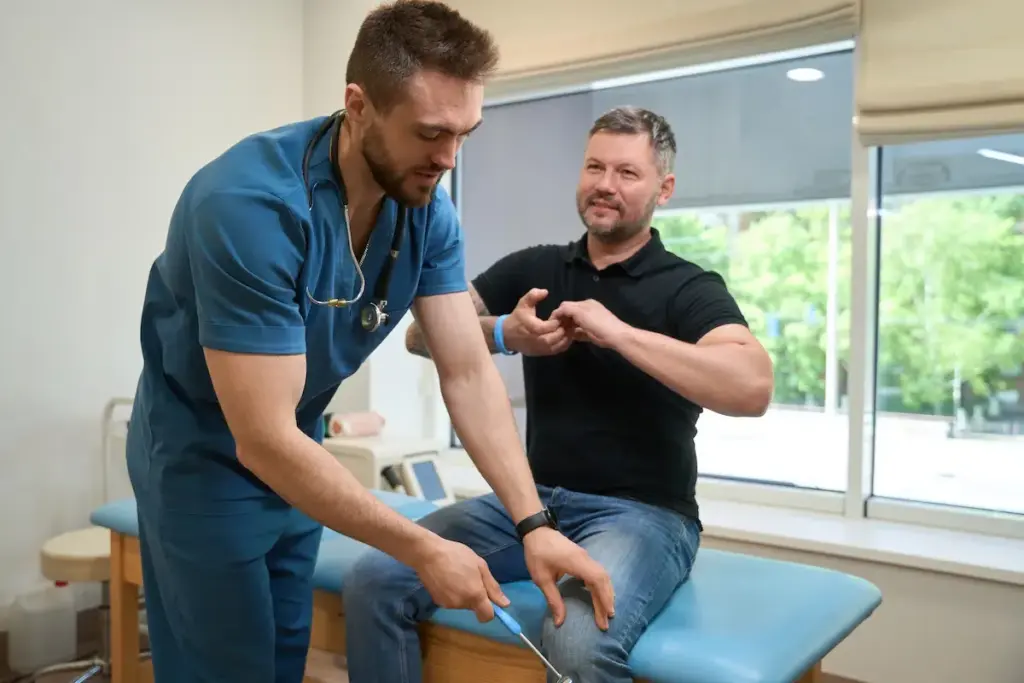
Learning about PET scans is key to understanding their use in diagnosing brain diseases. PET scans use radioactive tracers to check how active cells are in the body, focusing on the brain.
How PET Scans Work
PET scans find out how active cells are. They use a radioactive tracer that goes to areas with lots of activity, like tumors. The scanner then picks up the radiation, showing detailed images of where the activity is.
This helps doctors see how the brain works, not just its structure. It’s great for spotting brain diseases early, when changes in activity happen before any visible damage.
Radioactive Tracers and Their Function
The tracer used depends on the task. For brain diseases, Fluorodeoxyglucose (FDG) is often used. It’s a sugar molecule with a radioactive part, taken up by cells based on their sugar use. This makes tumors stand out on the scan.
Tracers are safe and leave the body quickly, keeping radiation low. This makes PET scans useful in many ways in neurology.
The Metabolic Advantage of PET Imaging
PET imaging shows how cells are working, not just their shape. CT and MRI are good for brain anatomy, but PET scans show metabolic activity.
This info is vital for diseases like Alzheimer’s. It lets doctors start treatment early, which can slow the disease.
CT vs MRI Scan: Fundamental Differences
Two important tools in neuroimaging are CT scans and MRI scans. They help diagnose neurological conditions but work in different ways. They are used in different situations.
CT Scan Technology and Applications
CT scans use X-rays to show detailed images of the brain and other parts inside the body. This method is great for emergency cases, like finding bleeding or broken bones.
Key applications of CT scans include:
- Trauma assessment
- Detecting hemorrhages or strokes
- Guiding biopsies and other interventions
MRI Scan Technology and Applications
MRI scans, on the other hand, use a strong magnetic field and radio waves. They create images of the body’s soft tissues. MRI is best for looking at soft tissues like the brain and spinal cord.
Key applications of MRI scans include:
- Diagnosing neurological disorders such as multiple sclerosis
- Evaluating spinal cord injuries
- Assessing soft tissue tumors
Comparing Radiation Exposure Between Modalities
CT scans expose patients to X-rays, which can be harmful. MRI scans, on the other hand, don’t use X-rays. This makes MRI safer for pregnant women and children.
|
Imaging Modality |
Radiation Exposure |
Typical Applications |
|---|---|---|
|
CT Scan |
Yes |
Trauma, hemorrhage, stroke |
|
MRI Scan |
No |
Soft tissue disorders, neurological conditions |
Knowing the differences between CT and MRI scans is key. It helps us pick the best tool for each case. This way, we can make accurate diagnoses safely.
PET vs CT Scan: When Metabolic Information Matters
PET scans give a special advantage in some cases by showing metabolic info that CT scans can’t. This is key for diagnosing and managing complex brain conditions.
Structural vs Functional Imaging
CT and PET scans differ in what they show. CT scans give detailed brain structure images. PET scans, though, show how brain tissues work metabolically.
CT scans are great for spotting structural problems like tumors or fractures. But, they might miss early signs of brain diseases.
PET scans can spot metabolic changes in the brain. This is vital for diagnosing Alzheimer’s or checking tumor activity.
|
Imaging Modality |
Primary Use |
Key Benefits |
|---|---|---|
|
CT Scan |
Structural Imaging |
Quick, detailed structural images; excellent for acute injuries or structural abnormalities |
|
PET Scan |
Functional Imaging |
Provides metabolic information; critical for diagnosing and managing neurological conditions |
Combined PET-CT Technology
PET-CT combines PET and CT into one tool. It gives both metabolic and structural info, making diagnosis more accurate.
This combo helps doctors see metabolic activity on a detailed anatomy map. It’s super useful in cancer care for finding and staging tumors.
Clinical Decision-Making Between PET and CT
Choosing between PET and CT scans depends on the situation. For quick, detailed looks at trauma, CT scans are often first choice.
But, for looking at metabolic activity, like in neurodegenerative diseases or tumors, PET scans are better.
- PET scans are ideal for assessing metabolic activity and are used in diagnosing conditions like Alzheimer’s disease.
- CT scans are better suited for identifying structural abnormalities and are often used in acute trauma cases.
- Combined PET-CT scans offer a complete view by showing both functional and structural info.
MRI vs PET: Complementary Neuroimaging Approaches
MRI and PET scans are key tools in brain diagnosis. They give different views of brain function and structure. Knowing when to use each is key for accurate diagnosis and treatment.
Structural Detail vs Metabolic Activity
MRI shows detailed brain structures and any abnormalities. PET scans, on the other hand, reveal metabolic activity. This helps spot brain areas with function changes, like in neurodegenerative diseases.
MRI excels in showing brain structures clearly. It’s great for finding issues like multiple sclerosis or brain tumors. PET scans are better at spotting metabolic changes. This is vital for diseases like Alzheimer’s.
When Neurologists Choose MRI Over PET
Neurologists choose MRI for detailed structural info. This is true for suspected stroke, brain injury, or tracking structural changes. MRI can tell soft tissues apart, making it useful in these cases.
“MRI is the modality of choice when anatomical detail is key. It gives a clear view of structural issues not seen in other scans.”
When PET Provides Critical Information MRI Cannot
PET scans shine when looking at metabolic activity. They’re great for neurodegenerative diseases, cancer, and infections. PET can spot functional changes before they show as structural issues.
In summary, MRI and PET scans work together to fully understand brain conditions. Knowing their strengths helps neurologists decide when to use each. This guides better patient care.
Neurological Conditions Requiring PET Scan Diagnosis
PET scans are key in diagnosing many neurological conditions. These conditions affect millions and need precise tools for diagnosis. PET scans give metabolic info that helps with structural imaging.
Alzheimer’s Disease and Other Dementias
Alzheimer’s disease is a progressive disorder that impacts memory and behavior. PET scans check brain activity to spot Alzheimer’s patterns. They help in early diagnosis and differentiating dementia types.
Key applications of PET scans in Alzheimer’s disease include:
- Detecting amyloid plaques, a hallmark of Alzheimer’s pathology
- Assessing glucose metabolism to identify areas of reduced activity
- Monitoring disease progression and response to treatment
Parkinson’s Disease and Movement Disorders
Parkinson’s disease causes tremors and movement issues. PET scans check dopamine levels in the brain. This helps in diagnosing Parkinson’s and differentiating it from other disorders.
The role of PET scans in Parkinson’s disease includes:
- Assessing dopamine transporter density
- Evaluating the integrity of dopaminergic pathways
- Differentiating Parkinson’s from other parkinsonian syndromes
Epilepsy and Seizure Disorders
Epilepsy causes recurring seizures. PET scans find the seizure focus and check brain activity between seizures. This info is key for surgery planning and managing epilepsy.
|
Application |
Description |
|---|---|
|
Seizure Focus Localization |
Identifying areas of abnormal brain activity |
|
Interictal PET |
Assessing brain metabolism between seizures |
|
Surgical Planning |
Guiding neurosurgical interventions |
Brain Tumors and Metastases
Brain tumors need precise diagnosis. PET scans show tumor metabolism, helping to identify types and aggressiveness. They also monitor treatment response.
PET scan applications in brain tumors include:
- Grading tumor aggressiveness based on metabolic activity
- Guiding biopsy and surgical resection
- Monitoring treatment response and detecting recurrence
PET scan technology improves diagnosis and management of neurological conditions. This leads to better patient outcomes.
The Diagnostic Accuracy of PET in Neurology
PET scans have changed neurology, giving us new views into brain function. They show how brain metabolism works. This makes diagnosing neurological issues more accurate and detailed.
85% Sensitivity Rate for Alzheimer’s-Related Changes
PET scans are very good at spotting Alzheimer’s in the brain. They can see changes linked to Alzheimer’s early on. This helps doctors start treatment sooner.
Recent studies show PET scans have an 85% sensitivity rate for Alzheimer’s. This makes them key in diagnosing Alzheimer’s, which is becoming more common as people age.
Early Detection Capabilities
PET scans can find brain changes early. They catch metabolic shifts before damage shows up. This lets doctors start treatment sooner, which can slow the disease.
Spotting problems early is vital in treating neurological diseases. PET scans give a snapshot of brain activity. This helps doctors see how severe conditions are and if treatments are working.
VA Study: 98% Appropriate Ordering Criteria
A VA study found PET scans were used correctly in 98% of cases. This shows doctors trust PET scans a lot. It also means PET scans are used wisely in treating patients.
The study shows PET scans are very useful in diagnosing neurological diseases. You can learn more about it on the VA Research website.
|
Diagnostic Modality |
Sensitivity for Alzheimer’s |
Appropriate Ordering Criteria |
|---|---|---|
|
PET Scan |
85% |
98% |
|
CT Scan |
Lower than PET |
Varies |
|
MRI |
Variable |
High |
The table shows PET scans are better than other imaging for finding Alzheimer’s and other brain diseases.
“The high sensitivity of PET scans for Alzheimer’s-related changes, coupled with their appropriate use in clinical practice, positions them as a critical diagnostic tool in neurology.”
A quote from a leading neurologist highlighting PET scans’ importance.
In summary, PET scans are very accurate in neurology. They are essential in treating brain diseases. As we learn more about brain conditions, PET scans will keep being a key tool.
Which is Better: MRI or CT Scan for Brain Evaluation vs PET
It’s important to know the strengths and limits of MRI, CT, and PET scans for brain checks. Each has its own benefits and is best for different needs.
Comparative Strengths in Brain Tissue Visualization
MRI is top for seeing soft tissues, which is key for brain checks. It shows brain details that CT scans might miss. This helps spot small problems.
CT scans are better in emergencies because they’re quick and easy to get. They’re great for fast checks in trauma cases or when MRI isn’t safe.
When CT Scans Are Preferred
CT scans are best when you need fast images, like in stroke or head injuries. They’re quick and always ready, making them vital in emergencies. They’re also good for people with metal implants.
When MRI Offers Superior Information
MRI is better for detailed soft tissue views. It’s great for finding issues like multiple sclerosis, tumors, and neurodegenerative diseases. MRI shows brain details clearly without harmful radiation.
Why PET Complements Both Technologies
PET scans add metabolic info that MRI and CT can’t. They’re key for diagnosing Alzheimer’s, cancer, and seizures. Using PET with MRI or CT gives a full brain picture.
PET with other scans improves diagnosis and treatment plans. For Alzheimer’s, PET shows brain activity, helping with MRI or CT findings.
The Clinical Decision Process: When Neurologists Order PET Scans
Deciding to order a PET scan is a big step in diagnosing neurological disorders. Neurologists use a mix of clinical checks, medical history, and imaging to decide on the best care for patients.
Initial Assessment and Preliminary Testing
When a patient shows neurological symptoms, we start with a detailed check-up. This includes a full medical history and physical exam. It helps us see if more tests are needed.
For example, someone with Alzheimer’s symptoms might get cognitive tests and an MRI. But sometimes, these tests aren’t enough to show what’s really going on.
When Other Imaging Modalities Prove Insufficient
CT or MRI scans might not be enough for some neurological issues. For early Alzheimer’s, for instance, these scans might look normal. But a PET scan can show metabolic changes that suggest the disease.
- Functional Information: PET scans show how the brain works, which is key for diagnosing and treating conditions like epilepsy or tumors.
- Limitations of Structural Imaging: CT and MRI scans are great for structural details, but they miss the metabolic or functional aspects of brain disorders.
Insurance and Authorization Considerations
Before a PET scan, we must think about insurance and getting approval. We check if the scan is needed and if it’s covered by the patient’s insurance.
- Pre-authorization: We get approval from the insurance company for the PET scan, making sure it’s covered.
- Clinical Justification: We explain why the PET scan is vital for the patient’s diagnosis and treatment plan.
By handling these steps carefully, we make sure our patients get the right tests. This helps avoid delays and makes the process smoother.
Patient Experience During a Neurological PET Scan
The experience of a neurological PET scan includes preparation, the scan itself, and follow-up care. We guide patients through each step to ensure a smooth and successful diagnostic experience.
Preparation Requirements
To prepare for a neurological PET scan, patients need to fast for 4-6 hours before. This fasting helps ensure the scan images are clear. Patients may also need to avoid certain medications or substances that could affect the scan’s accuracy.
Comfortable clothing is recommended, and jewelry or clothing with metal parts should be avoided. These can interfere with the scanning process.
Some key preparation steps include:
- Confirming any dietary restrictions or requirements with our team
- Avoiding strenuous exercise or activities that could affect brain metabolism before the scan
- Informing our team about any medications, including supplements, that are being taken
The Scanning Procedure
During the PET scan, patients lie on a comfortable table that slides into the PET scanner. The scan is painless and takes 30 to 60 minutes. Our team ensures the patient is comfortable and secure, answering any questions they may have.
The PET scan procedure involves:
- A small injection of a radioactive tracer, which highlights areas of brain activity
- Lying on the scanning table while the scan is performed
- Following any specific breathing or positioning instructions from our team
Post-Scan Monitoring and Precautions
After the PET scan, patients are monitored for a short period. We provide guidance on how to minimize any side effects, such as drinking plenty of water to flush out the tracer.
Post-scan precautions include:
- Drinking plenty of fluids to help eliminate the tracer
- Avoiding close contact with pregnant women, infants, and young children for a few hours after the scan, as a precautionary measure
- Resuming normal activities unless instructed by our team
By understanding the process and following our guidance, patients can have a positive experience during their neurological PET scan. This contributes to accurate diagnostic outcomes and effective care planning.
Interpreting PET Scan Results in Neurological Practice
Understanding PET scan results is complex. It needs both technical skills and clinical knowledge. Neurologists use PET scans to get metabolic data. This helps them make diagnosis and treatment plans.
Reading PET Images
We look at PET images to see where and how much tracer is used. Knowing normal and abnormal patterns is key. For example, Alzheimer’s disease shows specific brain area changes.
To get the most from PET scans, we compare them with other tests like CT or MRI. This gives a fuller picture of the patient’s health.
Common Findings and Their Significance
PET scans often show areas of high or low activity. High activity might mean seizures or tumors. Low activity could point to diseases like Alzheimer’s.
|
Condition |
PET Scan Finding |
Clinical Significance |
|---|---|---|
|
Alzheimer’s Disease |
Hypometabolism in temporal and parietal lobes |
Diagnostic marker for Alzheimer’s; helps in assessing disease severity |
|
Parkinson’s Disease |
Reduced dopamine transporter density |
Aids in diagnosing Parkinson’s and differentiating it from other movement disorders |
|
Brain Tumors |
Hypermetabolism in tumor areas |
Helps in assessing tumor activity and guiding treatment decisions |
Integration with Clinical History and Other Tests
We combine PET scan results with the patient’s history and other tests. This helps us understand their condition better. For example, MRI or CT scans show structural changes.
When comparing MRI vs PET, MRI shows structure, while PET shows metabolic activity. Together, they help us create a detailed treatment plan.
In conclusion, interpreting PET scans is complex. It requires technical skill and clinical insight. By using PET scans with CT and MRI, we improve patient care and outcomes.
Liv Hospital’s Approach to Neurological PET Imaging
At Liv Hospital, we’re dedicated to top-notch neurological care through advanced PET imaging. Our methods are based on international standards, ensuring the best care for our patients.
Internationally Competitive Diagnostic Protocols
We follow internationally competitive diagnostic protocols to accurately diagnose complex neurological conditions. Our PET imaging services give detailed insights into brain function and metabolism. This helps us spot conditions like Alzheimer’s, Parkinson’s, and brain tumors.
By comparing PET scans with MRI and CT scans, we get a full picture of a patient’s health. For example, PET scans show metabolic info, while MRI gives detailed structural images.
Multidisciplinary Approach to Neurological Imaging
Our team at Liv Hospital includes neurologists, radiologists, and nuclear medicine specialists. They work together to interpret PET scan results and plan treatments. This multidisciplinary approach ensures our patients get the best care possible.
When choosing between ct vs MRI scan technologies, our specialists pick the best for each patient. This personalized care meets each patient’s unique needs.
Commitment to Ethical and High-Quality Patient Care
Liv Hospital is committed to the highest patient care standards. Our PET imaging services are accurate and delivered with compassion. We keep our patients informed every step of the way.
“The integration of PET imaging into neurological care has revolutionized our ability to diagnose and manage complex brain disorders,” says a leading neurologist at Liv Hospital. “By combining PET scans with other imaging technologies, we can offer more precise and effective treatment options for our patients.”
Our dedication to high-quality patient care is shown in our strict quality control. Whether using pet vs CT scan technologies, we choose the best tool for our patients’ outcomes.
Conclusion: The Unique Value of PET Scans in Neurological Care
We’ve looked at how important neuroimaging is in diagnosing neurological issues. PET scans are key because they show how brain tissues work. This is different from MRI, which shows the brain’s structure.
When we compare MRI and PET scans, we see their strengths. MRI gives us detailed pictures of the brain. But PET scans show how active brain tissues are. This helps doctors spot diseases like Alzheimer’s and tumors.
Choosing between CT and MRI scans depends on what the doctor needs to know. But PET scans add something special. They give insights into how the brain functions, which MRI and CT can’t.
This information is super helpful for doctors. It helps them understand how serious a condition is and if treatments are working.
Places like Liv Hospital use PET scans to improve care. They focus on what’s best for the patient. This way, doctors can make better diagnoses and treatment plans.
As we keep improving neuroimaging, PET scans will play an even bigger role. They could lead to better treatments and outcomes for patients.
FAQ
What is the main difference between a CT scan and an MRI scan?
CT scans use X-rays to show the body’s inside. MRI scans use a strong magnetic field and radio waves. CT scans are good for bones and lungs. MRI scans are better for soft tissues like organs.
Why would a neurologist order a PET scan instead of a CT or MRI scan?
Neurologists use PET scans to see how brain tissues work. This is not possible with CT or MRI scans alone. PET scans help with diseases like Alzheimer’s and Parkinson’s.
What is the role of radioactive tracers in PET scans?
Radioactive tracers in PET scans show how the body works. They emit positrons that the scanner detects. This helps create detailed images of brain activity.
How does PET-CT technology enhance diagnostic capabilities?
PET-CT combines PET’s function with CT’s detail. This gives a full view of the body’s structures and how they work. It helps doctors diagnose and plan treatments better.
What are the advantages of MRI over CT scans for brain evaluation?
MRI shows soft tissues better and is safer. It’s great for brain conditions because it doesn’t use radiation. MRI is better for brain tissue than CT scans.
When is a CT scan preferred over an MRI for brain evaluation?
CT scans are quicker and better for emergencies. They’re also good for seeing bones and acute hemorrhages. They’re used when MRI can’t be.
How do neurologists interpret PET scan results?
Neurologists look at brain activity patterns in PET scans. They use this info with the patient’s history and symptoms. This helps them make accurate diagnoses.
What preparation is required for a neurological PET scan?
Patients need to fast and avoid certain meds before a PET scan. They might get a radioactive tracer injection. The healthcare team gives specific instructions for the scan.
How does Liv Hospital approach neurological PET imaging?
Liv Hospital uses top diagnostic methods and a team approach. We focus on quality care and accurate diagnoses. Our experts work together for the best treatment plans.
What is the sensitivity rate of PET scans for detecting Alzheimer’s-related changes?
PET scans are about 85% sensitive for Alzheimer’s changes. They’re a key tool for early detection and management of Alzheimer’s.
Can PET scans be used for diagnosing other neurological conditions beside Alzheimer’s?
Yes, PET scans help with many conditions like Parkinson’s, epilepsy, and brain tumors. They provide important metabolic info for diagnosis and treatment.
Reference
NCBI. Research. https://www.ncbi.nlm.nih.gov/books/NBK570591/