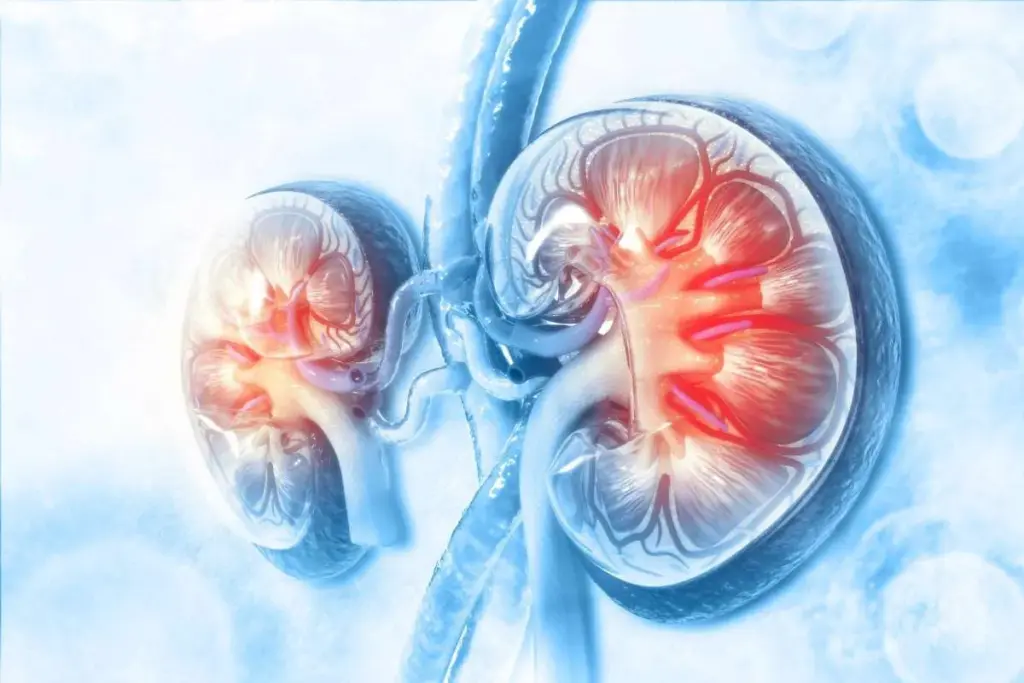
Diagnostic imaging is key in today’s medicine, with over 80 million scans done each year in the U.S. MRI (Magnetic Resonance Imaging) and CT vs SPECT CT (Single Photon Emission Computed Tomography) are two main tools. They help see inside the body but for different reasons.
MRI mainly looks at the body’s structure, showing detailed images of organs and tissues. SPECT, on the other hand, focuses on how the body works, showing organ function. Knowing how MRI and SPECT differ is vital for correct diagnosis and treatment plans. This is true, considering SPECT scan time and its role in patient care.
Key Takeaways
- MRI is used for structural imaging, providing detailed images of organs and tissues.
- SPECT is used for functional imaging, assessing the functionality of different body parts.
- Understanding the differences between MRI and SPECT is important for accurate diagnosis.
- Functional imaging with SPECT helps in assessing the functioning of organs and tissues.
- SPECT scan time is an important consideration in diagnostic procedures.
Understanding Medical Imaging Techniques
Modern imaging techniques have changed how we see the human body. MRI and SPECT scans are key in today’s medicine.
The Role of Advanced Imaging in Modern Medicine
Advanced imaging is vital in healthcare. It gives us detailed views of the body’s inner workings. Nuclear medicine, like SPECT scans, uses tiny amounts of radioactive tracers. This helps doctors diagnose and treat diseases more effectively.
These technologies have greatly improved healthcare. They help doctors make accurate diagnoses and plan treatments that work better.
The benefits of advanced imaging in medicine are many. They include:
- Enhanced diagnostic accuracy
- Improved patient care through targeted treatments
- Better understanding of complex medical conditions
Overview of Diagnostic Imaging Methods
Diagnostic imaging includes MRI and SPECT scans. Each has its own way of working and use. MRI uses magnetic fields and radio waves to show internal structures. SPECT scans detect gamma rays from a radioactive tracer to show how organs work.
Choosing the right imaging method depends on the patient’s needs and the doctor’s questions. Knowing the strengths and limits of each technique is key to better patient care.
MRI Scanning: Technology and Process
MRI scanning uses strong magnetic fields and radio waves to create detailed images of the body. It’s a non-invasive method that’s great for seeing soft tissues. This makes it key for diagnosing issues in the brain, spine, and more.
How Magnetic Resonance Imaging Works
MRI scans align hydrogen atoms in the body with a strong magnetic field. Then, radio waves disturb these atoms, causing them to send signals. The MRI machine catches these signals to make detailed images.
The process involves several important parts. These include the main magnetic field, gradient coils, and radiofrequency coils. The strength of the magnetic field affects the image quality, with stronger fields showing more detail.
Common Applications of MRI Scans
MRI scans help diagnose many medical conditions. These include neurological disorders, musculoskeletal injuries, and some cancers.
Here are some specific uses:
- Imaging the brain and spinal cord to diagnose conditions like multiple sclerosis or spinal injuries.
- Examining joints and muscles to find injuries or diseases like arthritis.
- Seeing tumors and other abnormalities in different body parts.
| Application | Description |
| Neurological Disorders | Diagnosing conditions such as stroke, multiple sclerosis, and brain tumors. |
| Musculoskeletal Injuries | Examining injuries to joints, muscles, and bones. |
| Cancer Detection | Visualizing tumors and assessing the extent of cancer. |
MRI scanning is a versatile tool for diagnosis. It offers detailed images without ionizing radiation. This makes it a top choice for many diagnostic needs.
SPECT Scan Technology Explained
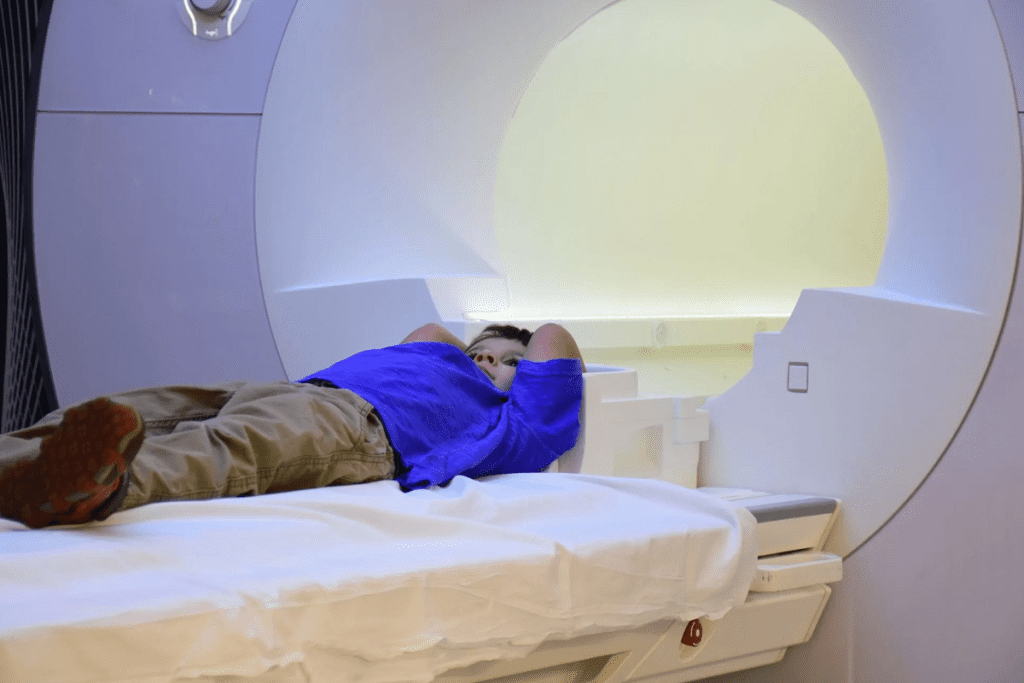
SPECT scan technology is a cutting-edge medical imaging method. It gives deep insights into how the body works. It’s great for spotting and tracking diseases by seeing how different body parts function.
Nuclear Medicine Principles Behind SPECT
SPECT scanning uses nuclear medicine. It uses tiny amounts of radioactive materials, called radiotracers, to find and treat diseases. These radiotracers aim at specific body areas or functions, sending out gamma rays that the SPECT scanner catches.
The gamma rays help create detailed, three-dimensional images of the body’s inside. These images show how organs work and where there might be problems. Doctors can see things like cancer, brain issues, and heart disease.
Radiotracer Injection and Functional Imaging
The SPECT scan starts with a radiotracer injection into the patient’s blood. This radiotracer goes to active areas, like tumors or inflamed spots. It helps doctors check how organs are doing and find diseases.
Once the radiotracer is in the target tissues, the SPECT scanner takes pictures of the gamma rays. These pictures tell a lot about the body’s inner workings. They help doctors make the best choices for patient care.
Knowing how SPECT scan technology works helps both patients and doctors. It shows what this tool can do and what it can’t.
Key Differences Between MRI and SPECT Scans
MRI and SPECT scans are used for different things in medical imaging. They both help doctors, but in different ways. MRI shows the body’s structure, while SPECT looks at how the body works.
Structural vs. Functional Imaging
MRI is mainly for looking at the body’s structure. It gives clear pictures of organs, bones, and tissues. It’s great for finding injuries, tumors, and vascular diseases.
SPECT scans, on the other hand, focus on how the body works. They show how tissues and organs function. This is helpful for diagnosing neurological disorders, bone diseases, and heart issues.
Radiation Exposure Comparison
MRI scans don’t use ionizing radiation. This makes them safer for people who need many scans or are sensitive to radiation.
SPECT scans use radioactive tracers that give off gamma rays. The dose is low, but it’s something to think about for pregnant women or kids.
| Imaging Modality | Radiation Exposure |
| MRI | No |
| SPECT | Yes (low dose) |
Cost and Availability Considerations
The cost and where you can get MRI and SPECT scans can change a lot. MRI scans are more common and cheaper for everyday tests.
SPECT scans are pricier but used for special tests. The choice between MRI and SPECT depends on what the doctor needs to know and the patient’s situation.
SPECT Scan Time: Duration and Process Breakdown
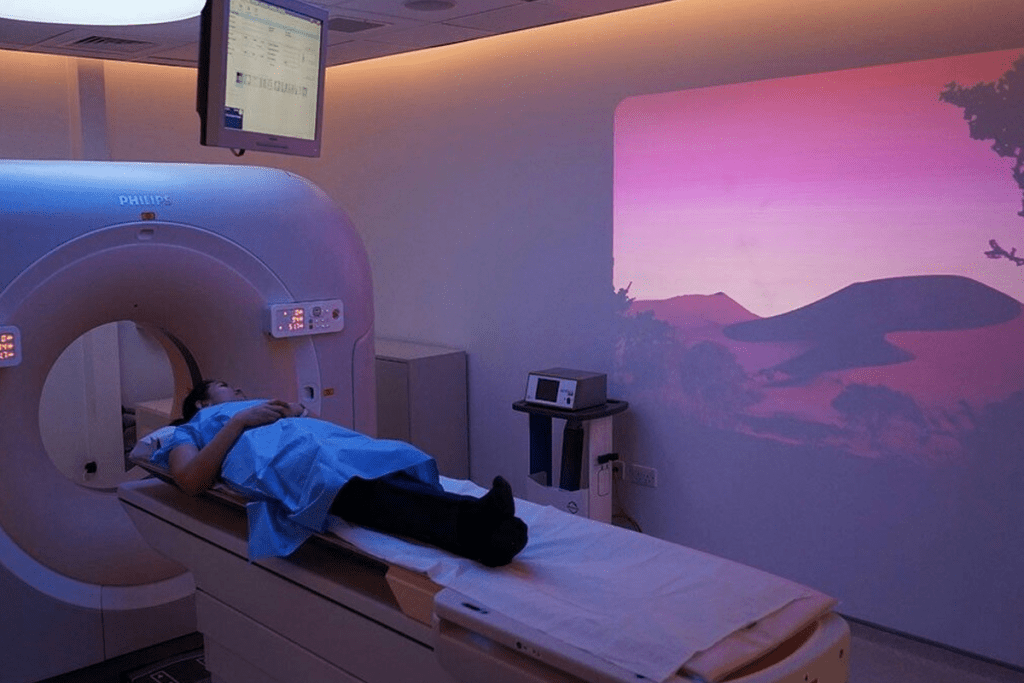
Patients often ask how long a SPECT scan takes. The time includes waiting for the tracer to spread, the scan itself, and getting ready and after the scan.
Tracer Uptake Waiting Period
The waiting time for the tracer to spread is key. After the radiotracer is injected, patients wait. This time varies based on the scan and the body part being checked. It can be from 15 minutes to hours.
Actual Acquisition Time
The scanner captures images during the actual scan time. This usually takes 15 to 30 minutes. It depends on the scan’s complexity and the protocol.
Total Appointment Length
The total time for a SPECT scan includes waiting, scanning, and prep and post-scan steps. Patients usually spend 1 to 3 hours at the facility.
Factors That May Extend Imaging Session Length
Several things can make a SPECT scan longer. These include the scan type, the patient’s health, and technical issues. For example, patients with implants or special conditions might need extra time.
| Component | Typical Duration |
| Tracer Uptake Waiting Period | 15 minutes to several hours |
| Actual Acquisition Time | 15 to 30 minutes |
| Total Appointment Length | 1 to 3 hours |
Clinical Applications and Protocol Variations
SPECT scans are very versatile. They are used for many things like checking bones, hearts, and brains. This is key in today’s medicine because being accurate and specific is very important.
Bone SPECT Applications and Duration
Bone SPECT scans help find and track bone problems like tumors and infections. They can take anywhere from 30 minutes to an hour. High-resolution imaging is made possible by advanced SPECT systems.
Cardiac Perfusion SPECT Studies
Cardiac perfusion SPECT helps see how well the heart is working. It uses a special dye that shows up in the heart muscle. The scan can take 15-30 minutes, but the whole visit is longer because of getting ready and waiting.
Brain Perfusion Imaging Protocols
Brain perfusion SPECT checks blood flow in the brain. It’s key for diagnosing strokes and dementia. The scan takes 15-30 minutes. The exact steps can change based on what doctors need to know.
Whole Body SPECT Scanning
Whole body SPECT scans look at the whole body. They’re great for cancer staging or checking for diseases all over. The time it takes depends on how much of the body is scanned and the specific steps used.
In summary, SPECT scans have many uses in medicine. Each use has its own special way of doing things. Knowing about these uses and how they work is key to giving the best care to patients.
Patient Experience and Preparation
Learning about SPECT scans can help reduce anxiety. Knowing what to do before a SPECT scan is key. It makes the process smoother and more successful.
Patient Preparation Guidelines
Before a SPECT scan, patients must follow certain steps. This includes dietary rules to get accurate results.
Dietary Preparation: You might need to skip caffeine and some medications before the scan. It’s important to follow these rules to get the best scan results.
| Preparation Step | Description |
| Dietary Restrictions | Avoid caffeine and certain foods/drinks as instructed |
| Medication | Inform your doctor about all medications you’re taking |
| Clothing | Wear comfortable clothing without metal objects |
What to Expect During the Procedure
On the day of the scan, you’ll get a small dose of radioactive tracer. The scan takes about 30 minutes to an hour. You must stay very quiet and not move.
Remember, the tracer has low dose radiation, but it’s safe for scans. The whole visit, including getting ready and the scan, usually takes a few hours.
The SPECT scan aims to be as comfortable as possible. But, some might feel a bit uncomfortable from staying very quiet for a long time.
Post-Scan Considerations
After a SPECT scan, patients need to follow some important steps. These steps help keep everyone safe and make sure the radiotracer is removed from the body. It’s key to follow these guidelines to reduce radiation exposure.
Radiation Safety and Precautions
Patients should take steps to protect others from radiation.
Key recommendations include:
- Avoiding close contact with pregnant women and children for a short period, typically 24 hours
- Maintaining a safe distance from others, specially in crowded areas
- Following proper hygiene practices, such as washing hands thoroughly after using the restroom
These precautions help lower the risk of radiation exposure to others.
Hydration and Activity Recommendations
To get rid of the radiotracer, patients should drink lots of water. Adequate hydration is key in flushing out the tracer. Also, patients can usually go back to their normal activities soon after the scan, unless told not to by their doctor.
Recommended post-scan activities include:
- Drinking at least 6-8 glasses of water in the 24 hours following the scan
- Engaging in normal daily activities, unless contraindicated by their healthcare provider
Conclusion
Choosing between MRI and SPECT scans depends on the specific clinical context. MRI gives detailed structural images. SPECT offers insights into functional processes, making it key in nuclear medicine.
MRI is great for seeing the structure of the body. SPECT is used for functional imaging. It helps doctors understand how organs and tissues work.
Healthcare providers need to know the strengths and limits of each. This helps them choose the best imaging for their patients. Knowing this is key for accurate diagnosis and effective treatment.
FAQ
What is the main difference between MRI and SPECT scans?
MRI scans show the structure of organs and tissues. SPECT scans, on the other hand, show how different parts of the body work.
How long does a typical SPECT scan take?
A SPECT scan can take a few minutes to an hour. This includes waiting for the tracer to take up, scanning, and getting ready. The exact time depends on the scan area and type.
What are the common applications of MRI scans?
MRI scans help diagnose neurological issues, injuries, and some cancers. They’re great for looking at soft tissues like the brain, spine, and joints.
How does SPECT scanning work?
SPECT scans use a radiotracer that the body absorbs. This helps check organ function and find problems. A gamma camera captures images of where the tracer goes.
Are there any specific preparations required for a SPECT scan?
You might need to follow a diet, remove metal items, and get other instructions. Always listen to what your healthcare provider or the imaging center tells you.
What are the radiation safety precautions after a SPECT scan?
After a SPECT scan, keep a safe distance from others, like pregnant women and kids. Also, drink plenty of water to get rid of the radiotracer.
What are the benefits of choosing the right imaging modality for my condition?
Picking the right imaging modality, like MRI or SPECT, is key for a correct diagnosis and treatment plan. Knowing the differences helps healthcare providers choose the best scan for your situation.
References:
- Golonko, A. (2024). Dietary factors and their influence on immunotherapy effectiveness. Nutrients, 16(8), Article 2013. https://pmc.ncbi.nlm.nih.gov/articles/PMC11004013/
- Russo, E., et al. (2020). Exploring the food-gut axis in immunotherapy response: The impact of dietary fiber and the gut microbiome. Frontiers in Immunology, 11, Article 2184. https://pmc.ncbi.nlm.nih.gov/articles/PMC7476177/
- Moffitt Cancer Center. (n.d.). Best Diet During Immunotherapy. https://www.moffitt.org/treatments/immunotherapy/immunotherapy-faqs/best-diet-during-immunotherapy/
- National Cancer Institute. (2024). Nutrition During Cancer Treatment. https://www.cancer.gov/about-cancer/treatment/side-effects/nutrition
- European Society for Clinical Nutrition and Metabolism (ESPEN). (2021). Clinical nutrition in cancer: Practical guidelines. https://www.espen.org/files/ESPEN-Guidelines/ESPEN-practical-guideline-clinical-nutrition-in-cancer.pdf