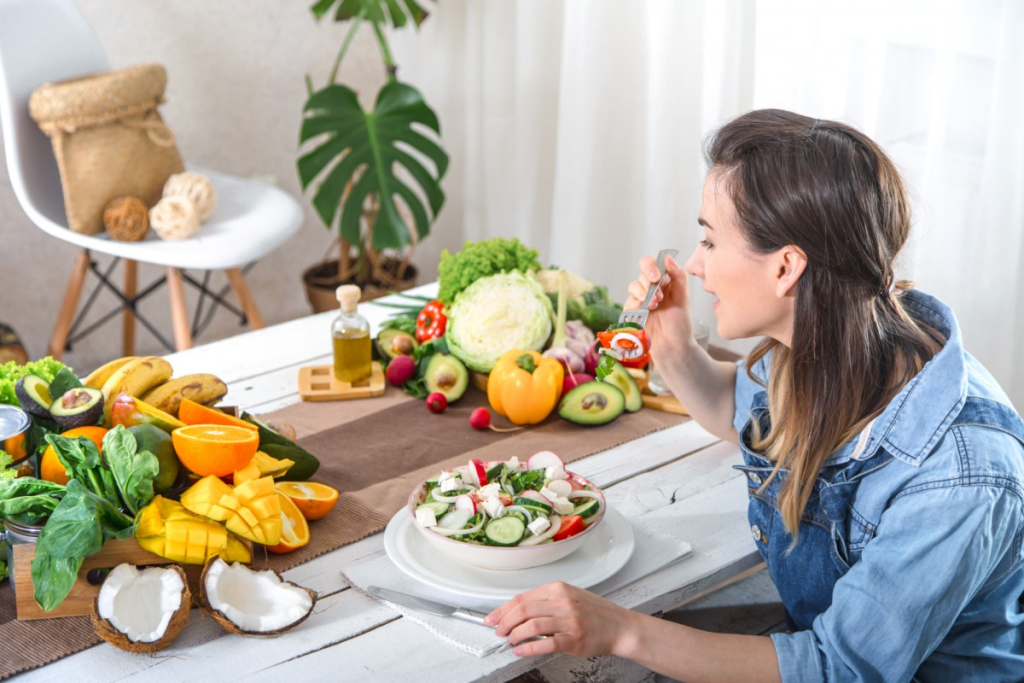
Chemotherapy patients have to stick to strict diets to avoid getting sick from food. Even a simple salad can pose significant infection risks because of bacteria that don’t harm healthy people. Why can’t chemo patients eat salad? Understand culinary cancer safety and the dangerous risk of infection from fresh produce. Crucial low-bacteria diet rules.
Chemotherapy weakens the immune system, making patients more susceptible to germs. The neutropenic diet was created to lower this risk. But, recent studies suggest it might not work as well as thought.
Knowing why these dietary rules exist can help patients make safer food choices during cancer treatment. We’ll look into the dangers of certain foods and find safe alternatives to keep nutritional balance.
Key Takeaways
- Chemotherapy patients are advised to avoid certain foods to minimize infection risk.
- Salads can be contaminated with harmful bacteria.
- The neutropenic diet may not be entirely effective in reducing infection risk.
- Understanding dietary restrictions can help patients make safer food choices.
- Safe alternatives can help maintain nutritional balance during treatment.
The Immune System During Chemotherapy
Chemotherapy is a key treatment for many cancers, including leukemia. But it weakens the immune system, making patients more likely to get sick. It’s important to understand these effects to care for patients well.
How Chemotherapy Affects White Blood Cells
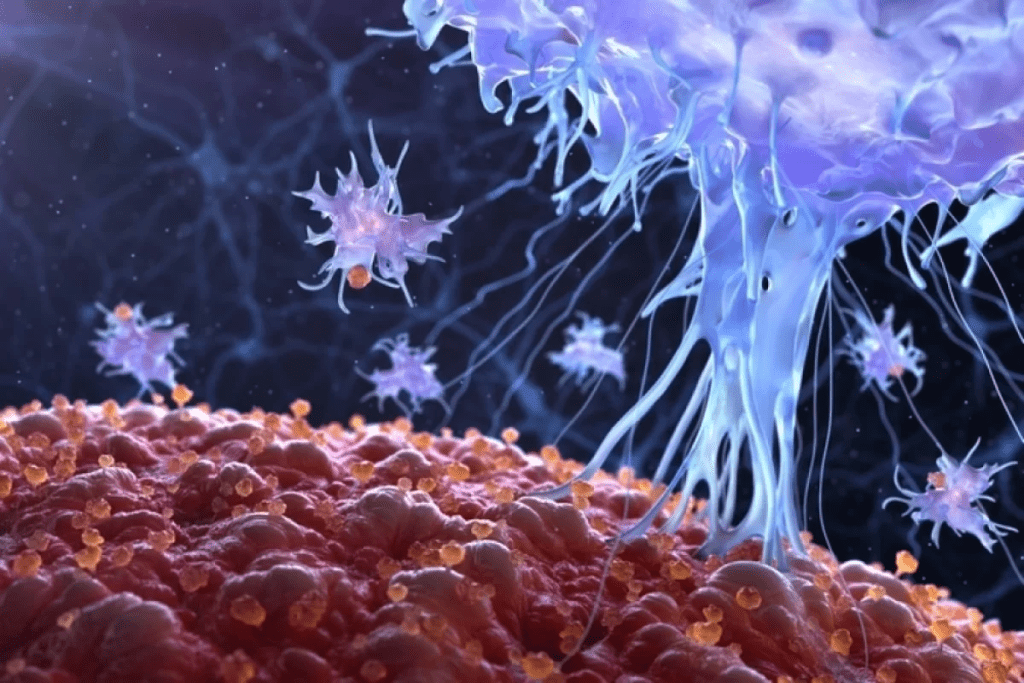
Chemotherapy attacks fast-growing cells, like cancer and some healthy cells. White blood cells, like neutrophils, fight off infections. When their numbers drop, patients face a higher risk of getting sick.
“Neutropenia is when you have too few neutrophils,” says a top oncologist. “It makes it hard for your body to fight off infections.”
Patients on chemotherapy should know which foods to avoid to lower infection risk. This includes staying away from raw or undercooked foods that can have harmful bacteria.
Understanding Neutropenia in Cancer Treatment
Neutropenia is a common side effect of chemotherapy. It’s important for patients and their caregivers to know the risks and how to prevent them. “For leukemia patients, knowing which foods to avoid is key to avoiding complications during treatment,” an expert says.
Preventive steps include keeping clean, avoiding crowded places, and following a neutropenic diet. This diet helps avoid harmful pathogens. By understanding the risks and taking steps to prevent them, patients can stay healthy during chemotherapy.
“The key to managing neutropenia is a combination of preventive measures and prompt treatment when infections occur.”
Being informed and proactive helps patients deal with chemotherapy’s challenges better.
Foodborne Pathogens and Cancer Patients
Cancer patients on chemotherapy are at high risk for foodborne illnesses. Their weakened immune systems make even small infections serious. It’s key for them and their caregivers to know about foodborne pathogens.
Common Pathogens in Raw Foods
Raw or undercooked foods can have harmful bacteria like Salmonella, E. coli, and Listeria. These are often found in raw veggies, fruits, and unprocessed foods. For example, Listeria can be in raw sprouts, unpasteurized juices, and soft cheeses. Salmonella and E. coli can also be in many raw produce items, like spinach and lettuce.
Infection Severity in Immunocompromised Patients
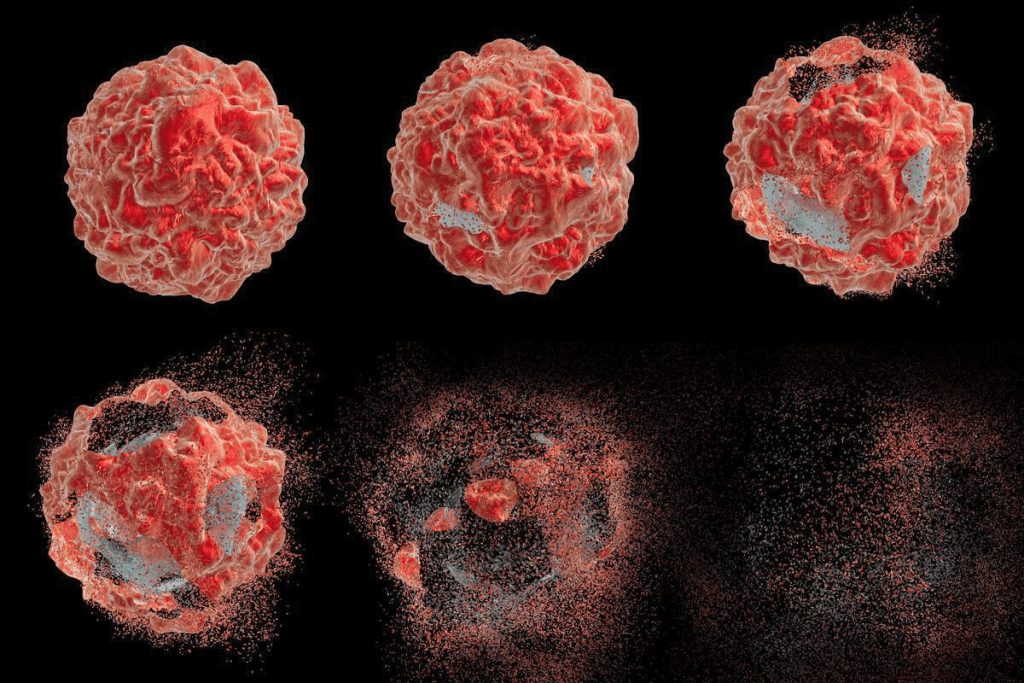
These pathogens can cause severe infections in people with weakened immune systems. Cancer patients, like those on chemotherapy, are at a higher risk. For instance, Listeria can lead to listeriosis, a serious infection that can cause sepsis, meningitis, or even death.
To lower these risks, cancer patients are often told to stick to a neutropenic diet. This diet avoids raw or undercooked foods that might have harmful bacteria. By knowing the risks and taking steps to avoid them, cancer patients can reduce their chance of getting severe infections.
The Specific Risks of Raw Produce
Raw produce can be risky for people getting chemotherapy. Those with cancer are more likely to get sick from food because their immune systems are weak.
Bacterial Contamination in Pre-Packaged Salads
Pre-packaged salads might seem healthy, but they can have harmful bacteria like Listeria and E. coli. A 2023 study showed that cancer patients face a high risk of getting listeriosis from these salads. This shows we need to be careful with these products.
Even if salads look safe, they can be dangerous. The contamination can happen at any point, from when they’re made to when they’re packaged.
The Farm-to-Table Contamination Path
It’s important to know how produce gets contaminated. It can happen at any step, from farming to packaging. For example, using dirty water to water or wash the produce can spread harmful germs.
Key stages where contamination can occur include:
- Farming practices, such as the use of contaminated water or soil
- Processing and handling, where produce may come into contact with contaminated surfaces or equipment
- Packaging, where improper handling can lead to contamination
Knowing these risks helps cancer patients and their caregivers avoid harmful germs.
Understanding Listeria Risk in Cancer Patients
Cancer patients need to know about Listeria risks to make smart food choices. Listeria monocytogenes causes listeriosis, a serious infection. It’s a big worry for those with weak immune systems, like those on chemotherapy.
Many foods, like ready-to-eat salads, can have Listeria. These foods might seem healthy but are risky for cancer patients.
The 2023 Risk Model Findings
A 2023 study found that ready-to-eat salads can be risky for cancer patients. It showed that the risk is real and that precautions are needed.
“The risk of listeriosis is high for those with weak immune systems,” the study said. “Cancer patients should know the dangers of certain foods.”
Listeriosis Progression in Immunocompromised Individuals
In cancer patients, listeriosis can get worse fast because their immune systems are weak. Symptoms can be mild or severe, like fever, headache, and stomach pain.
For those with weak immune systems, listeriosis can lead to serious problems. These include meningitis, bacteremia, and severe sepsis.
Cancer patients need to know these risks. They should avoid high-risk foods and practice safe food handling. Being aware of listeriosis symptoms is also key.
It’s important for cancer patients to take precautions. Avoiding risky foods, handling food safely, and knowing the symptoms of listeriosis are critical.
E. coli and Salmonella Concerns
Raw vegetables are good for you but can be risky for cancer patients. They might have E. coli and Salmonella in them.
Prevalence in Raw Vegetables
E. coli and Salmonella are often found in raw veggies. They can get into the produce at different times, like when it’s farmed or processed.
Why do these bacteria show up? It’s because of:
- Dirty water used for irrigation
- Bad handling during picking and processing
- Getting mixed up with other foods or surfaces
Potential Complications for Cancer Patients
Cancer patients, like those getting chemo, are more likely to get sick. If they eat raw veggies with E. coli or Salmonella, they face big risks.
Some serious problems they might face are:
- Really bad diarrhea and dehydration
- Bloodstream infections (septicemia)
- Kidney failure from E. coli in extreme cases
So, cancer patients need to know about these dangers. They should take steps to avoid these harmful bacteria.
The Neutropenic Diet: History and Guidelines
The neutropenic diet started in the 1960s. It has changed a lot over time, thanks to new medical knowledge. It was made to help patients with low neutrophils, a type of white blood cell, who are at high risk of infections.
Development of the Neutropenic Diet
The diet was created to help cancer patients, mainly those getting chemotherapy. It was made to keep them away from harmful bacteria in food.
The first rules for the diet were strict. They aimed to cut down on foods that might have bad bacteria. This meant no raw or undercooked foods, no unpasteurized dairy, and some fresh fruits and veggies were off-limits.
Traditional Food Restrictions
Old rules said no to raw salads, unpasteurized juices, and raw meats. The goal was to prevent foodborne illnesses in people with weak immune systems.
By staying away from risky foods, patients could lower their chance of getting sick when they have low neutrophils.
Variations in Dietary Recommendations
As time went on, the diet’s rules have changed. Some places now have softer guidelines, based on new research and what patients need. Studies have shown that very strict diets might not always be the best.
This change shows we’re learning more about how diet affects health in cancer patients. It’s about finding a balance that works for everyone.
The neutropenic diet is key for cancer patients, mainly those at risk of low neutrophils. Even though the rules have changed, the main idea is to keep infections away through what they eat.
Current Research on Dietary Restrictions During Chemo
Chemotherapy patients used to follow strict diets. But new research shows we might need a different approach. It seems the old rules might not work as well as we thought.
Recent Studies Challenging Traditional Guidelines
New studies are questioning the need for a strict neutropenic diet for chemo patients. They found that while it was meant to lower infection risk, it might limit nutrients too much. Now, there’s a push for a diet that’s safer but not so strict.
A study in a top medical journal showed patients on a less strict diet didn’t get sick more often. This means the old diet might not be as important as we thought. Instead, teaching patients about safe food handling could be better.
Decision Analysis Outcomes
Decision analyses have looked into different diets during chemo. They found that a less strict diet, with careful food safety, can be better for nutrition without raising infection risk. This way, patients can eat more balanced meals, which might help their health during treatment.
Healthcare providers are now focusing on safe food handling and nutritional balance for chemo patients. As research keeps growing, diets might get more personalized. This could make care and treatment better for everyone.
Culinary Cancer Care: Safe Food Alternatives
The concept ofculinary cancer care focuses on safe, nutritious food options for patients undergoing chemotherapy. But, there are safe options that offer key nutrients. Keeping a balanced diet is key during this time. There are many safe choices that can help avoid foodborne illnesses.
Cooked Vegetable Options
Cooking vegetables kills harmful bacteria, making them safe to eat. Cooked vegetables keep most of their nutrients. They are great for a cancer patient’s diet. Here are some safe and nutritious cooked vegetables:
- Steamed broccoli
- Roasted carrots
- Boiled green beans
- Sauteed spinach
These cooked veggies can be added to meals in many ways. This ensures patients get the nutrients they need.
Ensuring Nutritional Balance Without Raw Produce
Raw produce can be risky for cancer patients. But, there are many ways to keep a balanced diet. Cooked meals, soups, and pureed foods are full of vitamins and minerals. It’s also good to eat lean proteins, whole grains, and healthy fats.
To keep a balanced diet, we suggest:
- Eating a variety of cooked vegetables and fruits
- Incorporating lean proteins like chicken, fish, and beans
- Choosing whole grains over refined grains
- Using healthy fats like olive oil and avocado
By following these tips, cancer patients can eat well and avoid foodborne illnesses.
Safe Food Handling Practices for Cancer Patients
Chemotherapy patients need to be careful with food handling because they are more at risk for foodborne illnesses. It’s important to keep their food safe to avoid infections that could make their treatment harder.
Kitchen Hygiene Protocols
Keeping the kitchen clean is key to avoiding foodborne illnesses. Cancer patients and their caregivers should follow these steps:
- Wash hands with soap and water before and after handling food.
- Clean and sanitize all utensils, cutting boards, and countertops after each use.
- Avoid cross-contamination by separating raw and cooked foods.
Surface Blanching Techniques
Surface blanching helps reduce bacteria on raw produce. Here’s how to do it:
- Bring a large pot of water to a boil.
- Submerge raw vegetables in boiling water for 30 seconds to 1 minute.
- Immediately plunge the blanched vegetables into an ice bath to stop cooking.
This method can greatly lower the risk of foodborne pathogens on vegetables, making them safer to eat.
Proper Refrigeration Guidelines
Keeping food cold is important to slow down harmful bacteria growth. We suggest that cancer patients:
- Keep their refrigerator at a temperature below 40 °F (4 °C).
- Store raw meat, poultry, and seafood in sealed containers on the bottom shelf to prevent juices from dripping onto other foods.
- Consume or freeze perishable foods within a few days of purchase.
By following these guidelines, cancer patients can lower their risk of getting foodborne illnesses during chemotherapy.
Nutritional Needs During Chemotherapy
When you’re going through chemotherapy, eating right is key. It helps your health and how well you do with treatment. But, it’s hard because chemo messes with your body’s nutrition.
You also have to watch out for foodborne illnesses. These are big risks for people with weak immune systems.
Balancing Safety with Nutritional Requirements
Cancer patients need special foods to stay healthy and recover. But, their immune systems are weak. This makes them more likely to get sick from bad food.
To stay safe and get the nutrients they need, patients should eat cooked and heat-treated foods. These are safer than raw foods.
Addressing Nutrient Deficiencies
Chemotherapy can cause nutrient deficiencies. This is because you might not feel like eating, your taste might change, and your body needs more nutrients. To fix this, patients can work with their doctors or a dietitian.
They can make a plan that includes safe, nutrient-dense foods and supplements if needed.
It’s also vital to drink plenty of water and manage symptoms like nausea and diarrhea. These can make it hard to eat well. Patients should talk to their healthcare team about their nutritional needs and any worries they have.
When Can Chemo Patients Return to Eating Salads?
Chemotherapy patients often ask when they can eat salads again. The answer depends on their health and blood counts.
During chemo, patients’ immune systems are weak. This is because their white blood cell counts are low. Monitoring blood counts is key to knowing when it’s safe to eat raw foods like salads.
Monitoring Blood Counts
Patients need to check their blood counts often. When their white blood cell count gets back to normal, they can start eating raw foods again. This means their immune system is getting stronger.
Gradual Reintroduction of Raw Foods
The reintroduction of raw foods should be slow and careful. Start with small amounts of cooked veggies and then move to raw foods. Begin with fruits that can be peeled, as they are less likely to be contaminated.
When adding salads back into your diet, choose fresh, crisp ingredients. Make sure to wash all produce well. You might also want to use a produce wash to reduce the risk of foodborne illnesses. Avoid pre-packaged salads, as they can be more contaminated.
By watching their blood counts and slowly adding raw foods, patients can safely enjoy salads again. Always talk to a healthcare provider for specific dietary advice during and after chemo.
Conclusion: Balancing Nutrition and Safety During Cancer Treatment
Cancer patients on chemotherapy face big challenges in eating well and staying safe from foodborne illnesses. Knowing the dangers of raw produce and following safe food handling tips can help. This way, they can keep their nutrition balanced while avoiding infections.
It’s key to balance nutrition and safety during cancer treatment. We suggest choosing cooked veggies and sticking to safe food handling. This includes keeping the kitchen clean and storing food right to stay safe.
As treatment goes on, keeping an eye on blood counts and slowly adding raw foods with doctor’s advice is smart. This helps patients get back to a normal diet. By focusing on both nutrition and safety, cancer patients can stay healthy and feel better during this tough time.
FAQ
Why are chemotherapy patients advised against eating salads?
Chemotherapy patients are told not to eat salads because of the risk of foodborne illnesses. Pathogens like Salmonella, E. coli, and Listeria can cause severe infections in those with weakened immune systems.
What is neutropenia, and how does it affect cancer patients?
Neutropenia is when white blood cells drop, making cancer patients more likely to get infections. This happens because chemotherapy weakens the immune system.
What are the common pathogens found in raw foods that can harm cancer patients?
Raw foods can contain Salmonella, E. coli, and Listeria, which are harmful to cancer patients. These pathogens can lead to severe infections in those with weakened immune systems.
How can cancer patients maintain nutritional balance while avoiding raw produce?
Cancer patients can eat cooked veggies and other safe foods to keep their nutrition balanced. It’s important to handle and cook food properly to avoid foodborne illnesses.
What safe food handling practices can cancer patients implement to minimize their risk of foodborne illnesses?
Cancer patients can follow safe food handling practices. This includes keeping the kitchen clean, using blanching techniques, and following refrigeration guidelines. These steps help reduce the risk of foodborne illnesses.
When can chemotherapy patients reintroduce raw foods, including salads, into their diet?
Chemotherapy patients can start eating raw foods like salads when their blood counts improve. It’s important to monitor health and follow safe food handling practices during this time.
What are some safe alternatives to raw produce for cancer patients undergoing chemotherapy?
Safe alternatives for cancer patients include cooked veggies. They provide essential nutrients and reduce the risk of foodborne illnesses.
How can cancer patients balance their nutritional needs with the risk of foodborne illnesses during chemotherapy?
Cancer patients can balance their nutrition and risk by eating safe, nutritious foods. They should also follow safe food handling practices and monitor their health.
Are there specific foods that cancer patients should avoid during chemotherapy?
Yes, cancer patients should avoid raw or undercooked foods. This includes salads, raw veggies, and unpasteurized dairy. These foods can contain harmful pathogens like Salmonella, E. coli, and Listeria.
Can cancer patients eat honey during chemotherapy?
Honey is generally safe, but cancer patients should talk to their healthcare provider before eating it during chemotherapy. It may pose a risk of botulism in immunocompromised individuals.
What are some 7 fruits that can help kill cancer cells?
Fruits like berries, citrus fruits, and apples have antioxidants and phytochemicals that may fight cancer cells. But, it’s important to eat them safely and in moderation. Avoid raw or unwashed fruits that may have pathogens.
References
- Mittelman, S. D. (2020). The role of diet in cancer prevention and chemotherapy efficacy: A review of preclinical and clinical evidence. Cancer Treatment Reviews, 86, 102012. https://pmc.ncbi.nlm.nih.gov/articles/PMC8546934/
- Custódio, I. D. D., et al. (2016). Impact of chemotherapy on diet and nutritional status of women with breast cancer: A prospective longitudinal study. PLoS ONE, 11(6), e0157113. https://journals.plos.org/plosone/article?id=10.1371/journal.pone.0157113