
Achilles tendonitis is a common problem, hitting many athletes and runners hard. A study in the British Journal of Sports Medicine found that sudden changes in running can lead to injuries.
Achilles tendonitis can really slow you down, affecting your daily life and sports performance. It’s important to find a fast and effective treatment to get better.
Key Takeaways
- Knowing why Achilles tendonitis happens helps prevent it.
- A fast recovery needs a good treatment plan.
- There are different treatment options based on how bad the condition is.
- Athletes and runners are often hit hard by Achilles tendonitis.
- Getting the right diagnosis is key to making a treatment plan.
Understanding Achilles Tendonitis: Causes and Symptoms
Knowing the causes and symptoms of Achilles tendonitis is key to treating it well. This condition causes pain and inflammation in the Achilles tendon. It connects the calf muscles to the heel bone.
What Is Achilles Tendonitis?
Achilles tendonitis happens when the tendon gets irritated or inflamed. This usually comes from overuse or repetitive strain. It can be either acute or chronic, with chronic being harder to treat. The tendon is important for moving, helping us walk, run, and jump.
Common Causes of Achilles Tendon Inflammation
Many things can lead to Achilles tendonitis. These include:
- Overuse or repetitive strain: Doing the same ankle motion a lot can irritate the tendon.
- Sudden changes in exercise intensity or frequency: Jumping into more intense workouts too fast can stress the tendon too much.
- Inadequate footwear: Wearing shoes that don’t support or cushion right can strain the tendon.
- Tight or weak calf muscles: Muscle imbalances can affect how well the tendon works.
Recognizing the Symptoms and Severity Levels
The symptoms of Achilles tendonitis can vary. Common signs are:
- Pain and stiffness along the tendon, often in the morning.
- Swelling or thickening of the tendon.
- Limited ankle mobility because of pain or stiffness.
Spotting these symptoms early is important for effective tendonitis pain relief. It helps avoid the condition becoming chronic. Treatment, like anti-inflammatory treatment for tendonitis, can help manage symptoms and aid in recovery.
The Importance of Early Intervention for Fast Recovery
Acting quickly is key when dealing with Achilles tendonitis. The sooner you start treatment, the faster you’ll recover. If you notice tendonitis symptoms, don’t wait to take action.
Why Quick Action Matters for Tendon Health
Quick action is important because it leads to early treatment. This is vital in stopping tendonitis from getting worse. By acting fast, you can avoid long-term tendon problems and recover quicker. Rest for tendonitis healing is a first step to let the tendon repair itself.
Adding physical therapy achilles tendon exercises to your treatment can help a lot. A physical therapist can create exercises to strengthen your tendon and improve ankle movement.
Preventing Progression to Chronic Tendonitis
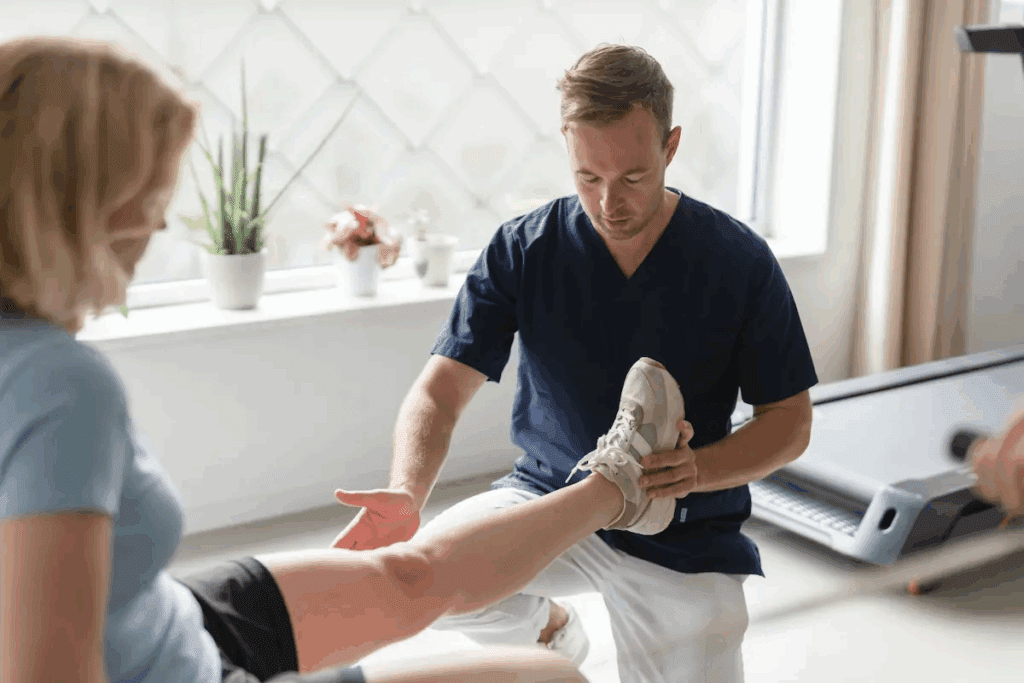
To stop tendonitis from becoming chronic, you need to be proactive. Resting the area and following a tendonitis rehabilitation program are key. This program should include stretching, strengthening, and a gradual return to activities.
By doing these things, you can lower the chance of tendonitis becoming a long-term problem. Long-term tendonitis is harder to treat and might need more intense care.
Setting Realistic Recovery Expectations
It’s important to have realistic recovery goals to avoid getting discouraged. How long it takes to recover from Achilles tendonitis depends on how bad it is and how well you treat it.
Remember, recovery takes time, and being patient is essential. Regular check-ups with doctors can help adjust your treatment plan. This keeps you on the right path to getting better.
Immediate Relief: The R.I.C.E. Method Explained
Managing Achilles tendonitis effectively involves rest, ice, compression, and elevation. This is known as the R.I.C.E. method. It’s a top choice for treating acute injuries and helps ease Achilles tendonitis symptoms.
Rest: Taking Pressure Off Your Tendon
It’s key to give your Achilles tendon a break. Rest means avoiding activities that make it worse, like running or jumping. This lets the tendon heal. You might need to skip your usual workouts or change your daily activities to ease the strain on your Achilles tendon.
Ice Therapy for Achilles Tendon Inflammation
Ice therapy is a simple yet effective way to reduce inflammation and pain. Use an ice pack on the affected area for 15-20 minutes, several times a day. The cold helps constrict blood vessels, reducing blood flow and inflammation.
Compression Techniques for Support
Compression uses a bandage or an Achilles tendon support brace to support the tendon. It helps reduce swelling by stopping fluid buildup. Make sure the compression is not too tight to avoid cutting off circulation.
Elevation: Reducing Blood Flow to Decrease Swelling
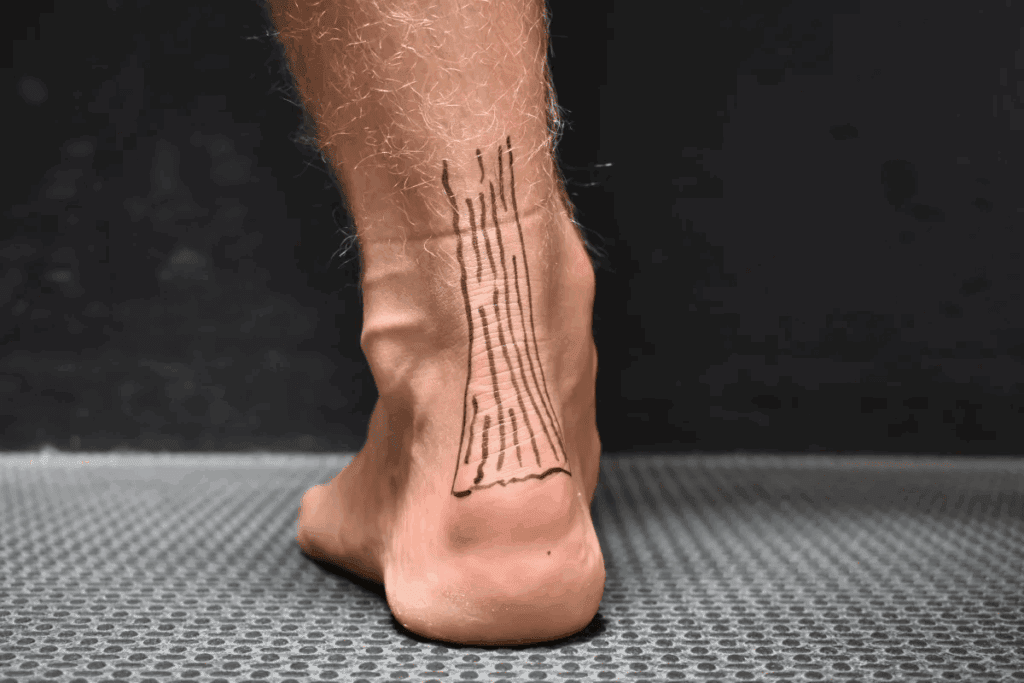
Elevation is a key part of the R.I.C.E. method. Elevating your leg above your heart reduces blood flow and swelling. This is very helpful when resting or sleeping.
Using the R.I.C.E. method can bring quick relief to those with Achilles tendonitis. It’s a simple, non-invasive method that can be done at home. It’s a great first step in managing Achilles tendonitis.
Over-the-Counter Pain Management Options
If you have Achilles tendonitis, knowing about OTC pain relief is important. These medications can help ease your symptoms.
Anti-Inflammatory Medications for Tendonitis Pain Relief
Anti-inflammatory drugs are key in treating Achilles tendonitis. Ibuprofen and naproxen are two NSAIDs that reduce pain and swelling. They work by stopping enzymes that cause inflammation, giving you relief.
| Medication | Dosage | Side Effects |
| Ibuprofen | 200-400 mg every 4-6 hours | Stomach upset, nausea |
| Naproxen | 250-500 mg twice daily | Dizziness, stomach pain |
Topical Analgesics and Their Application
Topical analgesics are another good choice for tendonitis pain. Creams, gels, or patches with lidocaine or diclofenac can be applied to the affected area. They offer pain relief without the side effects of oral NSAIDs.
Natural Anti-Inflammatory Alternatives
If you prefer natural options, there are alternatives to traditional medications. Turmeric and omega-3 fatty acids have anti-inflammatory properties. They may help reduce tendonitis symptoms.
Always talk to a healthcare professional before trying new medications or supplements. This ensures safe and effective treatment.
Effective Ways to Cure Achilles Tendonitis Fast
To cure Achilles tendonitis quickly, a detailed treatment plan is key. This condition causes pain and swelling in the tendon. A mix of treatments is needed for a full recovery.
Combining Treatment Approaches for Optimal Results
Treating Achilles tendonitis well means using many therapies together. Rest, Ice, Compression, and Elevation (R.I.C.E.) help lower swelling and pain. Also, physical therapy exercises like stretching and strengthening are important for healing.
- Eccentric exercises, which stretch the tendon while it’s under load, are very helpful.
- Wearing the right shoes and using orthotics can also help reduce tendon stress.
- Anti-inflammatory drugs and creams can help with pain and swelling.
Timeline for Recovery Expectations
How long it takes to recover from Achilles tendonitis varies. Mild cases might heal in weeks, but severe ones can take months.
“A mix of treatments can help heal Achilles tendonitis faster.”
Medical Research
It’s important to be realistic about recovery time. Rushing back to activities can make things worse.
Monitoring Progress and Adjusting Treatment
It’s important to watch how symptoms change and how treatments work. You might need to change your treatment plan based on how you’re doing.
- Keep a journal to track your pain, activity, and any symptom changes.
- See your healthcare team often to check on your progress and adjust your treatment as needed.
- Be ready to change your activities and exercises as your tendon heals to avoid injury.
By using a combination of treatments and staying active in your care, you can cure Achilles tendonitis fast. This helps prevent it from coming back.
Supportive Devices: Braces, Tapes, and Footwear
Braces, tapes, and the right shoes are key in easing Achilles tendonitis pain. They offer support, stability, and protection. This helps the tendon heal faster.
Achilles Tendon Support Braces: Types and Benefits
Achilles tendon support braces help by reducing tendon stress. They provide compression and support for healing. There are many types, like sleeves, wraps, and night splints.
- Sleeves: Give compression and support without limiting movement.
- Wraps: Adjustable, can be customized for individual needs.
- Night Splints: Worn at night to gently stretch the tendon.
These braces offer many benefits. They reduce pain, improve stability, and aid in recovery. Choosing the right brace helps manage symptoms better.
Achilles Tendon Taping Techniques for Daily Support
Achilles tendon taping is another effective support method. Proper taping can ease pain and reduce tendon stress. There are several techniques, like basic, low-dye, and figure-eight taping.
- Basic Taping: Applies tape in a straightforward way for support.
- Low-Dye Taping: Tapes the foot to lessen Achilles tendon strain.
- Figure-Eight Taping: Adds support by creating a figure-eight pattern around the ankle.
Learning the correct taping technique is important. It maximizes benefits and minimizes discomfort.
Choosing the Right Footwear for Tendonitis Recovery
Choosing the right shoes is vital for Achilles tendonitis recovery. Shoes with good support and cushioning reduce tendon stress. Consider factors like cushioning, support, and fit when selecting shoes.
| Feature | Description | Benefit |
| Cushioning | Adequate cushioning in the heel and toe areas. | Reduces impact on the Achilles tendon. |
| Support | Good arch support and a stable heel counter. | Enhances stability and reduces strain. |
| Fit | A comfortable, snug fit without being too tight. | Prevents irritation and discomfort. |
By picking the right shoes, you create a better healing environment for your Achilles tendon.
Essential Stretching Exercises for Achilles Tendon Healing
Stretching is key in healing Achilles tendonitis. It boosts flexibility and strength. A good stretching plan helps in recovery, lowers injury risk, and improves tendon health.
Gentle Calf and Achilles Stretches for Early Recovery
Start with gentle stretches early on. They should not strain the Achilles tendon too much. Calf stretches are great because they loosen the muscles around the tendon, easing tension.
To do a calf stretch, stand facing a wall with one hand on it for balance. Step back with one foot, keeping your heel down. Bend your front knee, leaning forward to stretch your calf. Hold for 15-30 seconds, doing 2-3 sets on each leg.
Progressive Stretching Techniques
As you get better, use progressive stretching techniques. These make the tendon and muscles work harder. You can deepen stretches or add new ones that target the Achilles from different sides.
The heel drop is a good progressive stretch. Stand on a stair’s edge with your heels off. Lower your heels down, stretching your Achilles, then go back up. Do 3 sets of 10-15 reps.
Proper Form and Frequency Guidelines
It’s important to stretch correctly to avoid hurting your Achilles tendon. Stretch within a safe range and don’t bounce or force too hard.
Stretching often is key. Do it 2-3 times a day. Hold each stretch for 15-30 seconds and repeat for 2-3 sets.
Eccentric Exercises for Tendonitis Rehabilitation
Eccentric exercises are key in treating Achilles tendonitis. They make the tendon longer under load, helping it heal and easing pain.
The Science Behind Eccentric Loading
Eccentric loading strengthens the tendon by making it longer under load. It’s a top choice for physical therapy for Achilles tendon because it helps repair the tendon.
This method works by applying stress to the tendon. This stress helps the tendon heal by making more collagen. Collagen is important for the tendon’s structure.
Step-by-Step Eccentric Heel Drop Exercises
Eccentric heel drop exercises are vital in tendonitis rehabilitation programs. Here’s how to do them:
- Stand on the edge of a stair or step with your heels hanging off the edge.
- Slowly lower your heels down, keeping your knees straight, until your heels are below the level of the step.
- Then, return to the starting position using your hands or the other foot for support.
Do this exercise in sets, with more reps and sets as your tendon gets stronger.
Building a Progressive Eccentric Exercise Program
A tendonitis rehabilitation program should get harder over time. Here’s how to make one:
- Begin with easy eccentric exercises and slowly add more load.
- Watch how you’re doing and change the program if needed.
- Add different exercises to work on different parts of the tendon.
With a good eccentric exercises tendonitis plan, you can heal your Achilles tendon. This can also lower the chance of getting hurt again.
Advanced Medical Treatments for Persistent Tendonitis
For Achilles tendonitis that won’t go away, advanced treatments can help. When simple treatments don’t work, doctors might suggest more serious options. These can help fix the problem effectively.
Corticosteroid Injections: Benefits and Risks
Corticosteroid injections are used to fight inflammation and pain in Achilles tendonitis. They can give a lot of relief, even for severe cases. But, they can also weaken the tendon or cause a rupture if not used carefully.
Benefits: These injections can quickly ease pain and reduce swelling. This lets patients keep up with their rehab plans.
Risks: Using corticosteroids too much or wrong can harm the tendon. It’s important to follow a doctor’s advice.
PRP Therapy for Achilles Tendon Regeneration
PRP therapy uses your own blood to help heal the tendon. It’s a new way to help the tendon grow back stronger.
Process: First, your blood is drawn. Then, it’s processed to get the platelets. These are injected into the tendon under ultrasound to help it heal.
Benefits: PRP therapy helps the body heal naturally. It also reduces swelling and can make the tendon stronger over time.
Extracorporeal Shockwave Therapy
ESWT is a non-invasive treatment that uses sound waves to help the tendon heal. It’s good for long-lasting tendonitis that hasn’t gotten better with other treatments.
Mechanism: ESWT boosts blood flow and reduces pain. It also helps fix damaged tendon tissue.
Benefits: ESWT is safe, has few side effects, and works well for long-term tendonitis.
Ultrasound-Guided Treatments
Ultrasound-guided treatments use imaging to guide injections or other treatments to the right spot in the tendon. This makes treatments like corticosteroid injections or PRP therapy more accurate.
Advantages: Using ultrasound makes sure the treatment goes exactly where it’s needed. This makes it more effective and safer.
Knowing about these advanced treatments helps patients with persistent Achilles tendonitis make better choices. This can lead to a faster and more effective recovery.
The Role of Nutrition and Hydration in Tendon Healing
The healing of tendons, like those in Achilles tendonitis, is greatly helped by nutrition and hydration. Eating right and staying hydrated are key for tendon health and recovery.
Essential Nutrients for Tendon Recovery
Many nutrients help tendons heal. Vitamin C is important for making collagen, which is essential for fixing tendons. Omega-3 fatty acids help reduce inflammation in tendons. Also, zinc and magnesium are important for tendon health, helping with enzyme functions and muscle relaxation.
| Nutrient | Role in Tendon Healing | Food Sources |
| Vitamin C | Collagen synthesis | Oranges, strawberries, bell peppers |
| Omega-3 Fatty Acids | Anti-inflammatory effects | Salmon, flaxseeds, walnuts |
| Zinc | Enzyme function and protein synthesis | Oysters, beef, chicken |
| Magnesium | Muscle relaxation and energy production | Spinach, almonds, black beans |
Hydration’s Impact on Tendon Health
Hydration is very important for tendon health. Water keeps tendons hydrated and helps them heal. Not drinking enough water can make tendons less elastic and more prone to injury. It’s best to drink 8-10 glasses of water a day, depending on how active you are and where you live.
Anti-Inflammatory Foods to Include in Your Diet
Eating foods that fight inflammation can help with Achilles tendonitis. Foods high in antioxidants, like berries and leafy greens, help fight oxidative stress. Spices like turmeric, with curcumin, also have strong anti-inflammatory effects. Eating a balanced diet with these foods can help tendons heal and stay healthy.
By paying attention to nutrition and hydration, you can help your tendons heal faster. This can also make your tendons stronger and healthier over time.
Alternative Therapies for Achilles Tendonitis Relief
Alternative therapies are becoming more popular for treating Achilles tendonitis. They can help ease symptoms and aid in healing. These methods are often used alongside traditional treatments for better care.
Massage Therapy Techniques for Tendon Recovery
Massage therapy is a great option for Achilles tendonitis. It uses different techniques to improve blood flow, reduce swelling, and break up tendon adhesions. A skilled therapist can adjust the massage to fit your recovery needs, helping you heal faster.
Benefits of Massage Therapy:
- Improved circulation to the affected area
- Reduced muscle tension
- Enhanced flexibility
- Promotion of tendon healing
Acupuncture for Tendon Pain Management
Acupuncture is another therapy that helps with Achilles tendonitis pain. It involves inserting fine needles into certain body points to stimulate healing and reduce pain.
How Acupuncture Works:
- Stimulates the release of natural pain-relievers
- Enhances blood flow to the tendon
- Reduces inflammation
Heat Therapy Applications and Benefits
Heat therapy is a simple yet effective way to ease Achilles tendonitis symptoms. Applying heat increases blood flow, reduces stiffness, and helps with pain.
| Therapy Type | Benefits | Application |
| Heat Therapy | Increased blood flow, reduced stiffness, pain relief | Warm compresses, heating pads |
| Cold Therapy | Reduced inflammation, pain relief | Ice packs, cold compresses |
Contrast Therapy (Alternating Heat and Cold)
Contrast therapy uses heat and cold treatments alternately. It’s effective in reducing inflammation and promoting healing in the Achilles tendon.
Contrast Therapy Protocol:
- Apply heat for 3-4 minutes
- Switch to cold therapy for 1-2 minutes
- Repeat the cycle 3-4 times
Adding these alternative therapies to your treatment plan can help improve recovery and reduce symptoms of Achilles tendonitis.
Creating a Complete Rehabilitation Program
Creating a detailed rehabilitation plan is key for recovering from Achilles tendonitis. A good plan helps manage the condition, lowers injury risk, and speeds up recovery.
Phases of Tendonitis Rehabilitation
The recovery process for Achilles tendonitis has several phases. Each phase has its own goals and exercises. First, the focus is on reducing pain and swelling. Later, the goal is to strengthen the tendon and improve flexibility.
Phase 1: Acute Phase – The main goal is to lessen pain and swelling. This includes rest, ice, and compression.
Phase 2: Strengthening Phase – Gentle exercises are added to strengthen the Achilles tendon and calf muscles.
Phase 3: Functional Phase – More challenging exercises are introduced to enhance tendon function and prepare for activity return.
Tracking Your Progress with a Recovery Journal
Keeping a recovery journal is a great way to track your progress. It helps you see what works and what doesn’t. This way, you can adjust your rehabilitation program as needed.
- Record pain levels daily
- Note the exercises performed and any changes in the routine
- Track any setbacks or improvements
Adjusting Your Program as You Heal
As you move through your rehabilitation, it’s important to adjust your program based on your recovery. This might mean increasing exercise intensity or changing activities to avoid tendon strain.
Working with Physical Therapy Professionals
Working with physical therapy professionals can greatly improve your rehabilitation. They offer personalized advice, fix biomechanical issues, and help safely move through rehabilitation phases.
By sticking to a structured rehabilitation program and working with healthcare experts, people can manage Achilles tendonitis well. They can then return to their usual activities.
Safely Returning to Physical Activity
Returning to exercise after Achilles tendonitis needs a careful approach. This step is key to moving from recovery to full activity. It helps you get back to your usual or sports activities safely.
Gradual Reintroduction of Exercise
Starting slow is the best way to get back to exercise. Begin with easy activities and slowly add more intensity and time. For example, if you love running, start with walking, then jogging, and back to running.
Listening to your body is very important. If you feel pain or discomfort, it’s a sign to slow down.
Activity Modifications to Protect Your Achilles
Changing how you do activities can help your Achilles tendon. For runners, try swimming or cycling. These are low-impact and keep your heart rate up without hurting your tendon.
If you play sports that are hard on your joints, change your training. Do more low-impact exercises. This means doing less of the activities that hurt your tendon.
Warning Signs to Scale Back Activity
Knowing when to slow down is critical. Look out for pain, swelling, or stiffness in your Achilles tendon. If you see these signs, cut back on your activities and talk to a doctor if needed.
Cross-Training Options During Recovery
Cross-training is great for keeping fit while your tendon heals. Try using an elliptical trainer, rowing, or resistance bands. These exercises are good for your heart without the stress of running or jumping.
Adding strengthening exercises for your lower leg is also good. It helps your tendon heal and prevents future injuries.
Preventing Recurrence: Long-Term Strategies
To stop Achilles tendonitis from coming back, you need to make lifestyle changes and train smart. These steps can help you avoid injuries and keep your tendons healthy.
Proper Warm-Up and Cool-Down Routines
Starting with a good warm-up and ending with a cool-down is key. A warm-up gets your tendon ready for action by boosting blood flow and easing stiffness. This can include light cardio exercises and dynamic stretching that match your activity.
On the other hand, a cool-down slows down your heart rate and relaxes your muscles after working out. Static stretching is great for this part.
“A well-structured warm-up and cool-down routine can significantly reduce the risk of Achilles tendonitis by preparing the tendon for exercise and aiding in its recovery.”
An Orthopedic Specialist
Footwear Considerations for Prevention
Choosing the right shoes is important to prevent Achilles tendonitis. Shoes that support and cushion well can lessen the tendon’s strain.
| Footwear Feature | Benefit for Achilles Tendon |
| Adequate Arch Support | Reduces strain on the Achilles tendon by promoting proper foot alignment. |
| Cushioning | Absorbs shock, reducing tendon impact during activities. |
| Proper Fit | Prevents excessive movement within the shoe, reducing friction and strain. |
Training Modifications to Protect Your Achilles
Changing how you train is vital to avoid Achilles tendonitis. You can do this by gradually increasing exercise intensity, trying cross-training to change stress types, and giving your tendon adequate recovery time between hard workouts.
Regular Maintenance Exercises for Tendon Health
Doing regular exercises is key to keeping your Achilles tendon healthy. Eccentric exercises, which stretch the tendon under load, are very helpful. Also, calf strengthening exercises support the tendon by making the muscles around it stronger and more flexible.
- Eccentric heel drops
- Calf raises on a step
- Seated calf stretches
By adding these long-term strategies to your daily life, you can stop Achilles tendonitis from coming back and keep your tendons strong and healthy.
Conclusion: Your Path to Fast Achilles Tendon Recovery
Recovering from Achilles tendonitis fast needs a mix of treatments and prevention. Knowing the causes and signs helps people act early. This way, they can cure Achilles tendonitis fast and avoid it coming back.
A good treatment plan includes physical therapy, supportive gear, and medical help. Adding good nutrition, staying hydrated, and trying alternative therapies also helps. These steps aid in healing the tendon and improve overall health.
For quick recovery, being patient, persistent, and proactive is key. Combining these efforts and sticking to long-term care helps beat Achilles tendonitis. This way, people can get back to their usual activities with confidence.
FAQ
What is Achilles tendonitis, and how is it caused?
Achilles tendonitis is when the Achilles tendon gets inflamed. It often happens from too much strain, overuse, or sudden changes in activity. Knowing the causes helps in finding the right treatment.
How can I manage Achilles tendonitis pain?
To manage pain, try rest, ice, compression, and elevation (R.I.C.E.). You can also use over-the-counter pain meds like anti-inflammatory drugs. Topical creams and natural remedies can help too.
What are the benefits of eccentric exercises for Achilles tendonitis?
Eccentric exercises, like heel drops, strengthen the Achilles tendon. They help it heal by stretching it while it’s under load. This makes the tendon stronger and less likely to get hurt again.
How can I prevent Achilles tendonitis from recurring?
To prevent it from coming back, do proper warm-ups and cool-downs. Wear the right shoes and avoid overdoing it. Regular exercises keep the tendon strong and flexible.
What role does nutrition play in Achilles tendon healing?
Nutrition is key for tendon healing. Foods rich in protein, vitamin C, and omega-3s help repair the tendon. Drinking plenty of water also keeps the tendon healthy.
Can alternative therapies help with Achilles tendonitis relief?
Yes, therapies like massage, acupuncture, and heat therapy can help. They reduce pain, improve blood flow, and relax the tendon, aiding in healing.
How do I know when it’s safe to return to physical activity after Achilles tendonitis?
It’s safe to start exercising again by slowly adding activities. Choose low-impact exercises and listen to your body. Cross-training during recovery is also good.
What are the benefits of using supportive devices for Achilles tendonitis?
Devices like braces and taping can offer stability and reduce pain. They help protect the tendon and are useful in treatment and prevention.
How can I create a complete rehabilitation program for Achilles tendonitis?
A good program includes understanding the healing phases and tracking progress. Adjust the plan as needed and consider physical therapy for a well-rounded approach.
Are there any advanced medical treatments available for persistent Achilles tendonitis?
For long-lasting cases, treatments like corticosteroid injections and PRP therapy are options. Shockwave therapy and ultrasound treatments are also available, each with benefits and risks
References
- Denaro, V., & Papapietro, M. (2021). Treatment of Achilles tendinopathy: State of the art. Advances in Orthopedics, Article ID 2021, 1-9. https://www.sciencedirect.com/science/article/pii/S2059775421002108