Bladder removal surgery, also known as radical cystectomy, is a complex operation. It carries significant risks, mainly for patients with pre-existing health conditions.
Thinking about this surgery can be scary. The procedure involves removing the bladder. Sometimes, it also removes surrounding organs and tissues. It’s often done to treat bladder cancer, but it can also address other bladder issues.
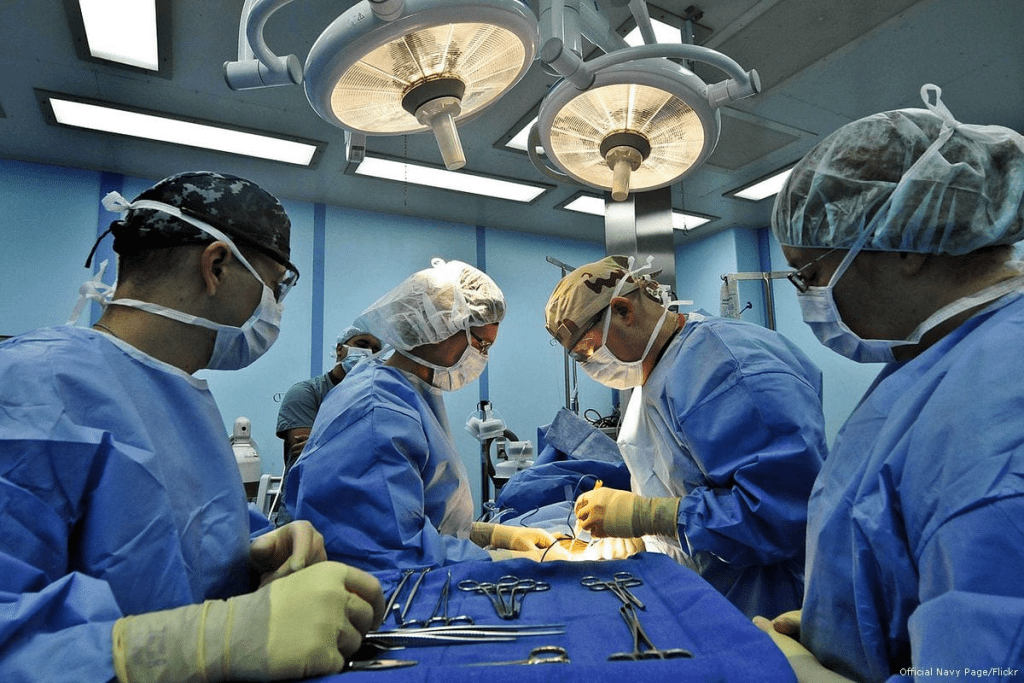
When we look at the risks of bladder removal surgery, it’s key to understand the surgery itself. We must also know the possible complications and how they affect a patient’s life. Advances in technique and top-notch hospital care are vital in making the surgery safer and more successful.
Key Takeaways
- Bladder removal surgery is a complex operation with significant risks.
- The procedure is often used to treat bladder cancer.
- Robotic-assisted surgery and patient-centered care can improve outcomes.
- Understanding the surgical procedure and possible complications is essential.
- Life expectancy after bladder removal varies based on individual factors.
Understanding Radical Cystectomy: What Happens During Bladder Removal
Patients with bladder cancer or severe bladder issues might need a radical cystectomy. This surgery removes the bladder and sometimes other tissues. It’s mainly for bladder cancer, but can also treat other problems.

The Surgical Procedure Explained
In a radical cystectomy, the surgeon takes out the bladder. They then use a part of the intestine to make a new way for urine to leave the body. There are a few ways to do this, like cystectomy with ileal conduit and continent cutaneous diversion. The choice depends on the patient’s health and what they prefer.
Studies show that up to 64% of patients face complications within 30 days. Severe issues are seen in 13“28% of cases. Knowing these risks is key for those thinking about radical cystectomy.
Common Reasons for Bladder Removal
Mostly, bladder removal is for bladder cancer. But it’s also for severe bladder damage or some neurological disorders. Radical cystectomy is usually considered after other treatments fail.
Patients can live without their bladder. The surgeon makes a new way for urine to leave the body. There are many ways to do this, all using the intestine. Knowing about the surgery and why it’s done helps understand its risks.
The Risk Profile of Cystectomy: What the Statistics Show
Recent studies have highlighted the risks of cystectomy. They show the importance of choosing the right patients and caring for them well after surgery. It’s vital for both patients and doctors to know these risks.
Short-term Complication Rates
Cystectomy, like other big surgeries, has big risks right after. These include bleeding, infection, and problems with the wound. Robotic-assisted cystectomy might help by cutting down on blood loss and complications. But the risks are not gone.
Many patients face short-term problems after cystectomy. Infections and bleeding are common. Careful monitoring and post-operative care are key to reducing these risks.

Long-term Risks and Quality of Life Impact
After surgery, patients face long-term risks. Changes in how they urinate and have sex are big concerns. The impact on quality of life can be big, needing patients to adjust to new systems and possibly deal with sexual issues.
Long-term risks also include metabolic changes and problems with urinary diversion. Regular follow-up care is vital to manage these risks well.
Mortality Rates Associated with Bladder Removal
Mortality rates after cystectomy are a big worry, more so for older patients or those with health issues. Even with better surgery, the risk is there.
Studies show mortality rates vary a lot. This depends on the patient’s age, health, and the type. Knowing these factors helps understand the risk for each person.
5 Key Factors That Influence Risk Levels in Bladder Removal Surgery
Several key factors affect the risks of bladder removal surgery. Knowing these factors helps patients and doctors make better choices. This ensures the best possible results.
Patient Age and Overall Health Status
Patient age and health are big factors in surgery risks. Older patients or those with health issues might face more problems. Older age can make recovery harder, and conditions like high blood pressure or COPD can raise risks.
Liv Hospital shows how advanced care can lower risks. They focus on choosing the right patients and preparing them well before surgery. This helps avoid complications.
Presence of Comorbidities
Conditions like diabetes or heart disease can increase surgery risks. These issues can make surgery harder and recovery slower. For example, diabetes can slow down wound healing, and heart disease can lead to heart problems during surgery.
It’s important to manage these conditions before, during, and after surgery. A team of specialists can help make sure the patient is ready for surgery.
Surgical Approach Selection
The type of surgery, open or robotic-assisted, affects risks. Robotic surgery is precise, leading to less blood loss and shorter stays. But the choice depends on the patient’s health, cancer stage, and the surgeon’s skill.
Robotic surgery can mean less pain and quicker recovery. But the best approach varies based on many factors.
Hospital Volume and Surgeon Experience
Hospital volume and surgeon experience also matter. High-volume centers with skilled surgeons usually have better results. They have honed their techniques and care paths.
Choosing a hospital with a good track record is wise. Surgeon experience greatly affects success. Hospitals that do many surgeries are better at handling complications.
In summary, knowing what affects surgery risks is key to better outcomes. By looking at patient age, health, surgery type, hospital volume, and surgeon skill, doctors can improve care. This helps manage risks and enhance patient care.
Modern Approaches to Reducing Risks in Bladder Surgery
Bladder surgery has changed a lot. Now, we focus on making it safer and easier to recover. We use new methods and make treatment plans just for you.
Robotic-Assisted vs. Open Cystectomy Outcomes
Robotic-assisted cystectomy is a big step forward in bladder surgery. This method cuts down on blood loss, pain, and recovery time compared to open surgery. Patients often leave the hospital sooner and face fewer problems.
Even so, open cystectomy is sometimes the best choice. But, more and more, doctors are choosing robotic surgery. Robotic systems let doctors do more complex surgeries with better results.
Urinary Diversion Options and Their Complication Profiles
Choosing how to handle urine after bladder removal is key. Options like ileal conduit or neobladder have different risks. We help pick the best method for each patient’s needs and health.
It’s important to know the risks and benefits of each choice. Our team helps you understand these to prepare for your recovery.
Advanced Care Protocols and Enhanced Recovery Pathways
New care plans and recovery paths are making bladder surgery safer. These plans involve a team effort to improve care before, during, and after surgery.
These paths have greatly improved outcomes. They help patients recover faster by reducing stress and encouraging early movement.
At Liv Hospital, we always look for ways to improve. We’re committed to using the latest in bladder surgery to give our patients the best care.
Conclusion: Living Without a Bladder – What to Expect After Surgery
After bladder removal surgery, our body gets used to a new way of urinating. Most people feel pain at first, but it gets better over time. It’s important to understand what life without a bladder is like to prepare for the challenges ahead.
Urinary diversion is a big part of bladder removal surgery outcomes. Patients have to get used to a new way of urinating, which can be tough. But with the right care and support, people can live happy lives.
How well someone does after bladder removal surgery can vary. Some might face complications, while others can live a pretty normal life. We need to think about the risks and benefits of this surgery to make good choices about our care.
By knowing what bladder removal surgery means, patients and their families can handle the treatment better. As medical technology gets better, the results of this surgery are improving. This gives hope to those dealing with bladder cancer or other conditions that need a cystectomy.
FAQ
What is a conduit urinary diversion?
A conduit urinary diversion is a surgical procedure. It uses a part of the intestine to make a new way for urine to leave the body. This is often needed after the bladder is removed.
What are the risks associated with bladder removal surgery?
Removing the bladder is a big surgery. It can lead to bleeding, infection, and problems with the wound. It might also change how you urinate and have sex. Your quality of life could also be affected.
How long does it take to recover from bladder removal surgery?
How long it takes to get better varies. It depends on your health and the type. Robotic surgery might help you recover faster than open surgery.
Can you live without a bladder?
Yes, living without a bladder is possible. But you’ll need to make big changes. You’ll also need the right support to adjust to this new situation.
What is the difference between robotic-assisted and open cystectomy?
Robotic-assisted cystectomy is a less invasive surgery. It uses robots to help the surgeon. This can lead to less blood loss, pain, and quicker recovery than open surgery.
What are the different types of urinary diversion methods?
There are several ways to divert urine. These include ileal conduit, continent cutaneous diversion, and neobladder. Each has its own risks and benefits.
How does bladder removal surgery affect life expectancy?
Life expectancy after bladder removal surgery varies. It depends on why the surgery was done, your overall health, and any other health issues you might have.
What is the role of the surgeon and hospital volume in bladder removal surgery?
The surgeon’s experience and the hospital’s volume matter a lot. They can affect the surgery’s risks and outcomes.
What is a bladder bag, and how is it used?
A bladder bag, or ostomy bag, collects urine after certain surgeries. This includes an ileal conduit.
Where is the bladder located in the body?
The bladder is in the pelvis, behind the pubic bone. It’s a key part of the urinary system.
How long does caffeine stay in your system?
Caffeine stays in your system for 4 to 6 hours. This can vary based on how fast you metabolize it and how much you drink.
References
- American Cancer Society. (2024). Surgery for Bladder Cancer. Retrieved from https://www.cancer.org/cancer/bladder-cancer/treating/surgery.html
- National Cancer Institute. (2023). Cystectomy. Retrieved from https://www.cancer.gov/about-cancer/treatment/types/surgery/cystectomy
- American Urological Association. (2024). Radical Cystectomy for Bladder Cancer. Retrieved from https://www.auanet.org/guidelines-and-quality/guidelines/bladder-cancer-guideline