Bladder surgery, like radical cystectomy, is seen as a major surgery. It’s complex, takes a long time, and comes with risks. We know it’s scary to think about, so we’ll talk about it with care and understanding.
Radical cystectomy means taking out the bladder and sometimes other organs and lymph nodes. This procedure is often needed for bladder cancer that has spread or not gone away with other treatments.
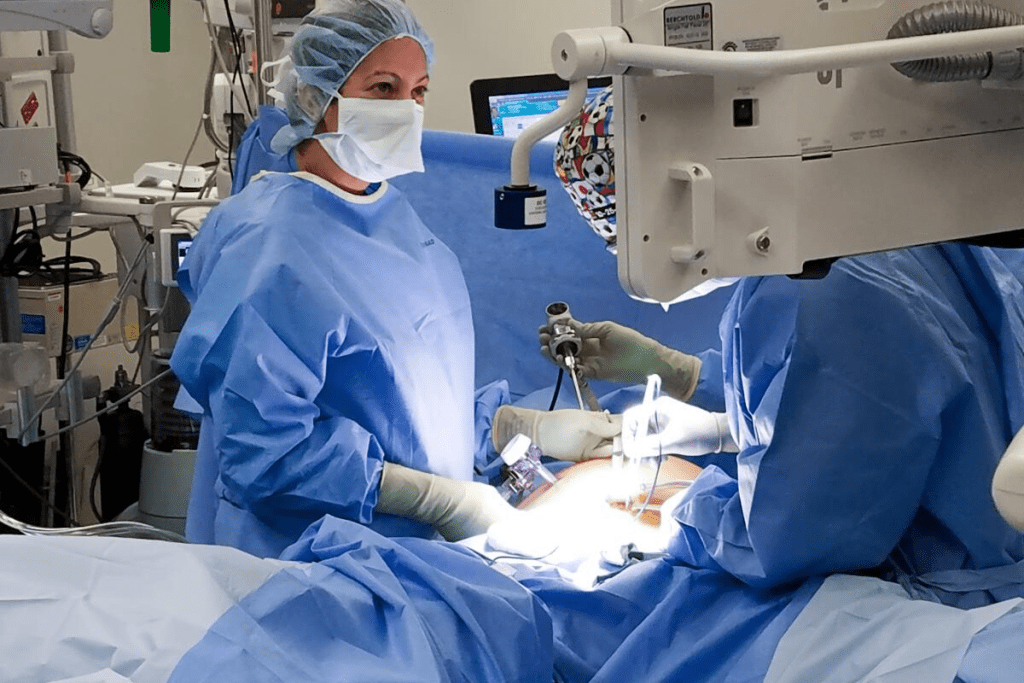
image is to be replaced’
We get it, bladder surgery worries you. Our team is here to offer full care and support every step of the way.
Key Takeaways
- Bladder surgery is considered a major operation due to its complexity and risk.
- Radical cystectomy is a significant procedure for treating bladder cancer.
- The surgery involves removing the bladder and potentially surrounding organs.
- Comprehensive care and support are key for good results.
- Our team is dedicated to providing expert medical care and empathy.
What Classifies a Surgery as “Major”: Criteria and Definitions
It’s important to know what makes a surgery “major.” Major surgeries are complex, involve a lot of the body, and have big risks.

Medical Definition of Major vs. Minor Surgery
The medical world splits surgeries into major and minor. Major surgeries are very complex, risky, and need a long time to recover. On the other hand, minor surgeries are simpler, safer, and heal faster.
Radical cystectomy is a major surgery. It removes the bladder and sometimes other organs. It’s a big deal, risky, and takes a long time to get better.
Key Factors That Determine Surgical Classification
Several things decide if a surgery is major or minor. These include:
- The complexity of the procedure
- The extent of the surgical intervention
- The possible risks and complications
- The expected recovery time
Radical cystectomy can take more than two hours and has a high risk of problems and blood loss. These traits make it a major surgery.
Knowing these points helps patients understand the importance of surgeries like radical cystectomy. It shows how much care they need.
Types of Bladder Surgeries: From Minor Procedures to Major Operations
Bladder surgeries range from simple to complex. The choice depends on the condition, like bladder cancer, and its severity. We tailor each surgery to fit the patient’s needs and health.
Minimally Invasive Bladder Procedures
These surgeries aim to cut down recovery time and risks. Robot-assisted surgery is popular for some bladder issues. It uses small cuts, less damage, and often means shorter hospital stays.
Robot-assisted surgery is great because it lets surgeons work with high precision. This improves the results for patients.
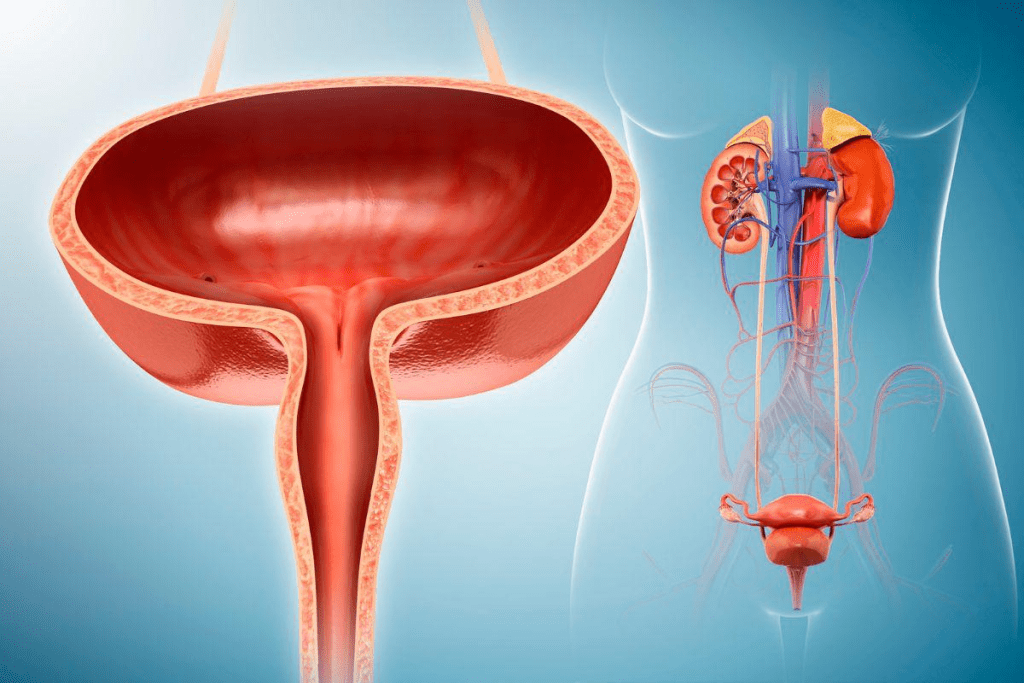
image is to be replaced’
Intermediate Bladder Surgeries
Intermediate surgeries are more complex than the minimally invasive ones. They might use open or laparoscopic methods. These surgeries fix bladder damage or remove tumors that don’t respond to other treatments.
Major Bladder Surgical Interventions
Major surgeries, like radical cystectomy, are big deals. They remove the bladder and might need urinary diversion or reconstruction. These are for severe cases like invasive bladder cancer.
Even with new techniques, these surgeries are risky. We focus on thorough checks before and after surgery to manage risks.
After a big surgery, patients might need urinary diversion or bladder reconstruction. This affects their quality of life. We help patients understand their options and prepare for these changes.
Radical Cystectomy: Why This Procedure Is Definitively Major Surgery
Radical cystectomy is a major surgery known for its complexity and long operation time. It involves removing the bladder and sometimes other organs. This requires a lot of reconstruction, including making new ways for urine to flow.
Surgical Complexity and Duration
The radical cystectomy is very complex and takes a long time, often over two hours. This shows it’s a major surgery. It needs careful surgery and a deep understanding of the pelvic area.
Having such a big surgery can be scary. But our team is here to help you through it all. For more info, check outthis transcript on radical cystectomy. It talks about what to expect and how to care for yourself after.
Extensive Anatomical Reconstruction Required
After taking out the bladder, radical cystectomy needs a lot of rebuilding. This includes making a new way for urine to flow, like an ileal conduit or a neobladder. The choice depends on the patient’s health and how big the surgery is.
The rebuilding part is very important and needs a lot of skill. This makes radical cystectomy a big deal in surgery.
Statistical Evidence of Surgical Magnitude
Studies prove that radical cystectomy is a major surgery. It comes with big risks like infections, bowel problems, and metabolic issues. The risks of radical cystoprostatectomy or cystoprostatectomy show why careful planning and skill are key.
We’re all about giving top-notch care. We make sure patients get the support they need before, during, and after surgery. Knowing how big radical cystectomy is helps patients and families get ready for what’s ahead.
High Complication Rates: The Risk Profile of Major Bladder Surgery
Major bladder surgery, like radical cystectomy, is a complex procedure with big risks. Patients worried about complications and how they affect recovery and life quality are not alone. We get it.
Statistical Evidence from Clinical Studies
Clinical studies show major bladder surgeries have high complication rates, between 40% and 60%. These complications can cause longer hospital stays and affect recovery. We know how important it is to understand these stats to manage patient hopes and give full care.
Common Complications Following Major Bladder Surgery
Common issues after major bladder surgery include infections, urinary tract problems, and metabolic changes. It’s key for patients to know these risks to make smart treatment choices. We’re here to support and guide you through recovery to lessen these risks.
Complication rates for surgeries like cystectomy are between 40% and 60%. Extended hospital stays are common for those with complications. We understand the hurdles and are dedicated to supporting you through recovery.
Life After Bladder Removal: Urinary Diversion Methods and Adaptation
Removing the bladder changes how patients manage their urine. After a bladder removal surgery, they face big changes in their urinary system. They must learn new ways to handle their urine.
Types of Urinary Diversion After Cystectomy
There are many ways to manage urine after a cystectomy. These include:
- Ileal Conduit: A common method where a part of the intestine is used to create a conduit for urine to exit the body.
- Continent Urinary Reservoir: A pouch made from a segment of the intestine, connected to the urethra or an abdominal stoma.
- Neobladder Reconstruction: A procedure that makes a new bladder from a part of the intestine, aiming to keep more natural urine function.
Can You Live Without a Bladder? Quality of Life Considerations
Living without a bladder has its challenges. But, many patients lead happy lives with the right support. The choice of urinary diversion method greatly affects a patient’s quality of life. It impacts their daily activities, self-esteem, and overall well-being.
Adapting to life without a bladder needs a lot of support. This includes help with managing urinary diversion, dealing with complications, and staying healthy.
Life Expectancy After Bladder Removal Surgery
The life expectancy after bladder removal surgery varies. It depends on the reason for surgery, the patient’s health, and cancer stage if it’s for cancer treatment. Better medical care and urinary diversion methods have helped many patients.
We aim to provide top-notch healthcare and support for international patients. We help them deal with the challenges of bladder removal and urinary diversion.
Minimally Invasive Approaches: Reducing the Impact of Major Bladder Surgery
Minimally invasive methods are changing bladder surgery. They cut down on recovery times and complications. Techniques like robot-assisted and laparoscopic surgeries aim to reduce tissue damage and improve results.
Robot-Assisted Radical Cystectomy
Robot-assisted radical cystectomy is a big step forward in treating bladder cancer. It uses robotic tools for precise bladder removal. This method leads to less blood loss and shorter hospital stays.
For those who have lost their bladder, this surgery can mean a quicker recovery. It might also mean fewer complications.
Laparoscopic Techniques in Bladder Surgery
Laparoscopic surgery uses small incisions for instruments and a camera. It’s less invasive than open surgery, leading to less pain and faster healing. This method is used for many bladder surgeries, including creating a bladder bag.
When Traditional Open Surgery Remains Necessary
Even with the benefits of new methods, open surgery is sometimes the best choice. Complex cases or big anatomical challenges need open surgery’s access. We choose the best surgery for each patient based on their needs.
In summary, new methods are making bladder surgery less impactful. Robot-assisted and laparoscopic surgeries cut down recovery times and complications. These advances offer hope for a smoother recovery for those facing bladder removal surgery.
Conclusion: Understanding the Major Nature of Bladder Surgery
Bladder surgery, like radical cystectomy, is a big deal. It needs careful thought and planning. We’ve looked into its complexities and risks, showing why it’s so important to understand it well.
People getting bladder surgery, like cystectomy, need to know about possible problems. They also need to think about how it might change their life. Our team is here to help, giving full support and advice every step of the way.
Knowing about bladder surgery helps patients make smart choices about their treatment. They can get ready for what’s coming. We aim to give top-notch healthcare, helping patients at every turn.
FAQ
What is radical cystectomy, and why is it considered a major surgery?
Radical cystectomy is a surgery that removes the bladder and sometimes other organs. It’s major because it’s complex, risky, and requires a lot of rebuilding.
What are the risks associated with major bladder surgery like radical cystectomy?
Major bladder surgery has big risks, with complication rates between 40% and 60%. These can lead to longer hospital stays and affect recovery and life quality.
How does life change after bladder removal surgery?
Life changes a lot after bladder removal. You’ll need to learn new ways to handle your urine. It’s a challenge, but with support, you can live well.
What are the different types of urinary diversion methods after cystectomy?
There are several ways to manage urine after bladder removal. These include an ileal conduit, a continent urinary reservoir, and a neobladder. Each method helps patients manage their urine system.
Can you live without a bladder, and what are the quality of life considerations?
Yes, you can live without a bladder. It requires big changes, but many people lead good lives with the right help. You’ll need to get used to new ways of handling urine and deal with possible problems.
What is the life expectancy after bladder removal surgery?
Life expectancy after bladder removal surgery varies. It depends on why you had the surgery and your overall health. We offer personalized help and support to guide you through these changes.
Are there minimally invasive approaches to major bladder surgery?
Yes, there are less invasive methods like robot-assisted radical cystectomy and laparoscopic techniques. These aim to reduce damage, blood loss, and speed up recovery.
What is the difference between radical cystectomy and cystoprostatectomy?
Radical cystectomy removes the bladder, while cystoprostatectomy removes the bladder and prostate. Both are big surgeries that need a lot of rebuilding and come with risks.
How long does radical cystectomy surgery typically take?
Radical cystectomy surgery takes over two hours. Its length and complexity show why it’s considered a major surgery.
References
Radical cystectomy: a review of techniques, developments and controversies. (2022). Translational Andrology and Urology.https://tau.amegroups.org/article/view/38769/html
Fritsche, H., et al. (2023). Reporting perioperative complications of radical cystectomy: the influence of using standard methodology based on ICARUS and EAU quality criteria. World Journal of Surgical Oncology.https://link.springer.com/article/10.1186/s12957-023-02943-9
Short term outcomes after robot-assisted and open cystectomy: a nation-wide population-based study. (2023). BladderBaSe 2.0 / Sweden.https://pubmed.ncbi.nlm.nih.gov/36759262/