
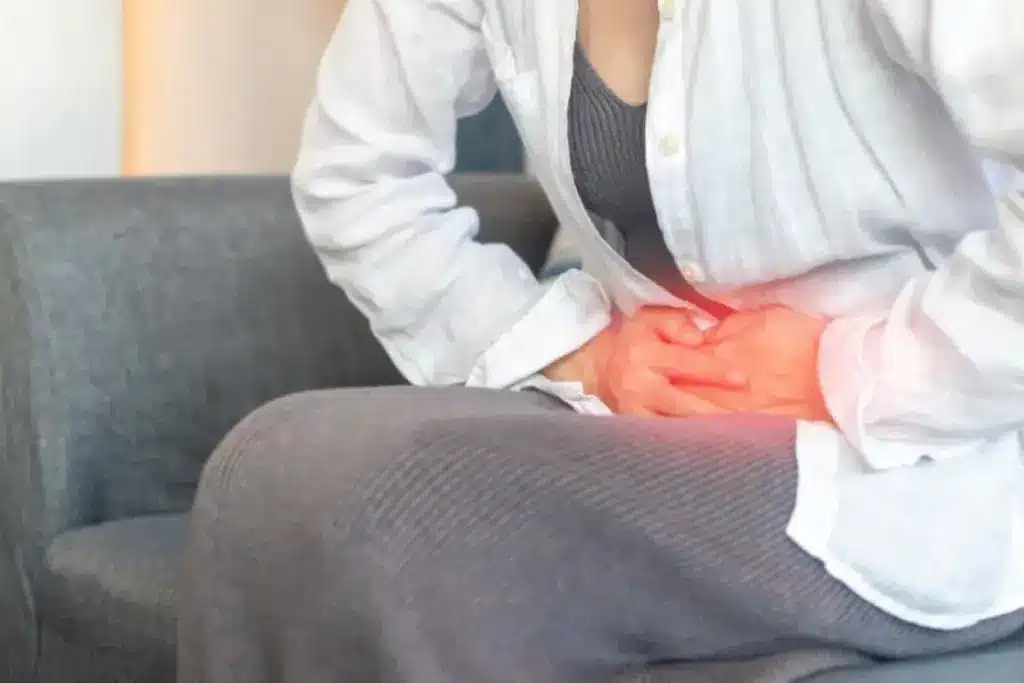
Bladder infections, also known as cystitis, affect millions globally. Did you know nearly 150 million cases of urinary tract infections happen every year? This shows how important it is to know what causes bladder infections.
We will look into why this happens. Escherichia coli, a common bacteria, often causes these infections. Knowing the causes helps us prevent and treat them better.
Key Takeaways
- Bladder infections are a common condition worldwide.
- Bacterial infections are a primary cause of cystitis.
- Escherichia coli is a common bacteria responsible for many urinary tract infections.
- Understanding the causes is key for prevention and treatment.
- Several factors contribute to the development of bladder infections.
Understanding Cystitis: An Overview

Cystitis is a painful condition that affects many people worldwide. It’s important to understand it to manage its impact on daily life. Cystitis, or inflammation of the bladder, is a common issue.
Definition of Cystitis
Cystitis is when the bladder gets inflamed, often from an infection. It can cause mild discomfort or severe pain. Accurate diagnosis is essential for effective treatment.
Types of Cystitis
Cystitis can be acute or chronic. Acute cystitis happens suddenly and is usually caused by bacteria. Chronic cystitis lasts longer and can be caused by infections, irritation, or health issues.
|
Type of Cystitis |
Characteristics |
Common Causes |
|---|---|---|
|
Acute Cystitis |
Sudden onset, short-term inflammation |
Bacterial infections, often E. coli |
|
Chronic Cystitis |
Long-term or recurring inflammation |
Recurring infections, irritation, or underlying conditions |
|
Interstitial Cystitis |
Chronic condition with bladder pain and pressure |
Unknown, possibly related to bladder lining defects or immune system issues |
Importance of Early Diagnosis
Early diagnosis of cystitis is key to effective treatment. Recognizing signs of UTI like painful urination and frequent need to urinate is important. Pyuria, or pus in the urine, is a sign of infection. Quick diagnosis and treatment can help manage symptoms and improve life quality.
Common Causes of Cystitis
Cystitis is a common urinary tract infection. Knowing what causes it is key to preventing and treating it. Several factors can lead to cystitis, including bacterial infections and non-infectious triggers.
Bacterial Infections
Bacterial infections are a main cause of cystitis. E. coli bacteria are often found in UTIs, including cystitis. They usually come from the bowel and can easily get into the urinary tract.
Medical experts say E. coli in the urinary tract often leads to cystitis. Other bacteria can also cause it, but E. coli is the most common. Bacteria can get into the urinary tract through poor hygiene or sex.
Non-Infectious Triggers
Not all cystitis is caused by bacteria. Other things can also trigger it. These include:
- Irritation from certain products, such as douches or spermicides
- Chemicals in some feminine hygiene products
- Catheter use, if not kept clean
These non-infectious triggers can make the bladder inflamed. This can cause symptoms like those from bacterial cystitis.
Risk Factors Influencing Cystitis
Some people are more likely to get cystitis. This is because of certain risk factors. These include:
- Female anatomy, as women have a shorter urethra, making it easier for bacteria to reach the bladder
- Sexual activity, which can spread bacteria
- Use of certain birth control, like diaphragms or spermicides
Knowing these risk factors helps in preventing and catching cystitis early.
Symptoms of Cystitis
It’s important to know the signs of cystitis to get help quickly. Cystitis, or bladder inflammation, can cause many uncomfortable symptoms. These symptoms can make daily life hard. Knowing them helps you get the right care and treatment.
Pain and Discomfort
Pain or discomfort while urinating is a key sign of cystitis. This pain can be mild or very strong and feels like burning. Some people also feel pain or discomfort in their pelvis or lower abdomen. A doctor says, “The pain from cystitis can be very upsetting and shows something is wrong.”
“The pain associated with cystitis can be quite distressing and is a key indicator that something is amiss.”
Medical Expert
Some may feel pressure or discomfort in their pelvis. This feeling can be constant or come and go. It’s important to notice these signs because they can really affect your life.
Urinary Changes
Cystitis can also change how you urinate and what your urine looks like. Feeling the need to urinate more often is a common symptom. Feeling a sudden urge to urinate is another common problem.
- Cloudy or strong-smelling urine
- Blood in the urine (hematuria)
- Urine that appears darker or more concentrated than usual
These changes can mean you have an infection or inflammation that needs a doctor’s help.
Additional Symptoms to Watch For
There are other signs that might mean you have cystitis or a bladder infection. Some people might feel fever or chills if the infection is bad or has spread to the kidneys.
A doctor will look at your symptoms, medical history, and test results to diagnose cystitis. If your symptoms don’t get better or get worse, you should see a doctor.
How is Cystitis Diagnosed?
Diagnosing cystitis involves several steps. We look at the patient’s medical history and symptoms. We also use tests to find the cause.
Medical History and Symptoms
We start by checking the patient’s medical history and symptoms. This helps us find possible causes. Symptoms like painful urination and blood in the urine are common signs of cystitis.
Understanding the patient’s health and past urinary issues is key. We also look at how long and how bad the symptoms are. This helps us decide the best treatment.
Laboratory Tests
Laboratory tests are very important for diagnosing cystitis. A urinalysis checks for signs of infection, like pyuria (pus in the urine). It also looks for bacteria, blood, or other problems in the urine.
A urine culture might be done to find the exact bacteria causing the infection. This helps choose the right antibiotics. Sometimes, a urine cytology test is needed to rule out other conditions.
Imaging Studies
In some cases, imaging studies are needed to check the urinary tract. Ultrasound or CT scans can find problems like kidney stones or tumors. These studies help us make better treatment plans.
These tests give us important information. They help us manage the condition more effectively.
Treatment Options for Cystitis
Understanding how to manage cystitis is key. There are many ways to treat it, like medicines, home remedies, and changing daily habits. The goal is to ease symptoms and prevent future problems.
Prescription Medications
For bacterial cystitis, antibiotics are the main treatment. Common antibiotics include:
- Nitrofurantoin
- Trimethoprim/sulfamethoxazole
- Fosfomycin
The right antibiotic and how long to take it vary. It depends on the infection’s severity, your health history, and local resistance. Sometimes, a urine culture is done to find the best antibiotic.
|
Antibiotic |
Common Dosage |
Duration |
|---|---|---|
|
Nitrofurantoin |
100 mg twice daily |
5-7 days |
|
Trimethoprim/sulfamethoxazole |
160/800 mg twice daily |
3-5 days |
|
Fosfomycin |
3 g single dose |
1 day |
Over-the-Counter Remedies
Antibiotics are needed for bacterial cystitis. But, over-the-counter (OTC) remedies can also help. These include:
- Pain relievers like ibuprofen or acetaminophen
- Urinary analgesics such as phenazopyridine
- Cranberry supplements, which may help prevent UTIs by stopping bacteria from sticking to bladder walls
Always talk to a healthcare provider before trying new supplements, like cranberry. This ensures they won’t interact with other medicines.
“Cranberry juice or supplements may help reduce the risk of UTIs, but the evidence is mixed, and more research is needed to understand their effectiveness fully.”
– American Urological Association
Lifestyle Modifications
Medical treatments aren’t the only way to manage cystitis. Making lifestyle changes can also help. These include:
- Drinking plenty of water to flush out bacteria
- Urinating when you need to, not holding it
- Avoiding irritants like spicy foods, caffeine, and alcohol
- Practicing good hygiene, such as wiping from front to back
By using these methods together, you can manage cystitis better. This reduces symptoms and improves your life quality.
Preventing Bladder Infections
To prevent bladder infections, we need to focus on hygiene, drinking enough water, and avoiding irritants. By following these steps, we can lower our chances of getting cystitis.
Hydration and Dietary Tips
Drinking lots of water is key to preventing bladder infections. It helps wash out bacteria from the urinary tract. We suggest drinking at least eight glasses of water a day. Also, adding cranberry juice to your diet can help prevent bacteria from sticking to the bladder walls. Cranberry juice is also good for the kidneys.
It’s also important to avoid foods and drinks that can irritate the bladder. Try to limit or avoid caffeine, alcohol, and spicy foods. These can make symptoms worse or trigger infections.
Hygiene Practices
Good hygiene is essential in preventing bladder infections. Always wipe from front to back to stop bacteria from the anus from getting into the urethra. Also, urinate after sex to flush out bacteria.
Keeping the genital area clean and dry is also important. Wear breathable cotton underwear and avoid tight clothes that trap moisture.
Avoiding Irritants
Avoiding irritants is another important step. Be careful with the products you use in the genital area. Stay away from scented soaps, bubble baths, or douches as they can irritate the urethra and bladder, raising the risk of infection.
Choose gentle, fragrance-free products and avoid tight or synthetic clothing. These can cause irritation and increase the risk of infection.
When to Seek Medical Attention
Knowing when to seek medical help is key to recovering from cystitis. Many bladder infections can be treated at home. But, some cases need quick medical attention.
Red Flags for Serious Conditions
Some symptoms mean you need to see a doctor right away. These include:
- Severe pain in the lower abdomen or back
- Fever above 101.5°F (38.6°C)
- Blood in the urine
- Recurring infections
- Symptoms that worsen or do not improve with treatment
If you have any of these symptoms, go see your doctor. A medical expert said,
“Prompt recognition of these red flags can prevent complications and ensure timely intervention.”
|
Symptom |
Possible Indication |
|---|---|
|
Severe abdominal pain |
Kidney infection or severe cystitis |
|
Fever |
Infection spread to the kidneys |
|
Blood in urine |
Possible kidney damage or severe infection |
Importance of Follow-Up Care
Follow-up care is vital for managing cystitis. After treatment, seeing your doctor again is important. It checks if the infection is gone and talks about how to prevent it from coming back.
Key aspects of follow-up care include:
- Confirming the resolution of symptoms
- Discussing preventive strategies
- Addressing any concerns or questions you may have
By focusing on follow-up care, you can lower the chance of getting infections again. Being proactive in your health is key for the best results.
Living with Cystitis
Cystitis is more than just a urinary tract infection. It can really change how you live your daily life. You need to manage its symptoms, know what causes it, and make lifestyle changes to lessen its impact.
Impact on Quality of Life
Cystitis can really affect your quality of life. It causes discomfort, pain, and can disrupt your daily activities. The need to urinate often, along with the pain, can be very distressing.
Even simple tasks can become hard. Social activities might also suffer because of the fear of leakage or needing to go to the bathroom often.
Support Resources
It’s important to have the right support when living with cystitis. You need healthcare professionals who can help manage symptoms and treat the condition.
Support groups, online or in-person, can also be very helpful. They offer a sense of community and understanding, helping you deal with the emotional side of cystitis.
- Online forums and support groups
- Healthcare providers specializing in urology
- Educational resources on managing cystitis
Managing Chronic Cystitis
Managing chronic cystitis needs a mix of medical treatment, lifestyle changes, and sometimes alternative therapies.
Knowing what triggers it and avoiding them can help manage it well.
|
Management Strategy |
Description |
Benefits |
|---|---|---|
|
Hydration |
Drinking plenty of water to help flush out bacteria |
Reduces risk of UTIs, helps in healing |
|
Dietary Changes |
Avoiding irritants like caffeine, alcohol, and spicy foods |
Decreases discomfort, reduces frequency of cystitis episodes |
|
Natural Remedies |
Using cranberry juice or supplements, probiotics |
May help prevent UTIs, supports urinary health |
Living with cystitis takes patience, understanding, and a proactive approach. By using support resources and effective management strategies, you can improve your quality of life.
Future Research Directions
As we move forward, understanding cystitis better is key. New research will help us manage this condition more effectively. Studies are underway to find new treatments that could change how we treat cystitis.
Advancements in Treatment
Stem cell therapy is one area being explored. It could be a game-changer for treating cystitis. This new approach might help those who haven’t seen results from traditional treatments.
Ongoing Studies
Many clinical trials are looking into new ways to treat cystitis. These studies aim to find the best methods for managing the condition. They will guide doctors in giving the best care possible.
Empowering Patients through Education
It’s important to raise awareness and educate people about cystitis. When patients understand their condition, they can take charge of their health. This knowledge helps them make better choices about their treatment.
As research keeps advancing, we’ll see big improvements in treating cystitis. This will greatly improve the lives of patients around the world.
FAQ
What is cystitis?
Cystitis is an infection of the bladder. It’s often caused by bacteria. But, other things can also trigger it.
What are the common causes of cystitis?
Bacteria, like Escherichia coli, are the main cause of cystitis. Other factors and risk factors can also play a role.
What are the symptoms of cystitis?
Symptoms include pain and discomfort. You might also notice changes in your urine. These signs are important to watch for.
How is cystitis diagnosed?
Doctors use your medical history and lab tests to diagnose cystitis. They might also do imaging studies to check for other issues.
What are the treatment options for cystitis?
Treatment includes antibiotics and over-the-counter remedies. Changing your lifestyle can also help prevent it from coming back.
How can I prevent bladder infections?
To prevent bladder infections, drink plenty of water. Practice good hygiene and avoid irritants. Making dietary changes can also help.
When should I seek medical attention for cystitis?
See a doctor if your symptoms are severe or don’t get better. It’s also important to follow up with your doctor for ongoing care.
How does cystitis affect quality of life?
Cystitis can make you uncomfortable and upset. Managing it requires medical care, lifestyle changes, and support.
What are the future directions in cystitis research?
Research is looking into new treatments and clinical trials. It’s also important to raise awareness about cystitis.
Can recurrent UTIs be a sign of cancer?
Recurrent UTIs are not usually a sign of cancer. But, they can mean there’s something else going on that needs a doctor’s check.
Is cranberry juice effective in preventing UTIs?
Cranberry juice might help prevent UTIs by stopping bacteria from sticking to your bladder. But, it’s not a sure thing and should be part of a bigger prevention plan.
References
National Center for Biotechnology Information. Evidence-Based Medical Insight. Retrieved from https://www.ncbi.nlm.nih.gov/pmc/articles/PMC9363895/



 Departments
 Related Videos
 Our Doctors
 News
News