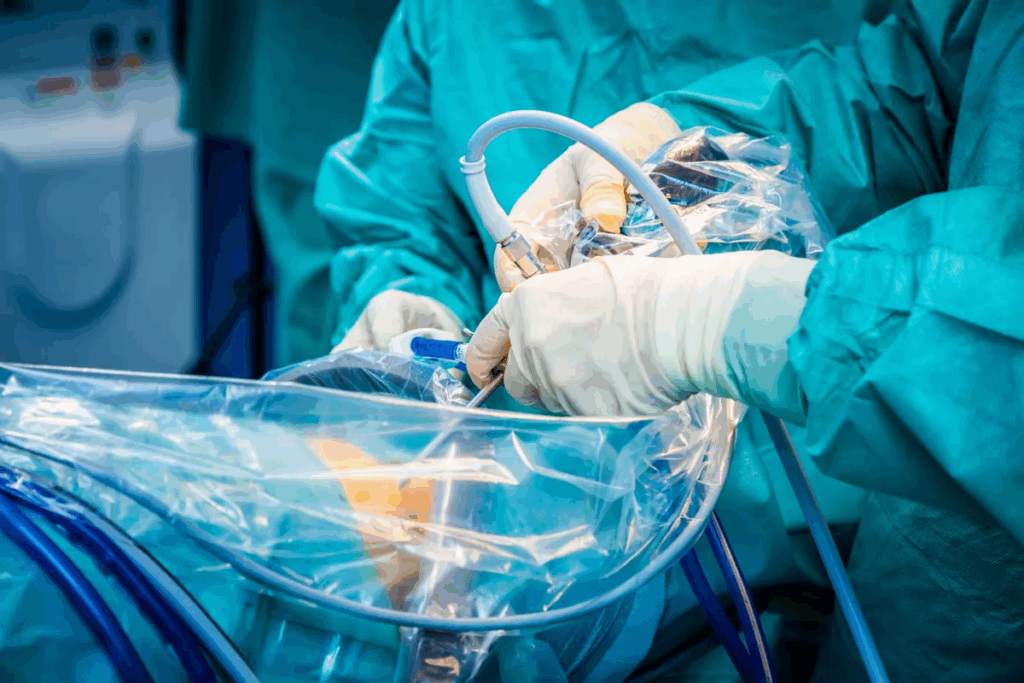
Cystocele repair is a common pelvic organ prolapse surgery. Symptoms like vaginal bulging and urinary issues can really affect your life. These problems can make everyday activities hard.Cystocele operation: A guide to the surgical options used to repair a cystocele (prolapsed bladder), including traditional and robotic methods.
Today, surgical repair options are very effective. At Liv Hospital, we offer top-notch surgery and care. Our goal is to help you feel better and improve your life.
There are many surgical approaches available. These include anterior colporrhaphy and laparoscopic sacropexy. Knowing about these options helps you choose the best treatment for you.
Key Takeaways
- Modern surgical repairs have success rates of up to 90% or higher.
- Many surgical methods are available, like anterior colporrhaphy and laparoscopic sacropexy.
- Liv Hospital offers excellent surgical care and focuses on the patient.
- It’s important to understand your surgical choices for the best treatment.
- Symptoms like vaginal bulging and urinary issues can greatly affect your life.
Understanding Cystocele: Causes and Symptoms
A cystocele happens when the wall between a woman’s bladder and vagina weakens. This causes the bladder to bulge into the vagina. It’s a common issue, often seen after menopause or with age.
What is Anterior Vaginal Wall Prolapse?
Anterior vaginal wall prolapse, or cystocele, occurs when the tissues between the bladder and vagina weaken. This lets the bladder bulge into the vagina. It can cause discomfort and urinary problems.
Common Causes and Risk Factors
Several things can lead to cystocele. These include:
- Childbirth: Vaginal delivery strains the muscles and tissues in the pelvic floor.
- Aging: As we get older, our muscles and tissues weaken.
- Menopause: Lower estrogen levels make tissues thinner and less elastic.
- Chronic Coughing: Conditions like chronic bronchitis increase abdominal pressure.
- Heavy Lifting: Often straining the pelvic floor muscles.
- Obesity: Excess weight puts more pressure on the pelvic floor.
Risk Factor | Description | Impact on Cystocele Development |
Childbirth | Vaginal delivery strains pelvic floor muscles and tissues. | High |
Aging | Natural weakening of muscles and tissues over time. | Moderate to High |
Menopause | Decrease in estrogen leads to thinner, less elastic tissues. | Moderate |
Recognizing Symptoms and Their Impact
Symptoms of cystocele can vary. They often include feeling full or pressured in the pelvis, discomfort during sex, and urinary issues. These symptoms can greatly affect daily life, impacting physical activity, sex, and overall well-being.
Understanding cystocele’s causes and symptoms is key to finding the right treatment. By knowing the risk factors and their role in the condition, women can take steps to manage their symptoms. This can improve their quality of life.
Diagnosing Cystocele: Examination and Classification
Diagnosing cystocele requires a detailed approach. This includes a physical exam and classification. We will explain the steps needed for a proper diagnosis. This is key for choosing the right treatment.
Physical Examination Process
The first step in diagnosing cystocele is a thorough pelvic exam. The healthcare provider checks how far the prolapse has moved by asking the patient to bear down or cough. This helps figure out the cystocele’s severity.
They use a speculum to look at the vaginal walls. They check for any bulge or prolapse. This exam is vital for seeing the prolapse and understanding its severity.
Grading Systems for Cystocele Severity
We use grading systems to measure cystocele severity. The most common is the Pelvic Organ Prolapse Quantification (POP-Q) system. It’s a standardized way to assess and stage pelvic organ prolapse.
Stage | Description |
0 | No prolapse |
1 | The leading edge of the prolapse remains above the level of the hymen |
2 | The leading edge of the prolapse is at or within 1 cm of the hymen |
3 | The leading edge of the prolapse is more than 1 cm below the hymen but not more than 2 cm less than the total vaginal length |
4 | Complete procidentia or vault prolapse; the leading edge is at least 2 cm or more beyond the total vaginal length |
Additional Diagnostic Tests and Imaging
In some cases, more tests or imaging might be needed. These could include urodynamic testing, ultrasound, or MRI. While not always needed, these tests can help in diagnosis and treatment planning.
“Accurate diagnosis is the cornerstone of effective treatment for cystocele. By combining physical examination findings with appropriate diagnostic tests, we can develop a treatment plan tailored to the individual patient’s needs.”
Understanding how to diagnose cystocele helps us manage this condition better. We aim for a clear and accurate diagnosis. This is key for choosing the best treatment.
Non-Surgical Treatment Options
Non-surgical methods can greatly improve life for those with cystocele. While surgery might be needed later, many find relief with conservative methods first.
Pelvic Floor Physical Therapy
Pelvic floor physical therapy is key in treating cystocele without surgery. It strengthens muscles that hold the pelvic organs in place.
- Pelvic floor exercises: Known as Kegel exercises, they strengthen muscles around the bladder and other organs.
- Biofeedback therapy: This helps patients control their pelvic floor muscles better.
- Manual therapy: Massage and trigger point release relax tense pelvic muscles.
This therapy improves muscle strength and coordination. It can lessen cystocele symptoms and boost pelvic health.
Pessary Devices and Management
Pessary devices are prosthetics inserted in the vagina to support the prolapsed organ. They vary in shape and size to fit each patient.
Pessaries are a good nonsurgical option for many. They’re great for those who:
- Don’t want or need surgery
- Have health issues that make surgery risky
- Are planning to have children
Getting the right fit and managing pessary devices is key for their success and comfort.
Lifestyle Modifications for Symptom Relief
Some lifestyle changes can also help manage cystocele symptoms:
- Maintaining a healthy weight: Losing weight can ease pressure on the pelvic floor.
- Avoiding heavy lifting: Use proper lifting techniques to avoid straining pelvic muscles.
- Managing constipation: Straining can worsen pelvic organ prolapse.
- Quitting smoking: Stopping smoking can improve health and reduce coughing, which strains pelvic muscles.
Combining these lifestyle changes with other treatments can help many women manage cystocele symptoms and enhance their quality of life.
When Is Cystocele Operation Necessary?
Cystocele surgery is considered when other treatments don’t work or if the prolapse is severe. The choice to have surgery depends on how bad the symptoms are and your overall health.
Indications for Surgical Intervention
Surgery is usually suggested when:
- Symptoms greatly affect your daily life and quality of life
- Other treatments haven’t helped
- The prolapse is very bad and causing problems
Severe symptoms that might need surgery include a lot of pelvic pressure, not being able to hold your urine, and trouble emptying your bladder. We look at each case to decide the best action.
Pre-Surgery Evaluation Process
Before surgery, a detailed check-up is done to see how healthy you are and how bad the cystocele is. This includes:
- Talking about your medical history
- A physical exam, including a pelvic check
- More tests if needed
Knowing how bad the prolapse is and any health problems is key to picking the right surgery.
Important Questions to Ask Your Surgeon
When thinking about surgery, ask your surgeon important questions like:
- What risks and complications could there be?
- What results can I expect, and how will success be checked?
- Are there other options instead of surgery, and are they good for my case?
Knowing about the surgery, possible problems, and recovery helps you make a good choice.
Anterior Colporrhaphy: The Traditional Approach
Cystocele repair through anterior colporrhaphy is a well-known procedure. It fixes the prolapse of the anterior vaginal wall. This traditional method has been a key part in treating cystocele, helping many patients find relief.
Step-by-Step Procedure Overview
Anterior colporrhaphy is a detailed process to fix the prolapsed anterior vaginal wall. It starts with a vaginal incision. Then, the vaginal epithelium is carefully separated from the fibromuscular layer below.
The next step is to fold the fibromuscular tissue to strengthen the wall. After that, the vaginal epithelium is trimmed and sewn back together. This completes the repair.
Key Steps in Anterior Colporrhaphy:
- Vaginal incision and exposure
- Dissection of vaginal epithelium
- Plication of fibromuscular tissue
- Closure of vaginal epithelium
Benefits and Limitations
Anterior colporrhaphy has several advantages. It’s a straightforward surgery that doesn’t use mesh. But, it also has some drawbacks. Success rates can vary, and there’s a chance of the problem coming back.
Benefits:
- Traditional and well-established technique
- No use of mesh materials
- Effective for many patients
Limitations:
- Variable success rates
- Potential for recurrence
- May not be suitable for all patients
Success Rates and Long-term Outcomes
Research shows that anterior colporrhaphy can have success rates from 70 to 94 percent at 12 months. But, long-term results can differ, and there’s a risk of the problem coming back.
Study | Success Rate at 12 Months | Recurrence Rate |
Study A | 85% | 15% |
Study B | 78% | 22% |
Study C | 92% | 8% |
In conclusion, anterior colporrhaphy is a good option for fixing cystocele. It has its benefits and drawbacks. Knowing about the procedure and its outcomes is key for making informed choices.
Paravaginal Repair Techniques
The paravaginal repair method is a surgery to fix cystocele by strengthening the vaginal wall. It fixes the problems that cause the prolapse. This makes it a strong solution for patients.
Anatomical Principles and Procedure Details
Paravaginal repair fixes the vaginal wall to its right place. It uses stitches or mesh for support. The goal is to fix the pelvic floor’s anatomy and ease cystocele symptoms.
Surgeons need to know the pelvic anatomy well for this surgery. They must check the patient’s condition to pick the best method.
Vaginal vs. Abdominal Approaches
Paravaginal repair can be done through the vagina or belly. The choice depends on the prolapse’s severity, the patient’s health, and the surgeon’s choice.
The vaginal method is less invasive and may heal faster. But, it’s not for everyone, like those with severe prolapse or other pelvic issues.
The abdominal method is more detailed and good for complex cases. But, it’s more invasive and takes longer to recover.
Comparative Effectiveness and Patient Selection
Research compares vaginal and abdominal paravaginal repair methods. The right choice depends on the patient’s needs and condition.
Approach | Success Rate | Recovery Time |
Vaginal | 85% | 4-6 weeks |
Abdominal | 90% | 6-8 weeks |
The best surgical method should be decided with a healthcare provider. They consider the patient’s specific situation and wishes.
Transvaginal Mesh Procedures
Cystocele repair with transvaginal mesh is a complex surgery. It uses mesh to support the vaginal wall and fix prolapse. We’ll look at how these methods have changed, the materials used, and the current rules.
Advancements in Mesh Techniques
Mesh use in cystocele repair has grown a lot. At first, mesh was used in ways similar to old surgeries. Now, new designs and materials have improved the products.
“Mesh kits made the surgery easier for doctors,” says a top urogynecologist. “But, they also brought up worries about complications and lasting results.”
Transobturator Approaches and Materials
Transobturator mesh placement goes through the obturator foramen. It’s meant to add more support to the front vaginal wall. Polypropylene mesh is often used because it lasts long.
The choice of material and method can greatly affect surgery results. Research shows different outcomes for success rates and complication profiles of mesh types.
FDA Warnings and Current Status
In 2019, the FDA told makers of some mesh products to stop selling them. This was because of worries about safety and how well they work. This change was big for transvaginal mesh products.
Now, using transvaginal mesh for cystocele repair has strict rules. Doctors and patients must think hard about the good points and risks. “The success of mesh placement depends on choosing the right patient and doing the surgery carefully,” says an expert.
Minimally Invasive Surgical Options
Modern surgery for cystocele has changed a lot. Now, patients can recover faster and feel less pain after surgery. These new methods help fix cystocele symptoms without hurting your daily life too much.
Laparoscopic Sacropexy Techniques
Laparoscopic sacropexy is a top choice for fixing cystocele. It uses a special tool to see inside the pelvis and fix the problem. This method has many good points:
- It makes smaller cuts, so there’s less scarring
- It causes less pain after surgery
- Patients don’t stay in the hospital as long
- They can get back to their normal life sooner
This method works well because it lets the surgeon see exactly what they’re doing. This makes the repair more precise.
Robotic-Assisted Procedures
Robotic surgery is another advanced way to fix cystocele. It uses a robot to help the surgeon be more precise and see better. The benefits are:
- It gives the surgeon better control and precision
- It lets them see the area they’re working on more clearly
- It helps reduce shaking and getting tired
- It can lead to better results in tricky cases
This method is great for people with complex pelvic issues or need very precise surgery.
Benefits and Candidate Selection
Both laparoscopic sacropexy and robotic surgery have big advantages for cystocele patients. But, which one is best depends on several things. These include the patient’s health, how bad the cystocele is, and the surgeon’s skills.
Procedure | Benefits | Candidate Selection |
Laparoscopic Sacropexy | Smaller cuts, less pain, shorter stay | Good health, moderate to severe cystocele |
Robotic-Assisted Surgery | More precise, better view, less shaking | Complex anatomy, previous surgery, need for precision |
Knowing the good and bad of each method helps doctors pick the best surgery for each patient.
Potential Complications and Risk Management
Surgical treatments for cystocele can lead to complications. This shows the importance of managing risks carefully. While these surgeries can greatly improve life quality, it’s key to know the possible risks.
Common Surgical Complications
Cystocele surgery, like any surgery, has risks like infection, bleeding, and injury to nearby organs. These issues can often be managed with good post-operative care.
- Infection: Antibiotics are often used to lower infection risk.
- Bleeding: Using careful surgical techniques and monitoring after surgery can reduce bleeding risks.
- Injury to surrounding organs: Surgeons take steps to avoid damage to the bladder, urethra, and other nearby areas.
Mesh-Related Complications
Mesh use in cystocele repair can lead to specific issues, like mesh erosion and chronic pain. It’s important to understand these risks to counsel patients properly.
Complication | Description | Management |
Mesh Erosion | Mesh material erodes into the vaginal tissue | Partial or complete mesh removal |
Chronic Pain | Persistent pain following surgery | Pain management strategies, potentially including mesh removal |
Strategies to Minimize Risks
To lower risks in cystocele surgery, it’s important to choose patients carefully and use precise surgical techniques. Good post-operative care also plays a big role in reducing complications.
When to Seek Post-Operative Medical Attention
Patients should know when to seek medical help after surgery. Signs like severe pain, heavy bleeding, or fever are urgent. Quick action can greatly improve recovery.
Recovery and Long-Term Outcomes
Recovering from cystocele repair surgery takes time and involves several stages. From the moment you leave the hospital to getting back to your daily life, it’s a journey. Knowing what to expect and how to manage your recovery is key.
Immediate Post-Operative Recovery
Right after surgery, you might feel some pain, swelling, and bleeding. To help with this, we have a care plan for you. It includes:
- Resting and avoiding hard activities
- Using ice packs to reduce swelling
- Taking pain medicine as your doctor tells you
- Following a bowel routine to avoid constipation
It’s important to follow your surgeon’s advice and go to all follow-up appointments. Most people stay in the hospital for less than a day. This depends on the surgery and your health.
Activity Restrictions and Return to Normal Life
We have rules to help you heal well and avoid problems. These include:
- Avoiding heavy lifting, bending, or straining for 4-6 weeks
- Not having sex for 6-8 weeks
- Walking gently to keep blood flowing and prevent clots
- Slowly getting back to more activities as you feel better
Most women can get back to their usual life in 6-8 weeks. But, it can take months to fully recover. We encourage you to be patient and focus on your health during this time.
Recurrence Rates and Factors
Even though surgery works well, it’s possible for the problem to come back. How often it happens depends on the surgery and your health. For example:
Surgical Technique | Recurrence Rate |
Anterior Colporrhaphy | 10-30% |
Paravaginal Repair | 5-20% |
Mesh Procedures | 5-15% |
Things that might make it more likely for the problem to come back include how bad it was to start with, your age, and if you have other pelvic floor issues. We stress the importance of regular check-ups to catch any problems early.
Understanding what to expect after cystocele surgery helps you prepare. We’re here to support you every step of the way.
Conclusion: Making an Informed Decision
It’s important to know your options for treating cystocele. We’ve talked about different surgeries like anterior colporrhaphy and transvaginal mesh. We also mentioned laparoscopic sacropexy as a minimally invasive choice.
When looking at repair options, think about the good and bad of each surgery. Your doctor will look at your situation and decide the best plan for you.
Knowing about the treatments can help you choose the right one. This choice can improve your life and health. Talk to your doctor to make sure you get the best care for your cystocele.
FAQ
What is a cystocele and how does it occur?
A cystocele happens when the wall between a woman’s bladder and vagina weakens. This causes the bladder to bulge into the vagina. It can be caused by childbirth, aging, or increased pressure on the pelvic muscles.
What are the symptoms of a cystocele?
Symptoms include a bulge or feeling full in the vagina. You might also leak urine, have trouble emptying your bladder, or feel pain during sex.
How is a cystocele diagnosed?
A doctor will do a pelvic exam to diagnose a cystocele. They might also use ultrasound or voiding studies to check your bladder.
What are the nonsurgical treatment options for cystocele?
Nonsurgical treatments include pelvic floor physical therapy and using pessary devices. Changing your diet and avoiding heavy lifting can also help.
When is surgical repair necessary for cystocele?
Surgery is needed when symptoms are severe or interfere with daily life. It’s also considered if nonsurgical treatments don’t work well enough.
What is anterior colporrhaphy?
Anterior colporrhaphy is a surgery to fix a cystocele. It strengthens the wall between the bladder and vagina.
What is paravaginal repair?
Paravaginal repair is a surgery to treat cystocele. It reattaches vaginal tissue to the pelvic sidewall for extra support.
What are the risks associated with transvaginal mesh procedures?
Transvaginal mesh procedures can cause mesh erosion, pain, and urinary problems. They have also been warned about by regulators.
What are the benefits of minimally invasive surgical options for cystocele repair?
Minimally invasive surgeries, like laparoscopic sacropexy and robotic-assisted procedures, have small incisions. They cause less pain and lead to quicker recovery times.
What are the possible complications of cystocele surgery?
Complications can include bleeding and infection. Mesh-related problems can also occur if mesh is used.
How long does it take to recover from cystocele surgery?
Recovery times vary, but most women can get back to normal in a few weeks. Full recovery takes a few months.
What are the chances of cystocele recurring after surgery?
Recurrence rates depend on the surgery, patient factors, and the initial prolapse severity.
Can lifestyle changes help prevent cystocele?
Yes, staying healthy, avoiding heavy lifting, and good bowel habits can help prevent cystocele. They can also reduce the risk of recurrence after surgery.
References
National Center for Biotechnology Information. How to Repair Cystocele Surgery Options Explained Cystocele. https://pmc.ncbi.nlm.nih.gov/articles/PMC9270303