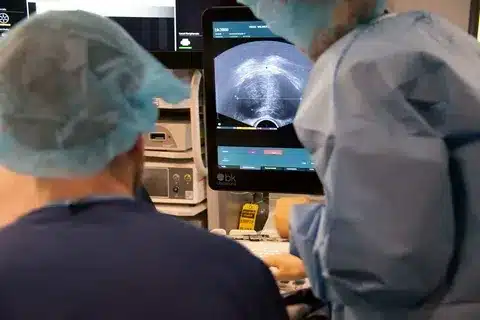
Getting a prostate biopsy can feel scary. Being sedated can make you feel less anxious. But, it’s key to know what sedation means in this situation.
Dealing with anxiety? We provide relaxation techniques to help you stay calm before and during your cystoscopy appointment to reduce discomfort.
In this article, we’ll walk you through the different prostate biopsies. We’ll talk about the procedure, including anesthesia and sedation.
Key Takeaways
- Prostate biopsy is a key tool for finding prostate cancer.
- Knowing about the different types of biopsies helps you prepare.
- Sedation during the biopsy can lessen anxiety and discomfort.
- Understanding anesthesia and its options helps you make choices.
- We’re here to support you every step of the way.
Understanding Prostate Biopsy
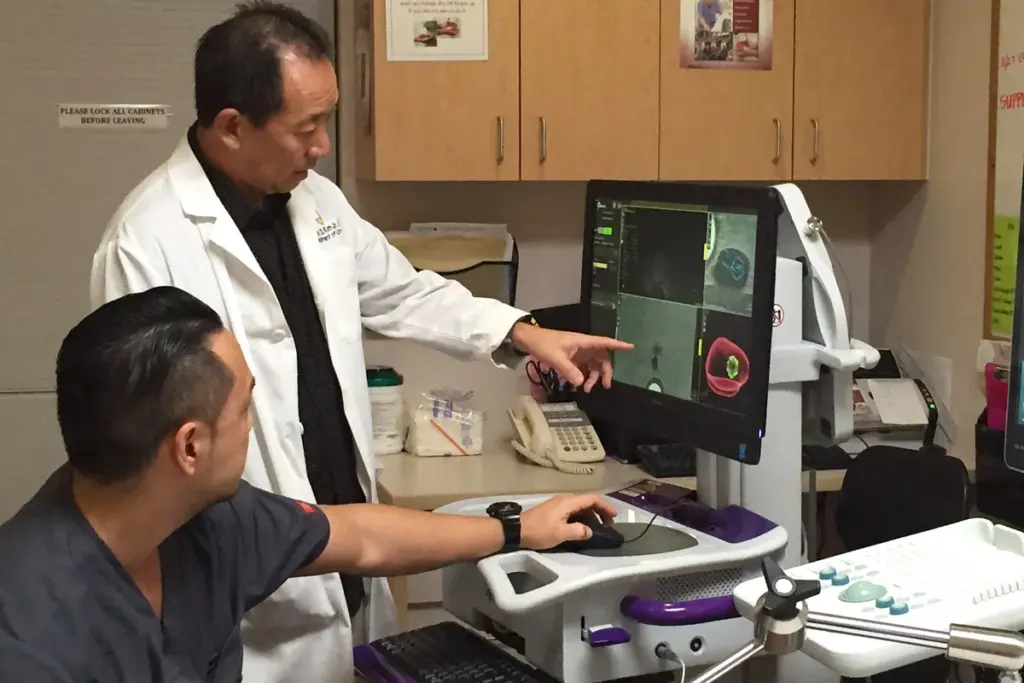
It’s important for patients to understand prostate biopsy. This procedure helps find prostate cancer and other issues. It’s a key step in prostate health.
What is a Prostate Biopsy?
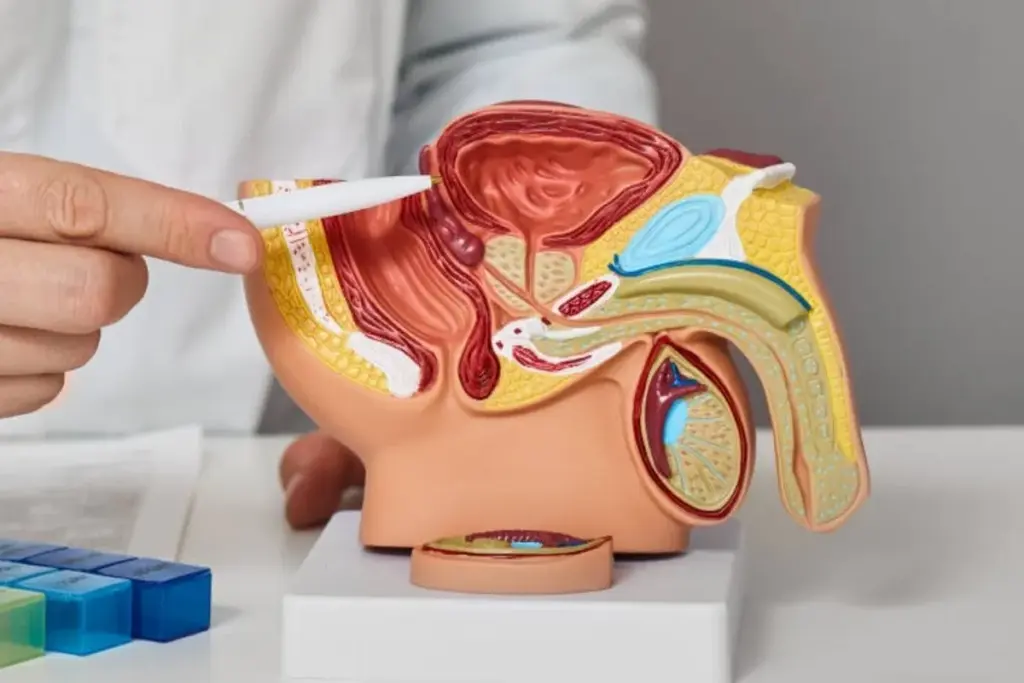
A prostate biopsy takes tissue from the prostate gland. It’s used to find prostate cancer. Doctors check the tissue for abnormal cells.
The biopsy utilizes a specialized tool to collect tissue samples. These samples go to a lab for analysis.
Why is a Prostate Biopsy Performed?
A biopsy is done to find or rule out prostate cancer. It’s suggested if PSA levels are high or if a DRE shows something odd.
Other reasons include:
- Watching PSA level changes
- Looking into MRI or ultrasound findings
- Checking if cancer is present and how aggressive it is
While a biopsy is key, it’s not the only way to check prostate health. Cystoscopy might also be used to look at the bladder and urethra.
Types of Prostate Biopsies
Knowing about the different prostate biopsies is key for patients. Each biopsy type is chosen based on the patient’s health, medical history, and the doctor’s advice. There’s no single biopsy that fits everyone.
Transrectal Ultrasonography (TRUS) Biopsy
A TRUS biopsy is common. It uses ultrasound to guide the needle through the rectum into the prostate. This method is popular because it’s effective and gives clear images.
TRUS biopsy is well-known to doctors. It can sample many areas of the prostate and is usually easy for patients. But, it might not always hit the right spots.
MRI-Targeted Biopsy
MRI-targeted biopsy is getting more attention for its precision. It uses MRI to find and target specific prostate areas. This is great for those with a high cancer risk.
This biopsy is precise and might need fewer samples. It’s good for accurate diagnoses. But, it needs MRI tech and skilled doctors to read the scans.
Saturation Biopsy
Saturation biopsy takes many samples from the prostate. It’s used when earlier biopsies were unclear or showed no cancer despite a high risk.
It’s thorough and might catch cancer missed before. But, it’s more invasive and could lead to more complications.
To understand the differences, we’ve made a table below.
Biopsy Type | Description | Advantages | Disadvantages |
|---|---|---|---|
TRUS Biopsy | Uses ultrasound to guide the biopsy needle. | Effective, familiar to urologists, samples multiple areas. | May not accurately target suspicious areas. |
MRI-Targeted Biopsy | Targets specific areas identified by MRI. | Precise, improves diagnostic accuracy. | Requires MRI technology and expertise. |
Saturation Biopsy | Takes a large number of samples. | Thorough, detects cancer missed earlier. | More invasive, increased risk of complications. |
The right biopsy depends on many factors, like the patient’s health and condition. Choosing the right one should be a team effort with a healthcare provider.
“The choice of prostate biopsy technique should be tailored to the individual patient, taking into account the clinical context and patient preferences.”
— Expert in Urology
The Procedure Explained
Understanding the prostate biopsy procedure is key. It involves taking tissue samples from the prostate gland for examination. This is a diagnostic step.
Preparation for the Biopsy
Getting ready for a prostate biopsy is important. Patients are told to stop certain medications that might affect the procedure or healing. This includes blood thinners and some antibiotics. Also, bowel prep may be needed to lower infection risk.
It’s vital to share any allergies or medical conditions with your doctor. This helps tailor the procedure and care to your needs.
What Happens During the Biopsy?
A urologist uses a biopsy needle to take tissue samples from the prostate gland. The procedure often uses transrectal ultrasonography (TRUS) guided biopsy. An ultrasound probe is inserted into the rectum to guide the needle.
Local anesthesia is used to reduce discomfort during the procedure. An anesthetic is a medication that numbs or makes you unconscious, making the procedure less painful.
Procedure Step | Description |
|---|---|
Preparation | Stopping certain medications, bowel preparation |
Biopsy | Using TRUS-guided biopsy needle to take tissue samples |
Anesthesia | Local anesthesia to minimize discomfort |
Post-Procedure Care
After the biopsy, patients are watched for any immediate issues. Post-procedure care instructions are given. These include avoiding heavy lifting, strenuous activities, and certain medications for a while.
It’s important to know the signs of complications, like severe pain, trouble urinating, or infection signs. If you notice these, seek medical help right away.
Anesthesia Options for Prostate Biopsy
When you have a prostate biopsy, knowing about anesthesia options is key. Anesthesia helps make the procedure less painful and less stressful.
Local vs. General Anesthesia
There are two main types of anesthesia for prostate biopsies: local and general. Local anesthesia numbs the area around the prostate to block pain. General anesthesia makes you completely unconscious during the procedure.
Local anesthesia is often given as a periprostatic block. This means the anesthetic is injected around the prostate gland. It’s a popular choice because it works well and has fewer side effects than general anesthesia.
Pros and Cons of Each Method
Local and general anesthesia each have their own benefits and drawbacks. The right choice depends on your health, how anxious you are, and what your urologist suggests.
Anesthesia Type | Pros | Cons |
|---|---|---|
Local Anesthesia | Less recovery time, fewer side effects | May not eliminate all discomfort, patient remains awake |
General Anesthesia | Complete pain relief, patient is unconscious | Longer recovery time, more possible side effects |
Knowing about these options helps you make better choices for your care. It’s important to talk to your urologist about what you prefer. This way, you can pick the best anesthesia for your prostate biopsy.
Risks and Complications
Prostate biopsy is usually safe, but there are risks and complications. Knowing these is key for making informed choices and managing care after the procedure.
Common Side Effects
Side effects of prostate biopsy include bleeding, pain, and infection. Bleeding might happen in the rectum or urine. It’s usually mild but can be serious at times. Pain is common, but it can be managed with the right pain relief.
Infection is rare with antibiotics, but it’s serious. If you notice symptoms, get medical help right away.
Serious Risks to Consider
There are serious risks like sepsis and urinary retention. Sepsis is a dangerous infection that can happen if bacteria get into the blood. Urinary retention means you can’t pee and might need a catheter.
While these risks are rare, it’s important to know them. If you have severe pain, trouble peeing, or signs of infection, seek help fast.
Pain Management during and after Biopsy
Knowing about pain management can make a big difference for patients. A prostate biopsy can be scary and painful. It’s important to manage pain well to reduce stress.
Reducing Discomfort During the Procedure
To make the biopsy less painful, several methods are used. Local anesthesia numbs the area, making it easier. We also suggest relaxation techniques like deep breathing to calm down.
Local anesthesia involves injecting a numbing drug around the prostate. This method greatly reduces pain during the biopsy. Some doctors also use sedation to help patients relax.
Pain Relief Options Post-Procedure
After the biopsy, some pain or discomfort is normal. We have pain relief options to help manage these symptoms. Over-the-counter pain meds usually work for mild to moderate pain.
If the pain is more severe, stronger meds might be needed. It’s key to follow the doctor’s advice on pain meds to avoid side effects. Resting and avoiding hard activities for a few days also helps with recovery.
Pain Management Method | Description | Benefits |
|---|---|---|
Local Anesthesia | Numbing medication injected around the prostate | Reduces pain during the procedure |
Relaxation Techniques | Deep breathing exercises and other calming methods | Helps reduce anxiety and discomfort |
Over-the-counter Pain Medication | Medications like acetaminophen or ibuprofen | Effective for mild to moderate pain |
By using these pain management strategies, patients can feel less pain during and after the biopsy. We aim to provide full care and support every step of the way.
Recovery Timeline
Knowing what to expect after a prostate biopsy is key. It helps manage your hopes and ensures a smooth healing. We’ll walk you through what happens right after and in the long run.
Immediate Recovery Period
Right after a prostate biopsy, you might feel some pain and side effects. Most men can get back to their usual life in a few days. It’s vital to stick to your doctor’s post-procedure advice to avoid problems.
Common immediate side effects may include:
- Mild discomfort or pain in the rectal area
- Blood in the semen, urine, or stool
- Temporary difficulty urinating
These side effects usually go away by themselves. But, if you have severe pain, heavy bleeding, or trouble peeing, call your doctor right away.
Long-term Expectations
Most men get back to their normal life without big issues in the long term. It’s important to keep an eye on your health and tell your doctor about any odd symptoms. “Clear pee” means your urine is free from blood or other stuff, showing you’re back to normal.
Long-term expectations include:
- Gradual return to normal urinary function
- Resolution of any discomfort or pain
- Ability to resume all normal activities, including exercise and sexual activity, as advised by your healthcare provider
Don’t forget to keep your doctor’s appointments. They’ll check your biopsy results and talk about what’s next.
Interpreting Biopsy Results
It’s important to understand your prostate biopsy results. They help find out if you have cancer and what treatment you might need. Results can show if the tissue is benign, cancerous, or if more tests are needed.
Understanding Pathology Reports
Pathology reports give detailed info about the tissue samples from your biopsy. Pathologists check these samples for any odd cells. They’ll tell if the tissue is normal, cancerous, or if they can’t make a diagnosis.
Key components of a pathology report include:
- The type of tissue sampled
- The presence or absence of cancer cells
- The Gleason score, if cancer is detected
- Any other abnormalities or conditions noted
Next Steps After Diagnosis
After getting your biopsy results, your doctor will talk to you about what they mean. If you have cancer, more tests might be needed to know how serious it is.
Your treatment plan will depend on many things. This includes the cancer’s stage and grade, your health, and what you prefer. You might have options like active surveillance, surgery, or radiation therapy.
Biopsy Result | Typical Next Steps |
|---|---|
Benign | Continue with regular check-ups; no immediate treatment needed |
Cancerous | Further testing to stage the cancer; discuss treatment options |
Uncertain/Inconclusive | May require a repeat biopsy or additional testing |
Knowing about your biopsy results and what comes next can help ease your worries. It’s key to talk to your doctor about any questions or concerns. This way, you’ll be well-informed about your condition and treatment plan.
Emotional and Psychological Considerations
Getting a prostate biopsy can be scary and uncertain. It’s filled with anxiety about what will happen next. We know this experience affects your mind and emotions deeply. It’s key to talk about these feelings to help you fully.
Coping with Anxiety Before the Procedure
Many men feel worried before a prostate biopsy. The unknown about the diagnosis and the test itself can really stress you out. To deal with this worry, there are a few things that can help:
- Seeking support from family and friends
- Engaging in relaxation techniques such as deep breathing or meditation
- Discussing concerns and fears with a healthcare provider
We urge men to talk to their healthcare team about their worries. Talking openly can really help lower your anxiety and make things easier.
Impact of Diagnosis on Mental Health
Getting a diagnosis after a prostate biopsy can deeply affect your mental health. Whether it’s good news or not, the emotional aftermath can be tough to handle. For example, finding out you have prostate cancer can make you feel scared, in denial, and worried about the future.
It’s important for men and their families to get mental health support during this time. Seeing a therapist or counselor can give you a safe place to talk about your feelings and find ways to cope. Also, joining support groups, either in-person or online, can help you connect with others facing similar challenges.
By understanding the emotional and psychological sides of a prostate biopsy and providing the right support, we can help men get through this journey more easily and with strength.
Frequently Asked Questions (FAQs)
Many questions come up when facing a prostate biopsy. We’ll answer the most common ones to help clear up any confusion and offer reassurance.
Do You Need to Be Put to Sleep for a Prostate Biopsy?
One big question is about anesthesia during a prostate biopsy. Usually, a biopsy is done with local anesthesia, which numbs the area around the prostate. This makes the procedure less painful. Sometimes, sedation is used to help you relax, but you won’t be “put to sleep” (general anesthesia) unless there’s a special reason.
The choice of anesthesia depends on your health, the doctor’s preference, and the biopsy technique. Your doctor will talk to you about the options and choose the best one.
What Happens If the Biopsy Is Inconclusive?
An inconclusive biopsy result can worry you. If the biopsy results are unclear, it means the tissue samples didn’t give a clear diagnosis. In these cases, your doctor might suggest more tests, like:
- Repeating the biopsy
- Doing more imaging studies, like an MRI
- Keeping a closer eye on your PSA levels
It’s important to talk to your doctor about what to do next and why the result was unclear. They can guide you on what to expect and the next steps.
Knowing what happens during a prostate biopsy can help reduce worry. If you have more questions or concerns, always ask your healthcare provider.
Finding the Right Specialist
Finding the right specialist for a prostate biopsy is key for a good experience. A urologist is a doctor who deals with urinary tract and male reproductive system issues.
Choosing a Urologist
When picking a urologist, look at their experience with cystourethroscopy. This is a procedure that uses a cystoscope to check the bladder and urethra. Choose someone with a good track record and who stays current with new methods.
Preparing for Your Consultation
At your consultation, ask important questions. For example, what experience do you have with prostate biopsies? What’s your approach to care? How will you handle any complications? Asking these questions will make you more confident in your choice.
FAQ
Is a prostate biopsy painful?
Some discomfort is possible, but most men find it minimal. Local anesthesia is used to make it less painful.
Do you need to be sedated for a prostate biopsy?
Sedation is not always needed. But, it might be offered to help you relax. Local anesthesia is used to numb the area.
What happens if the biopsy results are inconclusive?
If the results are unclear, your doctor might suggest more tests. This could include imaging studies or another biopsy to get a clearer diagnosis.
How long does it take to recover from a prostate biopsy?
Most men can get back to normal activities in a few days. But, it’s best to avoid hard activities for a week or two.
Can I drive myself home after a prostate biopsy?
It’s best to have someone with you to drive you home. You might be given sedatives or feel uncomfortable.
Is urine sterile after a prostate biopsy?
Urine is usually sterile. But, after a biopsy, there’s a chance of bacteria getting into the urinary tract. This could lead to infection.
What is the difference between a cystoscopy and a prostate biopsy?
A cystoscopy looks inside the bladder and urethra. A prostate biopsy takes tissue samples from the prostate gland for testing.
Will I be given antibiotics after a prostate biopsy?
Your doctor might give you antibiotics before or after the biopsy. This is to lower the risk of infection.
Can I eat before a prostate biopsy?
Your doctor will tell you what to eat and drink before the procedure. You might need to fast or avoid certain foods.
How is a prostate biopsy performed?
The procedure uses ultrasound to guide a needle into the prostate gland. It removes tissue samples for testing.
References
National Center for Biotechnology Information. Evidence-Based Medical Insight. Retrieved from https://www.ncbi.nlm.nih.gov/pmc/articles/PMC7354294/