Did you know that cystoscopy is a key tool for men’s health? It helps spot problems in the bladder and urethra. We’re here to explain the process and why it matters. Post-procedure care: How to prevent infection after a cystoscopy by drinking plenty of water and strictly following your doctor’s hygiene advice.
Cystoscopy uses a cystoscope to look inside the bladder and urethra. This procedure is important for finding and sometimes fixing issues in these areas.
In this article, we’ll dive deep into the cystoscopy procedure and its role in men’s health. Our goal is to help you understand your care better.
Key Takeaways
- Cystoscopy is a diagnostic procedure that examines the bladder and urethra.
- The procedure involves using a cystoscope to visually inspect the internal areas.
- It is a vital tool for diagnosing and sometimes treating urinary tract issues in men.
- Understanding the procedure can help alleviate concerns and prepare patients.
- Cystoscopy plays a significant role in men’s health by identifying possible health issues early.
What is Cystoscopy?

Cystoscopy is a medical test that lets doctors see inside the bladder and urethra. It’s key for finding bladder and urinary tract problems in men.
Overview of the Procedure
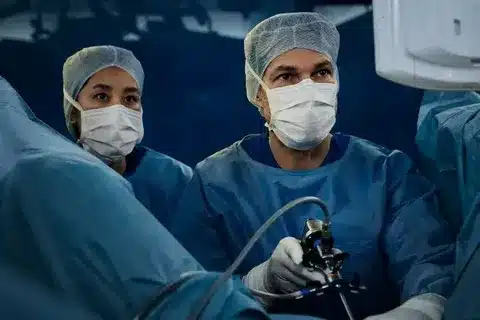
A cystoscope—a thin, flexible or rigid tube with a camera and light—is used. The procedure can be done under local anesthesia or sedation to make it less painful. The cystoscope shows images on a monitor, helping doctors check the bladder and urethra for any issues.
Purpose of Cystoscopy
Cystoscopy is mainly for diagnosing and sometimes treating bladder and urethra problems. It helps find reasons for persistent urinary tract infections, blood in the urine, or urinary incontinence. Doctors can also use it to perform biopsies or remove small growths in the bladder.
How It’s Performed
The patient lies on an examination table, and the genital area is cleaned. The cystoscope is then carefully inserted through the urethra. A sterile solution might be used to fill the bladder for clearer views. The whole procedure usually takes less than 30 minutes, but the visit can last longer because of preparation and recovery.
Understanding cystoscopy and its role in diagnosing bladder issues can help men feel more prepared for the procedure. It helps doctors see inside the bladder and urethra. This way, they can understand urinary symptoms better and plan the right treatment.
Preparing for a Cystoscopy
Knowing what to do before a cystoscopy can make a big difference. It can make the experience better and the results more successful. We’ll show you how to get ready.
Pre-Procedure Instructions
Your doctor will tell you what to do before the cystoscopy. You might need to:
- Go to the hospital or clinic with someone who can drive you home
- Do any bowel prep or other routines needed
- Tell your doctor about all your medications
- Avoid certain foods or drinks
It’s very important to follow these steps. This helps the procedure go well.
Necessary Medical Evaluations
You’ll have some medical checks before the cystoscopy. These checks are to make sure you’re healthy and to find any risks. You might have:
Evaluation Type | Purpose |
|---|---|
Blood Tests | To check for infections or bleeding disorders |
Urine Tests | To detect any urinary tract infections |
Medical History Review | To understand your health background and any previous surgeries or conditions |
Discussing Anesthesia Options
Talking about anesthesia is a key part of getting ready for a cystoscopy. Being sedated means you’ll get medicine to relax and feel less pain. The term “sedated meaning” means being under the effect of sedative drugs. This can make you feel very relaxed or even asleep, depending on the drug.
Your doctor will choose the best anesthesia for you. They’ll look at your medical history, the type of cystoscopy, and what you prefer.
Possible Discomfort Levels
It’s important to know what discomfort might happen during cystoscopy. This procedure lets doctors see inside the bladder and urethra. Patients might feel different levels of pain.
We’ll look at what makes pain levels change during cystoscopy. We’ll also share tips to help patients feel less anxious. This way, they can prepare better for the procedure.
Pain Intensity Described by Patients
People’s experiences with pain during cystoscopy vary a lot. Some feel little pain, while others feel more. Several things can change how much pain someone feels, like the use of anesthesia and how sensitive they are to pain.
For example, a study showed that patients who got local anesthesia felt less pain. An anesthetic is a drug that makes you numb or unconscious. It can really help reduce discomfort during the procedure.
Factors Affecting Pain Levels
Many things can change how much pain someone feels during cystoscopy. These include:
- Anxiety levels: Feeling more anxious can make pain seem worse.
- Use of anesthesia: Anesthetics can make pain go away.
- Individual pain tolerance: Everyone feels pain differently.
- Skill of the practitioner: More skilled doctors might cause less pain.
Knowing these factors can help manage expectations and reduce discomfort.
Factor | Impact on Pain |
|---|---|
Anxiety Levels | Higher anxiety can increase perceived pain. |
Use of Anesthesia | Reduces pain and discomfort. |
Individual Pain Tolerance | Varies from person to person. |
Tips for Managing Anxiety
Managing anxiety before and during cystoscopy can make the experience better. Here are some tips:
- Talk about your fears and worries with your doctor.
- Learn about the procedure and what to expect.
- Try relaxation techniques, like deep breathing.
- Ask about sedation or anesthesia options.
Also, knowing about urine and its role in the procedure can help. For example, knowing if urine is sterile can give insight into how the body works during cystoscopy.
By following these tips and understanding what affects pain, patients can manage their anxiety and discomfort better during cystoscopy.
The Most Painful Part of a Cystoscopy
Many men worry about pain during a cystoscopy. It’s normal to feel nervous about medical procedures. Knowing what to expect can help.
Insertion of the Cystoscope
The most uncomfortable part is when the cystoscope is inserted. It goes through the urethra into the bladder. Some men might feel pressure or mild pain.
The urethra is sensitive, so the process needs care. Our doctors aim to make it as comfortable as possible.
Post-Procedure Discomfort
After the procedure, some men might feel pain or discomfort. The NHS says this is common. It usually goes away in a few days.
Drinking water and urinating when needed can help. Avoiding hard activities for a bit also helps.
Variability in Pain Perception
How much pain you feel can differ a lot. Your health, any conditions you have, and how sensitive you are to pain all play a part.
Factors Influencing Pain | Description | Impact on Pain Level |
|---|---|---|
Individual Pain Threshold | Variability in how individuals perceive pain | High threshold: Less pain; Low threshold: More pain |
Overall Health | Presence of underlying health conditions | Better health: Less discomfort; Poor health: More discomfort |
Anesthesia Used | Type and effectiveness of anesthesia during the procedure | Effective anesthesia: Less pain; Ineffective: More pain |
Knowing these factors can help manage your expectations and discomfort. Staying healthy and talking to your doctor about anesthesia can also help.
Clear urine is a sign of good hydration, which is good for your urinary health. Even though urine isn’t completely sterile, staying hydrated and clean is key for your urinary tract.
Recovery After Cystoscopy
Cystoscopy recovery has several important steps. Knowing what to expect helps you heal quickly and without issues. We’ll walk you through what happens during this time.
What to Expect in the Days Following
Right after cystoscopy, you might feel some pain or a burning sensation when you pee. You might also feel like you need to pee a lot. These feelings are usually mild and go away in a few days.
Seeing a bit of blood in your pee is common too. It should stop within 24 to 48 hours. To ease any discomfort, drink lots of water. You can also take over-the-counter pain meds if needed.
Signs of Complications
Complications from cystoscopy are rare, but knowing the signs is key. Look out for:
- Severe pain or trouble peeing
- Heavy bleeding or clots in your pee
- Fever over 38.5°C (101.3°F)
- Worsening pain or discomfort in your lower belly
If you see any of these, get medical help right away.
When to Contact Your Doctor
If you notice any complications or have concerns, call your doctor. They can answer your questions and guide you through recovery. They might suggest a cystogram for more detailed checks.
Being informed and proactive helps you avoid discomfort. This way, you can get back to your usual activities smoothly.
Risks and Complications of Cystoscopy
Cystoscopy is usually safe, but it’s important to know the possible risks and complications. We’ll look at common risks, rare but serious ones, and why talking about them with your doctor is key.
Common Risks Associated with the Procedure
Cystoscopy, like other medical procedures, has some risks. Common issues include:
- Temporary discomfort or pain
- Bleeding or blood clots
- Infection
- Urinary tract irritation
These issues are usually mild and short-lived. But, knowing about them is important. Sometimes, patients are sedated to ease anxiety and discomfort during the procedure.
Rare but Serious Complications
Though rare, serious complications can happen. These might include:
- Perforation of the bladder or urethra
- Severe infection or sepsis
- Significant bleeding needing a transfusion
It’s important for patients to know about these risks. They should talk about any worries with their doctor.
Importance of Discussing Risks with Your Doctor
Talking about cystoscopy risks with your doctor is vital. This helps in:
- Understanding your individual risk factors
- Making informed decisions about your care
- Preparing for possible complications
By knowing the risks and being prepared, patients can feel confident about cystoscopy. They know they’ve taken steps to ensure their safety and well-being.
Cystoscopy vs. Other Diagnostic Procedures
It’s important to know the differences between cystoscopy and other tests. When looking at urinary tract issues, many tests are available. The right one depends on the patient’s condition and what the doctor suspects.
Comparing Cystoscopy with Ultrasound
Cystoscopy and ultrasound are two tests used in urology. They both aim to find problems in the urinary tract but in different ways. Cystoscopy uses a cystoscope to look inside the bladder and urethra. Ultrasound uses sound waves to make images of the urinary tract.
Cystoscopy lets doctors see the bladder’s inside and take biopsies if needed. Ultrasound is non-invasive and doesn’t need instruments in the body. The NHS says both tests are useful, each with its own benefits.
Pros and Cons of Cystoscopy
Cystoscopy is good because it lets doctors see the bladder and urethra directly. It’s great for finding things like bladder stones or tumors. But, it can be uncomfortable or painful, even with anesthetic.
- Pros:Direct view of the bladder and urethra
- Can take biopsies
- Good for diagnosing many urological issues
- Cons:Can be uncomfortable or painful
- May cause infection or bleeding
- Needs special equipment and training
When Is Cystoscopy the Best Option?
Cystoscopy is best when you need a close look at the bladder’s inside. It’s often used for symptoms like blood in the urine, frequent infections, or bladder stones. Always talk to a doctor before getting cystoscopy to see if it’s right for you.
In summary, cystoscopy is a valuable tool but not the only one. Knowing its pros and cons, and how it compares to ultrasound, helps patients make better choices about their health.
Aftercare for Cystoscopy Patients
After a cystoscopy, taking care of yourself is key for a quick recovery. We know you might have many questions about your health after the procedure.
Post-Procedure Instructions
Right after your cystoscopy, it’s important to follow certain steps for a smooth recovery. You might feel some pain or a burning feeling when you pee. This usually goes away soon. Drinking lots of water can help reduce these symptoms and is linked to “clear pee meaning,” showing you’re well-hydrated.
Lifestyle Changes to Consider
Changing your lifestyle a bit can really help your recovery. For example, avoiding hard work and heavy lifting for a few days can prevent problems. Also, eating more foods high in fiber can help avoid constipation, a common side effect.
“It’s the little things that make a big difference in recovery. Simple changes can greatly enhance your comfort and healing process.” – A healthcare professional
Follow-Up Appointments and Their Importance
Follow-up appointments are very important for your care. They let your doctor check how you’re doing, answer any questions, and talk about your cystoscopy results. It’s a chance to clear up any doubts and learn what’s next in your treatment.
Next Steps Following a Cystoscopy
After a cystoscopy, you start to learn about your diagnosis. This test is key to finding out about bladder problems. The next steps depend on what the test shows.
Potential Diagnoses and Treatment Options
The cystoscopy results will show if there are any issues like bladder stones, tumors, or inflammation. Based on these findings, your treatment could be different.
- Medication: If you have an infection or inflammation, your doctor might give you medicine.
- Surgical Intervention: If there are tumors or stones, surgery might be needed to remove them.
- Lifestyle Changes: Simple changes in your daily life could help. This might include eating differently or drinking more water.
Importance of Testing Results
The cystoscopy results are very important for planning your treatment. They can tell you a lot about your bladder’s health and if you need medical help.
“The information gained from a cystoscopy can be critical in diagnosing and managing urological conditions.” –
A leading urologist
It’s important to talk about your test results with your doctor. This helps you understand what they mean and what to do next.
How to Discuss Results with Your Physician
Talking about your test results can be scary. But, having questions ready can make it easier.
- Understand Your Diagnosis: Ask your doctor to explain your diagnosis in detail, including what it means for your health.
- Treatment Options: Discuss the available treatment options, including their benefits and any risks.
- Follow-Up Care: Find out what follow-up care you need, including any more appointments or tests.
Some people might be sedated during the cystoscopy. But, it’s important to understand your results and what comes next for your care.
Being informed and proactive helps you deal with what comes after a cystoscopy. This ensures you get the right care for your condition.
Innovative Techniques in Cystoscopy
The field of cystoscopy is seeing big changes. These changes are making it easier to diagnose and treat bladder problems. New medical technology is leading to more advanced and less invasive methods.
Advances in Technology
New tech has made cystoscopy better. High-definition cystoscopy gives clearer images for better diagnoses. Flexible cystoscopy also makes the procedure more comfortable for patients.
- Enhanced visualization through high-definition imaging
- Increased patient comfort with flexible cystoscopy
- Improved diagnostic accuracy with advanced optical technologies
Minimally Invasive Techniques
Minimally invasive methods are gaining popularity in cystoscopy. Cystourethroscopy is being improved to make it less painful and quick to recover from. Using local anesthesia instead of general anesthesia is also becoming common. This keeps patients awake and sedate, lowering the risks of deep sedation.
The benefits of these methods include:
- Reduced risk of complications
- Shorter recovery times
- Less discomfort during and after the procedure
Future Trends in Bladder Health Assessment
We’re expecting even more changes in cystoscopy soon. Artificial intelligence (AI) might help make diagnoses more accurate and fast. It could also lead to better patient care. Optical coherence tomography (OCT) might give us even clearer images of the bladder, helping catch diseases early.
Some future trends include:
- Integration of AI for enhanced diagnostic accuracy
- Advancements in OCT for detailed bladder wall imaging
- Continued development of minimally invasive techniques
Patient Experiences and Testimonials
People who have had cystoscopy share different stories. These real-life experiences help us understand what to expect. They show the good and the not-so-good sides of this medical test.
Real-Life Accounts of Cystoscopy
Some patients say they felt little pain, while others were more anxious. For example, one person said, “I was nervous, but the staff was very reassuring. It was over before I knew it.”
“The cystoscopy was not as bad as I expected. The doctor explained everything beforehand, which helped a lot.”
Understanding Different Perspectives
Everyone’s experience with cystoscopy is different. Your health, why you’re getting the test, and the anesthesia used can change how you feel.
- Some patients report feeling minimal discomfort.
- Others may experience more significant pain or anxiety.
- The skill and bedside manner of the healthcare provider can also impact the patient’s experience.
Advice from Previous Patients
People who’ve had cystoscopy before have advice. They say to talk openly with your doctor and follow their instructions well.
Aspect | Patient Advice | Healthcare Provider Guidance |
|---|---|---|
Pre-Procedure Preparation | Follow instructions carefully, ask questions. | Provide clear instructions, address patient concerns. |
During the Procedure | Stay relaxed, communicate any discomfort. | Use appropriate anesthesia, explain the process. |
Post-Procedure Care | Follow post-procedure instructions, report any unusual symptoms. | Provide clear post-procedure care instructions. |
Learning from others who’ve had cystoscopy helps you prepare. You’ll know what to expect and how to get ready.
Conclusion: Evaluating the Need for Cystoscopy
Cystoscopy is a key tool for checking bladder health. It uses a cystoscope to look inside the bladder and urethra. This helps doctors understand what’s going on.
Key Takeaways
It’s important for patients to know about cystoscopy. We’ve talked about how it works, its benefits, and possible risks. We also covered how to prepare, what to expect, and how to recover.
Pain and Recovery
How much pain you feel during cystoscopy can vary. Your doctor’s skill and your health can affect your experience. Most people can go back to normal activities in just a few days.
Open Communication
Talking openly with your doctor is key. Share your worries, ask questions, and understand your cystoscopy results. This helps with your diagnosis and treatment.
Being informed and active helps patients get better faster. Cystoscopy is vital for bladder health. We urge patients to work closely with their healthcare team.
FAQ
What is a cystoscopy?
A cystoscopy is a medical test. It uses a thin tube with a camera and light to look inside the bladder and urethra.
Is urine sterile?
Yes, urine is usually clean in healthy people. But, if it has bacteria, it might mean you have an infection.
What does it mean to be sedated during a cystoscopy?
Sedation during a cystoscopy means you’ll get medicine to relax. This can make you feel very calm or just a little sleepy.
What is the difference between cystoscopy and cystourethroscopy?
Cystoscopy and cystourethroscopy are often the same thing. But, cystourethroscopy looks at both the bladder and the urethra more closely.
How is a cystoscopy performed?
To do a cystoscopy, a doctor puts a cystoscope into the urethra. They guide it to the bladder. The cystoscope shows images on a screen, so the doctor can see inside.
What kind of anesthesia is used for a cystoscopy?
Anesthesia for a cystoscopy can be different for everyone. It might be local, sedation, or even general anesthesia, depending on what you need.
Is a cystoscopy painful?
Some people might feel a little pain during a cystoscopy. But, how much pain you feel can depend on you, the doctor, and the anesthesia.
What are the possible risks and complications of a cystoscopy?
Risks of a cystoscopy include infection, bleeding, and damage to the urethra or bladder. Always talk to your doctor about these risks.
How long does it take to recover from a cystoscopy?
Recovery from a cystoscopy is usually fast. Most people can go back to normal in a day or two. But, always follow your doctor’s instructions.
What is a normal body temperature?
A normal body temperature is about 98.6°F (37°C). But, it can be a bit different for everyone. A temperature of 101.3°F is 38.5°C.
What does clear urine mean?
Clear urine means you’re drinking enough water. But, some health issues can change the color and clarity of your urine too.
What are the signs of complications after a cystoscopy?
After a cystoscopy, watch for severe pain, heavy bleeding, trouble urinating, or fever. If you see these signs, call your doctor right away.
How often are follow-up appointments necessary after a cystoscopy?
You’ll need to see your doctor after a cystoscopy to talk about results and any concerns. How often you go back depends on your situation.
National Center for Biotechnology Information. Evidence-Based Medical Insight. Retrieved from https://www.ncbi.nlm.nih.gov/books/NBK493180/