
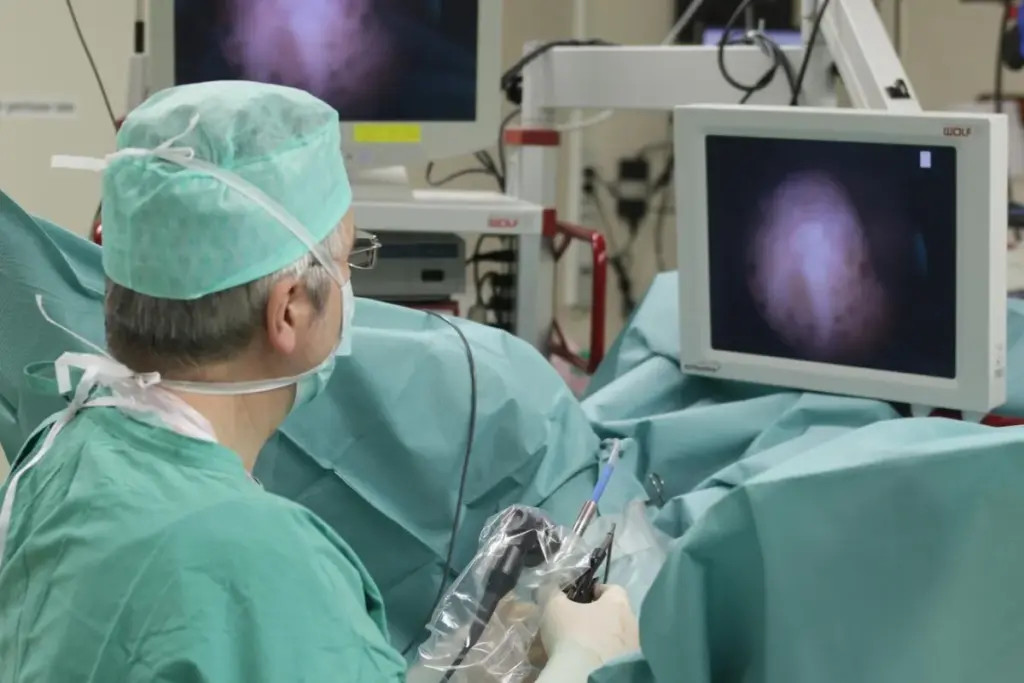
Nearly 1 million cystoscopy procedures happen every year in the United States. Understanding how to care for yourself after the procedure is essential for a smooth recovery. A cystoscopy lets doctors see inside the bladder and urethra. This helps them find and treat urinary tract issues. Confused by medical jargon? Here is a clear cystoscopy definition, explaining the instrument used and the medical purpose of this common bladder exam.
Patients often ask what they should avoid after a cystoscopy. We’ll show you the activities to skip for a safe recovery. This will help you feel more confident during your recovery.
Key Takeaways
- Understand the importance of post-cystoscopy care for a smooth recovery.
- Learn about the activities to avoid after the procedure.
- Discover how to manage common post-procedure symptoms.
- Find out when to resume normal activities.
- Know what to expect during the recovery period.
Understanding Cystoscopy
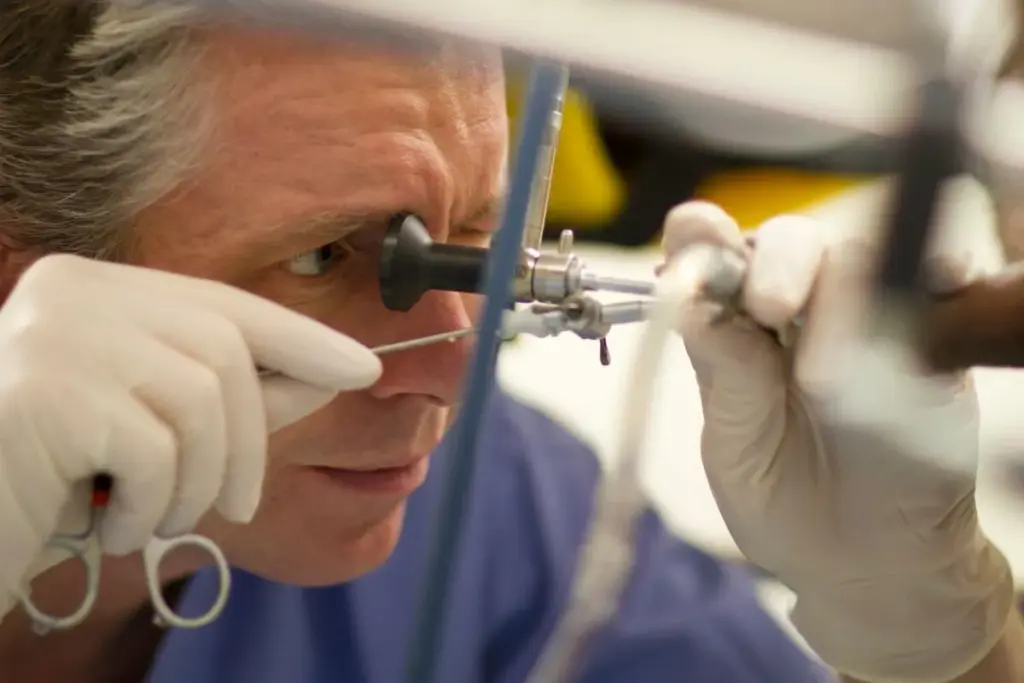
A cystoscopy uses a special tool called a cystoscope to look inside the bladder and urethra. It’s key for finding and sometimes fixing problems in the urinary system. We’ll dive into what cystoscopy is and the various procedures available.
What is Cystoscopy?
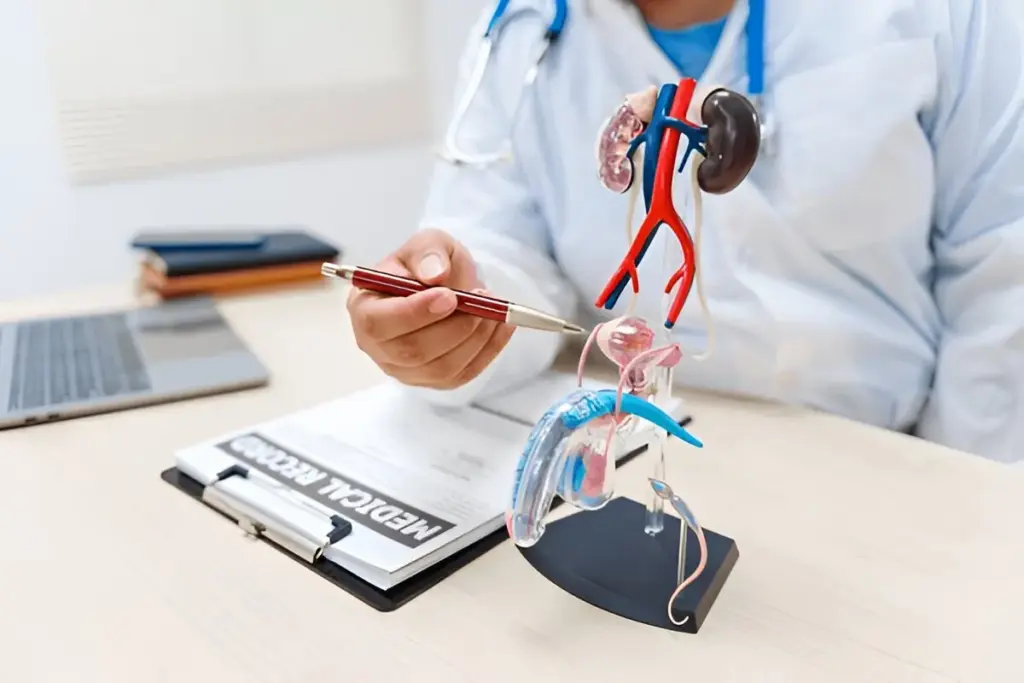
Cystoscopy lets doctors see inside the bladder and urethra. A thin, flexible or rigid tube with a camera and light is used. This helps find issues like stones, tumors, or bleeding spots. Cystoscopy can be used for both finding problems and fixing them, making it a key tool in urology.
The procedure can be done with local anesthesia, sedation, or general anesthesia. The choice depends on the patient’s health and the procedure’s complexity. Doctors talk to patients about anesthesia to make sure they’re comfortable.
Types of Cystoscopy Procedures
There are different cystoscopy procedures for different needs. Here are some common ones:
- Flexible Cystoscopy: Uses a flexible cystoscope, which is more comfortable for some and allows for detailed exams.
- Rigid Cystoscopy: Uses a rigid cystoscope, often needed for more detailed or intervention procedures.
- Cystoscopy with Retrograde Pyelography: Involves injecting dye into the upper urinary tract for X-ray images. It’s great for seeing issues in the upper urinary tract.
Knowing the differences helps patients understand what to expect and why a certain type is recommended for them.
It’s important to know the difference between cystoscopy and cystogram. A cystogram is an imaging test using X-rays and dye to see the bladder. Cystoscopy uses a cystoscope for direct visualization. The choice depends on what the patient needs for diagnosis.
Preparing for Cystoscopy
To get ready for a cystoscopy, it’s important to know what to do before. You should talk to your doctor about any worries you have. We’re here to help you get ready for the procedure.
Pre-Procedure Instructions
Your doctor will give you specific steps to follow before the cystoscopy. These might include:
- Fasting or Dietary Restrictions: You might need to stop eating or drinking for a while before the procedure.
- Medication Management: Tell your doctor about all the medicines you take. You might need to change or stop some before the procedure.
- Bowel Preparation: You might need to clean your bowel with an enema or laxative.
- Arrangements for Transportation: Because you might get sleepy, it’s best to have someone drive you home after.
It’s very important to follow these instructions carefully. This helps make sure the procedure goes well and you stay safe.
|
Pre-Procedure Instruction |
Description |
|---|---|
|
Fasting or Dietary Restrictions |
Avoid eating or drinking for a specified period before the procedure. |
|
Medication Management |
Inform your doctor about your medications and adjust as necessary. |
|
Bowel Preparation |
Cleanse your bowel as instructed by your healthcare provider. |
|
Arrangements for Transportation |
Have someone drive you home after the procedure due to sedation. |
Discussing Concerns with Your Doctor
It’s okay to have questions or worries before a cystoscopy. We suggest talking to your doctor about them. You might want to ask about:
- The procedure itself: Ask about what happens during the cystoscopy, like the anesthesia and how long it takes.
- Potential Risks or Complications: Knowing about possible risks can help you feel less anxious.
- Pain or Discomfort: Talk about how they will manage pain during and after the procedure.
- Post-Procedure Care: Get clear instructions on how to take care of yourself after the cystoscopy.
“Open communication with your healthcare provider is key to a successful procedure. Don’t hesitate to ask questions or express your concerns.”
— Medical Expert
By following your doctor’s instructions and talking about your concerns, you can make sure the cystoscopy goes smoothly.
What to Expect During the Procedure
Knowing what to expect during your cystoscopy can make the experience less daunting. We understand that being informed is key to feeling comfortable and prepared.
Procedure Duration
A cystoscopy is generally a quick procedure. The entire process typically takes around 15 to 30 minutes. The actual time may vary based on the complexity of the procedure and any additional interventions.
Anesthesia Options
Cystoscopy is usually performed under local anesthesia to minimize discomfort. Local anesthesia numbs the area around the urethra, ensuring that you do not feel pain during the procedure. In some cases, sedation may also be used to help you relax. We will discuss the best anesthesia options with you before the procedure.
During the procedure, a nurse or other medical professional will assist the doctor. They will ensure that you are comfortable and that the procedure goes smoothly. The use of a telescope, or cystoscope, allows the doctor to visually examine the inside of your bladder.
Some key points to expect during the procedure include:
- A gentle insertion of the cystoscope through the urethra
- Filling of the bladder with a sterile solution to allow for a clearer view
- Visual examination of the bladder lining by the doctor
- Potential for biopsies or other interventions if necessary
We are here to support you throughout the entire process. We ensure that you have a clear understanding of what to expect and that your questions are answered.
Common Side Effects Post-Cystoscopy
Knowing about cystoscopy side effects can ease worries and get patients ready for recovery. Though cystoscopy is usually safe, some people might face certain side effects.
Discomfort and Pain
Many patients feel some discomfort or pain after cystoscopy. This can be a mild burning or more serious pain, based on the person and the procedure. Over-the-counter pain relief medications usually help with this.
Discomfort might come from the cystoscope insertion, affecting the urethra or bladder. This usually goes away in a few days. It’s wise to follow the post-procedure instructions from your doctor to lessen discomfort.
Urinary Symptoms
Urinary symptoms are common after cystoscopy. These include:
- Frequent urination
- A sense of urgency
- A burning sensation while urinating
- Light bleeding or spotting
These symptoms are usually short-term and should get better in a few days. But, if persistent or severe symptoms happen, you should talk to your doctor right away.
“Most patients can resume their normal activities within a day or two after cystoscopy, but it’s essential to follow the specific advice given by your healthcare provider.”
Being aware of these side effects helps patients know what to expect after the procedure. It also tells them when to get more medical help if needed.
Immediate Aftercare Instructions
Proper aftercare is key after a cystoscopy. It helps avoid complications and aids in healing. We suggest following certain guidelines for a smooth recovery.
Monitoring for Complications
It’s important to watch for signs of complications after a cystoscopy. Look out for severe pain, heavy bleeding, or trouble urinating. If you notice any of these, seek medical help right away.
Key signs to watch for:
- Severe abdominal pain
- Heavy bleeding or clots
- Difficulty or inability to urinate
- Fever or chills
Hydration Guidelines
Staying hydrated is essential after a cystoscopy. Drinking lots of water helps clear your system and lowers infection risk. Aim for 8-10 glasses of water daily, unless your doctor tells you differently.
|
Hydration Tips |
Benefits |
|---|---|
|
Drink at least 8-10 glasses of water per day |
Flushes out the system, reducing infection risk |
|
Avoid caffeinated and alcoholic beverages |
Reduces irritation to the bladder and urinary tract |
|
Monitor urine color |
Pale yellow urine indicates proper hydration |
By following these aftercare tips, you can lower the risk of complications and support your healing. If you have any concerns, always talk to your healthcare provider.
Activities to Avoid After a Cystoscopy
To avoid complications after a cystoscopy, know what activities to skip. Recovery is key, and some precautions can greatly help.
Sexual Activity Restrictions
Sex should wait for 24 to 48 hours after a cystoscopy. This break lets your urinary tract heal. It lowers the chance of infection or pain.
“Wait until your body is ready and your doctor says it’s okay,” advises a urology expert. Listening to your body and following professional advice can significantly impact your recovery.
Exercise Limitations
Strenuous exercise should be avoided right after a cystoscopy. Wait a day or two before doing intense activities like running or weightlifting. Walking is okay and helps blood flow.
It’s important to rest and move gently. Avoiding hard activities will prevent pain and possible problems.
Avoiding Heavy Lifting
Heavy lifting is not recommended after a cystoscopy. Don’t lift anything over 10-15 pounds for a few days. This avoids straining your muscles and prevents discomfort or issues.
“Giving your body time to heal is vital. Avoiding heavy lifting is a simple yet effective way to ensure your recovery is as smooth as possible,” advises a healthcare professional.
In summary, avoiding sex, hard exercise, and heavy lifting are important for a safe recovery after a cystoscopy. By following these tips, you can reduce the risk of problems and help your body heal better.
Dietary Recommendations Post-Procedure
After a cystoscopy, eating the right foods is key for a quick recovery. A balanced diet helps your body heal and stay healthy.
Making smart food choices is important for recovery. Eating wisely can reduce pain and support your body’s healing.
Nourishing Foods for Recovery
Choosing the right foods can help a lot. Focus on foods that are easy on your stomach. Good options include:
- Fresh Fruits: Fruits like bananas and apples are full of vitamins and antioxidants.
- Leafy Green Vegetables: Spinach and kale are rich in nutrients that help you heal.
- Whole Grains: Brown rice, quinoa, and whole wheat bread are full of fiber and nutrients.
- Lean Proteins: Foods like chicken, fish, and tofu help repair tissues.
Drinking lots of water is also important. It helps clean out your system and lowers infection risk.
Foods to Avoid for a Smooth Recovery
Knowing what not to eat is just as important. Some foods can bother your bladder or make you uncomfortable. Try to avoid:
- Spicy Foods: They can irritate your bladder and cause pain.
- Caffeine: It can make you urinate more and irritate your bladder.
- Alcohol: It can irritate your bladder and slow down healing.
- Citrus Fruits and Juices: While healthy, they can irritate your bladder early on.
By avoiding these foods, you can make your recovery easier. If you have dietary concerns, talk to your doctor for advice.
Medications and Pain Management
Knowing your pain management options after a cystoscopy can really help your recovery. We’ll walk you through the medications available and how to use them.
Over-the-Counter Pain Relief
For mild to moderate pain, over-the-counter pain relief medications are often suggested. You can try acetaminophen (Tylenol) or ibuprofen (Advil, Motrin). Acetaminophen helps with pain, and ibuprofen also reduces swelling.
Always follow the dosage instructions and talk to your doctor before starting any medication. This is very important if you have liver or kidney issues.
Prescription Medications
If you have more severe pain, your doctor might give you stronger meds. These prescription medications should be taken exactly as told. They’re usually meant for short-term use to avoid addiction.
We’ll give you all the details on these meds. This includes possible side effects and what to expect while you’re recovering.
Managing pain well is key to a smooth recovery after a cystoscopy. By knowing your options and following your doctor’s advice, you can stay comfortable and heal faster.
Signs of Complications to Watch For
It’s important to spot complications early after cystoscopy. The procedure is mostly safe, but knowing about possible issues helps you act fast.
Recognizing Infection Symptoms
Infection can happen after cystoscopy. Watch for these symptoms:
- Fever above 100.4°F (38°C)
- Increased pain or discomfort in the pelvic area
- Strong-smelling or cloudy urine
- Blood in the urine (beyond the expected initial presence)
If you notice any of these signs, get medical help right away.
|
Symptom |
Description |
Action |
|---|---|---|
|
Fever |
Temperature above 100.4°F (38°C) |
Contact your doctor |
|
Increased Pain |
Severe or worsening pelvic pain |
Seek immediate medical attention |
|
Abnormal Urine |
Strong-smelling or cloudy urine |
Notify your healthcare provider |
When to Contact Your Doctor
If you see unusual symptoms or worry about your recovery, call your healthcare provider. It’s always better to err on the side of caution when it comes to your health.
Specifically, contact your doctor if you experience:
- Severe pain that doesn’t improve with prescribed medication
- Heavy bleeding (soaking more than one pad per hour)
- Difficulty urinating or severe burning during urination
Your doctor can offer advice and help if needed to avoid more problems.
Follow-Up Care After Cystoscopy
After a cystoscopy, it’s key to focus on follow-up care for a smooth recovery. This care is vital for watching your health and solving any issues that come up after the procedure.
Importance of Follow-Up Appointments
Follow-up appointments are a big part of your healing. They let your healthcare team check how you’re doing and handle any problems or worries.
- They help your healthcare provider keep an eye on your healing and watch for any complications.
- They give you a chance to talk about any issues or symptoms you’re facing.
- They allow for the removal of any catheters or stents used during the procedure.
We suggest keeping a record of your symptoms and questions for your follow-up appointments. This way, you’ll get the most out of your visit.
Questions to Ask Your Healthcare Provider
Being proactive about your health means asking the right questions during follow-ups. Some questions to think about include:
- What do the cystoscopy results mean for my health?
- Do I need any more tests or procedures?
- What complications should I watch out for?
- Are there any activities or foods I should avoid or focus on during recovery?
By asking these questions and going to your follow-up appointments, you can make your recovery smoother and more effective.
Long-Term Recovery Considerations
After a cystoscopy, it’s key to think about your long-term recovery. This ensures a smooth return to your normal life. This period is vital for your well-being, with several important factors to remember.
Adjusting to Changes
After a cystoscopy, you might need to adjust to body changes. This could mean managing symptoms or following new health advice. Listen to your body and make changes to help with healing and comfort.
Monitoring your health and noticing any changes is important. If you have unusual symptoms or concerns, talk to your healthcare provider right away.
Lifestyle Modifications for Better Health
Making lifestyle modifications can help a lot with your recovery and health. This might include changing your diet, getting more exercise, or other healthy habits. We suggest finding healthy habits that support your recovery and improve your life quality.
- Adopting a balanced diet rich in nutrients
- Staying hydrated by drinking plenty of water
- Engaging in regular physical activity as recommended by your healthcare provider
By making these changes and staying mindful of your health, you can achieve a successful long-term recovery after a cystoscopy.
Conclusion: Importance of Adhering to Post-Cystoscopy Guidelines
Following post-cystoscopy guidelines is key for a smooth recovery. We’ve covered the care needed after a cystoscopy, from immediate steps to long-term recovery tips.
By sticking to these guidelines, patients can avoid complications and get the best results. This means being careful about what activities to avoid, following dietary advice, and watching for any signs of trouble.
We stress how important it is to follow these guidelines for a good recovery. Patients who do this well can lower their risk of infection, manage pain better, and get back to their daily life faster.
A successful recovery is a team effort between the patient and their healthcare team. By understanding and following post-cystoscopy guidelines, patients can play a big part in their recovery. This helps them get back to full health after a cystoscopy.
FAQ
What is cystoscopy?
Cystoscopy is a medical test. It uses a tube with a camera and light to see inside the bladder and urethra.
What is the purpose of a cystoscopy with retrograde pyelography?
This procedure combines two things. It lets doctors see the bladder and urethra. It also images the upper urinary tract by using dye in the ureters.
How do I prepare for a cystoscopy?
Your doctor will tell you how to prepare. This includes fasting, stopping certain medications, and discussing allergies.
What can I expect during a cystoscopy procedure?
You’ll lie on a table and the area will be cleaned. The cystoscope goes through the urethra. You might get local anesthesia or sedation to feel less pain.
What are the common side effects after a cystoscopy?
You might feel discomfort, pain, or have trouble urinating. These symptoms usually go away on their own. You can use over-the-counter pain meds to help.
How long does it take to recover from a cystoscopy?
Recovery time varies. Most people can go back to normal in a few days. Always follow your doctor’s advice and go to follow-up appointments.
What activities should I avoid after a cystoscopy?
Don’t lift heavy things, do strenuous exercise, or have sex for a while. Your doctor will tell you how long.
What are the signs of complications after a cystoscopy?
Look out for severe pain, heavy bleeding, fever, or trouble urinating. If you see these, call your doctor right away.
How can I manage pain after a cystoscopy?
Use over-the-counter pain meds like acetaminophen or ibuprofen. Your doctor might give you stronger ones.
What dietary recommendations should I follow after a cystoscopy?
Drink lots of water to flush out your system. Stick to your usual diet, but avoid spicy or acidic foods.
Why is follow-up care important after a cystoscopy?
It’s key to check on your recovery and address any issues. Make sure to go to all your follow-up appointments.
What are the benefits of cystoscopy?
It’s a great way for doctors to see inside the bladder and urethra. It helps find problems like stones, tumors, or inflammation.
Can I drive myself home after a cystoscopy?
It’s best to have someone drive you home, even if you’re not under sedation.
How is a cystoscopy different from a cystogram?
A cystoscopy lets doctors visually check the bladder and urethra. A cystogram uses X-rays and dye to see the bladder.
What is the role of a nurse during a cystoscopy?
Nurses help the doctor, prepare the patient, and support them before, during, and after the procedure.
National Center for Biotechnology Information. Evidence-Based Medical Insight. Retrieved from https://www.ncbi.nlm.nih.gov/books/NBK536923/