
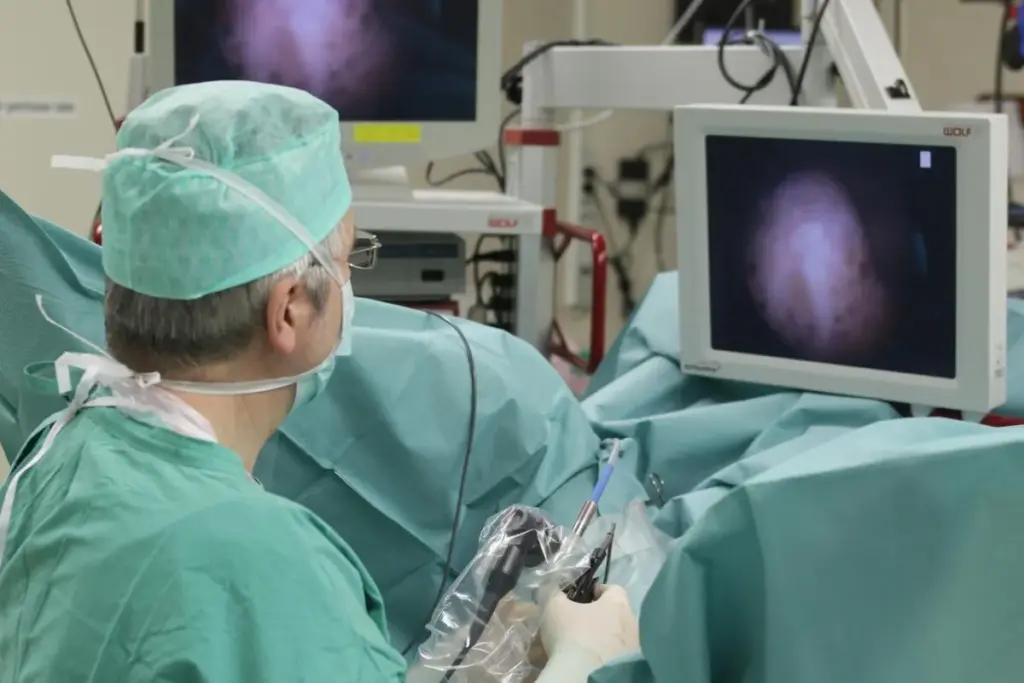
Nearly 1 in 5 men feel a lot of anxiety before a urology procedure, like cystoscopy. Cystoscopy male embarrassing? It can be. Get best coping tips. Doctors are pros. This vital test is worth it to find dangerous issues.
Many men find cystoscopy uncomfortable and anxiety-inducing. It’s a common procedure, but it can make people feel uneasy about the unknown.
We offer top-notch healthcare and support at our institution. In this article, we’ll cover male cystoscopy. We’ll talk about the medical side and how to deal with discomfort and anxiety before, during, and after.
Key Takeaways
- Learning about cystoscopy can help reduce anxiety.
- Talking to a healthcare provider is key in managing anxiety.
- There are ways to lessen discomfort during the procedure.
- Healthcare professionals are there to support you every step of the way.
- Knowing what to expect can greatly reduce feelings of embarrassment and anxiety.
Understanding Cystoscopy in Males
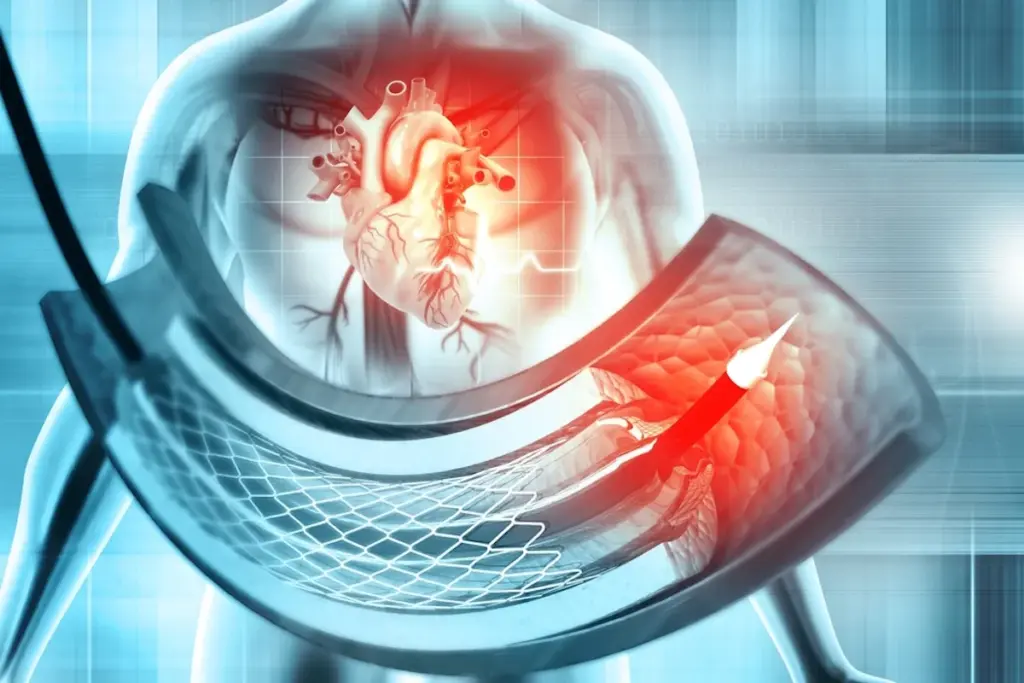
Men with urinary problems should first learn about cystoscopy. It’s a way for doctors to see inside the bladder and urethra. This helps in finding and treating issues.
What is Cystoscopy?
Cystoscopy uses a thin tube with a camera and light to look at the urinary tract. It helps find infections or blockages. Thanks to modern technology, this process is done with little discomfort.
The Purpose of Cystoscopy
Cystoscopy is used to find and sometimes fix problems in the urinary tract. Doctors can see inside the bladder and urethra. They might take biopsies or remove small growths.
This helps find the cause of urinary issues. Then, doctors can make a good treatment plan.
“Cystoscopy has revolutionized the way we diagnose and treat urinary tract issues, allowing for a direct visual examination that was previously unimaginable.”
Who Performs the Procedure?
A urologist, a doctor for urinary and reproductive system issues, does cystoscopy. They are trained to make the process as comfortable as possible. They focus on the patient’s comfort and safety.
Reasons for Male Cystoscopy

Male cystoscopy is done for several important reasons. It helps diagnose and keep an eye on bladder and urinary tract issues. Knowing why it’s done can help ease worries and show its value.
Diagnosing Conditions
Cystoscopy is a key tool for finding urological problems. It lets doctors see inside the bladder and urethra. They can spot bladder cancer, urinary tract infections, and bladder stones this way.
By seeing these areas up close, doctors can make the right diagnosis. They can then plan the best treatment.
Evaluating Symptoms
Men with persistent urinary tract infections, blood in the urine, or unexplained pain might need cystoscopy. This test helps doctors understand these symptoms. It lets them find the cause and suggest the right treatment.
Monitoring Existing Issues
For men with ongoing urological problems, cystoscopy is used for monitoring. It’s key for conditions like bladder cancer. Regular checks help manage the condition well.
Cystoscopy lets doctors keep track of the condition’s progress. They can then change treatment plans if needed.
The Cystoscopy Procedure Explained
Cystoscopy is a common intimate urology procedure that looks inside the bladder and urethra. A thin, flexible or rigid tube with a camera is inserted into the urethra. This lets doctors see the bladder.
Many men feel anxiety before cystoscopy. But knowing what happens can help ease cystoscopy preparation stress.
Steps Involved in Cystoscopy
The cystoscopy process is simple and includes a few steps:
- Preparation: The patient lies on a table, and the genital area is cleaned and sterilized.
- Insertion of the Cystoscope: The cystoscope is carefully put into the urethra and moved towards the bladder.
- Visualization: The camera shows images on a monitor, letting doctors see inside the bladder and urethra.
- Additional Procedures: If needed, more steps like taking a biopsy or removing stones can be done during the cystoscopy.
Anesthesia and Discomfort Management
Men worry about pain during cystoscopy. But there are ways to handle it:
- Local Anesthesia: The urethra is numbed with a local anesthetic to lessen pain during the procedure.
- Conscious Sedation: Sometimes, conscious sedation is used to help patients relax and feel less anxious.
- Pain Management: After it’s done, some pain might happen. But this can usually be managed with over-the-counter pain relievers.
Knowing about cystoscopy and how to manage pain can help men prepare. It can reduce cystoscopy preparation stress and anxiety before cystoscopy.
Common Concerns and Misconceptions
Learning about cystoscopy can ease male bladder exam nerves. Many men worry about pain or feeling embarrassed. We can clear up these worries by explaining what to expect.
Is Cystoscopy Painful?
Men often wonder if cystoscopy hurts. While it might feel uncomfortable, it’s not usually painful. Doctors use local anesthesia to reduce any discomfort. Most men find the feeling temporary and bearable.
|
Aspect of Cystoscopy |
Common Experience |
Measures to Minimize Discomfort |
|---|---|---|
|
Insertion of the cystoscope |
Mild discomfort or feeling of pressure |
Local anesthesia, relaxation techniques |
|
Examination of the bladder |
Minimal sensation, some men may not feel anything |
None typically needed, but sedation can be an option |
Overcoming Embarrassment
Feeling shy about a cystoscopy is normal. But, remember that doctors do these exams with care and respect. Talking openly with your doctor can help. This can make a big difference in your experience.
Dealing with cystoscopy means understanding it and knowing what to expect. Having support helps too. By focusing on these, men can face the procedure with less worry and embarrassment.
Preparing for the Cystoscopy Procedure
Getting ready for a cystoscopy might seem scary, but knowing what to do can help. Being prepared can lower your stress and make the process easier.
What to Expect Before the Appointment
You’ll get instructions on how to prepare for your cystoscopy. You might need to:
- Fasting or Dietary Restrictions: Avoid eating or drinking for a while before the test.
- Medication Management: Tell your doctor about any medicines you take. You might need to change your dosage or stop some.
- Arrival Time: Get there a bit early to fill out any paperwork.
It’s smart to have someone with you at the appointment. You might not be able to drive right after.
Tips for Preparing Mentally and Physically
Getting ready mentally and physically can improve your cystoscopy experience. Here are some cystoscopy reassurance tips to help:
- Understand the Procedure: Knowing what happens can reduce your worries and myths.
- Practice Relaxation Techniques: Try deep breathing, meditation, or visualization to calm down.
- Wear Comfortable Clothing: Pick loose, comfy clothes to make things easier.
- Stay Informed: Talk to your doctor about any worries. They can give you emotional support urology and advice.
Keeping patient dignity urology is key. Healthcare pros are trained to make you comfortable and respected.
By following these tips and knowing what to expect, you can lessen your anxiety. This makes the cystoscopy procedure more manageable.
Recovery After Cystoscopy
Recovering from a cystoscopy means managing side effects and following aftercare instructions. Professional urology care is key in handling any discomfort or worries.
Immediate Aftercare
Right after the procedure, you’ll be watched for any immediate issues. It’s a good idea to have someone with you and drive you home. You might feel sleepy or uncomfortable.
To take care of yourself right away:
- Drink lots of water to clear your system.
- Avoid hard activities for the rest of the day.
- Stick to any diet advice from your doctor.
Expected Side Effects
Some people might face side effects after a cystoscopy, like:
|
Side Effect |
Description |
Management Tips |
|---|---|---|
|
Discomfort or Pain |
Mild pain or discomfort while urinating |
Drink lots of water, and use over-the-counter pain meds as needed. |
|
Bleeding |
Light bleeding or spotting in urine |
This usually goes away; watch the bleeding and call your doctor if it doesn’t stop. |
|
Frequency or Urgency |
Feeling the need to urinate more often or urgently |
Avoid caffeinated drinks, and try pelvic floor exercises to help. |
These side effects are usually short-lived and can be managed. But, if you have severe pain, heavy bleeding, or trouble urinating, get medical help right away.
Knowing about the recovery and possible side effects can ease anxiety about procedures. Our team is here to offer male urology consultation support and answer any questions or concerns during your recovery.
Addressing the Emotional Impact
Having a cystoscopy can be scary for many men. They often feel anxious and embarrassed. It’s important to recognize these feelings and know they are normal. We will look at how men can deal with these emotions and why talking to doctors is key.
Coping with Embarrassment
Many men feel embarrassed during a cystoscopy. Acknowledging this feeling is the first step to managing it. Patients should see cystoscopy as a way to keep themselves healthy. Knowing about the procedure and its benefits can help reduce emotional stress related to coping with cystoscopy.
Talking to Your Healthcare Provider
Talking openly with doctors is very important. Patients should share their worries and fears. Doctors are trained to handle sensitive topics with care and understanding, keeping patient dignity urology in mind. By talking about their feelings, patients can get the emotional support urology they need, making the experience less scary.
Personal Experiences with Cystoscopy
Many men feel anxious about cystoscopy, but hearing from others can help. Real stories offer a personal view, easing fears and myths.
Real Stories from Patients
Men who’ve had a cystoscopy often say their fears were greater than the reality. One patient was terrified of its invasive nature. Yet, he found it was quicker and less painful than expected.
Another patient was nervous about the intimate urology procedure. But his doctor’s kindness and professionalism made a big difference. He stressed the need for clear communication and reassurance.
Lessons Learned from Cystoscopy
Patients learn the value of pre-procedure preparation. Knowing what to expect can lessen anxiety. They also advise talking openly with doctors about fears.
Support from family and friends is key in dealing with cystoscopy’s emotional side. Having a support system makes the experience less daunting.
We aim to encourage men to talk openly about health concerns. By sharing experiences, we hope to reduce the stigma around cystoscopy.
The Importance of Open Communication
Men going through cystoscopy can really benefit from talking openly with their doctors. Sharing their worries helps ease the anxiety and stress of the procedure. By discussing their fears and what they hope for, men can get ready for what’s to come.
Discussing Concerns with Your Doctor
Talking to healthcare providers is key in managing anxiety before cystoscopy. Patients who know what to expect feel more calm. We suggest men ask their doctors about the cystoscopy steps, the anesthesia, and recovery. This info can lessen worries and make the process less scary.
Finding Support from Family and Friends
Getting emotional support from family and friends is also vital. Having people to lean on can greatly reduce fear and loneliness. Men should share their feelings and plans with their loved ones. They can offer comfort and even come with them to the appointment.
|
Support Mechanism |
Benefits |
|---|---|
|
Discussing concerns with doctors |
Reduces anxiety, clarifies expectations |
|
Emotional support from family and friends |
Provides reassurance, reduces feelings of loneliness |
By talking openly with doctors and getting support from loved ones, men can handle cystoscopy better. We urge men to be proactive in sharing their concerns and seeking help. This way, they can make their experience as smooth as possible.
Conclusion: Reducing Stigma Around Cystoscopy
Cystoscopy is a key tool for diagnosing urological issues in men. Knowing about it helps reduce the stigma around it.
Getting a male urology consultation can be stressful. But, with the right care and tips, men can feel more prepared.
Empowering Men Through Education
Teaching men about cystoscopy’s importance and safety can lessen stress. Health awareness and open talks empower men to manage their health.
Promoting a Supportive Environment
It’s important to create a space where men feel safe talking about their health. Urology care providers should offer caring and detailed care.
Building a supportive culture encourages men to get the medical help they need. This improves their overall health and well-being.
FAQ
What is cystoscopy, and why is it performed on men?
Cystoscopy is a procedure that looks inside the bladder and urethra. It uses a tube with a camera. It helps find and check on problems like stones or tumors.
How can I manage anxiety and embarrassment before a cystoscopy?
Talking to your doctor about your worries can help. They can explain what to expect and offer reassurance.
Is cystoscopy a painful procedure?
Cystoscopy might feel a bit uncomfortable, but it’s not usually painful. We use medicine to make you comfortable.
What are the common side effects after a cystoscopy, and how can I manage them?
You might feel some discomfort or have trouble urinating after it. These issues usually go away on their own. Drinking lots of water and taking pain relievers can help.
How can I maintain my dignity during the cystoscopy procedure?
We make sure you’re comfortable and respected during the procedure. We also keep you covered to protect your privacy.
Can I discuss my concerns and questions with my healthcare provider before the procedure?
Yes, please do. It’s a good chance to talk about any worries or questions you have.
How long does it take to recover from a cystoscopy?
Recovery is usually quick, with most people feeling better in a day or two. Just follow our instructions to help you heal faster.
Are there any tips for coping with the emotional impact of cystoscopy?
Yes, talking to your doctor about how you feel is helpful. Having support from loved ones can also make a big difference.
Can I have a family member or friend with me during the procedure?
Having someone you trust with you is important. But, our rules about this might change. Always check with us first.
How can I find a qualified healthcare provider to perform my cystoscopy?
Ask your doctor for a referral to a good urologist. You can also check with your insurance for a list of specialists they cover.
National Center for Biotechnology Information. Evidence-Based Medical Insight. Retrieved from https://www.ncbi.nlm.nih.gov/books/NBK493180/



 Departments
 Related Videos
 Our Doctors
 News
News