

At Liv Hospital, we understand how vitamin D is key for health, mainly for heart health. Studies show that low vitamin D levels raise the risk of heart problems. These include heart attacks, heart failure, and irregular heartbeats.
Vitamin D deficiency is linked to a higher risk of heart disease. This highlights the need for enough vitamin D. We look into how vitamin D impacts heart health and the benefits of taking supplements. This is true for older adults or those with other risk factors.
Discover the role of D in heart health and how it impacts heart disease risk.
Key Takeaways
- Vitamin D plays a vital role in heart health.
- Low vitamin D levels increase the risk of heart disease.
- Supplements may lower the risk of heart problems.
- Older adults or those with risk factors may benefit from vitamin D supplements.
- Keeping vitamin D levels up is key for heart health.
The Essential Role of Vitamin D in Human Health

Vitamin D is key for many body functions, not just bones. It also helps with heart health. You can get it from food, supplements, or sunlight.
What is Vitamin D and How Does Your Body Process It?
Vitamin D is a fat-soluble vitamin. It’s important for strong bones, a healthy immune system, and overall health. When your skin gets UVB rays from the sun, it makes vitamin D3.
This vitamin D3 goes to your liver and kidneys. There, it becomes calcitriol, a hormone. This hormone helps control calcium levels and bone health.
“Vitamin D is special because your skin makes it when you’re in the sun,” says experts. This makes it both a nutrient and a hormone. Its importance in health and disease prevention is huge.
Primary Functions of Vitamin D Beyond Bone Health
Vitamin D does more than just help bones. It affects many body systems. It helps with cell growth, the immune system, and heart health.
- Regulation of cell growth and differentiation
- Modulation of the immune response
- Influence on cardiovascular health through various mechanisms
Vitamin D also has anti-inflammatory effects. This helps protect against heart disease. As we learn more about vitamin D, its role in preventing heart disease becomes clearer.
Understanding the Link Between Vitamin D and Heart Disease
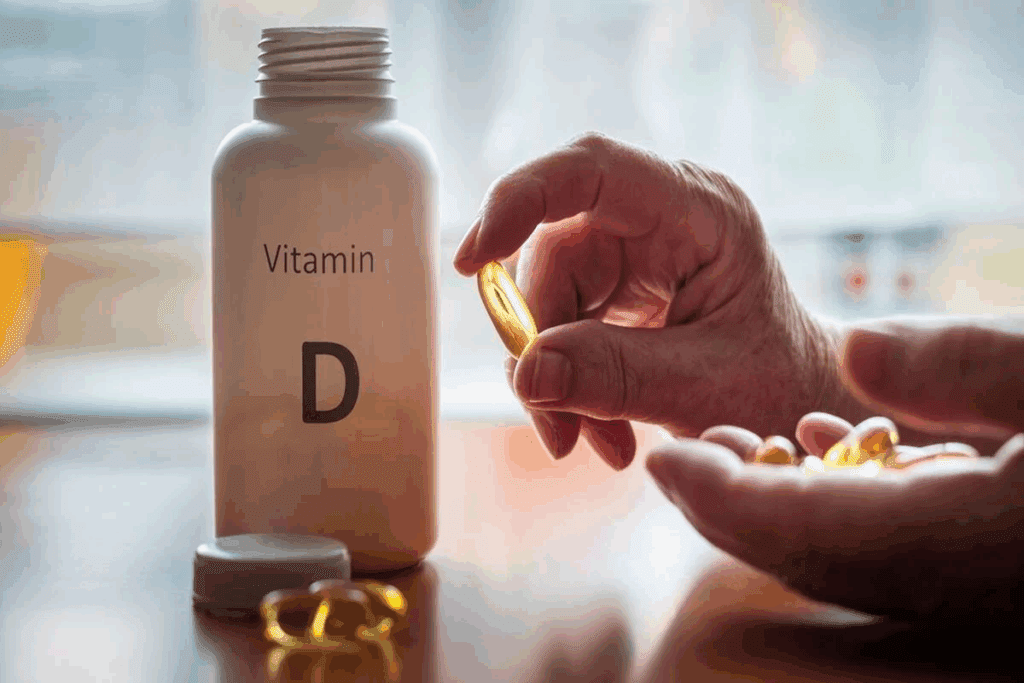
It’s important to know how Vitamin D affects heart disease to prevent it. We’ll look at how Vitamin D and heart health are connected. We’ll also explore how Vitamin D might affect heart function.
Epidemiological Evidence Connecting Vitamin D to Cardiovascular Health
Many studies have looked at Vitamin D and heart health. They show that people with more Vitamin D have less heart disease. For example, a study in the Journal of the American College of Cardiology found Vitamin D deficiency raises heart disease risk.
There are a few key findings about Vitamin D and heart disease:
- Low Vitamin D levels are linked to high blood pressure.
- People with heart disease often have less Vitamin D.
- Some studies suggest Vitamin D supplements can lower heart disease risk.
Potential Mechanisms of Action for Vitamin D in Heart Function
Researchers are trying to figure out how Vitamin D helps the heart. Vitamin D receptors are found in heart cells, showing Vitamin D’s role in heart function.
Some ways Vitamin D might help include:
- Controlling blood pressure through the renin-angiotensin-aldosterone system.
- Reducing inflammation, a heart disease risk factor.
- Helping with heart cell growth and change.
More research is needed to fully understand Vitamin D’s effects on heart disease. But, the current evidence shows Vitamin D is key for heart health.
Vitamin D Deficiency and Increased Cardiovascular Risk
Vitamin D plays a big role in our health, and its effect on heart disease is key. A lack of vitamin D can raise the risk of heart disease. It’s important to understand this link to prevent and treat heart disease better.
Prevalence of Vitamin D Deficiency in the United States
Even in sunny places, many people don’t get enough vitamin D. This is true, even in the winter or for those who don’t get outside much.
Prevalence data shows some groups are at higher risk. For example, people with darker skin, older adults, and those who stay indoors a lot often lack vitamin D.
| Demographic Group | Prevalence of Vitamin D Deficiency |
| General Population | 40% |
| Older Adults (>65 years) | 60% |
| Individuals with Darker Skin | 70% |
| Institutionalized Individuals | 80% |
How Low Vitamin D Levels Impact Heart Disease Risk Factors
Low vitamin D levels are linked to heart disease risk factors like high blood pressure, diabetes, and obesity. Vitamin D helps control blood pressure, improves blood vessel function, and fights inflammation.
Epidemiological studies show that vitamin D deficiency increases the risk of heart disease. This risk is even higher when other heart disease risk factors are present.
At-Risk Populations for Both Vitamin D Deficiency and Heart Disease
Some groups face a higher risk of both vitamin D deficiency and heart disease. These include older adults, people with obesity, and those who don’t get much sun.
- Older adults due to decreased skin synthesis and less exposure to sunlight.
- Individuals with obesity as vitamin D is sequestered in body fat, reducing its availability.
- Those with limited sun exposure, such as individuals who are institutionalized or have certain occupations.
Identifying and managing vitamin D deficiency in these groups could lower their heart disease risk.
The Critical Role of Vitamin D in Heart Rate Regulation
Vitamin D is key to keeping a healthy heart rate. It affects how the heart beats and sends electrical signals. We’ll look at how vitamin D impacts heart rate and what happens if we don’t have enough.
Influence on Cardiac Rhythm and Electrical Conduction
Vitamin D helps control blood pressure, which is important for heart rate. It works through the renin-angiotensin-aldosterone system (RAAS). Vitamin D receptors in heart cells show it has a direct role in heart function.
Key Mechanisms:
- Regulation of RAAS, impacting blood pressure and heart rate
- Direct effects on cardiac myocytes through vitamin D receptors
- Modulation of inflammatory processes that can affect heart health
Vitamin D Deficiency and Arrhythmia Risk
Not having enough vitamin D can raise the risk of atrial fibrillation. This is a common heart rhythm problem. People with low vitamin D levels are more likely to have irregular heartbeats.
| Condition | Vitamin D Level | Arrhythmia Risk |
| Normal | >30 ng/mL | Low |
| Deficiency | 20-29 ng/mL | Moderate |
| Severe Deficiency | High |
In summary, vitamin D is vital for heart rate regulation. It affects heart rhythm and electrical signals. Keeping vitamin D levels right is key to avoiding heart rhythm problems and keeping the heart healthy. We should check our vitamin D levels and fix any deficiencies to lower heart disease risks.
The Significance of Vitamin D in Heart: Muscle Function and Structure
Vitamin D is key for a healthy heart. It affects how the heart works and its structure. Vitamin D receptors in heart muscle cells show its direct role in heart health.
Cellular Mechanisms of Vitamin D in Heart Muscle Cells
Vitamin D works in many ways in heart muscle cells. It controls gene expression, which is important for heart muscle contraction and relaxation. Vitamin D also affects the renin-angiotensin-aldosterone system (RAAS), which helps control blood pressure and heart function.
Also, vitamin D has anti-inflammatory effects. This helps protect the heart from inflammation damage. This protection is key in preventing heart failure.
Vitamin D Deficiency and Heart Failure Development
Vitamin D deficiency is linked to a higher risk of heart failure. Research shows that people with low vitamin D levels are more likely to get heart failure. This is because vitamin D deficiency can harm cardiac function and structure.
“Vitamin D deficiency is a significant predictor of heart failure, highlighting the need for maintaining adequate vitamin D levels for cardiovascular health.”
Keeping vitamin D levels right is vital for heart health. Getting enough vitamin D from sun, diet, and supplements can prevent heart failure and other heart issues.
Vitamin D and Specific Cardiovascular Conditions
Vitamin D is key for heart health. Studies show it’s linked to many heart diseases. Keeping vitamin D levels right is vital for a healthy heart.
Vitamin D Status and Heart Attack Risk
Many studies have looked at vitamin D and heart attack risk. They found that low vitamin D levels increase heart attack risk. Vitamin D helps control inflammation and improves blood vessel function.
A big study found vitamin D deficiency raises heart disease risk. Some research suggests vitamin D supplements might lower heart attack risk. But, we need more studies to be sure.
Vitamin D Levels and Heart Failure Outcomes
Vitamin D levels are also linked to heart failure outcomes. Heart failure patients often have low vitamin D levels, which can make their condition worse. Low vitamin D is tied to higher death rates in these patients.
The reasons for this link are complex. Vitamin D affects heart muscle growth, scarring, and inflammation. Researchers are studying if vitamin D supplements can help heart failure patients.
Vitamin D Deficiency and Hypertension
Hypertension, or high blood pressure, is a big risk for heart disease. Vitamin D deficiency is linked to higher high blood pressure risk. The exact reasons are not fully known, but vitamin D affects blood pressure regulation.
Studies show vitamin D levels and blood pressure are inversely related. While the evidence is not solid, keeping vitamin D levels up might help prevent and manage high blood pressure.
Vitamin D Supplementation for Heart Disease Prevention
Research is ongoing to understand how vitamin D affects heart disease. Some think vitamin D supplements could help prevent heart disease. But, the evidence is not clear yet.
Evidence for and Against Supplementation Benefits
Some studies show vitamin D supplements might lower heart attack and stroke risks. A meta-analysis found a small drop in heart disease risk with vitamin D. Yet, other studies found no benefits, showing we need more research.
Why do studies disagree? It could be because of different people, vitamin D amounts, and health issues. For example, those with very low vitamin D might see more benefits than those with just a little low.
High-Dose Vitamin D Benefits: What the Research Shows
Research on high-dose vitamin D is also ongoing. Some studies hint at heart health benefits. High doses might reduce inflammation, improve blood vessels, and lower blood pressure.
A recent trial looked at high-dose vitamin D’s effects on heart health. It found lower blood pressure and better blood vessel function. These are good signs for heart health.
But, high-dose vitamin D needs careful use. Too much can cause problems like too much calcium in the blood. Always talk to a doctor before starting supplements to keep them safe and effective.
Practical Recommendations for Optimal Vitamin D Levels
Getting enough vitamin D is vital for heart health and lowering heart disease risks. We’ll look at how to keep vitamin D levels right. This includes the right blood levels, where to get vitamin D, and how to check it.
Recommended Blood Levels for Cardiovascular Protection
Studies show that vitamin D levels between 20 ng/mL and 40 ng/mL help lower heart disease risk. It’s wise to talk to your doctor to find the best level for you.
Vitamin D levels can change based on age, skin color, and where you live. For example, people in places with less sunlight might need other ways to get vitamin D.
Natural vs. Supplemental Sources of Vitamin D
You can get vitamin D from the sun and food. Sunlight makes your skin produce vitamin D. Foods like fatty fish, fortified dairy, and some cereals also have it.
While sunlight and food are best, supplements can help too. They’re good when you can’t get enough sunlight or don’t eat enough vitamin D-rich foods. Always talk to a doctor before starting supplements.
Monitoring and Maintaining Healthy Vitamin D Status for Heart Health
Checking your vitamin D levels often is key, more so if you’re at risk or have heart issues. Work with your doctor to set up a check-up plan. Adjust your supplements or diet as needed.
Keeping vitamin D levels in check is a big step for heart health. It’s part of a bigger plan for heart health, along with eating right, exercising, and other healthy habits.
Key Takeaways:
- Keep vitamin D levels between 20 ng/mL and 40 ng/mL for heart health.
- Use sunlight and food for vitamin D when you can.
- Think about supplements when sunlight or food is scarce.
- Check your vitamin D levels often, if you’re at risk or have heart issues.
Conclusion: The Future of Vitamin D in Cardiovascular Care
Vitamin D is key to heart health, and research backs this up. Keeping vitamin D levels right is vital for a healthy heart. It helps lower the risk of heart disease.
Studies are ongoing to learn more about vitamin D and heart health. We’ll soon know more about how vitamin D supplements help prevent heart disease. This shows that vitamin D is important for heart health.
As we learn more, we’ll find better ways to use vitamin D for heart health. This might include more sun, better diet, and supplements. It will be all about what each person needs.
FAQ
What is the relationship between vitamin D and heart disease?
Vitamin D is key for heart health. Studies link low vitamin D to a higher heart disease risk.
How does vitamin D affect heart rate regulation?
Vitamin D helps control heart rate. It affects heart rhythm and electrical signals. A lack of vitamin D may lead to irregular heartbeats.
Can vitamin D supplementation help prevent heart disease?
Vitamin D supplements might help prevent heart disease, but results are mixed. Some studies show benefits, while others find no effect. High doses are being studied further.
What are the recommended blood levels of vitamin D for cardiovascular protection?
Keeping vitamin D levels right is important for heart health. Levels between 20-40 ng/mL are often seen as best for heart protection.
Who is at risk for both vitamin D deficiency and heart disease?
Older adults, those with little sun, and people with certain health issues are at higher risk. They might have low vitamin D and heart disease.
How can I maintain healthy vitamin D levels for heart health?
You can get healthy vitamin D from sunlight, food, and supplements. Regular checks help keep levels just right.
Is vitamin D deficiency associated with an increased risk of heart failure?
Yes, research links vitamin D deficiency to a higher heart failure risk. Vitamin D is vital for heart muscle health.
Can vitamin D help lower blood pressure and reduce the risk of hypertension?
Some studies suggest vitamin D might help lower blood pressure. This could reduce hypertension risk. More research is needed to be sure.
What are the possible ways vitamin D affects heart function?
Vitamin D may help heart function in several ways. It regulates rhythm, maintains muscle, and fights inflammation.
Are there any possible benefits of high-dose vitamin D supplementation for heart health?
Research on high-dose vitamin D is ongoing. Some studies hint at heart health benefits. But, more research is needed to confirm safety and effectiveness.
References:
Government Health Resource. (2025). How Does Vitamin D Affect Heart Disease and. Retrieved from https://jamanetwork.com/journals/jamacardiology/fullarticle/2735646