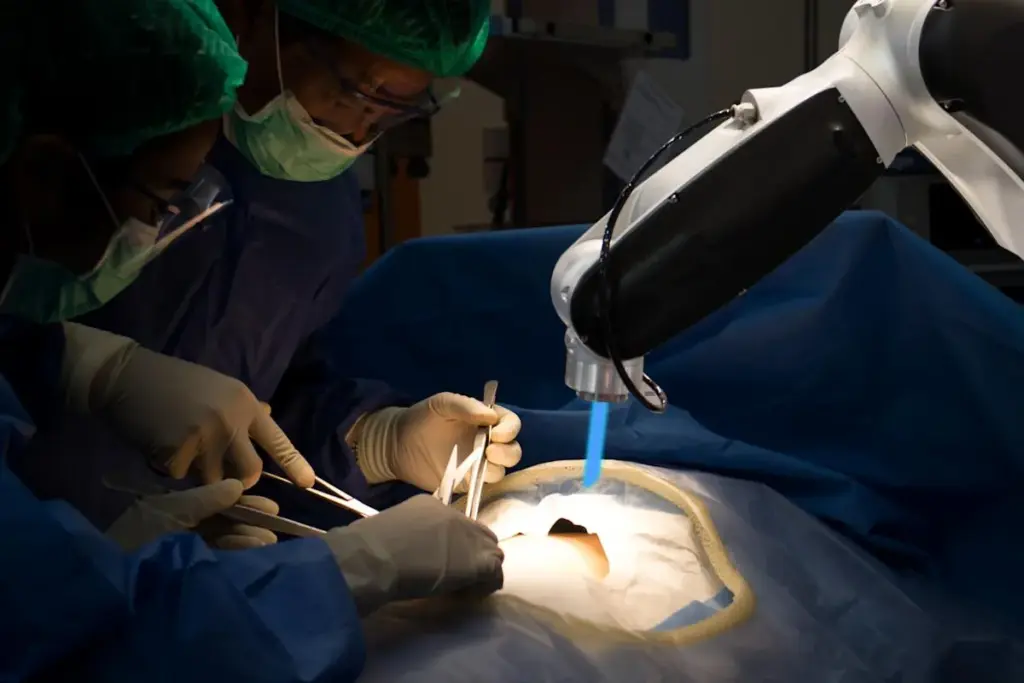
Robotic surgery has changed the medical world, with over 6 million procedures done globally. The Vinci tool is a leading robotic system. It makes surgeries more precise and less invasive. Discover the elite Da surgical tools. Learn how these amazing and brilliant instruments perform miraculous feats in the modern OR.
We use the Vinci system for precise, minimally invasive surgery. This means patients can recover faster. The technology has changed how surgeons work, giving them improved dexterity and visualization.
The Vinci tool is key in today’s surgery. It brings many benefits, like less blood loss and less trauma to patients.
Key Takeaways
- The Vinci tool is a robotic system for precise, minimally invasive surgery.
- It enables faster recovery and reduces blood loss.
- The Vinci system robotic enhances surgical capabilities.
- It provides improved dexterity and visualization for surgeons.
- Robotic surgery has transformed the medical field with millions of procedures performed worldwide.
The Evolution of Surgical Technology
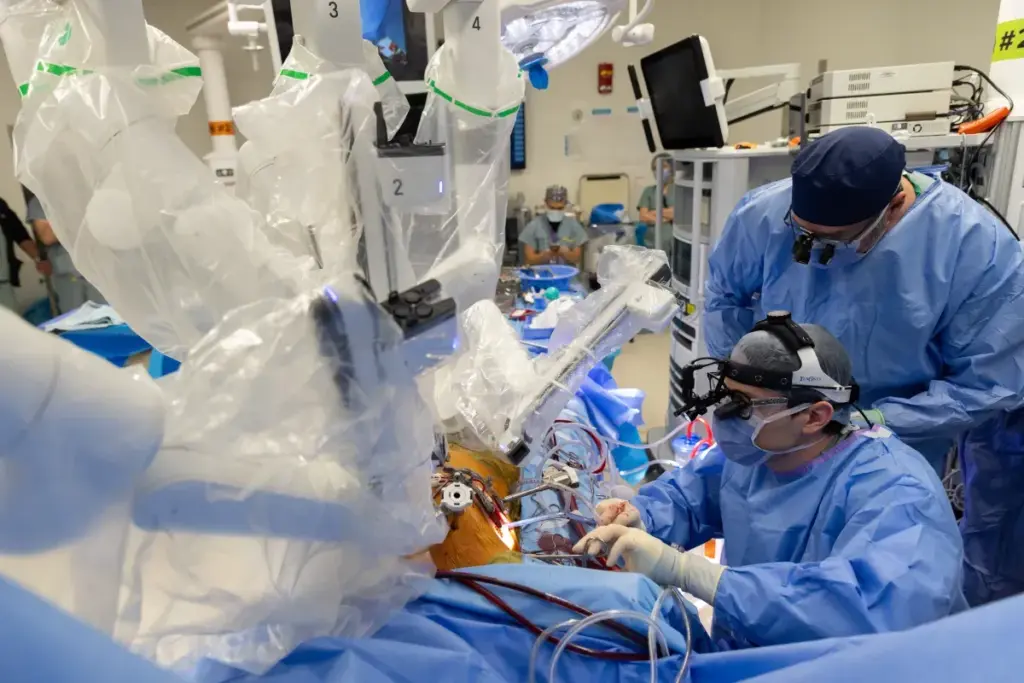
The journey of surgical technology has seen big changes. From the start of minimally invasive surgery to the creation of robotic-assisted systems. Technology has greatly changed how surgeries are done, making them safer and faster for patients.
From Traditional to Minimally Invasive Surgery
Old-school open surgery used big cuts, leading to long recovery times and more risks. Minimally invasive surgery changed this by making cuts smaller. This method, known as laparoscopic surgery, is now common. It means less pain, shorter hospital stays, and quicker recovery.
New imaging tech and tools helped make this shift. Surgeons could do complex tasks with better vision and tools. This made surgeries more precise and effective.
The Birth of Robotic-Assisted Surgery
Robotic-assisted surgery is the newest step in surgical tech. It brings better precision and control. The da Vinci Surgical System is a key example, making complex surgeries less invasive.
MemorialCare has added the da Vinci 5 system to all its hospitals. This upgrade means even better results for surgeries. It shows how surgical tech keeps getting better for patient care.
Understanding the da Vinci Surgical System
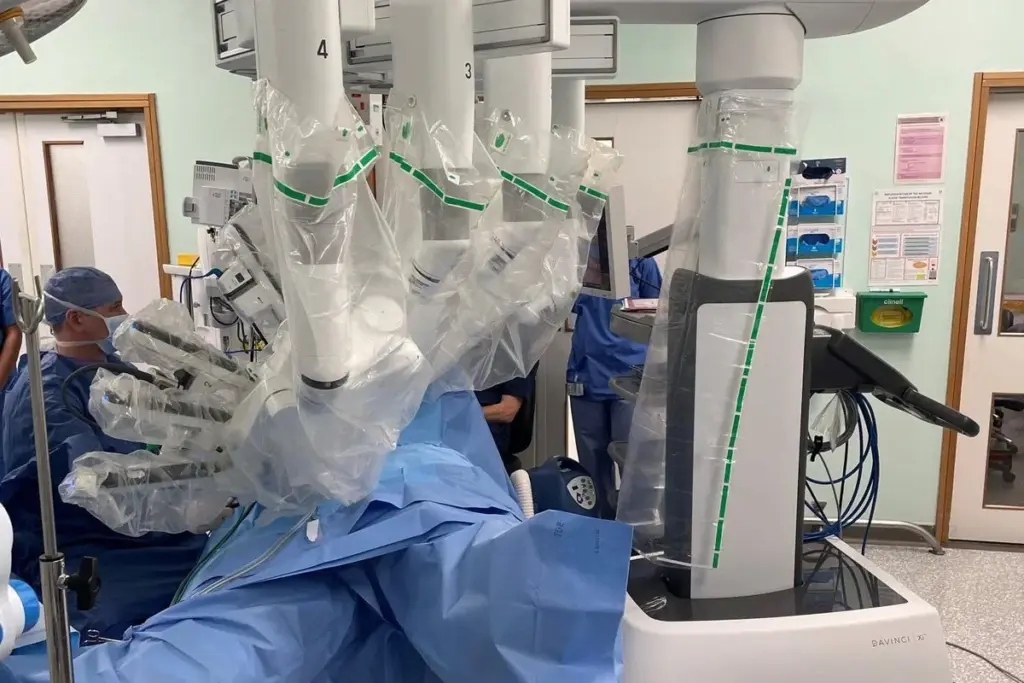
The da Vinci Surgical System is a big step forward in surgery. It was made by Intuitive Surgical. This system helps surgeons do their jobs better, making procedures more precise and complex.
Origins and Development by Intuitive Surgical
They wanted to improve surgery by making it less invasive and more precise. Intuitive Surgical’s dedication to new ideas has made the da Vinci System key in today’s surgeries.
“The da Vinci Surgical System has changed surgery, letting surgeons do complex tasks with better precision and control.”
— Expert in Robotic Surgery
Core Components of the da Vinci System
The da Vinci System has key parts that work together for complex surgeries. These parts are:
- High-Definition 3D Visualization: Gives surgeons a clear view of the surgery area.
- Precise Instrumentation: Offers instruments for precise control.
- Enhanced Dexterity: Allows for more movement and flexibility during surgery.
- Surgeon Control Mechanisms: Lets surgeons control the instruments with their hands.
|
Component |
Description |
Benefit |
|---|---|---|
|
High-Definition 3D Visualization |
Clear and detailed view of the surgical site |
Enhanced precision |
|
Precise Instrumentation |
Range of instruments for complex procedures |
Greater control |
|
Enhanced Dexterity |
Greater range of motion and flexibility |
Complex procedures feasible |
The da Vinci5 is Intuitive’s latest robot. It gives surgeons enhanced precision and comfort during long surgeries. This shows Intuitive Surgical’s ongoing effort to improve robotic surgery.
How the da Vinci Surgical Robot Works
The da Vinci Surgical Robot is a big step forward in surgery. It gives surgeons better control and precision. This system makes complex surgeries easier and more accurate.
Surgeon Control Mechanisms
The surgeon’s console is key to the da Vinci system. It offers a detailed view and controls that let surgeons move instruments with precision. This setup makes surgery more immersive and effective.
Our use of the da Vinci system boosts our surgical skills. Its design helps surgeons work longer without getting tired. This leads to better results for patients.
Real-time Visualization and Precision
The da Vinci system has next-generation 3D imaging. This gives surgeons a clear view of the surgery area. The system’s advanced tremor and vibration control makes movements smoother and more precise.
- Enhanced visualization for better understanding of the surgical site
- Real-time feedback for improved precision
- Advanced technology for reduced tremors and vibrations
Experts say the da Vinci system has greatly improved surgery results. This shows how robotic surgery can change the medical world.
Instrument Capabilities and Range of Motion
The da Vinci system’s instruments mimic the human wrist. They have a wide range of motion that humans can’t match. This makes complex and delicate surgeries easier.
- The instruments provide 7 degrees of freedom, improving dexterity
- Advanced articulation for complex surgical tasks
- Improved precision for delicate procedures
The da Vinci5, the newest version, has better 3D imaging and control. This means even smoother and more precise surgeries.
Types of da Vinci Surgical Systems
The da Vinci Surgical System has grown over time, leading to several models. Each model has special features and uses. Intuitive Surgical keeps improving its systems, giving surgeons and patients many choices.
da Vinci Si
The da Vinci Si is an early model known for its reliability and advanced features. It has high-definition 3D vision and instruments that move like the surgeon’s hands.
da Vinci Xi
The da Vinci Xi is a newer model with better features. It has improved vision, a flexible camera, and better instruments. This makes it great for complex surgeries.
This model can do multi-quadrant surgery without needing to re-dock. This makes some procedures simpler and faster.
da Vinci SP (Single Port)
The da Vinci SP is the latest in robotic surgery, made for single-port surgeries. It lets surgeons do complex surgeries through just one cut. This can reduce harm to the patient and improve looks.
MemorialCare uses the da Vinci Xi, and some places are starting to use the da Vinci SP. This shows how these technologies are getting better and more common in medicine.
|
Model |
Key Features |
Applications |
|---|---|---|
|
da Vinci Si |
High-definition 3D visualization, precise instrument movement |
General surgery, urology, gynecology |
|
da Vinci Xi |
Improved visualization, flexible camera, multi-quadrant surgery capability |
Complex procedures, including cardiac and thoracic surgery |
|
da Vinci SP |
Single-port access, reduced trauma, improved cosmetic outcomes |
Procedures requiring minimal invasion, such as certain urological and gynecological surgeries |
Each da Vinci Surgical System model has its own strengths. They are good for different surgeries. The right choice depends on the patient’s needs, the surgeon’s choice, and the hospital’s capabilities.
Common Procedures Performed with the da Vinci Robot
Surgeons from different fields use the da Vinci Robot for complex surgeries. This system is key in many specialties, bringing better precision and skill.
More than 120 surgeons at MemorialCare’s three hospitals have mastered robotic surgery. We’ll look at the main surgeries done with the da Vinci Robot. It shows how versatile and beneficial this technology is for patients.
Urological Surgeries
The da Vinci system is a big help in urology, like for prostate and kidney surgeries. It helps surgeons be more careful, which can lead to better results for patients.
Studies show robotic surgery in urology cuts down on blood loss and hospital stays. The da Vinci’s clear view helps surgeons handle tricky areas better.
|
Procedure |
Benefits |
Outcomes |
|---|---|---|
|
Prostatectomy |
Precision, nerve-sparing |
Improved urinary continence |
|
Nephrectomy |
Minimally invasive, less blood loss |
Shorter recovery time |
Gynecological Procedures
In gynecology, the da Vinci Robot helps with surgeries like hysterectomies and treatments for endometriosis. Its precision and flexibility mean surgeries can be less invasive, which might help keep fertility.
“Robotic surgery has changed how we do complex gynecological surgeries. It means less pain and quicker healing for patients.”
General Surgery Applications
The da Vinci system is also used in general surgery for things like gallbladder removals and hernia repairs. Its precision makes it a valuable tool for complex tasks.
Using the da Vinci Robot in general surgery means fewer problems and happier patients. The system’s clear view and precise tools help surgeons handle tough cases confidently.
Cardiac and Thoracic Operations
In heart and chest surgery, the da Vinci Robot is used for things like fixing mitral valves and removing the thymus. Its minimally invasive method means less harm to the patient, leading to quicker healing.
Research shows robotic heart surgery means less pain after and shorter stays in the hospital. The da Vinci’s advanced tech lets surgeons do delicate heart work with more precision.
|
Procedure |
Benefits |
Outcomes |
|---|---|---|
|
Mitral Valve Repair |
Minimally invasive, precise |
Less postoperative pain |
|
Thymectomy |
Reduced trauma, less scarring |
Faster recovery |
Benefits of da Vinci Robotic Surgery
The da Vinci system brings new levels of precision and control to surgery. It offers many benefits, improving patient care in several ways.
Enhanced Surgical Precision
The da Vinci system is made for enhanced surgical precision. It allows for more accurate work, thanks to Force Feedback. This technology reduces tissue pressure, making delicate surgeries safer.
Reduced Recovery Time
da Vinci Robotic Surgery means patients recover faster. The surgery is less invasive, causing less damage and pain. This leads to quicker healing and less downtime.
Decreased Blood Loss and Complications
da Vinci Surgery also means less blood loss and complications. Its high-definition view and precise tools help surgeons avoid problems. This makes surgeries safer and more successful.
Improved Cosmetic Results
Another benefit is improved cosmetic results. The surgery uses smaller cuts, leaving less scarring. This makes patients look better after surgery.
The da Vinci5 system has over 150 new features. These improvements make surgery even better. They make robotic surgery a top choice for many.
- Enhanced surgical precision through advanced technology
- Reduced recovery time due to minimally invasive procedures
- Decreased blood loss and complications during surgery
- Improved cosmetic results with smaller incisions
Limitations and Challenges of the da Vinci System
The da Vinci Surgical System has changed surgery a lot. But, it’s not perfect. We need to look at the technical, operational, and financial issues that affect its use and success.
Technical Constraints
The da Vinci System has some technical problems. It needs regular updates to work well. Also, its mechanical parts can wear out, causing failures during surgery.
Key technical challenges include:
- Limited flexibility in certain surgical contexts
- Potential for mechanical failures
- Dependence on high-quality visualization systems
Learning Curve for Surgeons
Surgeons face a big challenge with the da Vinci System. It’s complex and needs a lot of practice to use well. They must learn to use the system’s controls and understand the 3D images it shows.
The training process typically involves:
- Simulation training programs
- Hands-on experience in controlled environments
- Mentorship from experienced surgeons
Cost Considerations
Buying and keeping a da Vinci System is very expensive. The cost includes the system itself, tools, upkeep, and training. This can make the system more expensive than traditional surgery.
But, the system can lead to better patient results and shorter recovery times. The da Vinci5 system is the latest and most expensive model. It shows the need for careful financial planning to see if it’s worth it in the long run.
da Vinci vs. Traditional Laparoscopic Surgery
Da Vinci robotic surgery and traditional laparoscopic surgery have key differences. These include precision, recovery time, and patient outcomes. The choice between them depends on the procedure, patient health, and surgeon skill.
Comparative Advantages and Disadvantages
The da Vinci system has big advantages over traditional laparoscopic surgery. It offers enhanced precision and dexterity. The robotic arms allow for more complex procedures with ease.
- Improved visualization through high-definition 3D imaging
- Reduced tremors and enhanced instrument stability
- Greater flexibility in tight spaces
Traditional laparoscopic surgery also has benefits. It has lower equipment costs and is widely available. It’s a well-established technique with lots of research and training.
Clinical Outcome Differences
Research shows da Vinci robotic surgery can reduce blood loss and hospital stays. But, outcomes depend on the procedure and patient.
|
Outcome |
da Vinci Robotic Surgery |
Traditional Laparoscopic Surgery |
|---|---|---|
|
Blood Loss |
Reduced |
Variable |
|
Hospital Stay |
Shorter |
Variable |
Cost-Effectiveness Analysis
Da Vinci robotic surgery has benefits but also costs. The initial investment is high, and each procedure costs more than traditional surgery.
- Higher initial equipment costs
- Increased cost per procedure due to instrument expenses
- Potential for reduced overall costs due to shorter hospital stays and fewer complications
In conclusion, choosing between da Vinci robotic surgery and traditional laparoscopic surgery depends on many factors. These include the procedure, patient needs, and resources. Understanding the advantages, outcomes, and costs helps healthcare providers make the best choices for patient care.
Training Requirements for da Vinci Surgeons
Robotic surgery is growing, and so is the need for good training for da Vinci surgeons. The da Vinci system is complex and needs skilled surgeons to work well.
Certification Process
The certification for da Vinci surgeons makes sure they know how to use the system right. It includes learning, practicing, and being watched by experts.
Doctors like Amir Abolhoda, M.D., who have done many robotic surgeries, help train others. The process is tough to make sure surgeons are ready for da Vinci surgery.
Simulation Training Programs
Simulation training is key for da Vinci surgeon training. It lets surgeons practice in a safe, real-like setting.
This training helps surgeons get better at the fine movements needed for robotic surgery. It also lets them try out complex surgeries and emergencies safely.
Ongoing Education and Skill Maintenance
Da Vinci surgeons need to keep learning to stay current with robotic surgery. They go to conferences, take online courses, and work on improving their skills.
Here’s a look at the training path for da Vinci surgeons:
|
Training Component |
Description |
Duration |
|---|---|---|
|
Didactic Instruction |
Theoretical foundation in robotic surgery principles |
1-2 days |
|
Hands-on Training |
Practical experience with the da Vinci system |
2-5 days |
|
Proctoring |
Supervised experience with experienced surgeons |
Variable |
|
Simulation Training |
Practice in a simulated environment |
1-3 days |
Good training is vital for robotic surgery to work well. With the right training, surgeons can do better surgeries and help more patients.
Patient Experience with da Vinci Surgery
Da Vinci surgery leads to shorter recovery times and less pain after surgery. It’s important to understand how patients feel during and after the surgery.
Pre-operative Considerations
Before da Vinci surgery, patients undergo a detailed evaluation. This includes:
- Detailed medical history review
- Comprehensive physical examination
- Discussion of surgical options and expectations
- Pre-operative instructions to ensure optimal preparation
Our team works closely with patients to address any concerns and provide personalized care. Clear communication and education are key to a positive pre-operative experience.
Post-operative Recovery
Da Vinci surgery offers a faster recovery. Patients often report:
- Less post-operative pain
- Minimal scarring due to smaller incisions
- Shorter hospital stays
- Quicker return to normal activities
Effective pain management and post-operative care are key for a smooth recovery. Our healthcare team is dedicated to providing support throughout the recovery process.
Patient Testimonials and Outcomes
Patient testimonials offer insights into da Vinci surgery’s real-world benefits. Many patients have shared their positive experiences, including:
- Improved outcomes
- Enhanced quality of life
- High satisfaction with the surgical process
We are proud of our commitment to delivering exceptional patient care and outcomes. The da Vinci system is a key part of our ability to offer advanced, minimally invasive surgical options that benefit our patients.
Cost and Insurance Coverage for da Vinci Procedures
Knowing the costs of da Vinci procedures is key for those thinking about robotic surgery. The da Vinci system is a big deal for hospitals, and it affects patients’ budgets.
Average Costs in the United States
The price of da Vinci surgery changes a lot. It depends on the surgery type, where you are, and who does it. On average, it can cost from $10,000 to $50,000 or more. This includes hospital costs, surgeon fees, and more.
For example, a da Vinci prostate surgery might cost between $15,000 and $25,000. A da Vinci hysterectomy could be from $12,000 to $20,000. These prices can change based on your situation.
Insurance Reimbursement Policies
Insurance for da Vinci surgeries varies. Many plans cover these surgeries, but how much they cover can differ.
It’s important for patients to talk to their insurance about what’s covered. They should know about any costs they might have to pay themselves. Some plans might need you to get approval before they cover the surgery.
Financial Considerations for Patients
There are more costs to think about with da Vinci surgery. These include:
- Pre-operative tests and meetings with doctors
- Costs for care and check-ups after surgery
- Costs for any extra surgeries or complications
- Travel and hotel costs if you need to go out of town
Patients should talk to their doctor and insurance about these costs. This helps them understand what they’ll need to pay for.
By knowing the costs and what insurance covers, patients can make better choices. They can plan for the financial side of their treatment.
Controversies and Concerns Surrounding Robotic Surgery
Robotic surgery has sparked many debates. It’s a new technology that’s changing how we do surgery. But, it’s not without its problems.
FDA Reports and Safety Incidents
The FDA has seen many safety issues with robotic surgery. These problems have made people question if it’s safe. Here are some key findings from the FDA:
|
Year |
Type of Incident |
Outcome |
|---|---|---|
|
2013 |
Device malfunction during surgery |
Patient required additional surgery |
|
2015 |
Inadequate training reported |
Surgeon faced challenges with system |
|
2018 |
System failure during procedure |
Procedure completed with alternative methods |
FDA’s Role: The FDA is watching these problems closely. They’re working to make sure robotic surgery is safe.
Marketing vs. Clinical Evidence Debate
There’s a big debate about how robotic surgery is marketed. Some say the marketing is too aggressive. They claim it doesn’t match the real benefits.
Some key points of concern are:
- Too much focus on new technology, not enough on real results
- Not enough long-term data on how well it works
- Studies often show little difference in results
This debate shows we need more solid research to prove robotic surgery’s benefits.
Ethical Considerations in Robotic Surgery Adoption
Robotic surgery also raises ethical questions. There are worries about who can use it, the cost, and if it’s really better than old ways.
We need to think carefully about using robotic surgery. We should make sure it’s good for patients and based on solid evidence.
The Future of the da Vinci Surgical System
The da Vinci Surgical System is on the verge of a new era. This is thanks to technological advancements that will boost its abilities. These changes will also open up new areas for its use in surgery.
Looking ahead, several key areas will shape the da Vinci system’s future. One major development is the introduction of new technologies.
Upcoming Technological Improvements
The latest version, the da Vinci5 system, has 10,000 times more computing power than before. This is a big step forward in robotic surgery. It will work well with digital tools and analytics, changing surgery forever.
These new features will make surgery more precise and reduce recovery times. They will also improve patient results. The system’s increased power will help analyze data better, guiding surgeons to make better choices during surgery.
Integration with AI and Machine Learning
Another big area is the use of Artificial Intelligence (AI) and Machine Learning (ML) in the da Vinci system. AI and ML will give real-time insights and predictive analytics. This will make surgery more precise and safer for patients.
This integration will lead to more personalized surgeries, fitting each patient’s needs. AI can also spot possible problems early, allowing for quick action.
Expanding Applications in New Surgical Fields
The da Vinci system will also enter new surgical fields, improving patient care. As technology advances, it will be used in more specialties. This will help more patients benefit from robotic surgery.
This growth will come from ongoing research and trials. These will show the da Vinci system’s value in new areas. More patients will enjoy faster recoveries and better results.
In conclusion, the da Vinci Surgical System’s future is bright. With new technologies, AI and ML, and more uses, surgery will keep getting better. We can look forward to more progress in patient care and surgery results.
Conclusion: The Impact of da Vinci on Modern Surgery
The da Vinci surgical system has changed surgery a lot. It makes operations more precise, cuts down recovery times, and improves patient results. This technology has raised the bar for surgical care.
Thanks to its advanced robotic features, the da Vinci system lets surgeons do complex tasks with better accuracy and control. This has brought many benefits to patients. They see less blood loss, fewer complications, and better looks after surgery.
As robotic surgery keeps getting better, the da Vinci system will be key in shaping surgery’s future. We’ll see new tech advancements. This will let more procedures be done with robotic help.
Looking back at the da Vinci system, we see its big role in improving surgery. Its impact on modern surgery is clear. Its ongoing development is key to keeping patient care top-notch.
FAQ
What is the da Vinci Surgical System?
The da Vinci Surgical System is a robotic tool for surgery. It helps surgeons do their jobs better, making operations more precise and less invasive.
How does the da Vinci System work?
The da Vinci System lets a surgeon control robotic arms with special tools. It offers clear 3D views and precise control.
What are the benefits of da Vinci Robotic Surgery?
It offers better precision, less recovery time, less blood loss, and better looks because of smaller cuts.
What types of surgeries are commonly performed using the da Vinci Robot?
It’s used for many surgeries like urology, gynecology, general surgery, heart, and lung surgeries. It’s very versatile.
What are the different models of da Vinci Surgical Systems?
There are da Vinci Si, Xi, and SP models. Each has special features, like the SP for single-port surgeries.
How does the da Vinci System compare to traditional laparoscopic surgery?
The da Vinci System gives better views, precision, and control than traditional laparoscopy. This might lead to better results.
What is the learning curve for surgeons using the da Vinci System?
Surgeons get certified and trained through simulations and ongoing learning. It needs special skills.
What are the costs associated with da Vinci Surgery?
Costs vary by procedure, location, and insurance. In the U.S., prices differ a lot for different surgeries.
Are there any controversies surrounding robotic surgery?
Yes, there are worries about safety incidents, marketing vs. evidence, and ethics in robotic surgery.
What is the future of the da Vinci Surgical System?
Future updates include AI, machine learning, and new uses. It will get even better.
What is the significance of data analytics in robotic surgery?
Data analytics is key for better robotic surgery. It helps improve results, techniques, and patient care with data.
How does the da Vinci System utilize artificial intelligence?
It’s getting smarter with AI and machine learning. This could make surgeries even more precise and effective.
What is the role of digital assistants in healthcare related to robotic surgery?
Digital helpers like chatbots assist with patient info, prep, and care after robotic surgery.
How does SEO optimization impact the visibility of information on da Vinci Surgery?
SEO makes sure accurate da Vinci Surgery info is easy to find. It helps with online visibility and rankings.