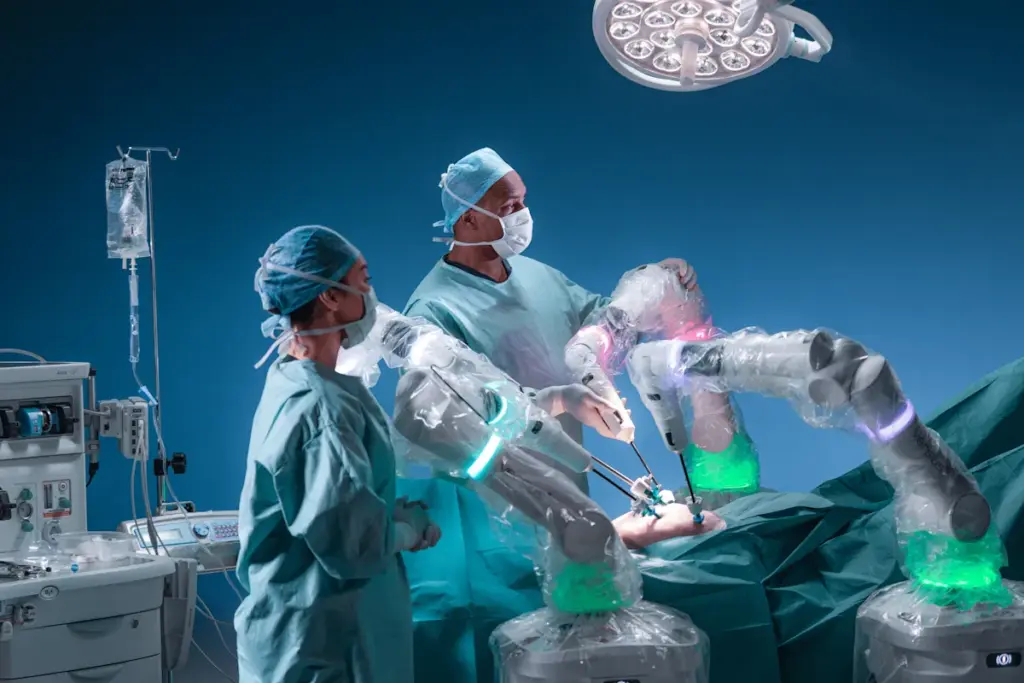
The da Vinci Surgical System is a cutting-edge robotic platform for complex surgeries. It has been used in over 6 million surgeries worldwide. This shows how far robotic surgery has come.
This system helps surgeons perform operations more precisely and gently. It was created by Intuitive Surgical. Now, it’s a top choice in minimally invasive surgery.
Key Takeaways
- The da Vinci Surgical System is a state-of-the-art robotic platform.
- It is used for complex minimally invasive surgical procedures.
- Over 6 million surgeries have been performed worldwide using this system.
- The system enhances the capabilities of surgeons.
- Intuitive Surgical is the company behind the development of the da Vinci system.
The Creator Behind the da Vinci Surgical System
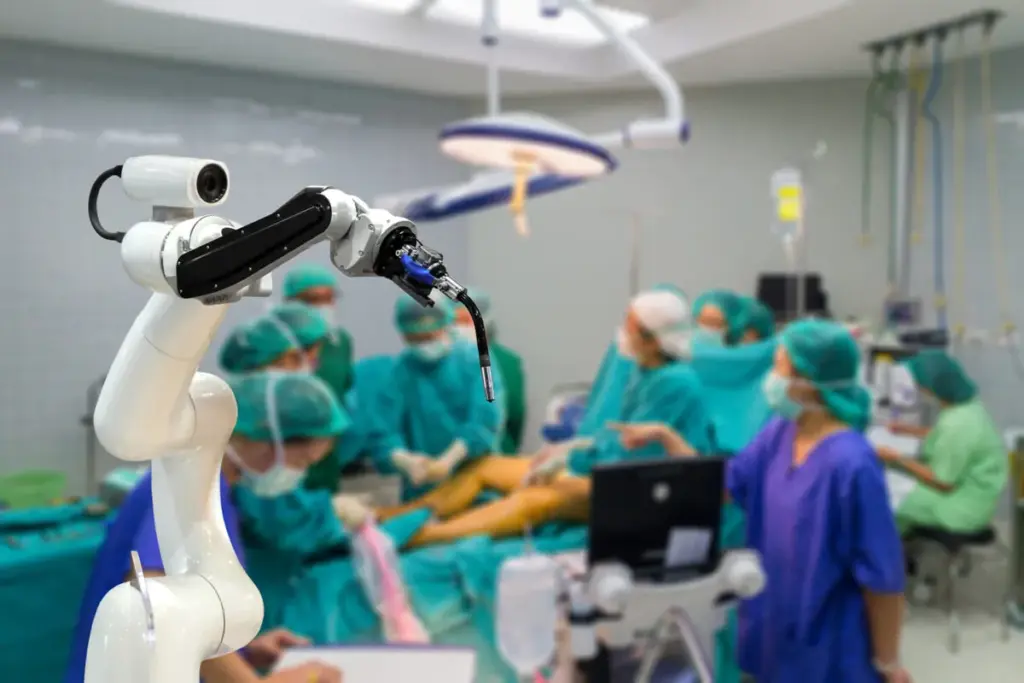
Intuitive Surgical, Inc. has changed the game in robotic-assisted surgery. They are at the forefront of medical innovation. Their work is shaping the future of surgery.
Intuitive Surgical, Inc.: Company Profile
Intuitive Surgical, Inc. leads in robotic-assisted surgery. Their da Vinci Surgical System lets surgeons do complex tasks with better precision and control. Intuitive Surgical is all about improving patient care with its tech.
The word “intuitive” in their name means making surgery easier for doctors. They use advanced robotics and computer tech to make surgery more precise and less invasive.
Founding and Early Development
Intuitive Surgical, Inc. started in 1995, beginning a new chapter in robotic surgery. They focused on making a robotic system that helps surgeons do complex tasks better. They’ve kept innovating, growing their product line and improving their tech.
Their dv stock shows their success in the medical tech field. Intuitive Surgical keeps pushing the limits of surgical innovation. Their dedication to better patient care is strong.
Understanding the da Vinci Surgical Robot
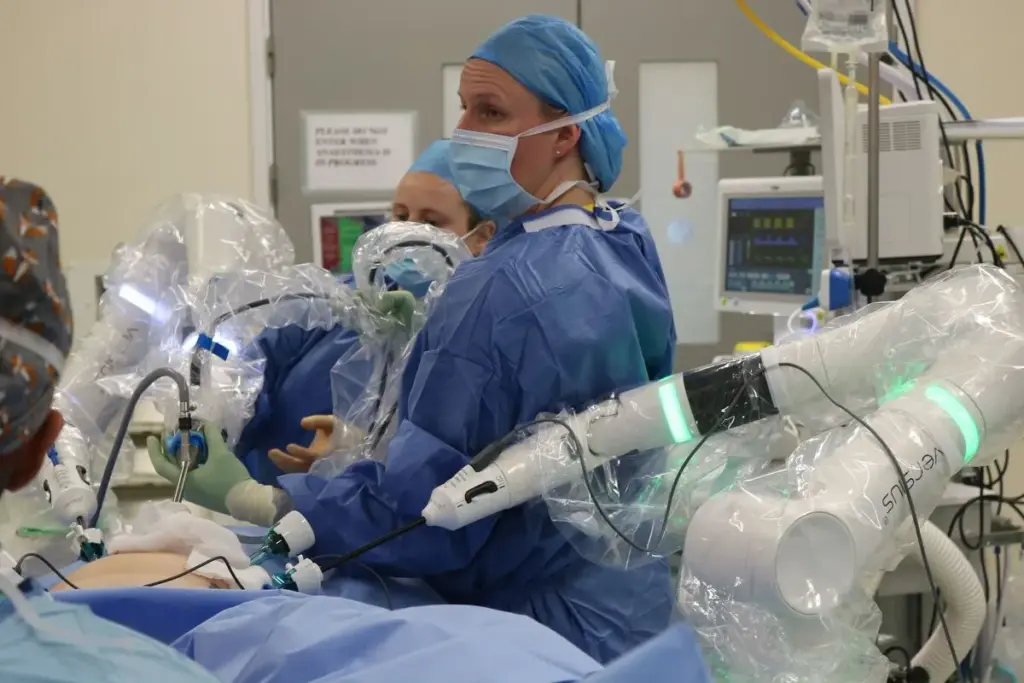
The da Vinci Surgical Robot is a cutting-edge medical device. It’s designed to make surgical procedures more precise. This advanced robotic system lets surgeons do complex operations with better control and accuracy.
Core Components and Technology
The da Vinci Surgical System has three main parts: a surgeon’s console, a patient-side cart, and a vision system. The surgeon’s console gives surgeons a clear, high-definition view of the surgery area. This lets them control the instruments with great precision.
The patient-side cart has robotic arms that move like the surgeon’s hands. These arms perform precise actions inside the patient’s body. The vision system offers 3D high-definition images. This helps surgeons see and navigate complex body parts better.
How the System Functions
The da Vinci Surgical System uses advanced tech for precise movements during surgery. Its EndoWrist instruments can move in ways traditional laparoscopic tools can’t. This allows for more detailed procedures.
Surgeons work from the console, using hand controls and foot pedals to control the robotic arms. This setup helps with precise dissection, suturing, and tissue manipulation. It reduces the chance of complications and helps patients recover faster.
By combining advanced robotics with high-definition vision, the da Vinci System boosts surgeons’ abilities. It makes complex procedures easier and more accurate for them.
Why It’s Named After Leonardo da Vinci
The da Vinci Surgical System is named after Leonardo da Vinci. This shows the link between art and medical science. It highlights da Vinci’s impact on modern surgery.
Leonardo’s Anatomical Studies
Leonardo da Vinci’s anatomical studies were groundbreaking. His detailed drawings and observations of the human body were ahead of his time. His work in anatomy was driven by curiosity and a desire to understand the human body.
Connection to Modern Surgical Innovation
The da Vinci Surgical System uses advanced robotic technology. This technology enhances surgical precision and dexterity. The system’s name honors da Vinci’s contributions to anatomy and his influence on surgery.
The developers honor Leonardo da Vinci by naming the system after him, acknowledging his significant contributions. This naming also shows the blend of art, science, and technology in modern surgery. It reflects da Vinci’s interdisciplinary approach to understanding the human body.
Evolution of the da Vinci System Models
The da Vinci Surgical System has seen big changes over time. It has evolved through many models to improve surgical precision.
Looking at the growth of robotic surgery, it’s key to see how the da Vinci System has changed. From its start to today, it has become a top tool in surgery. The first version brought a new way to do surgery, giving doctors better control and skill.
First Generation to Current Models
The da Vinci System has gone through many updates. Each new version has brought big improvements. These changes include better vision, more precise robotic arms, and easier-to-use interfaces.
Key milestones in the evolution include:
- The introduction of the da Vinci S System, which offered improved vision and instrument flexibility.
- The development of the da Vinci Si System, featuring enhanced high-definition 3D visualization and improved ergonomics.
- The latest da Vinci X and da Vinci Xi Systems, which have integrated advanced technologies such as improved robotic arm design and enhanced imaging capabilities.
Key Technological Improvements
The da Vinci System has grown thanks to new tech in robotic surgery. Some big improvements include:
Enhanced Visualization: The newest models have high-definition 3D vision. This gives surgeons a clearer view of what they’re doing.
Improved Robotic Arms: The newer models have more flexible and precise robotic arms. This makes it easier to do complex surgeries.
“The da Vinci System has revolutionized the field of surgery, giving surgeons unmatched precision and control. Its growth is shaping the future of surgery.”
These updates have made the da Vinci System very popular in many surgeries. It’s used in urology, gynecology, and cardiothoracic surgery, among others.
Robotic Surgery vs. Traditional Methods
Robotic-assisted surgery is changing the way we do surgery. It offers better dexterity, visualization, and control than traditional methods. As medical technology advances, the benefits of robotic surgery are becoming clearer.
Transition from Open Surgery to Minimally Invasive Techniques
The move from open surgery to minimally invasive methods is a big step forward. Minimally invasive surgery means smaller incisions, less tissue damage, and less trauma for the patient. Robotic surgery adds even more precision and control for the surgeon.
Open surgery used to require big incisions for direct access. This led to longer recovery times, more infection risk, and bigger scars. Minimally invasive techniques, like laparoscopic surgery, have helped by making incisions smaller.
Comparing da Vinci to Traditional Laparoscopic Surgery
The da Vinci Surgical System and traditional laparoscopic surgery have key differences. Traditional laparoscopic surgery uses a laparoscope and special instruments through small incisions. It’s less invasive than open surgery but has its own limitations in dexterity and visualization.
- The da Vinci System offers enhanced 3D visualization and magnification, allowing for more precise dissection and suturing.
- The robotic instruments provide greater flexibility and range of motion compared to traditional laparoscopic instruments.
- The system’s ergonomic design reduces surgeon fatigue, potentially improving overall performance and reducing the risk of complications.
These improvements make robotic surgery more popular in fields like urology, gynecology, and cardiac surgery. As we keep improving robotic surgical systems, we can expect better patient outcomes and more efficient surgeries.
Surgical Applications of the da Vinci Robotic System
The da Vinci Robotic System has changed how surgeries are done. It uses advanced tech and precision. This makes it a key tool for surgeons everywhere.
We will look at how the da Vinci System is used in different medical areas.
Urology and Prostatectomy Procedures
In urology, the da Vinci System is a big help, mainly for prostate surgeries. It lets surgeons do precise work. This leads to better results for patients.
- Enhanced visualization for complex procedures
- Improved dexterity for delicate tissue handling
- Better preservation of surrounding nerves and tissues
Gynecological Surgeries
In gynecology, the da Vinci System helps with many surgeries. This includes hysterectomies and treatments for endometriosis. It’s a minimally invasive method. This means less recovery time and less scarring.
Key benefits in gynecological surgeries include:
- Reduced risk of complications
- Less postoperative pain
- Shorter hospital stays
Cardiac Surgery Applications
The da Vinci System is also used in heart surgery. It’s used for things like fixing the mitral valve and doing coronary artery bypass grafting. Its precision makes complex heart repairs possible with less invasion.
General Surgery and Other Specialties
The da Vinci System is used in general surgery too. It’s used for things like removing the gallbladder and fixing hernias. It’s also used in other areas like colorectal and thoracic surgery.
The da Vinci Robotic System is growing in use across many surgical fields. It offers better results and new chances for patients and surgeons.
Benefits of the da Vinci Surgical System
The da Vinci Surgical System brings many advantages to both surgeons and patients. Its advanced technology helps improve surgical precision and control. This leads to better results for everyone involved.
Advantages for Surgeons
The system gives surgeons enhanced visualization, making the surgical site clearer. This, along with its precision and control, allows for more accurate complex procedures.
It also reduces tremors and improves dexterity. This makes detailed work like dissections and suturing easier. The design also helps surgeons stay focused and precise, even during long surgeries.
Patient Outcome Improvements
Patients benefit from less invasive procedures with the da Vinci System. This means less blood loss and a lower risk of infection. The system’s precision also leads to less tissue damage, helping patients heal faster.
Da Vinci surgeries are often shorter and lead to quicker recovery times. This means patients can get back to their normal lives sooner. It greatly improves their quality of life.
|
Benefits |
Surgeons |
Patients |
|---|---|---|
|
Enhanced Precision |
Improved accuracy in complex procedures |
Less tissue damage, promoting faster healing |
|
Minimally Invasive |
Reduced tremors and improved dexterity |
Less blood loss, reduced risk of infection |
|
Ergonomic Design |
Reduced fatigue during long procedures |
Shorter hospital stays and quicker recovery |
The da Vinci Surgical System is a big step forward in robotic surgery. It offers many benefits for both surgeons and patients. By using this technology, we can keep improving surgical results and patient care.
Limitations and Challenges
The da Vinci Surgical System is a cutting-edge tool, but it has its limits. These challenges affect how widely it’s used and its success in surgeries.
Technical Constraints
The da Vinci robot is top-notch, but it’s not perfect. It has some technical issues that can impact surgery results. These include:
- Limited dexterity in certain procedures
- High costs for upkeep and updates
- Rare but possible mechanical failures
Technical problems can happen because of the system’s complexity. Hospitals need to follow strict maintenance and training plans. This helps avoid issues and keeps the system working well.
Learning Curve and Training Requirements
Surgeons need a lot of training to use the da Vinci System well. The learning curve is steep. They must practice a lot and go through simulation training to get good at it.
The da Vinci System is made to be easy for surgeons to use. It helps them make precise movements and see things clearly. But, getting good at it takes a lot of training. This includes:
- Simulation-based training
- Mentorship from experienced surgeons
- Continuous practice to stay skilled
By understanding these challenges and investing in the right training, hospitals can make sure surgeons are ready to use the da Vinci System. This leads to better results for patients in robotic surgery.
FDA Approval and Regulatory Oversight
The FDA carefully tested the da Vinci Surgical System. They checked its performance and safety. This made sure it met strict rules before it could be used in surgeries.
Initial Approval Process
Intuitive Surgical, Inc. made the da Vinci Surgical System. The FDA reviewed it to see if it was safe and worked well. They looked at a lot of data and technical info to decide.
Key aspects of the initial approval process included:
- Submission of clinical trial data to demonstrate safety and efficacy
- Technical evaluation of the system’s design and functionality
- Comparison with existing surgical technologies to establish a benchmark for performance
Ongoing Regulatory Monitoring
After getting FDA approval, the da Vinci System is watched closely. Intuitive Surgical, Inc. must tell the FDA about any problems. This helps keep the system safe and working well.
The FDA’s continued scrutiny includes:
- Regular audits and inspections of manufacturing facilities and processes
- Review of post-market surveillance data to identify trends or concerns
- Updates to the system’s labeling or instructions for use based on new information or emerging safety issues
The FDA’s strict watch makes sure the da Vinci System stays safe and effective. This helps both patients and doctors.
Cost Considerations of Robotic Surgery
Robotic surgery, like the da Vinci Surgical System, has a big price tag. Hospitals must think about if it’s worth the cost. The high price of this tech makes us wonder if it’s good for the wallet.
Acquisition and Maintenance Expenses
Buying a da Vinci Surgical System costs millions. There are also regular costs for upkeep, repairs, and updates. These expenses can really hurt a hospital’s budget.
Let’s look at the costs of the da Vinci Surgical System:
|
Cost Component |
Estimated Cost |
Frequency |
|---|---|---|
|
System Acquisition |
$1.5 – $2.5 million |
One-time |
|
Annual Maintenance |
$100,000 – $200,000 |
Annual |
|
Disposable Instruments |
$2,000 – $3,000 per procedure |
Per procedure |
Economic Impact on Healthcare Systems
The cost of robotic surgery affects healthcare in many ways. The upfront cost is high, but it might save money in the long run. We need to think about this carefully.
Key considerations include:
- Reduced hospital stay durations
- Lower complication rates
- Potential for increased throughput due to shorter procedure times
As we use more robotic surgery, we must understand the costs. This helps hospital leaders and policymakers make smart choices. By looking at the financial side, we can handle the good and bad of this tech.
Training Surgeons on the da Vinci Platform
Surgeons need special training to use the da Vinci Surgical System well. They must understand its full range of functions and limits. A detailed training program is key for them to become proficient.
Certification Requirements
Surgeons must go through a strict certification process for the da Vinci System. They need to finish a training program approved by Intuitive Surgical. This makes sure they know how to use the system’s intuitive interface and tools.
The training includes both learning about the system and practicing with it. Surgeons learn about choosing patients, surgical techniques, and solving problems. They also get hands-on practice with the da Vinci simulator, which simulates real surgeries. This training is vital for mastering complex surgeries.
Simulation and Practice Programs
Simulation and practice are key parts of robotic surgery training. These programs help surgeons improve their skills safely. The da Vinci simulator offers a realistic experience, allowing surgeons to practice and perfect their techniques.
It’s important for surgeons to keep practicing and learning. As technology improves, they need to stay current. This ensures they can use the da Vinci robot to its fullest, helping their patients.
Investing in thorough training programs is essential. It prepares surgeons to give the best care with the da Vinci System. As robotic surgery grows, so will the need for specialized training to lead in surgical excellence.
Intuitive Surgical’s Market Position (DV Stock)
Intuitive Surgical leads in robotic surgery, but new rivals are emerging. As the first in robotic surgery, the company has kept its top spot. Yet, the field is changing.
The company’s financial success and large market share show its strong position. Its dv stock has done well, showing investors believe in its future.
Market Dominance in Surgical Robotics
Intuitive Surgical is a leader in robotic surgery, thanks to its da Vinci System. Its success comes from being first, innovating, and supporting surgeons well.
- Early mover advantage
- Continuous innovation and improvement of its technology
- Strong training and support programs for surgeons
Emerging Competitors in Robotic Surgery
New rivals are trying to take a piece of Intuitive Surgical’s market. Companies like MediSurg and Verb Surgical are creating new robotic surgery tools.
New players are pushing for better technology and lower costs. This could help healthcare overall. Trends include:
- More affordable robotic systems
- Using artificial intelligence and machine learning
- Entering new surgical areas
As the market grows, Intuitive Surgical must keep innovating to stay ahead.
Clinical Outcomes and Research Data
Studies on the da Vinci Surgical System have shown it’s very effective. It’s better than traditional laparoscopic and open surgery in many ways. The system helps improve patient outcomes, both short-term and long-term.
Long-term Patient Outcomes
The da Vinci System also shines in gynecological surgeries. It leads to less infection and blood loss. A review of gynecological oncology trials found robotic surgery is as good as or better than traditional methods.
Comparative Studies with Traditional Techniques
Studies comparing da Vinci to traditional surgery are enlightening. A meta-analysis showed robotic surgery has fewer complications and less need for open surgery. This is a big win for patients.
In cardiac surgery, the da Vinci System is a game-changer. It leads to less trauma, fewer complications, and quicker healing. This is a huge advantage for patients.
Key findings from comparative studies include:
- Reduced blood loss and fewer transfusions
- Less postoperative pain and discomfort
- Faster recovery times and shorter hospital stays
- Improved precision and reduced risk of complications
These results highlight the da Vinci System’s role in better patient care and surgical outcomes. It’s a game-changer across many specialties.
Future Innovations in Surgical Robots
The future of surgical robots is set to change the medical world with new tech. We’re seeing big steps forward in robotic surgery. These changes will make patient care and surgery results better.
Enhancements on the Horizon
The da Vinci Surgical System is getting even better. Soon, it will have:
- Advanced Instrumentation: New tools that are more precise and flexible.
- Improved Visualization: Better images for surgeons to see.
- Enhanced Ergonomics: Tools that make surgeons more comfortable and less tired.
These updates will make the da Vinci robot even more useful. Surgeons will have more options and be more precise.
Research and Development Directions
Research on surgical robots is going in exciting ways. Some main areas include:
- Artificial Intelligence Integration: Using AI to help surgeons right away.
- Miniaturization: Making smaller robots for tiny surgeries.
- Remote Surgery: Letting surgeons work from far away.
These changes will make the da Vinci System better. They’ll also lead to new robots with more abilities.
Looking ahead, surgical robots will keep changing surgery. They’ll help make surgeries better and open up new options for everyone.
Conclusion:
The da Vinci Surgical System has changed surgery a lot. It has made surgeries better and recovery times shorter. This shows how important robotic surgery is today. This system is named after Leonardo da Vinci, a famous artist and inventor. It’s a big step forward in surgery technology. It lets surgeons do complex tasks with more precision and less harm to the body. Thanks to the da Vinci system, patients are getting better faster. They can have more surgeries than before. The system is making surgery better and more possible. As surgery keeps getting better, the da Vinci system will keep playing a big role. It will help make surgery even more advanced and effective for patients.
FAQ
What is the da Vinci Surgical System?
The da Vinci Surgical System is a robotic tool for complex surgeries. It helps surgeons with its advanced tech and precise movements.
Who developed the da Vinci Surgical System?
Intuitive Surgical, Inc. created the da Vinci Surgical System. They are leaders in robotic surgery.
What are the core components of the da Vinci Surgical Robot?
The main parts are the surgeon’s console, the patient-side cart, and the vision system. Together, they offer better views and precise control during surgery.
Why is the da Vinci Surgical System named after Leonardo da Vinci?
It’s named after da Vinci for his work in anatomy. His studies link art, science, and surgery, inspiring today’s surgical tech.
What are the benefits of using the da Vinci Surgical System?
It helps surgeons see better and move more precisely. Patients also benefit with less recovery time and less trauma.
What are the limitations and challenges of the da Vinci Surgical System?
It has technical limits and a learning curve for surgeons. But, with the right training, it can be very effective.
Is the da Vinci Surgical System FDA-approved?
Yes, it’s FDA-approved and under ongoing oversight. This ensures it’s safe and works well.
What are the cost considerations associated with robotic surgery using the da Vinci System?
Costs include buying and keeping the system running. But, better outcomes might save money in the long run.
What training is required for surgeons to use the da Vinci Platform?
Surgeons need thorough training, including certification and simulation. This ensures they use the system well.
How does the da Vinci Surgical System compare to traditional laparoscopic surgery?
The da Vinci System offers better views, precision, and dexterity. This makes it a popular choice for minimally invasive surgeries.
What are the future innovations expected in surgical robots like the da Vinci System?
Future updates and research could lead to even more advancements. This could improve robotic-assisted surgery even more.
What surgical specialties can benefit from the da Vinci Robotic System?
Many specialties can use the da Vinci System. These include urology, gynecology, cardiac surgery, and general surgery.