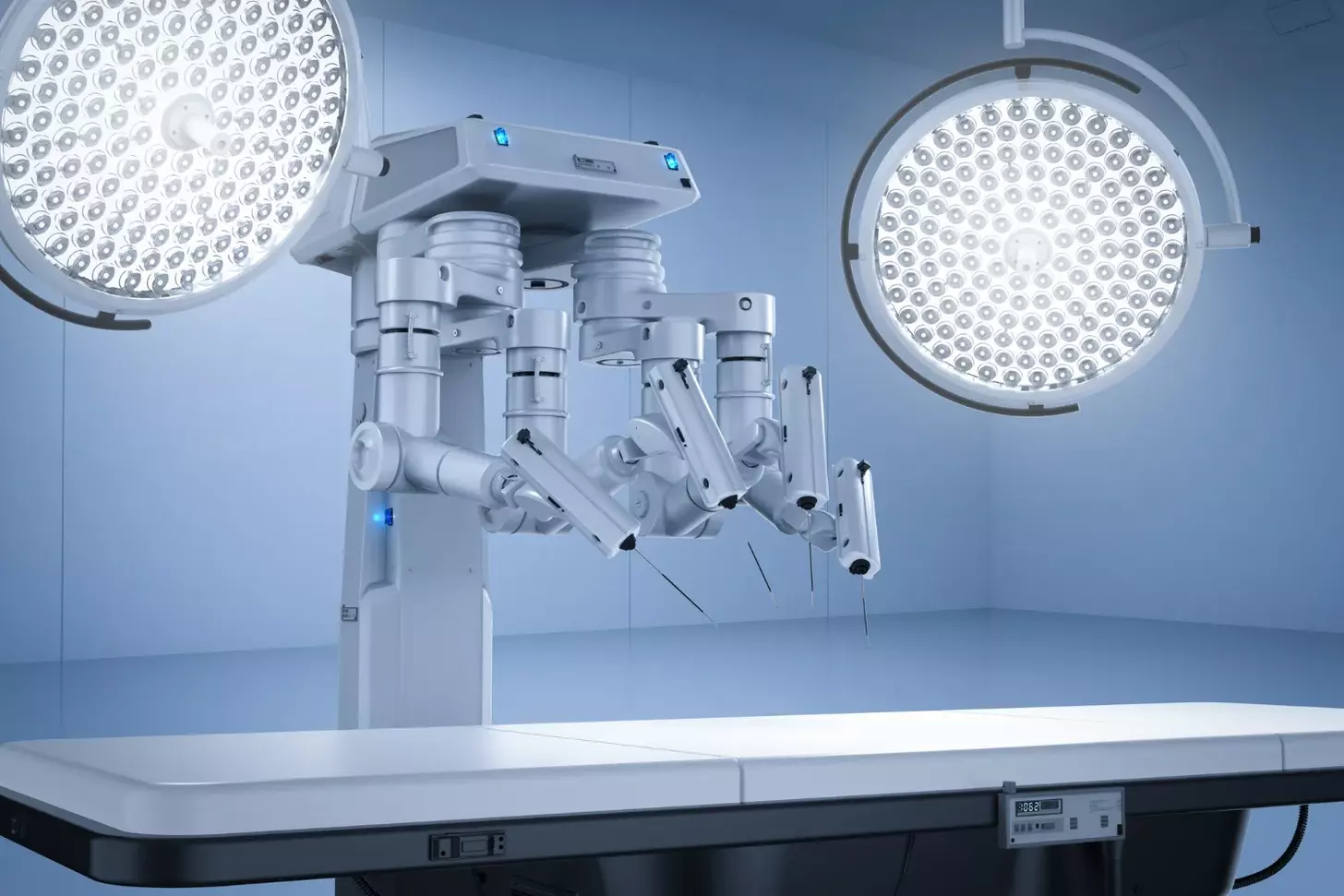
The da Vinci Robotic Surgery System is changing surgery for the better. It makes surgeries less invasive and is used in many areas like urology and gynecology. Over 14 million surgeries worldwide have been done with the da Vinci Surgical System.
This system offers better control and accuracy than traditional surgery. Liv Hospital has the latest da Vinci system, showing our dedication to top-notch care. The maker, Intuitive Surgical, Inc., has seen big growth, with a 21.4% increase in revenue to $2.44 billion last quarter.
Key Takeaways
- Advanced robotic technology enhances precision and dexterity in surgical procedures.
- The da Vinci system is used in over 14 million procedures worldwide.
- Expanding applications across various medical specialties, including urology and gynecology.
- Significant revenue growth for Intuitive Surgical, Inc., with a 21.4% year-over-year increase.
- Liv Hospital’s adoption of the da Vinci system showcases our commitment to excellence.
The Evolution of Robotic Surgery and the Da Vinci System
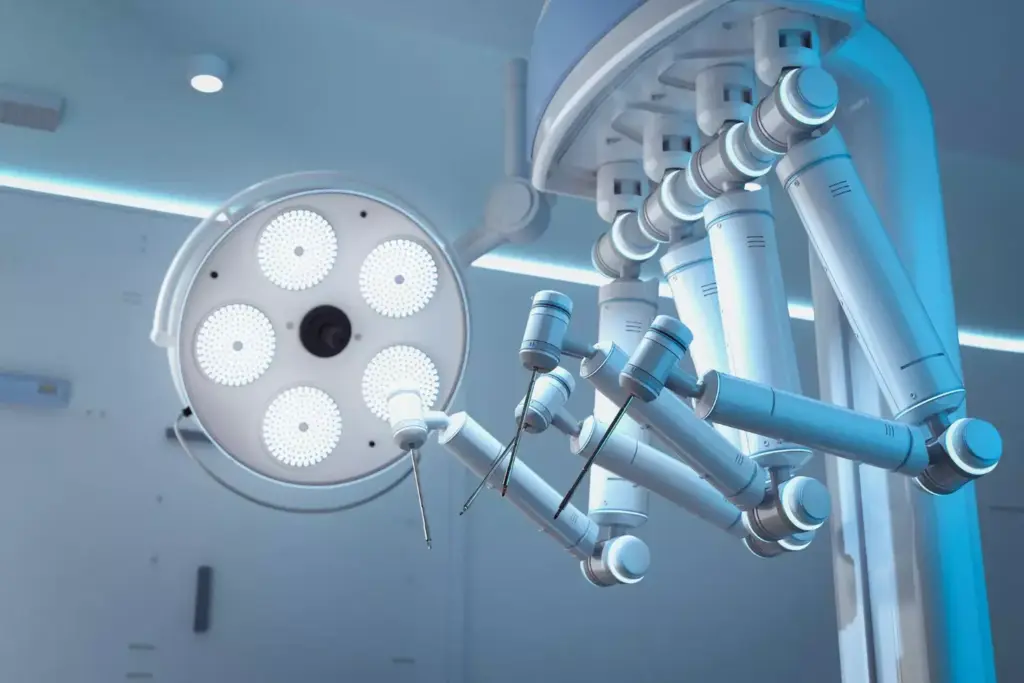
Robotic-assisted surgery has evolved a lot, thanks to systems like the da Vinci Surgical System. We’ve seen big changes in medical tech, changing how surgeries are done.
The Birth of Robotic-Assisted Surgery
Robotic surgery started as a way to fix old laparoscopic surgery’s problems. The first robots were made to be more precise and help patients heal faster. Intuitive Surgical, Inc. led this change, combining robotics with surgical skills.
At first, these robots were used for simple surgeries. But as tech got better, they could handle more complex tasks. This made surgeries easier and more precise for surgeons.
Development of the Da Vinci Surgical System
The da Vinci Surgical System came out in the late 1990s. It’s a key part of robotic surgery today. It lets surgeons see and control things better during surgery. The system has a surgeon console, a robotic cart, and a vision cart for clear images.
Key advancements in the da Vinci System include its wristed instruments. These give surgeons more movement than old laparoscopic tools. Also, its 3D high-definition vision helps surgeons see complex areas better.
Impact on Modern Surgical Practices
The da Vinci System has changed surgery a lot. It lets surgeons do complex surgeries with more precision and less invasion. It also cuts down on blood loss, pain, and recovery time. This has made surgeries better for many patients.
As we keep improving robotic surgery, the da Vinci System is at the forefront. It’s shaping the future of surgery and what’s possible in the operating room.
Understanding Da Vinci Machine Surgery: Core Components and Functionality
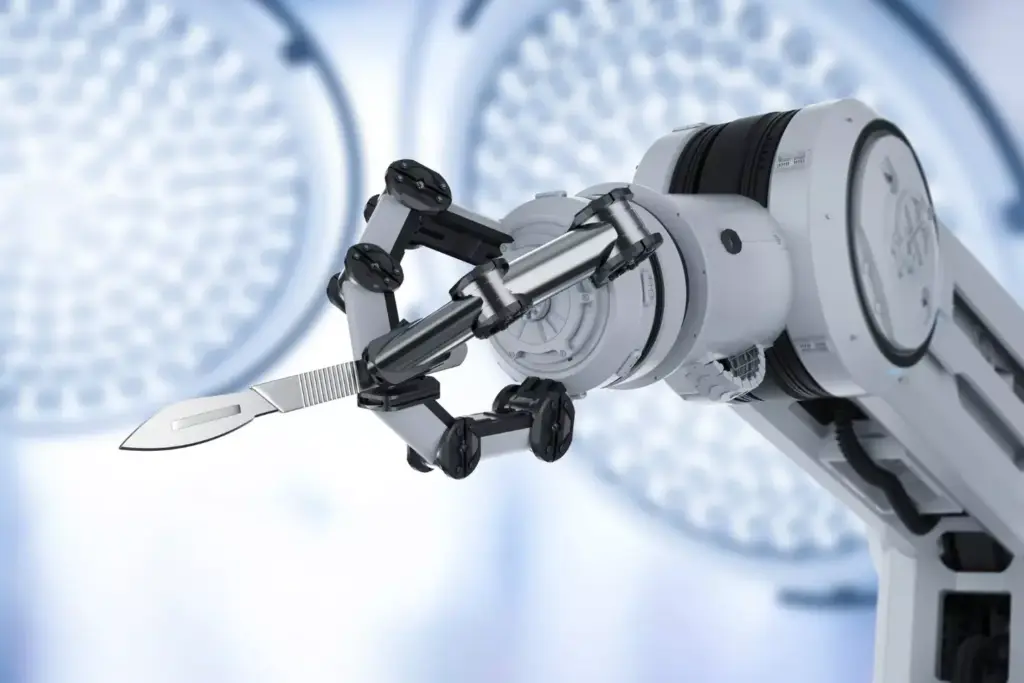
The Da Vinci System has three main parts. We’ll see how these parts work together. They help surgeons do complex surgeries with great precision and control.
The Patient Cart: Robotic Arms and Instruments
The Patient Cart is key to the Da Vinci System. It has robotic arms and instruments that mimic a surgeon’s hands. The da Vinci arm is amazing, with lots of motion and flexibility during surgery.
The robotic arms have EndoWrist instruments with seven degrees of freedom. This lets surgeons do very fine work inside the body. It’s very important for detailed surgeries.
The Surgeon Console: Control Center for Precision
The Surgeon Console is where the surgeon works. It has a 3D high-definition system and hand controls. The console provides an immersive experience, letting surgeons focus on the surgery.
The hand controls at the console make the robotic instruments move exactly as the surgeon wants. This makes the surgery easier and less tiring.
The Vision Cart: Imaging and Processing Systems
The Vision Cart has the systems for the Da Vinci System’s advanced vision. It has high-definition cameras and software for clear and detailed views of the surgery site.
The Vision Cart’s power lets it process images in real time. This helps the surgeon see and navigate complex areas during surgery.
Key Feature 1: Advanced 3D High-Definition Visualization
The Da Vinci System’s 3DHD visualization changes how surgeons see and work on the surgical site. This key feature gives surgeons the clear view they need for precise procedures.
Enhanced Depth Perception for Surgeons
The 3DHD system helps surgeons see depth better. This is vital for complex surgeries where mistakes can be costly.
Research shows that this better depth perception leads to fewer complications and better patient results. Surgeons can see the anatomy clearly, making better decisions during surgery.
Magnification Capabilities
The Da Vinci System also offers great magnification. This lets surgeons see tiny details clearly, improving their work in delicate surgeries.
This magnification is key in surgeries that need careful handling, like neurosurgery. It gives surgeons a clear view, helping them work with more confidence and precision.
Comparison to Traditional Laparoscopic Imaging
The Da Vinci System’s 3DHD visualization beats traditional laparoscopic imaging in many ways. Traditional systems give a 2D view, which limits depth perception and makes surgeries harder.
| Feature | Da Vinci 3DHD Visualization | Traditional Laparoscopic Imaging |
|---|---|---|
| Visualization Type | 3D High-Definition | 2D Standard Definition |
| Depth Perception | Enhanced | Limited |
| Magnification | High Magnification Capabilities | Limited Magnification |
The table shows the Da Vinci System’s 3DHD visualization offers a better surgical experience than traditional imaging. This leads to more precise surgeries and better patient care.
“The Da Vinci System’s 3DHD visualization has been a game-changer in our operating room, allowing us to perform complex procedures with greater ease and precision.”
By using the Da Vinci System’s 3DHD visualization, surgeons can improve their skills and care for patients better. As robotic surgery evolves, features like 3DHD visualization will keep leading the way.
Key Feature 2: Wristed Instruments with Enhanced Dexterity
The Da Vinci System’s wristed instruments bring unmatched dexterity to the operating room. This feature is key to the system’s success in complex surgeries. It allows for precise work.
The Da Vinci Arm’s Range of Motion
The Da Vinci arm mimics the human wrist’s movement. This makes surgery feel more natural and intuitive. Surgeons can now do detailed work with more ease and accuracy.
The system’s design also simplifies complex surgeries. It makes it easier for surgeons to work in tight spaces.
EndoWrist Technology Explained
EndoWrist technology is at the core of the Da Vinci System’s wristed instruments. It gives surgeons tools with unmatched range of motion. These instruments work perfectly with the Da Vinci System’s robotic arms, making surgery smooth and natural.
Advantages Over Traditional Surgical Tools
The Da Vinci System’s wristed instruments have many benefits. They offer better dexterity, precision, and the ability to do complex surgeries through small incisions. This leads to less invasive surgeries for patients, with fewer complications and quicker recovery times.
We see the Da Vinci System as a major leap in surgical care. Its advanced technology is a game-changer.
Key Feature 3: Intuitive Motion Control System
The da Vinci Surgical System is changing robotic surgery with its advanced motion control. This feature lets surgeons do complex tasks with better precision and control.
The da Vinci System’s motion control offers natural hand-eye coordination. This makes it easier for surgeons to focus on the surgery without getting lost in the robotic system’s details.
Natural Hand-Eye Coordination
The da Vinci System is designed to let surgeons’ hands and instruments move together naturally. This intuitive control makes it easier for surgeons to learn and do delicate surgeries.
Motion Scaling for Precision
The da Vinci System also has motion scaling. This lets surgeons make big movements that are scaled down to tiny, precise actions inside the body. This improves the surgery’s precision.
For example, a surgeon can make a big hand movement that turns into a tiny, precise action of the instrument tip. This is great for detailed work like dissections or suturing. Studies have shown big benefits in precise surgeries like these.
Tremor Filtration Technology
The da Vinci System also has tremor filtration technology. It removes the natural tremors that can happen during surgery. This is very helpful for precise surgeries, keeping the instruments stable and accurate.
With intuitive motion control, motion scaling, and tremor filtration, the da Vinci Surgical System gives surgeons the tools they need for complex surgeries. They can do these tasks with confidence and precision.
Key Feature 4: Minimally Invasive Approach with Smaller Incisions
The Da Vinci System is a big step forward in surgery. It lets doctors do operations with more precision and less invasion. This is key to its design, bringing many benefits to patients.
Reduced Scarring and Tissue Trauma
The Da Vinci System uses smaller incisions. This means less scarring and less damage to tissues. It’s great for those worried about how they’ll look after surgery. Smaller cuts also lower the chance of infection and help wounds heal faster.
Faster Recovery Times for Patients
The Da Vinci System helps patients get better faster. It cuts down on tissue damage and makes incisions smaller. This means patients can get back to their daily lives sooner.
Studies show robotic surgery leads to shorter hospital stays and quicker recovery. This is a big plus for patients.
Lower Risk of Complications
The Da Vinci System also lowers the risk of problems during and after surgery. Its advanced tech allows for more precise work. This means less chance of bleeding and other issues.
In short, the Da Vinci System’s approach offers many benefits. These include less scarring, quicker healing, and fewer complications. It’s a great choice for both patients and doctors, leading to better results in many surgeries.
Key Feature 5: Specialized Applications Across Medical Specialties
The Da Vinci Surgery System is a key tool in many medical fields. It brings better precision and flexibility to surgeries. This system is changing how surgeries are done, improving results for patients everywhere.
Its use in many surgical areas shows its great versatility. The Da Vinci System is leading a big change in surgery.
Urology: Prostatectomy and Kidney Procedures
In urology, the Da Vinci System has changed prostate and kidney surgeries. It offers 3D high-definition visualization and precise robotic arms. This lets surgeons do complex operations more accurately.
A study in the Journal of Urology found benefits. Da Vinci System use in prostate surgery led to less blood loss and shorter stays in the hospital.
| Procedure | Benefits with Da Vinci System |
|---|---|
| Prostatectomy | Reduced blood loss, shorter hospital stay |
| Kidney Surgery | Less postoperative pain, faster recovery |
Gynecology: Hysterectomy and Fertility-Sparing Surgeries
In gynecology, the Da Vinci System is used for surgeries like hysterectomy and those that save fertility. It’s precise and minimally invasive. This reduces risks and speeds up recovery.
“The Da Vinci System has significantly improved our ability to perform complex gynecological surgeries with precision and minimal invasiveness, leading to better patient outcomes.”
General and Thoracic Surgery Applications
The Da Vinci System is also used in general and thoracic surgery. It makes complex surgeries like esophagectomy and lobectomy easier and more precise.
Its advanced tech gives enhanced dexterity and improved visualization. This makes it a valuable tool in these areas.
Emerging Specialties and Procedures
The Da Vinci System is also being used in new areas and procedures. Its flexibility and precision are opening up new possibilities in surgery. This is pushing the limits of what’s possible in medicine.
With ongoing improvements and training, the Da Vinci System will play a bigger role in surgery’s future. It will help shape the future of many medical specialties.
The Clinical Impact of Da Vinci Machine Surgery on Patient Outcomes
Da Vinci machine surgery brings many benefits to patient care. It improves various aspects of care. Understanding its positive effects on patient outcomes is key.
Reduced Blood Loss and Transfusion Rates
Da Vinci surgery reduces blood loss during operations. Studies show it leads to less bleeding than traditional surgery. This means fewer blood transfusions and lower risks of complications.
Benefits of Reduced Blood Loss:
- Lower risk of transfusion-related complications
- Reduced risk of infection transmission
- Faster recovery times due to less tissue trauma
Shorter Hospital Stays and Recovery Periods
Da Vinci surgery leads to shorter hospital stays and quicker recovery. Its minimally invasive nature causes less damage. This results in faster healing and less pain.
| Surgical Outcome | Da Vinci Surgery | Traditional Surgery |
|---|---|---|
| Average Hospital Stay | 2-3 days | 4-6 days |
| Recovery Time | 3-6 weeks | 6-12 weeks |
Pain Management and Quality of Life Improvements
Da Vinci surgery improves pain management and quality of life. Smaller incisions and less trauma mean less pain. This makes patients more comfortable and reduces the need for pain meds.
“The da Vinci System has revolutionized the way we perform surgery, making it safer, more precise, and less invasive,” says a renowned robotic surgeon.
Healthcare providers use da Vinci surgery to improve patient outcomes. As robotic technology advances, we’ll see even better care and recovery.
Key Feature 6: Force Feedback and Haptic Technology in Modern Da Vinci Models
Da Vinci systems now use force feedback and haptic technology. This is a big change in robotic-assisted surgery. It changes how surgeons work and see the surgery area.
Evolution of Tactile Feedback in Robotic Surgery
Tactile feedback in robotic surgery has grown a lot. At first, robots didn’t give surgeons real touch feedback. They mostly used what they saw. But now, systems like the da Vinci 5 have added force feedback and haptic technology. This makes the surgeon’s experience better.
This change is because surgeons need to be more precise and in control. These new technologies help make the surgeon’s actions feel more natural and easy.
Implementation in Newer Da Vinci Models
New Da Vinci models use force feedback and haptic technology. This lets surgeons feel what’s happening during surgery. It works by using special sensors and algorithms to send feedback to the surgeon.
Creating these systems is very complex. It needs careful engineering to make sure the feedback is right and on time. It also needs to work well with the robot.
Clinical Benefits of Enhanced Sensory Input
There are many benefits to using force feedback and haptic technology. Surgeons can now feel the texture and resistance of tissues. This is very helpful in delicate surgeries.
- Improved precision in tissue handling
- Enhanced ability to identify and preserve critical structures
- Better control over surgical instruments
These advantages lead to better results for patients. Surgeons can do complex surgeries with more confidence and skill. The extra sensory feedback also helps surgeons focus more on the surgery. They don’t have to rely as much on what they see.
Key Feature 7: Real-Time Surgical Insights and Data Integration
The Da Vinci System changes how surgeons work, giving them key info during tough surgeries. This feature makes surgeries more precise and effective.
Intraoperative Imaging Capabilities
The Da Vinci System has top-notch intraoperative imaging. It lets surgeons see the surgery area in high definition. This is key for dealing with tricky anatomy and spotting problems early.
Key benefits of intraoperative imaging include:
- Enhanced visualization of the surgical site
- Improved accuracy in navigating complex anatomy
- Better identification of possible complications
Surgical Analytics and Performance Metrics
The Da Vinci System gives surgeons analytics and performance metrics. This lets them check their skills and make informed choices. It helps improve surgical techniques and patient results.
The analytics capabilities offer insights into:
- Surgical precision and accuracy
- Procedure duration and efficiency
- Complication rates and risk factors
Integration with Hospital Information Systems
It works smoothly with hospital systems, keeping patient data current and easy to get. This makes the surgery process smoother, cutting down on paperwork and improving care.
The benefits of this integration include:
- Streamlined access to patient data
- Improved coordination among healthcare teams
- Enhanced patient safety through accurate and timely information
With real-time insights and data integration, the Da Vinci System raises the bar in surgery. It helps surgeons give patients the best care possible.
Conclusion: The Future of Da Vinci Robotic Surgery
The da Vinci robotic surgery system is always getting better. Intuitive Surgical, Inc. keeps working on new things. This makes the da Vinci system even more powerful.
Over 14 million procedures have been done worldwide with the da Vinci system. It has changed surgery a lot. The new da Vinci 5 system has Force Feedback technology. This lets surgeons feel the force on tissue, which is a big improvement.
The da Vinci system will keep making surgery better for patients. For more on the latest in da Vinci robotic surgery,
We can count on the da Vinci system to lead in medical technology. It will help surgeons give great care. And it will help patients get the benefits of less invasive surgery.
What is da Vinci Machine Surgery?
Da Vinci Machine Surgery is a robotic-assisted surgery. It uses the da Vinci Surgical System for complex procedures. This leads to better outcomes.
How does the da Vinci System work?
The da Vinci System has three main parts: the patient cart, surgeon console, and vision cart. Together, they give surgeons better dexterity, accuracy, and vision.
What are the benefits of da Vinci robotic surgery?
Da Vinci robotic surgery has many benefits. It reduces scarring and recovery times. It also lowers the risk of complications and improves patient outcomes in many areas.
What medical specialties can the da Vinci System be used for?
The da Vinci System is used in many specialties. These include urology, gynecology, general surgery, thoracic surgery, and more.
How does the da Vinci System’s 3DHD visualization compare to traditional laparoscopic imaging?
The da Vinci System’s 3DHD visualization offers better depth perception and magnification. This makes dissection and suturing more precise.
What is the significance of the da Vinci System’s wristed instruments?
The da Vinci System’s wristed instruments give surgeons more dexterity and accuracy. This makes complex procedures easier to perform.
How does the da Vinci System’s intuitive motion control system work?
The da Vinci System’s motion control system offers natural hand-eye coordination. It also has motion scaling and tremor filtration. This allows for precise and accurate movements.
Can the da Vinci System be integrated with hospital information systems?
Yes, the da Vinci System can be integrated with hospital information systems. This gives surgeons real-time surgical insights and data analytics.
What is the future of da Vinci robotic surgery?
The future of da Vinci robotic surgery looks promising. Ongoing innovations and advancements will continue to improve patient outcomes and expand procedure capabilities.
Is the da Vinci System available worldwide?
Yes, the da Vinci System is available worldwide. We provide support for international patients seeking advanced medical treatments.
How does the da Vinci System reduce blood loss and transfusion rates?
The da Vinci System’s advanced visualization and instrumentation reduce bleeding risk. This leads to fewer transfusions.
What is the role of force feedback and haptic technology in da Vinci robotic surgery?
Force feedback and haptic technology in modern da Vinci models enhance sensory input. This provides a more immersive and intuitive experience for surgeons.
References
National Center for Biotechnology Information. Evidence-Based Medical Guidance. Retrieved from https://www.ncbi.nlm.nih.gov/pmc/articles/PMC9714582/