
Nearly 6 million surgeries have used the da Vinci platform worldwide. This highlights its significant impact in modern medicine. Achieve quick elite healing with the Da Vinci system robotic tool. Learn the amazing secrets to a miraculous and brilliant recovery.
Going through surgery can be scary. Knowing about the recovery is key for those thinking about da Vinci robotic surgery. The da Vinci method is a new way to do surgery. It lets doctors do complex tasks with great care. How long it takes to get better depends on the surgery and the patient’s health.
We focus a lot on taking care of our patients during recovery. Our team works hard to help patients get through their recovery time smoothly.
Key Takeaways
- Recovery times for da Vinci surgery vary based on the procedure and patient health.
- The da Vinci surgical platform enables minimally invasive and precise operations.
- Comprehensive patient care and support are key during the recovery journey.
- Understanding the recovery process is vital for those thinking about da Vinci surgery.
- Our institution puts a big focus on patient care and guidance during recovery.
Understanding the da Vinci System Robotic Technology

The da Vinci Surgical System is a big step forward in robotic surgery. It gives surgeons better precision and control. This technology has changed how complex surgeries are done, making them less invasive for patients.
The da Vinci System’s core is its advanced robotic platform. It helps surgeons do detailed operations more accurately. The system’s 3D vision and robotic arms work together for precision hard to get with old surgery methods.
How the da Vinci Surgical System Works
The da Vinci System uses robotic arms and 3D vision. Surgeons control the arms from a console, seeing the surgery site in real-time. The system turns the surgeon’s hand movements into precise actions, making complex surgeries easier.
The latest version, da Vinci5, has better 3D imaging and control. It also has Force Feedback technology. This lets surgeons feel tissue resistance, making their movements more precise.
Key Components of the da Vinci Robotic Platform
The da Vinci Platform has several important parts for complex surgeries. These include:
- The Surgeon Console: Where the surgeon controls the arms and sees the site on a display.
- The Patient Cart: Houses the robotic arms with instruments and a camera.
- The Vision Cart: Offers 3D visualization of the surgical site.
|
Component |
Function |
|---|---|
|
Surgeon Console |
Controls the robotic arms and displays the surgical site |
|
Patient Cart |
Houses the robotic arms with surgical instruments and camera |
|
Vision Cart |
Provides high-definition 3D visualization |
A leading surgeon says, “The da Vinci System has changed surgery, giving us unmatched precision. Its tech has greatly improved patient results in complex surgeries.”
“The da Vinci System has been a game-changer in our ability to perform complex surgeries with minimal invasion. The precision and control it offers are unparalleled.”
A renowned surgeon
The da Vinci System’s advanced tech, like its robotic arms and 3D vision, sets a new standard in surgery. Knowing how it works and its parts helps us see its big benefits for surgeons and patients.
Benefits of Robotic-Assisted Surgery with da Vinci
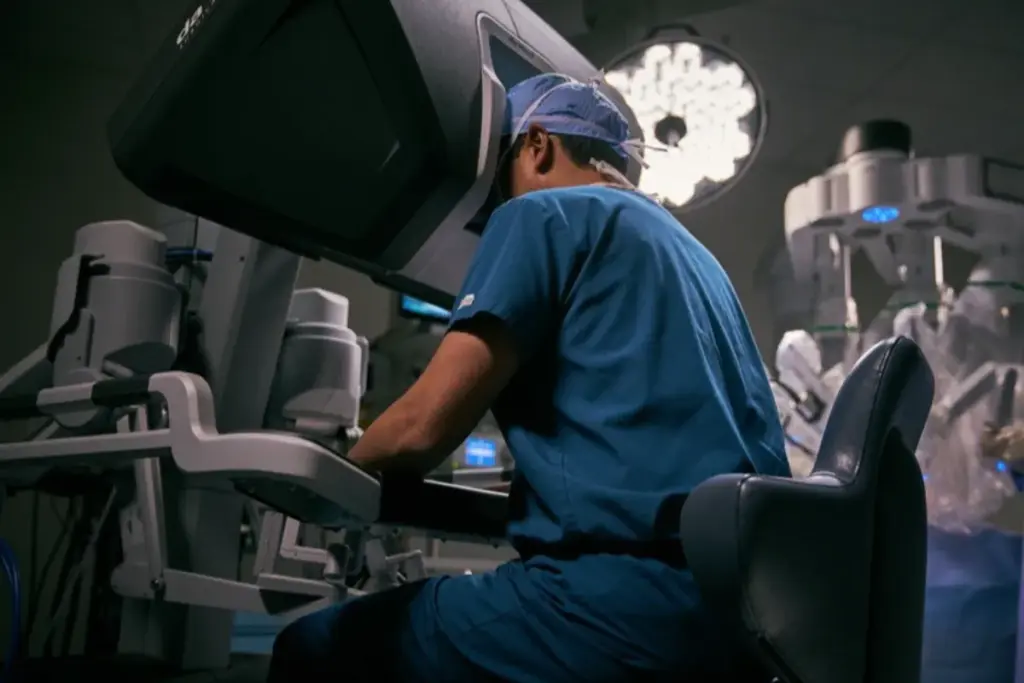
Robotic-assisted surgery with the da Vinci system is known for its small incisions and high precision. It lets surgeons do complex tasks with better accuracy and control. This leads to better results for patients.
Minimally Invasive Approach
The da Vinci system uses a minimally invasive approach. This means less damage to tissues, less pain, and faster healing. Patients can get back to their daily lives sooner.
Enhanced Precision and Control
The da Vinci robotic platform offers enhanced precision and control during surgery. Its advanced technology lets surgeons make precise movements. This reduces the risk of complications and improves surgery quality.
Reduced Trauma to Surrounding Tissues
Robotic-assisted surgery with da Vinci also means reduced trauma to surrounding tissues. Its precise movements help in preserving tissues. This leads to less pain after surgery and faster healing.
Robotic-assisted surgery with the da Vinci system offers a better surgical experience. It combines the surgeon’s expertise with the advanced capabilities of robotic technology.
General Recovery Timeline After da Vinci Surgery
The time it takes to recover from da Vinci surgery varies. It depends on the type of surgery and the patient’s health. Most people follow a similar recovery path, but it’s unique for each person.
Immediate Post-Operative Period (0-24 hours)
Right after da Vinci surgery, patients go to the recovery room. There, they are watched closely for a few hours. Doctors manage pain and check for any complications.
Most patients stay in the hospital for a few hours to a few days. This depends on the surgery’s complexity and their health.
Short-Term Recovery (1-2 weeks)
In the first two weeks, patients might feel tired, sore, and limited. It’s important to eat well, start moving slowly, and follow doctor’s orders. This helps them get better and stronger.
Long-Term Recovery (2+ weeks)
Recovery can take longer than two weeks. Patients should avoid heavy lifting and hard activities for weeks. Regular check-ups with the doctor are also key.
Most people can get back to normal in a few weeks to a couple of months. It’s vital to listen to your body and seek help if you notice anything odd. Knowing the recovery timeline helps prepare for the journey ahead.
Factors Affecting Recovery Time
The time it takes to recover from da Vinci robotic surgery depends on several key factors. Knowing these can help both patients and doctors manage the recovery better.
Patient Age and Overall Health
A patient’s age and health are big factors in recovery time. Younger patients with fewer health issues usually recover faster. Conditions like diabetes, heart disease, or lung problems can make recovery harder. It’s important for patients to manage these conditions well before surgery.
We stress the need for a detailed check-up before surgery to spot any health risks. This way, we can create care plans that fit each patient’s needs, helping them recover better.
Type and Complexity of Procedure
The type and complexity of the surgery also affect recovery time. More complex surgeries need longer to recover. The surgeon’s skill with the da Vinci system also matters. More experience can mean faster and less invasive procedures.
Adherence to Post-Operative Instructions
Following post-operative instructions is key for a smooth recovery. This includes managing pain, caring for the wound, and staying active. Patients who stick to their surgeon’s advice usually face fewer problems and recover faster. We give detailed instructions and support to help our patients recover well.
By understanding and tackling these factors, we can improve recovery outcomes for da Vinci surgery patients together.
Recovery After da Vinci Prostatectomy
Knowing how to recover after da Vinci prostatectomy is key for patients. This surgery is faster than traditional methods, helping patients heal quicker.
Hospital Stay Duration
Patients usually stay in the hospital for 1 to 3 days after the surgery. This time helps doctors watch for any problems and manage pain well.
Physical Activity Restrictions
After leaving the hospital, patients should avoid heavy lifting and bending for weeks. They can start doing normal things again, like driving and going back to work, in 1 to 3 weeks. This depends on their health and job type.
Here’s a guide for physical activity:
- Immediate post-operative period (0-7 days): Rest and minimal activity
- 1-2 weeks post-operative: Gradually introduce light walking and stretching
- 2-4 weeks post-operative: Progress to more strenuous activities, avoiding heavy lifting
- 4-6 weeks post-operative: Resume normal activities, including exercise
Managing Side Effects
Side effects like urinary incontinence, erectile dysfunction, and mild discomfort are common. They usually go away with time and proper care.
Here’s how to handle these side effects:
|
Side Effect |
Management Strategy |
|---|---|
|
Urinary Incontinence |
Pelvic floor exercises (Kegel exercises), use of incontinence pads |
|
Erectile Dysfunction |
Medication (e.g., PDE5 inhibitors), nerve-sparing surgery techniques |
|
Mild Discomfort |
Pain management medication, rest, and gradual return to activities |
Following doctor’s orders and attending follow-up visits is vital for a smooth recovery. Knowing what to expect helps patients prepare for their journey.
Recovery After da Vinci Hysterectomy
Recovering from a da Vinci hysterectomy takes time, patience, and understanding. It’s a big decision, and knowing what to expect can ease worries. It helps prepare you for the healing journey ahead.
Expected Hospital Stay
The time you’ll spend in the hospital varies. It depends on your health and the surgery’s complexity. Usually, you’ll stay for 1 to 3 days. Medical staff will watch over you, manage pain, and check your progress.
Return to Normal Activities Timeline
Getting back to normal takes time. You can start with light activities in 1 to 2 weeks. But, always listen to your doctor’s advice. They know what’s best for you.
Heavy lifting and strenuous activities should wait for 4 to 6 weeks. This lets your body heal fully.
|
Activity Level |
Expected Timeline |
|---|---|
|
Light Activities |
1-2 weeks |
|
Moderate Activities |
2-4 weeks |
|
Strenuous Activities |
4-6 weeks |
Common Recovery Challenges
Even though it’s a minimally invasive surgery, recovery can be tough. You might face pain, vaginal bleeding, or emotional changes. It’s important to follow your doctor’s instructions and contact them if you have concerns.
Knowing what to expect can help you through the recovery. Our team is here to support you every step of the way.
Recovery After da Vinci Cardiac Procedures
Cardiac rehabilitation is key after da Vinci cardiac surgery. We help patients recover fully. It’s a big step, and we’re here to support you every step of the way.
Cardiac Rehabilitation Process
The cardiac rehab process helps patients get stronger and healthier. It starts right after surgery and goes on for weeks or months.
Key components of cardiac rehabilitation include:
- Exercise training to improve cardiovascular health
- Education on heart-healthy lifestyle changes
- Nutritional counseling
- Stress management techniques
- Medication management guidance
Activity Progression Schedule
Patients start slowly with physical activity after da Vinci surgery. The plan is made just for you, based on your health.
|
Week |
Activity Level |
Guidelines |
|---|---|---|
|
1-2 |
Limited activity |
Avoid heavy lifting, bending, or strenuous exercise |
|
3-4 |
Gradual increase |
Start with short walks, gradually increase duration and frequency |
|
5-6 |
Moderate activity |
Introduce light aerobic exercises, such as cycling or swimming |
Long-term Monitoring Requirements
Keeping an eye on heart health is vital after da Vinci surgery. It helps catch any issues early.
Regular check-ups with your doctor are important. They help track your progress and adjust your care plan if needed.
Recovery After da Vinci Gastrointestinal Surgery
Recovering from da Vinci gastrointestinal surgery means following a special diet, managing pain, and slowly getting back to normal. Understanding these steps is key to a smooth recovery.
Dietary Restrictions and Progression
After surgery, you’ll need to stick to a certain diet. You’ll start with clear liquids and then move to solid foods as you heal.
- Liquids and soft foods are recommended in the first few days post-surgery.
- Patients are advised to avoid heavy, spicy, or hard-to-digest foods.
- A gradual introduction to normal dietary habits is encouraged as recovery progresses.
Pain Management Strategies
Managing pain well is important for a comfortable recovery. We suggest using medication and other methods to control pain.
- Prescribed pain medication should be taken as directed by your healthcare provider.
- Additional techniques such as deep breathing, relaxation, or cold compresses may be helpful.
- It’s essential to report any severe or unmanaged pain to your healthcare team.
Return to Work Timeframe
When you can go back to work depends on your surgery and how fast you recover. Usually, it takes a few weeks.
- Most patients can resume light activities within 1-2 weeks.
- Strenuous activities or heavy lifting may need to be avoided for 3-6 weeks.
- Your healthcare provider will offer personalized guidance on returning to work and resuming normal activities.
By sticking to these guidelines and working with your healthcare team, you can have a successful recovery after da Vinci gastrointestinal surgery.
Post-Operative Care Instructions
After da Vinci robotic surgery, it’s key to follow care instructions for healing. We know a smooth recovery is as vital as the surgery. We’re here to help you through it.
Wound Care Guidelines
Keeping the wound clean and dry is vital to avoid infection and aid healing. Your healthcare team will give you specific instructions. Watch for signs of infection like redness, swelling, or discharge and tell your doctor right away.
Medication Management
Following your medication plan is critical for pain management, infection prevention, and recovery. We’ll give you a detailed schedule and how to handle side effects. Stick to the dosage and timing for best results.
Follow-up Appointment Schedule
Follow-up visits are key to your care. We’ll check on your healing, remove sutures or drains, and answer your questions. It’s important to keep these appointments for a good recovery.
By following these care instructions, you can avoid complications and recover quickly. Our team is ready to support you at every step.
Potential Complications and Their Impact on Recovery
The da Vinci surgical system, like any medical procedure, carries risks of complications that can influence recovery. While da Vinci surgery is designed to minimize risks, understanding these complications is key for effective post-operative care.
Common Minor Complications
Minor complications after da Vinci surgery can include temporary discomfort, swelling, or bruising at the surgical site. These issues usually go away within a few weeks. Proper post-operative care can help lessen these effects and support a smoother recovery time.
- Mild pain or discomfort
- Swelling or bruising around the incision sites
- Temporary difficulty with urination or bowel movements
Serious Complications Requiring Intervention
Though less common, serious complications can occur and may require medical intervention. These can include infection, significant bleeding, or damage to surrounding tissues. It’s vital to recognize these complications quickly for effective management.
|
Complication |
Symptoms |
Action Required |
|---|---|---|
|
Infection |
Fever, redness, swelling, or discharge from the incision site |
Antibiotics, possible drainage of the infection |
|
Significant Bleeding |
Excessive bleeding or hematoma formation |
Surgical intervention to control bleeding |
Warning Signs to Watch For
Knowing the warning signs of complications can help patients seek timely medical attention. It’s important to watch for symptoms like severe pain, difficulty breathing, or signs of infection.
Understanding the possible complications and their effect on recovery time helps patients navigate their post-operative care better. Following post-operative instructions and keeping in touch with healthcare providers can greatly improve the recovery process.
Comparing Recovery: da Vinci System Robotic vs. Traditional Surgery
Knowing the recovery differences between da Vinci robotic surgery and traditional surgery is key. We’ll look at how hospital stay, pain, and long-term health vary between these methods.
Hospital Stay Duration Differences
Da Vinci robotic surgery often means shorter hospital stays. This is because it causes less damage and pain compared to traditional surgery. This leads to quicker recovery times.
- Robotic Surgery: Usually, patients go home in 24 to 48 hours.
- Traditional Surgery: Stays can be longer, sometimes up to a week, based on the surgery and recovery.
Pain Level Comparisons
Pain management is vital in recovery. Da Vinci robotic surgery causes less damage and pain. This makes recovery less painful.
- Robotic Surgery: Patients feel less pain and need less pain medicine.
- Traditional Surgery: May cause more pain, needing more pain management.
Long-term Outcome Differences
Da Vinci robotic surgery and traditional surgery have different long-term effects. The da Vinci system’s precision can lead to better results in some cases.
- Robotic Surgery: Often means quicker return to normal life and fewer long-term issues.
- Traditional Surgery: May have a longer recovery and higher risk of long-term problems.
In summary, da Vinci robotic surgery has clear advantages in recovery over traditional surgery. Understanding these differences helps patients choose the best care for themselves.
Patient Experiences with da Vinci Robotic Surgery Recovery
Many patients have shared their stories after da Vinci robotic surgery. Their experiences offer insights into the recovery process. They talk about the benefits and challenges of this advanced technology.
Success Stories and Testimonials
Many patients say they felt less pain and recovered faster with da Vinci robotic surgery. For example, one patient was back to normal in a few weeks after a prostatectomy. They felt very little pain during recovery.
Another patient had a da Vinci hysterectomy. They were happy with the minimally invasive approach. The robotic technology made the surgery precise, leading to less blood loss and a shorter stay in the hospital.
Challenges Reported by Patients
Not all patients had a smooth recovery. Some faced challenges like managing pain, dealing with side effects, and adjusting to new diets.
One patient had a smooth start but then faced urinary incontinence after a prostatectomy. They needed physical therapy to fix it.
Advice from Previous Patients
Patients who had da Vinci robotic surgery give great advice. They say to follow post-operative instructions carefully, eat healthy, and drink plenty of water. These steps help with healing.
They also stress the need for a strong support system. Family, friends, and healthcare professionals are key during recovery. Their stories offer reassurance and guidance to others considering da Vinci robotic surgery.
Tips for Optimizing Recovery After Robotic Surgery
To recover well after robotic surgery, focus on nutrition, physical activity, and mental health. A complete recovery plan helps avoid complications and gets you back to normal faster.
Nutrition Recommendations
Good nutrition is key for healing after robotic surgery. Eating a balanced diet with all the necessary nutrients helps your body recover and stay healthy.
- Hydration: Drink at least 8-10 glasses of water a day.
- Protein Intake: Eat enough protein from foods like lean meats, fish, eggs, and legumes.
- Fruit and Vegetable Consumption: These foods are full of vitamins and minerals that aid healing.
- Avoid Processed Foods: Try to limit foods high in sugar and processed ingredients.
Physical Activity Guidelines
Starting to move again is important after robotic surgery. The right amount of activity helps prevent problems, speeds up healing, and boosts your mood.
- Start Slow: Begin with gentle exercises and short walks. Gradually increase as your doctor advises.
- Follow Doctor’s Orders: Stick to the activity plan given by your surgeon or healthcare team.
- Monitor Your Body: Listen to your body. If you feel pain or discomfort, stop and talk to your doctor.
Mental Health Considerations
Mental health is a big part of recovery. Keeping a positive mindset and managing stress can greatly improve your recovery and overall well-being.
- Stay Connected: Keep in touch with loved ones for support.
- Practice Relaxation Techniques: Try activities like meditation, deep breathing, or yoga to reduce stress.
- Seek Professional Help: If you’re struggling, don’t hesitate to get help from mental health experts.
|
Recovery Aspect |
Recommendations |
Benefits |
|---|---|---|
|
Nutrition |
Hydration, Protein Intake, Fruits and Vegetables |
Promotes Healing, Reduces Complications |
|
Physical Activity |
Start Slow, Follow Doctor’s Orders, Monitor Your Body |
Prevents Complications, Improves Well-being |
|
Mental Health |
Stay Connected, Practice Relaxation Techniques, Seek Professional Help |
Manages Stress, Enhances Recovery |
Conclusion
The da Vinci surgical system has changed surgery a lot. It uses a new way to operate that is less invasive. This means patients often have less pain and recover faster.
How long it takes to recover depends on the surgery, the patient’s health, and following doctor’s orders. Knowing what to expect helps patients get ready for a good outcome.
Da Vinci surgery is popular because it’s very precise. It offers many benefits, like better control during surgery. Proper care after surgery is key for a smooth recovery.
By following the advice in this article, patients can improve their recovery. This way, they can get the best results from their da Vinci surgery.
FAQ
What is the da Vinci surgical system?
The da Vinci surgical system is a cutting-edge robotic tool. It helps surgeons do complex surgeries with great precision and less invasion.
How does the da Vinci system work?
It uses robotic arms and a 3D vision system. This lets surgeons do detailed work with better control.
What are the benefits of using the da Vinci system for robotic-assisted surgery?
It’s a minimally invasive method. This means less damage to tissues, leading to quicker recovery times.
What is the typical recovery time after da Vinci surgery?
Recovery times vary based on the surgery type. But, it usually takes a few hours to days in the hospital, then weeks at home.
What factors affect recovery time after da Vinci surgery?
Age, health, surgery type, and following instructions are key. These factors influence how fast you recover.
How long does it take to recover from da Vinci prostatectomy?
Expect a few days in the hospital and weeks at home. This is for da Vinci prostatectomy recovery.
What is the recovery process like after da Vinci hysterectomy?
You’ll spend a few days in the hospital and weeks at home. Recovery is gradual, allowing you to get back to normal.
What are the dietary restrictions after da Vinci gastrointestinal surgery?
You’ll need to follow a specific diet. It will help you gradually get back to eating normally.
How can I manage pain after da Vinci surgery?
Managing pain is key. This includes using medication, resting, and following your doctor’s advice.
What are the possible complications after da Vinci surgery?
Complications can range from minor to serious. Watch for signs like infection or bleeding.
How does da Vinci robotic surgery compare to traditional surgery in terms of recovery?
Da Vinci surgery often has less recovery time and pain. It also has fewer complications compared to traditional surgery.
What are some tips for optimizing recovery after robotic surgery?
Good nutrition, following physical activity guidelines, and taking care of your mental health are important. They help in a smooth recovery.
How long does it take to return to work after da Vinci surgery?
Return to work times vary. It depends on the surgery type and your individual situation.
What is the role of cardiac rehabilitation after da Vinci cardiac procedures?
Cardiac rehab is essential. It helps patients regain strength and recover after da Vinci cardiac procedures.
How can I prevent complications after da Vinci surgery?
Proper care is key. This includes following wound care, managing medications, and attending follow-up appointments. It helps avoid complications.