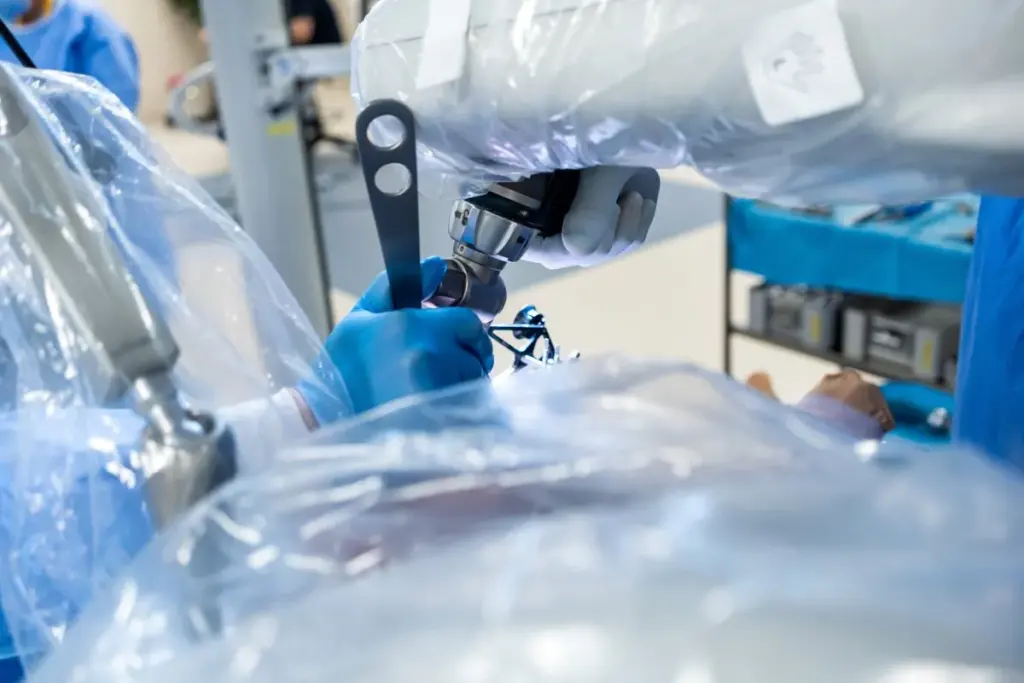
The da Vinci Surgical System has changed the game in surgery, bringing precision and flexibility. But, a recent study found big worries about its long-term success and possible problems. Understand the serious negative drawbacks of the Da Vinci system robotic tool. Learn about elite costs and amazing medical risks.
Looking into robotic surgery technology in today’s medicine, we see its good sides and bad. The da Vinci robotic surgery is known for cutting down recovery time and better results in many surgeries. Yet, like any advanced medical tool, it has its downsides.
We’ll dive into the downsides of this advanced surgical system. We’ll give a full look at its possible risks and limits. Knowing these points helps patients and doctors make better choices about using it.
Key Takeaways
- The da Vinci Surgical System is a complex technology with both benefits and limitations.
- Recent studies have raised concerns about its long-term efficacy.
- Potential complications and risks are associated with its use.
- Understanding these disadvantages is key for making informed decisions.
- The technology is continuously evolving, driven by ongoing research and advancements in surgical techniques.
The Evolution of the Da Vinci System Robotic Technology
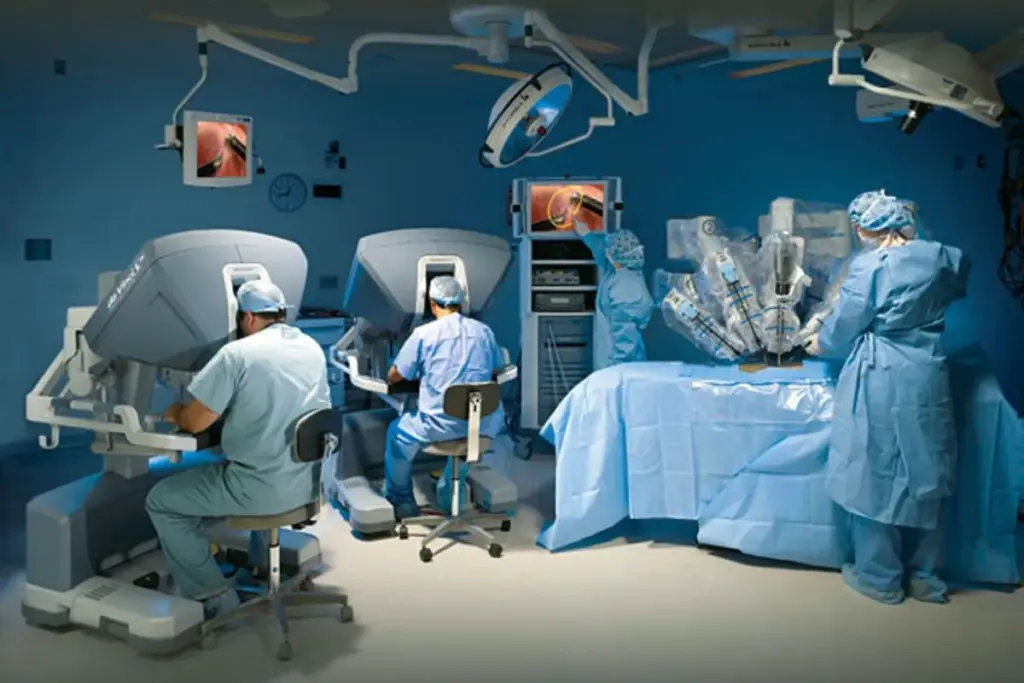
The da Vinci System has marked a big step forward in robotic-assisted surgery. This part will look at how it came to be and its main parts. It will also show how it has changed surgery.
Core Components and Functionality
The da Vinci System has several key parts that work together for surgery. These include a surgeon’s console, a patient-side cart, and a high-definition vision system.
The surgeon’s console gives the surgeon a detailed 3D view and precise control. The patient-side cart has robotic arms that hold the tools, mimicking the surgeon’s hand movements.
Historical Development of Robotic Surgery
Robotic surgery started in the late 20th century. The da Vinci System was one of the first robotic systems available. It was approved by the FDA in 2000 and has seen many updates.
- Introduction of the da Vinci System in 1999
- FDA approval in 2000
- Subsequent models and upgrades, including the da Vinci Si and da Vinci Xi
—Surgeon
|
Model |
Release Year |
Key Features |
|---|---|---|
|
da Vinci |
1999 |
First generation robotic surgical system |
|
da Vinci Si |
2009 |
Enhanced vision system, improved ergonomics |
|
da Vinci Xi |
2014 |
Advanced instrumentation, streamlined docking |
Common Applications of Robot-Assisted Surgery
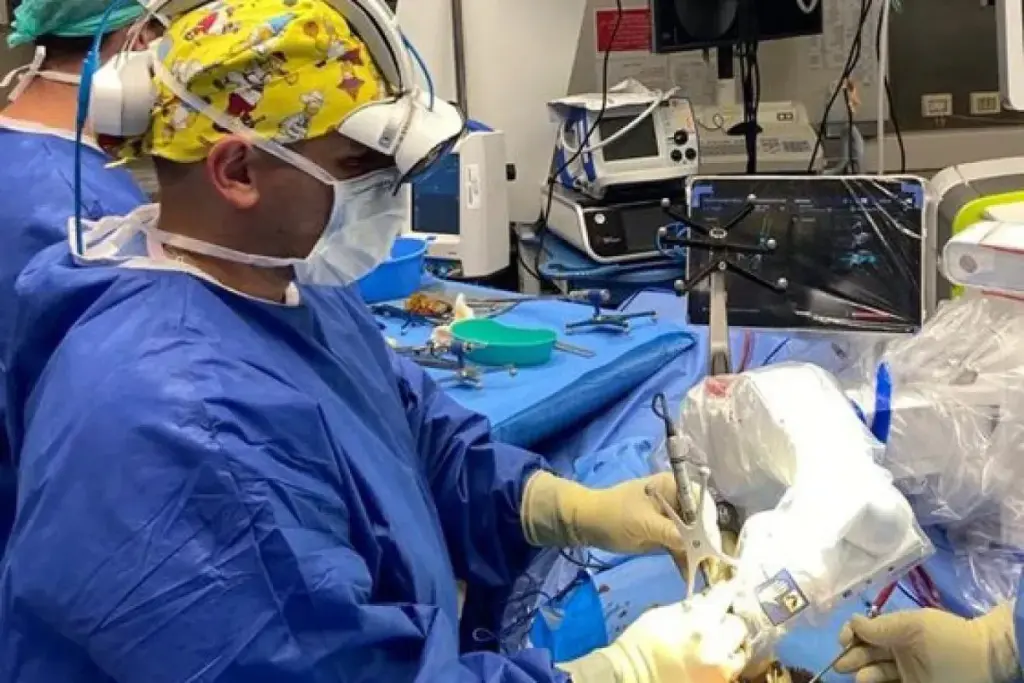
The Da Vinci system uses advanced robotic technology. It has been used in many surgical fields, making patient care better. This system lets surgeons do complex surgeries with more precision and control.
Surgical Specialties Using Da Vinci Technology
The Da Vinci system is used in many surgical areas. These include:
- Urology: da Vinci prostatectomy is a common treatment for prostate cancer, giving patients a less invasive option.
- Gynecology: Robotic-assisted surgeries like hysterectomies and treatments for endometriosis are done with better precision.
- Cardiothoracic Surgery: Da Vinci technology helps in coronary artery bypass grafting and other complex heart surgeries.
These areas benefit from the Da Vinci system’s advanced visualization and dexterity. This leads to better patient outcomes.
Current Adoption Rates in American Healthcare
In the United States, Da Vinci technology has seen a lot of adoption. Many top hospitals have added robotic surgery to their programs.
|
Surgical Specialty |
Adoption Rate (%) |
Number of Procedures |
|---|---|---|
|
Urology |
75 |
120,000 |
|
Gynecology |
60 |
90,000 |
|
Cardiothoracic Surgery |
40 |
30,000 |
The table shows adoption rates and procedure numbers for different specialties using Da Vinci technology. Urology is the leader, followed by gynecology and cardiothoracic surgery.
As robotic surgery technology gets better, we’ll see it used more in medicine. This could lead to even better patient care and results.
High Costs Associated with Da Vinci Robotic Surgery
The da Vinci surgical system is a game-changer but comes with a big price tag. It affects both healthcare providers and patients. The costs include big upfront payments and ongoing expenses.
Capital Investment Requirements
Getting a da Vinci system costs a lot of money. Prices range from $1 million to $2.5 million, depending on the model. Hospitals also need to spend on special rooms and equipment.
Also, the system needs updates and upgrades to keep working well. These updates can be expensive, adding to the financial load on hospitals.
Ongoing Operational Expenses
There are ongoing costs with da Vinci surgery. These include the price of special tools and drapes used during surgery. The cost per surgery can be high because these items are often used once.
Keeping the system running also costs money. Regular maintenance is needed, and repairs can be pricey. Any repairs needed because of equipment failure add to these costs.
Financial Burden on Patients and Insurance Systems
The high costs of da Vinci surgery affect patients and insurance companies. Procedures done with this system cost more than traditional surgeries. This can lead to higher medical bills for patients.
Insurance companies also struggle with the costs. They may raise premiums to cover the expenses of robotic surgeries. This makes healthcare even more expensive for everyone.
In summary, da Vinci robotic surgery has big financial effects. It impacts healthcare providers, patients, and insurance companies. Knowing these costs is key to making smart choices about using this technology.
Technical Limitations of the Da Vinci Surgical System
The da Vinci Surgical System has changed surgery a lot. But, it also has some big technical problems. These issues show that, even with big advances, there’s a lot more to do.
Physical Constraints in the Operating Room
The da Vinci system needs a lot of space in the operating room. This can make it hard for the surgical team to move around. The system’s size also means it can be hard to get to the patient in some cases.
This can be a big problem in complex surgeries. Surgeons need to be able to move freely to do their job well.
System Failures and Reliability Issues
The da Vinci System, like any complex tech, can fail. These failures can be from software bugs or hardware problems. They can mess up the surgery.
When the system fails, surgeons might have to switch to old-fashioned surgery. This can hurt the patient’s recovery time and results.
|
System Component |
Potential Failure |
Impact on Surgery |
|---|---|---|
|
Robotic Arms |
Mechanical failure |
Disruption of surgical procedure |
|
Vision System |
Image distortion or loss |
Impaired visualization for surgeon |
|
Control Console |
Software glitch or hardware failure |
Loss of control over robotic instruments |
Current Technological Boundaries
The da Vinci System is very advanced. But, it has some limits. For example, it doesn’t give surgeons the feeling of touch, which is a big problem.
Also, the system is tested by how complex and varied surgeries are. As surgery gets more advanced, we need even better systems. This pushes the limits of what we can do with tech.
There are always new efforts to make the da Vinci System and other robotic systems better. We’re working hard to fix these problems and help patients more.
Steep Learning Curve for Surgical Teams
Surgical teams face a steep learning curve with da Vinci technology. The system’s complexity requires a lot of training and practice. Surgeons need to become very skilled to use it well.
Training Requirements and Certification Process
The da Vinci System needs special training. Surgeons must go through a tough certification process. This includes detailed training and hands-on practice.
Training is both theoretical and practical. Surgeons must finish training modules and show they can use the da Vinci System well.
Case Volume Needed for Proficiency
Surgeons need to do a certain number of cases with the da Vinci System. This keeps them familiar with the technology. It helps them perform complex surgeries better.
The number of cases needed varies by procedure and surgeon experience. But, doing more cases usually means better results and skill.
Impact on Surgical Department Workflow
Adding da Vinci technology changes a surgical department’s workflow. It needs special equipment and staff. This can make the department less efficient.
Adopting da Vinci surgery affects how the department works. It requires more training for staff and can make procedures longer. Managing these changes is key to a smooth transition.
|
Aspect |
Traditional Surgery |
Da Vinci Surgery |
|---|---|---|
|
Training Requirements |
Limited to traditional techniques |
Specialized training for da Vinci System |
|
Case Volume for Proficiency |
Varies by procedure |
Minimum number of cases required |
|
Operational Impact |
Standard equipment and staffing |
Specialized equipment and dedicated staff |
Extended Operative Times Compared to Conventional Approaches
Da Vinci surgery and traditional methods have different times in the operating room. This affects how quickly and well a surgery goes. The da Vinci system is a key example of robotic surgery, bringing many benefits. Yet, its surgeries often take longer than open or laparoscopic ones.
Setup and Docking Duration
Getting ready for da Vinci surgery takes a lot of time. This includes setting up the robotic system and positioning the patient. The docking of the robotic arms is also a time-consuming step.
Studies show that setup time can vary a lot. It depends on the surgery type and the team’s experience with the da Vinci system.
Procedure-Specific Time Differences
Each surgery is different, and so are the times for da Vinci and traditional surgeries. Some surgeries, like those needing precise work, might be faster with da Vinci. But others might take longer because of the robotic system’s needs.
The time it takes for da Vinci surgery depends on many things. These include the team’s skill, the surgery type, and the patient’s body. As robotic surgery gets better, these times might get shorter. This could make da Vinci surgery a better choice than traditional methods.
Potential Complications Unique to Da Vinci Procedures
Da Vinci surgery has many benefits, but it also comes with risks. Like any surgery, it can have complications. Some of these are special to robotic-assisted surgery.
Robot-Specific Injury Mechanisms
The robotic tools in da Vinci surgery can cause unique injuries. These are not seen in traditional surgeries. Here are some examples:
- Mechanical failures: Rarely, the robotic system can fail. This can lead to problems during surgery.
- Tissue damage: Even though the tools are precise, they can damage tissue if not used carefully.
Conversion Rates to Traditional Surgery
One big issue with da Vinci surgery is sometimes needing to switch to open surgery. This can happen for a few reasons:
- Technical difficulties: Trouble seeing the area or problems with the robotic system.
- Anatomical complexities: Unexpected changes in the body’s structure that make robotic surgery hard.
Post-Operative Complication Patterns
After da Vinci surgery, patients might face complications like infections or bleeding. Knowing these patterns helps us care for them better.
We need to be aware of the unique risks of da Vinci surgery. This way, we can give our patients the best care. Understanding these risks helps us improve patient outcomes.
Absence of Haptic Feedback for Surgeons
The da Vinci surgical system lacks haptic feedback for surgeons. This means they must rely on visual cues during procedures. They miss the tactile feedback they’re used to in traditional surgery.
Impact on Tissue Handling and Force Application
The lack of haptic feedback affects tissue handling and force application. Surgeons must watch the robotic arms’ movements and the tissue’s response. This requires a learning curve as they adapt to visual feedback.
Studies show that without haptic feedback, tissue trauma can increase. Surgeons must find ways to compensate. They use visual magnification and their experience to judge force.
Visual Compensation Techniques
Surgeons use visual techniques to make up for the lack of haptic feedback. They monitor suture tension, observe tissue deformation, and use high-definition visualization. These methods help them assess their movements’ delicacy.
They also undergo extensive training. This training helps them develop hand-eye coordination and interpret visual cues well. It’s essential for mastering robotic surgery and reducing risks.
Consequences for Delicate Procedures
The lack of haptic feedback affects delicate procedures greatly. In surgeries with fragile tissues or complex structures, it makes the operation more challenging. The absence of direct feedback complicates these procedures.
|
Procedure Type |
Challenges Without Haptic Feedback |
Surgeon Adaptation Techniques |
|---|---|---|
|
Neurosurgery |
Delicate tissue handling, precise dissection |
Enhanced visual monitoring, slow and controlled movements |
|
Cardiovascular Surgery |
Suture tension control, tissue fragility |
Visual assessment of suture tension, careful planning of suture placement |
|
Pediatric Surgery |
Handling of small and delicate structures |
Use of high-definition visualization, precise robotic instrument control |
By understanding these challenges and adapting their techniques, surgeons can effectively navigate the limitations imposed by the lack of haptic feedback in da Vinci surgery.
Limited Accessibility of Da Vinci System Robotic Surgery
Getting Da Vinci robotic surgery is hard because of where you live and how much money you make. The da vinci system robotic tech is top-notch but not everywhere. This makes getting good healthcare hard for some.
Geographic Distribution Disparities
Da Vinci systems aren’t spread out evenly around the world or even in countries. Big cities and top hospitals usually have them. But, places far from cities don’t get this tech. This makes health care worse for people living in rural areas.
Socioeconomic Access Barriers
Money also affects who can get Da Vinci surgery. The robotic surgical system costs a lot. This is a problem for people in areas with little insurance or in countries with poor health care.
This means some people can’t get surgery that could really help them. It’s not fair.
Hospital Selection Criteria for Implementation
Hospitals decide if they can use Da Vinci tech based on a few things. They look at how many surgeries they can do, if they have the right training, and if they have enough money. This makes it hard for smaller or poorer hospitals to use minimally invasive surgery.
In short, getting Da Vinci System Robotic Surgery is tough because of where you are, how much money you have, and what your hospital can do. We need to fix these problems to make sure everyone can get the best surgery.
Outcome Comparisons: Da Vinci vs. Laparoscopic Surgery
When we look at da Vinci surgery, it’s key to compare it with laparoscopic surgery. Studies have shown the differences between these two methods. They highlight the good and bad sides of each.
Critical Analysis of Comparative Studies
Many studies have looked at da Vinci and laparoscopic surgery side by side. They’ve checked things like how long the surgery takes, how much blood is lost, and complications after surgery. For example, a study on da Vinci prostatectomy showed it had less blood loss and shorter hospital stays than laparoscopic surgery.
But, not all studies agree. Some say da Vinci is better for complex surgeries. Others found little difference between the two.
Long-term Patient Outcome Differences
Looking at how patients do long-term is important. Studies have checked survival rates, how often cancer comes back, and quality of life. They’ve given us insights into how these surgeries compare.
A big study on long-term results found da Vinci and laparoscopic surgery have similar survival rates. But, da Vinci might help patients live longer without cancer in some cases.
Cost-Effectiveness Evaluations
How much each surgery costs is also a big deal. Da Vinci systems are expensive to buy and keep up. This can make the total cost of care higher.
|
Cost Component |
Da Vinci Surgery |
Laparoscopic Surgery |
|---|---|---|
|
Initial Investment |
High ($1.5 million – $2.5 million) |
Low to Moderate ($0.1 million – $0.5 million) |
|
Maintenance Costs |
High ($0.1 million – $0.2 million annually) |
Low ($0.01 million – $0.05 million annually) |
|
Operative Costs |
Moderate to High |
Low to Moderate |
Da Vinci surgery might cost more upfront and to keep up. But, its benefits like less blood loss and shorter stays could make it more cost-effective in the long run.
Regulatory Oversight and Safety Concerns
The safety of the da Vinci Surgical System involves many groups. These include regulatory bodies, manufacturers, healthcare providers, and patients. A thorough approach to oversight is needed to ensure its safe use.
FDA Adverse Event Reporting History
The FDA is key in watching over medical devices like the da Vinci Surgical System. It has seen many reports of problems linked to this technology. These issues range from complications during surgery to serious injuries or deaths.
Looking into these reports helps spot safety issues. The FDA uses this info to decide if more steps are needed to protect patients. This might mean sending out safety alerts or asking for changes to the device’s instructions.
Recall Events and Manufacturer Responses
The da Vinci Surgical System has faced recalls due to safety worries. These recalls can come from the maker or be ordered by regulators. When a recall happens, the maker must fix the problem. This might mean repairing or replacing the device or training users more.
Intuitive Surgical, the maker of the da Vinci system, must act quickly and clearly when safety issues arise. We look for them to be proactive, open, and thorough in fixing problems.
Current Monitoring Challenges
Keeping an eye on the da Vinci Surgical System’s safety is hard. The tech’s complexity and constant updates make it tough to watch. It’s key that doctors are well-trained and that users report any problems.
As robotic surgery grows, so does the need for better ways to track and analyze safety data. We must keep improving our oversight to meet the challenges of this advanced tech.
Marketing Claims vs. Scientific Evidence
The campaign for da Vinci robotic surgery talks about quick recovery and better results. But, we must check if these claims match the scientific facts.
Analysis of Manufacturer Promotional Materials
Ads for da Vinci robotic surgery say it’s precise, flexible, and less invasive. They claim it leads to less blood loss, less pain, and faster healing than old surgery methods.
A study compared these claims with real results. It found da Vinci surgery has some benefits, but the ads often make these seem bigger than they are.
Independent Research Findings
Independent studies give a more detailed view. They show da Vinci surgery has some pluses, like less blood loss and pain after surgery. But, other important results like complication rates and survival rates are not much different from traditional surgery.
|
Outcome Measure |
Da Vinci Surgery |
Laparoscopic Surgery |
|---|---|---|
|
Blood Loss |
Reduced |
Variable |
|
Postoperative Pain |
Less |
Comparable |
|
Complication Rates |
Similar |
Similar |
|
Long-term Survival |
Comparable |
Comparable |
Conflicts of Interest in Da Vinci Research
There’s a big worry about da Vinci surgery research. Many studies were paid for by Intuitive Surgical, the maker of da Vinci. This can skew the results. Studies backed by Intuitive often show better results for da Vinci than studies without funding.
To make good choices, we need clear, unbiased research. It’s key to have studies free from manufacturer influence. This way, we can really understand what da Vinci robotic surgery can do.
Patient-Specific Disadvantages and Considerations
The success of da Vinci surgery depends a lot on who gets it. Not everyone is a good fit for this advanced surgery.
Candidacy Limitations for Robotic Surgery
Choosing the right patients is key for da Vinci surgery. Things like obesity, past surgeries, and certain health issues matter. For example, those with a lot of scar tissue from old surgeries might not be good candidates.
We need to look at each patient’s health, past surgeries, and the surgery they need. This helps decide if da Vinci surgery is right for them.
- Obesity: Can make surgery harder because of thicker tissues.
- Previous Surgeries: Scar tissue and adhesions can make it tough.
- Medical Conditions: Some conditions might not be good for robotic surgery.
Patient Expectations vs. Reality
It’s important to manage what patients expect from da Vinci surgery. This tech offers benefits like less invasive procedures and quicker recovery. But, it’s key to have realistic hopes about results.
Patients need to know the good and bad, and how likely success is for them. This depends on their health and condition.
“Clear communication between healthcare providers and patients is key to aligning expectations with what’s possible.”
— Expert Opinion
Informed Consent Challenges
Getting informed consent is a big deal in surgery. For da Vinci, this means explaining the procedure, its benefits, and risks. It’s about being open about what robotic surgery is and how it’s different.
By thinking about each patient’s needs and keeping communication open, we can make da Vinci surgery better. This way, patients get the best care possible.
Emerging Technologies Addressing Current Limitations
Looking ahead, new technologies are being created to solve problems in robotic surgery. The field of surgical robotics is growing fast. New robotic systems are being made to fix issues with current systems like the da Vinci.
Next-Generation Robotic Systems in Development
Many companies are working on new robotic surgical systems. These systems aim to improve on the da Vinci’s abilities. They will have better dexterity, clearer views, and easier controls.
Some systems will use artificial intelligence and machine learning to help surgeons. This could make surgeries safer and more precise.
One big improvement is adding haptic feedback. This lets surgeons feel what they’re doing, making procedures more precise.
Competitive Landscape in Surgical Robotics
New robotic systems are making the field more competitive. Companies, big and small, are racing to be the best. This competition is pushing for better, cheaper, and more accessible tech.
- Companies are spending a lot on research to make better systems.
- There’s a move towards more flexible systems that can be used in many ways.
- Partnerships are forming to combine strengths in tech and medical knowledge.
Timeline for Practical Implementation
The timeline for these new technologies varies. Some are already in clinical trials and could get FDA approval soon. Others are just starting and might take years to be used in surgery.
In the next ten years, we expect big changes in robotic surgery. New systems and features will be introduced slowly. As they become more common, they will change surgery for the better.
Conclusion: Balancing the Disadvantages and Benefits of Da Vinci Surgery
Looking at da Vinci surgery, it’s clear this technology has changed surgery a lot. It brings many benefits but also has some downsides to think about.
We’ve talked about how the da Vinci System has grown, its uses, and its technical limits. We’ve also looked at the high costs, the learning curve for surgeons, and the special risks of da Vinci surgeries.
Even with these challenges, da Vinci surgery is a big help in medicine today. Knowing both the good and bad sides helps doctors and patients decide when to use it. New tech is coming that might fix some of these issues, making surgery even better.
By understanding both sides of da Vinci surgery, we see how much it has improved surgery. The da Vinci robot is key in shaping medicine’s future. Its impact will be seen for many years.
FAQ
What are the main disadvantages of da Vinci surgery?
Da Vinci surgery’s main downsides include high costs and technical limits. It also has a steep learning curve for surgeons. Plus, it lacks haptic feedback.
How does the da Vinci Surgical System work?
The da Vinci Surgical System is a robotic tool for surgery. It lets surgeons do complex tasks with better precision and control. It has a surgeon’s console, a cart for the patient, and a vision system.
What are the benefits of using da Vinci technology in surgery?
Da Vinci technology brings many benefits. It makes surgery less invasive, reduces blood loss, and lowers post-op pain. It also speeds up recovery times.
What surgical specialties commonly use da Vinci technology?
Da Vinci technology is used in many fields. This includes urology, gynecology, cardiothoracic surgery, and general surgery.
How does the cost of da Vinci surgery compare to traditional surgical methods?
Da Vinci surgery costs more than traditional methods. This is because of the system’s high initial cost and ongoing expenses.
What are the technical limitations of the da Vinci Surgical System?
The da Vinci System has some technical limits. These include physical constraints in the OR, system failures, and reliability issues.
How does the lack of haptic feedback in da Vinci surgery affect surgeons?
Without haptic feedback, surgeons must rely on visual cues. This can make learning harder and affect how they handle tissues and apply force.
Are there any specific complications unique to da Vinci procedures?
Yes, da Vinci procedures can have unique complications. These include robot-specific injuries, conversion to traditional surgery, and post-op issues.
How does da Vinci surgery compare to laparoscopic surgery in terms of patient outcomes?
Studies show mixed results. But da Vinci surgery might offer benefits like less blood loss and quicker recovery in some cases.
What is the current state of regulatory oversight for da Vinci surgery?
The FDA oversees da Vinci surgery. There have been reports of adverse events and recalls. Manufacturers must report safety issues and respond to regulatory actions.
Are there any emerging technologies that address the current limitations of da Vinci surgery?
Yes, new robotic systems are being developed. They aim to improve haptic feedback and visualization.
How does the da Vinci system impact patient accessibility to robotic surgery?
The da Vinci system faces challenges in accessibility. These include geographic disparities, socioeconomic barriers, and hospital selection criteria.
What are the key considerations for patients considering da Vinci surgery?
Patients should know the benefits and risks of da Vinci surgery. They should also understand candidacy limitations and the importance of informed consent.
How does the cost of da Vinci surgery impact insurance systems and patients?
Da Vinci surgery’s high cost can affect insurance systems and patients. It might limit access to this technology.
What is the future of robotic surgery, and how will it evolve?
Robotic surgery’s future looks promising. It will see advancements in technology, like better haptic feedback and visualization, and more accessibility.
References
National Center for Biotechnology Information. Evidence-Based Medical Insight. Retrieved from https://pmc.ncbi.nlm.nih.gov/articles/PMC4838256/[5