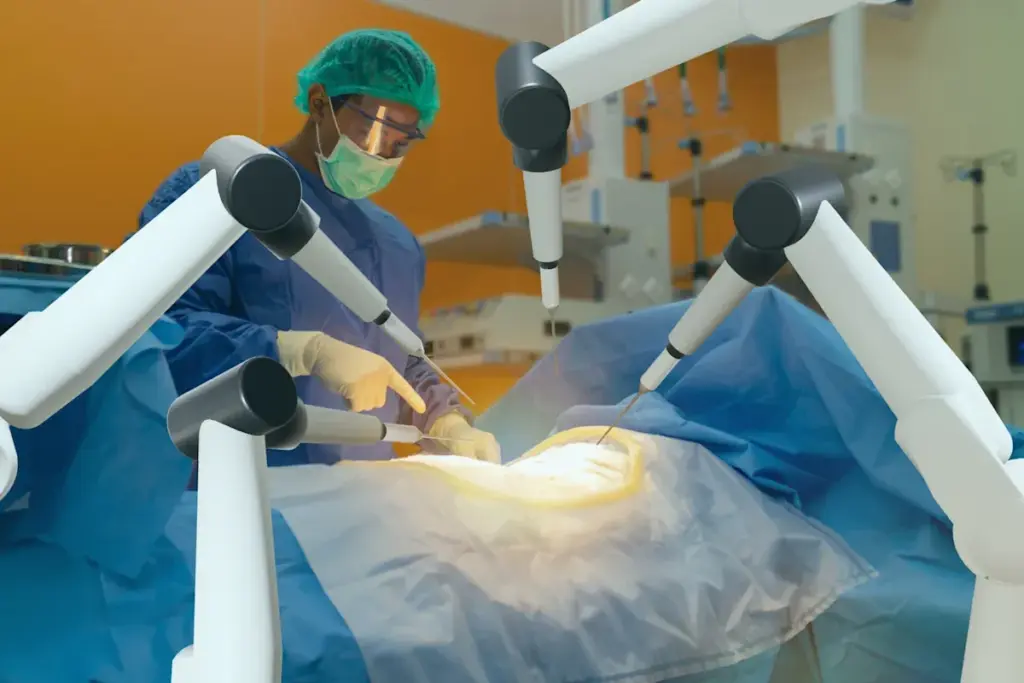
Did you know thousands of women worldwide have a hysterectomy each year? Thanks to new medical tech, robotic-assisted surgery is now an option for many. We use the Da Vinci surgical system, a top-notch robotic system, for gynecological procedures like hysterectomy.
Robotic hysterectomy is a less invasive surgery. It brings benefits like less pain and faster healing. As a global healthcare provider, we aim to give top-notch care to all patients. Our team will help you every step of the way, making sure you get the best care.
Key Takeaways
- Robotic hysterectomy is a minimally invasive procedure using the Da Vinci surgical system.
- It offers benefits such as reduced pain and quicker recovery.
- We provide extensive support for international patients.
- Our team of experts will guide you through the process.
- Robotic-assisted surgery is a viable option for many women.
The Evolution of Hysterectomy Procedures
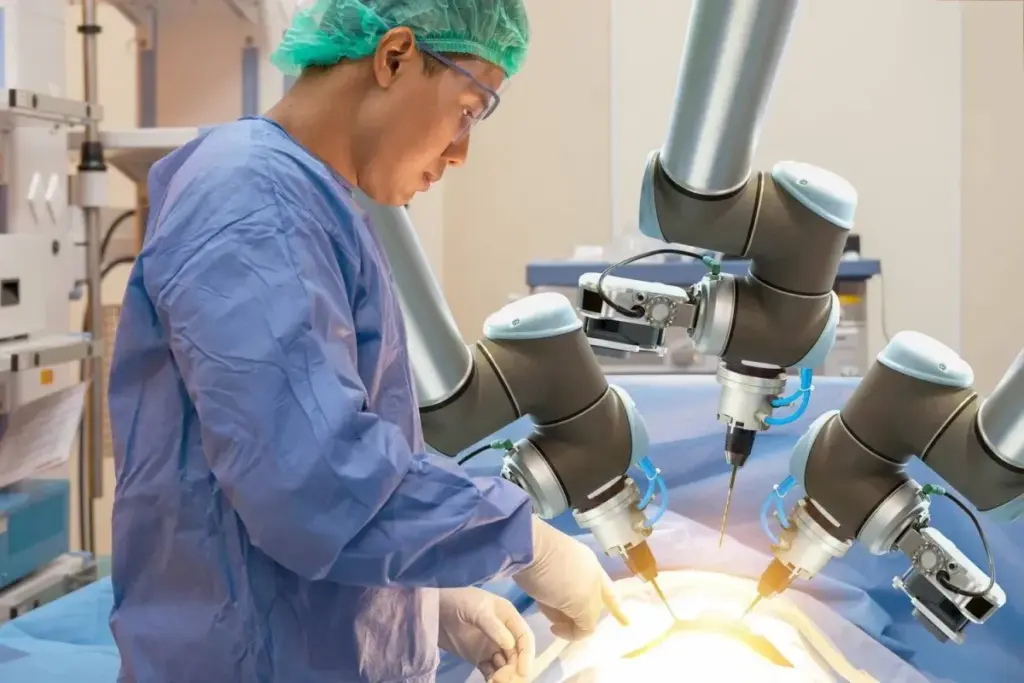
Hysterectomy procedures have changed a lot over time. They moved from big open surgeries to smaller, less invasive ones. These new methods help patients recover faster and have fewer problems.
Traditional Hysterectomy Methods
Older ways of doing hysterectomies involved big cuts in the belly. This made recovery slow and left big scars. It also raised the chance of serious issues.
Another old method was doing the surgery through the vagina. It was less invasive but had its own limits. It couldn’t handle all types of cases.
These old methods were common for a long time. But they had big downsides. Recovery took a long time, and there was a higher risk of infections and other problems.
The Emergence of Minimally Invasive Techniques
Minimally invasive surgery changed the game for hysterectomies. Laparoscopic hysterectomy uses small cuts and a camera. It made recovery faster, hurt less, and had fewer risks.
The Da Vinci Surgical System took it even further. It gives surgeons a clear 3D view and lets them move more precisely. This makes complex surgeries easier.
These new methods have made gynecological surgery better. Patients now have safer, more effective options with quicker recovery times. As technology gets better, so will treatments for hysterectomy needs.
What is a Da Vinci Hysterectomy?
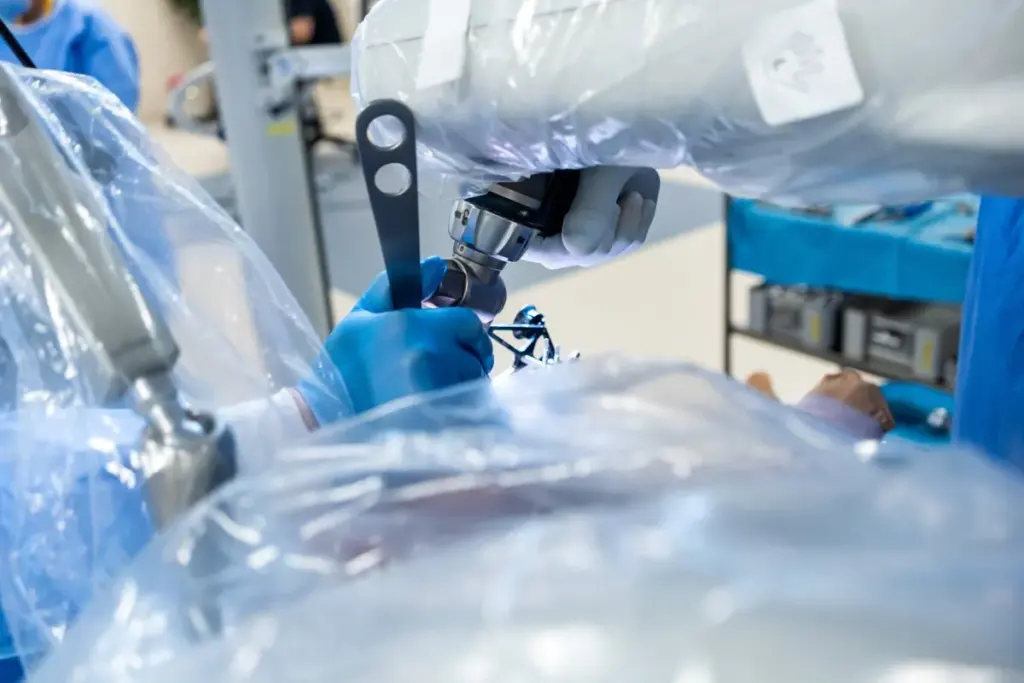
The Da Vinci hysterectomy is a big step forward in gynecology. It gives patients a less invasive way to get surgery. This method uses the Da Vinci Surgical System, a top-notch robot for complex surgeries.
The Da Vinci Surgical System Explained
The Da Vinci Surgical System is a cutting-edge robot for surgery. It lets surgeons do detailed work with better control and view. It helps solve problems of old laparoscopic surgery, like limited movement and less precision.
Key features of the Da Vinci system include:
- High-definition 3D visualization
- Precise robotic instruments with wristed movements
- Enhanced ergonomics for the surgeon
How Robotic-Assisted Surgery Works
Robotic surgery with the Da Vinci system means a surgeon controls robotic arms with tools. The surgeon sits at a console, seeing the surgery in 3D high-definition.
Key Components of the Da Vinci System
The Da Vinci Surgical System has important parts that work together for precise surgery.
|
Component |
Description |
|---|---|
|
Surgeon Console |
Provides high-definition 3D visualization and ergonomic control for the surgeon. |
|
Patient Cart |
Houses the robotic arms and surgical instruments. |
|
Vision Cart |
Contains the high-definition camera and light source. |
Together, these parts make the Da Vinci hysterectomy a precise and less invasive surgery option for patients needing a hysterectomy.
Medical Conditions That May Require Hysterectomy
Women may need a hysterectomy for several gynecological issues. A hysterectomy removes the uterus. It’s considered when other treatments don’t work or aren’t right.
Uterine Fibroids
Uterine fibroids are non-cancerous growths. They can cause heavy bleeding, pelvic pain, and pressure. Large or many fibroids might need a hysterectomy.
Endometriosis and Adenomyosis
Endometriosis is when uterine lining grows outside the uterus, causing pain. Adenomyosis is similar but grows into the uterus wall. Both can lead to pain and heavy bleeding, sometimes needing a hysterectomy.
Uterine Prolapse
Uterine prolapse is when the uterus slips into the vagina. It’s often due to weakened muscles, like after childbirth or aging. Severe cases might need a hysterectomy.
Gynecological Cancers
Cancers of the uterus, cervix, or ovaries might need a hysterectomy. The choice depends on the cancer type and stage.
The following table summarizes the conditions that may lead to a hysterectomy:
|
Condition |
Symptoms |
Treatment Considerations |
|---|---|---|
|
Uterine Fibroids |
Heavy bleeding, pelvic pain |
Hysterectomy for large or symptomatic fibroids |
|
Endometriosis/Adenomyosis |
Pain, heavy bleeding |
Hysterectomy if medical treatments fail |
|
Uterine Prolapse |
Pelvic pressure, vaginal bulge |
Hysterectomy for severe prolapse |
|
Gynecological Cancers |
Varies by cancer type |
Hysterectomy as part of cancer treatment |
Robotic hysterectomy has patient benefits like rapid recovery and less pain. It’s a good option for women with these conditions.
Ideal Candidates for Da Vinci Hysterectomy
Selecting the appropriate candidate for a Da Vinci hysterectomy involves a thorough evaluation. Surgeons look at many factors to see if this surgery is right. They check the patient’s health and past medical history.
Physical Characteristics
How a patient looks is important for Da Vinci hysterectomy. Those with a lower BMI often do better because of fewer surgery risks. But, a higher BMI doesn’t automatically mean no.
The size and where the uterus is, plus any past belly surgeries, matter too. Even with many past surgeries, some patients might be good candidates. Each case is looked at closely.
Medical History Factors
A patient’s past health is key for Da Vinci hysterectomy. Issues like endometriosis, uterine fibroids, and gynecological cancers are often treated this way. Surgeons check the patient’s history for any risks.
|
Medical Condition |
Considerations for Da Vinci Hysterectomy |
|---|---|
|
Endometriosis |
Severity of symptoms and extent of disease |
|
Uterine Fibroids |
Size, number, and location of fibroids |
|
Gynecological Cancers |
Stage and type of cancer, overall health |
Age and Health Status Considerations
Age and health are big factors. There’s no age limit, but older or sicker patients need extra checks. We look at the patient’s health and any other health problems to see if they can safely have surgery.
“The Da Vinci system allows for a more precise and minimally invasive approach, which can be beneficial for patients at higher risk for complications from traditional open surgery.”—Gynecologic Surgeon
Choosing Da Vinci hysterectomy is a personal decision. Surgeons consider each patient’s unique situation. They look at physical traits, medical history, and health to decide if this surgery is best.
When Robotic Surgery May Not Be Recommended
Robotic-assisted surgery is not right for every patient. This is due to medical and anatomical reasons. Even though robotic systems have improved surgery, some conditions make them less ideal.
Medical Contraindications
Some medical conditions make robotic surgery risky. For example, severe heart or lung disease can make it hard to handle the long anesthesia and surgery time. Also, those with weak immune systems or active infections face higher risks.
Anatomical Limitations
The robotic system’s success depends on the patient’s anatomy. For instance, people with narrow pelvises or scarring from past surgeries might not be good candidates for robotic hysterectomy. It’s important for the surgeon to safely and effectively access the site.
Large Uterine Size Considerations
A big uterus can be a challenge for robotic surgery. The size and weight may need more surgery, raising the risk of problems. In these cases, open surgery might be better.
Extensive Adhesions from Previous Surgeries
Those with many past surgeries may have tough adhesions. These can make it hard to move around during surgery and increase the risk of harming nearby organs.
|
Condition |
Potential Issue |
Alternative Approach |
|---|---|---|
|
Severe Heart or Lung Disease |
Increased risk during prolonged anesthesia |
Traditional open surgery or other minimally invasive techniques |
|
Narrow Pelvic Structure |
Limited access to surgical site |
Laparoscopic or vaginal surgery |
|
Significantly Enlarged Uterus |
Difficulty in surgical dissection |
Open abdominal hysterectomy |
|
Extensive Adhesions |
Complicated navigation of surgical site |
Laparoscopic adhesiolysis followed by traditional surgery if needed |
It’s key for patients to talk with their healthcare provider about their situation. This helps decide the best surgery approach. By looking at the patient’s medical history, anatomy, and current health, doctors can suggest the best treatment.
Benefits of Choosing Robotic Hysterectomy
Robotic hysterectomy is known for its precise surgery with little disruption to the patient. This advanced method offers several key benefits that improve patient outcomes.
Enhanced Surgical Precision
The robotic system gives surgeons better visualization and control. This allows for more precise dissection and removal of the uterus. Such precision can lead to fewer complications and a better surgical outcome.
Reduced Blood Loss
Robotic hysterectomy results in less blood loss than traditional open surgery. The robotic instruments’ precise movements cause less damage to surrounding tissues. This reduces the risk of significant bleeding.
Shorter Hospital Stay
Patients who have robotic hysterectomy usually stay in the hospital less time. This is because the procedure is minimally invasive. Shorter hospital stays can lower the risk of infections and other complications.
Faster Return to Normal Activities
The minimally invasive nature of robotic hysterectomy leads to quicker recovery. Patients can often get back to their normal activities sooner than those who have open hysterectomy.
Choosing robotic hysterectomy means patients get a precise procedure for rapid recovery and better patient benefits. Our surgeons work with patients to see if robotic hysterectomy is right for them.
Potential Risks and Complications
Da Vinci hysterectomy, like any big surgery, comes with risks. The robotic system has made gynecology better, but knowing these risks is key for making smart choices.
Common Side Effects
Side effects of Da Vinci hysterectomy include:
- Temporary discomfort or pain
- Vaginal bleeding or spotting
- Mild bruising
- Swelling or bloating
These effects usually go away in a few weeks after surgery.
Rare but Serious Complications
Though rare, serious problems can happen. These include:
- Blood clots or deep vein thrombosis
- Infection
- Damage to surrounding organs
- Reaction to anesthesia
Talking to your surgeon about these risks is very important. They can tell you how they might affect you.
Risk Comparison with Traditional Methods
Robotic hysterectomy might be better than old methods in some ways. It could mean less blood loss and shorter hospital stays. But, it depends on the patient and the surgery.
|
Complication |
Robotic Hysterectomy |
Traditional Open Hysterectomy |
Laparoscopic Hysterectomy |
|---|---|---|---|
|
Blood Loss |
Minimal |
Moderate to High |
Moderate |
|
Hospital Stay |
1-2 days |
3-5 days |
1-3 days |
|
Infection Risk |
Low |
Moderate |
Low |
Important Safety Considerations
To stay safe, do the following:
- Choose an experienced robotic surgeon
- Follow pre- and post-operative instructions carefully
- Discuss your full medical history with your healthcare team
Knowing the risks and taking steps to avoid them can make your Da Vinci hysterectomy safer and more successful.
The Da Vinci Hysterectomy Procedure: Step by Step
Our skilled surgeons use the Da Vinci Surgical System for hysterectomies. They follow several steps from start to finish. This ensures a safe and effective surgery for you.
Pre-operative Preparation
Before surgery, we do a lot of prep work. This includes:
- Looking over your medical history for any risks.
- Running tests to check your health.
- Talking with you about the surgery, risks, and benefits.
- Giving you instructions on what to eat and take before surgery.
Anesthesia Process
The surgery is done under general anesthesia. This keeps you comfortable. Our anesthesiologists:
- Give the right anesthesia.
- Watch your vital signs during surgery.
- Help manage pain after surgery.
Surgical Technique
The Da Vinci System lets our surgeons work with more precision. The steps are:
- Making small cuts in your belly for the robotic arms.
- Using the Da Vinci console for clear views of the area.
- Removing the uterus with great care.
Completion and Closure
After the surgery, we make sure everything is okay. We:
- Check the area for any issues.
- Close the small cuts with stitches or staples.
- Move you to the recovery room for care.
Understanding the workings of a Da Vinci hysterectomy can help patients feel better prepared. Our team is dedicated to giving you the best care and support every step of the way.
Recovery After Robotic Hysterectomy
Patients usually recover quickly after a robotic hysterectomy. This is a big plus of choosing this minimally invasive surgery.
Immediate Post-operative Period
Right after surgery, patients are watched closely in the recovery room. Effective pain management is key, with most feeling less pain than with open surgery. We also work to prevent nausea and make sure patients are comfortable before they go home.
Hospital Stay Duration
How long you stay in the hospital after a robotic hysterectomy varies. But most patients leave within 24 to 48 hours. This is much shorter than for open surgery. Your health, the surgery’s complexity, and any complications can affect your stay.
At-Home Recovery Timeline
Recovery at home goes fast, with most back to light activities in a few days. It’s essential to follow the surgeon’s instructions about what to do and when. Full recovery usually takes 4 to 6 weeks, but it can vary.
Physical Activity Restrictions
Patients should avoid heavy lifting, bending, and hard work for weeks after surgery. Gradually increasing activity levels as you feel better is best. Also, avoid getting the wound wet until it’s fully healed.
Knowing what to expect during recovery helps patients prepare. Our team is here to support you every step of the way, ensuring the best recovery.
Comparing Da Vinci Hysterectomy to Alternative Methods
When thinking about a hysterectomy, patients have to choose between different surgical options. This includes the Da Vinci robotic system. It’s important to know the differences, benefits, and possible downsides of each method.
Robotic vs. Open Abdominal Hysterectomy
Open abdominal hysterectomy uses a big cut in the belly. Da Vinci hysterectomy, on the other hand, is a minimally invasive procedure. It uses robotic technology for precise work and smaller cuts.
Key differences include:
- Smaller incisions with Da Vinci, leading to potentially less pain and scarring
- Shorter hospital stay and recovery time with robotic surgery
- Less blood loss during the procedure with Da Vinci hysterectomy
|
Aspect |
Da Vinci Hysterectomy |
Open Abdominal Hysterectomy |
|---|---|---|
|
Incision Size |
Small (typically 1-2 cm) |
Large (often 10-15 cm) |
|
Recovery Time |
Shorter (often 2-4 weeks) |
Longer (often 6-8 weeks) |
|
Blood Loss |
Less |
More |
Robotic vs. Traditional Laparoscopic Hysterectomy
Traditional laparoscopic hysterectomy uses a laparoscope and instruments through small cuts. Da Vinci hysterectomy also uses small cuts but adds robotic precision.
The main advantages of Da Vinci over traditional laparoscopy include:
- Enhanced dexterity and precision with the robotic system
- Improved visualization through 3D imaging
- Potential for less conversion to open surgery
Robotic vs. Vaginal Hysterectomy
Vaginal hysterectomy is done through the vagina without any cuts outside. Da Vinci hysterectomy, while minimally invasive, has small cuts in the abdomen.
Considerations for choosing between these methods include:
- The complexity of the case and the surgeon’s expertise
- The patient’s anatomy and previous surgical history
- The possible less post-operative pain with vaginal hysterectomy
Decision Factors for Different Approaches
The choice between Da Vinci hysterectomy and other methods depends on several factors. These include the patient’s health, the surgeon’s advice, and personal preferences.
Talking to a healthcare provider about these factors is recommended. This helps decide the best surgical approach.
Finding a Qualified Robotic Surgeon
Finding a skilled surgeon is key for a successful robotic hysterectomy. The surgeon’s experience and skill are vital. They affect the procedure’s precision and safety.
Credentials and Training to Look For
When looking for a robotic surgeon, check their credentials and training. They should be board-certified in obstetrics and gynecology. Also, they should have specialized training in robotic surgery, like the Da Vinci surgical system.
This training should include both theory and hands-on practice. It ensures the surgeon knows how to use the robotic system well.
Experience Level Considerations
The surgeon’s experience is also important. More experienced surgeons usually have better results and fewer complications. Ask about their experience with robotic hysterectomies and cases like yours.
Questions to Ask Your Potencial Surgeon
To find the right surgeon, prepare questions for your consultation. Some important ones are:
- What is your experience with robotic hysterectomy procedures?
- Can you share your success rates and complication rates?
- What kind of training have you received on the robotic surgical system?
- How will you ensure my safety during the procedure?
Importance of Surgical Volume
The number of surgeries a surgeon or hospital does can affect outcomes. Studies show that those who do more surgeries have better results. Ask your surgeon about their volume and how it might affect your care.
Insurance Coverage and Cost Considerations
Understanding the costs of robotic hysterectomy is key. This includes insurance coverage, out-of-pocket costs, and comparing prices. Knowing these financial aspects helps patients make better choices.
Insurance Coverage for Robotic Surgery
Many insurance plans cover robotic hysterectomy, but coverage varies. Patients should check their insurance to know what’s covered and what they’ll pay out-of-pocket. Most plans that cover traditional hysterectomies also cover robotic ones.
It’s important for patients to talk to their insurance companies. They need to confirm what’s covered and any pre-approval needs.
Typical Out-of-Pocket Expenses
Da Vinci hysterectomy costs include deductibles, copays, and coinsurance. The total cost can differ a lot based on insurance and care specifics. Patients should also think about costs for post-op care and possible complications.
Cost Comparison with Traditional Methods
Comparing Da Vinci hysterectomy to traditional methods is complex. Robotic surgery might cost more upfront because of the tech. But, it can save money in other ways, like shorter hospital stays and fewer complications.
Research shows robotic hysterectomy’s initial cost might be higher. But, when including post-op care, it can be as cheap or cheaper than traditional surgery.
Financial Assistance Options
For those facing financial hurdles, help is available. Hospitals and surgical centers offer financial counseling. They help patients understand their insurance and find aid programs.
Also, some robotic surgery system makers provide resources. They help patients manage the costs of these advanced surgeries.
Patient Experiences with Da Vinci Hysterectomy
Real patient stories give a unique look at Da Vinci hysterectomy’s success. Women who’ve had the surgery share what they went through. This helps others know what to expect and the benefits.
Success Stories and Testimonials
Many women have had good results after their Da Vinci hysterectomy. They say they recovered quickly and got back to their usual activities fast.
“The Da Vinci hysterectomy was a life-changing experience for me. I was back on my feet in no time, and the minimally invasive nature of the procedure made a huge difference in my recovery.”A patient testimonial
Common Challenges Reported
Not all patients have the same experience. Some face challenges like managing pain and adjusting emotionally to the surgery.
- Post-operative pain management
- Emotional adjustment to the procedure
- Temporary limitations on physical activity
Quality of Life Improvements
Many patients see big improvements in their life after the surgery. These include:
|
Aspect |
Pre-Procedure |
Post-Procedure |
|---|---|---|
|
Pain Level |
High |
Low |
|
Energy Levels |
Low |
Normal |
|
Daily Activities |
Limited |
Unrestricted |
Long-term Satisfaction Rates
Research shows most patients are very happy with their Da Vinci hysterectomy choice. The patient benefits include the minimally invasive method and the Da Vinci system’s precision and effectiveness.
In summary, many women find the Da Vinci hysterectomy a positive step. It helps them improve their health and quality of life.
Conclusion
Robotic hysterectomy is a big step forward in gynecological surgery. It offers many advantages over old methods. The DaVinci hysterectomy, using the robotic system, changes how surgeries are done. It makes them safer and more efficient for patients.
The DaVinci system improves surgical accuracy, cuts down on blood loss, and helps patients recover faster. When thinking about a DaVinci hysterectomy, it’s key to consider if it’s right for you. Look at your medical history, physical health, and the condition being treated.
Knowing the good points and things to think about with DaVinci hysterectomy helps patients make smart choices. They can use the latest robotic tech to get the best results in gynecological surgeries.
FAQ
What is a Da Vinci hysterectomy?
A Da Vinci hysterectomy is a new way to remove the uterus. It uses the Da Vinci surgical system. This method is less invasive, leading to less pain and a quicker recovery.
What are the benefits of choosing robotic hysterectomy?
Robotic hysterectomy offers many benefits. It’s more precise, reduces blood loss, and shortens hospital stays. Patients also recover faster and have less pain.
What medical conditions may require a hysterectomy?
Several conditions might need a hysterectomy. These include uterine fibroids, endometriosis, and gynecological cancers. Robotic surgery can help, making recovery faster and pain less.
Am I a candidate for Da Vinci hysterectomy?
Da Vinci hysterectomy is for those needing a hysterectomy. Your health, past surgeries, and age are considered. It’s a minimally invasive option.
What are the possible risks and complications of robotic hysterectomy?
Robotic hysterectomy is safe but has risks. These include pain and rare complications like infection. Always talk to your surgeon about the risks and benefits.
How does the Da Vinci surgical system work?
The Da Vinci system is advanced robotic technology. It lets surgeons do complex surgeries with more precision. It has a console, a cart, and 3D vision for precise work.
What can I expect during the recovery process after robotic hysterectomy?
Recovery from robotic hysterectomy is quick and less painful. Expect a shorter hospital stay and faster return to activities. Follow your surgeon’s care instructions for a smooth recovery.
How do I choose a qualified robotic surgeon?
Choosing a robotic surgeon requires checking their credentials and experience. Ask about their approach and techniques. Also, discuss their success rates and complications.
What are the insurance coverage and cost considerations for robotic hysterectomy?
Insurance for robotic hysterectomy varies. Check with your provider for coverage and costs. Compare costs and look for financial help if needed.
How does robotic hysterectomy compare to other methods?
Robotic hysterectomy has many advantages over traditional methods. It’s more precise, reduces blood loss, and speeds up recovery. Consider your health and the surgeon’s expertise when choosing.
References
Robot-Assisted: Best Amazing Colorectal Tech
https://pubmed.ncbi.nlm.nih.gov/40330635/