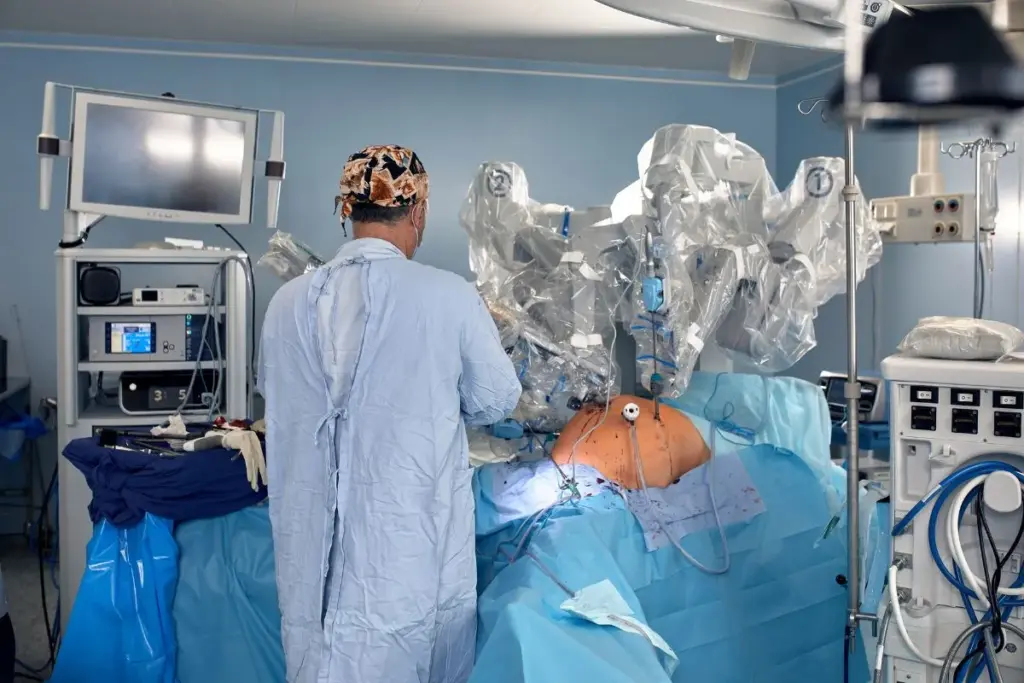
Over 6 million surgeries have been done worldwide with robotic help. Robotic surgery is changing healthcare. It makes surgeries more precise and helps patients heal faster.
The Da Vinci Surgical System is at the forefront of this change. It lets surgeons do complex surgeries with better results and less harm to the body.
Robotics in surgery is more than a trend. It’s a big step forward in medical care. These systems are changing surgery for the better.
Key Takeaways
- The Da Vinci Surgical System is a pioneering technology in robotic-assisted surgery.
- Robotic surgery enhances precision and reduces patient recovery times.
- Over 6 million procedures have been performed using robotic-assisted technology.
- Robotic systems are transforming the landscape of surgical care.
- These systems enable surgeons to perform complex procedures with greater accuracy.
The Evolution of Medical Robotics
Medical robotics has changed a lot. It started with simple tools and now we have advanced systems. These changes have made surgeries better and safer for patients.
Early Developments in Medical Automation
In the beginning, medical robots were just simple tools to help surgeons. They were basic but helped a lot. Over time, they got more advanced.
Transition from Assistive Devices to Autonomous Systems
As technology got better, medical robots became more independent. They could do complex tasks on their own. This made surgeries more precise and effective.
Key features of autonomous systems include:
- Enhanced precision and control
- Ability to perform complex maneuvers
- Minimally invasive procedures
- Reduced recovery time for patients
Key Milestones in Surgical Robotics
There have been many important moments in surgical robotics. The first robotic surgical systems were a big step. They have improved a lot over the years.
- Introduction of the first robotic surgical system
- Advancements in robotic arms and manipulator technology
- Integration of artificial intelligence and machine learning
- Expansion of robotic surgery to various specialties
Recently, robotics has made big strides in medicine. Companies like ParaZero Technologies Ltd. and Benchmark Electronics are leading the way. They show how robotics is changing healthcare for the better.
Understanding Surgical Robots: An Overview
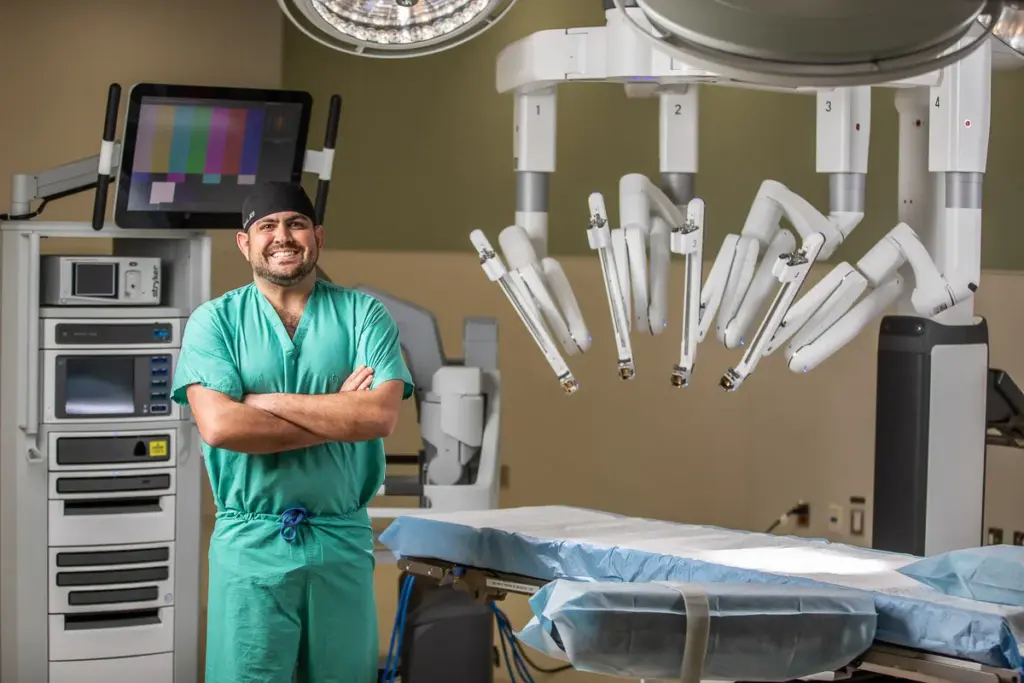
Modern surgery has changed a lot with the help of surgical robots. They bring unmatched accuracy to operations. This change is making surgeries better for patients.
Definition and Core Components
Surgical robots are advanced tools for surgeons. They have a console, a patient-side cart, and a vision system. The console lets the surgeon control the robot. The patient-side cart holds the tools, and the vision system shows a clear view of the area being operated on.
How Surgical Robots Differ from Other Medical Equipment
Surgical robots are special because they can move with great precision. They can do things that other medical tools can’t. This lets surgeons do complex surgeries with less harm to the patient.
The Role of Robotics in Modern Surgery
Robotics have changed surgery a lot. They help surgeons do detailed work with more accuracy. This leads to better results for patients. The use of AI and robotics in surgery is making things even better.
The DAVINCI Surgical System: Pioneer of Robotic Surgery
The Da Vinci Surgical System was a big step forward in surgical technology. It was made by Intuitive Surgical and has changed surgery for the better. It brings unmatched precision and control to the operating room.
Origin and Development by Intuitive Surgical
Intuitive Surgical led the way in robotic surgery with the Da Vinci System. It was made to fix the problems of old surgery methods. The design lets surgeons do complex tasks with better skill and sight.
The system was first shown in the late 1990s and got FDA approval in 2000. Over time, it has gotten better, with new models like the Da Vinci S, Si, X, and Xi. These updates have made the system more precise and better for patients.
Key Components and Functionality
The Da Vinci System has important parts that work together for robotic surgery. The surgeon’s console lets surgeons control the robotic arms with great detail. The patient-side cart holds the robotic arms, with tools and a clear camera.
The system’s tech offers clear views, precise cuts, and careful stitching. The robotic arms move like the surgeon’s hands, without shaking. This makes surgery safer and less invasive, helping patients heal faster.
Evolution of Da Vinci Models Through the Years
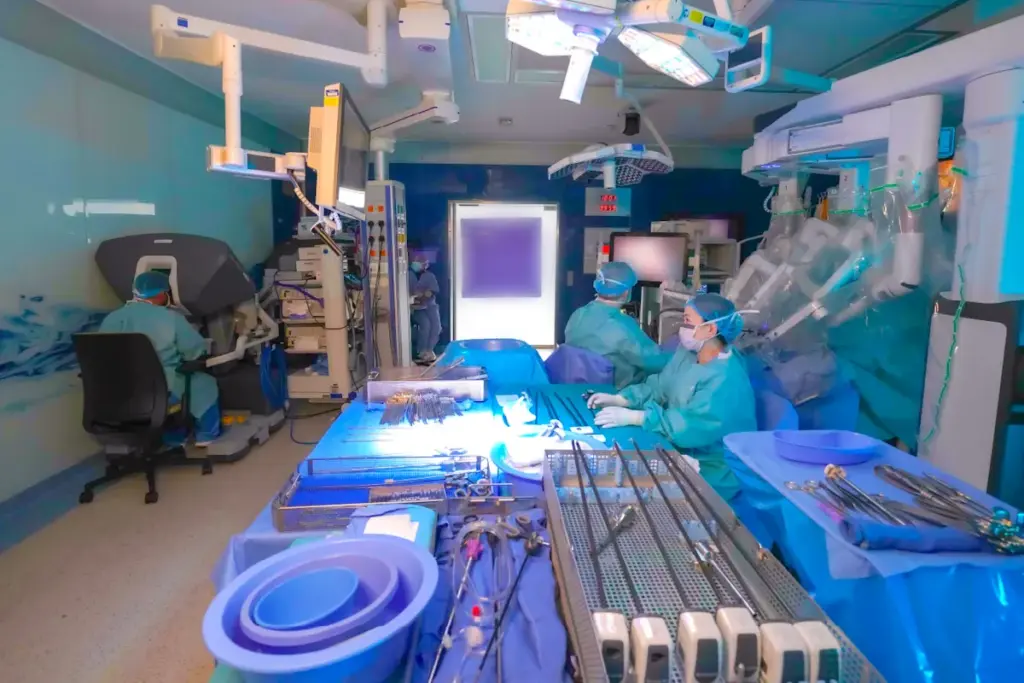
Intuitive Surgical has made the Da Vinci system better over time. This has led to better results for patients. The Da Vinci Surgical System has changed a lot, getting better with each update.
Original Da Vinci System
The first Da Vinci System got FDA approval in 2000. It was a big step in robotic surgery, giving a new way to do operations. It had a 3D vision system and tools that could be moved with great precision.
Da Vinci S and Si Systems
The Da Vinci S and Si systems came later, with even better vision and tools. These models let more procedures be done with robotic help.
Da Vinci X and Xi Systems
The Da Vinci X and Xi systems were a big step up. They had better imaging and were easier to set up. The Xi model had better ergonomics and more movement for the surgical arms.
Single-Port Platform
The latest from Intuitive Surgical is the Single-Port Platform. It’s designed to make surgeries even less invasive. It lets many instruments go through one small cut, which could mean less scarring and quicker recovery.
|
Model |
Key Features |
Year Introduced |
|---|---|---|
|
Original Da Vinci |
3D vision, precise instrumentation |
2000 |
|
Da Vinci S/Si |
Improved vision, flexible instruments |
Late 2000s |
|
Da Vinci X/Xi |
Advanced imaging, improved ergonomics |
2010s |
|
Single-Port |
Minimally invasive, single incision |
Recent years |
The Da Vinci system has kept getting better, leading to better results in surgeries. This has helped both surgeons and patients a lot.
How the Da Vinci Robot Works
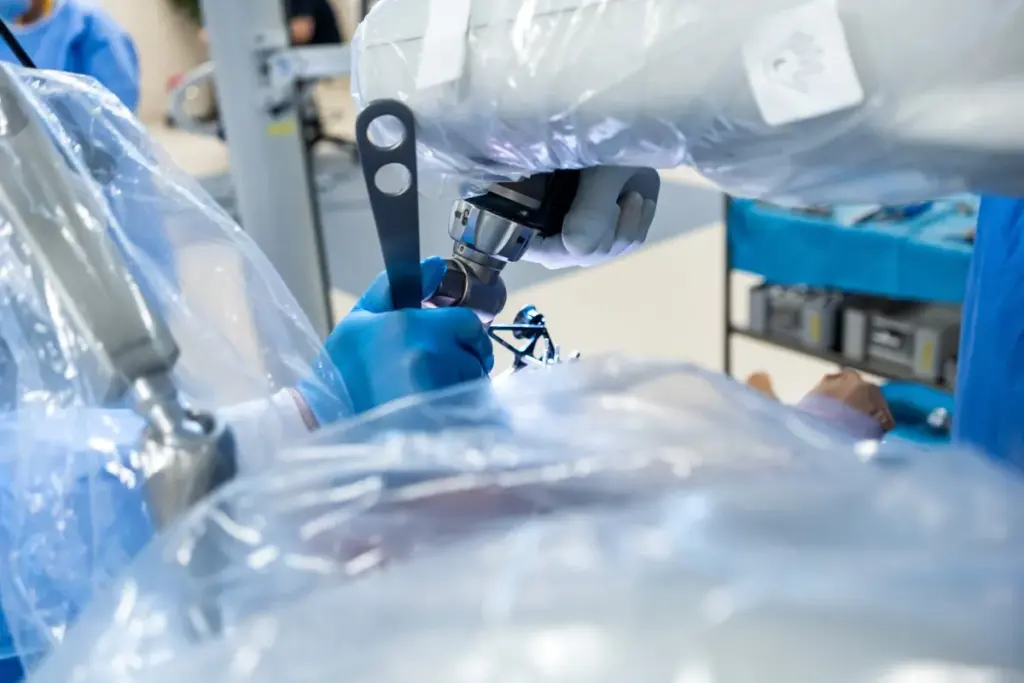
The Da Vinci Surgical System is a top choice in robotic surgery. It offers unmatched precision and control. This system has changed how surgeons work, making complex surgeries more accurate and less invasive.
Control Mechanisms and Interface
The Da Vinci robot is controlled from a console where the surgeon sits. They use hand controls and foot pedals. The intuitive interface lets them move the instruments with great precision, making precise robotic actions.
Precision Engineering Behind Da Vinci
The Da Vinci robot’s precision engineering shows the latest in medical tech. It has high-definition 3D vision and articulated instruments. These features give surgeons a clear view and precise control.
This tech helps surgeons do delicate procedures better.
Training Requirements for Surgeons
Surgeons need to train hard to use the Da Vinci System. They learn through simulator-based training and hands-on practice. This training is key to using the system well and keeping patients safe.
The Surgical Workflow
The Da Vinci System’s workflow includes several important steps. From preparation to surgery, the system is designed for efficiency. Its ergonomic design helps surgeons stay comfortable during long surgeries.
The system gives feedback in real-time to the surgical team. This makes the workflow smooth and effective.
Exploring the Da Vinci Surgical System shows its big impact on surgery today. It combines advanced tech with precise control, raising the bar in surgical care.
Common Procedures Performed with the Da Vinci System
The Da Vinci System is known for its precise engineering and minimally invasive approach. It is used in many surgical fields. Its versatility and advanced technology make it a key tool in surgery.
Urological Surgeries
The Da Vinci System is key in urological surgeries like prostatectomies and nephrectomies. Robotic assistance helps with precise procedures. This can lower the risk of complications and improve patient results.
Research shows robotic-assisted surgeries often have less blood loss and faster recovery. This is compared to traditional open surgery.
Gynecological Procedures
In gynecology, the Da Vinci System is used for surgeries like hysterectomies and endometriosis treatment. Its enhanced visualization capabilities make complex operations easier. This can lead to fewer complications and quicker recovery times for patients.
General Surgery Applications
The Da Vinci System is also used in general surgery for procedures like cholecystectomies and hernia repairs. Its ability to perform complex maneuvers in tight spaces is valuable. Surgeons get better dexterity and visualization, improving surgery quality.
Cardiac and Thoracic Surgery Uses
In cardiac and thoracic surgery, the Da Vinci System is used for mitral valve repairs and coronary artery bypass grafting. Its precision and ability for minimally invasive procedures reduce trauma to the patient. This leads to less pain, shorter hospital stays, and better outcomes.
Surgeons across specialties use the Da Vinci System to provide top-notch care. This can improve patient outcomes and enhance the surgical experience.
Benefits of Da Vinci Robotic Surgery
Da Vinci robotic surgery offers many benefits, like shorter recovery times and better working conditions for surgeons. These advantages make it a key part of today’s surgery.
Enhanced Precision and Control
The Da Vinci system gives surgeons enhanced precision and control. Its robotic arms can make very precise movements. This lets surgeons do complex surgeries with more accuracy.
This precision is key in delicate surgeries where small mistakes can be big problems. Using the Da Vinci system helps surgeons get better results and lowers the chance of complications.
Minimally Invasive Approach
The Da Vinci system makes surgery minimally invasive. This means smaller cuts, less damage to tissues, and fewer complications after surgery.
Smaller cuts also mean less scarring. This is a big plus for patients. Da Vinci surgery looks better and feels better, too.
Reduced Recovery Time for Patients
Patients who have Da Vinci surgery usually heal faster than those who have open surgery. The smaller cuts cause less damage, so they can get back to their lives sooner.
Being able to get back to normal activities quickly is a big plus. It’s great for people with busy lives or those who need to get back to work fast.
Improved Ergonomics for Surgeons
The Da Vinci system also makes surgery easier on surgeons. The console is designed to be comfortable and reduce strain. This helps surgeons stay focused and precise during long surgeries.
Good ergonomics means surgeons can work better and longer without getting tired. This is important for keeping surgery at the highest level.
Limitations and Controversies Surrounding Da Vinci
The Da Vinci robot has changed surgery a lot. But, it’s not perfect and has faced criticism. Let’s look at what challenges it brings.
Cost Considerations
The Da Vinci system is very expensive. The cost includes the robot itself, which is millions of dollars. There are also costs for training and keeping it running. This makes it hard for small hospitals to afford.
Learning Curve for Surgical Teams
It is essential for surgical teams to invest ample time in training to effectively utilize the Da Vinci system. It’s a big challenge to get good at it. Hospitals have to train their staff well.
Reported Complications and Concerns
Da Vinci surgeries can have risks. Problems like infections and injuries can happen. Patients should talk to their doctors about these risks.
Regulatory Oversight and FDA Approvals
The FDA has approved the Da Vinci system for many surgeries. It’s watched closely to make sure it’s safe and works well. Companies have to report any bad outcomes and follow rules to keep it safe.
Other Major Surgical Robots Beyond Da Vinci
The world of surgical robots goes beyond Da Vinci. Many new robots are making big changes. This shows how diverse and fast-changing surgical robotics is.
Senhance Surgical System
The Senhance Surgical System brings new tools and images to surgery. It helps surgeons work more precisely and with more control. A key feature is enhanced haptic feedback, letting surgeons feel what they’re doing.
ROSA Robotic Surgical Assistant
ROSA is for precise work in neurosurgery and orthopedics. It guides surgical tools with robotic precision. ROSA is flexible and works in many surgeries.
CyberKnife System
The CyberKnife System is for precise tumor treatment. It uses real-time imaging and robotic tech for exact radiation. It’s great for hard-to-reach tumors.
Mako Robotic-Arm Assisted Surgery
Mako helps with hip and knee replacements. It lets surgeons do custom surgeries with better accuracy. Mako ensures implants are placed just right.
These robots and others are changing surgery. They offer new choices for patients and doctors. As robot technology gets better, we’ll see even more progress.
- The Senhance system offers enhanced haptic feedback.
- ROSA provides robotic guidance for surgical instruments.
- CyberKnife uses real-time imaging for precise tumor treatment.
- Mako enables personalized orthopedic procedures.
Looking at these systems, the future of surgical robots looks bright. With robot technology improving, surgeries could get even better.
Non-Surgical Medical Robots in Healthcare
Robots are now used in many non-surgical ways in healthcare. They bring efficiency, precision, and new ideas to medical care. This change is making healthcare better for everyone.
Pharmacy Automation Robots
Pharmacy robots are changing how we get our medicines. They can count, label, and package drugs with no mistakes. This lets pharmacists spend more time helping patients.
Pharmacy robots have many benefits:
- They make sure medicines are given right
- They make pharmacies work better
- They save money and help staff do more
Disinfection and Sanitization Robots
Robots that clean and disinfect are key in keeping hospitals clean. They use UV light to kill germs on surfaces. This helps stop infections in hospitals.
Disinfection robots have big advantages:
- They clean everything well
- They help stop infections
- They clean faster and better
Care and Companion Robots
Care and companion robots help patients, like the elderly and those with long-term illnesses. They do daily tasks, check on health, and offer comfort.
These robots do many things:
- They help with daily tasks
- They offer friendship and support
- They watch over patients and tell caregivers
Rehabilitation Robotics
Rehabilitation robots help patients get better after injuries or long-term illnesses. They give special therapy and exercises. They also track progress and change therapy as needed.
Rehabilitation robots have many benefits:
- They create therapy plans just for you
- They help patients get better with regular therapy
- They give insights to therapists
In summary, non-surgical medical robots are very important in healthcare. As technology gets better, we’ll see even more ways robots help in medicine.
The Economics of Medical Robotics
Medical robotics are changing healthcare, but their cost is a big deal. Buying and using these systems costs a lot. This includes the price of the robots, training, and upkeep.
Acquisition and Operational Costs
Buying a system like the DaVinci Surgical System is expensive. You have to pay for the system, installation, training, and maintenance. For example, the DaVinci system needs specialized training for staff, adding to the cost.
Healthcare places also have to pay for updates to keep up with new tech. These updates are costly but keep care high and the program going.
Insurance Coverage and Patient Expenses
Insurance for robotic surgeries varies a lot. Many plans cover it, but how much can change a lot. Patients might have to pay for parts of the surgery.
Healthcare places need to tell patients about costs clearly. This helps manage stress and expectations for those having robotic surgery.
Return on Investment for Healthcare Facilities
Healthcare places think a lot about the cost and benefits of robots. Robots can make care faster and more efficient. They also help attract patients.
Places that use robots well can see more patients and make more money. By looking at costs and benefits, places can decide if robots are right for them.
Market Growth and Competition
The market for medical robots is growing fast. This is because of new tech, more demand for less invasive surgeries, and more uses for robots. Big names like Intuitive Surgical are facing new competition.
As the market grows, we’ll see more affordable and accessible robots. This will lead to better care and more use of robots in medicine.
Training and Certification for Robotic Surgery
Robotic surgery needs good training and certification to work well. Surgeons and their teams must be ready to use these new technologies. This is key for success in medical practice.
Simulator-Based Training Programs
Simulator training is a big part of learning robotic surgery. It lets surgeons practice in a safe, real-like setting. The da Vinci Surgical System has a great simulator that helps surgeons get used to it.
This training boosts skills and helps surgeons make better decisions. It prepares them for any problems that might come up during real surgeries.
Certification Requirements and Standards
Certification is very important for robotic surgery. Groups like the Society of Robotic Surgeons have set up rules and tests for surgeons. These include learning, simulation, and supervised surgeries.
To get certified, surgeons must do a certain number of surgeries, pass exams, and show they can do robotic surgery well. This makes sure they can give top-notch care.
Ongoing Education for Robotic Surgeons
Robotic surgery keeps getting better, with new tools and methods all the time. Surgeons need to keep learning to stay up-to-date. There are many conferences, workshops, and online classes for them.
Learning new things helps surgeons and improves care for patients. It’s important for them to keep learning to use the latest techniques.
Institutional Credentialing Processes
Hospitals also check if surgeons are ready for robotic surgery. They look at their training, certification, and experience with robotic systems. This makes sure surgeons are good at using these technologies.
Good credentialing means better care for patients. It helps hospitals know their surgeons are ready and skilled.
Patient Perspectives on Robotic Surgery
Robotic surgery is becoming more common. It’s important to understand what patients think about it. Their experiences and worries help guide decisions.
Common Questions and Concerns
Patients have many questions about robotic surgery. They worry about safety, possible complications, and how long it takes to recover. Robotic systems like the DaVinci Surgical System aim to reduce these risks. They offer better precision and control during surgery.
Patients also care about their surgeon’s qualifications. It’s key to pick a surgeon who is skilled in robotic surgery and has a good success rate with your procedure.
Patient Satisfaction Rates
Many patients are happy with robotic surgery. The minimally invasive nature of these procedures means less pain and scarring. They also recover faster, getting back to their daily lives sooner.
What Patients Should Know Before Robotic Surgery
Before robotic surgery, patients need to know a few things. Not all places can do robotic surgery, so choose a place that can. Talk to your surgeon about your medical history, including past surgeries or health issues.
It’s also important to understand the benefits and limits of robotic surgery. While robotic systems offer many advantages, they’re not right for every patient or surgery.
Finding Experienced Robotic Surgeons
Finding a skilled robotic surgeon is key to a successful surgery. Look for surgeons who have been trained in robotic surgery and have lots of experience with your procedure. Certification and credentialing show a surgeon’s expertise.
Ask your primary care doctor for recommendations or look for specialists known for robotic surgery. It’s good to ask surgeons about their experience and success rates.
The Future of Surgical Robotics
The future of surgical robotics is bright, with new tech like AI and miniaturization on the way. We’re seeing big changes in how surgeries are done and how patients heal.
Emerging Technologies and Innovations
New tech is making surgical robots better and more useful. Artificial intelligence (AI) is key, helping robots get smarter over time.
Advances in sensor technology and haptic feedback are also important. They make surgeries more precise and detailed.
AI Integration in Surgical Robots
AI is changing surgical robots by analyzing data in real-time. It helps surgeons spot important structures and predict problems. This makes surgeries better and safer.
AI robots can also help with tough surgeries, making surgeons better at their jobs. The Da Vinci robot is a great example of AI in action.
Miniaturization and Specialized Applications
Robots are getting smaller, designed for specific surgeries. These tiny robots can reach places big ones can’t.
Robots are also being used in neurosurgery and pediatric surgery. Their precision and care are huge benefits.
Remote Surgery Possibilities
Remote surgery is another big step forward. It lets surgeons operate from anywhere, helping people in remote areas get better care.
But, there are hurdles like latency and security to solve. Yet, the chance to bring top-notch healthcare to more places is huge.
Conclusion: The Transformative Impact of Medical Robots
Medical robots have changed healthcare a lot. They make surgeries better and safer. The Da Vinci Surgical System is a big part of this change.
This system lets surgeons do hard surgeries with more skill. It makes patients recover faster. Even though there are some issues, the good things about it are clear.
Looking ahead, new tech will make robots in surgery even better. AI and new uses for robots will help a lot. The Da Vinci system will keep leading the way, making healthcare better for everyone.
FAQ
What is the Da Vinci Surgical System?
The Da Vinci Surgical System is a robotic tool for complex surgeries. It offers better precision and control. It’s used for many surgeries, like urological and cardiac ones.
How does the Da Vinci robot work?
The Da Vinci robot uses robotic arms and a 3D camera. The surgeon controls it from a console. It makes the surgeon’s hand movements precise.
What are the benefits of Da Vinci robotic surgery?
Da Vinci surgery is precise and minimally invasive. It reduces recovery times and improves surgeon comfort. These benefits lead to better patient care.
What procedures are commonly performed using the Da Vinci System?
The Da Vinci System is used for many surgeries. This includes urological, gynecological, and cardiac surgeries. It’s versatile for various specialties.
What are the limitations of the Da Vinci System?
The Da Vinci System is expensive and has a learning curve. It can have complications and is regulated. These factors affect its use.
Are there other surgical robots beyond Da Vinci?
Yes, there are other robots like Senhance and ROSA. CyberKnife and Mako are also available. Each has its own features and uses.
What training is required for surgeons to use the Da Vinci System?
Surgeons need thorough training for the Da Vinci System. This includes simulator training and certification. Ongoing education is also key.
What should patients know before undergoing robotic surgery?
Patients should know the benefits and risks of robotic surgery. They should also check their surgeon’s experience. Knowing what to expect is important.
What is the future of surgical robotics?
The future of surgical robotics includes new technologies and AI. Miniaturization and remote surgery are also on the horizon. These advancements will improve surgery.
How do medical robots like Da Vinci impact healthcare economics?
Medical robots like Da Vinci affect healthcare costs and insurance. They also impact return on investment and market growth. Understanding these aspects is key for facilities.
Reference
National Center for Biotechnology Information. Evidence-Based Medical Insight. Retrieved from https://pubmed.ncbi.nlm.nih.gov/25138939/