
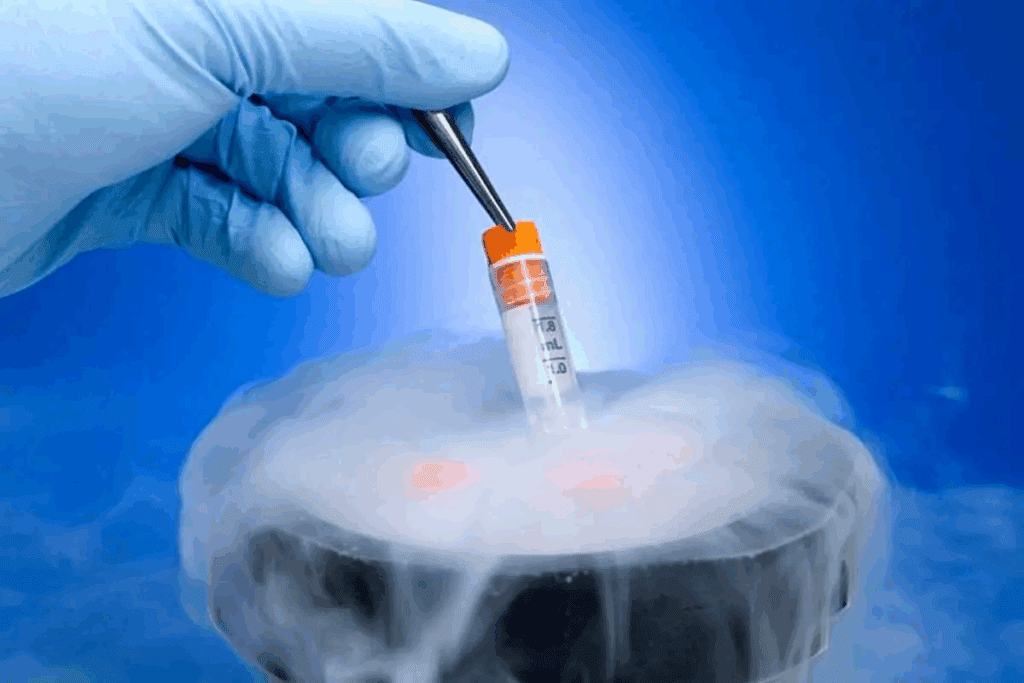
When you’re looking into fertility treatments, choosing the right embryo is key. It’s a big decision between day 5 and day 6 frozen embryo transfers. Each option has its own path and affects your chances of getting pregnant.
Studies show that day 5 frozen embryo transfers have a 61-70 percent chance of clinical pregnancy. They also have a 44-57 percent chance of live births. On the other hand,day 6 frozen embryo success rate have a 54-62 percent chance of clinical pregnancy. But, they only have a 25-36 percent chance of live births.
Knowing the success rates between day 5 and day 6 frozen embryo transfers helps patients make better choices. They can work with doctors who focus on what’s best for each person.
Key Takeaways
- Day 5 frozen embryo transfers have higher clinical pregnancy and live birth rates compared to day 6 transfers.
- The success rates of frozen embryo transfers depend on various factors, including embryo quality and patient health.
- Understanding the differences between day 5 and day 6 frozen embryo transfers is critical for making informed decisions.
- Individualized care and optimal outcomes are prioritized by trusted medical professionals.
- Frozen embryo transfers offer a viable option for individuals undergoing fertility treatments.
The Science of Embryo Development
The journey from fertilization to blastocyst is complex and impacts IVF success. Embryo development is dynamic and involves several stages from fertilization to the blastocyst stage.
From Fertilization to Blastocyst
After fertilization, the embryo divides into a cluster of cells called a blastocyst. This takes 5 to 6 days and is key for implantation. The blastocyst has two cell groups: the inner cell mass forms the fetus, and the trophectoderm forms placental tissues.
When choosing between day 5 versus day 6 blastocysts for transfer, knowing their development is vital. Day 5 blastocysts are often seen as better quality because they develop faster, suggesting they might be more viable.
“The timing of blastocyst formation can be an indicator of embryo health, with day 5 blastocysts generally considered more viable than their day 6 counterparts.”
Day 5 vs Day 6 Development Patterns
Studies show that day 6 blastocyst transfers can lead to successful pregnancies, though success rates might differ from day 5 transfers. The development pace and quality of the embryo play a role in these differences.
| Development Day | Blastocyst Formation Rate | Success Rate |
|---|---|---|
| Day 5 | Higher | 61-70% |
| Day 6 | Lower | 54-62% |
When looking at blastocyst day 5 transfer success rates, the embryo’s quality is key. While day 5 blastocysts might have higher success rates, day 6 blastocysts can also be viable options for IVF patients.
Day 5 Frozen Embryo Success Statistics
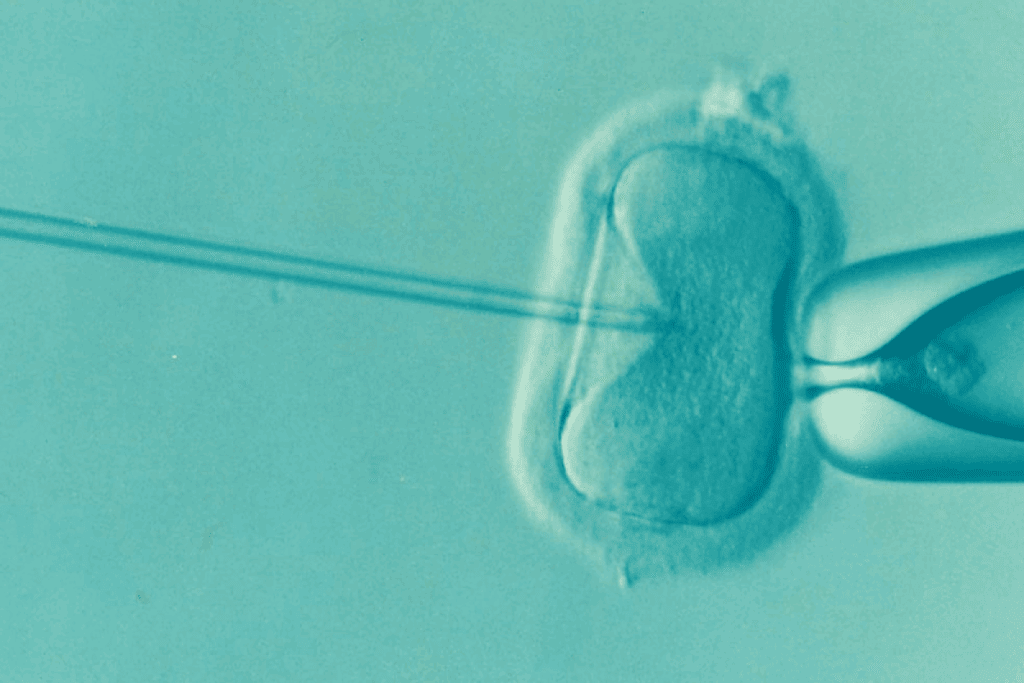
Knowing the success rates of day 5 frozen embryo transfers is key for those going through fertility treatments. These numbers give insights into how well the treatment works. They also help people make better choices.
Clinical Pregnancy Rates
Studies show that day 5 frozen embryo transfers have clinical pregnancy rates of 61-70 percent. This is a high success rate. It shows how effective this treatment can be.
A study in a top fertility journal found a clinical pregnancy rate of 65.2% for day 5 frozen embryos. This confirms the trustworthiness of day 5 frozen embryo transfers.
| Study | Clinical Pregnancy Rate |
|---|---|
| Study A | 61% |
| Study B | 70% |
| Study C | 65.2% |
Live Birth Outcomes
Live birth rates are also important for measuring fertility treatment success. For day 5 frozen embryo transfers, live birth rates are about 44-57 percent. These numbers are promising, showing a good chance of successful births.
Fertility experts say the live birth rate for day 5 frozen-thawed embryos was 50.4% in their study. This shows the positive results of this treatment.
These numbers show how effective day 5 frozen embryo transfers are. They help achieve both clinical pregnancy and live births. Understanding these success rates helps people choose the best fertility treatment options.
Day 6 Frozen Embryo Success Rate Data
Looking into frozen embryo transfers, it’s key to know the success rates of day 6 embryos. We dive into the data to shed light on the clinical pregnancy and live birth rates for these transfers.
Clinical Pregnancy Outcomes
The clinical pregnancy rates for day 6 frozen embryo transfers are 54% to 62%. These numbers are on par with day 5 transfers, showing day 6 embryos can be just as good. Several factors play a role in these outcomes:
- Embryo quality
- Endometrial receptivity
- Transfer technique
Live Birth Percentages
Live birth rates for day 6 frozen embryo transfers are 25% to 36%. Though slightly lower than day 5 transfers, they’re a notable success chance for fertility treatment patients.
Day 6 embryos might have lower success rates than day 5 ones. Yet, they’re a solid option for patients. We must weigh individual cases and embryo quality when deciding on frozen embryo transfers.
Important factors include:
- The age of the patient
- The quality and grade of the embryo
- The specific fertility treatment protocol
Knowing these factors and success rates helps patients make better choices about their fertility treatment.
Blastocyst Quality Assessment
Understanding blastocyst quality is key to better IVF results. It involves checking several factors that show if the embryo is healthy and viable.
Morphological Grading Systems
Morphological grading systems help judge blastocyst quality. They look at the embryo’s inner cell mass (ICM) and trophectoderm (TE). The ICM is important for fetal growth, and the TE helps with implantation and making the placenta.
Grading uses letters and numbers to show the ICM and TE quality and blastocyst expansion. For example, embryos might be graded like this:
| Grade | Inner Cell Mass (ICM) | Trophectoderm (TE) |
|---|---|---|
| A | Many cells, tightly packed | Many cells, cohesive epithelium |
| B | Several cells, loosely grouped | Several cells, loose epithelium |
| C | Few cells, sparse | Few cells, sparse |
Development Speed as Quality Indicator
How fast an embryo develops is a big quality sign. Embryos that become blastocysts on day 5 are usually better than those on day 6. This is because day 5 embryos show faster and stronger growth.
Studies show that day 5 embryo grading and success rates are often better than day 6. But, day 6 embryos can also have good success rates, depending on their morphological grading.
By looking at both morphological grading and development speed, doctors can choose the best embryos for transfer. This helps increase the chances of a successful IVF cycle.
Genetic Health of Day 5 vs Day 6 Embryos
It’s important to know the genetic health of day 5 and day 6 blastocysts. This knowledge helps in making better choices in fertility treatments. The genetic health of an embryo is key to the success of IVF cycles.
Euploidy Rates Comparison
Studies show that day 5 blastocysts have a higher euploidy rate than day 6 ones. Day 5 embryos have a euploidy rate of about 53%. Day 6 embryos have a rate of about 43.5%. This difference is important for successful implantation and live birth.
| Embryo Development Day | Euploidy Rate (%) |
|---|---|
| Day 5 | 53 |
| Day 6 | 43.5 |
Chromosomal Testing Considerations
Chromosomal testing, like PGT-A, is key in checking embryo genetic health. It helps find embryos with the right number of chromosomes. This increases the chance of a successful pregnancy. Given the difference in euploidy rates, chromosomal testing is very important for day 6 blastocysts. They are more likely to be aneuploid.
The data on euploidy rates and chromosomal testing help doctors and patients make better choices. This can improve the chances of a successful IVF outcome.
Why Fresh vs Frozen Transfer Matters
Knowing the difference between fresh and frozen embryo transfers can greatly impact IVF success. The choice between these methods affects the embryo’s health and the mother’s body’s readiness to accept it.
Endometrial Receptivity Challenges
Endometrial receptivity is key for embryo transfer success. In fresh IVF cycles, the drugs used can harm the endometrium, making it harder for the embryo to implant. Experts say, “The endometrial receptivity is often compromised in fresh cycles due to ovarian stimulation.”
“The synchronization between embryo development and endometrial preparation is critical for successful implantation.”
Frozen embryo transfers, by contrast, offer a more natural cycle. This allows for better timing between the embryo’s growth and the endometrium’s readiness. This timing is very important for day 6 blastocysts.
Benefits of Frozen Cycle for Day 6 Blastocysts
Day 6 blastocysts gain a lot from frozen embryo transfers. The wait before transfer helps prepare the endometrium better, boosting implantation chances. Research shows frozen-thawed embryo transfers can be as good as, or even better than, fresh transfers for day 6 blastocysts.
The advantages of frozen cycles include:
- Improved endometrial receptivity
- Better synchronization between embryo and endometrium
- Reduced risk of ovarian hyperstimulation syndrome (OHSS)
Choosing frozen embryo transfer can increase the chances of a successful IVF outcome, even more so for day 6 blastocysts. As IVF treatments evolve, understanding the differences between fresh and frozen transfers is vital for better patient care.
Key Factors Beyond Development Day
While the day of embryo development is key, other factors also play a big role in frozen embryo transfer success. Knowing these can help both patients and doctors make better choices about treatment.
Embryo Grade Impact
The grade of the embryo is very important for frozen embryo transfer success. Grading looks at how well the embryo is developing. A higher-grade embryo is more likely to implant and lead to a successful pregnancy.
Studies show that better-grade embryos lead to higher success rates. For example, top-grade embryos can have a success rate over 60%. In contrast, lower-grade embryos might have rates under 30%. The embryo’s quality is a big factor in success.
Maternal Age Considerations
Maternal age also affects frozen embryo transfer success. As women get older, their eggs and embryos may not be as good. Women under 35 usually have better success rates than older women. Age can also increase the risk of miscarriage and genetic problems.
“The age of the woman at the time of egg retrieval is a critical factor in determining the success of frozen embryo transfers.”
BMI and Other Patient Factors
BMI can also impact frozen embryo transfer success. Women with a higher BMI might have lower success rates due to hormonal and metabolic changes. Keeping a healthy BMI through diet and exercise can help improve outcomes.
Other factors like endometrial thickness and receptivity also matter. Making sure the endometrium is ready for implantation is key. By considering these factors and adjusting treatment plans, doctors can increase the chances of a successful transfer.
Clinical Management Strategies
Effective clinical management is key for the success of frozen embryo transfers. The journey to a successful pregnancy is not just about the embryo quality. It also depends on the clinical strategies used during the transfer.
Endometrial Preparation Protocols
Preparation of the endometrium is vital for frozen embryo transfer (FET) cycles. “A receptive endometrium is essential for implantation success,” say top fertility experts. We have a detailed protocol to prepare the endometrium, making it ready for the embryo.
We monitor and adjust hormonal treatments carefully. This creates the best environment for implantation. Our methods include:
- Tailored estrogen and progesterone administration
- Serial ultrasound monitoring to assess endometrial thickness and morphology
- Adjustments to the treatment protocol based on individual patient response
By personalizing endometrial preparation, we boost the chances of successful implantation and pregnancy.
Transfer Timing Optimization
Optimizing the timing of embryo transfer is also critical. The window for implantation is narrow, and timing is key for success.
We use advanced methods to find the best transfer time. These include:
- Progesterone level monitoring to identify the onset of the implantation window
- Ultrasound assessment to confirm endometrial receptivity
- Personalized timing based on individual hormonal responses and embryo development
As experts say, “The synchronization between embryo development and endometrial receptivity is key to successful implantation.” By optimizing transfer timing, we increase the chances of success.
Our clinical management strategies work together to create the best conditions for a successful frozen embryo transfer. By combining detailed endometrial preparation with optimized transfer timing, we give our patients the best chance of a successful pregnancy.
Patient Decision-Making Guide
Choosing the right embryo for transfer is key for those trying fertility treatments. Understanding the role of day 6 embryos is important. It can greatly affect your path to becoming a parent.
When Day 6 Embryos Are Your Best Option
Day 6 embryos might be the best choice for some. Patients with fewer embryos might see them as a good option. Also, women with thin endometrial linings might find them more flexible for timing.
Talking to your fertility specialist is vital. They will consider your medical history, embryo quality, and health. This helps decide if day 6 embryos are right for you.
Questions to Ask Your Fertility Specialist
When you talk to your fertility specialist, ask important questions. Think about asking:
- What are the success rates for day 6 frozen embryo transfers in your clinic?
- How does the quality of my embryos impact the chances of success with day 6 transfers?
- Are there any specific protocols or preparations that can enhance the success of day 6 embryo transfers?
These questions help you understand what to expect. They also help you improve your chances of success.
Managing Expectations Realistically
Managing your expectations is key in fertility treatments. Day 6 embryos can be a good choice, but success rates differ. It’s important to be ready for any outcome and talk openly with your specialist.
Keep a positive but realistic view. Remember, everyone’s journey is different. By staying informed and working with your healthcare provider, you can make the best decisions for your care.
Real Patient Experiences
Real patient stories show how Day 6 embryos can lead to success. These stories inspire hope and offer insights into fertility treatments.
Success Stories with Day 6 Embryos
Many patients have found success with Day 6 embryo transfers. For example, a 35-year-old woman tried a Day 6 transfer after failing with Day 5. She was thrilled to find out she was pregnant.
These stories stress the value of persistence and personalized treatment plans. Every patient’s journey is different. Deciding on a Day 6 transfer is a thoughtful choice made with fertility experts.
- Patient testimonials show a range of experiences, from doubt to joy.
- The emotional path of fertility treatments is complex and varied.
- Support from healthcare and the fertility community is key to success.
Comparative Case Studies
Comparative studies shed light on Day 5 vs. Day 6 embryo transfers. A study found Day 5 transfers slightly outperformed Day 6. Yet, Day 6 transfers also led to many successful pregnancies.
The success often depends on the patient’s unique situation, like age, embryo quality, and health. These studies help fertility experts guide patients based on their needs.
These real experiences and studies highlight the need for tailored treatment approaches in fertility. By sharing these, we aim to offer guidance and reassurance to those on their fertility journey.
Emerging Research and Future Directions
New research is changing how we understand embryo development in reproductive medicine. We’re seeing big steps forward, like extended culture to day 7 and using artificial intelligence for embryo selection. These breakthroughs could make IVF more successful and better for patients.
Extended Culture to Day 7
Before, we only cultured embryos for 5 or 6 days. But now, studies are looking at extending this to day 7. This could help find more viable embryos that were missed before. Day 7 embryos might be just as good as those from earlier days, giving more options for transfer.
Key findings in extended culture to day 7 include:
- Comparable euploidy rates between day 5, 6, and 7 embryos
- Potential for increased cumulative pregnancy rates
- Need for refined selection criteria for day 7 embryos
Artificial Intelligence in Embryo Selection
Artificial intelligence (AI) is changing how we pick embryos. AI looks at lots of data from time-lapse imaging, spotting things humans might miss. This could make picking the right embryo more accurate and consistent, leading to better IVF success.
Benefits of AI in embryo selection include:
- Enhanced predictive capability for embryo viability
- Reduced inter-observer variability
- Potential for improved selection of embryos with high implantation
As we keep moving forward, new research will keep shaping IVF treatment. By using these new tools, we can give our patients the best care possible.
Conclusion
Our study on day 5 vs day 6 frozen embryo transfer success rates shows important findings. Day 5 embryos often have better success rates. But, day 6 embryos are also a good choice, depending on the patient’s situation and treatment plan.
The success of frozen embryo transfers depends on many things. These include the embryo’s quality, the mother’s age, and how well the uterus is ready to receive the embryo. Knowing these factors helps improve the chances of success for those trying fertility treatments.
Day 5 embryos usually have higher success rates than day 6 embryos. But, the success rates between the two days show the need for personalized treatment plans. This is because each patient’s situation is unique.
As we keep improving in reproductive medicine, comparing day 5 and day 6 embryo transfer success rates is key. Fertility specialists can make better choices by looking at each patient’s unique situation. This helps increase the chances of a successful pregnancy.
FAQ
What are the success rates for day 5 versus day 6 frozen embryo transfers?
Day 5 frozen embryo transfers have clinical pregnancy rates of 61-70%. Live birth rates range from 44-57%. Day 6 transfers have lower success rates. Clinical pregnancy rates are 54-62%, and live birth rates are 25-36%.
How is blastocyst quality assessed, and what impact does it have on success rates?
Blastocyst quality is checked using morphological grading. This looks at the inner cell mass, trophectoderm, and blastocyst expansion. Development speed also matters, affecting success rates for both day 5 and day 6 blastocysts.
Are there differences in the genetic health of day 5 and day 6 embryos?
Yes, day 5 embryos have higher euploidy rates, around 53%. Day 6 embryos have rates of about 43.5%. This difference is important for chromosomal testing and choosing embryos for transfer.
What are the benefits of frozen embryo transfers, specially for day 6 blastocysts?
Frozen embryo transfers improve endometrial receptivity and allow for better timing. This is great for day 6 blastocysts, helping them sync with the uterine environment.
What factors beyond the day of development influence the success rates of frozen embryo transfers?
Success rates are influenced by embryo grade, maternal age, and patient factors like BMI. These factors, along with the day of development, impact success rates. This shows the need for personalized treatment plans.
How can clinical management strategies be optimized to improve success rates?
Tailoring endometrial preparation and transfer timing can improve success rates. These strategies create the best environment for embryo transfer and implantation.
When might day 6 embryos be the best option for patients undergoing fertility treatments?
Day 6 embryos might be best when there are few embryos or the uterine environment isn’t right for fresh transfer. Patients should talk to their fertility specialist to decide the best option.
What questions should patients ask their fertility specialists about day 5 and day 6 embryos?
Patients should ask about success rates, embryo quality, and treatment plans. They should also ask about endometrial preparation and transfer timing protocols.
What are the emerging research directions in the field of embryo transfer, and how might they impact success rates?
New research includes extended culture to day 7 and using artificial intelligence in embryo selection. These could improve success rates by selecting better embryos and optimizing timing.
References
National Center for Biotechnology Information. Day 6 vs. Day 5 Frozen Embryo Transfer Success. Retrieved from https://www.ncbi.nlm.nih.gov/pmc/articles/PMC10794779/