Did you know sitting for too long can raise your risk of a serious condition? Deep vein thrombosis (DVT) happens when a blood clot forms in deep veins, often in the legs deep vein thrombosis.
As we get older, our chance of getting DVT goes up. It’s important to know why it happens and how to prevent it. Sitting for long periods, common among travelers, office workers, and those with mobility issues, is a big risk factor.
We’ll look into how sitting for too long can lead to DVT. We’ll talk about the causes, signs, and ways to prevent it. This will help those at risk understand more.
Key Takeaways
Prolonged sitting increases the risk of DVT.
DVT risk factors include age and mobility issues.
Understanding DVT causes is key to prevention.
Prevention strategies can greatly lower DVT risk.
Office workers and travelers are at higher risk.
What is Deep Vein Thrombosis?

Understanding deep vein thrombosis (DVT) is key to spotting its signs and getting help fast. DVT is a serious condition that occurs when a blood clot forms in the deep veins, typically in the legs.
The Process of Thrombus Formation
Thrombus formation in DVT happens when blood clots in the deep veins. This can be caused by not moving much, injury to the vein, or genetic issues that affect blood clotting.
The clotting process involves many factors, like platelets and clotting factors. When a clot forms, it can block blood flow and harm the tissue around it.
Common Locations for DVT Development
DVT often happens in the deep veins of the lower legs, like the femoral and popliteal veins. But it can also occur in other deep veins, such as in the arms or pelvis.
Factors like staying in one place for a long time, recent surgery, or injury to the limb can increase the risk of DVT in these areas.
Prevalence and Statistics in the United States
DVT is a big health issue in the United States, affecting hundreds of thousands of people every year. Research shows that DVT is quite common, happening in both people in the hospital and those at home.
The high number of DVT cases highlights the need for awareness and prevention. This is even more important for people at higher risk, like older adults, those with medical conditions, or certain lifestyles.
The Connection Between Prolonged Sitting and DVT
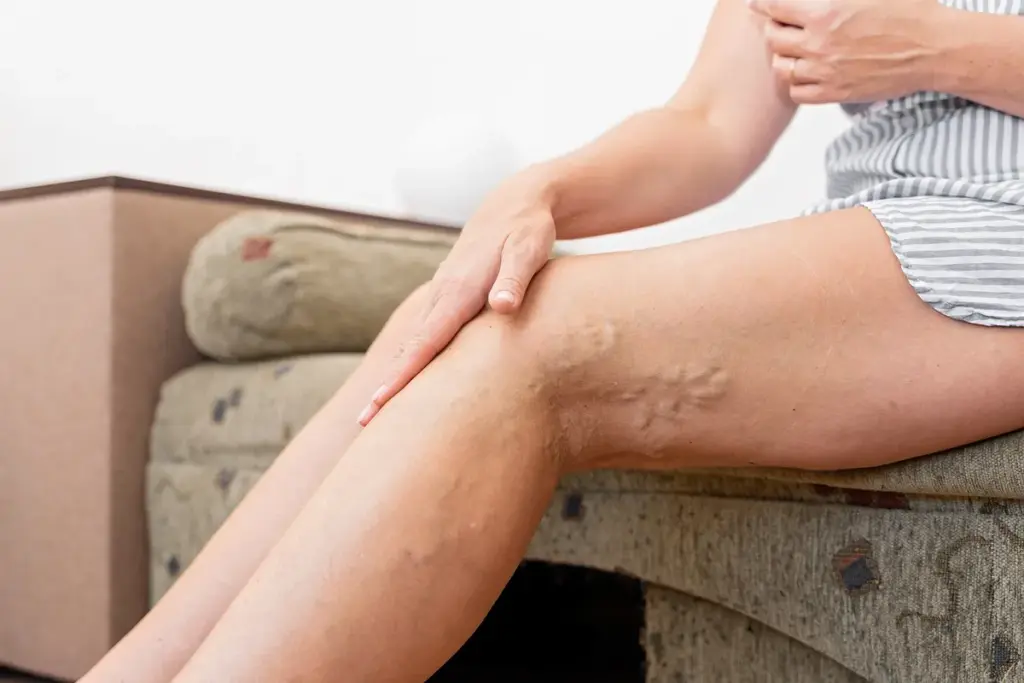
Sitting for too long can lead to DVT, a condition where blood clots form in deep veins, usually in the legs. Spending more time sitting, whether at work, traveling, or relaxing, raises our risk of getting this serious condition.
Effects of Immobility on Blood Circulation
Being immobile for a long time affects our blood circulation. Our leg muscles don’t contract and relax as they should. This is key for pumping blood back to the heart.
Without movement, blood pools in our lower legs. This increases the risk of blood clots forming.
Immobility reduces blood flow, a major factor in venous thrombosis. Slow blood flow makes clotting more likely. This is a big concern for those already at risk for DVT.
Physiological Mechanism of Clot Formation During Sitting
Clot formation during prolonged sitting involves several factors. Sitting for too long puts our legs below the heart. This increases venous pressure and can damage the veins.
Venous stasis and damage to the veins’ lining create a perfect environment for clots. Blood pooling increases clotting factors, raising the risk of thrombosis.
Research Findings on Sitting-Related Venous Thrombosis
Many studies have looked into the link between sitting and venous thrombosis. Research has shown that prolonged sitting, such as during flights or car rides, increases the risk of DVT. For example, a study showed that flights over 4 hours raise DVT risk.
It’s important to understand these risks to prevent DVT when sitting for long. By knowing the link between sitting and venous thrombosis, we can take steps to lower our risk.
How Long is Too Long? Understanding Sitting Duration and DVT Risk
Exploring the link between sitting and DVT is key. We need to know how long sitting is safe. The risk of DVT from sitting varies by person, due to many factors.
Research on Time Thresholds for Increased Risk
Research has looked into when sitting becomes risky for DVT. It shows that sitting for over four to eight hours raises the risk. Even short periods of sitting can be risky for those with other health issues.
A study in the Journal of Thrombosis and Haemostasis found a link. It showed that sitting for long times is risky, more so for those with health problems.
Factors That Compound Risk During Extended Sitting
Several things can make DVT risk higher when sitting for a long time. These include:
Age: Older people are at higher risk.
- Obesity: Extra weight puts more pressure on veins.
- Previous DVT or blood clots.
- Recent surgery or injury.
- Cancer and its treatments.
- Genetic tendencies to clotting disorders.
Knowing these risk factors helps understand who is more likely to get DVT.
Individual Variation in Susceptibility
How likely someone is to get DVT from sitting varies a lot. Health, mobility, and genetics are big factors. For example, those with a family history of blood clots might be more at risk, even from short sitting times.
Jobs or activities that involve a lot of sitting, like long trips or desk work, also raise the risk. Knowing these risks and taking steps to prevent them can lower the chance of getting DVT.
Recognizing the Signs and Symptoms of Deep Vein Thrombosis
Knowing the warning signs of DVT can save lives. It helps in getting early treatment. DVT shows specific symptoms that need quick action.
Common symptoms: leg swelling and pain
Swelling in the leg is a common sign of DVT. It can also cause pain or tenderness. This swelling happens because blood flow is blocked by a clot.
The pain from DVT can be mild or very severe. It often feels like a cramp. It’s important to remember these symptoms can also mean other health issues. So, getting a proper diagnosis is key.
Homans sign and other clinical indicators
Homans sign was once used to check for DVT. It involves pain in the calf when the foot is bent up. But, it’s not reliable anymore.
Other signs might include a warm or red leg. This is because of inflammation.
When symptoms might be absent or subtle
Sometimes, DVT doesn’t show symptoms until it’s big or until it breaks off. This can cause a pulmonary embolism. It’s hard to diagnose DVT just by looking at symptoms.
Emergency warning signs
Some symptoms need immediate help. Sudden chest pain or trouble breathing could mean a pulmonary embolism. Severe leg pain or swelling that comes on fast is also a warning sign.
If you see these symptoms, get medical help right away. Knowing the signs of DVT and when to get help can make a big difference. If you have unusual leg symptoms or are at risk for DVT, talk to a doctor.
High-Risk Situations for Sitting-Related DVT
Prolonged sitting can increase the risk of DVT. It’s important to know these high-risk situations to prevent and detect DVT early.
Air Travel and “Economy Class Syndrome”
Air travel, long-haul flights in particular, is a known risk for DVT, also called “economy class syndrome.” The tight seats and lack of movement can cause blood to pool in the legs. This increases the chance of clots forming. Stay hydrated, wear compression stockings, and move your legs and feet often during flights.
Office Workers and Desk Jobs
Office workers who sit for long hours are also at risk. Sitting for too long without breaks can lead to DVT. Try ankle rotations and toe lifts to improve blood flow. Employers can help by encouraging breaks and setting up ergonomic workspaces.
Long-Distance Driving
Driving long distances means sitting for hours. Drivers should get up and stretch regularly. Make stops every few hours to lower DVT risk.
Hospital Stays and Bed Rest
Hospital patients or those on bed rest face a higher risk of DVT. Healthcare teams use anticoagulants and compression devices to prevent it. Moving early is also key in preventing DVT in hospital patients.
Knowing these high-risk situations and taking steps to prevent DVT is vital. Awareness and proactive measures are essential, even when sitting is unavoidable.
Additional Risk Factors for Deep Vein Thrombosis
Knowing the risk factors for Deep Vein Thrombosis (DVT) is key to preventing and catching it early. Many things can raise your risk of getting DVT. We’ve talked about the dangers of sitting for too long. But other factors also play a big part in increasing your risk.
Age and Gender Considerations
Age is a big risk factor for DVT, with the risk going up after 40. As you get older, your risk goes up because you move less and have more health problems. Women, too, are at higher risk, thanks to estrogen in birth control or hormone therapy.
Medical Conditions That Increase Clotting Risk
Some health issues can really up your risk of getting DVT. These include:
- Cancer, mainly in late stages or during chemo
- Heart disease, like heart failure
- Inflammatory bowel disease, like Crohn’s or ulcerative colitis
- Nephrotic syndrome, a kidney problem
- Being overweight, which can make veins work harder
These conditions can mess with how blood clots and moves, making DVT more likely.
Medications That Affect Blood Coagulation
Some meds can change how blood clots, raising your DVT risk. These include:
- Birth control pills with estrogen
- Hormone therapy
- Certain chemo drugs
If you’re on these meds, know they might up your DVT risk. Talk to your doctor about how to stay safe.
Genetic Predisposition to Clotting Disorders
Genetics can also play a big part in DVT. Conditions like Factor V Leiden or protein C and S deficiencies can make clots more likely. If you have a family history of DVT or have had it before, getting tested might help.
By knowing these extra risk factors, we can spot who’s more likely to get DVT. Then, we can take steps to prevent it.
When to Seek Medical Help for Suspected DVT
Deep Vein Thrombosis (DVT) needs quick medical check-up if symptoms show up. We’ll help you know when to act fast. It’s key for early diagnosis and treatment.
Urgent symptoms requiring immediate attention
Certain signs mean you need to see a doctor right away. These include:
- Swelling in one leg (rarely both legs)
- Pain or tenderness in the leg, which may feel like cramping or soreness
- Red or discolored skin on the leg
- The affected leg feels warmer than the other leg
If you notice any of these, it’s vital to seek medical help quickly.
Differentiating DVT from other leg conditions
DVT symptoms can look like other issues, like muscle strain or cellulitis. But, if you’ve had recent long sitting or surgery and feel these symptoms, think of DVT.
What to expect during your doctor’s visit
Your doctor will do a physical check and ask about your health history. They might talk about recent travel or sitting a lot. They could also use tests like ultrasound to check for clots.
Knowing the signs of DVT and when to get help is important. Quick action can really help your recovery.
Diagnosis of Deep Vein Thrombosis
To diagnose DVT, doctors use physical exams, imaging, and blood tests. This mix is key to spotting the problem and starting treatment.
Physical Examination Techniques
A detailed physical exam is the first step. Doctors look for swelling, redness, and warmth in the leg. They also check for tenderness in the veins. Physical exams give clues, but they’re not always clear.
The Homans’ sign is a test where doctors gently bend the foot to check for pain. But, it’s not very reliable on its own and is used with other tests.
Imaging Tests
Imaging tests are vital for confirming DVT. Ultrasound, like duplex ultrasound, is often used. It shows blood flow and clots.
Venography is another method. It uses a contrast agent to see the veins. Though accurate, it’s more invasive and used when ultrasound doesn’t work.
Blood Tests
Blood tests are also important, like the D-dimer test. It checks for a protein fragment from dissolving blood clots. A negative result can rule out DVT, but a positive one might need more tests.
Other tests look for clotting disorders or genetic risks. They help understand why DVT happened and guide long-term care.
Preventing DVT During Unavoidable Periods of Sitting
Long sitting times don’t have to raise your DVT risk. Use the right strategies to stay safe. Whether flying long, working at a desk, or driving, there are ways to lower your risk of Deep Vein Thrombosis.
Movement Strategies During Long Flights
Staying active on long flights is key. Regular movement can greatly lower your DVT risk. Try to get up and walk the aisle every few hours. If that’s hard, do simple exercises like ankle rotations and toe raises in your seat.
Also, choose an aisle seat when booking. It lets you stretch and move more easily without bothering others.
Leg Exercises You Can Do at Your Desk
For desk jobs or lots of sitting, leg exercises are a big help. Simple moves like lifting your heels, wiggling your toes, and straightening your legs boost circulation. Standing up and stretching every hour also helps.
- Lift your heels off the ground, keeping your toes on the floor.
- Wiggle your toes and rotate your ankles.
- Straighten your legs and hold for a few seconds before bending them again.
Hydration and Its Importance
Staying hydrated is key when sitting for long. Drinking lots of water keeps your blood thin and lowers clot risk. Drink at least 8-10 glasses a day. Avoid caffeinated or alcoholic drinks that can dry you out.
Compression Stockings and Their Benefits
Compression stockings are great for preventing DVT. They apply gentle pressure to improve blood flow and lower clot risk. They’re a good choice for long trips and those at high DVT risk.
|
Prevention Method |
Description |
Benefit |
|---|---|---|
|
Movement Strategies |
Regular walking and simple exercises |
Reduces risk of DVT by improving circulation |
|
Leg Exercises |
Lifting heels, wiggling toes, straightening legs |
Improves blood flow and reduces clot risk |
|
Hydration |
Drinking plenty of water |
Keeps blood thin, reducing clot formation |
|
Compression Stockings |
Gentle pressure on legs |
Improves blood flow, reduces DVT risk |
Lifestyle Changes to Reduce Overall DVT Risk
Living a healthier lifestyle can greatly lower your risk of Deep Vein Thrombosis (DVT). By exercising regularly, eating well, managing your weight, and quitting smoking, you can reduce your DVT risk. These actions also boost your overall vascular health.
Exercise for Vein Health
Keeping your veins healthy requires regular physical activity. Exercise boosts blood flow, which helps prevent clots. Aim for at least 30 minutes of moderate exercise daily.
- Brisk walking
- Swimming
- Cycling
- Jogging or running
These exercises strengthen your leg muscles. This improves circulation and lowers DVT risk.
Dietary Considerations
Eating a balanced diet is key to preventing blood clots. Foods rich in fruits, vegetables, whole grains, and lean proteins are beneficial. Nutrients like vitamin K are important for blood clotting.
|
Nutrient |
Food Sources |
Benefit |
|---|---|---|
|
Vitamin K |
Leafy greens, broccoli, fish |
Regulates blood clotting |
|
Omega-3 fatty acids |
Fatty fish, flaxseeds, walnuts |
Reduces inflammation |
|
Antioxidants |
Berries, citrus fruits, dark chocolate |
Improves overall vascular health |
Weight Management
Keeping a healthy weight is vital for DVT prevention. Excess weight can strain your leg veins, increasing clot risk.
Combine a balanced diet with regular exercise to maintain a healthy weight.
Smoking Cessation
Quitting smoking greatly improves circulation and lowers DVT risk. Smoking damages blood vessel linings, making them more prone to clots.
“Smoking cessation is a critical step in reducing the risk of cardiovascular diseases, including DVT. The benefits of quitting smoking are immediate and long-term.”
American Heart Association
There are many resources to help you quit smoking, like counseling, support groups, and nicotine replacement therapy.
Treatment Options for Deep Vein Thrombosis
When you’re diagnosed with Deep Vein Thrombosis, knowing your treatment options is key. The goal of DVT treatment is to stop the clot from growing and breaking loose. This helps prevent a pulmonary embolism and reduces long-term risks.
Anticoagulant Medications: Types and Considerations
Anticoagulant medications are the main treatment for DVT. They prevent new clots and stop existing ones from growing. The main types are:
- Warfarin: A traditional anticoagulant that needs regular blood checks.
- Direct Oral Anticoagulants (DOACs): Newer options like rivaroxaban, apixaban, and dabigatran. They’re more predictable and often don’t need blood monitoring.
The right medication depends on your health, other drugs you take, and what you prefer.
Thrombolytic Therapy for Severe Cases
Thrombolytic therapy is for severe DVT cases. It uses drugs to dissolve the clot. But, it can increase the risk of bleeding.
Surgical Interventions and Vein Filters
Surgery might be needed in some cases. This includes:
Thrombectomy: A surgery to remove the clot.
- Vein Filters: Devices to catch clots before they reach the lungs. They’re used when other treatments don’t work.
These options are for those at high risk of pulmonary embolism or can’t take anticoagulants.
Recovery Timeline and Expectations
The recovery time for DVT varies. It depends on the clot’s size, treatment success, and your health. Most people start feeling better in a few weeks.
It’s important to follow your treatment plan and make lifestyle changes to avoid future problems.
Knowing about DVT treatment options helps patients manage their care and work towards recovery.
Complications of Untreated DVT
Deep Vein Thrombosis (DVT) can cause more harm than just a clot. If not treated, it can lead to serious issues. These include pulmonary embolism, post-thrombotic syndrome, and chronic venous insufficiency.
Pulmonary Embolism: Symptoms and Emergency Response
Pulmonary embolism (PE) is a deadly complication of DVT. It happens when a clot travels to the lungs. Symptoms include sudden shortness of breath, chest pain, and coughing up blood.
If you see these signs, get help right away. The American Heart Association says quick action is key to avoid death from PE.
“The most effective way to manage pulmonary embolism is through prevention, which includes the appropriate use of anticoagulant therapy in patients at risk for DVT.”
Post-Thrombotic Syndrome: Long-term Vein Damage
Post-thrombotic syndrome (PTS) can also occur after DVT. It happens when the clot damages vein valves. This leads to pain, swelling, and skin color changes. PTS can greatly reduce quality of life.
Preventing PTS means treating DVT quickly. This includes using compression stockings and anticoagulant drugs.
Chronic Venous Insufficiency and Quality of Life
Chronic venous insufficiency (CVI) can also result from DVT. It’s when veins can’t return blood to the heart. This causes swelling, pain, and skin changes in the affected limb. CVI can make daily activities hard. Managing CVI requires lifestyle changes, compression therapy, and sometimes surgery.
Knowing the risks of untreated DVT is key. If symptoms don’t go away or get worse, see a doctor. We urge anyone with DVT symptoms to talk to a healthcare professional.
Conclusion
Deep vein thrombosis (DVT) is a serious health issue linked to sitting for long periods. We’ve looked into what causes DVT, its symptoms, how it’s diagnosed, and how to prevent and treat it. It’s key to know about DVT and get medical help when needed.
To lower your risk of DVT, move regularly, do leg exercises, and stay hydrated, mainly when sitting for a long time. These steps help keep your blood vessels healthy.
If you’re at risk or notice symptoms, don’t hesitate to see a doctor. Doctors can use medicines and other treatments to help manage DVT.
Keeping your blood vessels healthy is vital. This can be done by exercising regularly, eating well, and managing your weight. By making these lifestyle changes, we can prevent DVT and improve our health overall.
FAQ
What is deep vein thrombosis (DVT)?
Deep vein thrombosis is a serious condition. It happens when a blood clot forms in the deep veins, usually in the legs.
Can sitting too long cause DVT?
Yes, sitting for too long can increase your risk of DVT. It leads to immobility, which affects blood flow and clot formation.
What are the common symptoms of DVT?
Symptoms include leg swelling, pain, and tenderness. Some cases may have no symptoms or very mild ones.
How is DVT diagnosed?
Doctors use physical exams, imaging tests like ultrasound, and blood tests like D-dimer assays to diagnose DVT.
What are the risk factors for developing DVT?
Risk factors include prolonged sitting, age, certain medical conditions, and medications that affect blood clotting. Genetic predispositions also play a role.
How can I prevent DVT during long flights or car rides?
To prevent DVT, move regularly, do leg exercises, stay hydrated, and wear compression stockings.
What lifestyle changes can reduce my risk of DVT?
Regular exercise, a balanced diet, managing your weight, and quitting smoking can help reduce your risk of DVT.
What are the treatment options for DVT?
Treatment usually involves anticoagulant medications. In severe cases, thrombolytic therapy or vein filters may be used.
What are the complications of untreated DVT?
Untreated DVT can lead to serious issues. These include pulmonary embolism, post-thrombotic syndrome, and chronic venous insufficiency.
When should I seek medical help for suspected DVT?
If you have severe leg pain, swelling, or trouble breathing, seek medical help right away.
References
Deep Vein Thrombosis: Deadly Risks Of Sitting
https://pmc.ncbi.nlm.nih.gov/articles/PMC2966881/