Nearly 900,000 people in the United States are affected by Deep Vein Thrombosis (DVT) each year. This condition can lead to serious complications if not treated right.
Many people worry about DVT and its signs. They often think elevating their legs might help. But, whether it works and is safe depends on many things.
We will look into what doctors say about using leg elevation for DVT. It’s important to know about DVT and how to manage it.
Key Takeaways
- Understanding DVT and its symptoms is key to managing it well.
- Leg elevation might be a part of managing DVT symptoms.
- Whether leg elevation is safe and works depends on the person’s situation.
- Following medical guidelines is the best way to manage DVT.
- It’s important to talk to doctors for advice that fits you.
What Is Deep Vein Thrombosis?
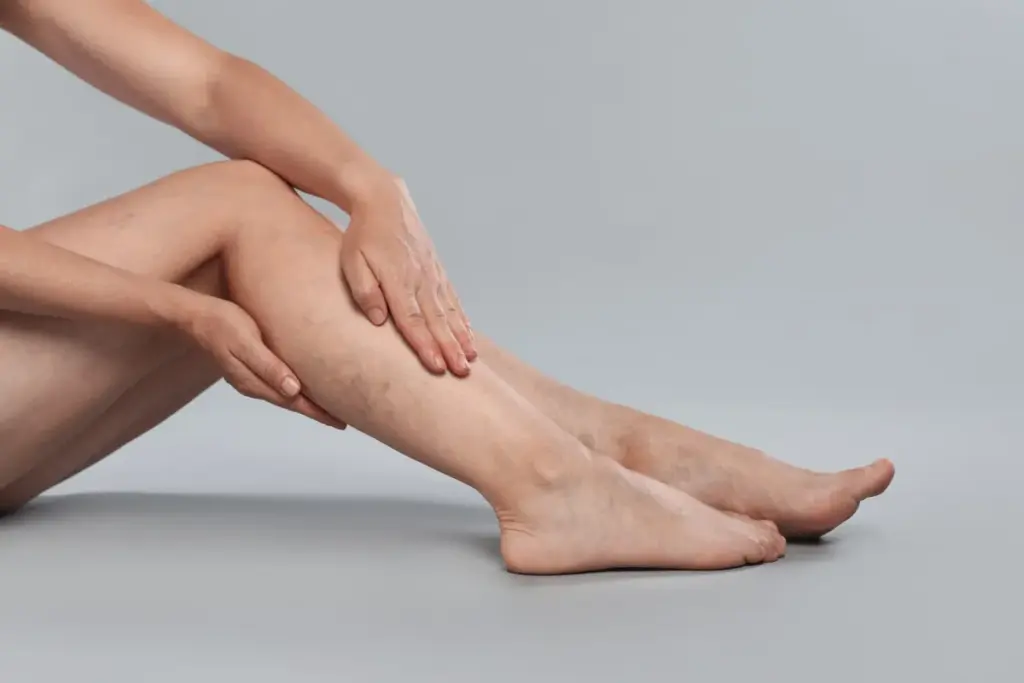
Deep Vein Thrombosis (DVT) is a serious condition where a blood clot forms in a deep vein, usually in the legs. It can cause serious health problems if not treated right away.
Definition and Basic Understanding
DVT happens when a blood clot forms in the deep veins. These veins are deep inside the muscle, unlike the veins closer to the skin’s surface. A blood clot in these veins can block blood flow, leading to serious issues.
We will look into how DVT affects the body and how common it is later. But it’s key to know that DVT needs quick medical care to avoid serious problems.
Common Locations for Blood Clot Formation
Blood clots from DVT often form in the lower legs. They usually happen in:
- Calf veins
- Popliteal vein (behind the knee)
- Femoral vein (in the thigh)
- Iliac veins (in the pelvis)
These areas are more likely to get clots because of blood stasis, hypercoagulability, and injury to the inner lining of veins.
Prevalence and Statistics in the United States
DVT is a big health issue in the United States, affecting many people every year. Data shows that DVT happens in about 1-2 per 1,000 adults each year.
|
Condition |
Estimated Annual Incidence |
Population Affected |
|---|---|---|
|
DVT |
1-2 per 1,000 adults |
Adults in the United States |
|
Pulmonary Embolism (PE) related to DVT |
0.5-1 per 1,000 adults |
Adults in the United States |
Knowing how common DVT is helps both doctors and the public understand the risks. It’s important for taking steps to prevent it.
Recognizing DVT Symptoms

Knowing the signs of DVT is key to early treatment and avoiding serious problems. We’ll look at the common symptoms, clinical signs, and how to tell DVT from other leg issues.
Common Signs of Blood Clots in Legs
DVT symptoms include pain, swelling, and color changes in the leg. Pain or tenderness can feel like a dull ache or sharp pain. Swelling is due to fluid buildup and may be red or warm.
Homans Sign and Other Clinical Indicators
Homans’ sign was once a test for DVT, but it’s not reliable today. Now, doctors look for swelling and warmth in the leg. They also check for pain when bending the foot up.
Differentiating DVT from Other Leg Conditions
DVT symptoms can look like other issues, like muscle strain or cellulitis. A doctor must do tests to confirm DVT. Ultrasound is a key test for blood clots.
When to Seek Immediate Medical Attention
Get help right away if you have severe leg pain, swelling, or trouble breathing. These could mean a serious problem like a pulmonary embolism.
|
Symptom |
Description |
Severity |
|---|---|---|
|
Pain or Tenderness |
Often felt along the vein, can range from dull ache to severe pain |
Variable |
|
Swelling |
Accumulation of fluid, can be accompanied by redness or warmth |
Mild to Severe |
|
Discoloration |
Redness or bluish discoloration due to inflammation or poor circulation |
Mild to Severe |
|
Warmth |
Increased temperature in the affected area |
Mild |
The Direct Answer: Should You Elevate Legs with DVT?
Elevating legs is often suggested for leg problems, but it’s not clear if it’s good for DVT patients. We’ll look at what doctors say and when it might help or hurt.
Medical Consensus on Leg Elevation with Active DVT
Doctors are careful with leg elevation for active Deep Vein Thrombosis. They worry that it could move the clot, causing serious issues like pulmonary embolism. Yet, it might help with swelling, a common DVT symptom.
Studies suggest that whether to elevate legs depends on the patient’s situation and DVT details.
Situations Where Elevation May Help
In some cases, doctors might suggest leg elevation for DVT. For example, if swelling is causing pain, elevation can help. Always listen to your doctor’s advice in these situations.
Situations Where Elevation Could Be Harmful
Leg elevation might not be safe in all cases, like if it could move the clot. Those with clot history or clots in key areasshould avoid it unless told to do so by their doctor.
What to Do Instead of Elevation During Acute Phase
In the early stages of DVT, the main goal is to stop the clot from getting bigger. Patients are usually told to stay calm and avoid hard activities. Instead of elevation, wearing compression stockings is often recommended to lessen swelling and boost blood flow.
|
Treatment Approach |
Benefits |
Potential Risks |
|---|---|---|
|
Leg Elevation |
Reduces swelling |
May dislodge clot |
|
Anticoagulation Therapy |
Prevents clot growth, reduces risk of new clots |
Bleeding risks |
|
Compression Stockings |
Reduces swelling, improves circulation |
Discomfort, skin irritation |
In summary, while leg elevation can help with swelling, it’s not always the best choice for DVT. Always follow your doctor’s advice.
The Science Behind Deep Vein Thrombosis
To understand DVT, we must explore the science behind it. Deep Vein Thrombosis is when blood clots form in deep veins, usually in the legs.
Thrombus Formation Process
Thrombus formation is a complex process. It starts with damage to blood vessel linings or slow blood flow. Medical research shows that “Thrombus formation involves the coagulation cascade and platelet activation.”
The coagulation cascade is a series of chemical reactions. It leads to blood clot formation. Clotting factors, proteins in the blood, are key. When activated, they turn fibrinogen into fibrin, creating a clot.
“The coagulation cascade is a highly regulated process that, when dysregulated, can lead to thrombotic events such as DVT.”
How Blood Clots Affect Circulation
Blood clots in deep veins block blood flow. This causes swelling and pain in the affected limb. The clot also increases pressure in veins further down.
Clots can cause inflammation of the vein, known as thrombophlebitis. In severe cases, parts of the clot can break off. This can lead to a pulmonary embolism.
|
Effect on Circulation |
Description |
|---|---|
|
Obstruction of Blood Flow |
Increased pressure in veins distal to the clot |
|
Inflammation |
Thrombophlebitis, causing pain and swelling |
|
Risk of Embolism |
Parts of the clot breaking loose and traveling to other parts of the body |
The Body’s Natural Clot Dissolution Mechanisms
The body has ways to dissolve clots, called fibrinolysis. This process breaks down fibrin clots. It involves plasminogen turning into plasmin.
Fibrinolysis is vital for vascular health. It removes clots from blood vessels. But, the balance between clotting and dissolving is delicate. Disturbances can cause problems.
Why Location of the Clot Matters
The clot’s location is key in DVT. Clots in proximal veins are more dangerous. They have a higher risk of pulmonary embolism.
Knowing where the clot is helps doctors decide treatment. Proximal DVTs need more aggressive treatment because they are more dangerous.
Risk Factors for Developing DVT
Knowing the risk factors for Deep Vein Thrombosis (DVT) is important. It helps in preventing and catching it early. Many things can make someone more likely to get DVT. Knowing about these can help lower the risk.
Immobility and Prolonged Sitting
Being immobile or sitting for a long time is a big risk for DVT. This happens during long trips, when you’re in bed, or if you have a job that makes you sit a lot. Immobility causes poor blood flow, which raises the chance of clots forming. It’s good to get up and move around often when traveling or sitting for work.
“Prolonged immobilization is a well-established risk factor for venous thromboembolism, including DVT.”
Medical Conditions That Increase Risk
Some medical conditions can make you more likely to get DVT. These include cancer, heart disease, and inflammatory disorders. Conditions that affect blood clotting or put more pressure on veins in the legs or pelvis also raise DVT risk. It’s important to manage these conditions well to lower DVT risk.
Genetic Factors and Clotting Disorders
Genetics also play a big part in DVT risk. People with a family history of DVT or clotting disorders like Factor V Leiden thrombophilia are at higher risk. If you have a family history, talk to your doctor about your risk.
Age, Pregnancy, and Hormonal Factors
Age is another big risk factor, with DVT risk going up after 40. Pregnancy and the time after giving birth also raise the risk because of more blood and pressure in veins. Hormonal changes, like those from hormone therapy or birth control, can also affect blood clotting. Pregnancy increases DVT risk because of more blood and vein pressure. It’s important for pregnant women to know the signs and symptoms of DVT.
By knowing these risk factors, people can take steps to lower their chance of getting DVT. Being aware and taking preventive actions are key to avoiding this serious condition.
Proper Leg Elevation Techniques After DVT Diagnosis
Proper leg elevation is key in managing DVT symptoms. It helps reduce swelling, improves circulation, and eases discomfort. When done right, it supports the recovery journey for those with Deep Vein Thrombosis.
When Elevation Becomes Appropriate in Recovery
Leg elevation should be done with care and as advised by healthcare professionals. It’s recommended during the recovery phase, when swelling or discomfort is significant. Always follow your healthcare provider’s guidance on when to start leg elevation.
Correct Positioning and Duration
To elevate your legs correctly, lie on your back and place your legs above your heart. Use pillows or adjust your bed to achieve this. This position helps blood flow back to the heart. Elevate your legs for 15-30 minutes, several times a day.
Key points to remember:
- Elevate your legs above the level of your heart.
- Use pillows or adjust your bed to support your legs.
- Start with shorter durations and gradually increase as needed.
Combining Elevation with Other Therapies
Leg elevation works best with other therapies like compression stockings and anticoagulation therapy. Compression stockings improve circulation and reduce swelling. Always discuss with your healthcare provider how to combine these therapies in your treatment plan.
Monitoring for Adverse Reactions
Leg elevation is generally safe, but watch for adverse reactions like increased pain or numbness. If you notice these symptoms, adjust your technique or talk to your healthcare provider. It’s important to monitor your body’s response and adjust as needed.
By understanding and applying proper leg elevation techniques, individuals with DVT can manage their symptoms and support their recovery.
Standard Medical Treatments for Deep Vein Thrombosis
When DVT is diagnosed, doctors look at several treatment options. They aim to stop the clot from growing, lower the chance of pulmonary embolism, and prevent post-thrombotic syndrome.
Anticoagulation Therapy Options
Anticoagulation therapy is key in treating DVT. Anticoagulants help prevent new clots and stop existing ones from getting bigger. We use warfarin, rivaroxaban, apixaban, and dabigatran, each with its own benefits and monitoring needs.
Thrombolytic Medications
Thrombolytic therapy is for severe cases or high-risk patients. These drugs dissolve clots directly. But, they can increase bleeding risk and are used sparingly.
Vena Cava Filters
For those who can’t take anticoagulants or have recurring DVT, a vena cava filter might be an option. This device catches clots in the inferior vena cava, preventing them from reaching the lungs.
Surgical and Catheter-Based Interventions
In some cases, more aggressive treatments are needed. Catheter-directed thrombolysis delivers thrombolytic medication directly to the clot. Surgical thrombectomy is also an option, though it’s less common due to its risks.
The Role of Compression Therapy in DVT Management
Compression therapy is key in managing DVT. It helps relieve symptoms and prevent further issues. We’ll look at how it works, the types of compression stockings, and how to use them right.
Types of Compression Stockings
Compression stockings are vital for DVT care. They come in different types, each with its own level of compression.
- Graduated Compression Stockings: These stockings have the most pressure at the ankle, which decreases as they go up the leg.
- Anti-Embolism Stockings: These are used in hospitals to stop DVT in high-risk patients.
- Custom-Fit Compression Stockings: These are for people with unique leg sizes or shapes, providing a better fit.
Proper Fitting and Usage
Getting your compression stockings to fit right is key. We suggest getting them measured by a healthcare professional. It’s also important to know how to wear them and when to replace them.
- Put on your compression stockings in the morning, when your legs are less swollen.
- Make sure there are no wrinkles or creases that could cause discomfort or affect circulation.
- Replace your stockings every 3-6 months, or as your healthcare provider advises.
Compression vs. Elevation: Understanding the Difference
Compression and elevation are both used for DVT management, but they do different things. Compression improves blood flow by applying pressure. Elevation reduces swelling by raising the legs above the heart.
When to Start Compression After Diagnosis
The right time to start compression therapy after a DVT diagnosis varies. Usually, it’s when the acute phase is over and anticoagulation therapy starts. Always talk to your healthcare provider to figure out the best time for you.
Understanding compression therapy’s role in DVT management helps individuals make informed treatment choices. This can aid in recovery.
Physical Activity Guidelines with DVT
When you’re diagnosed with Deep Vein Thrombosis (DVT), knowing the right physical activity is key. Finding the right balance between rest and movement is important. Patients often wonder what activities are safe and helpful.
Myths About Bed Rest and DVT
For a long time, doctors told patients with DVT to stay in bed. But now, we know that too much bed rest might not be good. It could even cause more problems.
“Prolonged immobilization can lead to further complications, such as additional blood clot formation,”
Studies show that gentle exercises can help reduce symptoms and improve recovery for DVT patients. We’ve learned that bed rest isn’t always the best choice.
Safe Exercises During Recovery
Safe exercises for DVT recovery include gentle activities that help blood flow without straining the affected limb. Some good exercises are:
- Ankle rotations and toe wiggling to improve circulation
- Gentle calf raises to strengthen calf muscles
- Short walks, gradually increasing in distance and frequency
Always talk to a healthcare provider before starting any new exercise plan during DVT recovery.
Gradual Return to Normal Activities
After being diagnosed with DVT, it’s best to gradually return to normal activities. This helps prevent more problems and aids in healing. Working with your healthcare provider to create a personalized plan is important.
|
Activity |
Guidelines for Resuming |
|---|---|
|
Walking |
Start with short walks (5-10 minutes) and gradually increase duration and frequency |
|
Exercise |
Begin with low-impact exercises like cycling or swimming, avoiding high-impact activities |
|
Travel |
Take regular breaks to move around during long trips, consider compression stockings |
Activities to Avoid with DVT
While recovering from DVT, it’s important to avoid activities that could dislodge the clot or interfere with your treatment. High-risk activities include:
- Contact sports that may cause injury
- High-impact exercises that strain the legs
- Activities that involve heavy lifting or bending
Always get advice from a healthcare provider on what activities to avoid during DVT recovery.
Potential Complications of Untreated DVT
Untreated Deep Vein Thrombosis can cause severe and life-threatening problems. It’s important to know these risks to see why treatment is so vital.
Pulmonary Embolism: A Life-Threatening Complication
Pulmonary embolism is a serious issue from DVT. It happens when a blood clot moves to the lungs and blocks blood flow. This is a medical emergency. Symptoms include sudden breathlessness, chest pain, and coughing up blood.
Post-Thrombotic Syndrome
Post-thrombotic syndrome can happen after DVT. It causes chronic pain, swelling, and skin color changes in the leg. This is due to vein and valve damage from the clot, leading to long-term pain and disability.
Chronic Venous Insufficiency
DVT can also cause chronic venous insufficiency. This is when veins can’t return blood to the heart because of damaged valves. It results in ongoing swelling, pain, and skin changes in the affected limb.
Recurrent DVT Risk
Having had DVT once raises the risk of it happening again. Recurrent DVT is hard to manage and can lead to worse problems over time. It’s key to know the risk factors and take steps to prevent it from coming back.
Understanding these complications shows why we must diagnose and treat DVT quickly. Working closely with healthcare providers is essential to manage DVT well and avoid these serious outcomes.
Long-Term Management and Prevention Strategies
Managing DVT long-term needs a mix of medical care, lifestyle changes, and regular check-ups. We’ll look at the main parts of this plan. It helps patients deal with their condition and avoid it coming back.
Extended Anticoagulation Therapy
Anticoagulation therapy is key in managing DVT. It stops new blood clots from forming and lowers the chance of them coming back. How long someone needs to take this therapy depends on their risk factors and why they got DVT in the first place.
Key considerations for extended anticoagulation therapy include:
- Assessing the risk of recurrence versus the risk of anticoagulant-related bleeding
- Choosing the appropriate anticoagulant medication and dosage
- Regular monitoring of blood work to ensure the therapy’s effectiveness and safety
Lifestyle Modifications for Vascular Health
Making lifestyle changes is important for keeping your blood vessels healthy and preventing DVT from coming back. These changes can really help manage the condition.
Recommended lifestyle adjustments include:
|
Lifestyle Change |
Benefit |
|---|---|
|
Regular Exercise |
Improves circulation and reduces blood clot risk |
|
Balanced Diet |
Maintains healthy weight and reduces inflammation |
|
Avoiding Prolonged Immobility |
Reduces risk of clot formation |
Regular Medical Follow-ups
Seeing your doctor regularly is vital for keeping an eye on your condition and tweaking your treatment plan if needed. These visits help catch any problems early and make sure your treatment is working well.
During follow-up appointments, patients should discuss any new symptoms or concerns with their healthcare provider.
Recognizing and Addressing New Symptoms
If you’ve had DVT before, watch out for new symptoms that could mean it’s coming back or getting worse. Quick action is key if you notice leg pain, swelling, or trouble breathing.
By following a detailed long-term management plan, people with DVT can lower their risk of it happening again and live better lives.
Special Considerations for Travel with History of DVT
Traveling with a history of Deep Vein Thrombosis (DVT) needs careful planning. This is to avoid the risk of it happening again. Whether you’re flying or driving, there are steps you can take to stay safe and comfortable.
Air Travel Precautions
Air travel can raise the risk of DVT because of sitting for long periods and air pressure changes. To lower this risk:
- Drink plenty of water to stay hydrated.
- Wear compression stockings to help blood flow.
- Move your legs and feet while sitting.
- Take short walks up and down the aisle every few hours.
Booking an aisle seat can help you move more easily. Also, avoid crossing your legs or ankles to keep blood flowing.
Road Trip Strategies
For road trips, it’s important to take breaks and stay active:
- Stop every couple of hours to stretch and walk.
- Do simple exercises while seated, like ankle rotations and toe raises.
- Keep your legs uncrossed and feet flat on the floor.
Medication Management While Traveling
Managing your medication is key when traveling with DVT:
- Carry your anticoagulant medication in your carry-on.
- Have a copy of your prescription and a doctor’s letter explaining your treatment.
- Know any travel restrictions for your medication.
Emergency Planning Away from Home
Before you travel, find out about healthcare options at your destination. Keep a list of:
- Local hospitals and clinics.
- Emergency contact numbers.
- Your healthcare provider’s contact information.
It’s also smart to get travel insurance that covers medical emergencies.
By following these precautions and being prepared, you can greatly reduce your risk of DVT while traveling. Always talk to your healthcare provider before your trip for personalized advice.
When to Contact Your Healthcare Provider
Talking to your healthcare provider quickly is key when dealing with DVT. It’s important to know when to seek medical help.
Warning Signs of Complications
Knowing the signs of DVT complications is vital. Look out for:
- Increased pain or swelling in the affected leg, which may indicate the clot is growing or not being effectively managed.
- Shortness of breath or difficulty breathing, which could be symptoms of a pulmonary embolism, a potentially life-threatening complication.
- Chest pain or discomfort that may radiate to the arm, back, or other areas, also potentially related to a pulmonary embolism.
- Coughing up blood, a severe symptom that requires immediate medical attention.
If you notice any of these signs, call your healthcare provider right away or go to the emergency room.
Changes in Symptoms That Require Attention
It’s important to watch your symptoms and tell your healthcare provider about any changes. Look out for:
- A significant increase in leg pain or swelling.
- New or worsening redness or warmth in the affected leg.
- Changes in the color or temperature of the affected limb.
Keeping a symptom journal can help you track these changes. It’s useful information for your healthcare provider during follow-up visits.
Questions to Ask at Follow-up Appointments
Follow-up care is a big part of managing DVT. To get the most from your appointments, ask:
- What are the current status and size of the clot?
- Are there any changes needed in my anticoagulation therapy?
- What are the signs of possible complications that I should watch for?
- Are there any new symptoms or concerns that I should be aware of?
Being proactive and informed at your follow-up appointments can greatly improve your recovery and care.
Conclusion
Understanding deep vein thrombosis (DVT) is key to managing it well. We’ve looked into what DVT is, its risks, and how to spot symptoms early. Knowing when to get medical help and what treatments are available helps keep you healthy.
Managing DVT requires medical care, lifestyle changes, and prevention steps. We talked about how anticoagulation therapy, compression stockings, and exercise help. Also, knowing travel risks and the need for ongoing care can stop DVT from coming back.
Preventing blood clots is vital in DVT care. Healthy habits and knowing warning signs can lower your risk of DVT. It’s important to work with your doctor to create a plan for managing and preventing DVT.
FAQ
What is deep vein thrombosis (DVT) and how does it occur?
Deep vein thrombosis is when a blood clot forms in the deep veins, usually in the legs. It happens because of being immobile, having a genetic predisposition, or certain medical conditions.
What are the common symptoms of DVT?
Symptoms include leg pain or swelling, warmth, or redness. But, some people might not show any symptoms at all.
Should I elevate my legs if I have DVT?
Elevating your legs might help in some cases. But, it’s important to listen to your healthcare provider. In the early stages, elevation might not be the best option.
What are the risk factors for developing DVT?
Risk factors include being immobile for a long time, surgery, cancer, genetic clotting disorders, pregnancy, and hormonal therapies.
How is DVT diagnosed and treated?
Diagnosis often uses ultrasound or other imaging tests. Treatment usually involves anticoagulation therapy to stop the clot from growing and to reduce risks.
What is the role of compression therapy in managing DVT?
Compression therapy, like using compression stockings, helps reduce swelling and prevents vein damage.
Can I exercise with DVT?
Gentle exercises are recommended to improve blood flow and prevent complications. But, avoid strenuous activities and follow your healthcare provider’s advice.
What are the potentially life-threatening complications of untreated DVT?
Untreated DVT can lead to serious complications like pulmonary embolism, post-thrombotic syndrome, and chronic venous insufficiency.
How can I prevent DVT recurrence?
Preventing recurrence involves a healthy lifestyle, managing medical conditions, and following prescribed treatments and appointments.
Are there any special considerations for travel if I have a history of DVT?
Yes, take precautions during travel like staying hydrated, moving regularly, and managing your medication.
When should I contact my healthcare provider regarding DVT?
Contact your healthcare provider if you notice warning signs of complications, changes in symptoms, or have concerns about your treatment or management plan.
References
https://www.ncbi.nlm.nih.gov/books/NBK507708