When medicines can’t treat dangerous blood clots in the leg, surgery offers hope. At Liv Hospital, we use advanced deep vein thrombosis surgery to help patients regain health and mobility. Learn about deep vein thrombosis operation. Our ultimate guide explains this surgery for DVT, the risks, and what to expect during recovery.
Deep vein thrombosis (DVT) is a serious issue that needs quick treatment to avoid worse problems like pulmonary embolism. We turn to surgery when other treatments fail or in urgent cases.
Our team of experts is committed to top-notch healthcare. We offer full support and guidance to international patients. We know how critical it is to act fast in DVT cases.
Key Takeaways
- Surgical procedures for DVT are considered when conservative treatments are not effective.
- Advanced surgical techniques offer renewed hope for patients with DVT.
- Liv Hospital provides cutting-edge DVT surgery with a patient-centered approach.
- Prompt treatment is critical to prevent complications such as pulmonary embolism.
- Our team is dedicated to delivering world-class healthcare with complete support.
Understanding Deep Vein Thrombosis (DVT)

Deep Vein Thrombosis, or DVT, is a serious condition. It happens when a blood clot forms in a deep vein, usually in the legs. This can be deadly if the clot moves to the lungs, causing a pulmonary embolism. We will look at what causes DVT, its symptoms, and possible complications.
What Causes Blood Clots in the Legs
Blood clots in the legs are a sign of DVT. They are caused by several factors. Three main factors contribute to clot formation: changes in blood flow, damage to the vessel wall, and blood’s tendency to clot. Being immobile for a long time, surgery, trauma, and certain health conditions can raise your risk.
Genetic conditions like factor V Leiden and acquired conditions like cancer also play a big role. These can increase the chance of getting blood clots.
Symptoms and Warning Signs
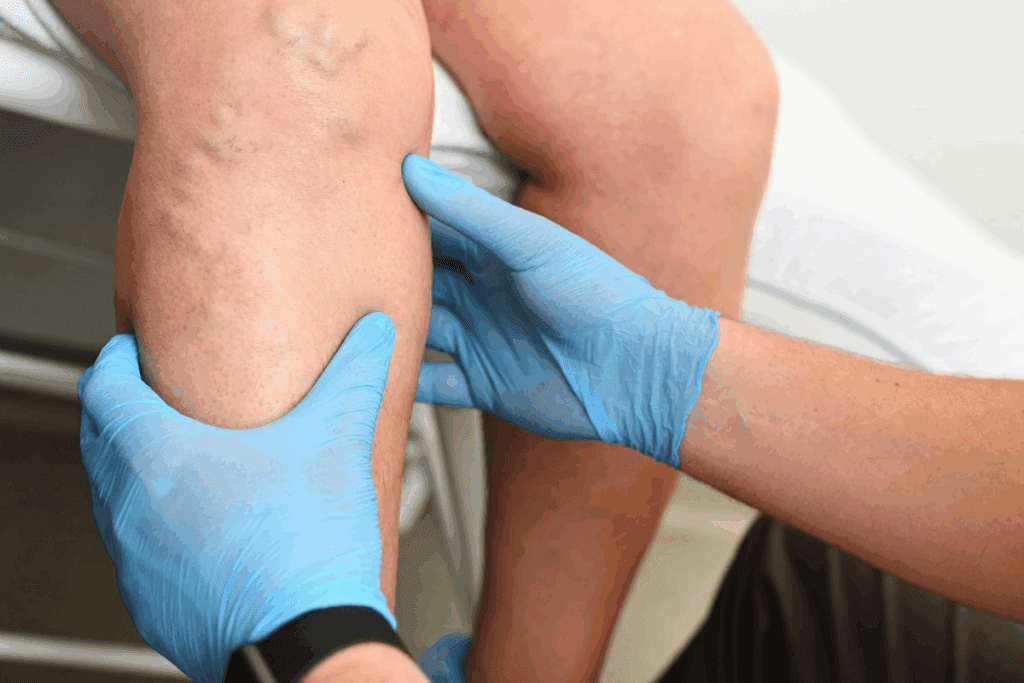
The symptoms of DVT can vary. They often include swelling, pain, or tenderness in the leg. These symptoms can get worse when standing or walking. Some people may also see redness or discoloration in the affected leg.
But, some people with DVT may not show any symptoms. This makes it a silent threat. It’s important to know the warning signs early.
If you suddenly have leg pain or swelling, seek medical help right away. This is true, even after being immobile or after surgery.
Complications of Untreated DVT
If DVT is not treated, it can lead to serious complications. The biggest risk is a pulmonary embolism. This happens when the clot moves to the lungs and blocks blood flow.
Other complications include post-thrombotic syndrome and recurrent DVT. Post-thrombotic syndrome causes chronic pain, swelling, and skin discoloration. Understanding these risks is key to early diagnosis and treatment.
This helps prevent complications and improves patient outcomes.
When Is a Deep Vein Thrombosis Operation Necessary?
Figuring out when a DVT operation is needed means looking at how well non-surgical treatments work. It also means finding out who might do better with surgery. Deep Vein Thrombosis is a serious issue that needs quick and right treatment to avoid worse problems.
Limitations of Conservative Treatment
Non-surgical treatments for DVT usually include blood thinners and compression stockings. These methods work well for many people. But, they have their limits.
Anticoagulation therapy stops the clot from getting bigger and lowers the chance of a pulmonary embolism. Yet, it doesn’t break up the clot. Sometimes, the clot won’t dissolve, causing post-thrombotic syndrome. This condition leads to ongoing pain, swelling, and skin changes.
Also, blood thinners can cause bleeding problems. People taking these drugs need to be watched closely to avoid these risks. Even with careful monitoring, some patients might have DVT again or not get better with non-surgical treatments.
Emergency Indicators for Surgical Intervention
Some urgent signs mean a DVT operation is needed. These include:
- Phlegmasia cerulea dolens, where the leg gets very swollen, painful, and blue because of big clots.
- Impending venous gangrene, when the clot threatens the limb’s survival.
- High risk of pulmonary embolism even with blood thinners.
- Anticoagulation therapy not stopping clot growth or recurrence.
In these cases, surgery is considered to stop more harm and prevent serious or life-threatening issues.
Patient Selection Criteria
Choosing the right patients for a DVT operation needs a detailed look at their health, how bad their DVT is, and how they react to non-surgical treatments. Important factors include the clot’s size and where it is, any reasons they can’t take blood thinners, and their surgery risk.
People at high risk of bleeding or with serious health problems might not be good candidates for surgery. On the other hand, those with severe DVT who didn’t get better with non-surgical treatments or are at high risk of serious problems might benefit from surgery.
Non-Surgical Treatment Options for DVT
Non-surgical treatments are key in managing DVT. They help prevent the clot from getting bigger and reduce the risk of serious complications. These methods also aim to lessen the chance of long-term health issues.
Anticoagulation Therapy
Anticoagulation therapy is a mainstay in treating DVT. It uses medicines to stop the clot from growing and new ones from forming. Anticoagulants don’t dissolve clots but help the body do so naturally over time. Common ones include heparin, low molecular weight heparin, and oral anticoagulants like warfarin and DOACs.
The right anticoagulant depends on the patient’s health, kidney function, and drug interactions. It’s important to monitor, like for those on warfarin, to keep the INR in the right range.
Compression Stockings
Compression stockings are another non-surgical option for DVT. They apply pressure that’s highest at the ankle and decreases up the leg. This pressure helps reduce swelling and improves blood flow, lowering the risk of long-term complications.
Doctors often recommend wearing compression stockings for up to two years after a DVT diagnosis. Studies show they’re effective in preventing long-term issues, making them a key part of DVT management.
When Conservative Management Is Sufficient
Conservative management, including anticoagulation therapy and compression stockings, is often enough for DVT. The choice between surgery and conservative management depends on several factors. These include the clot’s size and location, the patient’s health, and any issues with anticoagulation therapy.
Many patients with DVT can be managed without surgery, avoiding its risks. Yet, it’s vital to closely monitor the treatment’s effectiveness and watch for any complications or the need for different treatments.
Types of Surgical Procedures for DVT in Leg
When other treatments don’t work, several surgical procedures can help treat DVT. These methods aim to clear the clot, improve blood flow, and avoid serious issues.
Catheter-Directed Thrombolysis
Catheter-directed thrombolysis is a less invasive method. It uses a catheter to send thrombolytic agents to the clot. This method is more effective than other treatments and lowers the risk of bleeding.
For more details, check outWebMD’s page on DVT surgery.
Mechanical Thrombectomy
Mechanical thrombectomy uses devices to remove the clot. Different tools, like aspiration catheters or mechanical devices, are used based on the clot’s size and location.
Surgical Thrombectomy
Surgical thrombectomy is a more invasive option. It involves surgically removing the clot. This method is often chosen for severe DVT cases where other treatments have failed.
Inferior Vena Cava (IVC) Filter Placement
IVC filter placement involves putting a filter in the inferior vena cava. It’s used to stop pulmonary embolism. This is usually for patients who can’t take blood thinners or have had DVT before.
Each surgical procedure for DVT has its own benefits and risks. The right choice depends on the patient’s health, the DVT’s severity, and any treatment limitations.
Catheter-Directed Thrombolysis Explained
Catheter-directed thrombolysis is a new way to treat deep vein thrombosis (DVT) in the legs. It directly dissolves blood clots. This method is better than old treatments because it’s more precise.
How the Procedure Works
A thin tube, called a catheter, is put into the vein under imaging. Thrombolytic agents are then sent to the clot through the tube. These agents break down the clot, improving blood flow.
We use high-tech imaging to place the catheter correctly. This ensures the best results and lowers risks.
Types of Thrombolytic Agents Used
There are several thrombolytic agents used, like alteplase, reteplase, and tenecteplase. The right one depends on the patient’s health, the clot’s size and location, and its type.
| Thrombolytic Agent | Characteristics | Common Usage |
| Alteplase | High fibrin specificity, short half-life | Frequently used for catheter-directed thrombolysis |
| Reteplase | Longer half-life compared to alteplase | Used for larger clots or when prolonged infusion is needed |
| Tenecteplase | High fibrin specificity, longer half-life | Preferred for its simplicity in dosing and efficacy |
Benefits and Limitations
This treatment dissolves clots fast, lowers the risk of long-term problems, and improves patients’ lives. But, it has risks like bleeding and the need for close monitoring. Sometimes, the clot might not fully dissolve.
A leading doctor says, “Catheter-directed thrombolysis is a big step forward in treating DVT. It’s more effective and targeted.”
“The use of catheter-directed thrombolysis has transformed the management of deep vein thrombosis, providing patients with a viable option for rapid recovery and reduced long-term complications.”
We check each patient to see if this treatment is right for them. We balance the benefits against the risks to give the best care for each patient.
Mechanical Thrombectomy Techniques
Mechanical thrombectomy has changed how we treat blood clots in the legs. We use advanced tools to remove clots. This helps restore blood flow and lowers the risk of complications from deep vein thrombosis (DVT).
Devices Used for Clot Removal
There are different devices used in mechanical thrombectomy. These include:
- Rotational thrombectomy devices, which break down the clot
- Aspiration thrombectomy devices, which suction out the clot
- Rheolytic thrombectomy devices, which use a high-velocity jet of saline to break up the clot
Each device is used based on the clot’s type and where it is located.
Procedure Steps
The mechanical thrombectomy procedure has several steps:
- Accessing the affected vein through a small incision
- Navigating the thrombectomy device to the site of the clot
- Activating the device to remove the clot
- Verifying the removal of the clot and restoring blood flow
Precision is key in each step. This ensures the procedure works well and avoids complications.
When This Approach Is Preferred
Mechanical thrombectomy is chosen when:
- The clot is large and causes severe symptoms
- Other treatments have failed or are not right
- There’s a high risk of pulmonary embolism
A medical expert says, “Mechanical thrombectomy is quick and effective for severe DVT. It improves outcomes and lowers the risk of long-term damage.”
“Mechanical thrombectomy is a game-changer in treating deep vein thrombosis. It gives patients a minimally invasive option with big benefits.”
Preparing for Surgery for Blood Clots in Leg
Getting ready for deep vein thrombosis (DVT) surgery is a big step. It involves several important steps. These include pre-surgical tests, adjusting medications, and knowing what to expect before the surgery.
Pre-Surgical Testing
Before DVT surgery, patients must go through tests. These tests check their health and the leg with the clot. They might include blood tests, ultrasound, or venography to see the clot’s size and location.
Doctors say, “Thorough pre-surgical testing is vital to identify risks and plan the surgery.”Thrombectomy is a procedure that might be used.
Medication Adjustments
Changing medications is a key part of getting ready for DVT surgery. Patients might need to stop or change their blood thinners to avoid bleeding. It’s important to follow the surgeon’s advice on medication changes for a safe surgery.
Medical guidelines stress, “Managing blood thinners carefully is key to avoid problems during and after surgery.”
What to Expect Before the Procedure
Before surgery, patients will get detailed instructions from their doctor. They’ll learn about fasting, staying hydrated, and other important steps. On the surgery day, patients will go to the hospital or surgical center early. They’ll get ready for the procedure.
Following these guidelines helps patients prepare well for DVT surgery. This can lead to a better outcome and an easier recovery.
What Happens During a Deep Vein Thrombosis Operation
A Deep Vein Thrombosis (DVT) operation involves several key steps. These steps are designed to safely remove the blood clot. The procedure requires careful planning and execution to minimize risks and ensure the best outcomes.
Anesthesia Options
The type of anesthesia used can vary based on the patient’s condition and the procedure’s complexity. Local anesthesia numbs the area where the catheter is inserted. Conscious sedation helps the patient relax during the procedure.
In some cases, general anesthesia is needed for more invasive procedures. The anesthesiologist will discuss the best options with the patient before the procedure.
Step-by-Step Surgical Process
The surgical process for DVT typically involves the following steps:
- Insertion of a catheter into the affected vein
- Delivery of thrombolytic agents to dissolve the clot
- Mechanical thrombectomy to remove the clot
- Angioplasty or stenting to improve blood flow
Duration and Monitoring
The duration of a DVT operation can vary. It can range from a few hours for catheter-directed thrombolysis to several hours for more complex procedures. Continuous monitoring is essential during the operation to ensure the patient’s safety and the procedure’s effectiveness.
Adjunctive Procedures
In some cases, adjunctive procedures like angioplasty or stenting are performed. These procedures help restore normal venous function and reduce the risk of future clot formation.
Understanding what happens during a DVT operation can help patients feel more prepared and confident in their treatment plan. By working closely with their healthcare team, patients can achieve the best possible outcomes and minimize the risk of complications.
Recovery and Post-Operative Care
Recovery and post-operative care are key for DVT surgery patients. They ensure a smooth recovery. This includes immediate care, hospital stay, activity limits, and long-term blood thinners.
Immediate Post-Operative Care
Right after surgery, patients are watched closely for bleeding or other issues. We manage pain with medicines to keep them comfortable.
Immediate care focuses on:
- Watching for bleeding or hematoma
- Managing pain well
- Preventing infection with antibiotics
- Making sure the patient is comfortable and can move slowly
Hospital Stay Duration
The hospital stay varies based on the surgery and patient’s health. Patients are watched for a few days to check for complications. We also teach them about caring for themselves at home.
Factors that affect stay include:
- The surgery type
- The patient’s health and any other conditions
- Any complications during or after surgery
Activity Restrictions and Rehabilitation
It’s important to follow activity limits and rehabilitation. Patients are told what activities are safe and encouraged to move more. Physical therapy may be needed to regain strength and function.
Important activity and rehabilitation tips include:
- Avoiding heavy lifting or hard activities for a while
- Slowly increasing walking and other low-impact activities
- Doing physical therapy as advised by the doctor
Long-Term Anticoagulation Management
Long-term blood thinners are often needed to prevent new clots. These medications need regular checks to make sure they’re working right.
Important aspects of long-term management include:
- Regular blood tests to check medication levels
- Changing medication doses as needed
- Telling patients about signs of bleeding or other problems
By managing recovery and post-operative care well, we can greatly improve patient outcomes. This approach meets immediate needs and supports long-term health.
Conclusion
Deep vein thrombosis (DVT) is a serious condition that needs quick and effective treatment. For those with severe DVT, surgery is a good option. It helps prevent long-term problems.
We talked about DVT surgery, including different procedures. These include catheter-directed thrombolysis and mechanical thrombectomy. These methods are effective in removing blood clots and improving blood flow.
When looking at DVT treatment, it’s key to consider surgery’s benefits and risks. Surgery for blood clots can be a good choice for those at risk of post-thrombotic syndrome or other issues.
In summary, DVT surgery is a vital treatment for severe DVT cases. Knowing about the different surgical options helps patients make informed choices. This leads to the best treatment outcomes and a successful surgery conclusion.
FAQ
What is deep vein thrombosis (DVT) and how is it treated?
Deep vein thrombosis is when a blood clot forms in the deep veins, usually in the legs. Treatment includes anticoagulation therapy, wearing compression stockings, and sometimes surgery. This is for severe cases like catheter-directed thrombolysis or mechanical thrombectomy.
When is surgery necessary for DVT?
Surgery is needed when other treatments don’t work or if the DVT is severe. This includes signs like a big clot, limb ischemia, or can’t use anticoagulation. Emergency signs are severe leg pain, swelling, or trouble walking.
What is catheter-directed thrombolysis?
Catheter-directed thrombolysis is a procedure. A catheter is put into the vein to deliver drugs that dissolve the clot. This helps restore blood flow.
How do mechanical thrombectomy techniques work?
Mechanical thrombectomy uses devices to remove the clot from the vein. It’s often used with other treatments. It’s good for large clots or when thrombolysis isn’t an option.
What should I expect before undergoing DVT surgery?
Before surgery, you’ll have tests like blood work and imaging studies. You’ll also review your medical history. You might need to change your medications and follow eating and drinking instructions.
What happens during a DVT operation?
You’ll get anesthesia to be comfortable during the operation. The team will then do the procedure, like catheter-directed thrombolysis or mechanical thrombectomy. The details depend on your case.
How long does it take to recover from DVT surgery?
Recovery times vary. Most patients stay in the hospital for a few days. You’ll get instructions on what to do next, including long-term anticoagulation to prevent future clots.
Are there any risks or complications associated with DVT surgery?
Yes, there are risks like bleeding, infection, and reaction to anesthesia. Specific risks for DVT surgery include pulmonary embolism, clot recurrence, and vascular injury.
Can DVT be prevented, and if so, how?
Some DVT cases can be prevented. Stay hydrated, move often, and wear compression stockings. For higher risk, anticoagulation might be recommended.
What is the role of anticoagulation therapy in managing DVT?
Anticoagulation therapy is key in managing DVT. It prevents the clot from getting bigger and new clots from forming. It doesn’t dissolve the clot but is vital to prevent complications.
How do I know if I have a blood clot in my leg?
Signs of a blood clot in the leg include swelling, pain, warmth, and redness. If you have these symptoms, see a doctor right away. Early diagnosis and treatment are critical.
References
ScienceDirect. (2012). Minimally invasive treatment of varicose veins. Galanopoulos, G. (2012). Retrieved from https://www.sciencedirect.com/science/article/pii/S1743919112000313