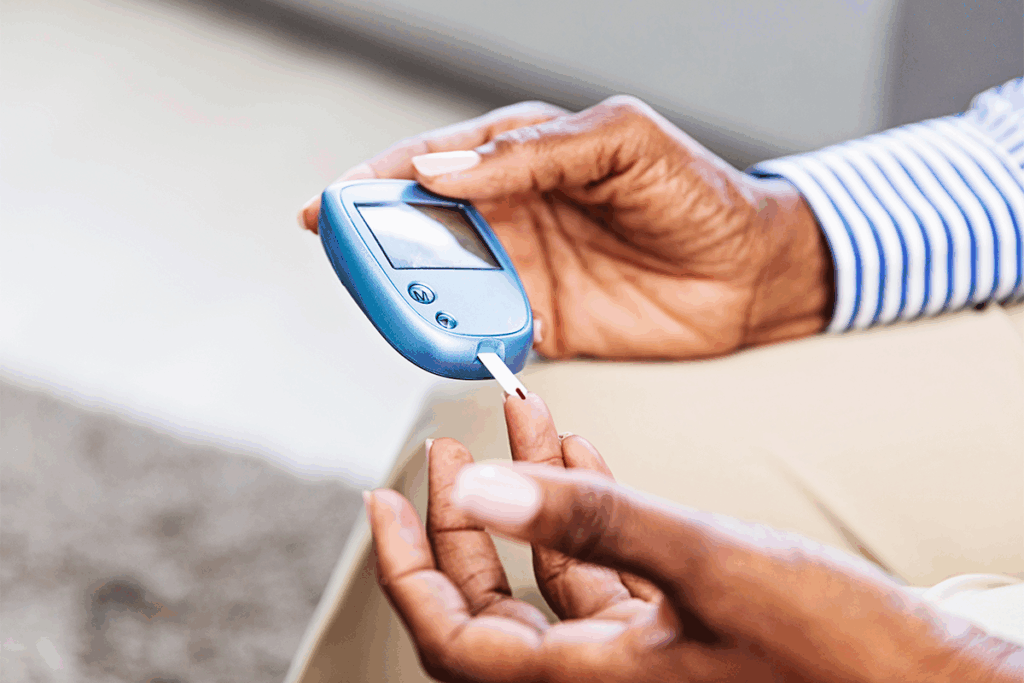
Find out am ia diabetic by taking a free online quiz. Assess your risk factors for Type 2 diabetes and learn the next steps immediately. Knowing your diabetes risk is key for good health. With over 38 million Americans with diabetes, and about one in five not knowing, a free online diabetes risk assessment quiz is a great start. It can lead to better health.
Diabetes is a long-term condition that changes how your body uses blood sugar (glucose). This is a vital energy source. There are types like type 1, type 2, and gestational diabetes. Knowing your status is the foundation of prevention and management.
At Liv Hospital, we offer reliable, patient-focused diagnostic help. We help you understand your diabetes risk with evidence-based screening and personalized care. Take our online quiz to see your risk and start a healthier life.
Key Takeaways
- Over 38 million Americans are living with diabetes.
- One in five individuals with diabetes remains undiagnosed.
- A free online diabetes risk assessment quiz can help identify your risk.
- Liv Hospital offers patient-centered diagnostic support.
- Understanding your diabetes risk is key for preventive healthcare.
The Growing Diabetes Epidemic in America

Diabetes is a big health issue in the United States. It affects millions of people. Knowing about it is key for our health.
Current Statistics and Undiagnosed Cases
More than 38 million Americans have diabetes. About one in five don’t know they have it. This shows we need more awareness and tests.
The CDC says we should start testing for diabetes at 35 if we’re overweight. Also, 34.5 percent of US adults have prediabetes. A prediabetes risk test can spot those at risk early.
The Hidden Dangers of Untreated Diabetes
Diabetes can cause serious problems like heart disease and vision loss if not treated. Early detection and care can prevent these issues. A free glucose test or pre diabetes test can help find diabetes early.
Why Early Detection Matters
Finding diabetes early is key to managing it well. It helps avoid serious problems later. A diabetes test quiz can help screen and teach about diabetes risks.
Knowing the risks and taking steps like a diabetes test quiz or pre diabetes test helps control health. Together, we can fight the diabetes epidemic in America and help those affected.
Understanding Different Types of Diabetes

Diabetes is not just one disease but a group of metabolic disorders. They all have high blood sugar levels but different causes. Knowing these differences is key for diagnosis, treatment, and managing the condition.
Type 1 Diabetes: Autoimmune Causes and Risk Factors
Type 1 diabetes is an autoimmune condition. The body’s immune system attacks and destroys the insulin-producing beta cells in the pancreas. This makes it hard for the body to make enough insulin, so people need insulin therapy.
The exact causes of Type 1 diabetes are not fully understood. It’s believed to be a mix of genetic predisposition and environmental triggers.
Key characteristics of Type 1 Diabetes:
- Typically diagnosed in children and young adults
- Autoimmune destruction of pancreatic beta cells
- Inability to produce insulin
- Requires insulin therapy for management
Type 2 Diabetes: Metabolic Causes and Risk Factors
Type 2 diabetes is a metabolic disorder. It’s caused by insulin resistance and impaired insulin secretion. It’s the most common form of diabetes, making up about 90% of cases.
Type 2 diabetes is linked to lifestyle factors like diet, physical activity, and obesity. It’s also influenced by genetics.
Risk factors for Type 2 Diabetes include:
Risk Factor | Description |
Obesity | Being overweight or obese increases insulin resistance |
Physical Inactivity | Lack of regular physical activity contributes to insulin resistance |
Family History | Having a first-degree relative with Type 2 diabetes increases risk |
Age | Risk increases after the age of 45 |
Gestational Diabetes and Other Less Common Types
Gestational diabetes develops during pregnancy, usually in the second or third trimester. It’s caused by hormonal changes and insulin resistance. It usually goes away after pregnancy but increases the risk of Type 2 diabetes later in life.
Other less common types of diabetes include:
- LADA (Latent Autoimmune Diabetes in Adults)
- MODY (Maturity-Onset Diabetes of the Young)
- Secondary diabetes due to other medical conditions or medications
Understanding the different types of diabetes is essential for proper diagnosis and treatment. If you’re concerned about your risk or suspect you might have diabetes, taking a free online quiz can be a good first step towards understanding your health.
Common Signs and Symptoms: Am I a Diabetic?
It’s important to know the symptoms of diabetes early. Diabetes is a metabolic disorder with high blood sugar levels. The signs can differ based on the diabetes type and its severity.
Early Warning Signs of Type 1 Diabetes
Type 1 diabetes is when the body attacks insulin-making cells. It starts quickly and symptoms are severe. Look out for:
- Frequent urination
- Excessive thirst
- Unexplained weight loss
- Fatigue
- Blurred vision
These happen because the body can’t make enough insulin. If you see these signs, get medical help fast.
Subtle Symptoms of Type 2 Diabetes
Type 2 diabetes is about insulin resistance and poor insulin making. Its symptoms come on slowly and are not always obvious. Watch for:
- Increased thirst and urination
- Fatigue
- Slow healing of cuts and wounds
- Tingling or numbness in hands and feet
- Frequent infections
Many with type 2 diabetes don’t show symptoms early. Regular health checks are key.
When Symptoms Require Immediate Medical Attention
Some symptoms need urgent care. They can mean serious diabetes problems. Look out for:
- Severe hyperglycemia (high blood sugar)
- Diabetic ketoacidosis (a life-threatening condition)
- Hypoglycemia (low blood sugar)
- Severe dehydration
If you have these severe symptoms, get emergency help. Quick action can prevent serious issues.
Risk Factors That Increase Your Chances of Developing Diabetes
Several things can raise your risk of getting diabetes. These include your genes, lifestyle, and some health conditions. Knowing these factors can help you take steps to lower your diabetes risk.
Genetic and Family History Considerations
Genetics are a big part of diabetes. If your family has diabetes, you might get it too. Having a first-degree relative (parent or sibling) with diabetes increases your risk. Scientists have found many genes linked to a higher risk of type 2 diabetes.
Even though you can’t change your genes, knowing your family history is important. It can lead to earlier checks and steps to prevent diabetes.
Lifestyle and Environmental Risk Factors
How you live affects your diabetes risk. Key factors include:
- Obesity and Physical Inactivity: Being overweight or obese, and not moving much, are big risks.
- Diet: Eating too much fat, sugar, and refined carbs can raise your risk.
- Smoking: Smoking also increases your chance of getting type 2 diabetes.
Choosing a healthy lifestyle can lower your risk of getting type 2 diabetes.
Medical Conditions That Elevate Diabetes Risk
Some health issues can also up your diabetes risk. These include:
Medical Condition | Description |
Hypertension | High blood pressure is a big risk factor for diabetes. |
Polycystic Ovary Syndrome (PCOS) | Women with PCOS are more likely to develop insulin resistance and diabetes. |
History of Gestational Diabetes | Women who had gestational diabetes during pregnancy are at higher risk of getting type 2 diabetes later. |
Knowing these risk factors and managing them can help lower your diabetes risk.
Understanding Prediabetes: The Critical Warning Stage
Understanding prediabetes is key to stopping type 2 diabetes before it starts. Prediabetes means your blood sugar is higher than normal but not diabetes level. It’s a warning sign that can often be turned around with lifestyle changes.
What Is Prediabetes and Why It Matters
Prediabetes is a sign that your body is struggling to control blood sugar. Over 84 million adults in the U.S. have it, but many don’t know. The Centers for Disease Control and Prevention (CDC) sees it as a big warning. It can lead to serious health issues like type 2 diabetes, heart disease, and stroke if not handled.
Spotting prediabetes is the first step to stop it from getting worse. We can find it with simple tests that look at age, family history, how active you are, and your BMI.
Taking the Prediabetes Risk Test
The CDC has a simple prediabetes risk test online. It checks your age, family diabetes history, and how active you are. By answering a few questions, you can see if you’re at risk for prediabetes.
- Are you 45 years or older?
- Do you have a family history of diabetes?
- Are you physically active?
- Have you ever been diagnosed with hypertension or high cholesterol?
The test gives a score based on these factors. If your score is high, talk to a doctor for more tests.
Reversing Prediabetes Through Targeted Interventions
The good news is that prediabetes can often be reversed. Reversing prediabetes means making big changes in diet and exercise. Here are some ways to help:
- Lose weight: Losing 5-10% of your body weight can greatly improve insulin sensitivity.
- Be more physically active: Regular activity, like walking, can lower blood sugar.
- Eat a healthy diet: Eat a balanced diet with lots of fruits, veggies, whole grains, and lean proteins.
“Lifestyle changes, like diet and exercise, can cut the risk of type 2 diabetes by 58% in people with prediabetes.”
CDC
By taking action, you can reverse prediabetes and lower your risk of type 2 diabetes. It’s a key step to keep your health and well-being for the long term.
Professional Diabetes Testing Methods
Getting a correct diabetes diagnosis needs several professional tests. These tests help doctors check how well blood sugar is controlled. They can also spot diabetes or prediabetes.
Fasting Plasma Glucose Test Explained
The fasting plasma glucose (FPG) test checks blood sugar after not eating for at least 8 hours. It’s a key way to find out if someone has diabetes or prediabetes.
- Preparation: Patients must not eat for at least 8 hours before the test.
- Procedure: A blood sample is taken and checked for glucose levels.
- Results: If levels are 126 mg/dL or higher, it means diabetes. Levels between 100-125 mg/dL show prediabetes.
Oral Glucose Tolerance Test Procedure
The oral glucose tolerance test (OGTT) checks how well the body handles blood sugar after drinking a sugary drink.
- A fasting blood glucose measurement is taken.
- The patient drinks a glucose-rich beverage.
- Blood glucose levels are checked again after 1-2 hours.
If the 2-hour glucose level is 200 mg/dL or higher, it points to diabetes.
Hemoglobin A1c Test and Long-Term Control
The Hemoglobin A1c (HbA1c) test shows average blood glucose levels over 2-3 months.
“The HbA1c test is a valuable tool for diagnosing diabetes and monitoring long-term glucose control.”
American Diabetes Association
An HbA1c level of 6.5% or higher means diabetes.
Interpreting Your Test Results: Diagnostic Criteria
It’s important to understand your test results for diagnosis and management. Here’s a quick guide:
Test | Normal | Prediabetes | Diabetes |
FPG | <100 mg/dL | 100-125 mg/dL | ≥126 mg/dL |
OGTT (2-hour) | <140 mg/dL | 140-199 mg/dL | ≥200 mg/dL |
HbA1c | <5.7% | 5.7-6.4% | ≥6.5% |
Talking to a healthcare provider is key to understand your results and plan your care.
Free Online Diabetes Self-Assessment Tools
Online diabetes risk tests are now easy to find. They help you understand your health at home. These tools check your risk factors and tell you if you need to see a doctor.
CDC Prediabetes Risk Test: How It Works
The Centers for Disease Control and Prevention (CDC) has a Prediabetes Risk Test. It’s simple and widely used. You answer questions about your age, weight, and family history to get a risk score.
Key features of the CDC Prediabetes Risk Test include:
- A simple, 7-question assessment
- Quick results that indicate your risk level
- Actionable recommendations based on your score
American Diabetes Association’s Diabetes Risk Test
The American Diabetes Association (ADA) also has a Diabetes Risk Test. It looks at your age, gender, and activity level. This helps give a full risk assessment.
The ADA’s test is notable for its:
- Comprehensive risk factor assessment
- Personalized recommendations for reducing your risk
- Easy-to-understand results
Other Reliable Online Diabetes Quizzes and Calculators
There are more online diabetes quizzes and calculators out there. They might offer special assessments or lifestyle tips.
Organization | Test Features | Notable Aspects |
CDC | 7-question risk assessment | Quick results, actionable recommendations |
ADA | Comprehensive risk factor evaluation | Personalized recommendations, easy-to-understand results |
Understanding the Limitations of Online Self-Assessment
Online tools are good for a first check but have limits. They can’t replace a doctor’s visit. Remember, they’re meant to guide you, not give a final answer.
“Online risk assessments can identify individuals at high risk for diabetes, but only a healthcare professional can provide an accurate diagnosis and appropriate treatment plan.”
Next Steps After Your Diabetes Risk Assessment
After finding out your diabetes risk, it’s time to talk to a doctor. This talk is key to knowing your health and what to do next.
When to Schedule a Doctor’s Appointment Based on Results
If you’re at high risk or have prediabetes, see your doctor fast. Catching it early can help you manage or even stop it.
To schedule an appointment, consider the following steps:
- Contact your primary care physician or a local healthcare provider.
- Inform them about your diabetes risk assessment results.
- Request a consultation to discuss your results and next steps.
Preparing for Your Medical Consultation
Getting ready for your doctor’s visit is important. Collect any medical records and a list of your medicines.
Write down any questions or concerns you have. This will make you feel more ready and informed.
Essential Questions to Ask Your Healthcare Provider
Ask the right questions during your visit. This can give you important health insights. Consider asking:
- What are my test results, and what do they mean?
- What lifestyle changes can I make to improve my health?
- Are there any additional tests or screenings required?
Free and Low-Cost Testing Resources
Worried about the cost of tests or visits? There are free or low-cost options. Community health clinics and some non-profits offer these services.
By being proactive and getting professional advice, you can understand your diabetes risk better. This can lead to a healthier future.
Conclusion: Taking Control of Your Diabetes Health Health Health Health Health Health Health Health Health Health Health Health Health Health Health Health Health Health Health Health Health Health Health Health Health Health Health Health Health Health Health Health Health Health Health Health Health Health Health Health Health Health Health Control
Managing your diabetes starts with knowing the basics. Understanding your risk, recognizing symptoms, and knowing how to test are key. These steps are vital for your health.
Diabetes care goes beyond just medicine. It’s about living a healthy lifestyle. This means eating right, staying active, and keeping an eye on your health. Early action can greatly enhance your life quality.
“The key to managing diabetes is not just about treating the condition, but about improving the overall quality of life for those affected.”
To manage diabetes well, knowing the types and risks is important. Here’s a quick overview:
Type of Diabetes | Primary Risk Factors | Management Strategies |
Type 1 Diabetes | Autoimmune causes, genetic predisposition | Insulin therapy, lifestyle adjustments |
Type 2 Diabetes | Metabolic syndrome, obesity, physical inactivity | Lifestyle changes, medication, monitoring |
Gestational Diabetes | Hormonal changes, insulin resistance during pregnancy | Monitoring blood sugar, dietary adjustments, postpartum follow-up |
We urge you to see a healthcare expert. They can offer advice and plans just for you. Remember, managing diabetes is a journey, and you are not alone.
By being informed and active, you can manage your diabetes and feel better. Begin your journey today.
Taking Control of Your Diabetes Health Journey
Managing diabetes needs constant care, learning, and support. Knowing your risk, spotting symptoms, and using resources can help. We’ve looked at diabetes types, risk factors, and why early detection is key.
To manage your diabetes, make smart choices about your life and health. Use free online tools like the CDC Prediabetes Risk Test and the American Diabetes Association’s Diabetes Risk Test. These can help you understand your risk and start managing diabetes.
Your diabetes journey is special, and working with your doctor is vital. Being proactive and informed can lower risks and boost your health. Begin your journey today by taking charge of your diabetes health.
FAQ
What is the CDC Prediabetes Risk Test?
The CDC Prediabetes Risk Test is a simple quiz. It checks if you might have prediabetes. Prediabetes means your blood sugar is higher than normal but not diabetes yet.
How do I know if I have diabetes?
You can take our free online quiz to check your diabetes risk. If you’re worried, talk to a healthcare provider. They can give you a proper diagnosis and advice.
What are the common signs and symptoms of diabetes?
Signs of diabetes include feeling very thirsty and needing to pee a lot. You might also feel tired, see things less clearly, and cuts take longer to heal. If you notice these, see a doctor.
What is the difference between type 1 and type 2 diabetes?
Type 1 diabetes happens when your body attacks the insulin-making cells in your pancreas. Type 2 diabetes is when your body doesn’t use insulin well and doesn’t make enough.
Can I reverse prediabetes?
Yes, you can reverse prediabetes with the right steps. Eating healthy, exercising regularly, and losing weight can help. Catching it early and treating it can stop type 2 diabetes from happening.
What are the risk factors for developing diabetes?
Risk factors for diabetes include your family history and lifestyle. Certain medical conditions also increase your risk. Knowing your risk can help you take steps to prevent or manage diabetes.
How is diabetes diagnosed?
Doctors use tests like the Fasting Plasma Glucose Test and the Oral Glucose Tolerance Test to diagnose diabetes. These tests check your blood sugar levels to confirm a diagnosis.
Are online diabetes self-assessment tools reliable?
Online tools like the CDC Prediabetes Risk Test can give a good idea of your risk. But, they shouldn’t replace a doctor’s diagnosis.
What should I do after taking the online quiz?
After the quiz, look at your results and talk to a healthcare provider if you’re concerned. They can guide you on what to do next and help you manage your risk.
How can I prepare for my medical consultation?
To get ready for your doctor’s visit, collect your medical history and list your symptoms and medications. Also, think of questions to ask your healthcare provider. This will make your visit more productive and helpful.
References:
Government Health Resource. Evidence-Based Medical Guidance. Retrieved from https://www.cdc.gov/diabetes/data/statistics-report/index.html