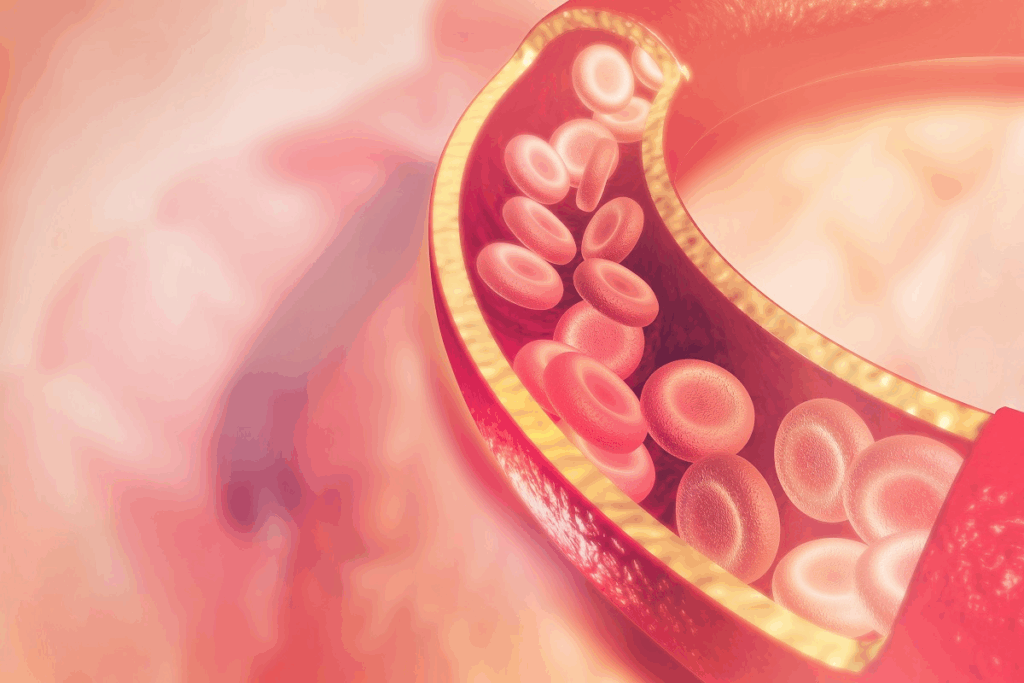
Did you know that your daily stress could be silently raising your cholesterol levels? Many people focus on diet and exercise to manage cholesterol. But, research shows that chronic stress can also affect your lipid profile and heart health. Get the definitive answer: does stress increase cholesterol? Learn the hormonal link between chronic stress, cortisol, and lipid levels clearly.
At Liv Hospital, we focus on patient-centered care based on the latest science. Knowing how stress and cholesterol are connected is key to overall wellness. Chronic stress releases cortisol and adrenaline, hormones that can change your lipid profile.
Key Takeaways
- Chronic stress can trigger changes in your body that may increase cholesterol levels.
- Stress management techniques can benefit individuals at risk of heart disease from high cholesterol.
- Understanding the biochemical pathways between stress and cholesterol is critical for healthy cholesterol levels.
- Liv Hospital provides complete care to manage stress and cholesterol levels.
The Stress-Cholesterol Connection

Stress, whether it’s short-term or long-lasting, can deeply affect your cholesterol levels. The link between stress and cholesterol is complex. It involves many changes in the body that can harm your heart health.
Defining the Relationship
Studies show that long-term stress raises cortisol levels, which can increase LDL cholesterol. Chronic stress can also lead to higher cholesterol and heart problems like atherosclerosis. This happens because stress hormones like cortisol change how the body handles fats.
Why This Connection Matters for Health
It’s key to understand how stress affects cholesterol for good heart health. Long-term stress can keep cholesterol levels high, raising heart disease risk. So, managing stress well is vital for keeping cholesterol in check.
Stress Type | Effect on Cholesterol | Health Implication |
Chronic Stress | Increased LDL Cholesterol | Higher Risk of Heart Disease |
Acute Stress | Temporary Fluctuations | Potential for Cardiovascular Events |
Understanding Cholesterol Basics

Cholesterol is a fat in our blood that’s vital for our body’s functions. It helps make cell membranes and hormones. Knowing this is key to understanding how stress affects our cholesterol.
Types of Cholesterol: HDL vs. LDL
Cholesterol comes in two types: HDL (good) and LDL (bad). HDL cholesterol helps remove other cholesterol from the blood. On the other hand, LDL cholesterol can build up in arteries, causing plaque.
Normal Cholesterol Levels
Keeping cholesterol levels in check is important for heart health. A total cholesterol level under 200 mg/dL is ideal. Here’s what’s considered normal:
Cholesterol Type | Desirable Level |
Total Cholesterol | Less than 200 mg/dL |
LDL Cholesterol | Less than 100 mg/dL |
HDL Cholesterol | 60 mg/dL or higher |
Factors Affecting Cholesterol Balance
Many things can change our cholesterol levels. These include diet, exercise, genetics, and stress.
Learning about cholesterol’s types, normal levels, and what affects it helps us see how stress impacts our cholesterol. This knowledge is essential for our heart health.
The Physiology of Stress Response
The body’s stress response is a complex process. It involves many hormonal and neural pathways. When we feel stressed, our body gets ready to either face or run away from danger.
Acute vs. Chronic Stress
Stress can be either acute or chronic. Acute stress is short-lived and goes away once the cause is removed. On the other hand, chronic stress lasts longer and can lead to constant exposure to stress hormones like cortisol.
The Fight-or-Flight Response
The fight-or-flight response is triggered by stress hormones like cortisol and adrenaline. These hormones make our heart rate and blood pressure go up. This prepares our body to deal with the stress.
Stress Activation Pathways
The stress response uses complex neuroendocrine pathways. The hypothalamic-pituitary-adrenal (HPA) axis is key in this process. It controls the release of cortisol and other stress hormones.
Does Stress Increase Cholesterol? The Scientific Evidence
Looking into how stress affects cholesterol is key. It helps us see how managing stress might change cholesterol levels. We dive into the science to see if stress can raise cholesterol and LDL levels.
Research Findings and Clinical Studies
Many studies have looked into stress and cholesterol. They found that stress can change cholesterol levels. Clinical studies show that stress can raise total and LDL cholesterol.
A study with 208 college students found interesting results. They saw higher cortisol, adrenaline, total cholesterol, and LDL cholesterol during exams. This shows stress can harm cholesterol levels.
The Undergraduate Study: Exam Stress and Cholesterol
The college study gives us insight into stress and cholesterol. Students had more cortisol and adrenaline during exams, linked to higher total and LDL cholesterol. This shows stress hormones can hurt lipid metabolism.
Experts say, “Stress can deeply affect our health, including cholesterol levels.”
“Chronic stress can lead to sustained elevations in cortisol and other stress hormones, which in turn can affect lipid profiles.”
This highlights why managing stress is key to healthy cholesterol.
By grasping the science, we understand stress and cholesterol’s complex tie. This knowledge helps us find ways to lessen stress’s bad effects on cholesterol.
Stress Hormones and Their Impact on Lipid Metabolism
Stress makes our body release hormones like cortisol and adrenaline. These hormones are key in how our body handles fats. When we’re stressed, our body goes into “fight-or-flight” mode. This changes how we manage cholesterol.
Cortisol’s Role in Cholesterol Regulation
Cortisol, known as the “stress hormone,” greatly affects fat metabolism. Long-term high levels of cortisol can mess up how we process fats. High cortisol from stress can harm our health, including how we metabolize cholesterol.
Adrenaline and Other Stress Hormones
Adrenaline, another stress hormone, works with cortisol to affect fat metabolism. Cortisol’s effects last longer, while adrenaline’s impact is quick. Adrenaline’s quick action can also change how we manage cholesterol, at least briefly.
Hormonal Interactions and Feedback Loops
The way cortisol, adrenaline, and other stress hormones work together is complex. For example, too much cortisol can change how we handle blood sugar and fats. Health experts say, “Chronic stress can raise cortisol levels, affecting how we metabolize fats.”
“The relationship between stress hormones and lipid metabolism is complex, with cortisol playing a key role in regulating cholesterol levels.”
It’s important to understand how these hormones interact to manage stress-related cholesterol changes. By knowing how stress hormones affect fat metabolism, we see why managing stress is key to keeping cholesterol healthy.
Biological Mechanisms: How Stress Alters Cholesterol
Stress changes our body in many ways, affecting our cholesterol levels. Knowing how this happens helps us manage stress-related cholesterol issues.
Hemoconcentration During Stress
Stress causes hemoconcentration, where blood cells and lipids become more concentrated. This makes cholesterol levels seem higher. Hemoconcentration is a temporary condition that goes away when stress is reduced.
Liver Function and Cholesterol Production
Stress makes the liver work harder, producing more LDL cholesterol. The liver is key in making and controlling cholesterol. Cortisol, a stress hormone, tells the liver to make more LDL cholesterol.
Inflammatory Responses
Long-term stress leads to inflammation, damaging artery walls. This increases the risk of heart attacks. Inflammation is a key factor in heart disease.
Metabolic Pathway Disruptions
Stress messes with how our body handles fats. This can change our cholesterol levels and types. It affects lipid metabolism and cholesterol balance.
Stress increases cholesterol through hemoconcentration, liver changes, and inflammation. Managing stress is key to keeping cholesterol levels healthy and preventing heart disease.
- Hemoconcentration during stress can temporarily increase cholesterol levels.
- Stress affects liver function, leading to increased production of LDL cholesterol.
- Chronic stress triggers inflammatory responses that can damage arterial walls.
- Stress disrupts normal metabolic pathways, affecting lipid processing.
Different Types of Stress and Their Effects on Cholesterol
Stress can affect cholesterol levels in different ways. It’s important to know how each type of stress impacts cholesterol. This knowledge helps in managing cholesterol levels effectively.
Work-Related Stress
Job stress can raise cholesterol levels. A big study showed that over 91,500 adults experienced this. It affects LDL and HDL cholesterol levels.
Emotional and Psychological Stress
Stress from emotions and the mind, like anxiety and depression, can change cholesterol levels. It can also change how we eat and exercise, affecting cholesterol further.
Physical Stressors
Being sick or hurt can cause stress that changes cholesterol levels. This effect is usually short-term.
Chronic vs. Intermittent Stress Patterns
How long and often you experience stress matters. Chronic stress has a bigger impact than stress that comes and goes.
Individual Variations in Stress-Cholesterol Response
The link between stress and cholesterol is complex and varies by person. Stress can affect cholesterol, but how much depends on several factors.
Genetic Factors
Genetics play a big role in how stress affects cholesterol. Some people are more likely to see changes in cholesterol due to their genes.
Age and Gender Differences
Age and gender can change how stress affects cholesterol. For example, a study found women in law enforcement had higher cholesterol and diabetes rates than men.
Pre-existing Health Conditions
People with health issues like hypertension or diabetes may see bigger stress effects on cholesterol. These conditions can make stress worse.
Lifestyle Factors Affecting Vulnerability
Lifestyle choices like diet, exercise, and smoking can also affect how stress impacts cholesterol. A healthy lifestyle can help reduce stress’s negative effects on cholesterol.
It’s important to understand these differences to manage stress and cholesterol effectively. By knowing what affects each person, we can tailor strategies to meet their needs.
Measuring and Monitoring Stress and Cholesterol
It’s key to measure and watch stress and cholesterol levels to improve health. We must use both clinical tests and self-tracking methods. This helps us manage stress and cholesterol better.
Clinical Assessment Methods
Blood tests, like lipid profiles, are used to check cholesterol levels. These tests show different types of cholesterol and triglycerides. For stress, doctors might use questionnaires and tests like heart rate variability and cortisol levels.
Self-Monitoring Techniques
Keeping a stress diary and practicing mindfulness are good ways to track stress. Wearable devices can also monitor how your body reacts to stress. For cholesterol, changing your diet and lifestyle is important. You should keep track of how these changes affect your cholesterol.
Frequency of Testing Recommendations
The American Heart Association suggests checking cholesterol every 4 to 6 years for adults over 20 without heart issues. Stress levels can be checked more often, based on your situation. Use both self-tracking and doctor visits for this.
Long-Term Consequences of Stress-Induced Cholesterol Changes
Stress can change our cholesterol levels, leading to long-term health problems if not handled. Chronic stress can harm our heart health by changing our cholesterol balance.
Too much LDL, or “bad,” cholesterol can clog our arteries over time. This can raise the risk of heart attacks and strokes.
Cardiovascular Risk Assessment
Checking our heart risk involves looking at cholesterol, blood pressure, and family heart disease history. Chronic stress can raise our LDL cholesterol, increasing heart disease risk.
- Monitoring cholesterol levels regularly
- Managing stress through relaxation techniques
- Maintaining a healthy diet and exercise routine
Metabolic Syndrome Connection
Chronic stress is also tied to metabolic syndrome. This is a group of conditions that raise the risk of diabetes and heart disease. These include high blood pressure, high blood sugar, and abnormal cholesterol levels.
Key components of metabolic syndrome:
- High blood pressure
- Elevated fasting glucose
- High triglycerides
- Low HDL cholesterol
- Excess abdominal fat
Progression to Chronic Disease
Ignoring stress-induced cholesterol changes can lead to chronic diseases. It’s key to know our risk factors and manage stress to keep cholesterol healthy.
Understanding stress-induced cholesterol changes helps us see why managing stress and a healthy lifestyle are vital. They help prevent heart disease and other health issues.
Stress Management Strategies to Management to Improve Cholesterol Levels
Managing stress is key to keeping cholesterol levels healthy. Chronic stress can raise LDL cholesterol, known as “bad” cholesterol. By using stress management strategies, people can improve their cholesterol and lower heart disease risk.
Evidence-Based Stress Reduction Techniques
Several stress reduction methods have been proven to help cholesterol. These include:
- Meditation and Mindfulness: Regular practice can lower LDL cholesterol.
- Yoga: Yoga combines postures, breathing, and meditation to manage stress and improve heart health.
- Deep Breathing Exercises: Simple and effective, deep breathing reduces stress and promotes relaxation.
Lifestyle Modifications
Making lifestyle changes is important for managing stress and cholesterol. Key changes include:
Lifestyle Change | Impact on Cholesterol |
Regular Exercise | Increases HDL (good) cholesterol and reduces LDL cholesterol. |
Dietary Changes | A diet rich in fruits, vegetables, and whole grains can lower LDL cholesterol. |
Weight Management | Maintaining a healthy weight reduces high cholesterol risk. |
Mind-Body Approaches
Mind-body methods, like cognitive-behavioral therapy (CBT) and stress management classes, help manage stress. These methods teach how to respond to stress better, which can improve cholesterol health.
By adding these stress management strategies to daily life, people can actively improve their cholesterol and heart health.
Conclusion: Taking Control of Stress for Better Cholesterol Health
We’ve looked into how stress and cholesterol are connected. We see that stress can harm our cholesterol levels and heart health. It’s important to manage stress to keep our cholesterol healthy.
Long-term stress can raise bad cholesterol levels. But, using healthy ways to deal with stress can help. Activities like meditation, exercise, and eating right are key.
Getting help from a psychologist can teach new ways to handle stress. This can improve our health and lower heart disease risks.
Adding stress management to our daily routine helps us reach healthy cholesterol levels. It’s a step towards a better life. Managing stress and cholesterol well is essential for good health.
FAQ
Does stress cause high cholesterol?
Yes, chronic stress can lead to higher cholesterol levels. It affects the body’s biochemical pathways. Stress hormones like cortisol can change how the body handles fats.
How does stress affect cholesterol levels?
Stress causes the release of hormones like cortisol and adrenaline. These hormones can change how the body handles fats. This can lead to higher levels of bad cholesterol and lower levels of good cholesterol.
What is the connection between cortisol and cholesterol?
Cortisol, a stress hormone, plays a big role in cholesterol regulation. High levels of cortisol can make the liver produce more cholesterol. This can lead to higher cholesterol levels.
Can stress management techniques help lower cholesterol?
Yes, managing stress can help lower cholesterol levels. Techniques like lifestyle changes and mind-body approaches can reduce stress. This can lead to better cholesterol levels.
How do different types of stress affect cholesterol?
Different stresses, like work or emotional stress, can affect cholesterol in different ways. Chronic stress is a big concern because it can harm cholesterol levels over time.
Are there individual variations in how stress affects cholesterol?
Yes, how stress affects cholesterol can vary from person to person. Factors like genetics, age, and lifestyle play a role.
How can stress-induced changes in cholesterol be measured and monitored?
Doctors use lipid profiles to measure cholesterol changes. People can also monitor their cholesterol levels themselves. This helps track how stress affects cholesterol.
What are the long-term consequences of stress-induced cholesterol changes?
Long-term stress can lead to higher risks of heart disease and metabolic syndrome. It can also lead to chronic diseases.
Can managing stress help improve overall cardiovascular health?
Yes, managing stress is key for heart health. It helps keep cholesterol levels healthy and improves overall well-being.
How often should cholesterol levels be tested during stressful periods?
How often to test cholesterol depends on individual health and risk factors. It’s best to follow your doctor’s advice on testing frequency.
References:
National Center for Biotechnology Information. Evidence-Based Medical Guidance. Retrieved from https://www.ncbi.nlm.nih.gov/pmc/articles/PMC3471945/