
If you’re dealing with constant headaches and think blood sugar levels might be the cause, you’re not alone. Many people with diabetes or prediabetes find their headaches are tied to high glucose levels.high blood sugar headacheSigns of High Blood Pressure: 8 Key Indicators
At Liv Hospital, we team up top medical experts with care focused on you. We help figure out if hyperglycemia is behind your head pain. Knowing how high blood sugar and headaches are connected is key to managing and stopping these headaches.
Headaches from high blood sugar have their own causes and treatments. It’s vital to check your blood sugar to find out why you’re getting headaches.
Key Takeaways
- Hyperglycemia can cause headaches due to elevated glucose levels.
- Understanding the link between hyperglycemia and headaches is key for proper management.
- Testing blood sugar levels is essential to find the cause of headaches.
- Liv Hospital offers expert care to help manage hyperglycemia-related headaches.
- Proper treatment of hyperglycemia headaches needs a different approach than other headache types.
The Relationship Between Blood Glucose and Brain Health

Keeping blood glucose levels in check is key for brain health. Fluctuations can cause headaches and other neurological symptoms. The brain needs glucose to work well, and any imbalance can cause problems.
The brain uses a lot of glucose because it needs a lot of energy. Glucose is what lets the brain do everything from moving to thinking deeply. When blood glucose is just right, the brain works great. But when it’s off, trouble can start.
How Your Brain Uses Glucose
Glucose gets into the brain through a special barrier. This is how brain cells get their energy. Because the brain uses so much glucose, it’s very sensitive to changes in blood glucose.
In healthy people, the body keeps blood glucose in balance. But in diabetes, this balance is lost, causing high blood sugar. Hyperglycemia can lead to headaches and other symptoms because it affects the body in many ways.
When Blood Sugar Levels Become Problematic
High blood sugar can cause many issues. It can make the eye lens swell, leading to blurry vision. It can also cause dehydration, as the body tries to get rid of extra glucose through urine. This dehydration can make headaches worse.
Also, hyperglycemia can damage blood vessels and affect the brain’s blood supply. This damage can reduce oxygen to brain cells, making headaches more likely.
Studies show that headaches can be an early sign of hyperglycemia. Knowing how blood glucose affects headaches is important for managing and preventing them.
What Exactly Is Hyperglycemia?
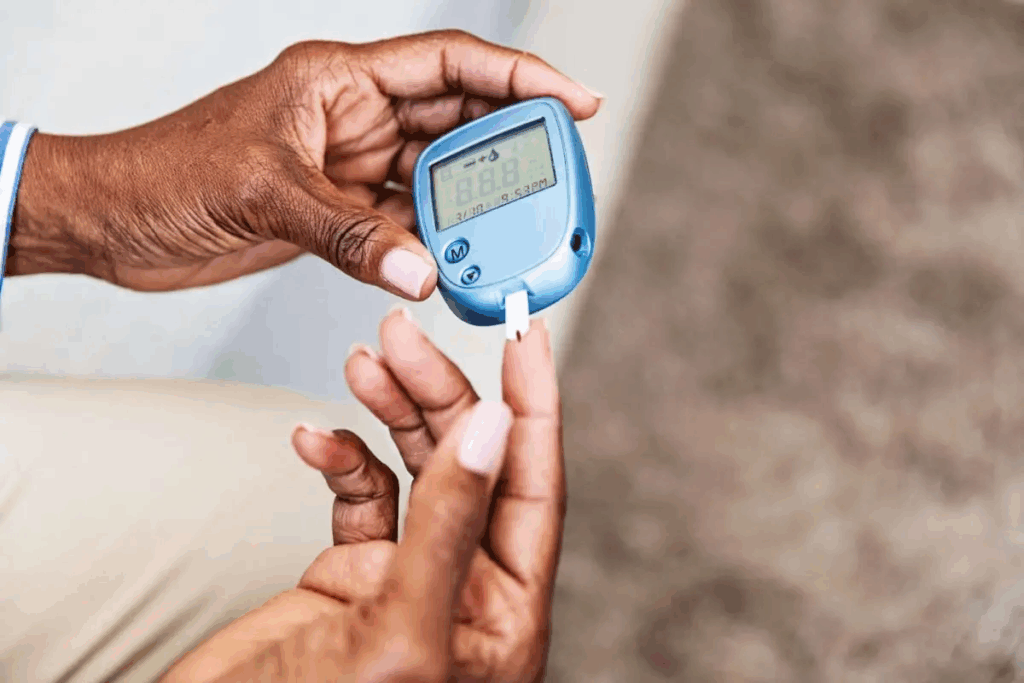
High blood sugar, or hyperglycemia, happens when your body’s glucose levels are too high. This usually means there’s a problem. We’ll look into what hyperglycemia is, its symptoms, and how it affects your health.
Defining High Blood Sugar
Hyperglycemia is when there’s too much glucose in your blood. The body uses glucose for energy, but it needs insulin to get it into cells. Without enough insulin or if cells don’t respond well, glucose stays in the blood, causing high blood sugar.
Knowing when blood sugar is too high is key. Fasting blood glucose levels over 125 mg/dL are diabetic. Levels between 100 mg/dL and 125 mg/dL suggest prediabetes. Spotting these levels early is important for managing hyperglycemia.
Normal vs. Elevated Blood Glucose Ranges
Normal fasting blood glucose levels are between 70 mg/dL and 99 mg/dL. After eating, blood glucose should stay under 140 mg/dL for those without diabetes. Hyperglycemia is diagnosed when fasting levels hit 126 mg/dL or more, or random levels exceed 200 mg/dL with symptoms.
Knowing the normal and high blood glucose ranges is essential for diagnosing and treating hyperglycemia. Recognizing the signs of high blood sugar helps people get the help they need to avoid serious health issues.
High Blood Sugar Headache: Symptoms and Characteristics
High blood sugar and headaches are linked in complex ways. Fluctuating blood sugar, dehydration, and insulin issues can cause headaches. Knowing about these headaches helps manage them better.
Common Pain Patterns and Locations
High blood sugar headaches can feel different for everyone. Some feel a dull ache, while others get sharp pains. The pain might be in the temples or the back of the head, or it could spread out.
Common characteristics include:
- Pain that worsens with movement
- Sensitivity to light and sound
- Nausea or vomiting in severe cases
- Tightness or pressure around the forehead or back of the head
Duration and Intensity Factors
How long and how intense high blood sugar headaches are can vary. Some may go away when blood sugar levels are controlled. But, if the problem isn’t fixed, headaches can last longer.
Duration | Intensity | Common Triggers |
Short-term (less than 2 hours) | Mild to Moderate | Rapid changes in blood sugar levels |
Long-term (more than 4 hours) | Moderate to Severe | Prolonged hyperglycemia, dehydration |
Distinguishing from Migraines and Tension Headaches
It’s important to tell high blood sugar headaches apart from migraines and tension headaches. Migraines are usually severe and on one side, while tension headaches feel like a band around the forehead. High blood sugar headaches can be different.
Understanding the signs and causes of high blood sugar headaches helps manage them. This can reduce how often these headaches happen.
The Physiological Mechanisms Behind Hyperglycemia Headaches
Headaches from high blood sugar involve complex body processes. High blood glucose starts a chain of events that can cause headaches. We’ll dive into these processes to see how high blood sugar leads to headaches.
Osmotic Dehydration Process
The osmotic dehydration process is a key factor in hyperglycemia headaches. High blood glucose levels create an imbalance. This imbalance pulls water from tissues and cells, including brain cells, causing dehydration. Osmotic dehydration can shrink brain cells, activate pain receptors, and cause headaches.
To illustrate this process:
- High blood glucose levels create an osmotic gradient.
- Water is drawn out of cells, including brain cells.
- Dehydration occurs, potentially causing headache.
Blood Vessel Changes and Pressure Fluctuations
High blood sugar can also change blood vessels, affecting their function and leading to headaches. Elevated glucose can damage blood vessel linings, making them less able to expand and contract. This can cause blood pressure to fluctuate, adding to headache symptoms.
- Increased inflammation within the blood vessel walls.
- Impaired endothelial function.
- Altered blood flow patterns.
Reduced Oxygen Delivery to Brain Cells
Another important mechanism is the decrease in oxygen delivery to brain cells. High blood glucose makes blood thicker and harder to flow through small vessels. This can reduce oxygen and nutrient delivery to brain cells, leading to headaches. Reduced oxygen delivery also contributes to the discomfort and pain of hyperglycemia headaches.
Key aspects of reduced oxygen delivery include:
- Increased blood viscosity due to high glucose levels.
- Impaired microcirculation.
- Potential for cellular hypoxia.
Understanding these mechanisms is key to managing hyperglycemia headaches. By addressing the root causes, people can better manage their symptoms and improve their quality of life.
How Hormonal Changes Contribute to Diabetic Headaches
It’s important to know how hormonal changes affect diabetic headaches. These changes, mainly in people with diabetes, can make headaches worse or start them.
Epinephrine and Norepinephrine Fluctuations
Epinephrine and norepinephrine are stress hormones that help when blood sugar is low. They help the body use stored glucose. But, this can cause blood vessels to change size, leading to headaches.
For people with diabetes, these hormones can be a problem. Their bodies might not make enough insulin or use it well. This can cause blood sugar to swing, making headaches worse.
Insulin’s Role in Headache Development
Insulin is key for managing blood sugar. It also affects serotonin, a neurotransmitter that helps with pain. Changes in serotonin can lead to headaches.
- Insulin therapy can sometimes lead to fluctuations in blood sugar levels.
- These fluctuations can trigger headaches in some individuals.
- Proper insulin dosing and timing are important to avoid these effects.
Stress Hormones and Their Impact
Stress hormones like cortisol and adrenaline are released when we’re stressed, including when blood sugar is low. While they help us react to danger, too much can harm us, including causing headaches.
People with diabetes can manage stress to help reduce headaches. Techniques like meditation, deep breathing, or yoga can help.
- Keep a close eye on blood sugar levels to avoid big swings.
- Stick to a regular sleep schedule to control stress hormones.
- Do regular exercise to improve insulin use and lower stress.
Understanding how hormonal changes affect diabetic headaches helps people with diabetes manage their condition better. This can lead to fewer headaches.
Diabetes Types and Their Headache Patterns
Diabetes comes in several types, each with its own traits. These traits can affect headaches in different ways. Knowing these differences helps manage headaches better in people with diabetes.
Type 1 Diabetes-Related Head Pain
Type 1 diabetes happens when the body attacks its own insulin-making cells. This means people with Type 1 diabetes need insulin shots to live. Headaches in Type 1 diabetes often come from blood sugar swings, like when it’s too high or too low.
High blood sugar can cause dehydration and change blood vessel sizes. This can lead to headaches. Also, the stress of keeping blood sugar in check can make headaches worse.
Type 2 Diabetes Headache Characteristics
Type 2 diabetes is when the body doesn’t use insulin well. It’s linked to lifestyle choices and can be managed with diet, exercise, and medicine. Headaches in Type 2 diabetes might not be as directly tied to blood sugar as in Type 1, but can happen because of high blood sugar and other metabolic changes.
Things like being overweight, high blood pressure, and bad cholesterol levels, common in Type 2 diabetes, can also cause headaches. So, it’s key to manage these conditions to lessen headache frequency.
Gestational Diabetes and Headaches
Gestational diabetes appears in pregnancy, usually in the second or third trimester. It’s caused by hormonal changes and insulin resistance. Headaches during pregnancy can be worse with gestational diabetes because of blood sugar changes and blood volume shifts.
It’s important to control gestational diabetes with diet, exercise, and insulin if needed. This helps keep blood sugar stable and might reduce headaches. It’s also vital to watch out for other pregnancy-related headache causes.
Can Prediabetes Cause Headaches? Early Warning Signs
Prediabetes means your blood sugar is higher than normal but not diabetes level. It’s a warning sign for type 2 diabetes. Recognizing early signs, like headaches, is key to acting fast.
Blood Sugar Fluctuations Before Diabetes Diagnosis
Blood sugar changes can happen before diabetes is diagnosed, causing headaches. Prediabetes makes your body less responsive to insulin, raising blood sugar. This can mess with your body’s functions, including headaches.
Insulin resistance is a big problem here. It makes it hard for your body to use insulin, raising blood sugar. This can lead to headaches as your body tries to keep sugar levels stable.
Recognizing Prediabetic Headache Patterns
Spotting headache patterns in prediabetes can be tricky. They might look like other headaches. But, prediabetic headaches often tie to blood sugar changes, leading to more or worse headaches.
To spot these patterns, watch how headaches relate to meals, exercise, and stress. Keeping a headache diary can help track these connections and find blood sugar links.
When to Seek Medical Evaluation
If you have frequent or severe headaches and think they might be from prediabetes, see a doctor. They can check your health, including blood sugar, to see if prediabetes is causing your headaches.
Your doctor might do blood tests, like the A1C test, to check your blood sugar over time. This can help find prediabetes and guide how to manage blood sugar and headaches.
Diagnosing the Link Between Headaches and Blood Sugar
To figure out if high blood sugar causes headaches, we need a detailed approach. We look at medical history, symptoms, and test results. This helps us see if hyperglycemia and headaches are connected.
Medical Tests to Confirm Hyperglycemia
Healthcare providers use several tests to check for hyperglycemia and its link to headaches:
- Fasting Plasma Glucose (FPG) Test: Checks blood sugar after fasting overnight.
- Oral Glucose Tolerance Test (OGTT): Sees how well the body handles sugar after drinking a sweet drink.
- Hemoglobin A1c (HbA1c) Test: Shows average blood sugar levels over 2-3 months.
- Continuous Glucose Monitoring (CGM): Tracks glucose levels all day and night.
These tests help doctors understand how glucose levels change and affect headaches.
Tracking Headaches and Glucose Levels
Keeping a detailed log of headaches and glucose levels is key. We suggest tracking:
- The timing and severity of headaches
- Blood glucose levels when headaches happen and when they don’t
- What you eat and how active you are
- Any medicines or supplements you take
By looking at this data, you can spot patterns and possible causes. Then, talk to your doctor about it.
Ruling Out Other Headache Causes
It’s important to know if headaches are from high blood sugar or other reasons. We need to think about:
- Tension headaches: Usually caused by stress, muscle tension, or bad posture.
- Migraines: Known for intense pain, nausea, and sensitivity to light or sound.
- Cluster headaches: Severe, one-sided pain that happens in groups.
- Sinus headaches: Linked to sinus pressure and swelling.
By checking these other causes, we can better understand if high blood sugar is behind your headaches.
Treating and Managing Hyperglycemia Headache
Dealing with hyperglycemia headaches needs a mix of quick fixes and long-term plans. It’s key to manage blood sugar to avoid headaches. Knowing the treatment options can greatly improve life for those with diabetes.
Immediate Relief Strategies
Quick relief is vital when you get a hyperglycemia headache. Here are some effective ways:
- Drink lots of water to lower blood sugar and ease headache symptoms.
- Take over-the-counter pain meds, but only if your doctor says it’s okay.
- Rest in a quiet, dark spot to lessen stress and headache.
Keep a close eye on your blood sugar levels to get them back to safe ranges.
Long-Term Blood Sugar Control Methods
For long-term control, keep blood sugar stable. This can be done by:
- Eating a balanced diet with lots of fiber, lean proteins, and healthy fats. Watch your carb intake.
- Doing regular exercise like walking to boost insulin sensitivity.
- Following your doctor’s advice on medications to keep blood sugar in check.
Regularly check your blood glucose and tweak your treatment plan as needed for long-term success.
When Medication Is Necessary
Sometimes, medication is needed to handle hyperglycemia headaches well. This might include:
- Changing your diabetes meds to better control blood sugar.
- Using specific headache meds, but only with your doctor’s okay.
It’s important to work with your doctor to find the best treatment. Adjust your meds as needed to manage blood sugar and headaches well.
Preventing High Blood Sugar Headaches Through Lifestyle
Living a healthy lifestyle is key to avoiding headaches from high blood sugar. Making smart choices about what you eat, how much you exercise, and how you handle stress can help a lot. This way, you can lower your chance of getting headaches from high blood sugar.
Dietary Approaches for Stable Glucose
Eating right is a big part of keeping blood sugar stable. Focus on whole foods like veggies, fruits, whole grains, and lean proteins. These foods help keep your blood sugar steady.
- Eat foods with a low glycemic index to avoid blood sugar spikes.
- Watch your carb intake and choose complex carbs over simple sugars.
- Add fiber-rich foods to slow down sugar absorption.
- Drink lots of water to stay hydrated.
Try to avoid foods that can mess with your blood sugar, like those with lots of added sugars and refined carbs. Being careful with what you eat helps manage your blood sugar and can prevent headaches.
Exercise’s Role in Prevention
Exercise is also very important in preventing headaches from high blood sugar. It makes your body better at using insulin, which helps keep your blood sugar stable.
Here are some good exercise options:
- Aerobic exercises like walking, cycling, or swimming can lower blood sugar.
- Resistance training builds muscle, which improves insulin sensitivity.
- Flexibility and balance exercises, like yoga or tai chi, can also reduce stress.
It’s important to pick exercises you enjoy and that fit your fitness level. Regular exercise not only helps with blood sugar but also boosts your overall health.
Stress Management Techniques
Stress can really affect your blood sugar and lead to headaches. It’s important to find ways to manage stress well.
“Stress management is not a one-size-fits-all solution; it requires a personalized approach that may include mindfulness, meditation, or deep breathing exercises.”
Medical Expert, Endocrinologist
Here are some ways to reduce stress:
- Mindfulness meditation and deep breathing can calm your mind and body.
- Do things that make you happy and relaxed.
- Get support from friends, family, or counselors.
By using these stress-reducing strategies every day, you can better control your blood sugar and cut down on headaches.
When Headache and High Blood Sugar Signal an Emergency
Headaches and high blood sugar together can be a serious warning. They might mean you need emergency care. We’ll talk about when to get help fast for serious diabetes problems.
Warning Signs of Diabetic Ketoacidosis
Diabetic ketoacidosis (DKA) is a dangerous diabetes issue. It happens when your body makes too many ketones. These are acidic and can harm you. Look out for these signs:
- High blood sugar levels
- Ketones in the urine
- Nausea and vomiting
- Abdominal pain
- Fruity-smelling breath
- Rapid heartbeat
If you see these signs, get medical help right away.
Hyperosmolar Hyperglycemic State Symptoms
Hyperosmolar Hyperglycemic State (HHS) is another severe diabetes problem. It’s marked by very high blood sugar and dehydration. Watch for these symptoms:
- Extremely high blood sugar levels
- Severe dehydration
- Confusion or loss of consciousness
- Weakness or paralysis
- Seizures
Seeing these signs is key. HHS can cause coma or death if not treated.
When to Seek Immediate Medical Care
If you have a headache and high blood sugar, and any of these symptoms, get help fast. Don’t hesitate. It’s safer to be safe when it comes to your health.
Keep an eye on your blood sugar and know the warning signs. This way, you can act quickly and get the care you need. It could save your life.
Common Myths About Sugar, Diabetes, and Headaches
It’s important to know the truth about sugar and its effects on diabetes and headaches. Many myths confuse people about sugar, diabetes, and headaches. This can lead to wrong information.
Misconceptions About Sugar “Rushes” and Crashes
Some think eating lots of sugar gives a quick energy boost followed by a crash. This can cause headaches. But, the body’s reaction is more complicated than that.
The idea of a sugar “crash” is too simple. The body’s response to sugar involves many hormonal changes. This includes insulin to help cells use glucose.
Understanding the True Relationship Between Diet and Symptoms
Diet is key in managing diabetes and headaches. But, it’s not just about avoiding sugar. The type of sugar, other nutrients, and how well someone can handle certain foods matter too.
Myth | Fact |
Consuming sugar directly causes diabetes. | Diabetes comes from genetics, environment, and lifestyle, not just sugar. |
High sugar intake always leads to headaches. | Headaches can be caused by many things, including sugar. Dehydration, stress, and diet also play a part. |
Avoiding sugar completely prevents headaches and diabetes. | While controlling sugar is important, avoiding it completely doesn’t guarantee no headaches or diabetes. A balanced diet and healthy lifestyle are essential. |
Evidence-Based Approaches vs. Popular Beliefs
For managing diabetes and headaches, evidence-based methods are best. This means eating a balanced diet, staying hydrated, managing stress, and following treatment plans for diabetes.
Key Takeaways:
- Understand the complexity of glucose metabolism and its impact on the body.
- Recognize that managing diabetes and headaches involves more than just avoiding sugar.
- Focus on evidence-based approaches for the best outcomes.
Conclusion
It’s important to understand how high blood sugar and headaches are linked. This knowledge helps us take better care of our diabetes. By managing our blood sugar, we can avoid headaches.
We’ve looked into how high blood sugar causes headaches. We’ve also seen how managing these issues is key. It involves changing our lifestyle, using medicine, and keeping an eye on our health.
By controlling our blood sugar and living healthily, we can lower our risk of headaches. This improves our life quality. Taking care of our headaches is a big part of managing diabetes. Being informed and proactive helps us stay healthy.
FAQ
Can hyperglycemia cause headaches?
Yes, high blood sugar can lead to headaches. This happens due to dehydration, changes in blood vessels, and less oxygen to brain cells.
What are the symptoms of a high blood sugar headache?
High blood sugar headaches can feel different. They vary in pain, location, how long they last, and how severe they are. It’s important to know they are different from other headaches.
How does prediabetes affect headache occurrence?
Prediabetes can cause headaches. This is because blood sugar levels are not normal but not high enough to be diabetes. Fluctuations in blood sugar can lead to headaches.
What is the relationship between diabetes and headaches?
Diabetes types like type 1, type 2, and gestational diabetes affect headaches differently. Knowing these differences helps manage headaches in people with diabetes.
How can I diagnose the link between my headaches and blood sugar?
To find the link between headaches and blood sugar, you need a detailed check-up. This includes medical tests and tracking your headache and glucose levels. It’s also important to rule out other headache causes.
What are the treatment options for hyperglycemia headaches?
To manage hyperglycemia headaches, you need both quick relief and long-term blood sugar control. This includes changing your diet, exercising regularly, and managing stress.
Can lifestyle changes prevent high blood sugar headaches?
Yes, big lifestyle changes can stop high blood sugar headaches. This includes eating right, exercising, and managing stress.
When should I seek immediate medical care for headache and high blood sugar?
If you have severe headache, confusion, or trouble breathing, get medical help right away. These are signs of serious conditions like diabetic ketoacidosis or hyperosmolar hyperglycemic state.
Are sugar headaches a sign of diabetes?
Sugar headaches might mean diabetes, but they can also have other causes. A doctor’s diagnosis is needed to find out why you’re getting headaches.
Does high blood sugar level cause headaches?
Yes, high blood sugar can cause headaches. It’s important to manage your blood sugar to avoid these headaches.
Can elevated blood sugar cause headaches?
Yes, high blood sugar can lead to headaches. Knowing the causes and symptoms helps manage them better.
How do hormonal changes contribute to diabetic headaches?
Hormonal changes, like changes in epinephrine, norepinephrine, and insulin, play a big role in diabetic headaches. These changes affect how headaches develop in people with diabetes.
References:
National Center for Biotechnology Information. Evidence-Based Medical Guidance. Retrieved from https://pubmed.ncbi.nlm.nih.gov/19810862/