
Cholesterol is a waxy, fat-like substance found in all cells in the body. Some cholesterol is needed for the body to work right. But too much in the blood can cause heart problems.will fiber lower cholesterolDoes Exercise Lower Cholesterol
We know managing cholesterol levels is key for heart health. A high fiber diet is very helpful. Studies show some dietary fibers can really help with cholesterol.
At Liv Hospital, we help our patients with special, detailed plans. These plans include changing what you eat to control cholesterol.
Key Takeaways
- A high fiber diet can help manage cholesterol levels.
- Certain types of dietary fiber are very good for heart health.
- Personalized dietary plans are a big part of managing cholesterol.
- Dietary changes are very important for keeping cholesterol healthy.
- Knowing how dietary fiber works is key to its heart health benefits.
Understanding Cholesterol and Its Impact on Health

Knowing about cholesterol is key for a healthy heart and overall health. Cholesterol is a fat in our blood that helps with cell membranes, hormones, and vitamin D. It’s vital for our body’s functions.
What is Cholesterol and Why Does It Matter?
Our liver makes cholesterol, and we get some from food. It moves through our blood with lipoproteins, which are fats and proteins mixed together. Cholesterol is important for making hormones and vitamin D, and for healthy cell membranes. But, too much or too little can cause health problems.
The Difference Between “Good” and “Bad” Cholesterol
There are two main types of cholesterol: LDL and HDL. LDL cholesterol is “bad” because it builds up plaque in arteries, raising heart disease risk. HDL cholesterol is “good” because it helps clear out extra cholesterol from the blood. Keeping LDL and HDL in balance is important for heart health.
Health Risks Associated with High Cholesterol
High LDL cholesterol can cause coronary artery disease. This increases the risk of heart attacks, strokes, and other artery diseases. It’s vital to control cholesterol levels with lifestyle changes and, if needed, medication. Regular checks and a healthy lifestyle can prevent high cholesterol’s dangers.
The Science Behind Fiber and Cholesterol Reduction
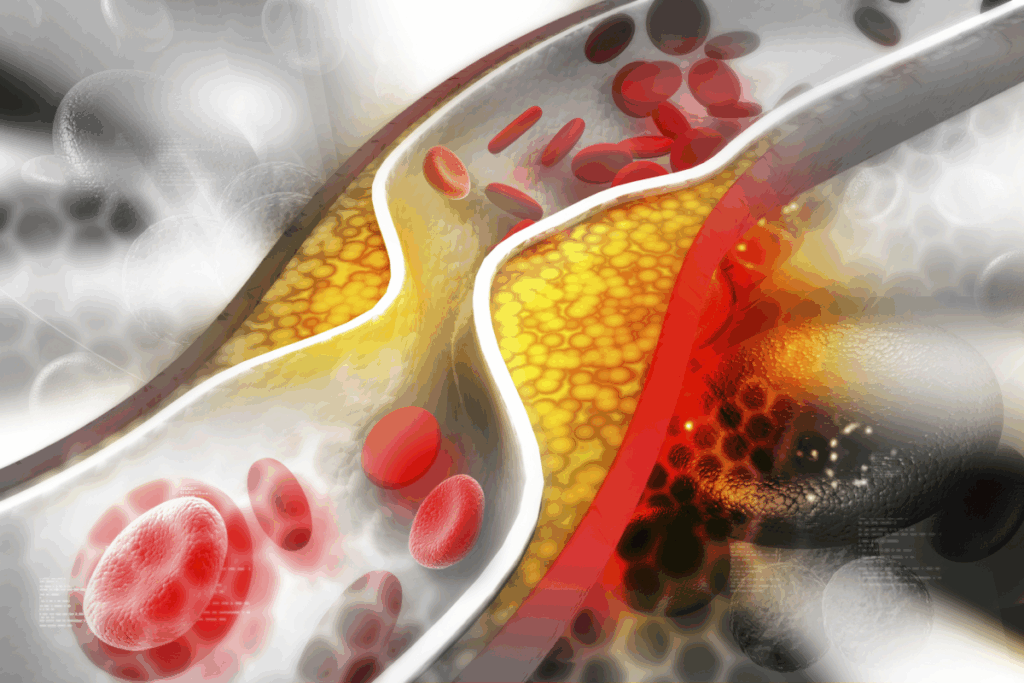
Dietary fiber is key in managing cholesterol levels. It has a strong link to cholesterol reduction, backed by lots of research. This research shows how fiber affects cholesterol metabolism.
How Dietary Fiber Affects Cholesterol Metabolism
Soluble fiber lowers cholesterol by binding to bile acids in the intestines. These bile acids are then excreted. This means the liver uses more cholesterol to make new bile acids. This process reduces blood cholesterol levels.
Key Mechanisms:
- Bile acid binding and excretion
- Increased cholesterol use by the liver
- Reduced cholesterol absorption in the intestines
The Gut Microbiome Connection
The gut microbiome is vital in how fiber affects cholesterol. Certain gut bacteria ferment soluble fiber. This process makes short-chain fatty acids that can affect liver cholesterol production.
“The gut microbiota is a key player in the fermentation of dietary fiber, and the metabolites produced during this process can have a significant impact on host metabolism, including cholesterol homeostasis.”
Research Evidence Supporting Fiber’s Cholesterol-Lowering Effects
Many studies show fiber’s benefits in lowering cholesterol. A meta-analysis of 67 trials found soluble fiber lowers total and LDL cholesterol.
Study | Fiber Type | Cholesterol Reduction |
Meta-analysis (2019) | Soluble fiber | Significant reduction in LDL cholesterol |
Clinical trial (2020) | Psyllium | 10% reduction in total cholesterol |
Observational study (2018) | Dietary fiber | Inverse association with cholesterol levels |
These studies show fiber’s role in managing cholesterol. They suggest increasing fiber intake for better heart health.
Types of Dietary Fibre That Lower Cholesterol
To lower cholesterol, knowing which dietary fibers are best is key. There are two main types: soluble and insoluble. Each has its own health benefits.
Soluble vs. Insoluble Fibre: What’s the Difference?
Soluble fiber turns into a gel in water. It helps lower cholesterol by removing bile acids from the body. This reduces liver cholesterol production. Foods like oats, barley, nuts, apples, and berries are high in soluble fiber.
Insoluble fiber doesn’t dissolve in water. It makes stool bulkier, helping with regular bowel movements. It’s not directly linked to cholesterol reduction but keeps the digestive system healthy, which is good for the heart.
Will Fiber Lower Cholesterol? The Evidence Says Yes
Studies prove that soluble fiber can lower total and LDL cholesterol. Eating 2-10 grams of soluble fiber daily can reduce these cholesterol levels. This lowers heart disease risk. Adding soluble fiber-rich foods to your diet is a smart move for cholesterol control.
Most Effective Fiber Types for Cholesterol Management
Some soluble fibers are better for managing cholesterol. Here are a few:
- Psyllium: It forms a gel that helps lower cholesterol.
- Beta-glucans: In oats and barley, they positively affect cholesterol.
- Pectin: Found in apples and berries, it binds to bile acids, reducing cholesterol.
Adding these fibers to your diet is a great way to manage cholesterol.
Soluble Fiber: Your Primary Cholesterol-Fighting Tool
Soluble fiber is key in lowering cholesterol. It helps our bodies manage cholesterol better. Soluble fiber reduces how much cholesterol is absorbed into the blood, lowering overall cholesterol levels.
How Soluble Fiber Binds to Cholesterol
Soluble fiber binds to bile acids in the intestines. These bile acids are then excreted. This makes the liver use more cholesterol to make new bile acids.
This natural process helps manage cholesterol levels.
Eating foods high in soluble fiber can improve heart health. This process not only lowers cholesterol but also helps the digestive system.
Top Sources of Soluble Fiber
Soluble fiber is found in many tasty and healthy foods. Some of the best sources include:
- Oats and oat bran
- Barley
- Nuts and seeds, such as almonds and flaxseeds
- Fruits like apples, berries, and bananas
- Vegetables such as carrots, brussels sprouts, and broccoli
- Legumes, including beans, lentils, and peas
Adding these foods to your meals is easy and delicious. This way, you can enjoy the benefits of soluble fiber without losing flavor.
Recommended Daily Intake for Cholesterol Management
To manage cholesterol with soluble fiber, you need the right amount. Aim for 5-10 grams of soluble fiber daily. Reaching this goal can greatly improve your cholesterol levels and heart health.
Most adults can meet this goal by eating fiber-rich foods all day. For instance, oatmeal for breakfast, apples and almonds for snacks, and legumes in your meals can help you reach your soluble fiber target.
Insoluble Fiber’s Role in Cholesterol Health
Insoluble fiber is key for heart health, even though soluble fiber gets more attention. It helps keep your digestive system healthy and makes you feel full. This can help manage cholesterol levels.
Does Insoluble Fiber Lower Cholesterol?
Insoluble fiber doesn’t directly lower cholesterol like soluble fiber does. But, it keeps your gut healthy. This can improve your metabolism and help with cholesterol.
Key benefits of insoluble fiber include:
- Promoting regular bowel movements
- Preventing constipation
- Aiding in the prevention of diverticulitis
- Supporting healthy gut bacteria
Indirect Benefits for Cardiovascular Health
Insoluble fiber has big indirect benefits for your heart. It makes you feel full, which helps with weight control. This is important for keeping cholesterol levels healthy.
As noted by health experts, eating foods high in fiber is good for your heart. This is because fiber helps with digestion, weight, and overall health.
“A high-fiber diet is one of the most effective dietary approaches to reducing cardiovascular risk. Both soluble and insoluble fiber play critical roles in this context.”
Best Food Sources of Insoluble Fiber
Finding foods high in insoluble fiber is easy. Some top sources are:
- Whole wheat bread and pasta
- Bran cereals
- Nuts and seeds, like almonds and sunflower seeds
- Vegetables like carrots, celery, and cucumbers
- Skins of fruits, such as apples and pears
Eating these foods can help you get enough insoluble fiber. This supports your heart health.
Learning about insoluble fiber’s benefits is a step towards better cholesterol management. It’s part of a bigger plan for heart health.
Top 10 Fiber-Rich Foods That Combat High Cholesterol
To fight high cholesterol, eating a variety of fiber-rich foods is key. These foods are not just good for your heart. They also help lower cholesterol levels. We’ll look at the best foods in three groups: whole grains, fruits and veggies, and legumes, nuts, and seeds.
Whole Grains and Cereals
Whole grains are packed with dietary fiber. They have both types of fiber, which are important for managing cholesterol. Here are some top whole grains:
- Oatmeal
- Oat bran
- Barley
- Quinoa
- Brown rice
You can add these grains to your meals in many ways. Try oatmeal for breakfast or quinoa as a side dish.
Fruits and Vegetables
Fruits and veggies are not just fiber-rich. They also have vitamins, minerals, and antioxidants. Here are some top choices:
- Apples
- Berries (such as blueberries, strawberries, and raspberries)
- Carrots
- Broccoli
- Brussels sprouts
You can snack on them, add them to salads, or include them in main dishes.
Legumes, Nuts, and Seeds
Legumes, nuts, and seeds are also high in fiber. They can help a lot with your daily fiber needs. Here are some examples:
- Lentils
- Black beans
- Almonds
- Chia seeds
- Flaxseeds
You can add them to soups, salads, or eat them as snacks.
Eating these fiber-rich foods can really help with high cholesterol. By mixing whole grains, fruits, veggies, legumes, nuts, and seeds into your diet, you support your heart health.
Fiber Supplements: When to Consider Them
Dietary fiber is best found in whole foods. But, supplements can help those who need more. For people who can’t get enough fiber from food, supplements offer a good option.
Types of Fiber Supplements Available
There are many fiber supplements, each with its own benefits. The most common are psyllium, beta-glucans, and other soluble fibers.
- Psyllium: Made from Plantago ovata plant husks, psyllium forms a gel. This helps lower cholesterol.
- Beta-Glucans: In oats and barley, beta-glucans improve cholesterol metabolism.
- Other Soluble Fibers: Includes pectin and guar gum. They also help lower cholesterol.
Psyllium, Beta-Glucans, and Other Effective Options
Psyllium and beta-glucans are top choices for managing cholesterol. Psyllium forms a gel in the gut. It binds to bile acids and removes them, reducing liver cholesterol production.
Beta-glucans, by contrast, boost the gut microbiome. They help produce short-chain fatty acids. These acids regulate cholesterol synthesis.
Proper Dosage and Possible Side Effects
It’s important to take the right amount of fiber supplements. Psyllium should be 2.5 to 5 grams daily. Beta-glucans usually require 3 grams a day.
Fiber Supplement | Typical Dosage | Potential Side Effects |
Psyllium | 2.5-5 grams/day | Gastrointestinal discomfort, bloating |
Beta-Glucans | 3 grams/day | Mild gastrointestinal symptoms |
To avoid side effects, start with a small dose. Gradually increase it. Drinking plenty of water is also key when taking fiber supplements.
Creating a High-Fiber Meal Plan for Cholesterol Management
Creating a high-fiber meal plan is key to managing cholesterol and boosting heart health. A good meal plan helps you eat more fiber-rich foods. This ensures you get enough fiber every day.
Breakfast Options Rich in Cholesterol-Lowering Fiber
Starting with a high-fiber breakfast sets a good diet tone. Try oatmeal with fruits and nuts, whole-grain cereals with berries, or avocado toast on whole-grain bread.
Here are some breakfast ideas:
- Oatmeal with banana and almond butter
- Greek yogurt with chia seeds and mixed berries
- Whole-grain toast with avocado and poached eggs
Fiber-Packed Lunch and Dinner Ideas
For lunch and dinner, add veggies, legumes, and whole grains. Some ideas are:
- Grilled chicken salad with mixed greens, beans, and whole-grain crackers
- Lentil soup with whole-grain bread
- Quinoa and black bean bowl with roasted veggies
Below is a table with high-fiber meal ideas for lunch and dinner:
Meal | Main Ingredients | Fiber Content (grams) |
Lentil Soup | Lentils, vegetables, whole-grain bread | 15-18 |
Quinoa and Black Bean Bowl | Quinoa, black beans, roasted vegetables | 10-12 |
Grilled Chicken Salad | Mixed greens, grilled chicken, beans, whole-grain crackers | 8-10 |
Healthy High-Fiber Snacks
Healthy snacks are important for fiber intake all day. Good snack options include:
- Fresh fruits like apples, bananas, or berries
- Nuts and seeds such as almonds, pistachios, or chia seeds
- Veggie sticks with hummus
By adding these high-fiber meals and snacks to your day, you can manage cholesterol and improve heart health.
Combining Fiber with Other Cholesterol-Lowering Strategies
Lowering cholesterol requires more than just fiber. It’s important to mix fiber with other healthy habits. This combination can lead to better results.
Exercise and Physical Activity
Exercise is key for heart health and lowering cholesterol. Adding exercise to a high-fiber diet boosts its benefits. Aim for 150 minutes of moderate exercise or 75 minutes of vigorous exercise weekly.
Exercise burns calories and keeps weight in check. It also raises “good” cholesterol and lowers “bad” fats in the blood.
Heart-Healthy Fats and Oils
Adding heart-healthy fats to your diet helps fiber work better. Foods like avocados, nuts, and olive oil lower “bad” cholesterol.
Switching to healthier fats like olive oil and nuts is good. Omega-3 fatty acids in fish like salmon also support heart health.
Food | Type of Fat | Benefit |
Avocados | Monounsaturated | Reduces LDL cholesterol |
Nuts and Seeds | Polyunsaturated | Improves overall lipid profile |
Olive Oil | Monounsaturated | Reduces risk of heart disease |
Other Dietary Approaches That Complement Fiber Intake
Other diets can also help lower cholesterol. Eating fruits, vegetables, and whole grains adds nutrients and antioxidants. These support heart health.
It’s also important to limit dietary cholesterol and unhealthy fats. Plant-based proteins like legumes and nuts are beneficial. A diet rich in fiber and vitamins, but low in unhealthy fats, helps keep cholesterol levels healthy.
By combining these diets with a high-fiber diet, you can manage cholesterol effectively. This approach improves overall heart health.
Potential Challenges and How to Overcome Them
Adding more fiber to our diet can bring challenges. A high-fiber diet helps manage cholesterol levels. It’s important to know the issues that can happen and how to solve them.
Digestive Discomfort When Increasing Fiber
One common problem is digestive discomfort. This can be bloating, gas, or stomach cramps. Gradually increasing fiber helps reduce these issues. Our bodies need time to adjust to the diet change.
Knowing the type of fiber causing discomfort is also key. Some people react differently to soluble or insoluble fiber. Soluble fiber in oats and barley is often easier to digest than insoluble fiber in whole grains and veggies.
Tips for Gradually Boosting Fiber Consumption
Here are some tips to avoid digestive issues:
- Start with one or two high-fiber foods a day.
- Slowly increase fiber over weeks or months.
- Keep a food diary to track fiber and any issues.
- Mix different fiber-rich foods for a balanced diet.
Staying Hydrated While on a High-Fiber Diet
Staying hydrated is vital on a high-fiber diet. Fiber absorbs water, which can prevent constipation but lead to dehydration without enough fluids. Drink at least eight glasses of water a day, more if you’re active.
Fluid needs vary based on individual activity levels. Listen to how your body reacts to more fiber and water. This helps find the right balance.
Tracking Your Progress: Monitoring Cholesterol Levels
Lowering cholesterol with fiber means more than just changing what we eat. It also means keeping an eye on our cholesterol levels. As we adjust our diet, it’s key to see how these changes affect our cholesterol.
How Quickly Can Fiber Impact Cholesterol Numbers?
Eating more fiber can quickly change our cholesterol levels. Research shows big changes can happen in just a few weeks. This fast change shows why it’s important to start tracking cholesterol early. Regular checks help us see how our body reacts to more fiber.
Working with Healthcare Providers
Working with doctors is key to managing cholesterol. Regular visits help us see how we’re doing and make needed changes. Doctors can give us advice tailored to our health and cholesterol levels.
Combining Diet Tracking with Cholesterol Testing
Tracking our diet and cholesterol together gives a full picture of our progress. This way, we can make smart choices about what we eat. By doing this, we can fine-tune our diet to better lower cholesterol.
Using these methods helps us manage cholesterol and improve heart health. Being active and careful in our approach leads to better health and less heart disease risk.
Conclusion: Making Fiber a Sustainable Part of Your Heart-Healthy Lifestyle
Incorporating fiber-rich foods into your diet can greatly benefit your heart health. You’ve learned how fiber helps lower cholesterol. This is a big step towards a healthier lifestyle.
It takes commitment and patience to make fiber a regular part of your diet. We urge you to keep making changes that help your heart. A diet full of soluble and insoluble fiber can manage cholesterol and lower heart disease risk.
Combine a high-fiber diet with exercise and healthy fats for a heart-healthy lifestyle. Stay hydrated, increase fiber slowly, and check in with your healthcare provider. This way, you can keep fiber as a key part of your lifestyle.
Adopting these habits will help you live a longer, healthier life. It’s all about making fiber a big part of your heart-healthy lifestyle.
FAQ
How does fiber help lower cholesterol levels?
Dietary fiber, like soluble fiber, is key in lowering cholesterol. It binds to bile acids and removes them from the body. This reduces liver cholesterol production.
What is the difference between soluble and insoluble fiber?
Soluble fiber dissolves in water, forming a gel that lowers cholesterol. Insoluble fiber doesn’t dissolve and helps with bowel movements and prevents constipation.
Will increasing my fiber intake really lower my cholesterol?
Yes, a high-fiber diet can lower cholesterol. It works best when combined with exercise and a balanced diet.
How much soluble fiber should I consume daily to lower my cholesterol?
Eat 5-10 grams of soluble fiber daily to lower cholesterol. Foods like oats, barley, fruits, and veggies are good sources.
Can fiber supplements help lower cholesterol?
Yes, supplements like psyllium and beta-glucans can lower cholesterol. Always talk to a healthcare provider before adding supplements.
How quickly can I expect to see a change in my cholesterol levels after increasing my fiber intake?
Fiber’s effect on cholesterol varies. Some see changes in weeks, while others may take months.
Are there any potentially side effects of increasing my fiber intake?
Yes, too much fiber can cause bloating and gas. Gradually increase fiber and stay hydrated to avoid this.
Can I get enough fiber from food alone, or do I need supplements?
Try to get fiber from whole foods like fruits, veggies, whole grains, and legumes. Supplements can help if you struggle to meet daily needs.
How does fiber interact with other cholesterol-lowering strategies, such as exercise and heart-healthy fats?
Combining a high-fiber diet with exercise and heart-healthy fats can lower cholesterol more than any one method alone.
Is it necessary to work with a healthcare provider to monitor my cholesterol levels while increasing my fiber intake?
Yes, it’s important to work with a healthcare provider. They can help monitor your cholesterol and adjust your diet and lifestyle for better results.
References:
National Center for Biotechnology Information. Fiber Intake for Cholesterol Management and Heart Health. Retrieved from https://www.ncbi.nlm.nih.gov/pmc/articles/PMC3865383/