
Did you know that even mild dehydration can hurt how well you think and move? It happens when we lose more water than we take in. This imbalance affects our body’s water and salt levels. Dehydration symptoms can be serious. Learn the 2 fatal warning signs you must know to keep your kidneys and urinary tract healthy.
We often miss the early signs of dehydration symptoms. If we ignore them, they can lead to serious health problems. It’s important to know these signs to stay healthy and avoid bigger issues.
Let’s dive deeper into the common symptoms of dehydration. We’ll also share tips on how to handle and avoid dehydration.
Key Takeaways
- Dehydration can impair cognitive and physical performance.
- Early signs of dehydration are often overlooked.
- Recognizing dehydration symptoms is key for good health.
- Mild dehydration can turn into serious health issues if not treated.
- Knowing dehydration symptoms helps in preventing it.
What is Dehydration?
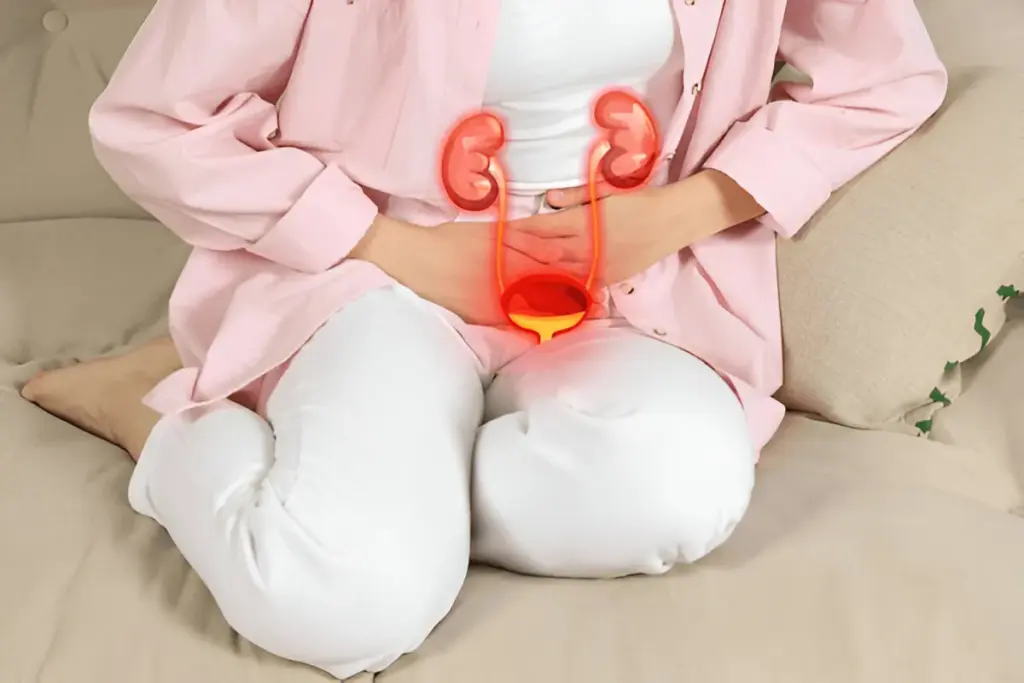
The human body needs water to work right. Dehydration happens when we lose this balance. It affects everyone and can be serious if not treated quickly.
Definition and Importance
Dehydration means losing too much fluid in our bodies. It’s not just about losing water. It’s about our body’s ability to keep fluids balanced. This balance is key for keeping our body temperature, moving nutrients, and getting rid of waste.
Many things can cause dehydration, like the weather, being active, or some health issues. Knowing the signs of dehydration is key to stopping it from getting worse.
How the Body Loses Water
The body loses water in different ways. Knowing these can help us avoid dehydration.
- Urination: The body gets rid of waste and extra fluids through urine.
- Sweating: When it’s hot or we’re active, our body sweats, losing water.
- Bowel movements: Bowel movements also help us lose water, though less than urine or sweat.
- Breathing: A bit of water is lost when we breathe.
|
Mechanism |
Description |
Factors Influencing Water Loss |
|---|---|---|
|
Urination |
Expulsion of waste and excess fluids |
Fluid intake, kidney function, certain medications |
|
Sweating |
Loss of water and electrolytes through the skin |
Environmental temperature, physical activity, clothing |
|
Bowel Movements |
Water loss through feces |
Diet, gastrointestinal health, certain medical conditions |
Knowing how we lose water helps us stay hydrated. It’s important to understand what affects water loss to keep our body’s fluids balanced.
Common Dehydration Symptoms

Dehydration happens when we lose more fluids than we take in. It shows in several ways. Knowing these signs helps us act fast to stay healthy.
Thirst and Dry Mouth
Thirst is the first sign our body sends out when it needs more water. A dry mouth also happens because we make less saliva. These signs tell us our body needs more hydration.
Fatigue and Weakness
Feeling fatigued and weak can also mean we’re dehydrated. Without enough fluids, our body can’t work well. This makes us feel tired and weak.
Dark Urine
Dark urine is another sign of dehydration. Urine should be pale yellow. If it’s dark yellow or amber, it means our body isn’t getting enough water.
|
Symptom |
Description |
|---|---|
|
Thirst |
The body’s signal for needing more fluids. |
|
Dry Mouth |
Reduced saliva production due to dehydration. |
|
Fatigue |
Feeling tired or lacking energy. |
|
Weakness |
A decrease in physical strength. |
|
Dark Urine |
Urine that is dark yellow or amber-colored. |
Severe Warning Signs of Dehydration
It’s important to know the severe signs of dehydration. Severe dehydration can cause serious health problems. These include dizziness, confusion, rapid heartbeat, and even losing consciousness. We will look at these symptoms to understand their seriousness and the need for quick medical help.
Dizziness and Confusion
Severe dehydration can make you feel dizzy and confused. This happens because your body loses too much water. It affects your blood pressure and how well your brain works.
When you lose a lot of water, your blood volume goes down. This means less oxygen gets to your brain. You might feel dizzy and not know what’s going on.
Dehydration can also make you feel nauseous and want to vomit. This makes it even harder for your body to get the fluids it needs. If you or someone you know is feeling these symptoms, getting medical help is key.
Rapid Heartbeat
A rapid heartbeat is another sign of severe dehydration. When you’re dehydrated, your heart has to work harder. This is because your body needs to keep blood pressure up and get oxygen to important organs.
This can make your heart beat faster. You might also feel your heart skipping beats or beating irregularly. In bad cases, dehydration can cause heatstroke, which is very dangerous and needs immediate medical care. If you have a fast heartbeat and other dehydration signs, you need to drink water fast and see a doctor if the symptoms don’t go away.
Unconsciousness
Unconsciousness is a serious and dangerous sign of dehydration. When you lose a lot of fluids, your blood pressure drops. This means your brain gets less oxygen, and you might lose consciousness.
If someone who is dehydrated becomes unresponsive, call for emergency help right away. While waiting, try to keep them cool and comfortable.
|
Symptom |
Description |
Action Required |
|---|---|---|
|
Dizziness and Confusion |
Feeling disoriented and dizzy due to low blood pressure and reduced oxygen supply to the brain. |
Seek medical help if symptoms persist. |
|
Rapid Heartbeat |
Increased heart rate due to dehydration, potentially leading to palpitations or irregular heartbeats. |
Rehydrate and seek medical attention if the heartbeat remains rapid. |
|
Unconsciousness |
Loss of consciousness due to severe dehydration and reduced blood pressure. |
Call emergency services immediately. |
Groups at Higher Risk for Dehydration
It’s important to know who is more at risk for dehydration. This is true for certain groups due to age, activity level, or health issues. Dehydration can hit anyone, but some are more likely to face its severe effects.
Children and Infants
Children and babies are very vulnerable to dehydration. Their small size and developing bodies make them lose fluids easily. Signs of dehydration in babies and young kids include fewer wet diapers, dry mouth, and being irritable. It’s key for parents and caregivers to spot these signs early to avoid severe dehydration.
Elderly Adults
Elderly people are also at a higher risk for dehydration. As we age, our bodies have trouble regulating fluids and responding to thirst. Some medicines older adults take can make them lose more water. It’s important for caregivers to make sure elderly folks drink enough water.
Athletes and Active Individuals
Athletes and those who are very active are also at risk for dehydration. Athletes and dehydration is a big worry because they lose a lot of water through sweat, mainly in hot weather. It’s vital for athletes to drink water before, during, and after working out to stay hydrated and perform well.
How to Recognize Mild vs. Severe Dehydration
Knowing if you’re mildly or severely dehydrated is key to getting better. Dehydration happens when you lose more fluids than you take in. This imbalance affects your body’s water and electrolyte levels. It’s important to understand how severe dehydration is to choose the right treatment.
Symptoms of Mild Dehydration
Mild dehydration shows up as thirst, dry mouth, and slightly dark urine. You might also feel fatigue, headache, and dizzy when standing up. Drinking more water or electrolyte-rich drinks can help. But, it’s important to treat mild dehydration quickly to avoid it getting worse.
Symptoms of Severe Dehydration
Severe dehydration has serious signs like extreme thirst, very dry mouth, and dark or brown urine. You might also feel dizzy or faint, have a fast heartbeat, and sunken eyes. In the worst cases, dehydration can cause unconsciousness or seizures, needing quick medical help. Severe dehydration is a serious issue that needs immediate treatment, often with IV fluids.
It’s vital to tell mild from severe dehydration to get the right treatment. Mild dehydration can be managed with self-care, but severe dehydration needs a doctor’s help. If you’re not sure about your dehydration level or have severe symptoms, see a healthcare professional.
How Dehydration Affects Physical Performance
Dehydration impacts physical performance in many ways, affecting endurance and cognitive function. Athletes or individuals doing physical activities without enough water risk poor performance and health issues.
Dehydration happens when we lose more water than we take in. This imbalance can cause many health problems. Even a small amount of dehydration can greatly affect how well we perform physically, making it key to know its effects.
Impact on Endurance
Dehydration can cut down endurance during activities. Without enough water, our body can’t cool itself down, leading to a faster heart rate and tiredness. Studies show a 2% loss in body weight due to dehydration can reduce endurance by up to 20%.
For athletes, staying hydrated is vital for performance. Drinking enough water before, during, and after exercise helps keep endurance up and results better.
“Proper hydration is essential for athletes to perform at their best. Dehydration can lead to decreased endurance, reduced strength, and increased risk of injury.”
— American Council on Exercise
|
Level of Dehydration |
Impact on Endurance |
|---|---|
|
Mild (1-2% body weight loss) |
Up to 10% decrease in endurance |
|
Moderate (2-4% body weight loss) |
Up to 20% decrease in endurance |
|
Severe (>4% body weight loss) |
Significant decrease in endurance, risk of heatstroke |
Cognitive Impairments
Dehydration affects not just physical but also mental performance. It can make it hard to focus, remember things, and make decisions. For activities needing both physical and mental effort, dehydration is very harmful.
Studies show dehydration can make anxiety and fatigue worse, hurting mental performance. So, staying hydrated is important for both physical and mental tasks.
- Concentration: Dehydration can make it hard to focus and pay attention.
- Memory: How much water we have affects our memory, both short and long-term.
- Decision-making: Dehydration can make it harder to make good decisions and judgments.
In conclusion, dehydration greatly affects endurance and mental function, making hydration key for performance. By understanding dehydration’s effects and staying hydrated, we can improve our performance and health.
Prevention Strategies for Dehydration
To prevent dehydration, we need to stay hydrated and eat foods that help keep our fluid balance right. By knowing and using these strategies, we can lower our risk of dehydration a lot.
Staying Hydrated Throughout the Day
Drinking water often is key to staying hydrated. Drinking water before you feel thirsty is a smart move, as thirst means your body is already dry. We suggest drinking 8-10 glasses of water a day. This amount can change based on your needs, the weather, and how active you are.
Watching your urine color is a simple way to see if you’re hydrated. It should be pale yellow. If it’s dark yellow or amber, you might be dehydrated.
Foods That Help Prevent Dehydration
Drinking water isn’t the only way to stay hydrated. Eating foods with lots of water in them also helps. Foods like watermelon, cucumbers, and celery are not only hydrating. They also have lots of electrolytes.
- Watermelon: It’s about 92% water, making it a great hydrating snack.
- Cucumbers: With about 96% water, cucumbers are very good at helping you stay hydrated.
- Leafy Greens: Spinach and kale have lots of water and are full of electrolytes.
Keeping electrolyte levels balanced is also important, more so when you’re very active or it’s very hot. Electrolyte solutions help replace lost salts. Coconut water and sports drinks are good natural choices.
“Adequate hydration is not just about drinking water; it’s also about maintaining the balance of electrolytes in the body.”
When to Seek Medical Attention
Knowing when to get medical help for dehydration can save lives. It’s important to watch for signs of severe dehydration. These signs mean you need to see a doctor right away.
Identifying Emergency Symptoms
Some symptoms mean dehydration is very bad and you need to go to the hospital. Look out for dizziness or confusion, rapid heartbeat, and unconsciousness. If you see these, get help fast.
Other signs you need to see a doctor include extremely dry mouth, little or no urine output, and a big drop in blood pressure. These show your body is very dehydrated. You need a doctor to fix it.
Importance of Early Intervention
Getting help early is key to treating dehydration well. Quick action can stop serious problems. Always drink water, more when you’re sick or very active, to avoid dehydration.
Ignoring dehydration can cause big health problems. These include heatstroke, kidney damage, and shock. Knowing when to get medical help is vital to avoid these issues.
Conclusion: Staying Hydrated for Health
Staying hydrated is key for our health and well-being. Dehydration can cause symptoms from mild to severe. By knowing the signs and following healthy habits, we can avoid dehydration and keep our bodies working right.
Maintaining Hydration
Drinking plenty of water is essential. Adding hydration tips to your daily life can really help. Eating foods like watermelon and cucumbers, which are full of water, is also good.
Promoting Healthy Habits
Making hydration a top priority helps us adopt healthy habits. It’s important to listen to our bodies, more so when we’re active or in the heat. Staying hydrated helps us perform better and lowers the chance of dehydration problems.
FAQ
What are the common symptoms of dehydration?
Signs of dehydration include feeling thirsty, having a dry mouth, and feeling tired. You might also feel weak and have dark urine. Severe dehydration can cause dizziness, confusion, a fast heartbeat, and even losing consciousness.
How does the body lose water?
Water is lost through sweat, urine, and bowel movements. We also lose it when we breathe and through skin evaporation.
Who is at higher risk for dehydration?
Some people are more at risk, like children, older adults, athletes, and those who are very active. People with health issues, like diabetes, are also more likely to get dehydrated.
How can I prevent dehydration?
To avoid dehydration, drink lots of water all day. Also, eat foods with lots of water, like fruits and veggies.
What are the symptoms of severe dehydration?
Severe dehydration can make you dizzy, confused, and have a fast heartbeat. If you see these signs, get help right away.
Can dehydration cause diarrhea?
Yes, diarrhea can lead to dehydration, and dehydration can cause diarrhea. It’s important to replace lost fluids and salts to avoid getting worse.
How do I know if I’m dehydrated?
If you feel thirsty, have a dry mouth, or feel tired, you might be dehydrated. Check your urine color. If it’s dark yellow or amber, you need to drink more water.
Can dehydration affect physical performance?
Yes, dehydration can make you feel tired, decrease your endurance, and affect your thinking. Drinking enough water is key for good physical performance.
When should I seek medical attention for dehydration?
If you have severe dehydration symptoms like dizziness, confusion, or losing consciousness, get medical help right away. Quick action is important to avoid serious problems.
How can I rehydrate quickly?
To rehydrate fast, drink lots of water or an electrolyte-rich drink, like sports drinks. Eating foods with lots of water, like fruits and veggies, also helps.
Can chronic dehydration cause long-term health problems?
Yes, long-term dehydration can harm your kidneys, cause urinary tract infections, and lead to other health issues. It’s important to stay hydrated for your overall health.
References
National Center for Biotechnology Information. Evidence-Based Medical Insight. Retrieved from https://pmc.ncbi.nlm.nih.gov/articles/PMC6282244/



 Departments
 Related Videos
 Our Doctors
 News
News